


Cleaning sealing surfaces properly means you remove old gasket material, RTV, and contaminants without scratching, gouging, or rounding the mating surfaces—so the new gasket can clamp evenly and seal on the first try.
Next, you’ll need the right prep tools (not just any abrasive) because the “wrong-fast” method can leave hidden damage or debris that causes repeat leaks—especially on aluminum parts and modern MLS-style sealing surfaces.
Then, the step-by-step process matters as much as the tools: protect openings, soften residue when appropriate, scrape at the correct angle, solvent-wipe correctly, and finish with a readiness check (cleanliness, flatness, surface condition, and bolt-hole prep).
Introduce a new idea: once the surfaces look “clean,” most leaks still happen because of misused sealant, missed inspection, or risky DIY shortcuts, so the guide below shows exactly what to do—and what to avoid—before you button everything up.
What does “cleaning sealing surfaces properly” mean for gasket work?
Cleaning sealing surfaces properly means removing residue and contamination while preserving the original surface finish and geometry, so the gasket can conform and seal under clamp load instead of bridging scratches, dents, or embedded debris.
To better understand why this matters, picture a gasket as a controlled “interface”—it needs uniform contact, correct compression, and a stable surface to hold oil/coolant/vacuum without weeping.
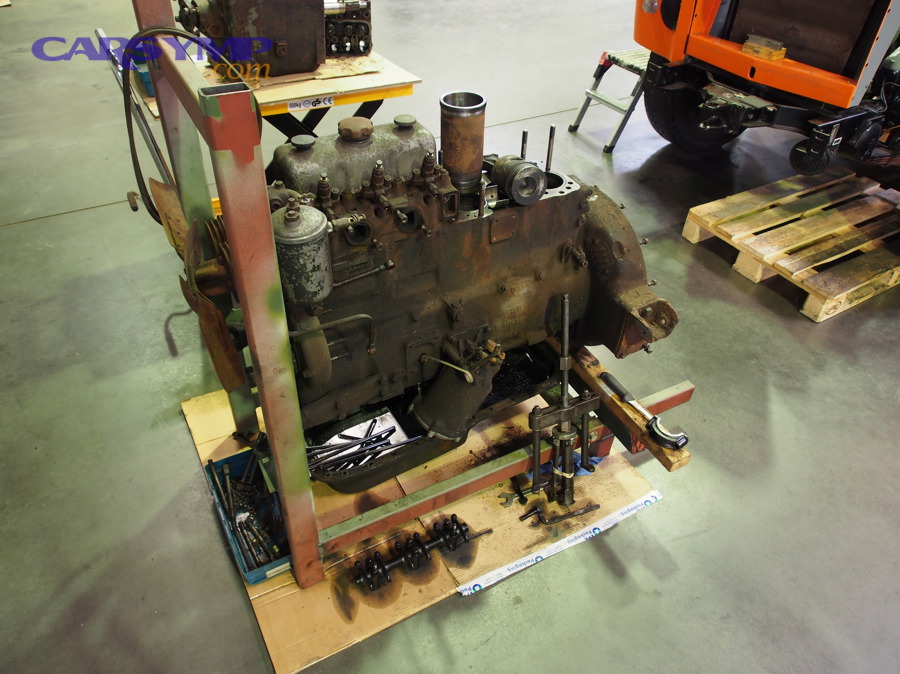
What are sealing surfaces (mating surfaces) on an engine?
Sealing surfaces are the two flat (or precisely machined) faces that clamp together with a gasket or sealant between them—like the oil pan rail and the engine block, a valve cover flange and cylinder head, or an intake manifold and head.
- Common engine sealing surfaces
- Oil pan rail (block/subframe clearance often makes access tricky)
- Valve cover flange
- Timing cover surface
- Water pump housing surface
- Thermostat housing surface
- Intake manifold ports and end rails
Why does surface cleanliness affect sealing more than people think?
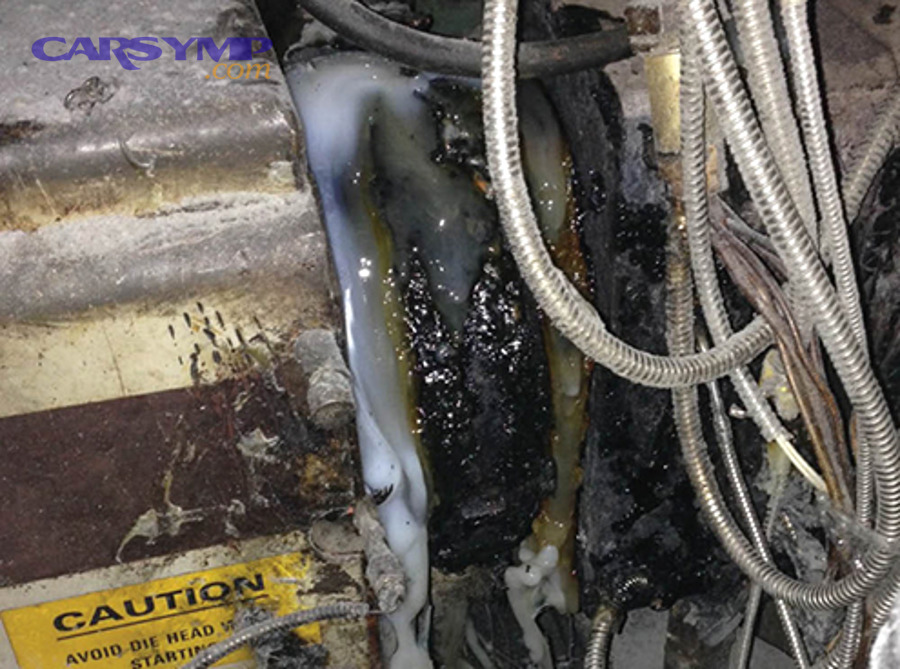
Surface cleanliness affects sealing because oil film, coolant residue, old RTV, and gasket fragments can create “high spots” or slippery layers that prevent proper gasket compression and friction, letting fasteners relax and leaks start.
- Even a thin residue can:
- Reduce gasket “bite” on the metal
- Create uneven clamp load distribution
- Encourage gasket extrusion or micro-weeping at corners
What damage are you trying to avoid while cleaning?
You’re trying to avoid gouges, scratches, rounding edges, and embedded abrasive particles—all of which can turn a flat sealing surface into a leaky one.
Typical “invisible” damage includes:
- Edge rounding near a sealing bead (common with aggressive sanding)
- Directional scratches that create leak paths
- Abrasive dust entering oil passages or bearings if openings aren’t protected
Which tools and supplies do you need to clean sealing surfaces without damage?
You need controlled scraping tools, safe solvents, lint-free wiping materials, and basic inspection aids, because proper prep is less about brute force and more about precision.
Next, set up a simple “clean zone” workflow: protect openings first, remove bulk residue second, finish-clean last, and inspect before assembly.
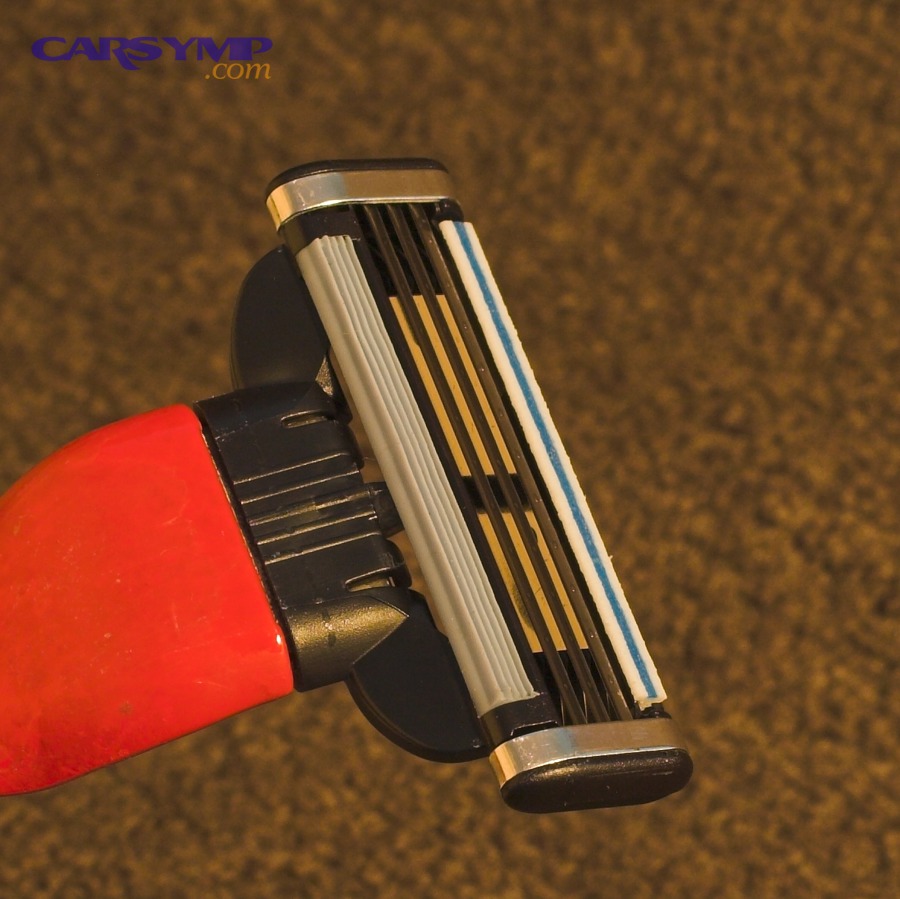
Which scrapers are safest for aluminum vs cast iron?
For aluminum, use plastic scrapers or plastic razor blades first, then step up only if needed with extreme care. For cast iron, a sharper metal scraper can work—but you still keep a low angle and avoid digging corners.
Practical rules:
- Aluminum surfaces: plastic scraper → plastic razor blade → careful solvent wipe
- Cast iron surfaces: plastic scraper → sharp metal scraper at low angle → light finishing wipe
- Avoid “corner-chipping” by keeping the blade flat and shallow.
What solvents and cleaners work without leaving a residue?
Use a cleaner that cuts oil/RTV residue but flashes clean, and always follow with a dry wipe.
Common choices:
- Brake cleaner (fast evaporation, strong degreasing)
- Acetone (effective but aggressive; ensure compatibility and ventilation)
- Isopropyl alcohol (good final wipe after heavier cleaning)
Good technique matters more than brand:
- Spray onto the rag first when possible (reduces overspray into engine openings).
- Use lint-free wipes so you don’t leave fibers behind.
What inspection tools help you verify readiness before reassembly?
A basic inspection kit catches most sealing failures before they happen:
- Bright light (to reveal residue and surface texture)
- Straight edge (for quick flatness checks where applicable)
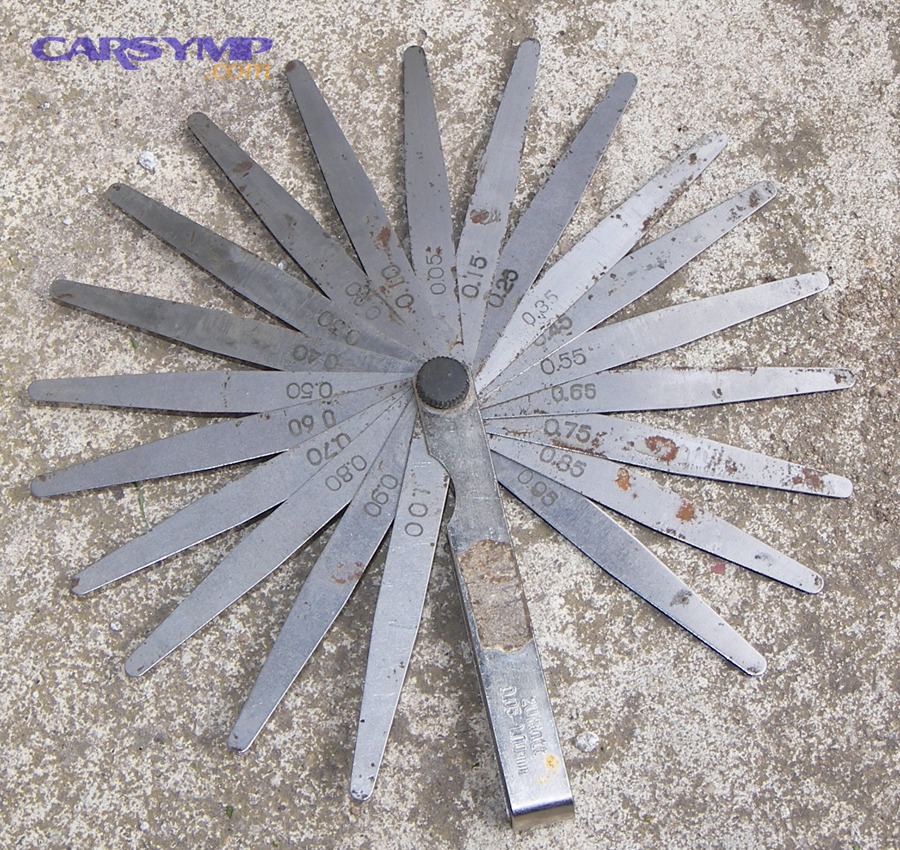
- Feeler gauges (to measure gaps during flatness checking)
- Thread chaser/tap (to clean bolt holes—carefully)
- Shop vacuum (to remove loose debris before final wipe)
How do you clean sealing surfaces properly step-by-step?
Clean sealing surfaces properly by following a controlled sequence of protection → bulk removal → fine removal → solvent wipe → final inspection, which prevents debris intrusion and preserves the surface finish needed for a reliable seal.
Then, treat the process like a checklist: the goal is not “shiny,” the goal is uniform, residue-free, and undamaged.
Step 1: How do you prep the area to keep debris out of the engine?
Prep the area by sealing off openings and controlling debris before any scraping starts.
Do this first:
- Stuff clean rags or paper towels into open cavities (as appropriate)
- Mask oil passages, coolant ports, and exposed lifter valleys when accessible
- Position a catch pan and absorbent pads below the work area
- Use a shop vacuum frequently (don’t wait until the end)
Key point: if debris gets into the engine, you can create problems far worse than a leak.
Step 2: How do you remove old gasket material without gouging?
Remove old gasket material by using a scraper at a low, shallow angle and working in controlled strokes, letting the tool do the cutting—not your force.
Best-practice technique:
- Hold the blade nearly flat to the surface
- Push in short strokes in one direction
- Avoid using the corners of the blade
- Reposition often rather than “digging in”
If residue is stubborn:
- Soften RTV or gasket adhesive with an appropriate solvent (as directed)
- Wait the recommended dwell time
- Scrape again gently instead of increasing pressure
This is where many oil pan gasket replacement jobs go wrong: the pan rail often has awkward access, so people pry and scrape aggressively—creating nicks that guarantee seepage later.
Step 3: How do you deal with RTV, silicone, and baked-on residue?
Deal with RTV and silicone by softening, lifting, and wiping—not grinding.
Effective approach:
- Apply solvent to break the film (avoid flooding sealed areas)
- Lift RTV in strips if possible
- Use a plastic blade on aluminum sealing surfaces
- Finish with a solvent wipe until the rag comes away clean
If you’re tempted to use a power abrasive, pause—power tools can remove metal faster than you think, and the damage often isn’t obvious until it leaks.
Step 4: How do you clean bolt holes and threaded fastener areas safely?
Clean bolt holes by removing oil and debris so bolts can clamp accurately, because trapped oil can “hydraulic” and give false torque readings.
Safe method:
- Vacuum loose debris out first
- Use a thread chaser (preferred) or a tap carefully (don’t cut new threads unless necessary)
- Blow out gently if you’re confident nothing can enter sensitive passages (eye protection required)
- Ensure holes are dry and free of oil before torqueing
This step directly affects clamp load—and clamp load is what makes the gasket seal.
Step 5: What is the correct final wipe so the surface is truly ready?
The correct final wipe is a two-stage wipe: first a degreasing wipe, then a clean “verification wipe” with a fresh lint-free cloth until no residue transfers.
A simple readiness check:
- Run a clean finger lightly across the surface: it should feel uniform, not slick
- Look under bright light: you should not see glossy streaks of oil or RTV film
- Confirm no fibers, grit, or gasket crumbs remain
How do you inspect sealing surfaces after cleaning to confirm they’re ready to seal?
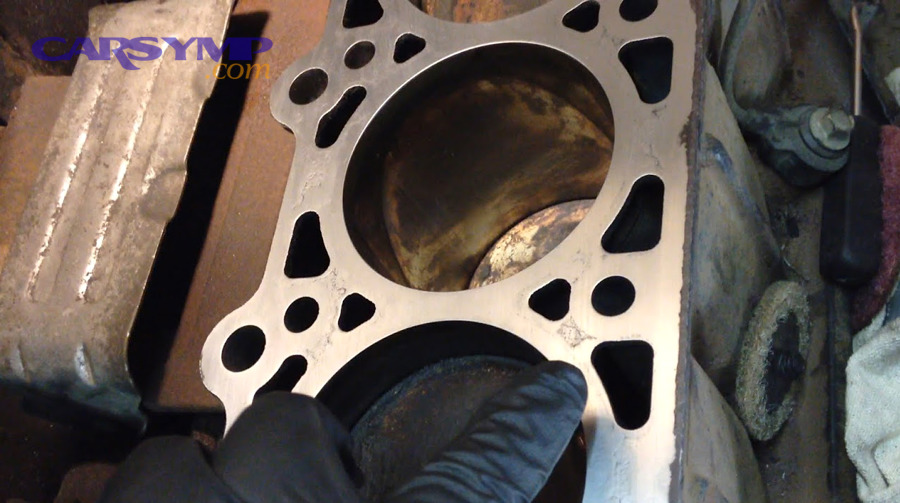
You confirm sealing surfaces are ready by checking cleanliness, surface damage, and (where relevant) flatness, because a surface can be “clean” but still unable to seal if it’s gouged or distorted.
Next, treat inspection as the last “gate” before you install anything—because after assembly, you’ll only see the leak, not the cause.
How can you spot scratches, gouges, and high spots that cause leaks?
Spot damage by using raking light (light held low across the surface) and looking for:
- Long scratches that run across the sealing path
- Dings near bolt holes or corners
- Raised burrs you can feel with a fingernail
- Embedded gasket material that looks like a thin shadow line
If you find a small burr, you may be able to knock it down gently—carefully—without reshaping the entire surface. If the surface is heavily damaged, replacement or machining may be the real fix.
When should you check flatness, and how do you do it?
Check flatness when the gasket relies on broad, uniform contact (common on covers, housings, and some rails), or when there’s a history of repeat leaks.
A basic method:
- Place a straight edge across the surface in multiple directions
- Shine a light behind it to reveal gaps
- Use a feeler gauge to measure any gap you can see
If the gap exceeds the manufacturer’s tolerance, cleaning won’t solve the sealing problem.
How do you know if the surface finish is compatible with the gasket type?
Surface finish compatibility depends on gasket type:
- Softer composite gaskets can tolerate slightly rougher surfaces
- MLS-style gaskets typically require a tighter surface finish control
- RTV-only seals need clean, dry, oil-free surfaces with correct bead placement
A practical DIY rule:
- If the surface looks “crosshatched and even,” you’re usually fine.
- If it looks “scratched in lines,” “polished slick,” or “chattered,” you’re in risk territory.
According to a study by University of Huddersfield from the Department of Mechanical Engineering, in 2017, sealing performance in mechanical seal systems is strongly influenced by tribology and surface interaction behavior—highlighting why surface condition and cleanliness are critical for reliable sealing interfaces.
Should you use sealants (RTV) after cleaning—and where should you avoid them?
Yes—sometimes you should use RTV after cleaning, but only in the right locations, for the right gasket design, and in the correct amount, because overuse can cause leaks, clog passages, and create uneven clamping.
More importantly, treat RTV as a controlled supplement, not a replacement for proper surface prep or the correct gasket.
When is RTV recommended, and when is it a bad idea?
RTV is typically recommended:
- At specific corners where multiple parts meet (common leak points)
- Where the manufacturer specifies a dab or bead
- On certain oil pan designs that call for RTV at joints or seams
RTV is a bad idea when:
- The gasket is designed to seal dry (many modern molded rubber gaskets)
- Excess RTV can squeeze inward toward oil pickup areas
- You’re using RTV to “fix” a warped surface (it usually won’t last)
In oil pan gasket replacement, too much RTV is a common failure mode: squeezed-out silicone can break free and end up where you don’t want it.
How much sealant is “just enough” for a reliable seal?
“Just enough” usually means:
- A thin, continuous bead only where specified
- Small dabs at corners—often the size of a pea, not a stripe
- No sealant smeared across the entire gasket face unless directed
The goal is a bead that compresses without excessive squeeze-out.
What curing and assembly timing prevents leaks?
Timing matters because RTV skins over and cures in stages.
General best practice:
- Apply RTV and assemble within the recommended window (before it skins too much)
- Torque fasteners in the specified sequence
- Allow appropriate cure time before adding fluids when required
If you rush cure time, oil can seep through uncured RTV and create a leak path that never fully seals.
What are common mistakes that ruin sealing surfaces—and how do you prevent them?
Common mistakes that ruin sealing surfaces include using aggressive abrasives, skipping contamination control, misusing RTV, and ignoring distortion, and you prevent them by following a controlled prep sequence and choosing the least-destructive method that gets the job done.
Then, treat this as your “DIY risks and when to avoid” checklist—because some situations are better handled with machining, replacement, or professional tools.
What DIY shortcuts most often cause repeat leaks?
Repeat leaks usually come from:
- Power sanding/discs that remove metal or embed abrasives
- Scraping at steep angles that gouge aluminum
- Leaving oil film that prevents gasket bite
- Installing a new gasket on a warped flange
- “Over-torqueing” to compensate for poor prep (often worsens distortion)
When should you stop and avoid DIY surface prep?
You should stop and avoid DIY surface prep when:
- The surface has deep gouges through the sealing track
- You measure distortion beyond tolerance
- The part is thin and easily warped (some stamped covers)
- Access is so poor you can’t control the tool angle (common on some vehicles)
In these cases, the real fix may be resurfacing, replacing the part, or changing the approach entirely.
How does this connect to oil pan gasket replacement labor time and planning?
Surface prep is a major reason Oil pan gasket replacement labor time varies so widely: on some vehicles, pan removal is straightforward; on others, you’re dealing with crossmembers, subframes, exhaust routing, or engine support—leaving less working room and increasing the risk of surface damage.
Practical planning tips:
- Budget extra time for cleaning and inspection (not just removal/installation)
- Don’t rush surface prep to “save” an hour—redoing the job costs far more
- If access forces bad angles, consider whether partial disassembly or professional help is the smarter move