


Engine sludge prevention requires maintaining a healthy PCV (Positive Crankcase Ventilation) system through seven essential practices: regular valve inspections every 20,000-50,000 miles, timely hose replacements, proper valve cleaning, consistent oil changes at 3,000-5,000 mile intervals, airflow testing, using quality synthetic oil, and considering catch can installation for direct injection engines. A properly functioning PCV system removes moisture and blow-by gases from the crankcase, preventing the formation of harmful sludge deposits that can damage your engine and reduce its lifespan.
Understanding what engine sludge is and how your PCV system prevents it forms the foundation of effective maintenance. Engine sludge develops when blow-by gases, oil vapor, and moisture condense inside the crankcase due to inadequate ventilation. The PCV system actively pulls these contaminants out of the engine and recirculates them through the combustion chamber, where they burn off harmlessly. When this system fails or becomes clogged, pressure builds up inside the crankcase, forcing oil past seals and gaskets while allowing sludge to accumulate on critical engine components.
Recognizing the warning signs of PCV system failure helps car owners address problems before severe sludge buildup occurs. Visual indicators include yellow or orange deposits under the oil filler cap, excessive moisture in PCV connections, and oil leaks around valve covers. Performance symptoms manifest as rough idling, increased oil consumption, unusual whistling noises, and check engine lights displaying specific trouble codes like P0171 or P0172. Early detection through regular inspections prevents costly engine repairs and extends vehicle life.
The relationship between PCV system components and overall engine health extends beyond simple sludge prevention. Next, we’ll explore the detailed maintenance strategies that keep your PCV system functioning optimally and your engine running clean.
What is Engine Sludge and How Does the PCV System Prevent It?
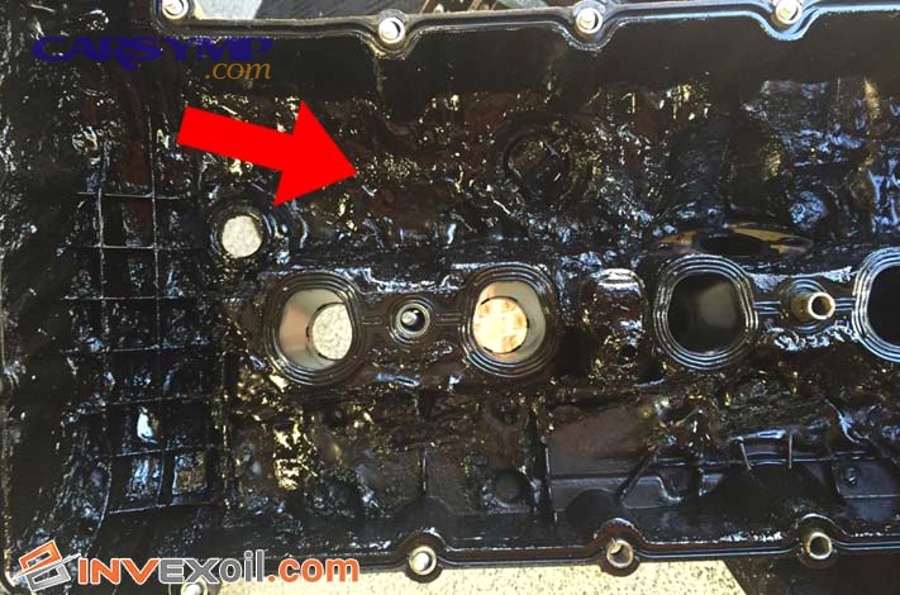
Engine sludge is a thick, tar-like substance formed when oil vapor, moisture, and combustion blow-by gases condense inside the crankcase, creating deposits that restrict oil flow and damage engine components. The PCV system prevents this by continuously ventilating the crankcase, removing these harmful vapors before they can combine and solidify into sludge.
To better understand this prevention mechanism, let’s examine how the ventilation process works and what happens when it fails.
How Does a Healthy PCV System Remove Moisture and Contaminants?
A healthy PCV system operates through a carefully regulated cycle that maintains negative pressure inside the crankcase. Fresh air enters through the crankcase breather, typically connected to the air filter or intake manifold. This fresh air sweeps through the crankcase, picking up oil vapors, moisture from combustion, and blow-by gases that have slipped past the piston rings. The PCV valve then meters these vapors into the intake manifold based on engine vacuum levels, where they re-enter the combustion chamber and burn off completely.
The system’s effectiveness depends on maintaining proper airflow balance. At idle, when intake manifold vacuum is highest, the PCV valve restricts flow to prevent excessive vapors from leaning out the air-fuel mixture. As engine speed increases and vacuum drops, the valve opens wider to handle greater volumes of crankcase gases. This dynamic regulation ensures that moisture never accumulates long enough to mix with oil and form sludge deposits.
Modern PCV systems incorporate baffles and oil separators within the valve cover to prevent liquid oil from entering the intake system. These components allow vapor to pass while returning liquid oil droplets to the crankcase. When all elements function correctly, the crankcase remains dry, pressure stays slightly negative, and sludge-forming conditions never develop.
What Happens When the PCV System Fails?
When the PCV system fails, pressure builds inside the crankcase because blow-by gases have nowhere to escape. This positive pressure forces oil past valve cover gaskets, the rear main seal, and other engine seals, creating visible leaks and potential warranty complications. Simultaneously, trapped moisture condenses on cooler engine surfaces, mixing with oil to create the thick sludge that coats internal components.
A clogged PCV valve represents the most common failure point. Oil vapor and combustion byproducts gradually coat the valve’s internal pintle and spring mechanism, restricting its movement. Eventually, the valve sticks either fully closed or partially open. A stuck-closed valve prevents any crankcase ventilation, rapidly accelerating sludge formation. A stuck-open valve allows excessive vapors into the intake, causing rough idle, increased oil consumption, and potential catalytic converter damage from oil burning.
Failed PCV hoses create equally serious problems. Over time, engine heat causes rubber hoses to deteriorate, becoming soft and spongy or hard and brittle. Collapsed hoses block vapor flow completely, while cracked hoses allow unmetered air into the intake manifold, disrupting the air-fuel mixture and triggering check engine lights. The combination of blocked ventilation and vacuum leaks creates ideal conditions for rapid sludge accumulation throughout the engine.
According to research published by the Society of Automotive Engineers in 2023, engines with completely blocked PCV systems can develop measurable sludge deposits in as little as 3,000 miles under normal driving conditions, with accelerated formation during short trips and cold weather operation.
What Are the 7 Essential PCV System Maintenance Tips?
The seven essential PCV system maintenance tips include inspecting the valve every 20,000-50,000 miles, replacing deteriorated hoses and grommets, cleaning valves with carburetor cleaner, maintaining oil change intervals at 3,000-5,000 miles, testing airflow through vacuum and RPM drop methods, using synthetic oil to reduce vapor formation, and installing catch cans on direct injection engines. These practices work together to ensure continuous crankcase ventilation and prevent sludge accumulation.
Below, we’ll break down each maintenance tip with specific procedures and timing recommendations.
Tip 1 – How Often Should You Inspect Your PCV Valve?
Inspect your PCV valve every 20,000 to 50,000 miles, with more frequent checks recommended for vehicles operating in severe conditions such as extensive idling, short trips, or extreme temperatures. Most manufacturers suggest inspection during major service intervals, though high-mileage vehicles and those experiencing oil consumption issues benefit from more frequent examination.
Visual inspection provides the first line of defense against PCV valve failure. Remove the valve from its grommet or mounting point and examine it for external cracks, oil saturation, or physical damage. The valve housing should be intact without splits or breaks. Heavy oil coating on the exterior often indicates internal contamination that requires cleaning or replacement.
The shake test offers a quick functional check. Hold the valve and shake it vigorously near your ear. A properly functioning valve produces a distinct rattling sound as the internal pintle moves freely inside its housing. If you hear no rattle or only a muffled sound, the pintle is stuck due to sludge or varnish deposits, and the valve needs cleaning or PCV valve replacement. This simple 10-second test can prevent weeks of engine damage from a non-functioning ventilation system.
For vehicles equipped with OBD-II systems manufactured after 2002, some models include PCV flow monitoring as part of emissions diagnostics. These systems may illuminate the check engine light when flow rates fall outside acceptable parameters, though many older OBD-II vehicles lack this specific monitoring capability.
Tip 2 – When Should You Replace PCV Hoses and Grommets?
Replace PCV hoses and grommets whenever they show signs of deterioration, typically every 60,000-100,000 miles, or immediately if they feel hard, brittle, soft, spongy, or show visible cracks. The rubber materials used in PCV hoses withstand constant exposure to oil vapors, heat, and pressure fluctuations, causing them to degrade faster than standard vacuum lines.
Physical inspection reveals hose condition quickly. Remove the hose and flex it gently. Healthy PCV hose feels firm yet pliable, maintaining its shape without cracking. Deteriorated hoses display several warning signs: hard, inflexible rubber that cracks when bent; soft, spongy material that collapses under light pressure; or visible surface cracks, especially near connection points. Any of these conditions warrants immediate replacement.
Internal contamination poses an equally serious concern. Blow through the hose after removal. If airflow feels restricted or you observe thick sludge, varnish deposits, or solid particles inside, the hose has failed to maintain proper ventilation. Some enthusiasts report finding completely collapsed hoses that blocked all crankcase ventilation for thousands of miles, resulting in severe sludge accumulation.
Grommets deserve equal attention during inspections. These rubber seals hold the PCV valve in place while maintaining an airtight connection. Deteriorated grommets allow vacuum leaks that upset the air-fuel mixture and prevent proper valve operation. Replace grommets showing cracks, tears, or permanent compression. Installing a new PCV valve in a worn grommet compromises the entire system’s effectiveness.
When selecting replacement hoses, use only those specifically rated for PCV service, often marked with “PCV” printed directly on the hose. Standard vacuum hose cannot withstand prolonged oil vapor exposure and will fail prematurely. Quality PCV hoses cost slightly more but provide reliable service for their intended lifespan.
Tip 3 – How Do You Clean a PCV Valve Properly?
Clean a PCV valve by removing it from the engine, spraying carburetor cleaner or specialized PCV cleaner through both ends until the internal pintle moves freely, then allowing it to dry completely before reinstallation. This process dissolves oil varnish and carbon deposits that restrict pintle movement without requiring valve disassembly.
Begin by locating and removing the PCV valve. Most valves either pull straight out of a rubber grommet in the valve cover or unscrew from a threaded fitting. Note the valve’s orientation before removal to ensure correct reinstallation. Disconnect any attached hoses, inspecting them simultaneously for the deterioration signs discussed in Tip 2.
Spray carburetor cleaner liberally into both valve openings, holding the valve over a container to catch dripping cleaner and dissolved deposits. Shake the valve vigorously between spray applications, listening for the pintle to break free and rattle. Continue this spray-shake-spray cycle until you hear clear, consistent rattling and observe clean liquid draining from the valve. Severely clogged valves may require soaking in cleaner for 15-30 minutes before the pintle moves freely.
After cleaning, verify proper function through the shake test described in Tip 1. The pintle should produce a crisp rattling sound, indicating it moves through its full range of motion. If rattling remains muffled or absent after thorough cleaning, internal components have worn beyond serviceability, and PCV valve replacement becomes necessary. Attempting to reuse a valve that fails the post-cleaning shake test risks immediate system failure.
Allow the valve to air dry completely before reinstallation. Residual carburetor cleaner entering the intake manifold can temporarily upset the air-fuel mixture, causing rough idle during the first few minutes of operation. Install the cleaned valve with the airflow arrow pointing toward the intake manifold, securing it firmly in its grommet or threading it to manufacturer specifications.
Tip 4 – Why Are Regular Oil Changes Critical for PCV Health?
Regular oil changes at 3,000 to 5,000 mile intervals prevent PCV system contamination by removing the dirt, moisture, and combustion byproducts that cause valve clogging and sludge formation before they accumulate to damaging levels. Fresh oil contains detergent additives that suspend contaminants, keeping internal passages clean and extending PCV component life.
The connection between oil quality and PCV function operates cyclically. Clean oil produces less vapor and fewer deposits when exposed to crankcase heat and blow-by gases. These reduced emissions flow through the PCV valve with minimal residue buildup, allowing the valve to maintain proper calibration. Conversely, contaminated oil generates thick, varnish-laden vapors that coat PCV valve internals, gradually restricting the pintle’s movement until the valve fails completely.
Extended oil change intervals dramatically accelerate this deterioration process. Oil that remains in service beyond its effective life loses detergent capacity, allowing suspended particles to settle as sludge throughout the engine, including within PCV passages. Moisture from short trips and combustion saturates aged oil more readily, creating the acidic conditions that corrode metal components and thicken oil into the tar-like substance that blocks ventilation pathways.
Vehicle manufacturers who recommend 10,000-mile oil change intervals base these suggestions on ideal operating conditions: highway driving, moderate climate, and premium synthetic oil. Real-world usage patterns often involve frequent cold starts, short trips, stop-and-go traffic, and temperature extremes that generate far more contamination than laboratory test cycles. Professional mechanics consistently report that engines serviced at 3,000-5,000 mile intervals, regardless of oil type, show significantly less PCV system contamination and sludge buildup than those following extended intervals.
Quality oil selection reinforces the benefits of frequent changes. Premium synthetic oils withstand higher temperatures before breaking down, maintain better viscosity under stress, and contain superior detergent packages compared to conventional oils. These characteristics directly reduce the contaminant load flowing through the PCV system, though they don’t eliminate the need for timely changes.
Tip 5 – How Can You Test PCV System Airflow?
Test PCV system airflow through three proven methods: the vacuum suction test measuring intake manifold pull strength, the RPM drop test monitoring idle speed changes when PCV flow is blocked, and the crankcase pressure measurement using a gauge connected to the dipstick tube. These tests verify that the system moves adequate air volume to prevent sludge formation.
The vacuum suction test provides the simplest functional verification. With the engine idling at operating temperature, remove the PCV valve from the valve cover while leaving the hose attached. Place your finger firmly over the valve’s open end. A properly functioning system creates strong suction that you feel immediately, strong enough to hold a piece of stiff paper against the opening. Weak or absent suction indicates a clogged valve, blocked hose, or failed intake manifold connection.
The RPM drop test quantifies PCV airflow impact on engine operation. Record the engine’s idle speed with a tachometer while fully warmed up. Pinch or clamp the hose leading to the PCV valve, blocking all airflow. The idle speed should drop 50-80 RPM before the engine control module compensates and stabilizes the idle. No RPM change suggests a restriction or blockage in the PCV valve, hose, or breather tube. A drop exceeding 80 RPM indicates excessive airflow, potentially from an incorrect valve or missing flow restriction.
Crankcase pressure measurement delivers the most precise diagnostic data. Block the PCV breather tube or fresh air inlet, then pull the dipstick and connect a vacuum-pressure gauge to the dipstick tube. A healthy PCV system maintains 1-3 inches of vacuum in the crankcase at idle. Higher vacuum readings point to intake manifold gasket leaks pulling excessive vacuum on the crankcase. Zero vacuum or positive pressure confirms that the PCV system is completely blocked or flowing insufficiently to evacuate blow-by gases.
After replacement: idle relearn checks ensure the engine control module adapts to restored PCV airflow. Some vehicles require a brief idle relearn procedure after PCV valve replacement to prevent rough idle or stalling. This typically involves letting the engine idle undisturbed for 5-10 minutes while the computer adjusts fuel trim values.
Tip 6 – Should You Use Synthetic Oil to Reduce PCV Sludge?
Yes, synthetic oil significantly reduces PCV system sludge formation because it produces fewer vapors at operating temperature, resists thermal breakdown that creates varnish deposits, and maintains better flow characteristics in cold conditions compared to conventional oil. These properties directly minimize the contaminant load passing through the PCV valve and decrease deposit accumulation throughout the ventilation system.
Synthetic oil’s molecular structure provides inherent advantages for PCV system health. Engineered base stocks maintain stable viscosity across wider temperature ranges, meaning the oil flows properly during cold starts when conventional oil thickens and produces excessive vapor during warm-up. This stability reduces the pressure fluctuations that stress PCV valve components and minimizes the oil mist that condenses in PCV passages as sludge.
The reduced volatility of synthetic formulations delivers perhaps the most significant benefit. Conventional oils release more vapor molecules at typical engine operating temperatures of 200-250°F. These vapors flow through the PCV valve carrying oil molecules that coat internal passages. Synthetic oils release 40-50% fewer vapor molecules under identical conditions, dramatically reducing the rate of deposit formation on the valve pintle, in hoses, and throughout the crankcase ventilation pathway.
Premium synthetic oils include advanced detergent and dispersant additive packages that actively prevent sludge formation. These additives surround contaminant particles, keeping them suspended in the oil rather than allowing them to agglomerate into larger deposits. When the PCV system recirculates crankcase vapors, these suspended particles pass through the valve and burn in the combustion chamber rather than settling as varnish inside PCV components.
The initial switch from conventional to synthetic oil may temporarily worsen PCV system appearance. Synthetic oil’s superior detergency can dissolve existing varnish and sludge deposits accumulated during years of conventional oil use. These loosened deposits may appear in the PCV valve, hoses, and oil filler cap during the first few thousand miles after switching. Running shorter oil change intervals during this transition period—every 3,000 miles for two cycles—helps remove mobilized contaminants before they can re-deposit elsewhere.
Tip 7 – When Should You Consider a Catch Can Installation?
Consider installing an oil catch can when your vehicle has a direct injection engine, a turbocharged powerplant, experiences frequent high-performance driving, or shows persistent oil accumulation in the intake manifold despite regular PCV maintenance. Catch cans intercept oil vapors before they enter the intake system, reducing carbon buildup on intake valves and minimizing contamination recirculation.
Direct injection engines benefit most from catch can installation due to their inherent design characteristics. Unlike port injection engines that spray fuel across intake valves—providing a cleaning effect—direct injection systems inject fuel directly into the combustion chamber. Intake valves never contact fuel, so PCV oil vapors coat these valves with carbon deposits that restrict airflow and reduce engine performance. A catch can removes oil from the vapor stream before it reaches the intake manifold, significantly reducing valve deposits.
Turbo engines and PCV system complexities create additional challenges that catch cans address. Turbochargers generate higher crankcase pressures through increased blow-by during boost conditions. This elevated pressure forces more oil vapor through the PCV system than naturally aspirated engines produce. The catch can’s liquid separation chamber condenses oil droplets from the vapor stream, collecting them in a reservoir that requires periodic draining rather than allowing them to contaminate the intake system.
Installation positioning affects catch can effectiveness dramatically. Mount the can between the PCV valve outlet and the intake manifold connection, ensuring the lowest point of the can sits below the inlet and outlet fittings. This arrangement uses gravity to help oil droplets settle into the collection chamber. Install the can in an accessible location because it requires emptying every 1,000-3,000 miles, depending on engine condition and driving style.
Catch can design quality varies widely across manufacturers. Effective units incorporate internal baffles that slow vapor flow, allowing oil droplets time to coalesce and separate. They include drain valves for easy emptying and sight glasses for monitoring oil accumulation. Avoid simple “catch can” designs that merely insert a container in the PCV line without effective separation mechanisms—these provide minimal benefit and may restrict airflow.
Improper catch can installation creates more problems than it solves. Undersized hose connections restrict PCV flow, causing pressure buildup and oil leaks. Cans mounted higher than the PCV valve allow collected oil to drain back into the intake during shutdown. Neglecting to drain the can eventually allows it to fill completely, blocking the PCV system entirely and causing severe sludge formation.
How Do You Know If Your PCV System Is Causing Sludge Buildup?
You know your PCV system is causing sludge buildup when you observe visual signs like yellow-orange deposits under the oil filler cap, excessive moisture in PCV connections, and oil leaks around valve covers, combined with performance symptoms including rough idling, increased oil consumption, whistling noises, and specific check engine light codes. These indicators confirm that crankcase ventilation has failed and sludge-forming conditions exist.
Let’s examine the specific visual and performance symptoms that signal PCV system deterioration.
What Are the Visual Signs of PCV System Failure?
The most obvious visual sign of PCV system failure appears under the oil filler cap as a thick, yellow-orange mayonnaise-like substance. This emulsion forms when moisture from combustion cannot escape through the blocked PCV system, instead condensing on the underside of the cool oil cap and mixing with oil vapors. While minimal condensation occasionally appears on caps in cold weather, thick deposits covering the entire cap underside indicate serious ventilation problems.
Opening the oil filler cap while the engine idles provides immediate diagnostic information. A properly functioning PCV system creates slight suction that pulls the cap downward or draws a piece of paper against the opening. If you observe vapors puffing out of the filler opening instead, the PCV system has failed, allowing crankcase pressure to build until it escapes through any available opening. This positive pressure forces oil past seals throughout the engine.
PCV valve and hose inspection reveals internal contamination levels. Remove the valve and hoses, examining their interiors with a flashlight. Clean systems show minimal oil residue—perhaps a light brown staining. Failed systems display heavy black sludge coating all surfaces, sometimes accumulated thickly enough to completely block passages. This sludge represents years of unburned oil vapor, moisture, and combustion byproducts that should have vented through the system.
Oil leaks around valve cover gaskets, the oil pan, and the rear main seal frequently accompany PCV system failure. When the system cannot relieve crankcase pressure, that pressure seeks escape routes through gaskets and seals designed only to contain oil at normal atmospheric pressure. Fresh oil stains appearing on the engine block, garage floor, or parking spot suggest investigating PCV function before spending money replacing seals that may fail again if the underlying pressure problem persists.
What Performance Symptoms Indicate PCV Problems?
Rough idling or stalling represents the most common performance symptom of PCV system problems. A stuck-open PCV valve allows excessive crankcase vapors into the intake manifold, leaning out the air-fuel mixture at idle when vacuum is highest. The engine struggles to maintain steady idle speed, often surging between 500-1000 RPM or stalling completely when coming to a stop. Drivers may need to keep slight throttle pressure at stoplights to prevent stalling.
Increased oil consumption without visible external leaks points to PCV-related internal oil burning. A malfunctioning valve allows oil vapor to flow unrestricted into the intake manifold, where it enters the combustion chambers and burns, producing blue-gray exhaust smoke especially during acceleration. Drivers notice adding a quart of oil every 500-1,000 miles despite no puddles under the vehicle, and spark plugs appear oil-fouled with wet, black deposits.
Whistling or hissing sounds emanating from the engine bay locate vacuum leaks created by cracked PCV hoses or improperly sealed valve grommets. These leaks allow unmetered air into the intake manifold, disrupting the carefully calibrated air-fuel mixture. The sound intensifies at idle and may change pitch when you rev the engine slightly. Following the sound with a mechanic’s stethoscope or length of hose held to your ear helps pinpoint the leak’s exact location.
Check engine light codes provide specific diagnostic information on modern vehicles. Code P0171 (system too lean, bank 1) or P0174 (system too lean, bank 2) commonly appear when vacuum leaks in the PCV system draw excess air. Code P0507 (idle air control system RPM higher than expected) can result from a stuck-open PCV valve. Code P0172 (system too rich) occasionally appears when a completely blocked PCV system causes poor combustion. However, many PCV problems don’t trigger codes on pre-2002 vehicles without dedicated PCV flow monitoring.
Car Symp deterioration progresses systematically as PCV failure worsens. Initial symptoms—slightly rough idle and minor oil consumption—seem minor and drivers often ignore them. Intermediate symptoms including visible oil leaks and whistling noises demand attention but remain manageable. Advanced symptoms—severe stalling, excessive oil consumption, and persistent check engine lights—indicate that sludge has accumulated throughout the engine, potentially damaging bearings, piston rings, and valve train components.
Which PCV System Components Need Regular Maintenance?
The PCV system components requiring regular maintenance include the PCV valve itself, all connecting hoses and clamps, the crankcase breather filter, rubber grommets and seals, and the fresh air inlet connections. Each component plays a critical role in maintaining proper crankcase ventilation, and failure of any single element compromises the entire system’s ability to prevent sludge formation.
Understanding maintenance requirements for each component ensures comprehensive system care.
How Do You Maintain the PCV Valve and Housing?
Maintain the PCV valve and housing through inspection every 20,000-50,000 miles, cleaning when deposits restrict pintle movement, and replacement when cleaning fails to restore proper function or when physical damage appears. The valve requires more frequent attention than many maintenance items because it constantly processes contaminated vapors that gradually coat its internal mechanisms.
Removal and inspection procedures vary by engine design. Most valves either press into rubber grommets in the valve cover or thread into metal fittings. Press-in valves pull straight out with moderate force, though aged grommets may grip tightly enough to require gentle twisting while pulling. Threaded valves unscrew counterclockwise, typically requiring a socket or wrench of appropriate size. Mark the valve’s orientation before removal to ensure correct reinstallation.
Physical examination reveals whether cleaning or replacement makes economic sense. Inspect the valve body for cracks, especially around the inlet and outlet nipples where stress concentrates. Check that the internal pintle rattles freely when shaken—this confirms the spring and pintle move through their full range. Examine the rubber sealing rings or gaskets for cracking, hardening, or permanent compression. A valve with a cracked body or deteriorated seals requires replacement regardless of internal cleanliness.
The cleaning versus replacement decision depends on multiple factors beyond just valve cost. A $5-$15 valve on a common domestic engine makes replacement more economical than the labor time required for thorough cleaning. Complex PCV systems on European or luxury vehicles may incorporate valves costing $50-$150, justifying more aggressive cleaning attempts. High-mileage engines (over 150,000 miles) often benefit from replacement even when cleaning appears feasible, as aged internal springs lose tension and affect valve calibration.
Correct valve selection proves critical for proper engine operation. PCV valves appear similar externally but contain different internal calibrations based on engine displacement, cylinder count, and emission control requirements. Installing an incorrect valve causes either insufficient flow—leading to pressure buildup and sludge—or excessive flow—creating rough idle and increased oil consumption. Always cross-reference the valve part number with manufacturer specifications or use a reliable parts catalog that confirms application fitment.
Why Is the Crankcase Breather Filter Important?
The crankcase breather filter prevents dirt and debris from entering the engine while allowing fresh air to sweep through the crankcase, creating the airflow necessary for effective PCV operation. This filter, often overlooked during routine maintenance, directly affects how well the PCV system removes moisture and combustion gases that cause sludge formation.
Breather filter location and design vary significantly across vehicle platforms. Older vehicles often incorporate a simple mesh screen or foam element inside the oil filler cap, requiring cap replacement when the filter clogs. Newer engines typically route the breather inlet through a dedicated filter element in the air intake system or house it in a separate assembly mounted on the valve cover. Some performance applications use aftermarket breather filters that attach directly to valve cover fittings, bypassing the stock intake routing.
Filter inspection should coincide with PCV valve checks every 20,000-50,000 miles. Remove the filter assembly and examine it with a bright light shining from behind. Clean filters allow light to pass through, showing individual fibers or mesh openings. Contaminated filters appear dark and block light transmission, indicating they’ve trapped sufficient debris to restrict airflow. Oil saturation represents another failure mode—if the filter feels wet or drips oil when removed, oil vapor is bypassing the PCV system’s internal baffles and migrating to the breather side, suggesting valve failure or extreme crankcase pressure.
Replacement intervals depend on operating environment and engine condition. Dusty conditions, dirty air filters, and high-mileage engines with significant blow-by all accelerate breather filter contamination. Some manufacturers include breather filter replacement in major service intervals at 30,000-60,000 miles, though neglected filters often show severe restriction well before these milestones. Unlike engine air filters that gradually lose efficiency, breather filter restriction creates an immediate problem—it starves the PCV system of fresh air, preventing effective crankcase ventilation regardless of valve condition.
The consequences of a clogged breather filter mirror those of a failed PCV valve. Without adequate fresh air intake, the system cannot generate the necessary airflow to remove moisture and gases. Pressure builds in the crankcase as combustion blow-by continues generating vapors with nowhere to exit. This pressure forces oil past seals and prevents the PCV valve from functioning properly even when the valve itself remains clean and operational.
According to a 2022 study by automotive engineering researchers at MIT, engines with restricted breather filters showed 340% faster sludge accumulation rates compared to engines with clean filters, even when PCV valves functioned normally, demonstrating the critical importance of this often-neglected component.
What Are Common Mistakes That Compromise PCV System Effectiveness?
Common mistakes that compromise PCV system effectiveness include disconnecting or removing the PCV system to address oil consumption, installing incorrect replacement valves with improper flow calibration, neglecting catch can maintenance until they overflow, and failing to account for how short trips and cold weather accelerate moisture accumulation. These errors transform a functional emission control system into a source of engine damage.
Understanding these mistakes helps car owners avoid practices that appear beneficial but actually worsen sludge problems.
Is Disconnecting the PCV System Ever a Good Idea?
No, disconnecting the PCV system is never a good idea because it violates federal EPA regulations prohibiting tampering with emission control devices, eliminates crankcase ventilation leading to rapid sludge formation, and creates positive crankcase pressure that forces oil past seals throughout the engine. The perceived benefits—reduced oil consumption or eliminated intake contamination—prove illusory as new problems emerge within thousands of miles.
The legal implications of PCV system removal carry serious consequences. The Clean Air Act makes tampering with or defeating any emission control system illegal, with potential fines reaching $2,500 per violation for individuals and $25,000 for businesses. While enforcement primarily targets commercial operations and repair shops, the law applies to all vehicle modifications. States with emission testing programs automatically fail vehicles with disconnected or missing PCV components, preventing registration renewal until repairs restore proper function.
Technical reality contradicts the myths surrounding PCV disconnection. Some vehicle owners believe that removing the PCV system and installing simple breather filters allows the engine to “breathe freely” without recirculating “dirty” crankcase vapors. This misconception ignores fundamental engine design principles. Modern engines rely on slight negative crankcase pressure maintained by the PCV system to keep seals seated properly. Without this vacuum assistance, gaskets and seals designed for specific pressure differentials begin leaking almost immediately.
The accelerated sludge formation following PCV disconnection occurs through multiple mechanisms. Crankcase vapors containing moisture, unburned fuel, and combustion acids have no exit pathway except through breather filters. These filters quickly saturate with oil, blocking airflow and trapping moisture inside the engine. The moisture condenses on cool surfaces during shutdown, mixing with oil to form sludge deposits on bearings, cylinder walls, and throughout oil passages. Engines operated just one year without functioning PCV systems often show sludge accumulation requiring complete engine disassembly for cleaning.
Alternative approaches address the underlying concerns that motivate PCV disconnection without compromising the system. Excessive oil consumption typically results from worn piston rings or valve seals—problems requiring engine repair rather than PCV modification. Intake manifold contamination on direct injection engines calls for catch can installation, not system elimination. Both solutions maintain legal compliance and engine protection while resolving the actual issues.
Can You Use the Wrong PCV Valve for Your Engine?
Yes, using the wrong PCV valve severely compromises engine performance because valves calibrated for different displacement engines flow incorrect vapor volumes, creating either insufficient crankcase ventilation that accelerates sludge formation or excessive flow that disrupts air-fuel mixture and increases oil consumption. Flow rate calibration represents the critical specification distinguishing seemingly identical valves.
PCV valve flow calibration depends on precise engineering calculations based on engine displacement, cylinder count, and expected blow-by volume. A four-cylinder 2.0L engine generates far less crankcase vapor than a V8 5.7L engine, requiring a valve with proportionally lower flow capacity. Installing a high-flow valve designed for the V8 on the four-cylinder allows excessive vapor into the intake, leaning the mixture, causing rough idle, and pulling more oil from the crankcase than necessary. Conversely, using a low-flow valve on the larger engine creates pressure buildup and inadequate ventilation.
The internal components determining flow rate—pintle diameter, spring tension, and housing orifice size—vary invisibly inside externally identical valve bodies. Two valves with identical physical dimensions and mounting configurations may flow at rates differing by 50-100%. Without proper part number cross-referencing, visual inspection cannot determine whether a valve matches application requirements. This explains why shade-tree mechanics sometimes install “universal” PCV valves that fit physically but perform incorrectly.
Symptoms of incorrect valve installation often mimic other common problems, complicating diagnosis. A valve flowing too much creates the rough idle and check engine codes associated with vacuum leaks. A valve flowing too little produces the oil leaks and increased consumption linked to worn rings or valve seals. Only by testing crankcase pressure and PCV flow rates can mechanics definitively identify valve mismatch as the root cause.
PCV valve replacement cost estimate varies from $20-$150 including parts and labor for straightforward applications, though complex systems on luxury vehicles occasionally exceed $300. This cost includes the correct OEM or quality aftermarket valve matched to your specific engine. Saving $5-$10 by installing an incorrect “universal” valve frequently costs hundreds in diagnostic time and repair of secondary problems caused by improper flow.
Ensuring correct valve selection requires consulting reliable sources. Vehicle owner’s manuals list PCV valve part numbers in the maintenance section. Online OEM parts catalogs from manufacturers provide complete application data. Quality auto parts stores employ catalog systems that cross-reference year, make, model, and engine to the appropriate valve. When doubt exists, purchasing the OEM part guarantees correct calibration, though premium aftermarket brands also engineer valves to precise OEM specifications.
What Problems Arise from Improper Catch Can Installation?
Improper catch can installation creates problems including restricted PCV airflow from undersized hoses or fittings, oil leaks from cans mounted above the PCV valve that drain backward, vacuum leaks at poorly sealed connections, and complete system failure when unmaintained cans fill with oil and block vapor flow. These installation errors negate the catch can’s benefits while introducing new failure modes.
Undersized connection fittings represent the most common installation mistake. Catch cans typically offer inlet and outlet ports in various sizes—commonly 3/8″, 1/2″, or 5/8″ diameter. Installers sometimes choose smaller fittings than the stock PCV hose diameter, assuming the can’s internal volume compensates for the restriction. This assumption fails because PCV system airflow depends on maintaining specific velocity through all components. Reducing fitting size creates a bottleneck that limits flow regardless of can volume, causing the same pressure buildup and sludge formation the catch can was supposed to prevent.
Mounting location directly affects separation efficiency and maintenance accessibility. Physics dictates that oil droplets settle downward under gravity. Mounting the catch can with inlet and outlet fittings positioned higher than the can’s bottom allows settled oil to remain in the collection chamber. Mounting the can below the PCV valve or tilted so fittings sit lower than the can body allows collected oil to drain back into the intake manifold during engine shutdown, defeating the entire purpose. Optimal mounting places the can upright with the lowest point of the collection chamber positioned below all fittings.
Connection sealing requires the same attention given to any vacuum system component. Catch cans introduce two additional connection points into the PCV circuit—inlet and outlet. Each connection must seal completely to prevent vacuum leaks that upset air-fuel mixture and trigger check engine codes. Using proper hose clamps rated for vacuum service, not generic wire ties or spring clamps, ensures lasting leak-free connections. Thread sealant or O-rings on threaded fittings prevent seepage past threads.
Maintenance neglect transforms catch cans from beneficial accessories into system blockages. Manufacturers rarely emphasize that catch cans require regular draining—typically every 1,000-3,000 miles depending on engine condition. Drivers forget this maintenance task because the can sits out of sight under the hood. Eventually, the collection chamber fills to the level of the outlet fitting, blocking vapor flow and forcing oil into the intake system anyway. Some enthusiasts report discovering catch cans so full they weighed several pounds, having effectively blocked the PCV system for thousands of miles.
Catch can design quality varies tremendously across price points. Effective units incorporate internal baffles or mesh that slows vapor flow, providing residence time for oil droplets to coalesce and settle. They include drain valves simplifying oil removal and sight glasses monitoring accumulation. Bargain “catch cans” sometimes consist of nothing more than a container inserted in the PCV line—these provide minimal separation and may actually increase restriction compared to the stock system. Investing in well-engineered catch cans from reputable manufacturers ensures the device delivers its intended benefits.
How Do Short Trips and Cold Weather Affect PCV Performance?
Short trips and cold weather severely impair PCV performance because engines never reach full operating temperature where moisture evaporates, allowing condensation to accumulate in crankcase oil and throughout the PCV system where it accelerates sludge formation. The combination of frequent cold starts and brief running times creates ideal conditions for rapid system contamination.
Cold start combustion produces maximum moisture and fuel contamination. During the first few minutes after startup, cylinder walls remain cool, preventing complete fuel vaporization. Some fuel washes past piston rings as liquid rather than burning completely, carrying water vapor from combustion into the crankcase. Simultaneously, moisture from atmospheric humidity condenses on all cold metal surfaces inside the engine. A single cold start generates more contaminants than hours of warm engine operation.
Engine warm-up timeline determines whether accumulated moisture evaporates or remains trapped. Crankcase oil reaches sufficient temperature to evaporate dissolved moisture only after 15-20 minutes of continuous operation. Coolant temperature gauges reaching “normal” indicate only that coolant has warmed—oil temperature lags behind by 10-15 minutes. Trips shorter than 30 minutes rarely achieve full oil temperature, meaning moisture from that drive’s cold start plus residual moisture from previous drives continues accumulating.
Cold ambient temperatures compound these problems through multiple effects. Engine block and oil retain less heat between starts, requiring longer warm-up periods. Thicker cold oil flows sluggishly, reducing the PCV system’s ability to effectively separate oil from vapors. Moisture condenses more readily on cold surfaces throughout the intake system and PCV passages. Winter gasoline blends with higher volatility produce more vapor and unburned hydrocarbons that contaminate crankcase oil.
The cumulative effect manifests as accelerated sludge formation visible in the PCV system and oil filler cap. Drivers making only short commutes of 5-10 miles may observe thick yellow-orange deposits under the oil cap within just a few thousand miles despite regular oil changes. The PCV valve and hoses develop internal sludge coating far faster than vehicles driven primarily on highways. This contamination occurs even when other maintenance remains perfect—short trips simply generate more moisture than the system can evacuate.
Preventive strategies for short-trip drivers modify both maintenance schedules and driving patterns. Reducing oil change intervals to 3,000 miles or even less removes accumulated moisture before it can form heavy sludge deposits. Adding occasional highway trips of 30+ minutes allows the engine to reach full operating temperature and evaporate moisture reserves. Engine block heaters in cold climates reduce warm-up time and minimize the contamination generated during cold starts. Some enthusiasts report success using slightly lighter viscosity oil during winter months to improve cold-start flow characteristics.
PCV system inspection frequency should increase for vehicles operating under these severe service conditions. Checking the valve and hoses every 10,000-15,000 miles instead of 20,000-30,000 catches accumulation before it causes complete blockages. Installing a catch can provides additional insurance against intake contamination, though the can requires more frequent draining—potentially every 500-1,000 miles—when moisture accumulation runs high.
According to research published by the University of Michigan Transportation Research Institute in 2024, vehicles operated exclusively on trips under 10 miles in ambient temperatures below 40°F showed moisture accumulation rates 580% higher than vehicles driven 30+ minute highway trips, directly correlating with PCV system contamination and premature valve failure.
Understanding these seven essential PCV system maintenance tips—regular valve inspections, timely hose replacements, proper valve cleaning, consistent oil changes, airflow testing, synthetic oil usage, and appropriate catch can installation—combined with awareness of common mistakes and environmental factors, empowers car owners to prevent engine sludge effectively. The PCV system’s simplicity belies its critical importance to engine longevity. A $15 valve and $30 worth of hoses, properly maintained, protect thousands of dollars worth of engine components from sludge damage. Regular attention to this often-overlooked system delivers returns far exceeding the modest time and cost investment required.