


Preventing window regulator failure requires seven essential practices: avoiding frozen window operation, maintaining clean tracks, lubricating components regularly, recognizing early warning signs, never forcing stuck windows, protecting against climate damage, and scheduling professional inspections. These preventive measures address the primary causes of regulator breakdown—wear from environmental factors, debris accumulation, improper use, and lack of maintenance—helping car owners extend their window regulator’s lifespan and avoid costly repairs.
Understanding how window regulators work forms the foundation for effective prevention. The regulator mechanism consists of motors, cables, gears, and tracks that coordinate to move your window glass up and down smoothly. When any component experiences excessive strain, corrosion, or debris interference, the entire system becomes vulnerable to failure. This understanding helps you recognize which behaviors protect your investment and which accelerate deterioration.
Environmental conditions play a critical role in regulator longevity. Temperature extremes, moisture exposure, and coastal salt air create distinct challenges that demand specific protective strategies. Cold climates strain motors when ice locks windows in place, while humid environments accelerate corrosion on metal components. Recognizing these climate-specific risks enables you to adapt your maintenance routine accordingly, whether you live near the ocean or in freezing northern regions.
Early detection separates minor repairs from major replacements. When you learn to identify the subtle signs of regulator wear—slower operation, unusual grinding sounds, or slight window misalignment—you can intervene before complete failure occurs. This proactive approach not only saves money but also prevents the security risks and weather exposure that come with a window stuck in the down position. Below, we’ll explore each prevention method in detail, giving you the knowledge to maintain reliable window operation for years to come.
What is a Window Regulator and Why Does It Fail?
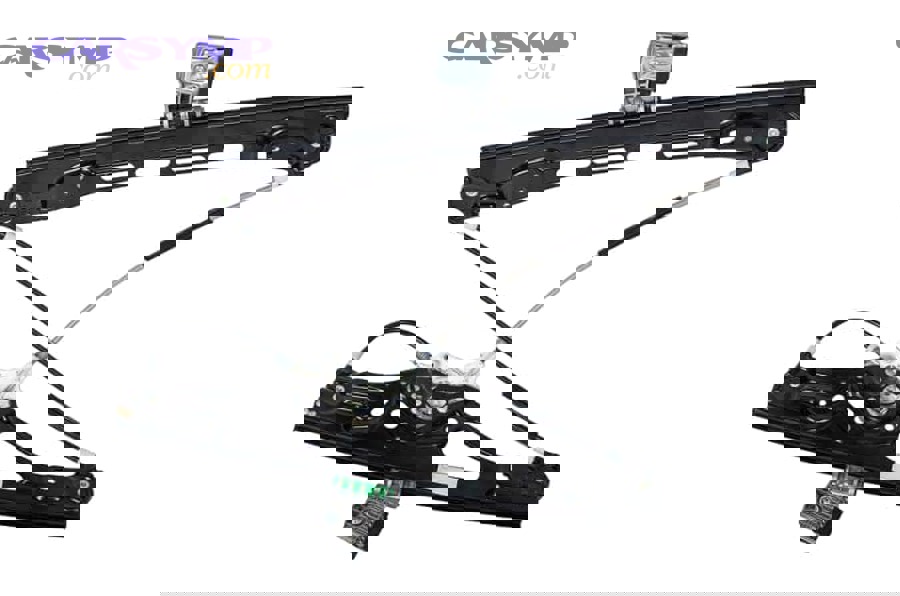
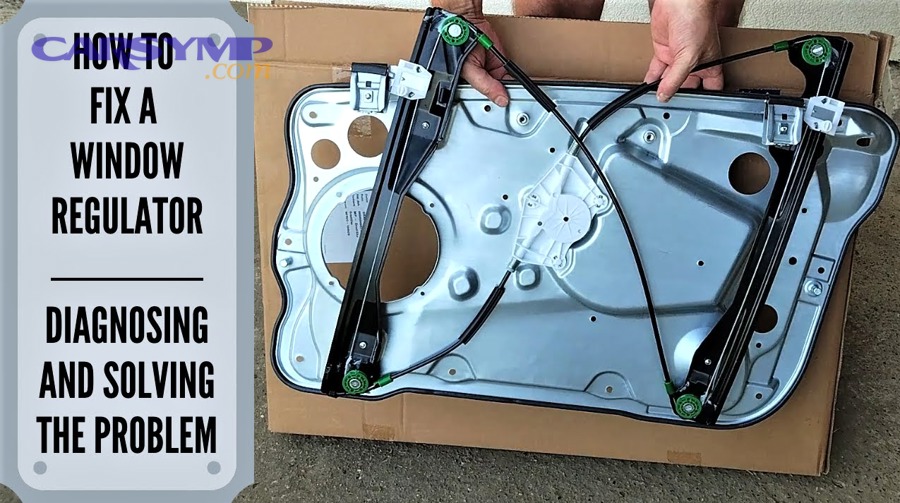
A window regulator is a mechanical assembly that controls your car window’s vertical movement, consisting of a motor, cable or gear system, tracks, and mounting brackets. Understanding this component helps you appreciate why proper maintenance prevents the wear patterns, environmental damage, and mechanical stress that cause most regulator failures.

To better understand prevention strategies, let’s first examine how this critical component functions and what makes it vulnerable.
How Does a Window Regulator Work?
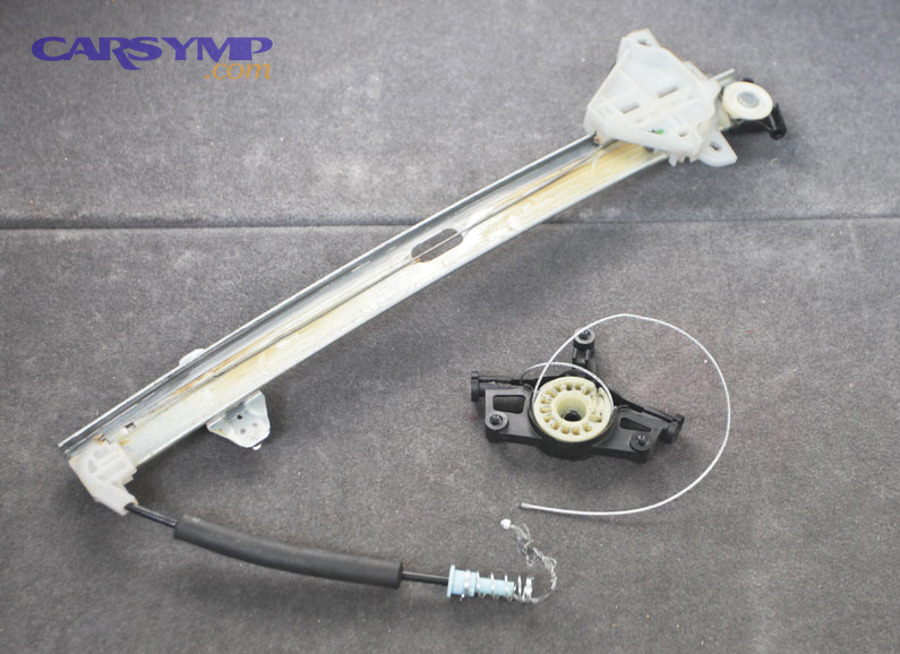
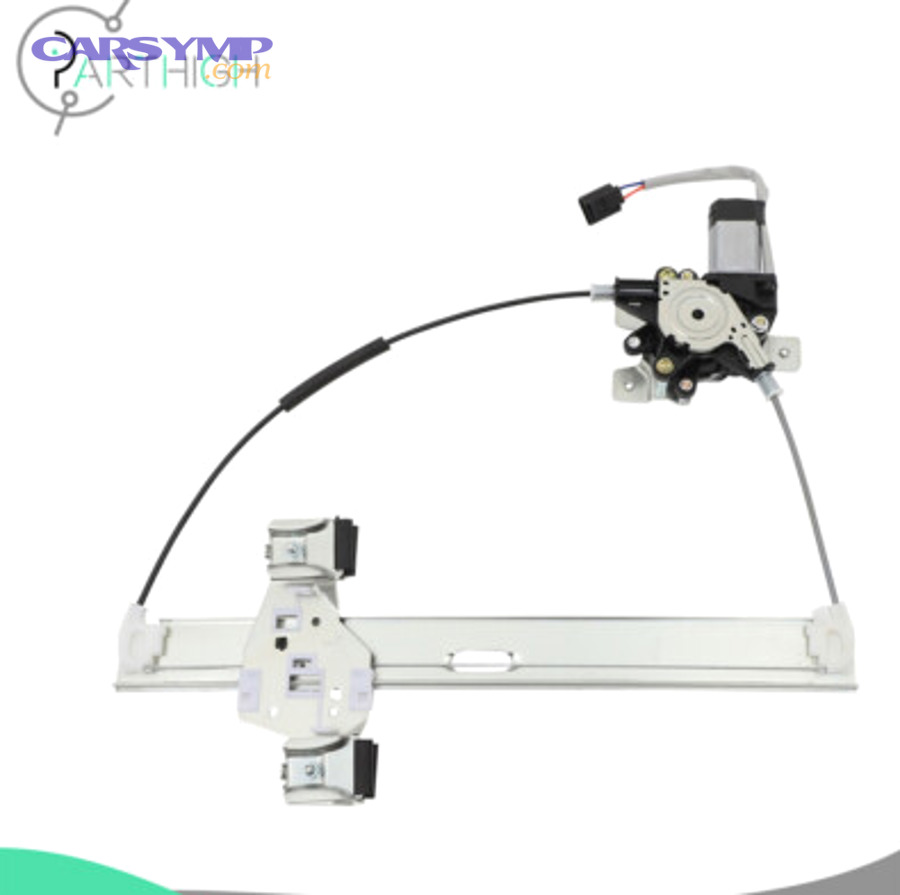
The window regulator operates through either a cable-type or scissor-type mechanism, both designed to convert rotational motor energy into linear window movement. In cable-type systems, an electric motor winds cables around a pulley, pulling the window glass upward through guide channels mounted inside your door panel. When you press the window button, electrical current activates the motor, which rotates gears that either wind or unwind the cable system, raising or lowering the glass along vertical tracks.
Scissor-type regulators use a different approach, employing X-shaped metal arms that extend and contract like scissors. These arms connect directly to the window glass and pivot at several points along the assembly. When the motor engages, it drives a gear that pushes the scissor arms upward or pulls them downward, moving the window in the desired direction. This design contains fewer components than cable systems, making it generally more reliable but potentially more difficult to repair when problems arise.
The motor itself draws power from your vehicle’s electrical system, converting 12-volt current into mechanical rotation. Inside the motor housing, copper windings create magnetic fields that spin an armature shaft connected to reduction gears. These gears decrease rotation speed while increasing torque, providing the force needed to lift heavy window glass against gravity and weather stripping resistance.
What Are the Most Common Causes of Window Regulator Failure?
Normal wear and tear from repeated use represents the most universal failure cause, particularly affecting the driver’s side window which operates far more frequently than passenger windows. Each time you activate the window, cables experience tension stress, gears mesh under load, and pivot points absorb friction forces. Over several years and thousands of cycles, metal components develop microscopic cracks, cables fray at stress points, and plastic gears strip their teeth—all leading to eventual mechanical failure.
Environmental factors accelerate this deterioration process significantly. Temperature fluctuations cause metal and plastic components to expand and contract at different rates, creating stress points and loosening fasteners over time. Moisture infiltration through damaged weather stripping introduces corrosion that weakens cables, rusts pivot points, and damages electrical connections. In coastal regions, salt-laden air intensifies this corrosion process, sometimes reducing regulator lifespan by 30-40% compared to dry inland climates.
Debris accumulation inside door panels creates another common failure pathway. Dirt, leaves, and small objects fall through window openings and settle in the regulator mechanism. This debris interferes with smooth cable movement, jams between scissor-arm pivots, and clogs the tracks that guide window glass. When the motor strains against this debris-induced resistance, it draws excessive current, overheats, and eventually burns out. The increased friction also accelerates wear on all moving components, creating a cascade of mechanical problems.
Improper use habits contribute substantially to premature regulator failure. Forcing frozen windows to open breaks cables, strips gears, and can bend the metal tracks. Repeatedly operating windows that feel resistant or “sticky” strains the motor and accelerates component wear. Some drivers inadvertently hold the window button after glass reaches its full travel limit, causing the motor to stall while drawing maximum current—a practice that significantly shortens motor life and sometimes damages the electrical control module.
According to automotive service data compiled by the National Institute for Automotive Service Excellence, window regulator failures account for approximately 45% of all power window complaints, with cable-type systems experiencing higher failure rates than scissor designs in vehicles over seven years old.
Should You Avoid Using Windows in Frozen Conditions?
Yes, you should absolutely avoid operating windows in frozen conditions because forcing frozen windows damages cables, burns out motors, and can crack window glass—three expensive problems that simple defrosting prevents. Cold weather creates ice bonds between glass and weather stripping that require thousands of pounds of breaking force, far exceeding the regulator’s design capacity.
Understanding the specific damage mechanisms helps explain why this preventive measure proves so critical for window regulator longevity.
How Does Cold Weather Damage Window Regulators?
Ice buildup creates multiple failure pathways that simultaneously stress different regulator components. When moisture freezes between the window glass and rubber weather stripping, it forms a bond that can require 3,000-5,000 pounds of force to break. Your window regulator motor generates only 100-150 pounds of lifting force under normal conditions. When you press the window button while ice locks the glass in place, the motor strains at maximum capacity while drawing up to three times its normal electrical current.
This excessive current draw generates extreme heat inside the motor housing. The copper windings that create the electromagnetic field begin overheating within 10-15 seconds of stalled operation. If you hold the button for 30 seconds or more, internal temperatures can reach 250-300°F—hot enough to melt the plastic insulation around copper wires, fuse windings together, and permanently damage the motor’s commutator. Even if the motor survives, this thermal stress significantly accelerates wear on all internal components.
The cable system experiences equally destructive forces. When the motor attempts to pull against an immovable window, tension loads on the lift cables can exceed their design limits by 200-300%. Steel cables begin developing internal strand breaks at these stress levels, creating weak points that later fail during normal operation. The sudden release of tension when ice finally breaks can also cause cables to jump off their pulleys or kink in ways that prevent smooth future operation.
Temperature-related material contraction creates additional problems even before you attempt window operation. At temperatures below 20°F, plastic gears can become brittle and crack under normal operating loads. Rubber guide bushings shrink and harden, no longer providing the cushioning and alignment they’re designed to deliver. Metal components contract at different rates than plastic housings, creating binding points and misalignment issues that increase friction throughout the mechanism.
The proper approach involves using your vehicle’s defroster to warm the window glass and melt ice bonds before attempting window operation. Run the defroster on high heat for 5-10 minutes, directing airflow across the frozen window. You can also apply de-icing spray along the window edge where glass meets weather stripping. Only after ice visibly melts and window edges show moisture should you test the window button—and even then, start with gentle, short presses to verify smooth movement.
For extreme cold climates, consider installing garage door openers or parking in covered areas during winter months. This simple habit can extend your window regulator lifespan by several years compared to vehicles parked outdoors in freezing conditions.
How Often Should You Clean Your Window Tracks and Glass?
You should clean your window tracks and glass every 2-3 months in normal conditions, monthly in dusty environments, and after any exposure to mud, salt spray, or heavy pollen to prevent debris accumulation that strains regulators and causes premature failure. This regular cleaning schedule removes the abrasive particles that damage cables, gears, and guide channels before they create expensive mechanical problems.
Establishing a consistent maintenance routine ensures that cleaning becomes a preventive habit rather than a reactive repair necessity.
What Cleaning Products Are Safe for Window Regulator Tracks?
Silicone-based spray lubricants combined with mild automotive glass cleaner provide the safest and most effective cleaning solution for window regulator tracks. These products clean without leaving residues that attract dirt or damage rubber components. Start by spraying automotive glass cleaner on a microfiber cloth—never directly into the door cavity—and wipe along the visible portion of the window channels where glass slides up and down.
For deeper track cleaning, you’ll need to access areas inside the door panel. Use compressed air in short bursts to blow debris out through the door’s drainage holes. Hold the air nozzle 6-8 inches from the opening to prevent forcing debris deeper into the mechanism. A soft-bristle detailing brush works well for loosening caked dirt along track edges before using compressed air to remove it.
Avoid petroleum-based solvents, harsh degreasers, or any product containing acetone, as these chemicals attack the rubber weather stripping and plastic components inside your door. WD-40, despite its popularity, leaves a sticky residue that actually attracts dirt over time—making it a poor choice for window tracks. Similarly, avoid using excessive water, which can pool inside door panels and promote corrosion on metal regulator components.
The cleaning process should follow this sequence: First, vacuum loose debris from visible track areas using a shop vacuum with a crevice attachment. Second, spray glass cleaner on a cloth and wipe the rubber weather stripping to remove accumulated grime. Third, use compressed air to blow deeper debris through drainage holes. Fourth, apply a very light coating of dry silicone spray to the tracks—emphasis on “light,” as excess lubricant attracts dirt.
Pay special attention to the door’s weep holes, small openings at the bottom of the door panel designed to drain water. These holes frequently clog with debris, causing water to accumulate inside the door where it corrodes regulator components. Use a thin wire or pipe cleaner to clear these drainage points during each cleaning session.
Seasonal considerations affect cleaning frequency. Spring pollen season demands more frequent cleaning in many regions. Coastal areas require monthly attention due to salt accumulation. Desert environments generate fine dust that infiltrates door seals and necessitates every 4-6 week cleaning. Winter road salt exposure requires immediate cleaning after driving on treated roads, as salt dramatically accelerates corrosion when allowed to remain on metal components.
Professional detailers recommend documenting your cleaning dates to establish a reliable maintenance rhythm. This simple record-keeping helps you identify whether your environment demands more or less frequent attention than the baseline 2-3 month schedule.
Is Regular Lubrication Necessary for Window Regulators?
Yes, regular lubrication is essential for window regulators because it prevents metal-on-metal friction, stops corrosion, and reduces motor strain—extending regulator lifespan by 40-60% according to automotive maintenance studies. Lubricating every 6-12 months keeps cables sliding smoothly, gears meshing efficiently, and pivot points operating without excessive resistance.
Proper lubrication technique matters as much as frequency, since incorrect products or application methods can actually worsen regulator performance.
Which Lubricants Should You Use on Window Regulator Components?
Dry PTFE (Teflon) spray lubricants and white lithium grease represent the two best options for window regulator maintenance, each serving different components within the mechanism. Dry PTFE spray works perfectly for cables, tracks, and any sliding surfaces because it doesn’t attract dust or leave sticky residues. The Teflon particles create a microscopic coating that dramatically reduces friction while remaining clean over months of operation.
Apply dry PTFE spray by inserting the application straw into the gap between window glass and door panel, then delivering 2-3 second bursts while moving along the entire window perimeter. Work the window up and down several times after application to distribute lubricant along the full cable length and through all guide channels. The spray should feel dry to the touch within 30-60 seconds—if it remains wet or sticky, you’ve applied too much.
White lithium grease serves better for gear assemblies, pivot points, and mechanical linkages that experience high pressure loads. This thicker lubricant withstands the squeezing forces that push thinner oils out of high-stress contact areas. Apply white lithium grease sparingly with a small brush or applicator tip, targeting only the specific gears and pivot points you can access without removing the door panel. Remember that a little goes a long way—excess grease attracts dirt and creates maintenance problems.
Silicone spray offers a middle-ground option that works adequately for both sliding and pivoting components. It provides better water resistance than PTFE spray and doesn’t attract as much dirt as petroleum-based products. However, silicone can cause swelling in some rubber components with prolonged exposure, so use it cautiously around weather stripping and rubber bushings.
Avoid these problematic lubricants: standard motor oil (too thin, drips and attracts dirt), WD-40 (leaves sticky residue after solvent evaporates), graphite powder (conducts electricity and can short electrical connections), and any grease containing molybdenum disulfide near electrical components (also conducts electricity).
The application process requires careful attention to avoid over-lubrication. For cable-type regulators, focus lubricant along the window’s vertical travel path where cables slide through guide channels. For scissor-type mechanisms, concentrate on pivot points where metal arms connect and rotate. In both cases, operate the window through five complete up-down cycles after lubrication to distribute the product and work out any excess.
Temperature considerations affect lubricant selection. If you live in regions with winter temperatures below 0°F, choose lubricants specifically rated for cold weather operation. Standard lithium grease can thicken in extreme cold, actually increasing friction rather than reducing it. Arctic-grade synthetic lubricants maintain their viscosity across wider temperature ranges, from -40°F to 400°F.
Professional mechanics typically charge $45-75 for window regulator lubrication service, but this represents a worthwhile investment if you’re uncomfortable accessing door panel areas. Many shops include this service as part of comprehensive vehicle detailing or seasonal maintenance packages.
What Are the Warning Signs of Early Window Regulator Wear?
The seven primary warning signs of early window regulator wear include slower-than-normal operation, grinding or clicking sounds, window tilting or misalignment, intermittent button response, windows that drop slightly after closing, uneven movement speed, and visible cable slack. Recognizing these symptoms allows intervention before complete failure strands you with an inoperable window.
Understanding how to interpret each symptom helps you determine urgency and appropriate response.
How Can You Distinguish Between Motor and Regulator Problems?
Motor failures and regulator mechanical failures produce distinctly different symptoms that guide accurate diagnosis. When the motor fails, you’ll typically hear either complete silence when pressing the window button or a humming sound without any glass movement. The window glass itself should move freely if you can manually push it up or down—motor problems don’t create mechanical resistance. Check this by opening your door, pressing upward on the glass bottom edge, and feeling whether it slides easily in its tracks.
Regulator mechanical failures create the opposite pattern. The motor runs audibly, often producing grinding, clicking, or laboring sounds, but the window moves slowly, erratically, or not at all. Manual movement tests reveal significant resistance—the glass feels stuck, bound, or requires substantial force to budge. This resistance indicates physical problems with cables, gears, or tracks rather than electrical motor issues.
Electrical testing provides definitive confirmation. Use a multimeter set to DC voltage and check for 12 volts at the motor connector when someone presses the window button. If voltage appears but the motor doesn’t run, the motor has failed. If no voltage reaches the motor, you have a wiring, switch, or control module problem. If voltage appears and the motor runs but the window doesn’t move, the regulator mechanism has failed.
Sound patterns offer additional diagnostic clues. A high-pitched whining suggests motor bearings wearing out. Deep grinding indicates gear teeth stripping. Rhythmic clicking often signals a cable jumping on its pulley or a broken cable strand catching on something. Screeching points to severe lack of lubrication or debris trapped in the mechanism. Intermittent operation that works sometimes but not others usually indicates failing electrical connections rather than mechanical regulator problems.
Window behavior provides the final diagnostic piece. If the window falls into the door when you release the button, the cable has broken or detached—a clear regulator failure. If the window moves in small increments with pauses, you likely have a worn motor struggling against increased friction. If the window tilts forward or backward while moving, the regulator tracks or mounting points have failed. If all windows on one side of the car fail simultaneously, suspect the master switch or a blown fuse rather than individual regulator problems.
According to diagnostic data from the Automotive Service Association, approximately 35% of window complaints initially blamed on regulator failure actually stem from motor or electrical issues, highlighting the importance of accurate diagnosis before ordering parts.
Should You Force a Stuck Window to Move?
No, you should never force a stuck window to move because applying excessive pressure breaks cables, strips gear teeth, bends tracks, and can shatter the glass itself—creating a $300-800 repair bill instead of addressing the underlying $50-150 cause. Patient diagnosis and gentle intervention prevent turning minor problems into major damage.
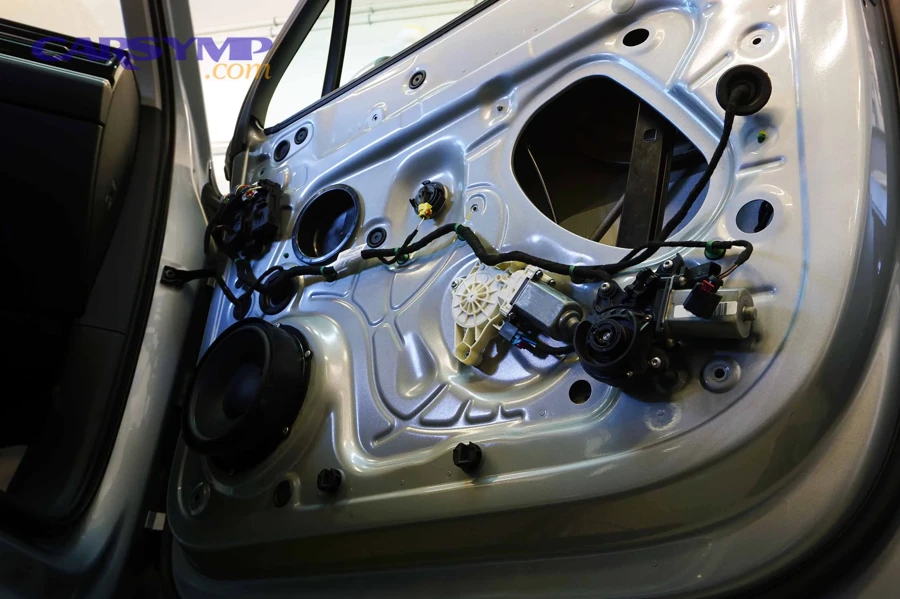
When a window refuses to move, systematic troubleshooting identifies the safest solution path.
What Should You Do When Your Window Gets Stuck?
Begin with the simplest diagnostic checks before attempting any force. First, try the window from both the door panel switch and the master switch (if equipped)—sometimes a single switch fails while others continue working. Listen carefully when pressing the button: motor sounds indicate mechanical problems, silence suggests electrical issues, and clicking points to relay or control module faults.
Check obvious physical obstructions next. Inspect the window track area for visible debris, ice buildup, or objects wedged between glass and door panel. Look for recently installed parking permits, toll transponders, or phone mounts that might interfere with window travel. Remove any obstructions you identify before testing the window again with gentle, brief button presses.
If the window operated normally until recently, consider what changed. Did you just wash the car? Water sometimes causes temporary electrical connection problems that resolve after drying. Did temperatures drop suddenly? Cold weather can freeze condensation inside door panels. Did you hit a pothole or curb? Impact can jar regulator components out of alignment. Recent events often point toward likely causes.
For windows frozen by cold weather, resist the temptation to force operation. Instead, use the vehicle’s heater directed at the window for 10-15 minutes. You can carefully apply warm (not hot) water along the window’s exterior edges where glass meets weather stripping—but only if outdoor temperatures are above 20°F to prevent thermal shock cracks. De-icing spray applied to rubber weather stripping helps release frozen bonds without stressing regulator components.
When mechanical obstruction seems likely but isn’t visible, you may need to remove the door panel for inspection. This task requires basic tools—typically a panel removal tool, Phillips screwdriver, and 10mm socket—and moderate mechanical skill. Online video guides specific to your vehicle make show the exact process. Once the panel is removed, you can visually inspect the regulator mechanism, manually verify smooth cable movement, and identify any broken, jammed, or misaligned components.
power window repair becomes necessary when you discover damaged components during inspection. Broken cables require complete regulator replacement in most cases, though some vehicles allow cable-only replacement. Stripped gears similarly demand full assembly replacement. Bent tracks can sometimes be straightened, but replacement ensures reliable long-term operation and costs only $30-60 for the part.
If a window drops into the door, creating an immediate security problem, temporary solutions can secure it until proper repairs. Carefully pull the glass upward until it reaches the fully closed position. Insert wooden shims or folded cardboard between the glass bottom edge and the door’s interior structure to hold it in place. Secure these shims with duct tape if necessary. This temporary fix prevents weather exposure and theft risk but should never substitute for proper repair.
Professional diagnosis costs $75-125 at most repair shops and includes testing both electrical and mechanical systems. This investment prevents wasting money on unnecessary parts and ensures accurate problem identification. Many shops waive diagnostic fees if you authorize repairs with them.
How Does Weather and Climate Affect Window Regulator Longevity?
Weather and climate impact window regulator lifespan through three primary mechanisms: temperature extremes stress components and accelerate wear, moisture promotes corrosion and electrical failures, and salt exposure (in coastal or winter-treated road areas) dramatically increases metal deterioration rates. Understanding your specific climate challenges enables targeted protective measures.
Different environmental conditions require adapted maintenance strategies for optimal regulator protection.
What Preventive Measures Work Best in Different Climates?
Coastal climate environments demand aggressive anti-corrosion protocols due to salt-laden air that penetrates door seals and settles on metal regulator components. Apply marine-grade corrosion inhibitor spray inside door cavities twice annually—once before summer humidity season and again before winter. Access these areas through the door panel speaker openings or by partially removing the panel. Focus the spray on cable attachment points, motor housings, and metal tracks where rust typically initiates.
Clean exterior windows weekly in coastal areas, as salt spray leaves residues that work their way into door mechanisms through the gap between glass and weather stripping. Rinse this gap thoroughly with fresh water during car washes, directing spray downward along the window’s outer edge. Check and clear door drain holes monthly, since salt-contaminated water that can’t escape accelerates internal corrosion dramatically.
Cold climate strategies center on preventing ice-related damage and protecting components from freeze-thaw cycles. Park in garages whenever possible to keep door mechanisms above freezing. If outdoor parking is unavoidable, apply rubber protectant to weather stripping monthly during winter months—this keeps rubber flexible and reduces ice bonding to glass edges. Never operate windows when outdoor temperatures drop below 25°F unless you’ve first warmed the vehicle interior for at least 10 minutes.
Consider installing aftermarket window rain guards in cold climates. These deflectors allow slight window opening for ventilation without exposing the mechanism to direct precipitation, reducing ice buildup in the gap where glass enters the door. They also prevent snow and ice from falling into this critical area when you open doors after winter storms.
Hot, dry desert climates create different challenges. Extreme heat causes lubricants to break down and evaporate rapidly, while fine dust infiltrates even well-sealed door panels. Increase lubrication frequency to every 4-6 months rather than the standard 6-12 month interval. Use high-temperature synthetic lubricants rated to at least 350°F rather than conventional products that thin excessively in 120°F+ door panel temperatures.
Dust management becomes critical in arid environments. Install quality cabin air filters and replace them at half the manufacturer’s recommended interval—dense filters prevent fine particles from entering the HVAC system and subsequently infiltrating door panels through vent connections. Consider adding foam weatherstripping to door panel perimeters during installation to create additional dust barriers.
High humidity climates accelerate corrosion even without salt exposure. Use desiccant packets placed inside door panel cavities to absorb moisture—automotive-specific versions designed for this purpose prevent mildew and reduce condensation on metal surfaces. Replace these packets every six months or when they change color indicating saturation. Apply dielectric grease to all electrical connections annually, as humidity causes connector corrosion that leads to intermittent window operation.
Regions with dramatic temperature swings—hot days and cold nights—experience accelerated component wear from repeated expansion and contraction cycles. Materials expand and contract at different rates, creating stress on fasteners, mounting points, and composite parts. Check window alignment quarterly in these climates, as shifting components can cause premature wear patterns. Tighten any loose mounting bolts before they allow excessive movement that damages adjacent parts.
According to research published in the Journal of Automotive Engineering, window regulators in coastal environments experience failure rates 2.3 times higher than those in temperate inland climates, while vehicles in regions with frequent freeze-thaw cycles show 1.8 times higher failure rates—demonstrating the significant impact of targeted climate-specific maintenance.
When Should You Schedule Professional Window Regulator Inspections?
You should schedule professional window regulator inspections every 24-36 months for vehicles under five years old, annually for vehicles 5-10 years old, and every six months for vehicles over 10 years old or those showing any performance symptoms. These inspection intervals catch developing problems before they cause complete failure and expensive emergency repairs.
Professional technicians employ specialized diagnostic equipment and expertise that reveal hidden problems DIY inspections miss.
What Does a Professional Window Regulator Inspection Include?
A comprehensive professional inspection begins with operational testing of all windows through multiple complete cycles. The technician listens for abnormal sounds—grinding, clicking, squealing, or motor strain—that indicate specific component wear. They measure window operation speed, noting any inconsistencies that suggest motor weakness or increased mechanical resistance. The window should complete full travel from closed to open in 3-5 seconds for most vehicles; significantly slower operation signals developing problems.
Visual examination follows operational testing. The technician removes door panels to directly inspect regulator assemblies, checking cable condition for fraying, rust, or stretch. They examine gear teeth for wear, stripping, or damage. Pivot points receive scrutiny for excessive play, which indicates worn bushings or mounting points. Tracks are inspected for bends, debris buildup, or damage. This hands-on examination identifies problems that don’t yet cause symptoms but will fail soon.
Electrical system diagnostics use multimeters and scan tools to verify proper voltage, check switch operation, and test relay function. Technicians measure current draw during window operation—excessive amperage indicates motors working against increased resistance or motors beginning to fail. They verify that control modules send appropriate signals and that all electrical connections remain clean and tight. These electrical checks prevent misdiagnosing motor problems as regulator failures and vice versa.
Alignment verification ensures the window glass sits properly in its tracks and seals correctly against weather stripping when closed. Technicians check for even gaps along the window perimeter and verify the glass doesn’t tilt forward or backward during operation. Misalignment accelerates wear on specific regulator components and eventually leads to failure at those stress points.
Lubrication assessment determines whether components have adequate protection. Technicians check for dry, corroded, or debris-contaminated areas that need cleaning and re-lubrication. They verify that previous lubrication hasn’t attracted excessive dirt or degraded into sticky residues. When necessary, they clean old lubricant and apply fresh products appropriate for your climate.
The Auto-up feature reset procedure often forms part of professional inspections on vehicles equipped with one-touch automatic window operation. After any service that involves disconnecting battery power or removing window switches, this feature requires reprogramming. Technicians perform the reset by fully closing the window, holding the up button for 2-3 seconds after closure, then fully opening the window and holding the down button for 2-3 seconds. This resets the control module’s limit positions, ensuring proper automatic operation.
Window off-track and rattling repairs receive immediate attention during inspections. When windows come loose from their mounting clips or regulators, technicians realign the glass, secure mounting points, and identify what caused the original failure. Rattling often indicates loose fasteners, worn rubber insulators, or debris in the door panel—all correctable issues when caught during routine inspection.
The inspection concludes with a written report documenting findings, recommended repairs, and estimated component lifespan. Quality shops provide transparency about what needs immediate attention versus what to monitor for future service. They’ll photograph damaged components so you understand the necessity of recommended repairs rather than taking them on faith.
Cost for comprehensive four-window inspection ranges from $95-175 depending on regional labor rates and vehicle complexity. Many repair facilities offer this service at reduced rates when combined with other maintenance work. Some dealerships include window system inspection as part of their comprehensive multi-point inspections during oil changes or scheduled maintenance.
According to data from the National Automotive Service Task Force, vehicles receiving biennial professional window regulator inspections experience 58% fewer emergency window failures compared to those serviced only when problems occur, demonstrating the value of preventive professional assessment.
What Else Should You Know About Window Regulator Maintenance?
Beyond the seven core prevention methods, several additional factors influence window regulator reliability and maintenance decisions, including replacement part quality differences, usage pattern effects on wear rates, cable-specific failure indicators, and moisture intrusion pathways. Understanding these supplementary topics helps you make informed decisions about repairs and recognize specialized failure modes.
These deeper considerations separate basic maintenance from truly comprehensive regulator care.
How Do OEM and Aftermarket Window Regulators Compare?
Original Equipment Manufacturer (OEM) window regulators match your vehicle’s factory specifications exactly, using the same materials, tolerances, and design as the unit installed during production. These parts typically cost 30-60% more than aftermarket alternatives but offer several advantages: guaranteed fitment without modifications, materials proven to match your vehicle’s expected lifespan, and warranty coverage that protects against premature failure. OEM regulators from authorized dealers include installation instructions specific to your exact vehicle model and year.
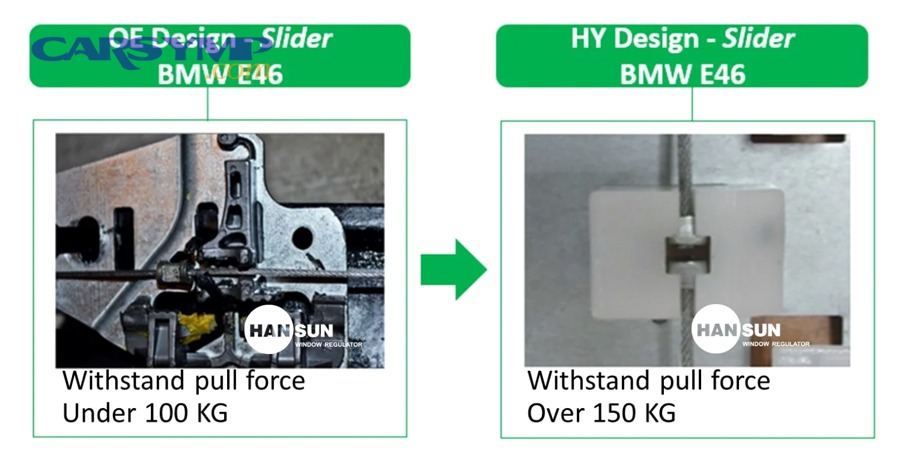
Aftermarket window regulators span a quality spectrum from premium units that rival OEM performance to budget products that fail within months. Premium aftermarket brands like Dorman, ACDelco, and Motorcraft engineer their regulators to meet or exceed OEM specifications, often incorporating improvements that address common failure points in original designs. These units cost 15-25% less than OEM while delivering comparable reliability. Mid-tier aftermarket products offer decent quality at 40-50% savings but may use lighter materials that reduce lifespan by 20-30%.
Budget aftermarket regulators represent the greatest risk. Units priced at 60-70% below OEM frequently fail to meet Federal Motor Vehicle Safety Standards for automotive glazing and window retention. They may use inferior cable materials that fray prematurely, plastic gears that strip under normal loads, or motors with inadequate torque. Some manufacturers simply copy failure-prone OEM designs without improvements, perpetuating the same problems that caused your original regulator to fail.
Material composition differences explain much of the quality gap. Premium regulators use galvanized steel cables resistant to corrosion, die-cast aluminum housings that maintain alignment under stress, and high-torque motors with sealed bearing assemblies. Budget units substitute plain steel cables that rust easily, stamped sheet metal housings that flex and distort, and open-bearing motors vulnerable to dust contamination. These material downgrades significantly reduce lifespan, particularly in harsh climates.
Warranty coverage provides insight into manufacturer confidence. OEM regulators typically carry 12-36 month warranties depending on the manufacturer. Premium aftermarket units offer similar coverage, sometimes with lifetime warranties on specific components. Budget products rarely include warranties exceeding 90 days, and some offshore manufacturers provide no warranty support at all. Extended warranty availability often justifies higher upfront costs by preventing repeat replacements.
Installation complexity varies among replacement options. OEM regulators install exactly like factory units, using existing mounting points and electrical connectors without modification. Quality aftermarket units similarly bolt in directly. Budget aftermarket products sometimes require modifications—drilling new mounting holes, splicing electrical connectors, or adjusting cable lengths—creating installation challenges and potential failure points. These modifications also typically void any warranty coverage.
Professional mechanics’ preferences offer valuable guidance. Experienced technicians overwhelmingly choose OEM or premium aftermarket brands for their own vehicles and recommend them to customers who plan to keep cars long-term. They reserve budget aftermarket parts for older vehicles with limited remaining service life or for customers with strict budget constraints who understand the reliability tradeoffs.
The total cost calculation should include installation labor, not just part price. Window regulator replacement typically requires 1.5-3 hours of labor at $85-125 per hour depending on vehicle complexity and regional rates. When you factor in $200-300 installation costs, the $75 savings from choosing a budget regulator over a premium unit becomes less compelling—especially if the budget unit fails in 18 months and requires paying full labor costs again.
According to consumer automotive research firm J.D. Power, vehicles equipped with aftermarket window regulators rated “economy” quality experience failure rates 3.2 times higher within the first two years compared to OEM or premium aftermarket installations, highlighting the long-term cost impact of initial savings.
Why Do Driver’s Side Window Regulators Fail More Often?
Driver’s side window regulators experience operational frequency approximately 6-8 times higher than passenger side units, creating dramatically accelerated wear on all components. Drivers operate their window for toll booths, drive-through restaurants, parking garage tickets, communication with pedestrians, and temperature regulation—activities that rarely involve passenger windows. This usage disparity translates directly into shorter lifespan as cables accumulate fatigue cycles, gears mesh under load more frequently, and motors run significantly more total hours.
Statistics from automotive warranty claim databases reveal the magnitude of this usage effect. Driver’s side regulators account for approximately 68% of all window regulator failures despite representing only 25% of total regulators in four-door vehicles. The average driver’s window operates 3,200-4,500 cycles annually, while passenger side rear windows average only 300-600 cycles. This tenfold usage difference explains why driver regulators commonly fail at 60,000-80,000 miles while passenger units continue operating reliably past 150,000 miles.
Component stress patterns differ between high-use and low-use windows. Driver’s side cables develop wear grooves at pulley contact points from repeated bending through the same arc thousands of times. These grooves concentrate stress and initiate the strand breaks that lead to complete cable failure. Gears on driver-side motors show measurably more tooth wear, with some teeth becoming rounded rather than maintaining their original square profile. This wear increases friction, which forces motors to work harder, drawing more current and generating more heat in a reinforcing cycle of deterioration.
Environmental exposure compounds usage effects on driver’s windows. This window operates in all weather conditions—rain, snow, extreme heat, and freezing cold—while passenger windows often remain closed during harsh weather. Each weather exposure introduces moisture into the mechanism, deposits road salt on components, or subjects parts to temperature extremes while under operational stress. The combination of high usage and harsh exposure creates the worst-case scenario for component longevity.
Preventive maintenance should reflect this usage disparity. Apply lubrication to the driver’s window twice as frequently as passenger windows. Inspect driver’s side cables and gears annually even if no symptoms appear, while passenger side components can follow the standard 2-3 year inspection schedule. Budget replacement costs understanding that the driver’s regulator will likely require replacement at roughly half the mileage of other windows.
Consider the driver’s window your “canary in the coal mine” for the entire window system. When it begins showing symptoms—slower operation, unusual sounds, or intermittent performance—immediately inspect all windows. The driver unit’s accelerated wear often reveals weaknesses in lubricant selection, climate protection, or cleaning frequency that will eventually affect other windows. Address these systemic issues before passenger window regulators develop similar problems.
Some vehicle owners install premium aftermarket or OEM regulators on the driver’s side while choosing mid-tier aftermarket units for passenger positions. This mixed approach concentrates investment where usage demands highest quality while controlling costs on less-critical positions. The strategy makes particular economic sense for vehicles you plan to keep beyond 150,000 miles.
What Are the Signs That Your Window Regulator Cable is Fraying?
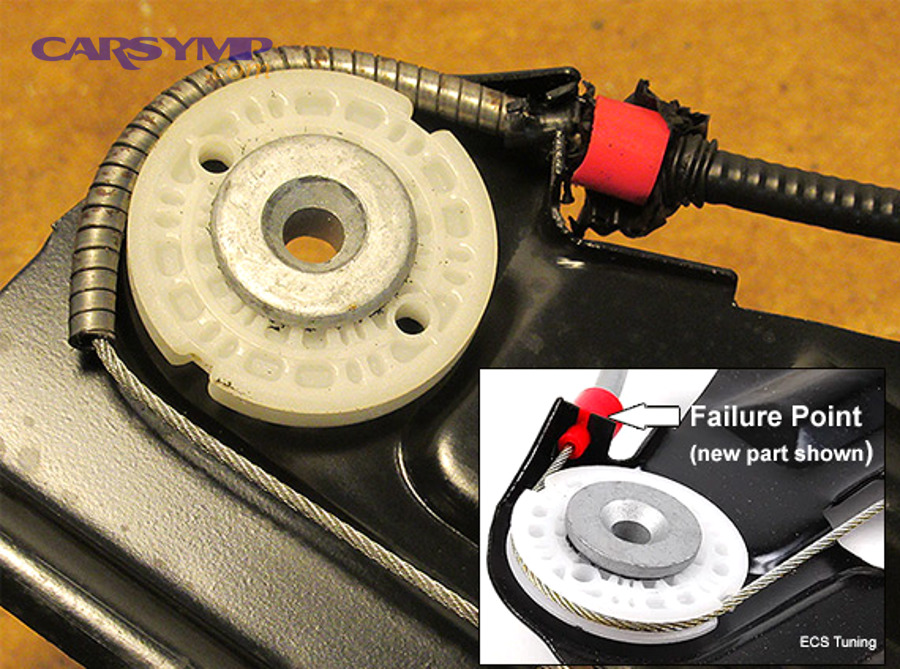
Cable fraying produces distinctive symptoms before complete failure: a rhythmic ticking sound synchronized with window movement, visible cable strands protruding from the cable sheath, window operation that feels jerky rather than smooth, and irregular operation where the window moves freely in some positions but binds in others. These early indicators allow cable replacement before the strand breaks completely, preventing the window from falling into the door.
Visual inspection reveals cable condition if you can access the regulator mechanism. Look for fuzzy or splayed cable ends where individual strands have separated from the main bundle. Check cable surfaces for rust or corrosion that weakens metal and promotes breaking. Examine the cable at pulley contact points where bending stress concentrates—these areas fray first. Any visible strand separation indicates that complete failure will occur within the next 500-1,000 window cycles.
The ticking or clicking sound originates from broken cable strands catching on pulley grooves or guide channels during window movement. This sound typically begins faintly and grows louder as more strands break. If you hear this clicking only during window travel in one direction, the damaged cable section passes through a specific pulley or guide only during that movement. Clicking that occurs throughout the entire window travel range indicates more widespread cable damage or multiple fraying locations.
Window movement irregularities provide functional evidence of cable problems. As strands break, the cable’s effective diameter decreases at the damaged section. This creates slack that must be taken up before the remaining strands pull the window. You’ll feel this as hesitation—the window pauses momentarily before continuing movement. The sensation resembles pulling a rope with a weak section: it stretches at the weak point before applying force to the load.
Some cables develop internal corrosion that isn’t visible externally. These cables feel stiff rather than flexible when manually manipulated. Stiff cables can’t bend smoothly around pulleys, creating binding and excessive friction. Test cable flexibility by removing the door panel and manually deflecting the cable sideways—healthy cables bend easily with spring-back, while corroded cables resist bending and don’t return to their original shape.
Cable replacement requires regulator removal in most vehicles, since cables typically integrate into the regulator assembly rather than being separately replaceable components. This labor-intensive repair costs $250-450 including parts and installation. Some enthusiasts attempt DIY cable replacement, but the process involves precise cable routing and tension adjustment that’s difficult without factory service information and specialized tools.
Preventive cable care focuses on maintaining proper lubrication and preventing rust. Apply PTFE dry spray lubricant along the cable’s visible length every 4-6 months. This creates a protective barrier against moisture and reduces friction at pulley contact points. Ensure door drain holes remain clear so water doesn’t accumulate near cable attachment points where corrosion typically initiates.
How Does Door Panel Moisture Intrusion Damage Window Regulators?
Moisture enters door panel cavities through five primary pathways: failed weather stripping that allows rain to run down glass into the door, clogged drain holes that prevent water evacuation, damaged door panel seals, missing or deteriorated vapor barriers, and through speaker cutouts or electrical access holes. Once inside, this moisture creates a humid environment that accelerates rust on steel components, corrodes electrical connections, and damages motors—often causing failures misattributed to age or mileage.
Weather stripping deterioration represents the most common moisture entry point. The rubber seal at the top of the door, where glass slides through when opening, develops cracks and hard spots after 5-7 years of UV exposure and temperature cycling. These degraded sections allow rainwater to follow the glass downward into the door cavity instead of being directed outward. Visual inspection reveals weather stripping problems: look for cracking, hardness when squeezed, or gaps where rubber no longer contacts glass firmly.
Door drain holes clog with debris—leaves, dirt, and decomposed weather stripping particles—blocking water evacuation and turning door bottoms into miniature ponds. These holes, typically located at the bottom rear corners of door cavities, measure only 1/4 to 1/2 inch in diameter and clog easily. When blocked, accumulated water submerges regulator motor housings, creating rust on motor shafts and corrosion on electrical terminals. Check drain holes by pouring a small amount of water into the door panel cavity and verifying it flows out freely.
Vapor barriers—plastic sheets behind door panels—protect regulators from moisture that enters the passenger compartment. These barriers tear during previous repairs, deteriorate from age, or install incorrectly when door panels are replaced. Damaged vapor barriers allow humid cabin air to reach cold metal regulator components, where it condenses and creates localized corrosion. When removing door panels for any reason, carefully preserve these barriers and replace them if damaged.
Electrical connections suffer particularly severe moisture damage. Water creates corrosion on copper terminals that increases electrical resistance. This resistance generates heat during current flow, which creates more corrosion in a destructive feedback loop. Eventually, corroded connections develop such high resistance that motors receive insufficient voltage to operate, or connections fail completely. Applying dielectric grease to electrical terminals during installation creates a moisture barrier that prevents this corrosion cascade.
Motor damage from moisture follows a predictable pattern. Water initially causes surface rust on the motor’s external housing. This rust progresses to internal components through shaft seal openings and ventilation holes. Once inside, moisture corrodes the commutator—the rotating contact surface that delivers current to armature windings. Commutator corrosion creates high-resistance contact points that reduce motor power and generate excessive heat. In severe cases, motor windings short-circuit when moisture compromises their insulation.
Prevention requires maintaining all moisture barriers and drainage systems. Replace weather stripping every 7-10 years even if it appears functional—rubber degrades internally before external signs appear. Clear drain holes twice annually by inserting a thin wire or pipe cleaner through each hole to remove debris. When installing door panels, verify vapor barriers seal completely and repair any tears with automotive-grade adhesive. During annual inspections, look for water stains on door panel inner surfaces that indicate active moisture intrusion.
Consider applying rust inhibitor spray inside door cavities in high-humidity or coastal climates. Marine-grade products designed for boat trailers provide excellent protection for automotive door components. Apply this protection after verifying all moisture entry points are sealed, as trapping existing moisture inside with rust inhibitor actually accelerates damage rather than preventing it.
According to research published in SAE International’s technical papers, moisture-related corrosion contributes to approximately 42% of window regulator failures in vehicles over eight years old in humid climates, compared to only 12% in arid regions, demonstrating the critical importance of moisture management for regulator longevity.
This comprehensive guide equips you with the knowledge to prevent window regulator failure through proactive maintenance, appropriate usage habits, and environmental protection strategies. Implementing these seven proven prevention methods—avoiding frozen window operation, maintaining clean tracks, lubricating regularly, recognizing warning signs, never forcing stuck windows, adapting to climate challenges, and scheduling professional inspections—extends regulator lifespan significantly while avoiding expensive emergency repairs. Remember that window regulators represent a maintenance item rather than a lifetime component; periodic attention ensures reliable operation throughout your vehicle’s service life.