


A failing radiator announces itself through a predictable set of warning signs — from coolant puddles under your vehicle to a temperature gauge creeping into the red zone. Recognizing these signs early is the single most effective way to prevent catastrophic engine damage. There are nine key indicators that every car owner should monitor, and this guide breaks each one down so you can act before a minor issue becomes a major repair bill.
Beyond simply identifying symptoms, understanding what causes a radiator to deteriorate helps you make sense of the warnings your vehicle sends. Corrosion, neglected coolant maintenance, physical damage to fins, and worn-out components all contribute to radiator failure over time. When you understand the root cause behind each symptom, you can communicate more effectively with your mechanic and make smarter decisions about repair versus replacement.
Equally important is knowing what to do the moment you spot trouble. Some radiator problems symptoms call for an immediate visit to the shop, while others can be managed with preventive maintenance like scheduled coolant flushes and hose inspections. The difference between a $150 flush and a $1,000 replacement often comes down to timing.
Not every overheating event points to the radiator, however. A faulty thermostat, a dying water pump, or even material-specific degradation patterns can mimic or overlap with a bad radiator. Below, this article walks through each warning sign in detail, explains the underlying causes, outlines your best course of action, and clarifies how radiator failure differs from other cooling system problems.
What Is a Failing Radiator and Why Does It Matter?
A failing radiator is a heat exchanger within a vehicle’s cooling system that has begun to lose its ability to regulate engine temperature due to leaks, internal blockages, corrosion, or physical damage to its core components. Because the radiator is responsible for dissipating the intense heat generated by combustion, even a partial loss of function puts the entire engine at risk.

To better understand why early detection matters, it helps to know exactly how this component works and what happens when it stops performing as designed.
How Does a Car Radiator Work to Cool the Engine?
A car radiator cools the engine by circulating a liquid coolant through a closed loop that absorbs heat from engine components and releases it into the surrounding air. This process runs continuously while the engine is on, and it depends on several interconnected parts working in harmony.
The cycle begins when the water pump pushes coolant from the engine block into the radiator’s intake tank. From there, the coolant flows through a network of narrow aluminum or copper tubes that sit behind a dense array of thin metal fins. As the vehicle moves forward, air enters through the front grille and passes across these fins, drawing heat away from the coolant inside the tubes. When the car is stationary or moving slowly, an electric or mechanical fan takes over, pulling air through the radiator to maintain adequate cooling.
Once the coolant has shed its heat, it exits through the radiator’s outlet tank and travels back to the engine to repeat the cycle. The radiator cap plays a critical role in this system by maintaining proper pressure — typically between 13 and 16 PSI — which raises the boiling point of the coolant and prevents it from evaporating under normal operating conditions. An overflow reservoir connected to the cap catches any excess coolant that expands as the system heats up, then draws it back in as temperatures drop.
Most car radiators are designed to last between eight and ten years under normal driving conditions. However, factors like harsh climates, salted winter roads, use of incorrect coolant types, and infrequent maintenance can shorten that lifespan considerably. When any part of this finely tuned system begins to fail — whether it is a cracked tube, a corroded fin, or a faulty cap — the radiator’s cooling capacity drops, and the engine starts to suffer.
What Are the 9 Warning Signs of a Failing Radiator?
There are nine primary warning signs of a failing radiator, grouped by how you detect them: visual cues beneath the vehicle, sensory signals while driving, and dashboard alerts from the vehicle’s monitoring system. Recognizing even one of these signs warrants investigation, but when two or more appear together, the likelihood of a radiator problem increases significantly.
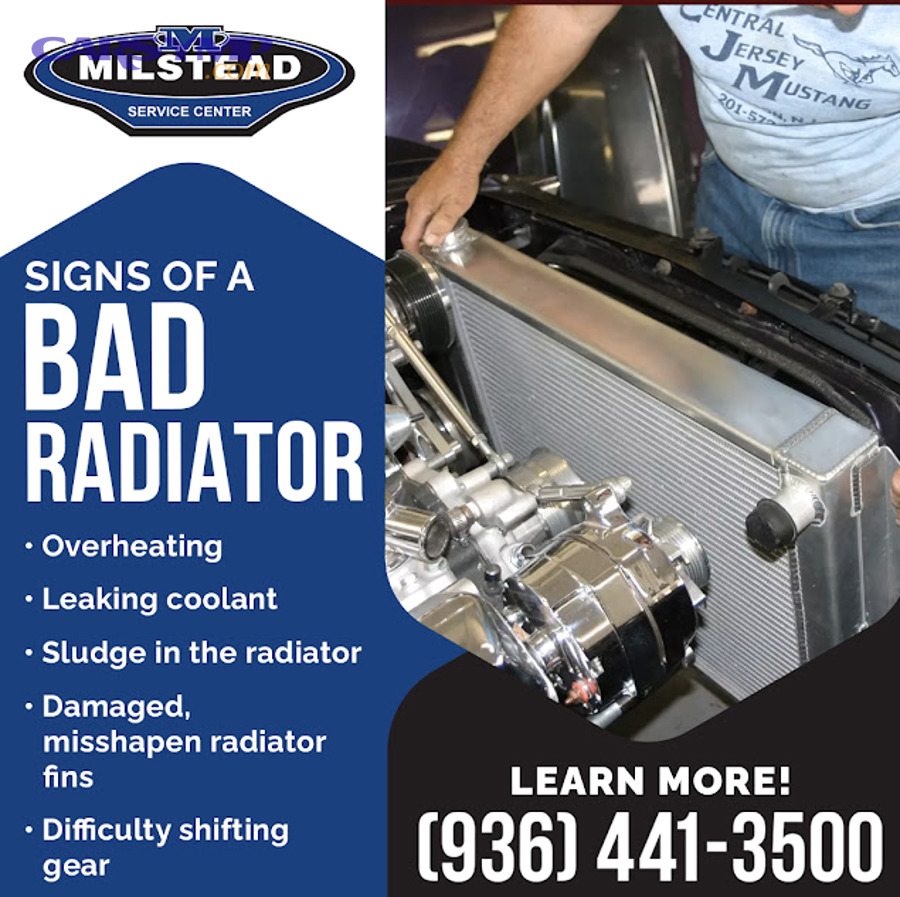
Let’s explore each of these warning signs in detail so you know exactly what to look for and why it matters.
Does Engine Overheating Always Indicate a Failing Radiator?
No, engine overheating does not always indicate a failing radiator, but it is the most common and most serious symptom associated with radiator failure. A bad radiator ranks as the leading cause of engine overheating, though a faulty thermostat or a worn water pump can produce similar temperature spikes.
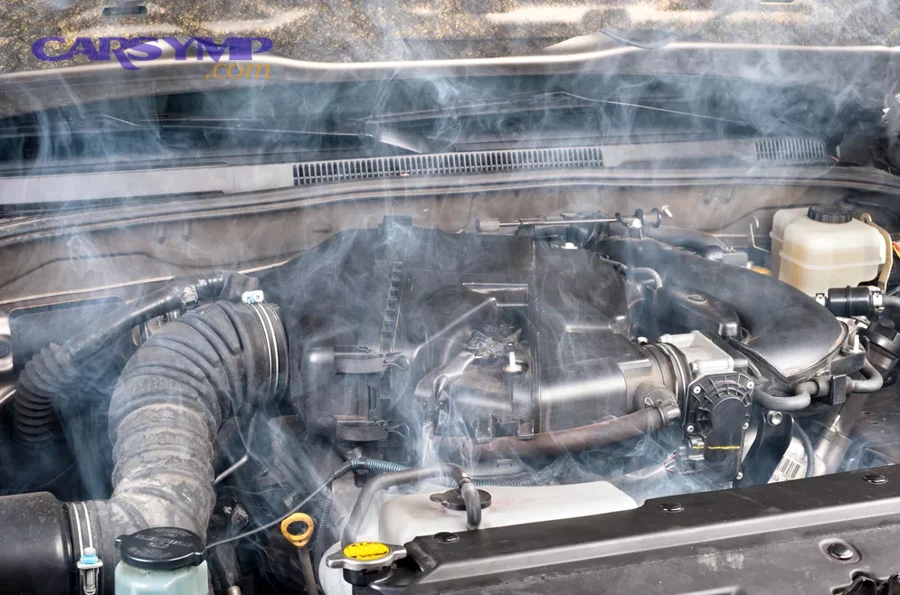
Specifically, when a radiator can no longer dissipate heat efficiently — due to leaks, blockages, or damaged fins — the coolant temperature rises beyond the engine’s optimal operating range of 195 to 220 degrees Fahrenheit. You will see this reflected on the dashboard temperature gauge as it climbs toward or into the red zone. In more advanced cases, steam may billow from under the hood, and you may notice a sudden loss of engine power or hear clicking and knocking sounds as metal components expand under extreme heat.
The critical distinction is whether the overheating event is accompanied by other radiator-specific symptoms. If your temperature gauge spikes and you simultaneously notice a puddle of coolant under the car, a sweet smell from the engine bay, or a visible drop in your coolant reservoir level, the radiator is almost certainly the culprit. If the gauge rises but coolant levels remain stable and there are no leaks, the thermostat or water pump deserves closer inspection.
According to a study published by the Society of Automotive Engineers (SAE), engine overheating accounts for nearly 40 percent of all engine-related roadside breakdowns, with cooling system failures — primarily radiator issues — cited as the top contributor.
What Do Coolant Leaks Under Your Car Tell You About Radiator Health?
Coolant leaks under your car indicate that the radiator or its connected components have developed a breach, allowing pressurized coolant to escape the closed cooling system. This is one of the most visible and reliable early indicators of radiator deterioration.
For example, if you notice a bright green, orange, pink, or yellow puddle forming beneath the front of your vehicle after it has been parked, you are likely looking at radiator coolant. The fluid is distinctly different from other automotive liquids — it has a thin, slightly slippery consistency and often carries a faintly sweet odor. The color depends on the specific coolant formula your vehicle uses.
Leaks can originate from several points within the radiator system. Cracks in the radiator core itself — often caused by age-related metal fatigue or impact damage — are the most direct source. However, leaks also commonly develop at hose connections where rubber deteriorates over time, at the seams between the radiator tanks and the core, or around a worn radiator cap that no longer holds pressure properly. Radiator cap and overflow issues are particularly deceptive because they can allow coolant to slowly escape through the overflow system without producing an obvious puddle, making the problem harder to detect until coolant levels drop dangerously low.
You can monitor your coolant level by checking the overflow reservoir tank under the hood. Most reservoirs have “MIN” and “MAX” markings on the side. If the level consistently falls below the minimum line even after topping off, a leak is almost certainly present and should be diagnosed immediately. Driving with a persistent coolant leak accelerates wear on the water pump, risks head gasket failure, and can ultimately lead to complete engine seizure.
What Does Discolored or Contaminated Coolant Mean?
Discolored or contaminated coolant means that foreign substances — such as rust, oil, or mineral deposits — have entered the cooling system and are compromising the radiator’s ability to transfer heat efficiently. Healthy coolant should appear bright and translucent in its original color; any deviation signals a problem.
More specifically, if you open the radiator cap (only when the engine is completely cool) or inspect the overflow reservoir and find that the coolant has turned brown, muddy, or sludgy, internal corrosion is the most likely cause. Rust particles from a corroding radiator core mix with the coolant and change its color and consistency. If the coolant appears milky or has an oily film on the surface, it may indicate that engine oil or transmission fluid has contaminated the cooling system — a more serious condition that suggests an internal gasket failure or a ruptured transmission fluid cooler inside the radiator.
The practical consequence of contaminated coolant is reduced thermal conductivity. Sludgy, debris-laden fluid cannot absorb and release heat as effectively as clean coolant, which means the engine runs hotter even when the radiator itself is structurally intact. Over time, the contaminated fluid also accelerates corrosion inside the radiator tubes and can clog narrow passages, creating a compounding cycle of deterioration.
When discoloration is caught early, a professional radiator flush — which involves draining the old coolant, running a cleaning solution through the system, and refilling with fresh coolant — can often restore normal function. However, if the contamination has caused significant internal corrosion or blockage, the radiator may need full replacement.
Is a Sweet Smell While Driving a Sign of Radiator Failure?
Yes, a sweet smell while driving is a strong sign of radiator failure. The sweet or syrupy aroma comes from ethylene glycol, the primary chemical compound in most automotive coolants, and its presence in the air means that coolant is leaking and evaporating on hot engine surfaces.
To illustrate, ethylene glycol has a naturally sweet scent that becomes noticeable when even a small amount of coolant drips onto the exhaust manifold, engine block, or other heated components. You may detect this Sweet smell and steam from front of car while driving, at idle, or immediately after parking. Some drivers also report a slightly chemical taste in the air when the vehicle’s ventilation system draws in fumes from the engine bay.
This olfactory warning often appears before more obvious symptoms like visible puddles or temperature gauge spikes. Because the leak may be small enough that the coolant evaporates on contact with hot surfaces, it can escape visual detection for days or even weeks. That is precisely what makes the sweet smell such a valuable early warning — it alerts you to a developing problem before the coolant level drops low enough to cause overheating.
Ignoring this sign is a risk no car owner should take. A small leak that produces only a faint sweet smell can rapidly expand as thermal cycling — the repeated heating and cooling of the radiator — widens cracks in the metal. What begins as a minor seep can become a major breach within a few hundred miles of driving.
What Unusual Sounds Signal a Failing Radiator?
There are three primary unusual sounds that signal a failing radiator: hissing, gurgling, and knocking. Each sound points to a different stage or type of failure within the cooling system.
Specifically, a hissing sound typically indicates that pressurized air or steam is escaping from the cooling system. This can occur through a cracked radiator core, a deteriorating hose, or a faulty radiator cap that can no longer maintain the system’s standard operating pressure. The hiss is often most noticeable immediately after shutting the engine off, when residual pressure in the system pushes against weak points.
A gurgling or bubbling sound, on the other hand, suggests that air pockets have formed inside the cooling system. This happens when coolant levels drop due to a leak, allowing air to enter the passages that should be filled entirely with liquid. The gurgling is most audible when the engine is running at idle or during low-speed driving, and it often originates from the area around the radiator or the heater core behind the dashboard.
Knocking or pinging sounds represent the most severe stage. When the cooling system fails to regulate temperature adequately, engine components overheat and expand beyond their designed tolerances. Metal-on-metal contact produces a distinctive knock that intensifies under acceleration. By the time you hear knocking, the engine may already be sustaining internal damage, and immediate attention is essential.
Which Dashboard Warning Lights Point to Radiator Problems?
There are three dashboard warning indicators that point to radiator problems: a rising temperature gauge, a low coolant level warning light, and the check engine light with diagnostic trouble code P0217, which specifically signals engine overheating.
However, these alerts do not always appear in isolation. A temperature gauge climbing steadily toward the red zone is the most direct Car Symptom tied to radiator function. Modern vehicles with digital displays may show a numerical temperature reading, while older models use an analog needle. In either case, normal operating temperature typically sits near the midpoint of the gauge. Any sustained movement above that range demands attention.
The low coolant level warning activates when the sensor in the coolant reservoir detects that fluid has dropped below the safe threshold. While this can result from something as simple as evaporation in extreme heat, a repeated or persistent low-coolant warning almost always points to a leak somewhere in the system — most commonly at the radiator, its hoses, or the radiator cap.
The check engine light is the broadest indicator. When triggered by code P0217, it confirms that the engine control module has detected overheating conditions. A professional diagnostic scan can retrieve this code and help pinpoint whether the radiator, thermostat, water pump, or another component is responsible.
The table below summarizes how each dashboard indicator relates to specific radiator conditions:
| Dashboard Indicator | What It Suggests | Urgency Level |
|---|---|---|
| Temperature gauge in red zone | Radiator not dissipating heat; possible blockage or major leak | Critical — pull over immediately |
| Low coolant warning light | Coolant has leaked or evaporated below safe level | High — check and refill; inspect for leaks |
| Check engine light (P0217) | Engine overheating detected by ECM | High — schedule diagnostic scan promptly |
How Do Damaged Radiator Fins Affect Cooling Performance?
Damaged radiator fins reduce cooling performance by restricting the airflow that the radiator depends on to dissipate heat from the coolant. Because the fins provide the surface area necessary for air-to-coolant heat exchange, even moderate damage can meaningfully raise engine operating temperatures.
For example, the fins on a radiator are thin, closely spaced metal blades — usually aluminum — that sit in front of the radiator tubes. Their job is to direct incoming air across the tubes so that heat transfers from the hot coolant to the cooler outside air. When these fins become bent from road debris, crushed from minor impacts, or clogged with dirt, leaves, and insects, the effective surface area shrinks. Less air reaches the tubes, less heat escapes, and the coolant returns to the engine at higher temperatures than it should.
You can often spot fin damage through a visual inspection by looking through the front grille of the vehicle. Bent or flattened sections appear as irregular patches where the uniform fin pattern is disrupted. Heavy accumulation of road grime on the fin surfaces is also visible and acts as an insulating layer that further reduces heat transfer.
Minor fin damage can sometimes be addressed with a fin comb — an inexpensive tool that straightens bent fins back into their original position. Cleaning the radiator face with low-pressure water can remove debris buildup. However, if large sections of the fin structure are crushed, corroded, or missing, the radiator’s cooling capacity may be permanently compromised, and replacement becomes the more practical solution.
Can Low Coolant Levels Be a Standalone Sign of Radiator Failure?
Yes, persistently low coolant levels can be a standalone sign of radiator failure, even when no other symptoms are immediately apparent. A slow, undetected leak in the radiator core or its connections can gradually drain coolant without producing obvious puddles or triggering a temperature spike — at least initially.
To illustrate, a pinhole leak in one of the radiator’s internal tubes may lose only a small amount of coolant with each driving cycle. The lost fluid may evaporate on contact with hot engine surfaces, leaving no visible puddle on the ground. The only clue is that the coolant level in the overflow reservoir drops incrementally over days or weeks, requiring repeated top-offs.
This situation is deceptive because the engine may continue to run within normal temperature ranges as long as you keep adding coolant. But the underlying leak is progressing, and eventually the rate of fluid loss will outpace your ability to compensate. Once the coolant level drops below the pump’s intake, circulation stops abruptly, and the engine can overheat in a matter of minutes.
Checking the overflow tank regularly — ideally every time you fill the gas tank — is a simple habit that catches this problem early. If you find yourself adding coolant more than once a month under normal driving conditions, have the system pressure-tested by a mechanic to locate the source of the loss.
Does Reduced Cabin Heating Indicate a Radiator Issue?
Yes, reduced cabin heating can indicate a radiator issue, though it is one of the less intuitive signs that many car owners overlook. The connection lies in the shared coolant circuit that serves both the radiator and the heater core — the small, radiator-like component inside the dashboard that warms the passenger cabin.
More specifically, the heater core relies on a steady flow of hot coolant from the engine to produce warm air when you turn on the heat. If the radiator is leaking and coolant levels have dropped, there may not be enough fluid circulating through the heater core to generate adequate heat. Similarly, if the radiator is internally clogged, the restricted flow affects all downstream components, including the heater core.
The distinguishing factor is timing and context. If your cabin heater blows lukewarm or cold air and you simultaneously notice any of the other signs discussed in this article — rising temperature gauge, sweet smell, low coolant — the radiator is the most likely common cause. However, if heating is the only issue and all other systems appear normal, the problem may reside specifically in the heater core, the blend door actuator, or the cabin temperature control system rather than the radiator.
What Causes a Car Radiator to Fail?
There are four primary causes of car radiator failure: internal corrosion, poor coolant maintenance, physical damage from road conditions, and the natural effects of age and thermal cycling. Each cause produces distinctive radiator problems symptoms that, when understood, help car owners trace a warning sign back to its origin.
Let’s explore the two most impactful causes in detail.
What Role Does Corrosion and Rust Play in Radiator Failure?
Corrosion and rust play a central and often decisive role in radiator failure because they attack the radiator from both the inside and outside, weakening the metal structure until it can no longer contain pressurized coolant.
For example, internal corrosion develops when the chemical inhibitors in coolant break down over time. Fresh coolant contains additives specifically designed to prevent oxidation of the aluminum or copper-brass surfaces inside the radiator. As these inhibitors degrade — typically after two to five years depending on the coolant type — the bare metal becomes exposed to the slightly acidic coolant mixture, and oxidation begins. Rust flakes and corrosion byproducts accumulate inside the tubes, narrowing the passages and reducing coolant flow. Eventually, the corrosion eats through the tube walls entirely, creating leaks.
External corrosion follows a different but equally damaging path. Road salt used during winter months, moisture from rain and humidity, and chemical residue from road treatments all attack the radiator’s outer surfaces. The thin aluminum fins are particularly vulnerable — once they corrode, they lose structural integrity and can no longer facilitate effective heat exchange. Vehicles driven regularly in coastal areas or northern climates with heavy salt use tend to experience external radiator corrosion at an accelerated rate.
According to the American Automobile Association (AAA), cooling system failures — with corrosion cited as the leading underlying cause — account for a significant portion of preventable roadside breakdowns each year, underscoring the importance of coolant maintenance and regular visual inspection.
How Does Poor Coolant Maintenance Lead to Radiator Damage?
Poor coolant maintenance leads to radiator damage by allowing the protective chemical properties of the coolant to degrade, turning the fluid from a guardian of the system into a contributor to its decline. Three specific maintenance failures are most common: using the wrong coolant type, neglecting scheduled flushes, and running an incorrect water-to-antifreeze ratio.
To illustrate, every vehicle manufacturer specifies a particular coolant formulation — distinguished by color and chemical composition — that is compatible with the metals and gaskets used in that vehicle’s cooling system. Using a mismatched coolant can trigger chemical reactions that produce gel-like deposits, accelerate corrosion, or attack rubber seals. These reactions occur silently inside the system, and by the time symptoms appear externally, damage to the radiator may already be advanced.
Failing to flush the cooling system on the manufacturer’s recommended schedule — typically every 30,000 to 50,000 miles or every two to three years — allows contaminants to accumulate. Mineral deposits from hard water, microscopic metal particles from normal wear, and degraded additive compounds all settle inside the radiator’s narrow tubes. Over time, this sludge restricts flow, creates hotspots where the engine is not adequately cooled, and provides a corrosive environment that eats into the metal.
Running a water-to-antifreeze ratio that is too heavily weighted toward plain water offers another path to failure. While water is an excellent heat transfer medium, it lacks the corrosion inhibitors and freezing protection that antifreeze provides. A 50/50 mixture of water and ethylene glycol is the standard recommendation for most climates, offering both adequate freeze protection and effective corrosion prevention.
What Should You Do When You Detect a Failing Radiator?
The correct course of action when you detect a failing radiator depends on the severity and combination of symptoms, and it ranges from immediate emergency response to scheduled preventive maintenance. Acting promptly at any stage can save you hundreds or thousands of dollars in engine repair costs.

Below, we break down the decision between repair and replacement, and outline a practical maintenance plan to prevent future failures.
Can a Failing Radiator Be Repaired, or Does It Need Full Replacement?
A failing radiator can sometimes be repaired if the damage is limited to peripheral components, but it needs full replacement when the core structure — the tubes and tanks — is compromised. Repair wins on cost for minor issues, while replacement wins on reliability and long-term value for significant damage.
Specifically, problems like a worn radiator cap, a cracked or brittle hose, or a loose clamp connection are straightforward repairs that a mechanic can complete in under an hour. A radiator cap typically costs between $10 and $30, and a replacement hose runs between $20 and $75 plus labor. These fixes restore system pressure and stop coolant loss without touching the radiator itself.
A radiator flush is the next tier of intervention. When discolored coolant or minor flow restriction is the issue, flushing removes accumulated sludge, rust particles, and degraded additives from the system and replaces them with fresh coolant. A professional flush typically costs between $100 and $150 and can extend the radiator’s functional life by several years when performed before significant internal corrosion has set in.
For more serious damage — a cracked radiator core, pinhole leaks in the tubes, severely corroded tanks, or a ruptured internal transmission cooler — full replacement is the only reliable solution. Radiator replacement costs generally range from $500 to $1,000 or more depending on the vehicle make, model, and whether OEM or aftermarket parts are used. While radiator stop-leak products exist and can temporarily seal minor leaks, they should be viewed as an emergency stopgap rather than a permanent fix, as the sealant material can itself contribute to future clogging.
The table below compares common radiator interventions by scope, cost, and appropriate use case:
| Intervention | Estimated Cost | Best For | Limitations |
|---|---|---|---|
| Radiator cap replacement | $10–$30 | Pressure loss, minor overflow issues | Does not address core damage |
| Hose replacement | $20–$75 + labor | Cracked, collapsed, or leaking hoses | Does not fix radiator body leaks |
| Radiator flush | $100–$150 | Discolored coolant, minor sludge buildup | Ineffective if internal corrosion is severe |
| Stop-leak additive | $10–$20 | Temporary seal for pinhole leaks | Can clog heater core; not a permanent fix |
| Full radiator replacement | $500–$1,000+ | Cracked core, severe corrosion, internal rupture | Higher upfront cost; most durable solution |
How Can You Prevent Radiator Failure Through Regular Maintenance?
You can prevent radiator failure through four regular maintenance practices: checking coolant levels, scheduling periodic flushes, inspecting hoses and caps, and using the correct coolant type for your vehicle. Together, these practices address the root causes of most radiator failures before symptoms ever appear.
More importantly, these are not complex or expensive tasks. Checking the coolant level in the overflow reservoir takes less than thirty seconds and should be done at every fuel stop or at least once a month. If the level consistently drops below the minimum mark, it signals a leak that should be diagnosed before it escalates.
Scheduling a coolant flush every 30,000 miles or every two to three years — whichever comes first — is the single most effective preventive measure against internal corrosion and sludge buildup. During a flush, the technician drains the old coolant, runs a cleaning agent through the system to dissolve deposits, and refills with fresh coolant at the proper ratio. This process restores the chemical inhibitors that protect the radiator’s internal surfaces and ensures unobstructed flow through the tubes.
Hose and cap inspections should occur at every oil change interval. Look for hoses that are soft, swollen, cracked, or show signs of abrasion. Squeeze each hose — it should feel firm but pliable. A hose that feels mushy or collapses easily under finger pressure is nearing failure. The radiator cap should be inspected for a clean, undamaged rubber gasket and should be replaced at the first sign of wear, since a cap that cannot hold pressure undermines the entire cooling system.
Finally, always use the coolant type specified in your owner’s manual. Mixing incompatible coolant formulations — for instance, combining conventional green coolant with extended-life orange coolant — can produce gel-like precipitates that clog the radiator and accelerate internal corrosion.
What Is the Difference Between a Failing Radiator and Other Cooling System Problems?
The difference between a failing radiator and other cooling system problems lies in the specific component that has lost function: the radiator dissipates heat, the thermostat controls coolant flow, and the water pump circulates coolant. Each produces overlapping symptoms — especially overheating — but the root cause, diagnostic path, and repair approach differ significantly.

To better understand where a bad radiator ends and other cooling system faults begin, the following sections compare the radiator against the most commonly confused components.
How Is a Bad Radiator Different from a Faulty Thermostat?
A bad radiator fails to release heat from the coolant, while a faulty thermostat fails to regulate when and how much coolant flows through the system. The symptoms overlap in the form of engine overheating, but the pattern of failure is distinctly different.
For example, when a thermostat becomes stuck in the closed position, it blocks coolant from reaching the radiator entirely. The engine overheats rapidly — often within minutes of starting — and the temperature gauge jumps to the red zone quickly. However, you will not see coolant leaks, smell a sweet odor, or find discolored fluid, because the coolant itself and the radiator structure remain intact. The problem is purely one of flow control.
In contrast, a failing radiator typically produces a more gradual temperature rise, accompanied by one or more physical symptoms: puddles under the car, low reservoir levels, discolored coolant, or visible fin damage. The thermostat is functioning correctly and allowing coolant to flow, but the radiator can no longer remove enough heat from that coolant before it circulates back to the engine.
A mechanic can differentiate between the two by performing a simple test: if the upper radiator hose is hot but the lower hose remains cool while the engine overheats, the thermostat is likely stuck closed. If both hoses are hot and coolant is circulating but the engine still overheats, the radiator is the more likely culprit.
Can a Bad Water Pump Mimic the Symptoms of a Failing Radiator?
Yes, a bad water pump can closely mimic the symptoms of a failing radiator because both components, when malfunctioning, result in inadequate coolant circulation and subsequent engine overheating. The overlap in symptoms makes misdiagnosis common without a proper mechanical inspection.
However, a water pump failure produces its own set of distinguishing characteristics. The water pump is a mechanical or electric device that physically moves coolant through the system. When its impeller blades corrode, its bearing seizes, or its shaft seal fails, coolant either stops circulating altogether or leaks externally from the pump housing. A telltale sign of water pump failure is a coolant leak originating from the center-front of the engine rather than from the radiator area at the very front of the vehicle. A whining or grinding noise from the pump bearing is another indicator that points away from the radiator.
The diagnostic approach involves checking coolant flow. With the engine warm and the radiator cap removed (on vehicles that allow this safely), a running water pump will produce visible coolant movement in the radiator neck. If the engine is overheating but no flow is visible, the water pump has likely failed — even if the radiator is in perfect condition.
What Is the Difference Between Aluminum and Copper-Brass Radiator Degradation?
Aluminum radiators degrade primarily through electrolysis corrosion and stress cracking, while copper-brass radiators degrade through traditional oxidation and solder joint failure. Each material brings distinct advantages and vulnerabilities that affect how and when the radiator fails.
More specifically, aluminum radiators — standard in most vehicles manufactured after the mid-1990s — are lighter and more cost-effective to produce. However, aluminum is susceptible to electrolysis, an electrochemical reaction that occurs when stray electrical current passes through the coolant. This current can originate from a poor engine ground, a faulty electrical component, or even the interaction between dissimilar metals in the cooling system. Electrolysis causes pitting on the internal surfaces of the aluminum tubes, creating pinhole leaks that are difficult to detect until coolant loss becomes significant.
Copper-brass radiators, found in older vehicles and some heavy-duty applications, are heavier and more expensive but offer superior resistance to general corrosion. Their primary failure mode is the degradation of lead-based solder joints that connect the tubes to the header tanks. Over time, thermal cycling and vibration weaken these joints, eventually causing leaks at the seams. Copper-brass radiators can often be repaired by re-soldering, whereas aluminum radiators with internal pitting typically require full replacement.
For car owners, the practical takeaway is that the type of radiator in your vehicle influences the kind of maintenance you should prioritize. Aluminum radiator owners should ensure proper engine grounding and use coolant with strong anti-electrolysis additives. Copper-brass radiator owners should pay close attention to seam integrity and have joints inspected during routine service.
Do Hybrid and Electric Vehicles Experience Radiator Failure Differently?
Yes, hybrid and electric vehicles experience radiator failure differently because their cooling systems serve additional or entirely different components compared to traditional internal combustion engine vehicles. The thermal management demands — and therefore the failure modes — are distinct.
To illustrate, hybrid vehicles retain a conventional engine alongside an electric motor and battery pack. Many hybrids use a dedicated radiator (or a separate cooling circuit within the same radiator) to manage battery temperature independently from the engine. If the engine-side radiator fails, the symptoms mirror those of any conventional vehicle — overheating, coolant leaks, and warning lights. However, if the battery cooling circuit fails, the symptoms may include reduced electric driving range, slower charging speeds, or battery management system warnings rather than traditional overheating indicators.
Fully electric vehicles do not have a combustion engine, so they lack a traditional radiator in the conventional sense. Instead, they use liquid cooling loops — sometimes called chillers or cold plates — to manage battery and motor temperatures. These systems use similar coolant and share some components with traditional radiators, including hoses, pumps, and reservoirs. Failure in an EV cooling system can manifest as thermal throttling (where the vehicle limits power output to protect the battery), charging speed reductions, or dashboard alerts related to battery temperature.
The key implication for owners of hybrid and electric vehicles is that cooling system maintenance remains essential even in the absence of a traditional radiator. Coolant still degrades, hoses still deteriorate, and pumps still wear out. Following the manufacturer’s recommended service intervals for the thermal management system is just as important as it is for any conventional vehicle with a standard radiator.