


If your car pulls to one side, vibrates at speed, or starts wearing tires unevenly, the most likely causes are wheel alignment, wheel balance, or a suspension problem. These issues overlap in feel, but they do not affect the car in the same way: alignment changes wheel angles, balance affects how smoothly the tire and wheel spin, and suspension problems reduce the vehicle’s ability to keep the tires planted on the road. Source
A practical diagnosis starts with symptoms. Pulling and an off-center steering wheel usually suggest alignment trouble, while vibration that builds with road speed more often points to wheel or tire balance. By contrast, clunking, repeated bouncing, swaying, or cupped tread often moves the problem toward shocks, struts, or other suspension parts. Source
Tire wear adds another layer of meaning. Feathering and shoulder wear often fit alignment errors, Center wear from overinflation vs underinflation can reveal pressure mistakes rather than alignment, and cupping commonly points to worn shocks or struts. Looking at the tread pattern carefully helps separate a simple service need from a deeper repair issue. Source
The goal of this guide is to help you match real-world Car Symptoms to the most likely cause, understand the logic a shop uses to confirm the issue, and decide when an uneven tire wear fix is enough and when a full inspection matters. Introduce a new idea: below, the article moves from basic definitions to symptom diagnosis, tire wear patterns, and service decisions.
What Is the Difference Between Alignment, Balance, and Suspension Problems?
Alignment, balance, and suspension problems are three different vehicle conditions: alignment sets wheel angles, balance corrects rotating weight distribution, and suspension problems involve worn or damaged components that affect stability, ride control, and tire contact.
To better understand the issue, it helps to separate what each system changes on the car before you try to connect it to symptoms.
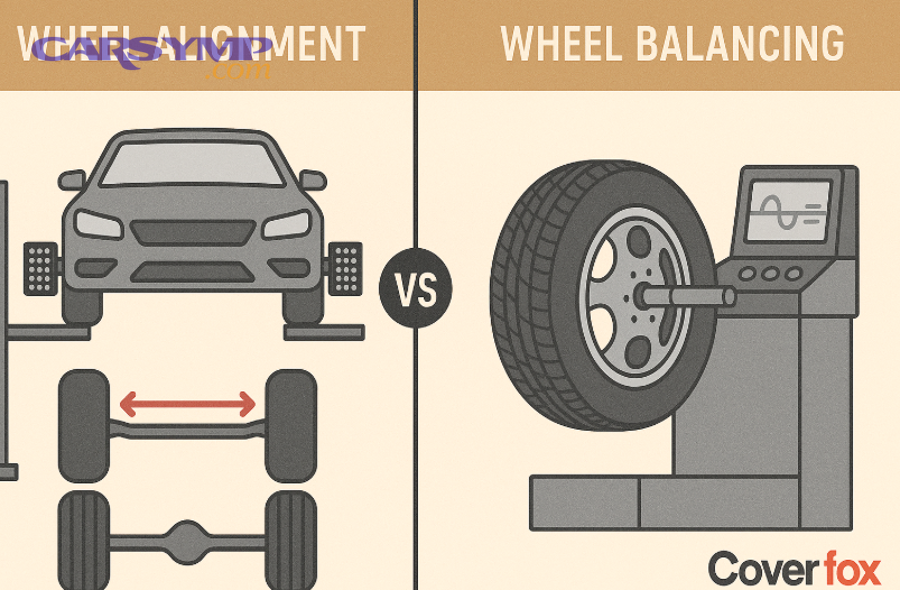
Is wheel alignment the same as wheel balancing?
No, wheel alignment is not the same as wheel balancing because they correct different faults, use different equipment, and solve different symptoms.
Specifically, alignment changes the direction the wheels point and how they sit relative to the road. A technician measures angles such as toe and camber and adjusts them so the tires meet the pavement correctly. When alignment is off, the car may drift, the steering wheel may sit crooked on a straight road, and the tread may wear faster on one edge or feather across the blocks. Firestone’s alignment guidance highlights pulling, uneven tire wear, and an off-center steering wheel as common signs of misalignment. Source
Balancing works on a different problem. A wheel-and-tire assembly can be round and properly aligned, yet still have slightly uneven mass distribution. A balancing machine detects that imbalance, and the technician adds small weights so the wheel spins smoothly. When balance is off, drivers often notice a steering wheel shake, floor vibration, or seat vibration that gets worse with speed. Firestone notes that uneven tire wear and vibration in the steering wheel, floorboard, or seat can point to a need for balancing. Source
That distinction matters because the wrong service leaves the real problem in place. A car with poor balance may still shake after an alignment, and a car with bad toe settings may keep scrubbing its tread after a balance service. According to Firestone Complete Auto Care in 2024, balancing corrects weight imbalance in the tire-and-wheel assembly, while alignment corrects the wheel angles that determine road contact. Source
What does a suspension problem mean in a car diagnosis?
A suspension problem means one or more ride-control or linkage components have worn out, loosened, or been damaged, reducing the car’s ability to control movement and keep the tires in stable contact with the road.
More specifically, suspension diagnosis goes beyond the tire and wheel itself. It includes shocks, struts, springs, control arms, ball joints, bushings, and related hardware. When these parts lose control or develop looseness, the tire can bounce, skip, or change its contact patch. The driver may feel extra body motion, hear clunks over bumps, notice nose dive during braking, or see irregular tread wear that keeps returning even after other services. Monroe says excessive bouncing, nose dive, sway in turns, and uneven tire wear are common signs of worn shocks and struts. Source
Suspension faults also create overlap with alignment. A loose or worn component can let alignment drift out of specification, which means the measured alignment may not stay stable after adjustment. That is why a good shop does not treat alignment numbers in isolation; it also inspects the hardware that holds those angles in place. Firestone’s suspension-and-alignment overview explicitly notes that vibrations can relate to misalignment or suspension issues, showing why diagnosis has to consider both systems together. Source
Which Symptoms Usually Point to Alignment, Balance, or Suspension Trouble?
The main symptoms divide into three groups: pulling and crooked steering usually suggest alignment, speed-related vibration usually suggests balance, and bouncing, clunking, or unstable handling usually suggest suspension trouble.
Let’s explore those car symptoms in the same order many drivers notice them on the road.
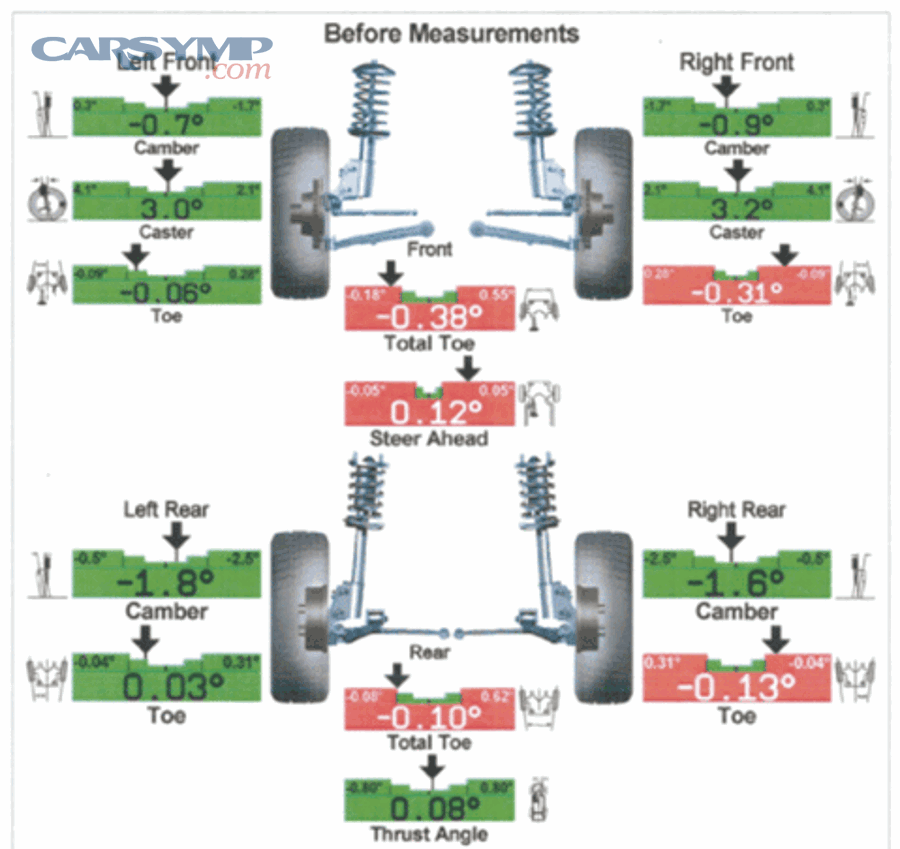
Does your car pulling left or right usually mean an alignment problem?
Yes, a car that consistently pulls left or right usually points to an alignment problem because mis-set wheel angles change tracking, reduce straight-line stability, and create uneven tread contact.
However, the word usually matters. Pulling on a flat road often signals toe or camber issues, especially when the steering wheel is also off-center. The car can drift without much steering input because the wheels are no longer pointing or loading the same way. Firestone lists pulling to one side and an off-center wheel among the most common signs of poor alignment. Source
Still, not every pull comes from alignment. Unequal tire pressure, a tire defect, brake drag, or road crown can create a similar sensation. NHTSA recommends checking tire pressure at least once a month when the tires are cold, because incorrect pressure can change how the vehicle feels and how the tread wears. That means the first step before booking an alignment is always a cold-pressure check against the placard. Source
When the pull comes with edge wear or feathering, alignment becomes more likely. When the pull appeared right after a pothole strike, curb hit, or suspension repair, alignment also moves higher on the list. According to Firestone’s 2025 suspension and alignment guide, pulling to one side, uneven tire wear, and an off-center steering wheel are classic alignment-related warning signs. Source
Does steering wheel or seat vibration usually mean a balance problem?
Yes, steering wheel or seat vibration usually points to a balance problem because rotational imbalance increases with speed, transmits through the chassis, and is often felt most strongly on the axle where the problem sits.
More specifically, front-wheel imbalance tends to shake the steering wheel, while rear-wheel imbalance is more often felt through the seat or floor. That pattern is not perfect in every vehicle, but it is a useful clue. Firestone’s tire-cupping guidance says steering wheel vibration can suggest front-wheel imbalance, while seat vibration can suggest the rear wheels. Source
The speed range matters too. Balance-related shake commonly builds as road speed rises, which is why many drivers first notice it above city speeds. Firestone’s tire-care guidance also notes that vibration or shaking at higher speeds can indicate improper tire alignment or balancing, which is why a test drive should note the exact speed window where the shake begins and fades. Source
That said, vibration does not belong only to balance. A bent wheel, damaged tire, misalignment, or worn suspension can feel similar, especially after a pothole strike. The best clue is whether the vibration is mainly rotational and speed-related, or whether it comes with noise, bounce, looseness, or directional instability. According to Firestone Complete Auto Care in 2024, vibration in the steering wheel, floorboard, or seat is a key indicator that tire balancing may be needed. Source
Can clunking, bouncing, or unstable handling mean suspension damage?
Yes, clunking, bouncing, or unstable handling can mean suspension damage because worn shocks, struts, or linkages reduce motion control, allow excess body movement, and interrupt consistent tire-to-road contact.
For example, if the car keeps bouncing after a bump instead of settling quickly, the shocks or struts may be weak. If the front end dives hard under braking, the ride feels floaty, or the body rolls more than normal in turns, the suspension may no longer control weight transfer well. Monroe lists excessive bouncing, nose dive, sway during cornering, and feeling out of control in crosswinds as common consequences of worn shocks and struts. Source
Clunking adds another clue. A solid knock over potholes or speed bumps can come from worn joints, bushings, or mounts. Unlike a simple balance issue, these faults often combine noise with a loose, unsettled feel. They can also create secondary tire wear because the wheel no longer follows the road smoothly.
When unstable handling joins irregular wear, suspension inspection should move ahead of any cosmetic service. According to Monroe’s technical guidance, worn shocks and struts can reduce road holding force and cause the kind of bouncing that accelerates tire wear and undermines vehicle control. Source
How Can You Compare Tire Wear Patterns to Diagnose the Right Problem?
You can compare tire wear patterns by matching the shape and location of wear to the most likely cause: edge wear and feathering often fit alignment, center wear often fits inflation error, and cupping often fits suspension wear.
To illustrate the difference, the tread tells the story of how the tire has been meeting the road over time.
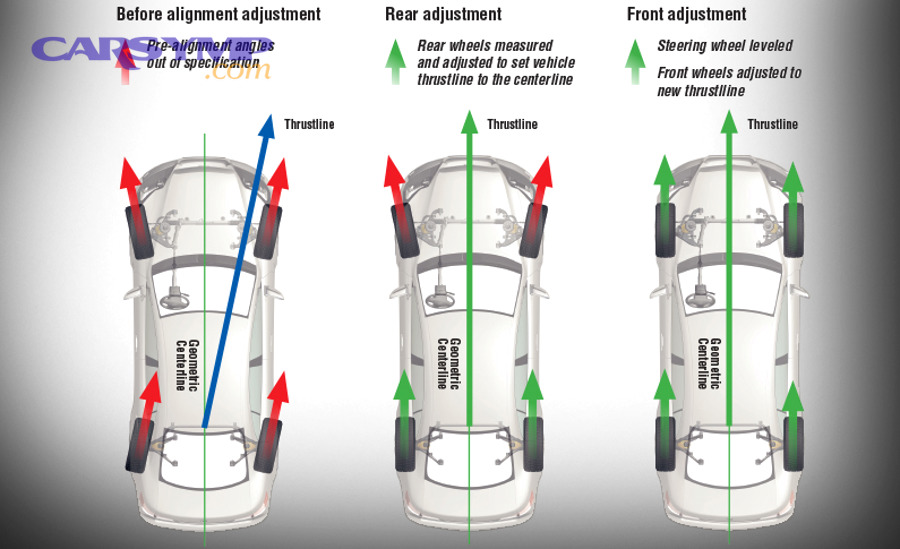
Before the detailed breakdown, the table below summarizes how common tread patterns connect to likely causes and what action usually comes next.
| Wear pattern | Most likely cause | What it often feels like | First action |
|---|---|---|---|
| Inner or outer edge wear | Alignment issue | Pulling, drift, crooked steering wheel | Check pressure, then alignment inspection |
| Feathering across tread blocks | Toe-related alignment issue | Mild pull, vague steering, road noise | Alignment measurement |
| Center wear | Overinflation | Harsh ride, reduced center tread life | Reset pressure to placard spec |
| Both shoulders worn | Underinflation or chronic low pressure | Sluggish feel, heat buildup | Inspect and set correct pressure |
| Cupping or scalloping | Worn shocks/struts or suspension fault | Bounce, noise, instability | Suspension inspection first |
| Spotty wear with vibration | Balance issue, wheel damage, or tire defect | Speed-related shake | Balance and wheel/tire inspection |
What tire wear patterns suggest alignment problems?
There are three main tire wear patterns that suggest alignment problems: inner-edge wear, outer-edge wear, and feathering, based on how incorrect wheel angles change contact pressure across the tread.
More specifically, alignment wear tends to look directional and structured rather than random. Excessive toe can scrub the tread blocks and create feathering, where one side of the tread elements feels sharp and the other side feels smoother. Camber problems tend to load one shoulder more than the other, creating inside or outside edge wear. Firestone identifies uneven tire wear as a major symptom of misalignment, and GM’s service bulletin examples show feathering as a shoulder-wear pattern technicians evaluate during alignment-related tire inspections. Source
The key diagnostic point is repetition. Alignment wear is usually consistent around the circumference of the tire because the tire meets the road incorrectly every rotation. If both front tires show a similar pattern, alignment climbs higher on the list. If only one tire has severe shoulder wear after a known impact, you should also consider bent parts or a damaged tire in addition to alignment.
This is where an uneven tire wear fix needs to be precise. Replacing the tire without correcting the angle only starts the same wear cycle again. According to Firestone’s 2025 alignment guidance, misalignment causes certain parts of the tires to wear down faster and often accompanies pulling or an off-center steering wheel. Source
What tire wear patterns suggest suspension problems instead?
There are two main wear patterns that suggest suspension problems instead: cupping and scalloping, based on the tire repeatedly losing and regaining contact with the road because ride-control parts are no longer damping movement correctly.
Meanwhile, cupping looks different from simple edge wear. Instead of one shoulder wearing smoothly, the tread develops scooped-out patches or alternating high and low spots around the circumference. The tire may hum or roar at speed, and the car may feel unsettled over rough pavement. Monroe explains that worn shocks and struts let the car bounce, reducing road holding force and causing cupping or scalloping. Source
This pattern matters because it changes the repair order. If the shocks or struts are worn, the suspension needs attention before you worry about perfecting alignment or balance. Otherwise, the new settings or newly balanced tires still work against a tire that is not staying planted. Firestone’s tire-cupping page also notes that vehicle pulling and vibration can appear alongside cupping, which is why cupping so often overlaps with both alignment and suspension complaints. Source
When to replace tires vs correct the problem depends on tread depth and casing condition. If cupping is light and the tire still has safe tread, correcting the suspension issue early may save the tire from rapid deterioration. If the tire is already noisy, uneven beyond recovery, or worn to the bars, the cause must be repaired and the tire replaced. Monroe advises that if wear bars are showing, replacement is necessary, and cupping should trigger a check of shocks and struts. Source
Can a balance issue cause uneven tire wear too?
Yes, a balance issue can contribute to uneven tire wear because repeated vibration changes how the tread meets the road, but it usually creates secondary or spot-related wear rather than the classic edge-wear or cupping patterns tied to alignment and suspension faults.
In practice, imbalance is more famous for the shake than for a unique wear signature. A wheel that rotates with uneven mass can create vibration that stresses the tire and suspension over time. Firestone notes that imbalanced wheels can lead to vibration, excessive tire wear, and even suspension damage if ignored. Source
Still, balance alone does not usually explain strong inner-edge wear, shoulder scrub, or deep cupping. Those patterns more strongly suggest alignment geometry problems or suspension damping/control issues. That is why drivers who chase vibration with repeated balancing should also ask whether the wheel is bent, the tire has internal damage, or the suspension is allowing abnormal movement.
The pressure pattern can add another layer. Center wear from overinflation vs underinflation matters here because inflation problems can be mistaken for alignment. Overinflation tends to wear the center faster, while chronic underinflation tends to wear both shoulders faster and raise operating temperature. NHTSA’s tire-safety guidance emphasizes routine cold-pressure checks and regular inspection for uneven wear, which is the best way to catch these patterns before they become severe. Source
How Can You Diagnose Alignment vs Balance vs Suspension Problems Step by Step?
The best diagnosis uses four steps: verify tire condition and pressure, map the exact symptoms, inspect visible components and wear, and then confirm the cause with the right shop test for alignment, balancing, or suspension.
Below, the process moves from the easiest at-home checks to the professional measurements that confirm what your car symptoms really mean.
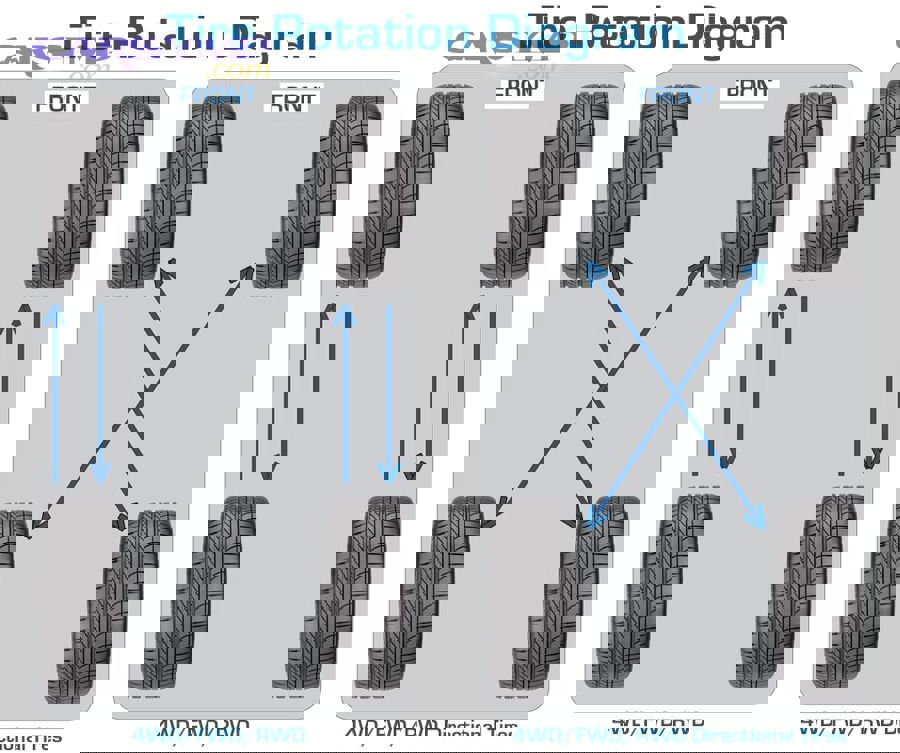
What should you check first at home before assuming a major repair?
You should check five things first at home: tire pressure, visible tread wear, recent impact history, steering-wheel position, and the exact speed or road condition that triggers the symptom.
First, check cold tire pressure against the door-jamb placard. Pressure problems can imitate or amplify alignment and handling complaints, so this step comes before everything else. NHTSA recommends checking all tires, including the spare, at least once a month when the tires are cold. Source
Second, inspect the tread across the full width of each tire. Look for feathering, shoulder wear, center wear, or cupping. Third, think about the history: did the problem start after a pothole, curb contact, flat repair, or tire replacement? Fourth, note whether the steering wheel sits straight on a level road. Fifth, write down the symptom trigger: at 30 mph, 60 mph, over bumps, during braking, or only on certain roads. These details make shop diagnosis faster and more accurate.
This step-by-step habit prevents guesswork. A driver who says “the car shakes” gives a shop almost nothing. A driver who says “the steering wheel vibrates from 58 to 68 mph after a pothole hit, and the right-front tire shows inner-edge wear” gives the technician a starting map.
How do shops test alignment, balancing, and suspension issues differently?
Shops test these issues in three different ways: an alignment rack measures wheel angles, a balancing machine measures rotational weight error, and a suspension inspection checks for wear, looseness, or weak damping.
More specifically, alignment testing places sensors or targets on the wheels and compares toe, camber, and related angles to specification. Balance testing spins each tire-and-wheel assembly off the car or on specialized equipment to locate heavy spots that need correction. Suspension testing includes visual inspection, checking joints and bushings for play, examining shocks/struts for leakage or weak control, and road-testing the vehicle for bounce, sway, noise, or instability. Source
A quality shop also understands sequence. If a suspension part is loose, an alignment reading may not remain valid. If a tire is damaged internally, balancing may improve the shake only slightly. If the wheel is bent, the tire may never feel fully smooth until the wheel itself is repaired or replaced. That is why shops often start with inspection and a road test, not with a single machine.
According to Firestone and Monroe guidance, vibrations, pulling, uneven wear, and bounce often overlap across systems, so diagnosis works best when technicians combine road-test symptoms with measured data and a physical suspension check. Source
When do symptoms overlap and require a full suspension diagnosis?
Symptoms overlap and require a full suspension diagnosis when vibration, pulling, uneven tire wear, and instability appear together, especially after an impact or when repeated alignment or balancing has not solved the problem.
For example, a worn shock can cause cupping, which then creates noise and vibration. A loose suspension component can let alignment drift, which then causes pull and edge wear. A pothole can bend a wheel, bruise a tire, and damage a suspension part in the same event. That is why one symptom can have two or three linked causes.
The practical clue is persistence. If a freshly balanced car still shakes, if a recently aligned car still drifts, or if a new tire starts wearing oddly again within a short time, the hidden issue may be in the suspension or wheel hardware rather than in a routine service setting. Firestone’s 2025 alignment-and-suspension article notes that shaking or excessive vibration can indicate misaligned wheels or suspension issues, reinforcing that overlap is real and common. Source
A full inspection is also smart when the car feels less controlled rather than merely less smooth. Loss of control, strong sway, repeated bounce, or obvious looseness raises the priority from comfort complaint to safety concern. According to Monroe, worn shocks and struts directly affect handling and control, not just ride comfort. Source
Which Service Does Your Car Most Likely Need?
Your car most likely needs an alignment for pulling and crooked steering, a balance for speed-related shake, or a suspension inspection for bounce, clunks, and cupping; when symptoms overlap, inspection should come before routine adjustment.
In addition, choosing the right first service saves money because it prevents you from paying for corrections that the real fault will undo.
Do you need an alignment, a wheel balance, or a suspension inspection?
Yes, you can usually narrow the service choice by matching the strongest symptom to the strongest mechanical clue.
If the main complaint is drifting, a steering wheel that sits off-center, or steady edge wear, start with alignment. If the main complaint is smooth driving at low speed but shaking at highway speed, start with wheel balance and a wheel/tire condition check. If the main complaint is clunking, extra bounce, body sway, nose dive, or cupping, start with suspension inspection. Source
The phrase uneven tire wear fix fits here because the real fix is not always the tire itself. Sometimes the fix is simply correcting pressure. Sometimes it is an alignment. Sometimes it is a shock, strut, bushing, or wheel replacement. The tire wear pattern tells you which path is most logical, and safe diagnosis always corrects the cause before replacing parts that will just wear out again.
A good rule is this: if the symptom feels like direction, think alignment; if it feels like rotation, think balance; if it feels like motion control, think suspension. That rule is not perfect, but it is very useful for everyday drivers.
When should you stop driving and get the car checked immediately?
Yes, you should stop driving and get the car checked immediately when vibration becomes severe, the steering feels loose, the car pulls suddenly, a loud suspension noise appears, or the tires show rapid or cord-near wear.
More importantly, these signs move the problem out of the maintenance category and into the safety category. Severe shake can mean a damaged tire, bent wheel, or major imbalance. Strong pull can mean a serious alignment or brake issue. Loose steering or hard clunks can indicate worn suspension or steering hardware that should not be ignored. Tread worn to the built-in indicators means the tire has reached replacement depth regardless of the original cause. NHTSA notes that tires have treadwear indicators that signal replacement time when the tread wears down to their level. Source
When to replace tires vs correct the problem becomes urgent here. If the tire is already unsafe, replace it. But do not stop there. Correct the pressure, alignment, suspension, or wheel issue that created the wear, or the replacement tire will follow the same path. This is the difference between a short-term fix and a real repair.
According to NHTSA tire-safety materials, drivers should inspect tires regularly for uneven wear patterns and maintain correct pressure; together, those steps reduce the chance that hidden problems turn into failures on the road. Source
What Other Problems Can Mimic Alignment, Balance, or Suspension Issues?
Several other problems can mimic alignment, balance, or suspension issues, including bent wheels, damaged tires, brake drag, road-force variation, and recurring geometry changes caused by worn suspension parts.
Besides the main three categories, these look-alike faults explain why some cars keep returning with the same complaint after a routine service.

Can a bent wheel, bad tire, or brake issue feel like an alignment problem?
Yes, a bent wheel, bad tire, or brake issue can feel like an alignment problem because each one can create pull, vibration, steering correction, or irregular tread wear.
A bent wheel can introduce wobble or vibration after a pothole strike. A tire with internal damage or uneven stiffness can cause shake or directional pull even when the alignment numbers look acceptable. Brake drag on one side can make the car pull during driving or braking, which some drivers misread as simple misalignment. Firestone’s wobble guidance points to wheel alignment when the steering wheel is off-center or the car pulls, but it also notes that pothole-related damage can require tire repair or replacement, showing how impact events can blur the diagnosis. Source
This overlap is why technicians ask whether the issue started suddenly or gradually. A gradual drift with wear often fits alignment. A sudden shake after an impact often expands the investigation to wheel and tire damage.
What is road-force balancing, and when is it better than standard balancing?
Road-force balancing is an advanced balancing method that measures how the tire and wheel behave under simulated load, and it is better than standard balancing when a car still vibrates after normal balancing or when tire uniformity is suspect.
Specifically, standard balancing focuses on weight distribution. Road-force testing goes further by identifying variation in stiffness or shape that can create vibration even when the assembly is technically balanced. Drivers often hear about this test after repeated highway-speed shake that routine balancing did not eliminate. It becomes especially useful after pothole strikes, with low-profile tires, or when vibration complaints are persistent and hard to isolate.
This is a more specialized diagnostic tool, but it matters because not all vibration is simple imbalance. Some assemblies are balanced by weight yet still generate force variation once the tire rolls under load. In those cases, the right answer is not “balance it again” without changing the test method.
Can worn suspension parts keep throwing your alignment out of spec?
Yes, worn suspension parts can keep throwing alignment out of spec because loose or weak components allow the wheel position to move under load even after the alignment machine shows acceptable numbers.
For example, a worn bushing or joint can let the wheel shift during acceleration, braking, or cornering. The technician may set the angles in the shop, but the car does not hold them consistently on the road. That is why recurring pull or repeated edge wear after a recent alignment often points back to the hardware, not the technician’s screen. Firestone’s alignment-and-suspension guidance and Monroe’s shock-and-strut material both support the idea that suspension condition directly influences stability, tire wear, and how the vehicle tracks. Source
This is also why the order of repair matters. If parts are worn, replace them first. Then align the car. Otherwise, the fresh alignment can drift almost immediately.
Is front-end vibration always caused by the front tires or front suspension?
No, front-end vibration is not always caused by the front tires or front suspension because rear-wheel imbalance, rear tire defects, or whole-vehicle resonance can transmit forward and feel like a front-end problem.
On the other hand, where the vibration is felt can still help. Steering wheel shake often leans front. Seat or floor vibration often leans rear. Firestone’s tire-cupping guidance uses that exact distinction, which makes it useful during a road test. Source
Even so, diagnosis should not rely on feel alone. A rear tire problem can resonate through the cabin and mislead the driver. A front suspension issue can create vibrations that seem to come from the body. That is why good diagnosis combines symptom location, speed range, tire inspection, and machine measurement instead of guessing from one clue.
In short, the smartest way to diagnose alignment vs balance vs suspension problems is to match the strongest symptom with the strongest physical evidence, correct the root cause before replacing parts, and use tire wear as a running record of what the car has been doing on the road.