


Replacing tires is the right move when the tire itself is no longer safe, but fixing the underlying problem comes first when the tire is mainly showing symptoms of misalignment, inflation error, imbalance, or suspension wear. In practice, the decision starts with three questions: Is the tire structurally safe, is there enough usable tread left, and is the wear pattern telling you something about the vehicle rather than the rubber alone? NHTSA says tires are unsafe at 2/32 inch of tread, and Bridgestone notes that any area that fails the tread check is enough to justify replacement. (nhtsa.gov)
The next layer of the decision is diagnosis. A tire can wear out early because the tire is old or damaged, but it can also wear out early because the car is out of alignment, underinflated, overinflated, poorly rotated, or riding on worn suspension parts. That is why replacing tires without correcting the cause can simply destroy the next set the same way. NHTSA recall documents and service bulletins explicitly connect uneven wear with suspension alignment faults and direct technicians to inspect inflation, irregular wear, wheel bearings, and steering and suspension parts. (static.nhtsa.gov)
Wear pattern reading also matters because not every pattern means the same thing. Center wear often points to overinflation, shoulder wear often points to underinflation, feathering can suggest toe issues, and cupping can indicate imbalance or worn shocks and struts. A phrase like Inner edge wear from camber/toe issues is not just workshop jargon; it is one of the clearest clues that the problem may be in chassis geometry rather than in the tire alone. (static.nhtsa.gov)
Cost and timing complete the picture. Sometimes the correct answer is “repair first, then align, then install new tires.” Sometimes it is “replace the unsafe tire immediately and repair the cause at the same visit.” Introduce a new idea: the best way to avoid wasting money is to follow a clear diagnostic sequence rather than treating every uneven tire as a simple replacement problem. (static.nhtsa.gov)
Do You Need to Replace the Tires or Fix the Underlying Problem First?
Yes—whether you replace the tires or fix the underlying problem first depends on safety, tread depth, and the cause of the wear.
To better understand that decision, start with the rule that safety overrides diagnosis. If the tire has cords showing, a sidewall bulge, a deep cut, belt separation, or tread worn to an unsafe level, the tire cannot stay in service while you “wait and see.” NHTSA states that tires are not safe once tread is worn down to 2/32 inch, and Bridgestone advises replacing the tire when any area fails the tread test, not only when the whole tread face looks worn. (nhtsa.gov)
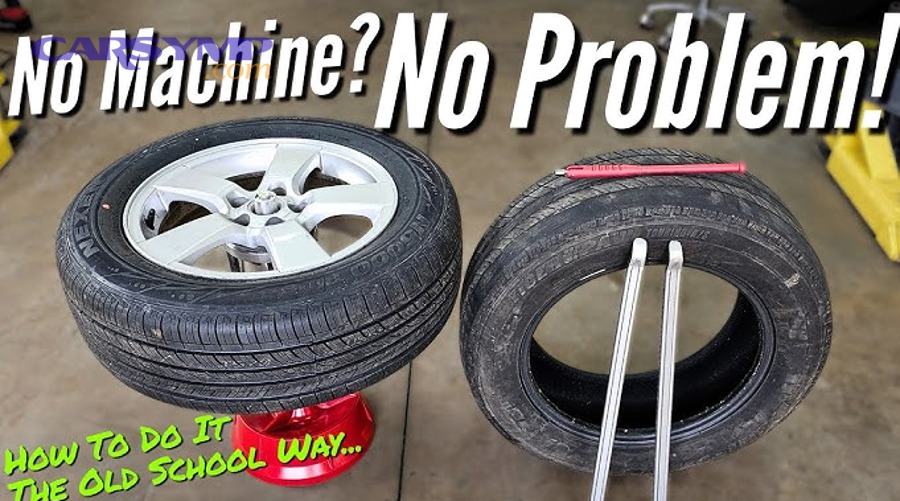
If the tire is still structurally sound and still has usable tread, the next issue is whether the visible wear is a symptom of something else. That is where the real decision happens. Uneven shoulders, feathered blocks, vibration, or a steering pull usually point beyond the tire itself. In those cases, the tire may still be usable for a while, but only if the underlying cause is corrected fast enough to preserve what tread remains. That is the heart of any practical uneven tire wear fix: do not separate the tire from the mechanical system that is wearing it out. (static.nhtsa.gov)
Can You Keep Driving If the Tire Is Worn but the Problem Is Repairable?
No, you should not keep driving if the tire is already unsafe, even when the underlying problem is repairable, because low tread, exposed cords, and structural damage still create immediate traction and blowout risk.
However, the important distinction is that “repairable problem” and “safe tire” are not the same thing. A car can have a repairable alignment issue while the tire mounted on it is already beyond use. It can also have a repairable suspension issue while the tire still has enough tread to remain in service for a short time after correction. The judgment depends on what kind of wear has already happened and how far it has progressed. A tire with mild inner-edge wear but no cords and solid overall tread may survive after alignment and rotation. A tire with severe one-sided wear worn nearly bald on the inside edge is already finished, even if alignment is the root cause. (static.nhtsa.gov)
The safest working rule is simple: keep driving only when all three conditions are true—adequate tread remains, no structural damage is present, and the vehicle is stable enough to drive to inspection or repair without abnormal vibration or loss of control. Once any of those conditions fails, replacement becomes urgent, not optional. According to NHTSA, inadequate tread reduces traction, especially on wet roads, and tires worn to 2/32 inch should be replaced. (nhtsa.gov)
What Is the Fastest Way to Decide Between Tire Replacement and Root-Cause Repair?
The fastest method is a 4-step check: inspect tire safety, read the wear pattern, identify the cause, and then decide whether the tire still has enough life to justify repair first.
Specifically, begin with safety because that instantly narrows the outcome. Check tread depth at multiple points, not just the center. Look for cracks, bulges, puncture location, and exposed fabric or steel. Then read the pattern: center wear suggests inflation error, inner or outer edge wear suggests geometry or loading issues, cupping suggests bounce or balance problems, and feathering often points to toe-related scrub. After that, inspect the systems most likely to cause that pattern. Finally, decide whether the remaining tread is enough to save with correction.
This sequence matters because it prevents the most expensive mistake in tire maintenance: putting fresh tires on a car with unresolved alignment or suspension faults. Hyundai’s tire maintenance guidance notes that replacement decisions should consider tread wear level, tread wear pattern, age, and vibration rather than tread depth alone. That is exactly why Fixing uneven wear: parts to inspect first should always come before ordering tires unless the existing tire has already become unsafe. (static.nhtsa.gov)
According to NHTSA, tires should be checked at least monthly for pressure and tread, and tires worn to 2/32 inch are no longer safe; Bridgestone also says that even if some sections remain deeper, failure in the most worn area is enough to justify replacement. (nhtsa.gov)
What Tire Conditions Mean Replacement Is the Only Safe Option?
Replacement is the only safe option when the tire has unsafe tread depth, structural damage, severe irregular wear, or age-related deterioration that makes continued use risky.
Next, focus on the tire itself rather than the cause behind it. This section answers a common misunderstanding: finding a root cause does not rescue a tire that has already crossed a safety limit. If the structure is compromised, if the tread is gone in one area, or if age and cracking have made the casing unreliable, correcting alignment or replacing a suspension part does not put safety back into that tire. (nhtsa.gov)
What Signs Show a Tire Must Be Replaced Instead of Monitored or Repaired?
There are 6 main signs a tire must be replaced: unsafe tread depth, exposed cords or belts, sidewall damage, bulges or separation, severe cracking from age, and wear patterns so advanced that rotation cannot recover service life.
For example, tread depth is the most widely recognized threshold because it directly affects wet traction. NHTSA says 2/32 inch is the unsafe limit. But many replacement decisions happen before that point because the pattern of wear reveals a problem that has already ruined part of the tread face. A tire worn heavily on one inner shoulder, while the rest of the tread still looks decent, may technically have “some tread left” yet still need replacement because the worn strip is already at the limit. That is one reason the penny test or tread gauges must be used in several locations around the tire. (nhtsa.gov)
Sidewall injuries are another line you do not cross casually. Cuts, bubbles, and bulges indicate casing damage, not cosmetic wear. Cracks from age also deserve respect because rubber degrades over time even when tread looks acceptable. Bridgestone’s safety manual recommends regular inspection after five years of service and recommends taking tires out of service after ten years regardless of tread depth. That does not mean every older tire is instantly unsafe at one exact moment, but it does mean age belongs in the replacement decision, especially when cracking or heat exposure are visible. (bridgestonetire.com)
Severe vibration also changes the picture. Vibration can come from imbalance, bent wheels, or internal tire separation. If a tire shakes because of internal failure, alignment will not fix it. According to Hyundai’s tire maintenance guidance, tread wear level, wear pattern, age, and vibration all matter when deciding on replacement. (static.nhtsa.gov)
How Does Replacing a Tire Compare With Repairing a Damaged or Worn One?
Replacement wins in safety and long-term reliability, repair is best for limited puncture situations, and correction of vehicle faults is optimal when the tire still has safe life left to preserve.
However, those outcomes apply to different problems. Repair belongs to a narrow set of cases, mainly a small puncture in the repairable tread area when the tire has adequate remaining tread and no structural damage. Replacement belongs to structural damage, severe age cracking, deep wear, or advanced irregular wear. Root-cause correction belongs to the vehicle-side problems that created the wear in the first place. Good decisions often involve two of these together: replace the ruined tire and correct the cause, or correct the cause first so the still-usable tire can finish its life evenly. (nhtsa.gov)
From a cost standpoint, replacing too early wastes usable tread, but replacing too late risks traction loss and may force additional parts or multiple tires later. From a performance standpoint, repair can restore air retention after a simple puncture, but it cannot reverse scrubbed shoulders, cupped tread blocks, or separated belts. That is why the right comparison is not “replace or repair?” in isolation; it is “replace, repair, or correct the cause?” based on what the tire and the car are telling you. (static.nhtsa.gov)
According to Bridgestone, any area of tread that fails the 2/32-inch check is enough to justify replacement, and according to its safety manual, tires over ten years old should be removed from service regardless of tread depth.
What Underlying Problems Cause Tire Wear Before the Tire Itself Is Finished?
There are 5 common causes of early tire wear before the tire is truly finished: alignment problems, inflation errors, imbalance, missed rotation, and worn suspension or steering parts.
To better understand early wear, think of tires as indicators rather than isolated parts. They record what the vehicle is doing every mile. A tire that is wearing too fast is often telling you about a force problem: too much load on one edge, too much bounce, too much scrub, or too little air. The tire is the part you see, but the cause often lives elsewhere. (static.nhtsa.gov)
What Problems Usually Cause Tires to Wear Out Early?
There are 2 main groups of causes that wear tires out early: maintenance-related causes such as pressure and rotation neglect, and mechanical causes such as misalignment, bad shocks, and loose steering or suspension parts.
Specifically, maintenance issues change how the tread meets the road. Underinflation loads the shoulders and builds heat. Overinflation tends to overwork the center. Missed rotations let one axle or one driven position carry the same stress too long. Bridgestone notes that rotating new tires around 5,000 miles is especially important because deep, fresh tread is more susceptible to uneven wear. That point matters because many uneven patterns start early and then accelerate. (bridgestonetire.com)
Mechanical causes change angles, motion, and stability. Misalignment changes toe or camber so the tire scrubs instead of rolling cleanly. Worn struts or shocks let the tire bounce and slap the road, producing cups or scallops. Loose wheel bearings, bent components, or worn bushings can create instability that wears the tire and also makes precise alignment impossible until parts are repaired. A 2025 service bulletin summarized an effective diagnostic order: inspect inflation and irregular wear, then inspect wheel bearings, then inspect steering and suspension parts for looseness, wear, or damage. That sequence is practical because it separates simple maintenance faults from harder mechanical ones. (static.nhtsa.gov)
What Is the Difference Between Alignment, Balance, Inflation, and Suspension Issues?
Alignment is best understood through directional wear and steering pull, balance is best identified by vibration, inflation is best recognized through center or shoulder wear, and suspension issues are most strongly linked to cupping, bounce, and unstable tire contact.
Meanwhile, these categories overlap in the real world, which is why diagnosis should compare symptoms rather than rely on one clue. Alignment changes the wheel’s path relative to the road. Toe problems often produce feathering or sawtooth edges. Camber problems often load one side of the tread more than the other. That is why Inner edge wear from camber/toe issues is such a useful pattern description: it points directly toward geometry problems rather than simple age. (static.nhtsa.gov)
Balance is different because it is about rotating mass. A balanced tire can still be misaligned, and a perfectly aligned tire can still vibrate from imbalance. Inflation is different again because pressure changes the footprint shape. Too much pressure tends to narrow the contact patch toward the center; too little pressure flexes the shoulders and creates heat. Suspension problems change how steadily the tire stays planted. Instead of rolling smoothly, the tire bounces, skips, or lands unevenly, which is why cups often appear. In short, alignment changes angle, balance changes smoothness, inflation changes footprint, and suspension changes contact stability. (bridgestonetire.com)
According to an NHTSA recall on suspension-related misalignment, dealers were instructed to correct rear suspension alignment and inspect tires for premature and uneven wear because continued wear could lead to pressure loss without warning and loss of vehicle control. (static.nhtsa.gov)
Which Tire Wear Patterns Tell You to Correct the Cause First?
There are 4 major wear-pattern groups that tell you to correct the cause first: edge wear, center wear, feathering, and cupping—provided the tire still has enough safe tread left to save.
Below, the goal is not only to name patterns but to decide what action each pattern implies. A useful wear pattern acts like a shortcut to diagnosis. It tells you where to start and whether the tire is still a candidate for continued use after repair. That makes pattern reading one of the most valuable skills in any uneven tire wear fix strategy. (static.nhtsa.gov)
What Does Inner Edge, Outer Edge, Center, and Cupping Wear Mean?
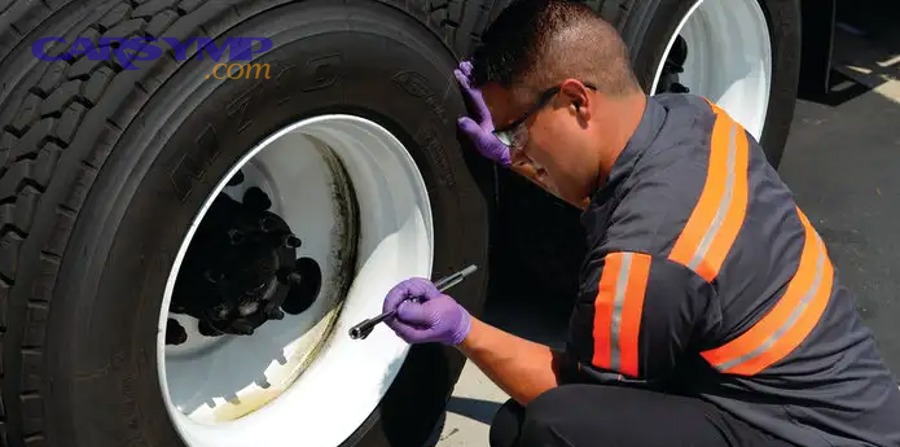
Inner edge, outer edge, center, and cupping wear are 4 common tread patterns that point to different causes: geometry problems, pressure problems, or contact-control problems.
More specifically, inner-edge wear often suggests excessive negative camber, toe error, or a combination of both. Outer-edge wear can come from positive camber, persistent underinflation, or aggressive corner loading depending on the vehicle and use case. Center wear points more clearly toward overinflation because the middle of the tread carries too much load. Cupping or scalloping points toward intermittent contact, which often means worn shocks, struts, or a balance problem. Feathering usually feels smooth one way and sharp the other, and that texture often points toward toe-related scrub. (static.nhtsa.gov)
This is why pattern location matters more than generic statements like “the tire is wearing unevenly.” Pattern location tells you where to inspect first. For inner-shoulder wear, inspect alignment geometry and front-end condition before assuming the rubber is defective. For center wear, verify pressures and gauge accuracy. For cupping, inspect damping and wheel balance. This is the practical meaning of Fixing uneven wear: parts to inspect first—match the wear shape to the system most capable of creating it. (static.nhtsa.gov)
Which Wear Patterns Mean the Tire Can Be Saved and Which Mean It Cannot?
Center wear from overinflation and mild edge wear from alignment issues are sometimes salvageable, while severe one-edge wear, deep cupping, exposed cords, and advanced feathering that has consumed tread are usually not.
However, salvageability depends on severity, not just pattern type. Mild center wear with plenty of remaining depth across the tread can often be stabilized by restoring correct pressure and rotation intervals. Mild edge wear may be slowed by alignment and cross-rotation if the tire design allows it. But once one shoulder is near bald, once cups are deep enough to create noise and vibration, or once irregular wear has carved the tread into a jagged pattern, the tire’s remaining life is usually too compromised to justify keeping it.
To make this easier, think of salvageable patterns as those where the tire still has a safe baseline and the correction can stop the abnormal force quickly. Unsalvageable patterns are the ones where the abnormal force has already permanently removed too much tread or damaged the tire’s behavior. Alignment can stop future scrub, but it cannot put rubber back on a destroyed inner shoulder. A new shock can stop further cupping, but it cannot make a badly scalloped tread run quietly again. (static.nhtsa.gov)
According to Hyundai’s tire maintenance guidance, tread wear pattern, vibration, age, and wear level should all be considered together when deciding on replacement, which supports treating salvageability as a combined safety-and-cause judgment rather than a simple yes/no based on one clue. (static.nhtsa.gov)
How Should You Decide the Correct Repair-and-Replacement Sequence?
The best sequence is 5 steps: confirm safety, diagnose the wear pattern, inspect the likely causes, repair the faults, and then replace or keep the tires based on remaining safe tread.
Next, apply that sequence like a workflow instead of a guess. Many drivers reverse the order because tires are visible and suspension geometry is not. But visible does not mean causal. If the cause remains, the replacement will not last. If the tire is already dangerous, waiting for a perfect diagnosis is also the wrong order. The correct sequence always balances immediate safety with root-cause correction. (static.nhtsa.gov)
Should You Get an Alignment or Suspension Repair Before Buying New Tires?
Yes, you should usually correct alignment or suspension problems before buying new tires, unless the existing tires are already unsafe and must be replaced immediately.
However, “before” often means “at the same service visit,” not weeks later. If the current tires are below safe tread or structurally compromised, replace them right away. But do not stop there. Have the alignment checked and any worn steering or suspension parts addressed before the new tires are exposed to the same forces. This is especially important when the old tires show a pattern like one-sided scrub, feathering, or cupping because those patterns strongly suggest the car, not only the tire, caused the damage. (static.nhtsa.gov)
There are also cases where alignment should wait until parts are repaired. If tie rods, bushings, bearings, or struts are loose or worn, the alignment settings may not hold. In that situation, parts come first, alignment second, tires third unless safety forces the tire replacement to happen immediately. That order prevents paying twice for labor and gives the new tires their best chance at a full service life. (static.nhtsa.gov)
What Is the Best Step-by-Step Plan for Everyday Drivers?
The best plan is a 6-step method: inspect the tires, measure tread, identify the pattern, inspect likely causes, repair the faults, and then rotate or replace based on the remaining safe life.
To illustrate, use this sequence in the driveway or at the shop:
- Inspect all four tires, not only the one that looks worst.
- Measure tread at the inner edge, center, and outer edge.
- Note any pull, vibration, road noise, or bounce.
- Match the wear pattern to the most likely cause.
- Inspect the likely system first: pressure, alignment, balance, bearings, steering, then suspension.
- Replace unsafe tires and correct the cause before expecting normal wear to return.
This method works because it connects the visible symptom to the correct action. It also prevents the false choice hidden inside the title phrase “replace tires vs fix the problem.” In real service, the best answer is often both, but in the right order. If the tire is safe enough to preserve, correct the cause first. If the tire is not safe enough to preserve, replace it and correct the cause immediately so the new tire does not become the next casualty. That is the most realistic and cost-effective uneven tire wear fix for everyday drivers. (nhtsa.gov)
According to a 2025 service bulletin, technicians should inspect inflation, irregular wear, wheel bearings, and steering and suspension parts when diagnosing uneven tire wear, and according to Bridgestone, early rotation helps reduce uneven wear because fresh tread is especially susceptible. (static.nhtsa.gov)
What Special Cases Can Change the Decision to Replace Tires or Correct the Problem?
There are 4 special cases that can change the decision: AWD or 4WD matching rules, specialized tire types, cost-sensitive repair timing, and mixed or seasonal tire setups.
In addition, these cases matter because they expand the decision beyond a single tire on a single corner. The more specialized the drivetrain or tire design, the less freedom you have to replace only one tire or ignore tread-matching differences. That means the cost of getting the sequence wrong can be even higher. (static.nhtsa.gov)
Do AWD or 4WD Vehicles Make Tire Replacement More Complicated?
Yes, AWD and some 4WD systems make tire replacement more complicated because tread-depth mismatch across the drivetrain can create stress that a two-wheel-drive vehicle may tolerate more easily.
More specifically, many AWD vehicles prefer or require closely matched tire diameters. Since tread depth affects overall rolling circumference, replacing one heavily worn tire with one new tire can create a mismatch. Hyundai’s tire maintenance guidance recommends replacing tires in a full set or in axle pairs rather than one at a time, which aligns with the general principle of keeping tires matched. The exact rule still depends on the vehicle maker, so the owner’s manual remains important. (static.nhtsa.gov)
This matters to the article’s main question because a driver with an AWD vehicle may reach a different replacement decision even when only one tire looks bad. If the root cause damaged one tire badly enough, the practical fix may be repair the cause plus replace more than one tire to maintain compatibility. (static.nhtsa.gov)
How Do Run-Flat, Low-Profile, or Performance Tires Change the Decision?
Run-flat, low-profile, and performance tires change the decision by narrowing repair options, increasing sensitivity to impact damage, and making ride-related symptoms easier to mistake for normal harshness.
For example, a low-profile tire gives the sidewall less cushion, so pothole impacts may damage wheels or sidewalls more readily than on taller-profile tires. Performance tires may also wear faster or more visibly under aggressive alignment settings and driving loads. Run-flat tires introduce another complication: after loss-of-pressure operation, repairability may be limited depending on the manufacturer’s rules and the amount of operation while deflated. That means the same visible symptom can lead to a stricter replacement decision than it would on a standard touring tire. Bridgestone’s safety guidance also reminds drivers to inspect wheels along with tires, since a bent or cracked wheel can be part of the problem. (bridgestonetire.com)
Is It Cheaper to Correct the Cause First or Replace the Tires First?
Correcting the cause first is usually cheaper when the tires still have safe, usable tread, while immediate replacement is cheaper only when delaying creates safety risk or destroys additional tires.
More importantly, total cost is not just the price of rubber. It includes alignment labor, suspension repairs, repeat tire wear, fuel economy losses from bad rolling conditions, and the risk of buying tires twice. A driver who installs new tires before fixing a toe problem may pay for premature wear, another alignment, and another set much sooner than expected. By contrast, a driver who corrects pressure habits, rotation intervals, or worn front-end parts while the tire still has life left may recover thousands of miles of useful service. (static.nhtsa.gov)
That said, cost never overrides safety. Once the tire crosses the safety line, replacement is no longer optional just because alignment will also be needed. The lower-cost path is only valid when the current tire still has a safe margin to preserve. (nhtsa.gov)
Can Seasonal Tires, Spare Use, or Mixed Tire Sets Affect the Right Fix?
Yes, seasonal tires, spare use, and mixed tire sets can affect the right fix because they change how you judge wear, matching, and whether a tire problem belongs to the tire setup or the vehicle setup.
For example, a winter tire driven deep into warm weather may wear faster and feel different even with correct alignment. A temporary spare can create odd handling that should not be confused with normal tire behavior. Mixed brands or mixed tread patterns on the same axle can also complicate diagnosis by changing feel and wear response. In those cases, the right decision may include standardizing the tire setup in addition to correcting the mechanical cause. (static.nhtsa.gov)
In short, special cases do not replace the main decision framework; they modify it. Start with safety, read the pattern, inspect the likely cause, and then account for drivetrain and tire-design constraints before deciding how many tires to replace and in what order to perform the work. That final adjustment is what turns a generic tire decision into an expert one. (nhtsa.gov)