


Uneven tire wear is preventable in most cases when drivers follow a maintenance routine that combines correct tire pressure, timely rotation, alignment checks, balancing, and suspension inspection. That is the central answer to this topic: tires usually do not wear unevenly by accident, but because one maintenance habit is missing, delayed, or applied after the wear pattern has already started.
The next question is which maintenance actions matter most. Drivers need to know not only that maintenance helps, but also which tasks have the biggest effect on tire life. In practice, pressure checks control the tire’s contact patch, rotation redistributes load across positions, and alignment keeps the wheels tracking in the intended direction. Together, those habits do far more than any one-off uneven tire wear fix.
Readers also want help decoding what they see on the tread. Uneven tire wear patterns and causes are closely linked, so the shape of the worn area often points to the maintenance problem behind it. Inner edge wear, center wear, feathering, and cupping do not all mean the same thing, and the right response depends on recognizing the pattern early.
Introduce a new idea: preventing future uneven wear is not only about knowing the right tasks, but about applying them on a repeatable schedule that matches the vehicle, driving conditions, and recent repairs. Below, the article moves from definition to diagnosis, then into the exact maintenance routine that helps everyday drivers stop uneven wear from coming back.
What does it mean to prevent future uneven tire wear with maintenance?
Preventing future uneven tire wear with maintenance means using a repeatable care routine to stop abnormal tread loss before it becomes a recurring pattern. Specifically, the goal is not just to notice wear, but to control the causes that make one part of the tire scrub, bounce, or carry more load than it should.
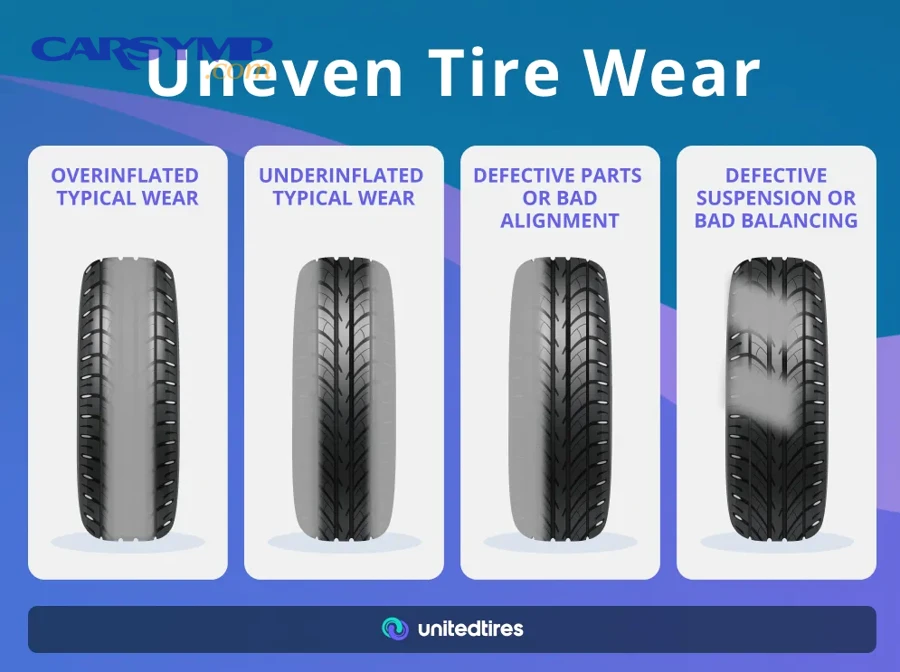
When drivers talk about uneven wear, they often mean the tire looks older in one spot than in another. That visible difference is the symptom. The real issue is usually mechanical or maintenance-related: low or high inflation pressure, missed rotations, incorrect wheel angles, imbalance, worn shocks, loose suspension joints, or repeated heavy impacts. A true prevention mindset starts by treating the tread pattern as feedback rather than as an isolated problem.
That distinction matters because replacing tires alone rarely solves the issue. A new tire placed on a vehicle with the same misalignment or the same neglected maintenance schedule can begin wearing unevenly almost immediately. In other words, prevention is broader than repair. It combines inspection, diagnosis, correction, and follow-up, which is why an uneven tire wear fix should always include both the tire and the system affecting the tire.
From a practical standpoint, preventive maintenance protects three things at once: tire life, handling stability, and operating cost. A tire that stays evenly loaded delivers more predictable grip, a quieter ride, and a better chance of reaching its service life. It also reduces the chance that one tire will need early replacement while the others still have usable tread, which is especially important on vehicles that require close tread-depth matching across all four wheels.
Is uneven tire wear preventable with regular maintenance?
Yes, uneven tire wear is preventable with regular maintenance because pressure checks preserve the contact patch, rotation redistributes stress, and alignment and suspension checks stop geometry-related scrubbing. More importantly, maintenance works best when it starts before the pattern becomes severe.
That answer is yes with a useful condition: regular maintenance prevents most uneven wear, but it cannot completely cancel out hard curb strikes, bent components, overloaded driving, or a suspension part that has already failed. Drivers should think of maintenance as risk reduction with strong practical results, not as a magic shield. A vehicle that sees potholes, towing, heavy cargo, or rough urban roads needs even closer monitoring because those conditions accelerate the return of abnormal wear.
The biggest maintenance advantage is early correction. Slight shoulder wear, light feathering, or small vibration at highway speed gives a driver time to fix the cause before the tire becomes noisy, unsafe, or permanently damaged. Once a wear pattern is deeply cut into the tread, maintenance may stop it from worsening, but it may not restore a smooth ride or full tread uniformity.
According to NHTSA’s TireWise guidance, drivers should perform monthly tire inspections that focus on inflation pressure, treadwear, and tire damage, along with recurring rotation and balancing or alignment services as needed. ([nhtsa.gov](https://www.nhtsa.gov/vehicle-safety/tires?))
What is uneven tire wear, and why does it keep coming back?
Uneven tire wear is irregular tread loss across a tire’s surface, usually caused by incorrect load distribution, wheel angle, or road contact behavior. More specifically, it keeps coming back when the visible tire problem is addressed but the underlying cause is left active.
That recurrence usually happens in one of four ways. First, a driver replaces the tire but does not correct inflation habits. Second, the driver rotates tires without inspecting for alignment, imbalance, or worn suspension parts. Third, the vehicle receives an alignment, but a loose or damaged steering or suspension component changes the settings again once the vehicle returns to the road. Fourth, maintenance resumes too late, after a pattern such as cupping or feathering has already become self-reinforcing through vibration and irregular contact.
The recurring nature of uneven wear is why good tire care always includes a feedback loop. Check the tread, correct the cause, then recheck the tread after a few hundred or a few thousand miles depending on the severity of the earlier problem. That recheck tells you whether the maintenance routine worked or whether a deeper inspection is still needed. Without that loop, drivers often assume the problem is solved because the vehicle feels normal for a short time.
Goodyear notes that if a tire already shows irregular tread wear, the mechanical cause such as misalignment, imbalance, or another issue should be corrected before rotation is used as the solution. ([goodyear.com](https://www.goodyear.com/en_US/learn/tire-care-maintenance/tire-wear.html?))
Which maintenance tasks prevent uneven tire wear most effectively?
There are five main maintenance tasks that prevent uneven tire wear most effectively: tire pressure checks, tire rotation, alignment inspection, wheel balancing, and suspension or steering inspection. To better understand their roles, it helps to see them as a system rather than as isolated services.
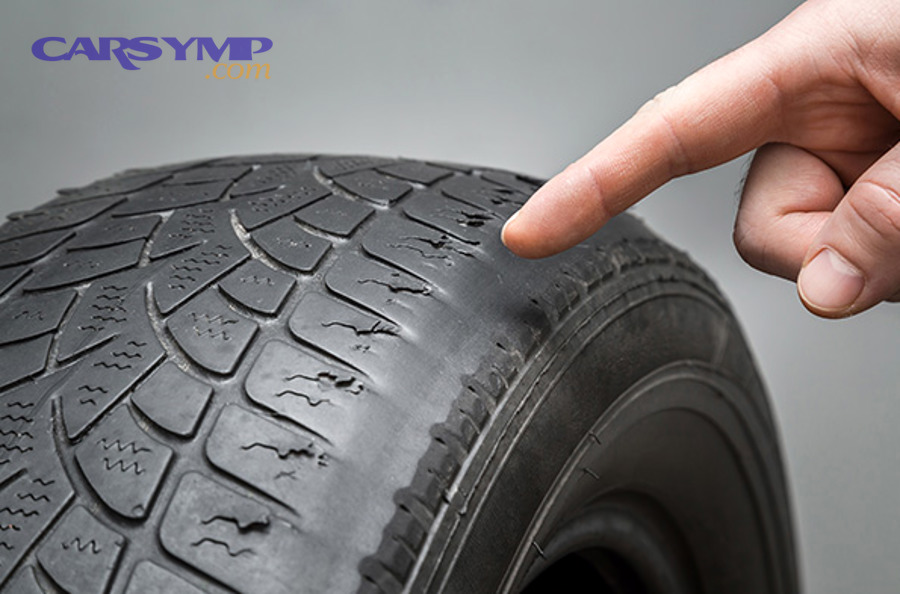
Pressure management comes first because it affects the tire every time the vehicle moves. A tire that is underinflated flexes excessively and tends to wear the shoulders, while overinflation can concentrate load toward the center. Rotation comes next because even a perfectly maintained tire can wear differently depending on whether it sits on the front axle, drive axle, or a corner that handles repeated turning loads. Alignment matters because it governs whether the tire rolls straight or scrubs sideways. Balancing keeps the assembly rotating smoothly and helps prevent vibration-related wear. Suspension and steering checks confirm that the tire still meets the road with stable, controlled motion.
These tasks work together. Pressure alone cannot fix feathering caused by toe error. Rotation alone cannot correct inner edge wear caused by camber or worn bushings. Alignment alone cannot stop cupping if a weak shock absorber allows the tire to bounce. That is why the most effective maintenance routine is layered, not single-service.
What maintenance tasks should every driver follow to prevent uneven tire wear?
There are six essential tasks every driver should follow: check pressure monthly, inspect tread monthly, rotate tires on schedule, align the vehicle when symptoms or impacts appear, balance when vibration shows up or new tires are installed, and inspect suspension or steering parts when wear looks abnormal.
First, check cold tire pressure against the vehicle placard, not a generic pressure number. This one habit influences grip, ride, fuel economy, and tread shape more than most drivers realize. Second, perform a simple visual tread check. Look across the inside edge, center, outside edge, and tread blocks for shape changes. Third, rotate tires at the interval recommended by the manufacturer or at a consistent mileage pattern if that recommendation is unavailable. Fourth, schedule alignment checks after pothole hits, curb strikes, steering pull, off-center steering wheel feel, or new uneven wear. Fifth, balance tires when vibration appears at speed or when mounting new tires. Sixth, inspect shocks, struts, bushings, and joints if the tire pattern looks choppy, cupped, or repeatedly uneven after an alignment.
A strong maintenance plan also includes recordkeeping. Write down pressure readings, rotation dates, and alignment or suspension work. That simple habit helps identify whether the same wheel position or same side of the vehicle keeps creating the issue.
Michelin states that most vehicles benefit from rotation every 5,000 to 7,000 miles, while monthly tire-wear inspection is also recommended; NHTSA also advises monthly checks for inflation and tread condition. ([michelinman.com](https://www.michelinman.com/auto/auto-tips-and-advice/tire-maintenance/tire-rotation?))
Which matters more for preventing uneven wear: rotation, alignment, or tire pressure?
Tire pressure wins for routine frequency, alignment is best for geometry correction, and rotation is optimal for distributing wear across positions. However, preventing uneven wear depends on all three because each one controls a different cause.
Pressure matters most often because it changes continuously with temperature and time. A vehicle can leave the shop aligned and balanced, yet still develop preventable wear if the tires remain consistently underinflated. Rotation matters because front and rear tires live different lives. On many front-wheel-drive vehicles, the front tires handle steering, much of the braking load, and power delivery, so they typically wear faster than the rear. Alignment matters because even a small error can create a persistent scrub that no amount of rotation will truly solve.
The practical answer for everyday drivers is not to choose between them but to prioritize them correctly. Check pressure most often, rotate on schedule, and use alignment when symptoms, impacts, or tread patterns justify it. That order saves money and avoids over-servicing while still protecting the tire.
According to NHTSA, underinflated tires can lower gas mileage by about 0.3% for every 1 psi drop in pressure, and proper inflation can extend tire life significantly; Goodyear and Michelin both emphasize rotation and alignment as key tools for reducing irregular tread wear. ([nhtsa.gov](https://www.nhtsa.gov/sites/nhtsa.gov/files/2021-11/Tires_InTheGarage_Infographic_102621_v1_-eng-tag.pdf?))
What tire wear patterns should drivers watch for before the problem gets worse?
There are five common uneven tire wear patterns drivers should watch for: inner edge wear, outer edge wear, center wear, feathering, and cupping. Next, reading those patterns correctly helps connect the tread shape to the maintenance issue before the damage becomes permanent.
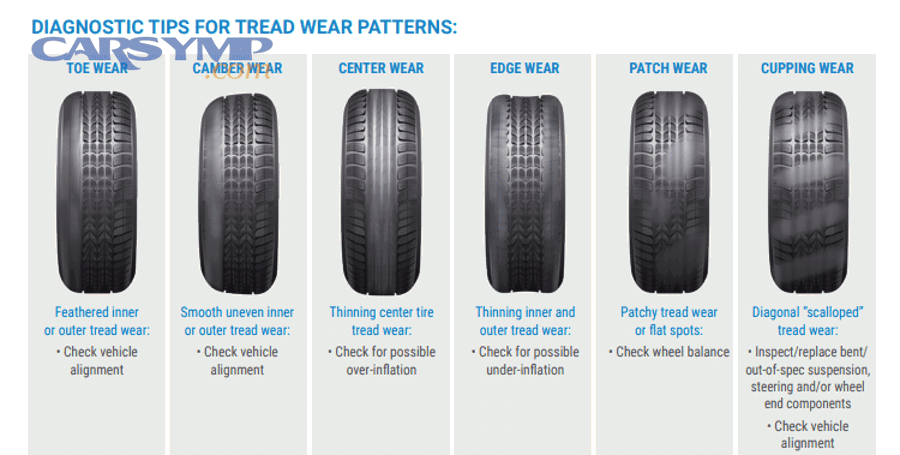
Each pattern tells a slightly different story. Inner or outer edge wear often points to alignment or chronic inflation issues. Center wear suggests overinflation in many cases. Both-edge shoulder wear can signal underinflation. Feathering usually indicates that the tire is being dragged slightly sideways as it rolls, often due to toe settings. Cupping or scalloping shows repeated bouncing or unstable contact, which often links to balance, shocks, struts, or broader suspension issues.
Understanding uneven tire wear patterns and causes matters because drivers often misread one pattern as another. For example, a noisy tire is not always just “old.” It may be cupped. A tire that looks smooth on one side of each tread block may not be “wearing normally.” It may be feathering. Better identification leads to faster correction and a better uneven tire wear fix.
What are the most common uneven tire wear patterns and what do they usually mean?
There are five common patterns: edge wear, center wear, feathering, cupping, and patchy wear, and they are usually grouped by where and how the tread loses material. More specifically, each pattern suggests a different starting point for diagnosis.
Inner edge wear often raises suspicion around camber, toe, ride-height change, or worn components that let the wheel tilt or shift under load. Outer edge wear can appear with aggressive cornering or alignment issues, but it can also overlap with chronic inflation errors. Center wear usually points toward repeated overinflation, where the crown of the tread carries too much of the vehicle’s load. Feathering appears as sharp edges on one side of a tread rib and rounded edges on the other, commonly linked to toe-related scrubbing. Cupping looks like scooped dips spaced around the tire, often accompanied by vibration or road noise and often tied to suspension instability or imbalance.
A driver does not need to memorize engineering language to use this information. The practical rule is simple: if the wear is localized, directional, or choppy rather than evenly distributed, inspect the underlying cause before you assume rotation alone will solve it.
Bridgestone describes cupping as scoop-like tread loss that can result from misalignment or worn suspension and shock components, while Goodyear explains feathering as angled wear with sharp and rounded edges on opposite sides of the tread blocks. ([bridgestonetire.com](https://www.bridgestonetire.com/learn/maintenance/tire-cupping/?))
How do inner edge wear, center wear, and cupping differ from each other?
Inner edge wear is strongest at the inside shoulder, center wear is strongest in the middle rib area, and cupping appears as repeated dips or scallops around the tire. To better understand the difference, compare location, feel, and likely cause rather than appearance alone.
Inner edge wear is often the hardest to catch because it can hide from a quick glance unless the wheel is turned or the tire is inspected from inside the vehicle side. It tends to signal alignment geometry or a component that no longer holds the wheel in its intended position. Center wear is easier to identify because the tire looks more worn along the crown while the shoulders remain deeper. That pattern points first to inflation habits. Cupping feels and sounds different from both: it often brings a humming or droning noise, and when you run your hand over the tread, the surface may feel uneven in repeating intervals.
These differences shape the next step. Inner edge wear needs alignment and suspension attention. Center wear needs pressure correction and monitoring. Cupping needs a broader inspection that may include balancing and suspension parts rather than just inflation or rotation. That is why a precise diagnosis saves money: you target the cause instead of buying services that do not match the pattern.
How often should maintenance be done to stop uneven wear from returning?
A practical routine uses monthly pressure and tread checks, rotation roughly every 5,000 to 8,000 miles or per the owner’s manual, and alignment or suspension checks when symptoms, impacts, or abnormal wear appear. Besides the schedule itself, consistency matters more than perfection.
For everyday drivers, a monthly check is the baseline. Pressure changes with temperature and time, so even well-maintained vehicles drift away from spec. A quick monthly inspection also catches nails, bulges, cuts, and early signs of shoulder or inner-edge wear before the problem spreads. Rotation should happen often enough to prevent one axle from carrying the same wear burden too long. If the vehicle manual recommends a specific interval, follow that first. If it does not, a 5,000-to-7,500-mile rhythm is a solid real-world benchmark for many passenger vehicles.
Alignment is not a calendar task in the same way pressure checks are. It is event-driven and symptom-driven. Pulling to one side, an off-center steering wheel, vibration after impact, or a sudden new wear pattern all justify inspection. Suspension checks fit the same logic. They become more urgent when the tire pattern looks choppy or when the vehicle bounces, drifts, or clunks over rough pavement.
How often should you check tire pressure, rotate tires, and inspect suspension parts?
Drivers should check tire pressure monthly, rotate tires roughly every 5,000 to 8,000 miles, and inspect suspension parts whenever handling changes, impacts occur, or irregular wear appears. More specifically, each task follows a different time logic because each problem develops at a different speed.
Pressure should be checked cold, ideally in the morning or after the vehicle has been parked long enough for the tires to cool. Rotation follows mileage because tread position wear accumulates gradually. Suspension inspection is usually conditional, but drivers in pothole-heavy areas or those who carry heavy loads benefit from a more proactive schedule during routine service visits.
A useful routine for non-experts is simple: once a month, check pressures and visually inspect the tread. At each oil service or service interval, ask for a tread and suspension glance even if the vehicle feels fine. At each rotation, compare tread depth or at least tread appearance across all four tires. After a pothole strike or curb hit, pay attention to steering feel and the steering wheel’s center position. If either changes, do not wait for the next scheduled service.
Michelin recommends rotation every 6,000 to 8,000 miles or according to the manufacturer, and NHTSA recommends checking tire pressure and inspecting tread at least once a month. ([michelinman.com](https://www.michelinman.com/auto/auto-tips-and-advice/tire-maintenance/routine-tire-care-tips?))
Should you get an alignment every time you replace or rotate tires?
No, you should not get an alignment every time you replace or rotate tires because alignment is a condition-based service, not an automatic add-on. However, the issue deserves attention whenever symptoms, uneven tread, impact events, or steering changes suggest the wheel angles may be out of spec.
That distinction protects drivers from both under-servicing and over-servicing. An alignment is valuable when the vehicle pulls, the steering wheel sits off-center, the tires show directional wear, or the vehicle has recently hit a curb or pothole. It is less valuable as a reflex purchase when the tires are wearing evenly and the vehicle tracks normally. On the other hand, ignoring alignment when the symptoms are present is costly because the tire can lose usable tread much faster than expected.
A good service advisor or technician should be able to explain why an alignment check is recommended. The best reason is a symptom or a measured issue, not a vague sales script. For drivers trying to prevent future uneven wear, the rule is straightforward: use alignment when the vehicle tells you it needs alignment.
Goodyear notes that alignment may be worth considering during a rotation because improper alignment can cause uneven wear and erratic handling, but that does not mean every rotation requires alignment work. ([goodyear.com](https://www.goodyear.com/en_US/learn/tire-care-maintenance/what-is-a-tire-rotation.html?))
How can everyday drivers build a maintenance routine that actually prevents future uneven wear?
The best maintenance routine uses six repeating steps: set correct pressure, inspect tread, rotate on schedule, respond quickly to symptoms, correct root causes before replacing tires, and recheck results after service. In short, a working routine is simple, repeatable, and tied to observable tire behavior.
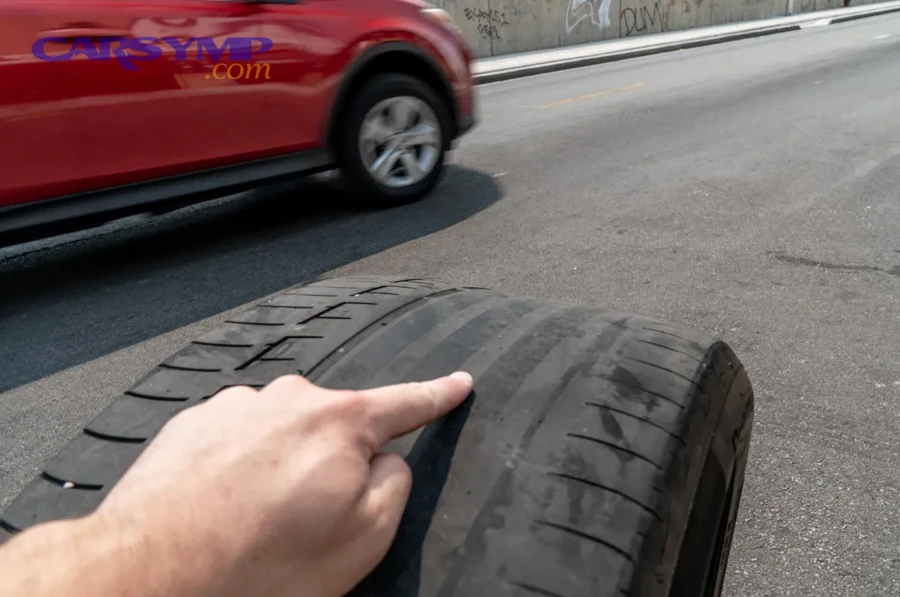
Start with the pressure sticker on the door jamb or in the owner’s manual, not with a number from the tire sidewall. Then create a fixed day each month for checking the tires. Some drivers tie it to the first weekend of the month or to fueling up before a commute-heavy week. During the same check, look for nails, cuts, bulges, and early wear shape changes. Next, keep rotation predictable by linking it to mileage or a maintenance visit. If you experience vibration, pull, or visible abnormal wear, treat that as a branch point: inspect before you continue driving for thousands of miles.
This is also where discipline matters more than complexity. Many drivers know the right services but delay them because the vehicle still “feels fine.” Uneven wear often starts quietly. By the time noise, vibration, or handling changes become obvious, the tire may already have lost a meaningful amount of tread life. A strong routine prevents that delay.
What is the best step-by-step maintenance routine for preventing uneven tire wear?
The best method uses six steps for a practical outcome: check pressure, inspect tread, rotate regularly, correct alignment or balance issues when symptoms appear, inspect suspension if wear repeats, and monitor the tires after every corrective service.
Step one is pressure. Check it monthly and before long trips. Step two is tread inspection. Look across the whole tire rather than only the visible outer shoulder. Step three is rotation. Use the owner’s manual or approved pattern for the tire type and drivetrain. This is where a good Rotation strategy to prevent uneven wear matters, especially on front-wheel-drive and all-wheel-drive vehicles that load tires differently. Step four is symptom response. If the steering wheel shifts off-center, the vehicle pulls, or road noise rises unexpectedly, do not wait for the next interval. Step five is mechanical follow-up. Repeated cupping, feathering, or inner-edge wear deserves suspension and steering inspection. Step six is post-repair monitoring. After an alignment, balance, or parts replacement, recheck the tread pattern over the next weeks or next few thousand miles.
This method works because it uses both prevention and verification. You are not only doing maintenance; you are confirming whether the maintenance corrected the tire’s behavior. That makes the routine durable and cost-effective for everyday drivers.
Is replacing the tire enough, or do you need to fix the underlying cause first?
No, replacing the tire is not enough because a new tire will usually repeat the same wear pattern if the underlying cause remains active. More importantly, fixing the cause first protects the new tire, the alignment investment, and the overall handling of the vehicle.
A new tire can mask a problem for a short time because fresh tread feels smoother and quieter. That temporary improvement misleads many drivers into thinking the issue is solved. Then, after several hundred or several thousand miles, the same shoulder, same edge, or same choppy pattern returns. This is why an uneven tire wear fix should begin with diagnosis and correction, not with replacement alone unless the old tire is unsafe and must be replaced immediately.
The best order is simple: inspect the pattern, identify the likely cause, correct the cause, replace the tire if needed, and monitor the new tire for confirmation. When drivers follow that order, they get more value from the new tire and avoid repeating the same expense.
Goodyear explicitly advises correcting misalignment, imbalance, or other mechanical problems before using rotation as the remedy for irregular wear, which supports the broader rule that tire replacement should not be treated as the only fix. ([goodyear.com](https://www.goodyear.com/en_US/learn/tire-care-maintenance/tire-wear.html?))
What other factors can make uneven tire wear return even when basic maintenance is done?
Even when basic maintenance is done, four other factors can make uneven wear return: drivetrain-specific load patterns, aggressive driving or heavy loads, incomplete correction of geometry-related issues, and mistakes during seasonal tire or wheel service. Next, these less obvious influences expand the picture beyond basic maintenance alone.
This is the point where many drivers get frustrated. They checked pressure, rotated on time, and maybe even had an alignment done, yet the tread still starts wearing unevenly again. In many cases, the explanation lies in a detail that basic maintenance does not fully capture. The vehicle’s drivetrain may require a specific rotation pattern. The driver’s route may include repeated potholes, steep driveways, or heavy cargo. A suspension part may have enough play to alter alignment under load even though the static alignment numbers looked acceptable in the shop. Or a seasonal wheel swap may have introduced improper torque, poor balancing, or an overlooked directional tire setup.
These factors do not replace the basics; they refine them. Once the core routine is established, these details explain why two drivers can follow similar maintenance habits and still see different outcomes.
How do FWD, RWD, and AWD vehicles change the best maintenance strategy?
FWD, RWD, and AWD vehicles change the best maintenance strategy because each layout distributes drive forces, steering forces, and tread wear differently. More specifically, front-wheel-drive vehicles usually stress the front tires more, rear-wheel-drive vehicles often load the rear tires differently under acceleration, and AWD systems depend on closer tread-depth matching across all four tires.
On a front-wheel-drive vehicle, the front tires often carry steering, braking, and propulsion duties, so they tend to wear faster. That makes timely rotation especially important. Rear-wheel-drive vehicles can show a different rear wear rhythm depending on power delivery and vehicle balance. AWD vehicles raise the stakes because significant tread-depth differences can affect system behavior and long-term drivetrain health, which makes consistent rotation and tire matching more important than many drivers expect.
Michelin notes that AWD vehicles may need especially careful rotation practices to maintain even tread depth across all four tires. ([michelinman.com](https://www.michelinman.com/auto/auto-tips-and-advice/tire-maintenance/tire-rotation?))
Can aggressive driving, heavy loads, or bad roads undo good tire maintenance?
Yes, aggressive driving, heavy loads, and bad roads can undo good tire maintenance because they increase heat, impact stress, side-loading, and tread scrub. However, good maintenance still reduces damage by helping the driver catch these effects earlier and respond faster.
Hard cornering can accelerate outer shoulder wear. Repeated heavy braking and fast launches increase load transfer and tread stress. Overloading a vehicle changes the way the tire supports the vehicle and can amplify wear on already vulnerable areas. Rough roads and potholes do even more: they can disturb balance, bend wheels, shift alignment, and accelerate wear in shocks, struts, bushings, and joints.
The right response is to adapt the routine to the environment. Drivers who commute on rough pavement, tow, carry tools or cargo, or drive aggressively should shorten the gap between inspections and take post-impact symptoms seriously. Good habits still work, but those habits must match real use rather than ideal conditions.
NHTSA advises drivers not to overload vehicles and to check tire pressure before long trips, while its tire safety materials emphasize regular checks for wear and damage. ([nhtsa.gov](https://www.nhtsa.gov/sites/nhtsa.gov/files/one.pdf?))
Why does inner edge wear sometimes return after an alignment?
Inner edge wear sometimes returns after an alignment because the alignment may not have addressed the real cause, or a worn component may allow the wheel angle to change again under load. Specifically, camber-related wear, toe change during motion, ride-height issues, or weak bushings and joints can recreate the same pattern after the shop visit.
An alignment printout can look acceptable while the vehicle still has a part that moves too much on the road. That is why repeated inner-edge wear deserves a more complete inspection than numbers alone. The technician may need to inspect control arm bushings, ball joints, tie rods, strut mounts, and ride height, especially if the vehicle has high mileage or recent impact history. Even tire size changes or lowering modifications can affect how the tire contacts the road.
For the driver, the lesson is simple: an alignment is a measurement-and-adjustment service, but it depends on parts being able to hold those settings in motion. If the wear returns quickly, the next step is not blind repetition of the same service. It is deeper diagnosis.
Do seasonal tire changes and improper wheel installation affect future wear?
Yes, seasonal tire changes and improper wheel installation can affect future wear because tire direction, balance, torque sequence, and wheel position all influence how the tire meets the road. In addition, missed checks during a seasonal swap can hide early wear that should have been corrected before the new season begins.
Directional tires must rotate in the correct direction. Asymmetric tires must be mounted with the correct side facing outward. Wheel and tire assemblies also need proper balancing after mounting, and the wheels should be tightened using the correct torque procedure. If a seasonal set goes on without those checks, a driver can reintroduce vibration, uneven loading, or incorrect orientation before the vehicle even leaves the service area.
Seasonal changeover is actually a good opportunity. It gives the driver or technician a clear moment to inspect the entire tread surface, compare all four tires, confirm correct wear trends, and decide whether alignment or suspension work is needed before the next driving season adds more miles.
Michelin notes that directional tires have specific rotation-direction markings and asymmetric tires have outward-facing side requirements, which reinforces the importance of correct installation during seasonal service. ([michelinman.com](https://www.michelinman.com/auto/auto-tips-and-advice/tire-maintenance/visual-inspection?))
In short, preventing future uneven tire wear with maintenance is not about one perfect service visit. It is about building a repeatable system: watch the tread, keep the pressure right, rotate on time, respond to symptoms quickly, and correct the root cause before expecting the tire to heal itself. That approach gives everyday drivers the best chance to protect tire life, reduce noise and vibration, and keep abnormal wear from returning.