


Uneven tire wear usually costs the least to fix when you catch it early, because the root problem is often limited to alignment, balancing, inflation correction, or a rotation rather than full tire replacement. In practice, the total bill rises when you ignore the wear pattern long enough for the tread to become noisy, unsafe, or too damaged to save, which is why the smartest uneven tire wear fix starts with diagnosis before parts are replaced. ([nhtsa.gov](https://www.nhtsa.gov/vehicle-safety/tires?))
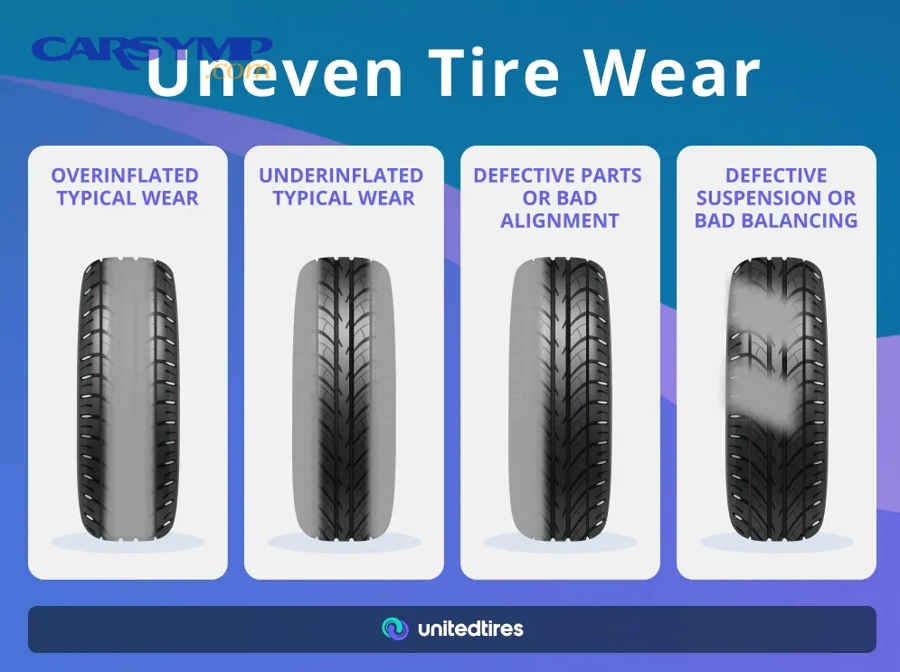
The first layer of diagnosis is understanding what the tread is telling you. Inner shoulder wear often points toward camber or toe problems, feathering often suggests alignment issues, cupping commonly appears with worn suspension parts or imbalance, and center or both-edge wear can signal inflation problems. Once you match the pattern to the probable cause, the cost picture becomes far clearer. ([business.michelinman.com](https://business.michelinman.com/tips-suggestions/irregular-tire-wear-101?))
The next layer is deciding whether the right repair is alignment, balancing, suspension work, or tire replacement. Alignment corrects wheel angles, balancing corrects weight distribution in the wheel-and-tire assembly, and suspension repair addresses worn components that let the tire bounce, scrub, or lose stable road contact. That difference matters because each fix solves a different problem and carries a different price range. ([discounttire.com](https://www.discounttire.com/learn/tire-balancing?))
More importantly, car owners also need to know when a worn tire can still be used after correction and when replacement is the safer choice. That is where tread depth, wear severity, vibration, and side-to-side differences on the same axle matter most. Next, the article breaks down each cause, the usual cost path, and the best Rotation strategy to prevent uneven wear from returning. ([static.nhtsa.gov](https://static.nhtsa.gov/odi/tsbs/2020/MC-10176182-0001.pdf?))
What does it cost to fix uneven tire wear causes on a car?
It usually costs anywhere from a low service bill for pressure correction, rotation, balancing, or alignment to a much higher bill when suspension parts and replacement tires are needed. Specifically, the total depends on three things: the real cause, how long the wear has continued, and whether the tire casing is still worth saving.
For most car owners, the least expensive scenario is early correction. If you notice mild feathering, early shoulder wear, or steering pull before the tread becomes badly damaged, the shop may only need to inspect pressures, rotate the tires, balance the wheel assemblies, and perform an alignment. That is why early diagnosis matters more than most drivers expect. A small service visit can interrupt the wear pattern before it turns into a replacement problem.
A practical way to think about cost is by cause category. Inflation-related wear is usually the cheapest to address because the fix is operational rather than mechanical. Balance-related wear tends to be modest because shops add or adjust wheel weights after inspection. Alignment-related wear usually sits in the middle because it involves measuring and correcting suspension angles. Suspension-related wear becomes the most expensive because worn shocks, struts, tie rods, bushings, or ball joints often require parts, labor, and then a final alignment. If the tread is already irregular enough to create noise, vibration, or major depth differences, you may also need new tires on top of the repair.
There are four main repair cost groups for uneven tire wear causes: inflation and rotation corrections, tire balancing services, wheel alignment services, and suspension-plus-tire replacement repairs based on mechanical severity. To better understand this cost ladder, it helps to move from the simplest cause to the most expensive one.
Is uneven tire wear usually cheap to fix if found early?
Yes, uneven tire wear is usually cheaper to fix if found early because the problem often stays limited to alignment, balancing, or rotation, the tire may still be salvageable, and secondary suspension damage is less likely. More specifically, early intervention protects tread life, prevents noise and vibration from getting worse, and reduces the odds that you will pay twice—once for the cause and again for replacement tires.
When wear first appears, the tire still has time to recover from the underlying problem. A shop can measure alignment angles, rebalance the assembly, or inspect pressure habits before the damage becomes permanent. In that stage, the tread blocks may still wear back into a more stable pattern after correction, especially when the issue is mild feathering or slight shoulder wear. By contrast, a driver who waits until the tire is badly cupped or the inner shoulder is nearly bald has already moved from correction into loss control.
The financial difference is easy to understand. Service-only fixes mainly charge for labor, setup, and machine time. Mechanical repairs add parts and more labor. Tire replacement adds the cost of the tire itself, installation, balancing, and sometimes another alignment. That is why a small early bill often prevents a larger compound bill later.
According to NHTSA’s TireWise guidance, vehicle manufacturers commonly recommend tire rotation every 5,000 to 8,000 miles or sooner if uneven wear appears, because rotation helps reduce irregular wear and extend tire life. ([nhtsa.gov](https://www.nhtsa.gov/vehicle-safety/tires?))
What are the main repair cost groups for uneven tire wear causes?
There are four main cost groups for uneven tire wear causes: pressure-and-rotation corrections, balancing services, alignment services, and suspension or tire replacement repairs based on mechanical severity. In other words, the more the problem moves from maintenance into hardware failure, the more the total bill rises.
The first group includes inflation correction and rotation. These services matter because overinflation can wear the center, underinflation can wear both shoulders, and skipped rotation can let a mild pattern become a severe one. The second group is balancing. This is relevant when you feel a shake at speed or the wheel assembly has developed a weight mismatch. The third group is alignment, where the shop adjusts angles so the tires roll straighter and wear more evenly. The fourth group includes worn suspension or steering parts, bent components, and tire replacement after the tread has already suffered significant damage.
In real-world ownership, many bills combine categories. A car with Inner edge wear from camber/toe issues may need both an alignment and two new tires. A car with cupping may need balancing, suspension inspection, parts replacement, and alignment. That is why the best uneven tire wear fix is not guessing which service sounds familiar. It is matching the tread pattern and driving symptoms to the likely cause first.
Discount Tire states that its alignment service starts at $89.99, while Michelin notes that improper alignment and poor balancing can both lead to uneven tread wear over time. ([discounttire.com](https://www.discounttire.com/services/wheel-alignment?))
What is uneven tire wear and why does the cause change the repair cost?
Uneven tire wear is abnormal tread loss across one part of the tire rather than even wear across the contact patch, and the cause changes the repair cost because each pattern points to a different mechanical or maintenance problem. To better understand the issue, think of the tread as a diagnostic surface that records what the vehicle is doing wrong.
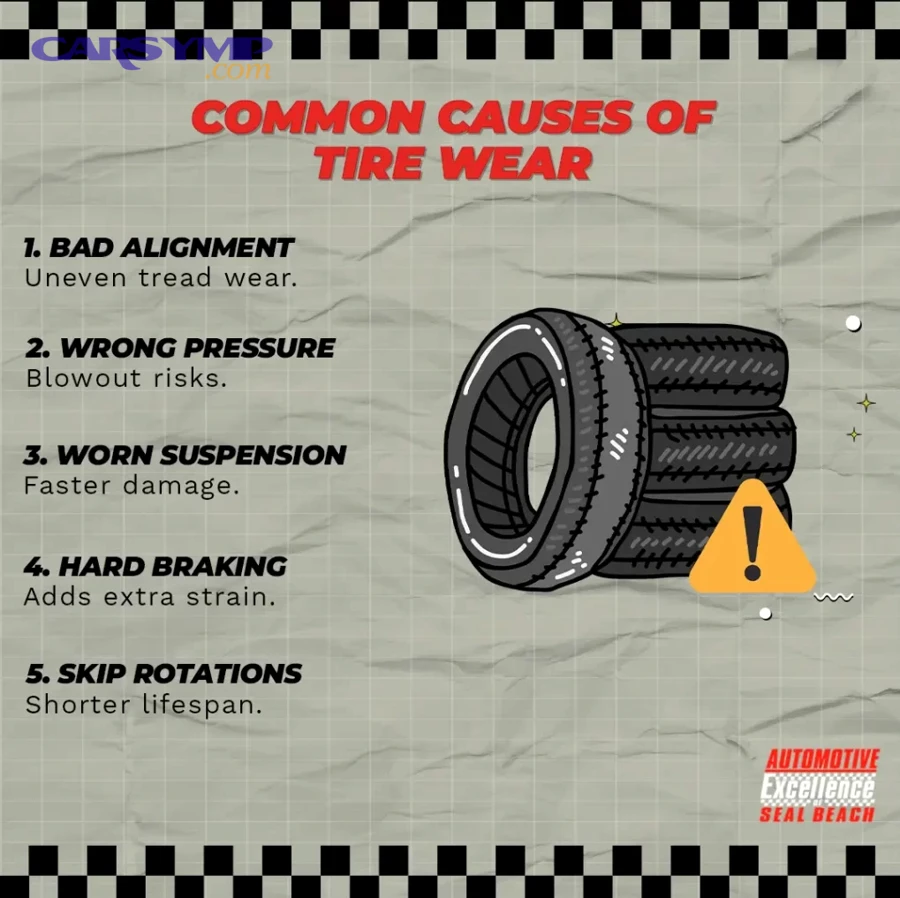
When a tire wears evenly, the vehicle is usually maintaining proper inflation, alignment, balance, and suspension control. When it wears unevenly, one force is dominating the tire more than it should. That force might be excessive camber, a toe error, a bouncing wheel, repeated underinflation, or a worn steering or suspension part. The tire does not create the problem on its own; it displays the result of the problem.
That is why the repair bill varies so much. If the cause is pressure management, the correction is mostly maintenance. If the cause is imbalance, the correction is mostly service. If the cause is alignment, the correction involves geometric adjustment. If the cause is suspension wear, the repair enters the realm of mechanical replacement. When the tire has already worn enough to lose safety margin or ride quality, replacement becomes part of the equation too.
What is uneven tire wear?
Uneven tire wear is a tread-wear condition in which one section of the tire wears faster than another because inflation, alignment, balancing, rotation, or suspension control has become abnormal. Specifically, the standout feature is pattern rather than total wear: shoulders, center, scallops, or one edge tell you where the problem is acting.
This definition matters because many drivers only look at whether a tire seems “worn out,” not how it is worn out. Yet the wear pattern often tells more than tread depth alone. Inner shoulder wear can suggest alignment geometry problems. Cupping can suggest oscillation or poor damping. Center wear often suggests excess pressure. Both-edge wear can suggest low pressure. A sawtooth or feathered texture often suggests toe issues or scrubbing.
Understanding that pattern first saves money because it prevents random maintenance. A driver who buys new tires without correcting the geometry or suspension problem may simply destroy the new set in the same way.
Michelin explains that poor alignment can quickly create premature wear, while Bridgestone describes cupping as a form of erratic wear often linked to misalignment or suspension-related issues. ([michelinman.com](https://www.michelinman.com/auto/auto-tips-and-advice/tire-maintenance/wheel-alignment-wheel-balancing?))
Why do different uneven tire wear causes lead to different repair bills?
Different uneven tire wear causes lead to different repair bills because they involve different levels of labor, different tools, different parts, and different risks to the tire itself. More specifically, the repair changes from adjustment to replacement as the cause becomes more mechanical.
A balancing appointment uses specialized equipment but typically does not require major parts. An alignment requires measurement racks, angle correction, and sometimes extra labor if adjustment points are seized. Suspension repairs can involve shocks, struts, control arms, ball joints, tie rods, mounts, or bushings. Those parts increase cost directly, and labor often increases too. After that, the vehicle may still need an alignment to finish the job correctly.
The tire’s condition changes the bill as well. If the tread is only beginning to wear unevenly, the tire might remain usable after correction and rotation. If one inner shoulder is bald while the rest of the tire still has tread, the tire often cannot be trusted long term. That situation turns a service bill into a repair-plus-replacement bill.
According to Hyundai tire maintenance best-practice guidance hosted on NHTSA’s site, tire replacement decisions should consider tread wear level, tread wear pattern, age, and vibration, and replacement should not be done one tire at a time. ([static.nhtsa.gov](https://static.nhtsa.gov/odi/tsbs/2020/MC-10176182-0001.pdf?))
Which uneven tire wear patterns point to alignment, balance, or suspension issues?
There are six common uneven tire wear patterns—inner edge wear, outer edge wear, center wear, both-edge wear, feathering, and cupping—and they point to different causes based on where and how the tread is being damaged. To illustrate, the wear pattern acts like a map that links symptom to likely repair path.
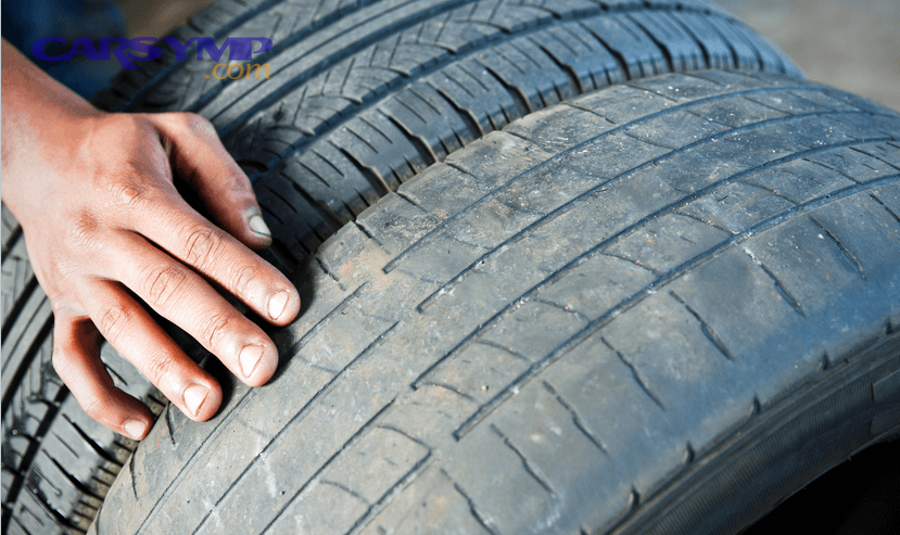
A driver can use the pattern as a first filter. If the inner shoulder is wearing rapidly, especially on one side, alignment geometry becomes a strong suspect. That is why inner edge wear from camber/toe issues should never be ignored. If the tire feels feathered when you run your hand across the tread blocks, toe settings may be scrubbing the surface. If the tread shows repeated scooped dips or scallops around the circumference, cupping often points toward suspension weakness, imbalance, or both. If the center is wearing faster than the shoulders, overinflation is a classic clue. If both shoulders wear faster than the center, underinflation often moves to the front of the diagnosis.
Pattern recognition does not replace inspection, but it helps owners ask better questions and authorize the right service faster.
What are the main types of uneven tire wear patterns?
There are six main uneven tire wear patterns: inner edge wear, outer edge wear, center wear, both-edge wear, feathering, and cupping, classified by tread location and surface texture. Specifically, the classification works because each pattern reflects a different combination of load, angle, pressure, and road contact.
Inner edge wear often points toward excessive negative camber, toe error, or a geometry problem that keeps the tire leaning or scrubbing. Outer edge wear may reflect aggressive cornering, alignment error, or repeated load bias. Center wear suggests the tire is overinflated relative to the vehicle’s needs. Both-edge wear often suggests underinflation. Feathering creates a directional, sawtooth feel across tread blocks and often tracks back to toe settings. Cupping appears as alternating dips or scallops and often connects to weak shocks or struts, imbalance, or worn steering components.
These categories matter because they stop you from treating all uneven wear as “just bad alignment.” Some wear is pressure-based. Some is geometry-based. Some is vibration-based. Some is caused by worn hardware that an alignment alone cannot cure.
Michelin’s commercial tire wear guide identifies cupping or scalloping as localized fast-wear areas and notes that the pattern is aggravated by poorly maintained suspension components, while its tire inspection tool also links cupping to balance or suspension service needs. ([business.michelinman.com](https://business.michelinman.com/tips-suggestions/irregular-tire-wear-101?))
How do alignment, balance, and suspension tire wear patterns differ?
Alignment wins in edge wear and feathering diagnosis, balance is best for vibration-linked irregular wear, and suspension issues are most associated with repeated cupping or bounce-related wear patterns. However, these categories can overlap, which is why pattern plus driving symptom gives the clearest answer.
Alignment-related wear usually shows up as directional scrub. The tire is trying to roll at the wrong angle, so one edge or the tread blocks wear in a way that feels sharp one direction and smooth the other. Balance-related wear tends to come with a highway-speed shake in the steering wheel or body, because the wheel assembly is not rotating with equal weight distribution. Suspension-related wear appears when the tire cannot stay planted consistently. The wheel bounces, oscillates, or changes its contact load rapidly, which creates cupping or scalloping over time.
The best way to compare them is by symptom pairing. If you see inner shoulder loss and feel pull or off-center steering, alignment becomes more likely. If you mainly feel vibration at speed without obvious edge scrub, balancing moves higher on the list. If the car feels bouncy, the tread looks scooped, and the vehicle seems unsettled over bumps, suspension inspection becomes more urgent.
Bridgestone explains that cupping can result from misaligned tires and also be a symptom of suspension issues, while Michelin notes that out-of-balance tires can cause vibration that leads to premature or uneven wear. ([bridgestonetire.com](https://www.bridgestonetire.com/learn/maintenance/tire-cupping/?))
Is wheel alignment the most common fix for uneven tire wear?
Yes, wheel alignment is one of the most common fixes for uneven tire wear because wheel angles strongly affect tread contact, many wear complaints begin with edge scrub or feathering, and alignment often restores stable tracking before more damage occurs. More specifically, alignment becomes the leading solution when the tire is wearing from geometry rather than from inflation or parts failure.
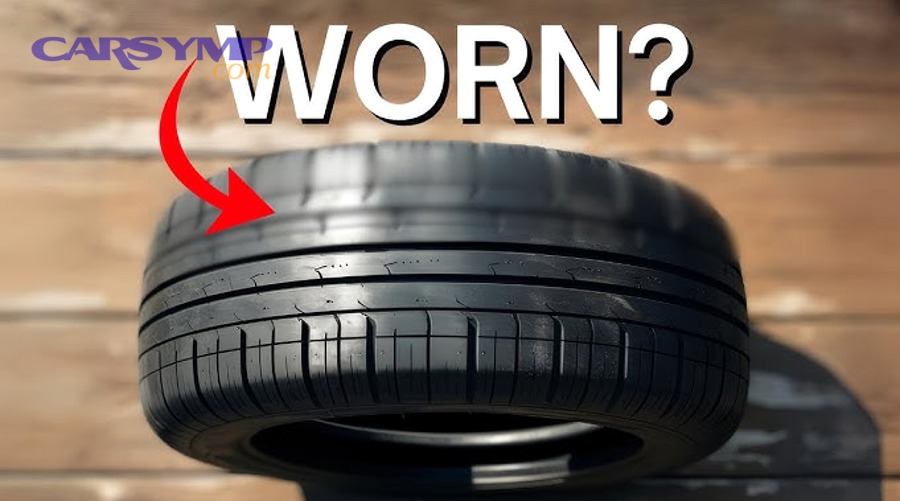
That said, alignment is common because it solves a frequent problem, not because it solves every problem. Many drivers hear “uneven tire wear” and assume the car automatically needs an alignment. In reality, alignment is only correct when the wear pattern, steering behavior, and inspection findings support it. A good shop should inspect before adjusting, especially when cupping or hardware looseness is present.
Wheel alignment matters because tires need to point and roll correctly. If toe or camber falls outside normal specification, the tire no longer lays down an even contact patch under normal driving. That abnormal contact patch turns into faster wear on one zone of the tread.
What is wheel alignment and how does it affect tire wear?
Wheel alignment is the adjustment of suspension angles—especially toe, camber, and sometimes caster—so the tires track properly, share load more evenly, and wear more consistently across the tread. To better understand its effect, focus on contact patch shape: the wrong angle changes where the rubber works hardest.
Toe describes whether the tires point slightly inward or outward relative to straight travel. Camber describes whether the tire leans inward or outward at the top. When these angles drift beyond ideal values, the tire scrubs instead of rolling cleanly. That scrub creates heat, drag, and localized tread loss. Inner edge wear from camber/toe issues is a classic example because a tire that leans or points incorrectly keeps overworking one shoulder.
For car owners, alignment also improves drivability. A vehicle with correct alignment usually tracks straighter, feels calmer, and uses the tread more evenly over time. That does not mean alignment repairs every bad tire symptom, but it does mean alignment has one of the biggest direct effects on tire life.
Michelin states that improper wheel alignment can quickly cause premature wear, and Discount Tire says its alignment inspection can help identify whether correction is needed before wear worsens. ([michelinman.com](https://www.michelinman.com/auto/auto-tips-and-advice/tire-maintenance/wheel-alignment-wheel-balancing?))
How does wheel alignment compare with tire balancing for uneven tire wear?
Wheel alignment wins in correcting angle-related tread scrub, tire balancing is best for correcting rotational weight mismatch, and suspension repair is optimal when hardware wear is causing tire bounce or instability. Meanwhile, the easiest way to compare alignment and balancing is by asking whether the tire is pointed wrong or spinning wrong.
Alignment addresses the relationship between the tire and the road. Balancing addresses the relationship between the wheel assembly and rotation. A tire can be perfectly balanced and still wear badly if toe or camber is wrong. A tire can also be well aligned but vibrate and wear irregularly if the wheel assembly is not balanced. That is why a technician should not treat alignment and balancing as interchangeable.
From a cost perspective, balancing is often simpler, but alignment usually has a larger effect when the wear pattern shows directional scrub. From a symptom perspective, alignment often comes with pull, steering angle concerns, or edge wear. Balancing often comes with highway-speed shimmy, especially after tire installation, impact damage, or lost weights.
Michelin explicitly separates wheel alignment from wheel balancing and notes that both affect tire wear, while Discount Tire explains that regular balancing reduces the chance of imbalance-related irregular treadwear. ([michelinman.com](https://www.michelinman.com/auto/auto-tips-and-advice/tire-maintenance/wheel-alignment-wheel-balancing?))
Can tire balancing fix uneven tire wear by itself?
Yes, tire balancing can fix uneven tire wear by itself when imbalance is the true cause, but no, it cannot solve angle-related wear or suspension-caused wear on its own. More specifically, balancing works when the wheel assembly’s weight distribution is the problem, not when the vehicle’s geometry or hardware is the problem.
This distinction matters because many drivers chase the vibration symptom without identifying the source. A small vibration at speed can come from imbalance, but it can also come from a bent wheel, tire damage, worn components, or a broader suspension problem. Balancing is most effective when the tire itself is fundamentally healthy and the assembly simply needs weight correction.
If the tread is already deeply cupped or the vehicle has loose components, balancing may reduce vibration but still fail to stop the wear from continuing. That is why balancing is often a piece of the answer rather than the whole answer.
What is tire balancing?
Tire balancing is the process of correcting uneven weight distribution in a mounted wheel-and-tire assembly so it rotates smoothly, reduces vibration, and wears more evenly. Specifically, the standout feature is rotational smoothness: a balanced assembly spins without a heavy spot repeatedly striking the road.
During balancing, a technician mounts the wheel-and-tire assembly on equipment that identifies where small weights should be added or adjusted. The goal is to reduce the force variation caused by imbalance. When the assembly is balanced, steering feel improves, vibration often decreases, and the tread is less likely to develop imbalance-related wear over time.
Balancing is especially relevant after new tire installation, repair, rotation-related service, wheel impact, or when a speed-related vibration appears. It is also a smart checkpoint when a driver notices irregular tread but cannot yet see a strong alignment-style pattern.
Michelin states that proper balancing ensures tires rotate smoothly and wear evenly, and Discount Tire says balancing reduces the chance of irregular or uneven treadwear caused by imbalance. ([michelinman.com](https://www.michelinman.com/auto/auto-tips-and-advice/tire-maintenance/wheel-alignment-wheel-balancing?))
Is tire balancing enough to stop uneven tire wear?
Yes, tire balancing is enough to stop uneven tire wear only when imbalance is the actual cause, the tire and wheel are otherwise healthy, and no alignment or suspension fault is present. However, once the wear comes from scrubbing or bouncing, balancing alone becomes incomplete.
A driver should think of balancing as a targeted service, not a universal cure. If the car shakes at one speed band, the steering stays mostly straight, and the tread does not show classic edge scrub, balancing deserves strong consideration. If the car pulls, the steering wheel sits off-center, or one shoulder is disappearing faster than the rest, balancing is unlikely to be the main answer. If the tread shows scallops and the vehicle feels floaty or uncontrolled over bumps, suspension inspection becomes more important.
This is why a balanced service plan often begins with a quick pressure check, a visible tread check, and a wheel inspection before the balancing machine is used. The goal is to keep the service matched to the symptom, not to repeat maintenance that will not cure the root cause.
Discount Tire advises drivers to check pressures, visible damage, and buildup before scheduling balancing, and Michelin notes that vibration from out-of-balance tires can also increase suspension wear if it continues. ([discounttire.com](https://www.discounttire.com/learn/tire-balancing?))
What suspension problems cause uneven tire wear and higher repair costs?
The suspension problems most likely to cause uneven tire wear and higher repair costs are worn shocks, struts, bushings, ball joints, tie rods, and related steering components because they reduce tire stability, increase bounce or looseness, and often require parts plus alignment. In addition, suspension faults raise costs faster than maintenance faults because they usually require both diagnosis and hardware replacement.

Suspension-related wear tends to be the point where a manageable service issue becomes a larger repair decision. A weak damper allows the tire to lose controlled road contact over bumps. A loose steering joint lets the tire wander or change angle under load. A bad bushing can alter how the wheel behaves during braking or cornering. All of these conditions can create tire wear that an alignment machine alone cannot permanently solve.
This is why cupping deserves special attention. Tire cupping does not just create an ugly tread pattern. It often creates noise, a rough ride, and an expensive sequence of consequences if left unchecked.
What suspension parts commonly cause uneven tire wear?
The main suspension and steering parts that commonly cause uneven tire wear are shocks, struts, bushings, tie rods, ball joints, and sometimes control-arm-related components, grouped by how they affect wheel control and contact stability. Specifically, the more a part allows bounce, looseness, or geometry change, the more likely it is to damage the tread.
Shocks and struts control wheel movement over bumps. When they weaken, the tire can rebound too aggressively and stamp the tread into the road repeatedly, which contributes to cupping. Tie rods and ball joints help hold alignment angles and steering precision. When they loosen, the tire may scrub, flutter, or track inconsistently. Bushings affect how suspension arms move under load. When they crack or soften, alignment can change dynamically rather than stay stable.
For car owners, this means a tire pattern is often the first visible clue of a hidden hardware problem. The tire may show you the failure before you hear a knock or feel severe looseness.
Michelin’s irregular wear guidance says cupping is aggravated by poorly maintained suspension components, and its tire inspection tool notes that cupping can be a sign that suspension or steering system parts need service or replacement. ([business.michelinman.com](https://business.michelinman.com/tips-suggestions/irregular-tire-wear-101?))
How do suspension-related tire wear costs compare with alignment-only fixes?
Alignment wins in lower-cost correction, balancing is best for simpler vibration-related service, and suspension repair is optimal only when worn parts are the root cause but usually costs the most because it adds parts, labor, and a final alignment. More importantly, suspension-related wear often comes with the highest replacement risk for the tire itself.
An alignment-only fix generally involves setup, measurement, and adjustment. Suspension repair adds the complexity of inspection, disassembly, hardware replacement, and then alignment afterward. If the tire is already cupped badly enough to remain noisy after repair, the total bill climbs again because new tires may still be needed.
This is also where delay becomes expensive. A driver who ignores a weak strut may end up buying tires earlier than expected, paying for parts later, and still needing alignment at the end of the process. From a cost-control perspective, suspension inspection is worth authorizing sooner when cupping, bounce, or instability are present.
Bridgestone notes that correcting cupping-related causes promptly can help owners avoid extra tire and repair expense, reinforcing the idea that suspension-linked wear grows more costly the longer it continues. ([bridgestonetire.com](https://www.bridgestonetire.com/learn/maintenance/tire-cupping/?))
Do you need new tires after fixing the cause of uneven wear?
Sometimes yes, sometimes no: you need new tires after fixing uneven wear only if the tread has become too thin, too uneven, too noisy, or too compromised to deliver safe and predictable performance. More specifically, correcting the cause saves the next set of tires, but it does not always rescue the current set.
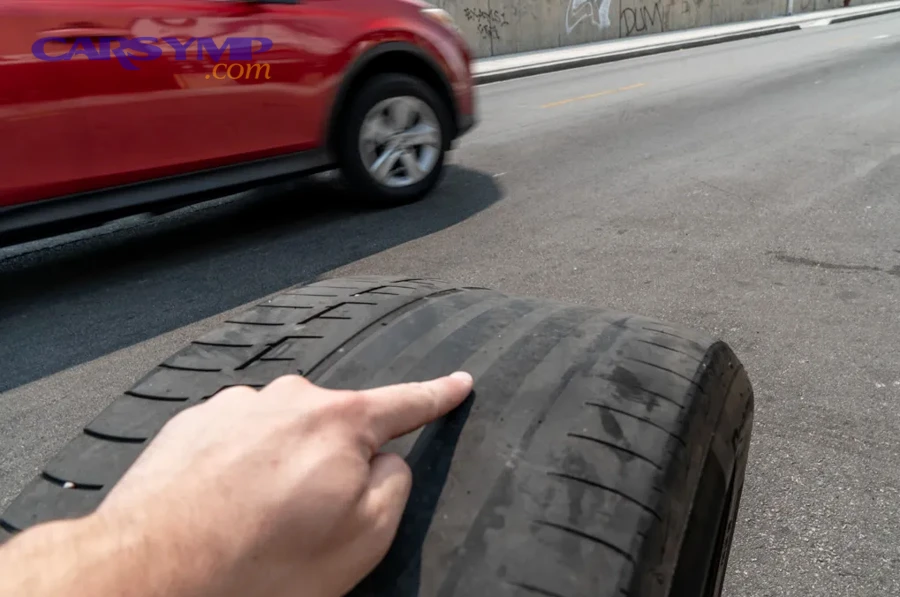
That answer matters because many owners assume fixing the alignment or replacing a worn strut automatically “fixes the tire.” In reality, the repair stops future damage; it does not erase existing tread loss. A mildly uneven tire may continue in service after correction and rotation. A severely scalloped or bald-shoulder tire may not be worth keeping, even if the underlying problem is gone.
Can unevenly worn tires be saved after the cause is fixed?
Yes, unevenly worn tires can sometimes be saved after the cause is fixed when the wear is still moderate, the casing remains sound, and enough usable tread remains across the tire. However, once one area is near bald, heavily cupped, or structurally questionable, saving the tire becomes much less realistic.
The key issue is not visual annoyance but usable performance. A tire with modest feathering may settle into better service after alignment and rotation. A tire with deep scallops can remain loud and rough even after the suspension issue is repaired. A tire with severe inner shoulder loss may still be unsafe because the most worn section determines the real risk.
This is why shops inspect the whole tread, not just the best-looking part of it. Drivers naturally notice the visible face of the tire, but the inner shoulder may hide the most serious wear.
NHTSA-hosted guidance says tire replacement decisions should consider tread wear pattern, age, and vibration, and Bridgestone warranty materials identify uneven wear patterns such as shoulder wear, center wear, cupping, and feathering as irregular wear conditions. ([static.nhtsa.gov](https://static.nhtsa.gov/odi/tsbs/2020/MC-10176182-0001.pdf?))
How do you decide between correcting the cause and replacing the tire?
Correcting the cause wins when tread remains serviceable, replacing the tire is best when the worst-worn section has lost too much safe depth, and doing both is optimal when the cause is fixed but the damaged tire cannot recover. To better understand this decision, evaluate the tire by severity, not by hope.
Start with the worst spot on the tire, not the average-looking sections. Then consider whether the wear is localized to one shoulder, spread around the circumference, or paired with vibration and noise. Also consider axle balance. If one tire on an axle is badly uneven while the other remains healthier, replacement decisions should still respect handling balance and manufacturer guidance. Finally, ask whether the tire’s remaining life justifies further use after correction.
A good uneven tire wear fix therefore has two layers. First, stop the cause. Second, decide whether the current tire still deserves to stay in service. Reversing that order is what wastes money.
According to Hyundai service guidance hosted on NHTSA, tires should not be replaced one at a time and replacement choices should account for wear pattern and vibration, which supports axle-based replacement decisions after uneven wear. ([static.nhtsa.gov](https://static.nhtsa.gov/odi/tsbs/2020/MC-10176182-0001.pdf?))
What is the best step-by-step way to diagnose the real cause before paying for repairs?
The best way to diagnose uneven tire wear is a five-step process: check pressure, inspect tread pattern, note driving symptoms, inspect wheels and suspension, and then confirm with balancing or alignment measurements before authorizing repairs. Below, this method saves money because it moves from simple checks to targeted service instead of random spending.
Start with tire pressure because it is the fastest, cheapest variable to verify and one of the easiest ways to misread wear. Then inspect the tread pattern carefully, including the inner shoulders. After that, connect what you see to what you feel: pull, shimmy, bounce, road noise, or off-center steering. Next, inspect the wheel and visible suspension condition or authorize a shop inspection. Only then should you approve balancing, alignment, or parts replacement based on what the evidence suggests.
This order matters because many uneven-wear complaints contain more than one issue. A car can be underinflated and misaligned. A tire can be slightly out of balance while a weak strut is also beginning to cup it. A rushed diagnosis may fix only the easiest layer.
What should car owners check first when they notice uneven tire wear?
Car owners should first check tire pressure, tread pattern, visible wheel damage, and basic driving symptoms because those four checks quickly separate maintenance issues from likely mechanical problems. Specifically, these first checks cost little, reveal the most obvious clues, and prepare you for a more accurate shop visit.
Check all four tire pressures against the vehicle placard, not guesswork. Then look across the full tread width on each tire. Compare inner shoulder to outer shoulder and front axle to rear axle. Run your hand gently across the tread to feel for feathering, and look for scooped dips that suggest cupping. Finally, note when symptoms happen: constant pull, highway-speed vibration, bump-related bounce, or noise.
This first pass also helps you describe the problem clearly to a technician. “The right front inner shoulder is wearing faster and the car pulls left” is more useful than “my tires look bad.”
NHTSA recommends rotating tires at the manufacturer’s interval or sooner if uneven wear appears, which reinforces the value of regular owner checks before wear becomes severe. ([nhtsa.gov](https://www.nhtsa.gov/vehicle-safety/tires?))
Is it better to get an alignment first or a full suspension inspection first?
Alignment is better first when the symptoms point to geometry-only issues, suspension inspection is better first when bounce, looseness, or cupping are present, and both are ideal when the wear pattern suggests overlap. In short, the best sequence depends on whether the tire is scrubbing, shaking, or bouncing.
If the main symptoms are steering pull, off-center wheel, and edge wear, alignment deserves priority. If the car feels unstable over bumps, the tread is scalloped, or the front end feels loose, suspension inspection should come first because worn parts can make alignment inaccurate or short-lived. If a wheel is bent or a tire is damaged, balancing or wheel repair may also need to happen before final alignment.
To keep uneven wear from returning after repair, follow a rotation strategy to prevent uneven wear based on your vehicle’s manual, axle layout, and service interval. Rotation does not cure a bad alignment or worn suspension, but it helps distribute normal wear more evenly once the root cause is fixed. That is what turns a one-time repair into lasting tire life.
Michelin advises that balancing improves smooth tire rotation and NHTSA’s TireWise guidance says rotation helps reduce irregular wear, making post-repair tire maintenance a critical final step rather than an optional extra. ([michelinman.com](https://www.michelinman.com/auto/auto-tips-and-advice/tire-maintenance/wheel-alignment-wheel-balancing?))
What other factors can affect the total cost to fix uneven tire wear beyond alignment, balance, and suspension?
Several other factors affect the total cost to fix uneven tire wear, including vehicle type, drivetrain layout, tire age, road damage, warranty exclusions, and how long the problem has been ignored. In addition, these factors expand the issue from a basic service decision into a full ownership-cost decision.

Vehicle type matters because some cars need more complex alignment procedures and some drivetrains are less forgiving about mismatched tread depths. Tire age matters because an older tire with uneven wear may not be worth preserving even if the cause is fixable. Road hazards matter because an impact can create damage that looks like a maintenance problem but is actually structural. Delay matters because the longer the wear continues, the more likely the bill includes tires instead of just correction.
Does vehicle type change the cost to fix uneven tire wear?
Yes, vehicle type changes the cost because larger vehicles, performance models, some EVs, and AWD vehicles can require more complex service, more expensive tires, or stricter replacement matching. More specifically, the cost rises when the vehicle demands more precise setup or less tolerance for tread-depth differences.
A compact front-wheel-drive sedan with common tire sizes is usually cheaper to correct than a larger SUV or an all-wheel-drive vehicle with expensive fitment. Some shops also price four-wheel alignment and EV alignment differently from simpler setups. Once replacement tires are added, the price spread becomes much larger because tire sizes and load requirements change dramatically by vehicle class.
Discount Tire lists EV alignment separately at a higher starting price than standard alignment, showing that vehicle type can change even the base service cost before tire replacement enters the conversation. ([discounttire.com](https://www.discounttire.com/services/wheel-alignment?))
Can road hazards or bad inflation habits mimic mechanical uneven tire wear?
Yes, road hazards and poor inflation habits can mimic mechanical uneven tire wear because both can distort wear patterns, create vibration, and mislead owners into blaming alignment or suspension first. However, the difference is that hazard damage often starts with impact, while inflation habits create repeatable pressure-related patterns over time.
A pothole strike can bend a wheel, shift alignment, or damage a tire internally. Repeated underinflation can wear both shoulders and overheat the casing. Repeated overinflation can wear the center faster. Mud or ice packed into a wheel can even imitate an imbalance temporarily. That is why the first diagnosis step should not skip pressure and visible wheel checks.
Discount Tire specifically advises checking tire pressures, visible damage, and buildup before scheduling balancing, a useful reminder that not every vibration or wear complaint begins with a failed mechanical part. ([discounttire.com](https://www.discounttire.com/learn/tire-balancing?))
Does uneven tire wear affect tire warranty or service recommendations?
Yes, uneven tire wear can affect warranty outcomes and service recommendations because irregular wear is commonly treated as a maintenance or mechanical condition rather than a tire-defect condition. More importantly, that means owners should correct the cause early if they want to preserve as much tire value as possible.
Warranty language often distinguishes manufacturing defects from irregular wear caused by alignment, inflation, rotation neglect, or vehicle condition. Once a tire shows significant shoulder wear, cupping, center wear, or feathering, it may fall outside the type of condition that mileage-warranty expectations assume. That does not mean every warranty question is closed, but it does mean abnormal wear patterns usually trigger closer scrutiny.
Bridgestone warranty materials state that irregular wear, including shoulder wear, center wear, cupping, and feathering, is not covered under the limited warranty language cited in those manuals. ([bridgestonetire.com](https://www.bridgestonetire.com/content/dam/consumer/bst/na/warranties/duravis_R238_M705_warranty_manual_en_2024_v1a.pdf?))
What happens if you ignore uneven tire wear for too long?
If you ignore uneven tire wear for too long, the repair usually becomes more expensive because the cause continues damaging the tread, the vehicle may develop worse vibration or handling problems, and replacement tires become more likely. Thus, delay is the opposite of cost control.
A mild alignment problem can turn into inner-shoulder baldness. A minor imbalance can turn into vibration-related wear and extra suspension stress. A weak strut can turn into severe cupping that makes the tire loud even after repairs. Each stage reduces the chance that the existing tire can stay in service. That is why timely repair is not just safer; it is financially smarter.
In short, the most effective uneven tire wear fix is early diagnosis, targeted correction, and disciplined follow-up maintenance. Once you solve the real cause, use the right rotation strategy to prevent uneven wear from returning, keep pressures at spec, and recheck the tread often—especially if you have already seen inner edge wear from camber/toe issues or any history of cupping.
Bridgestone notes that correcting cupping-related causes promptly helps drivers avoid extra tire and repair expense, while Michelin says vibration from imbalance can contribute to premature wear and unnecessary stress on suspension components. ([bridgestonetire.com](https://www.bridgestonetire.com/learn/maintenance/tire-cupping/?))