


Worn shocks and struts can cause tire cupping because weak damping lets the tire bounce, lose consistent road contact, and hit the pavement with uneven force. That repeated bounce creates the scalloped tread pattern drivers call cupping, and it often appears alongside vibration, road noise, longer stopping distances, and a less stable ride. ([bridgestonetire.com](https://www.bridgestonetire.com/learn/maintenance/tire-cupping/?))
That primary answer leads to the next question drivers usually ask: what tire cupping actually looks like and how to tell whether the problem really comes from shocks or struts rather than from alignment, balance, or inflation. In practice, the pattern matters because cupping is not the same as one-edge wear, center wear, or simple feathering. ([bridgestonetire.com](https://www.bridgestonetire.com/learn/maintenance/tire-cupping/?))
The next layer of intent is diagnosis. Drivers want to know which symptoms point to worn shocks and struts before they spend money on tires. Bouncing after bumps, nose dive while braking, extra body roll in turns, and a droning or howling sound from the tires are all clues that the suspension is no longer controlling wheel motion the way it should. ([monroe.com](https://www.monroe.com/en-eu/support/technical-tips/lv/shock-absorbers/symptoms-of-worn-shocks.html?))
The final question is what to fix first and whether the tires can be saved. In most cases, the root cause must be corrected before deciding whether to keep or replace the tires. Next, the main content breaks down the wear pattern, the suspension mechanics behind it, the safety risk, and the uneven tire wear fix sequence that makes the most sense for drivers. ([bridgestonetire.com](https://www.bridgestonetire.com/learn/maintenance/tire-cupping/?))
What Is Tire Cupping and Does It Mean Your Shocks or Struts Are Worn?
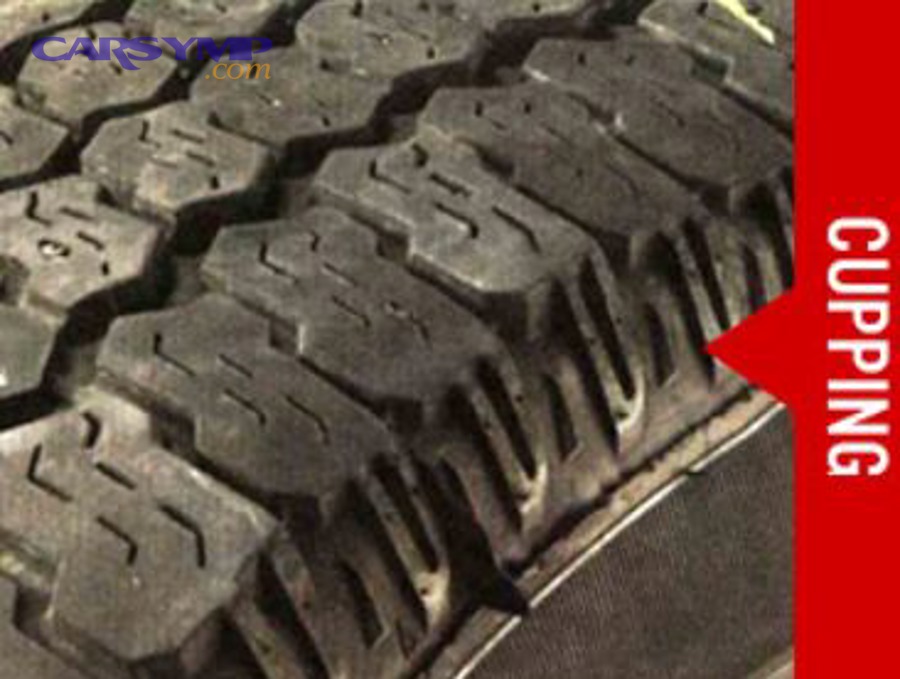
Tire cupping is an uneven tread-wear pattern marked by scalloped dips, and yes, worn shocks or struts are one of its most common causes because they let the tire bounce instead of staying planted. ([bridgestonetire.com](https://www.bridgestonetire.com/learn/maintenance/tire-cupping/?))
To better understand tire cupping, it helps to picture the tire not as a smooth rolling circle but as a component that must keep steady pressure against the road. When shocks or struts lose damping force, the wheel starts oscillating over bumps. Instead of pressing evenly into the pavement, the tread contacts the road in repeated hard spots. Over time, those repeated impacts carve out a washboard-like pattern around the tire.
What does tire cupping look and sound like on a vehicle?
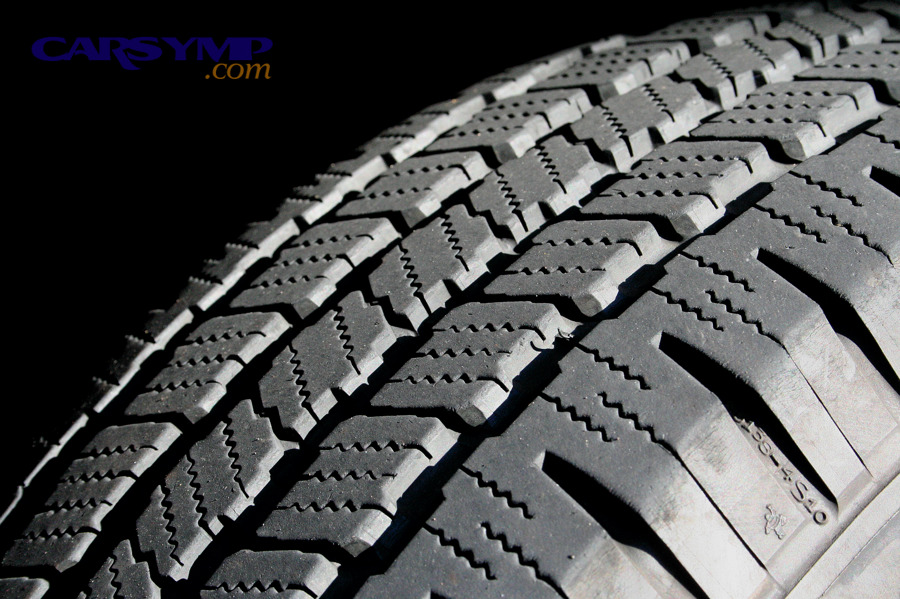
Tire cupping usually looks like a series of high and low patches around the tread, and it often sounds like a humming, droning, or helicopter-like road noise that gets louder with speed. ([goodyear.com](https://www.goodyear.com/en_US/learn/tire-care-maintenance/tire-cupping.html?))
Specifically, the visual pattern is irregular rather than smooth. One section of tread may be deeper, while the next appears scooped out. Drivers often notice the problem by running a hand over the tread and feeling alternating peaks and valleys. In motion, the sound can mimic bad wheel bearings or aggressive off-road tires, which is why visual inspection matters.
The noise happens because the tire no longer meets the road with a uniform tread surface. Every scalloped section strikes the pavement differently, creating repeating impact noise. Some drivers first search broad shorthand such as Car Symp in forums or notes, but the meaningful symptom cluster is more precise: noise, bounce, vibration, and unstable body motion together point more strongly toward suspension-related cupping than toward a simple pressure issue.
Can worn shocks and struts directly cause tire cupping?
Yes, worn shocks and struts can directly cause tire cupping because weak dampers allow the wheel and tire assembly to hop, skip, and re-contact the road with uneven force. ([bridgestonetire.com](https://www.bridgestonetire.com/learn/maintenance/tire-cupping/?))
More specifically, shocks and struts do not hold the vehicle up by themselves; springs handle much of the load. Their job is to control spring motion. Once damping weakens, the spring can keep moving after a bump instead of settling quickly. That extra movement reduces road holding force and causes intermittent loading across the tread. This is why cupping often appears before a driver sees a dramatic fluid leak or total suspension failure.
According to Monroe’s technical guidance, worn shocks and struts can reduce road holding force and accelerate uneven tire wear, including cupping or scalloping. ([monroe.com](https://www.monroe.com/technical-resources/shocks-101/symptoms-worn-shock-struts.html?))
Why Do Worn Shocks and Struts Cause Cupped Tires?
Worn shocks and struts cause cupped tires by failing to control rebound and compression, which makes the wheel bounce, unload, and strike the road unevenly instead of rolling in stable contact. ([bridgestonetire.com](https://www.bridgestonetire.com/learn/maintenance/tire-cupping/?))
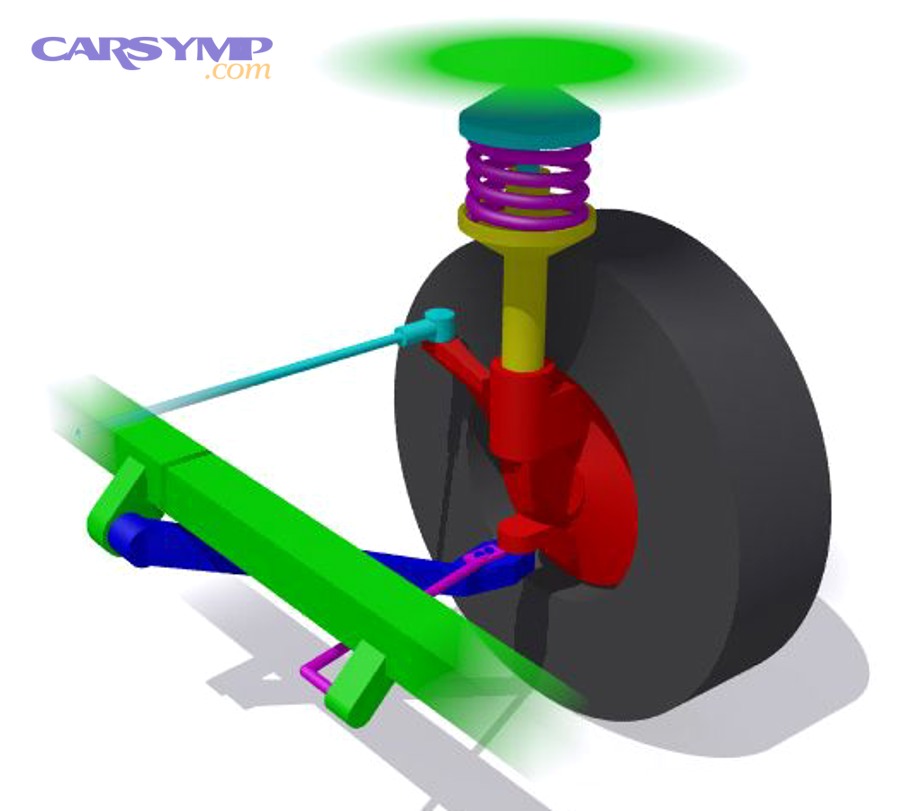
Let’s explore the mechanics behind that wear pattern. A tire wears evenly when its contact patch stays stable. Once damping drops, the contact patch becomes inconsistent. The tread no longer shares the load smoothly across the full footprint, and localized areas take repeated punishment.
How does weak damping change the way the tire meets the road?
Weak damping changes tire contact by allowing extra vertical wheel movement, so the tire repeatedly lands harder on certain tread blocks instead of carrying load smoothly across the contact patch. ([goodyear.com](https://www.goodyear.com/en_US/learn/tire-care-maintenance/tire-cupping.html?))
For example, when a vehicle hits a bump, a healthy suspension compresses and settles quickly. A worn shock or strut lets the spring continue oscillating. That repeated bounce changes how long and how firmly sections of the tire touch the road. The result is not constant abrasion but intermittent impact wear, which is why cupping appears as patches rather than a uniform band.
This also explains why some cupped tires remain noisy even if tread depth is technically still legal. The geometry of the tread has already changed, so the sound continues until rotation reduces it or the tire is replaced.
Which suspension problems besides shocks and struts can contribute to cupping?
The main related contributors are worn bushings, loose joints, weak springs, wheel imbalance, bent wheels, and alignment faults because all of them can disturb consistent tire loading. ([bridgestonetire.com](https://www.bridgestonetire.com/learn/maintenance/tire-cupping/?))
However, the cause chain matters. Misalignment often produces one-edge wear or feathering before it creates classic cupping. Wheel imbalance can create a repeating hop. Worn bushings or ball joints can let the wheel move out of position under load. Weak springs can increase oscillation and overload the dampers. That is why Fixing uneven wear: parts to inspect first usually starts with the shock or strut, then moves to springs, bushings, ball joints, tie rods, wheel balance, and alignment.
According to the Bridgestone and Goodyear maintenance guides, tire cupping can result from worn suspension parts, shocks or struts, wheel imbalance, and alignment problems, not just one isolated defect. ([bridgestonetire.com](https://www.bridgestonetire.com/learn/maintenance/tire-cupping/?))
What Signs Suggest Tire Cupping Is Coming From Worn Shocks or Struts?
The strongest signs are repeated bounce after bumps, nose dive under braking, body roll in corners, unstable ride control, and scalloped tire wear accompanied by vibration or road noise. ([monroe.com](https://www.monroe.com/en-eu/support/technical-tips/lv/shock-absorbers/symptoms-of-worn-shocks.html?))
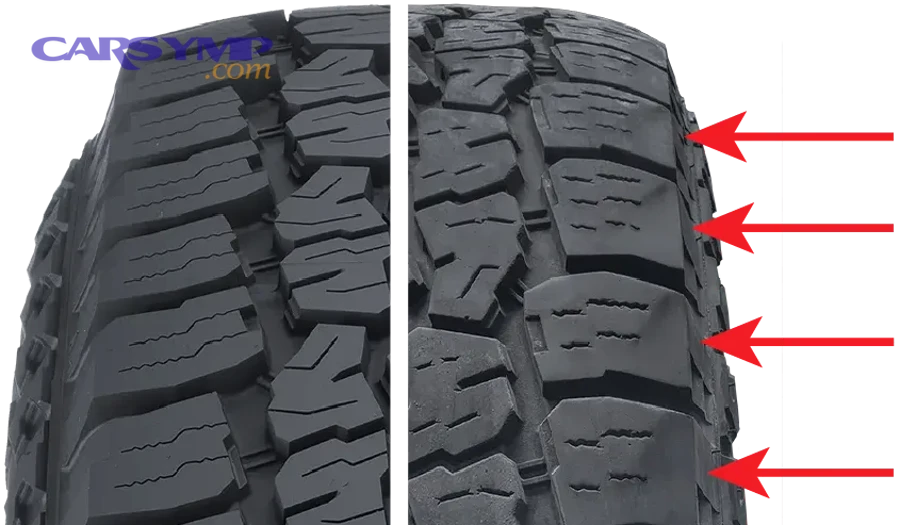
In other words, the tire usually tells only part of the story. The vehicle’s motions tell the rest. If the tread is cupped and the body also feels loose, floaty, or slow to settle, the suspension becomes the leading suspect rather than inflation alone.
What driving symptoms usually appear with bad shocks or struts?
Common symptoms include excessive bounce, nose dive during braking, rear squat under acceleration, extra sway in corners, and a rougher, less controlled ride over imperfect pavement. ([monroe.com](https://www.monroe.com/en-eu/support/technical-tips/lv/shock-absorbers/symptoms-of-worn-shocks.html?))
More specifically, drivers often notice that the vehicle needs an extra beat to settle after a speed bump. Braking may feel less composed because the front dives harder than expected. On curves, the body may lean more and feel slower to recover. Those symptoms matter because shocks and struts affect both comfort and control.
If the tire wear is severe, the vehicle may also develop steering shimmy or a droning sound that rises with road speed. That combination of tread pattern plus motion symptoms is much more persuasive than looking at the tire alone.
How can you tell the difference between cupping from suspension wear and cupping from other causes?
Suspension-related cupping usually appears with bounce and handling symptoms, while non-suspension uneven wear more often shows a cleaner pattern tied to pressure, alignment, or balance without the same body-control issues. ([bridgestonetire.com](https://www.bridgestonetire.com/learn/maintenance/tire-cupping/?))
To illustrate, one-edge wear often points to alignment angles such as camber. Feathering tends to indicate toe issues and feels sharp one way and smooth the other. Center wear from overinflation vs underinflation is also easier to separate: overinflation typically wears the middle rib faster, while underinflation more often wears both shoulders. Cupping, by contrast, appears as repeating dips or scallops around the tire.
A practical diagnostic table helps clarify those differences:
| Wear pattern | What it usually looks like | Common cause |
|---|---|---|
| Cupping / scalloping | Patchy high-low dips around tread | Worn shocks/struts, imbalance, loose suspension |
| Center wear | Faster wear in middle rib | Overinflation |
| Both-edge wear | Faster wear on both shoulders | Underinflation |
| One-edge wear | Wear on inner or outer edge | Alignment / camber issue |
| Feathering | Sawtooth feel across tread blocks | Toe misalignment |
This table compares common tread patterns so drivers can separate suspension wear from pressure or alignment wear before authorizing repairs. The goal is not DIY certainty, but a better starting point for inspection. ([tracyhonda.com](https://tracyhonda.com/tire-wear?srsltid=AfmBOoob9UjCKtNYFwAD3GBXAZ4NUiZjyeaNhwRovSIhjVBL8ogVEcvF&))
Is Tire Cupping From Worn Shocks or Struts Dangerous to Drive On?
Yes, tire cupping from worn shocks or struts can be dangerous because it reduces stable tire contact, increases noise and vibration, weakens ride control, and may lengthen braking distances, especially on rough or wet roads. ([monroe.com](https://www.monroe.com/technical-resources/shocks-101/consequences-driving-worn-shocks-struts.html?))
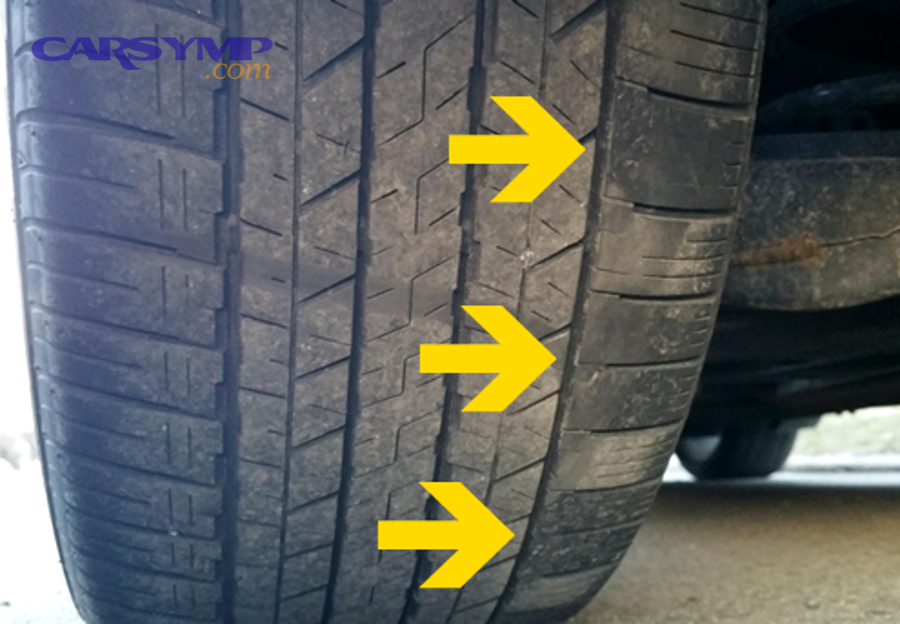
To better understand the risk, separate the tire problem from the suspension problem. A cupped tire can be noisy and annoying by itself. But when worn shocks or struts caused that tread damage, the deeper concern is that the vehicle is no longer managing weight transfer and road disturbances properly.
Can cupped tires reduce braking grip, comfort, and control?
Yes, cupped tires can reduce grip and comfort, while worn shocks and struts can further reduce braking stability and control by allowing more tire unload and body motion. ([monroe.com](https://www.monroe.com/technical-resources/shocks-101/consequences-driving-worn-shocks-struts.html?))
More importantly, braking depends on the tire staying loaded against the pavement. If the wheel skips over rough road surfaces, available traction becomes less consistent. That can show up as longer emergency stops, extra ABS activity, or more skittish behavior on wet pavement.
According to an SAE technical paper on worn dampers, reduced damping leads to excessive body motions and potentially unstable vehicle behavior, which directly supports why worn shocks and struts are treated as a safety issue rather than only a comfort issue. ([saemobilus.sae.org](https://saemobilus.sae.org/papers/impact-worn-shocks-vehicle-handling-stability-2006-01-0563?))
When should drivers stop driving and inspect the suspension immediately?
Drivers should stop and inspect the suspension promptly when cupping is severe, vibration is strong, the vehicle bounces repeatedly, braking stability feels worse, or cords and structural tire damage are visible. ([monroe.com](https://www.monroe.com/en-eu/support/technical-tips/lv/shock-absorbers/symptoms-of-worn-shocks.html?))
In practice, urgency rises when symptoms stack together. A mild cupped pattern with no handling complaint still deserves attention soon. A severely scalloped tire plus body float, braking dive, or wet-road instability moves the problem into the urgent category. Any exposed cords, sidewall damage, or deep isolated tread damage should be treated as an immediate replacement issue, not just a future maintenance item.
According to NHTSA tire safety guidance, excessively worn or improperly inflated tires can contribute to loss of vehicle control, which is why wear patterns should never be ignored once they become obvious. ([nhtsa.gov](https://www.nhtsa.gov/tires/safety-and-savings-ride-your-tires?))
How Do You Fix Tire Cupping Caused by Worn Shocks and Struts?
The correct fix uses four linked steps: confirm the root cause, replace failed suspension parts, inspect related steering and suspension hardware, and then correct tire service items such as balance, alignment, and rotation. ([bridgestonetire.com](https://www.bridgestonetire.com/learn/maintenance/tire-cupping/?))
That sequence matters because a new tire installed on a bouncing wheel can start wearing badly again. A true uneven tire wear fix begins with the part that created the wear pattern, not with the tire alone.
Do you need to replace the shocks or struts before replacing the tires?
Yes, you usually need to correct failed shocks or struts first because replacing tires before the damping problem is fixed can allow the new tires to develop the same wear pattern again. ([bridgestonetire.com](https://www.bridgestonetire.com/learn/maintenance/tire-cupping/?))
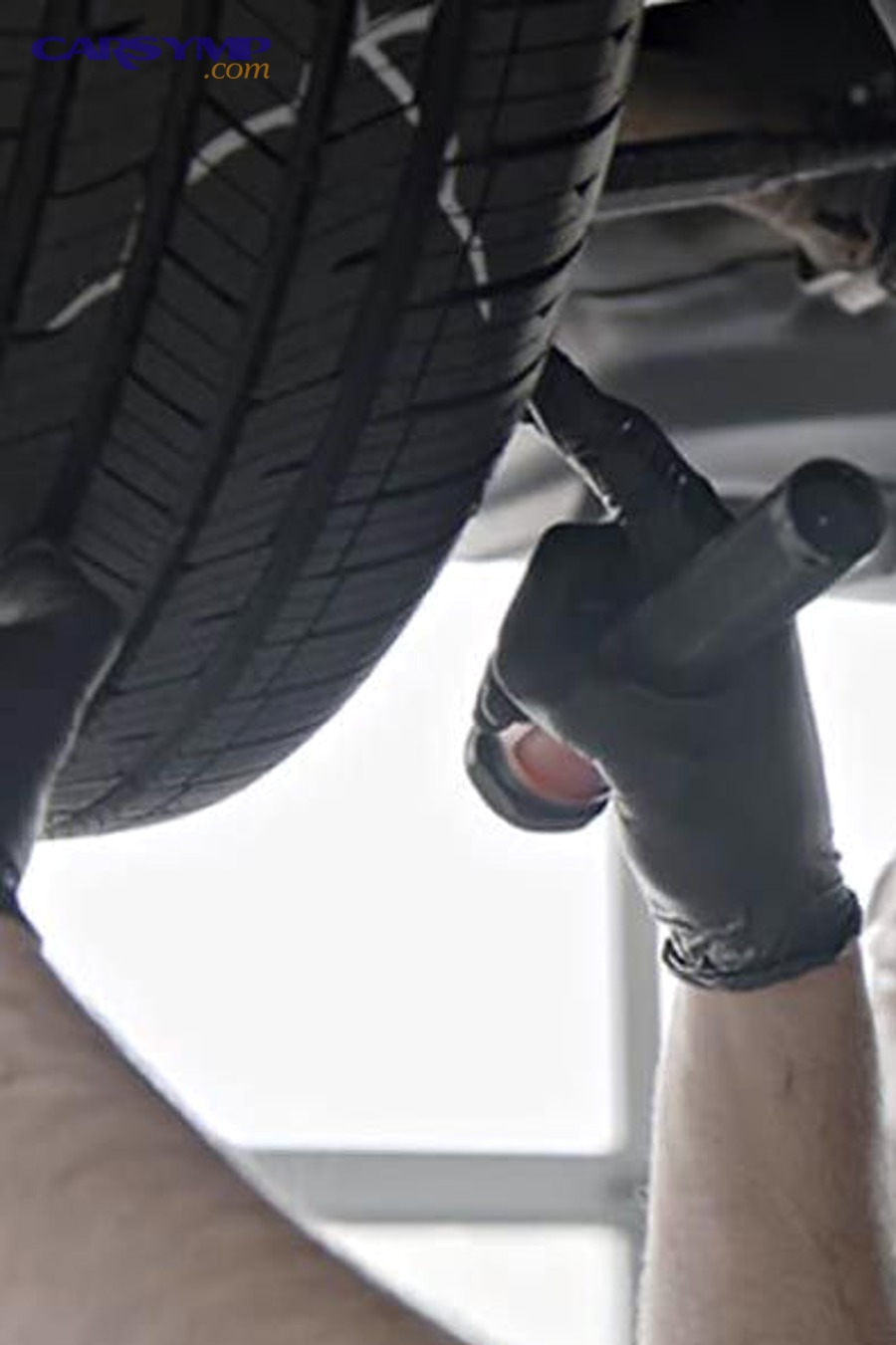
Specifically, technicians should inspect for leaking dampers, bounce, weak rebound control, torn mounts, worn bushings, loose joints, and damaged springs. If the failure is confirmed, replacement should generally be done in pairs on the same axle so ride balance remains consistent. After that, wheel balance and alignment should be checked before final tire decisions are made.
According to Monroe’s service guidance, shocks and struts are recommended to be replaced in pairs on the same axle to maintain balanced ride and handling characteristics. ([monroe.com](https://www.monroe.com/technical-resources/shocks-101/should-shocks-and-struts-be-replaced-in-pairs.html?))
What repairs and follow-up services usually solve the problem?
The typical repair path includes replacing shocks or struts, checking springs and mounts, inspecting bushings and joints, balancing the wheels, aligning the vehicle, and rotating or replacing tires based on the damage level. ([bridgestonetire.com](https://www.bridgestonetire.com/learn/maintenance/tire-cupping/?))
This is where Fixing uneven wear: parts to inspect first becomes practical rather than theoretical. Inspect the damper, mount, spring seat, control arm bushings, sway bar links, ball joints, tie rods, and wheel bearings. Then confirm wheel balance and alignment. Finally, evaluate tire tread depth, structure, and noise.
That process also helps separate causes. A car may have both worn struts and poor toe alignment at the same time. If only one issue gets repaired, the tire may still wear badly. Good shops check the whole chain because tread wear is usually the visible symptom of a system problem.
Should You Replace the Tires or Keep Using Them After the Suspension Is Fixed?
The answer depends on damage severity: mildly cupped tires may stay in service if they are structurally sound, but severely scalloped, noisy, or vibration-prone tires are usually better replaced after the root cause is corrected. ([goodyear.com](https://www.goodyear.com/en_US/learn/tire-care-maintenance/tire-cupping.html?))
This is the question behind When to replace tires vs correct the problem. In reality, both steps may be necessary; the order is what matters. Correct the cause first, then decide whether the tire still makes sense to keep.
Can mildly cupped tires be kept in service?
Yes, mildly cupped tires can sometimes remain in service if tread depth is adequate, the casing is sound, vibration is limited, and the suspension problem has already been repaired. ([goodyear.com](https://www.goodyear.com/en_US/learn/tire-care-maintenance/tire-cupping.html?))
However, “can” does not mean “should” in every case. A lightly cupped tire may continue to make some noise even after the vehicle is fixed because the tread face is already irregular. Rotation may reduce the sound over time, but it does not erase existing wear. The driver must weigh comfort, remaining tread life, and wet-road confidence.
When is tire replacement the better choice?
Tire replacement is the better choice when cupping is severe, the tire is loud or shaky, tread depth is already low, or any structural concern exists after the suspension repair is complete. ([nhtsa.gov](https://www.nhtsa.gov/tires/safety-and-savings-ride-your-tires?))
In short, replace the tire when safety, comfort, or long-term value no longer favors keeping it. A nearly worn-out tire with heavy scalloping rarely becomes worth saving. By contrast, a newer tire with only early cupping may stay usable once the suspension is restored and the wheel service is corrected.
According to NHTSA guidance, worn tires and improper inflation both raise safety concerns, so the final decision should not be based on appearance alone but on condition, tread depth, and how the vehicle behaves on the road. ([nhtsa.gov](https://www.nhtsa.gov/tires/safety-and-savings-ride-your-tires?))
How Is Tire Cupping From Worn Shocks and Struts Different From Other Tire Wear Patterns?
Tire cupping is different because it shows repeating scalloped dips caused by unstable wheel control, while other wear patterns usually point more clearly to pressure, alignment, or specific geometry problems. ([bridgestonetire.com](https://www.bridgestonetire.com/learn/maintenance/tire-cupping/?))
Below the main diagnosis, this comparison expands the topic so drivers can interpret tread clues more accurately and avoid guessing. It also helps prevent wasted repairs by connecting each pattern to the most likely system fault.

Is tire cupping the same as feathering or heel-and-toe wear?
No, tire cupping is not the same as feathering or heel-and-toe wear because cupping forms dips and scallops, while feathering creates a directional sawtooth feel across tread blocks. ([bridgestonetire.com](https://www.bridgestonetire.com/learn/maintenance/tire-cupping/?))
Feathering usually points to toe misalignment, and the tread feels smooth in one direction and sharp in the other. Heel-and-toe wear may appear on blocky tread designs when blocks wear unevenly front to back. Cupping is more obviously patchy and impact-driven. That distinction matters because the repair path differs.
How is cupping different from center wear caused by overinflation?
Cupping is irregular patch wear from unstable tire contact, while center wear usually concentrates in the middle rib because overinflation crowns the tread and shifts more load to the center. ([telletire.com](https://www.telletire.com/blog/tire-wear-patterns/?))
On the other hand, underinflation tends to wear both shoulders faster because the tire carries more load on the edges. That is the practical comparison behind Center wear from overinflation vs underinflation: center wear suggests too much pressure, both-edge wear suggests too little, and cupping suggests a control or balance problem rather than a simple PSI mistake.
According to NHTSA and tire-maintenance guidance, improper inflation changes performance and wear behavior, while low pressure specifically promotes premature and uneven wear. ([nhtsa.gov](https://www.nhtsa.gov/sites/nhtsa.dot.gov/files/brochure.pdf?))
Can new tires become cupped quickly if bad shocks or struts are ignored?
Yes, new tires can become cupped quickly if worn shocks or struts are ignored because the damaging bounce pattern starts as soon as the tire begins operating on an unstable suspension. ([bridgestonetire.com](https://www.bridgestonetire.com/learn/maintenance/tire-cupping/?))
That is why replacing tires first often disappoints drivers. The vehicle may feel quieter for a short time, but the root mechanical condition remains. Once the same oscillation returns over bumps and rough pavement, the new tread begins repeating the same uneven loading cycle.
Can cupped tires stay noisy even after the suspension problem is repaired?
Yes, cupped tires can stay noisy after repair because the suspension fix stops further abnormal wear, but it does not restore the tread surface to its original shape. ([lesschwab.com](https://www.lesschwab.com/article/tires/why-are-my-tires-making-strange-noises.html?))
Thus, the repair outcome has two parts. The first goal is to restore control and stop the wear from getting worse. The second is to decide whether the remaining noise or vibration is acceptable. If not, tire replacement becomes the finishing step rather than the first step.
According to Less Schwab’s tire-noise guidance, cupping can produce howling or droning noise, which explains why some vehicles remain loud until the damaged tire is rotated out or replaced even after the suspension issue is corrected. ([lesschwab.com](https://www.lesschwab.com/article/tires/why-are-my-tires-making-strange-noises.html?))