


A grinding or whining noise can be a sign of bad water pump bearings, especially when the sound comes from the front of the engine, changes with engine speed, and appears with other water pump failure symptoms such as wobble, overheating, or coolant seepage. A worn water pump bearing often lets the pulley run rough instead of true, which is why the noise usually gets more noticeable before total failure. (autozone.com)
Next, the most useful way to confirm the diagnosis is to match the noise with the symptom pattern. A bad water pump rarely announces itself with sound alone. It often adds a visible leak, a loose pulley, unstable temperature, or a clear change in sound as RPM rises, which helps separate a failing pump from a simple belt chirp. (autozone.com)
Then, comparison matters because several front-engine parts can make similar sounds. Belts, idler pulleys, tensioners, and alternators can all whine or grind, but they tend to show different companion symptoms. Water pump bearing trouble is more suspicious when the sound sits near the pump housing and when overheating or a Coolant leak at weep hole diagnosis enters the picture. (autozone.com)
Introduce a new idea: once you know what the noise means, the next step is deciding how to inspect it safely, how urgent the repair is, and whether Preventing water pump failure is still possible before the pump damages the belt drive or cooling system. (knowhow.napaonline.com)
Is a Grinding or Whining Noise a Sign of Bad Water Pump Bearings?
Yes, a grinding or whining noise can signal bad water pump bearings because bearing wear creates friction, pulley instability, and rough rotation that become audible near the front of the engine.
To better understand that answer, you need to separate the sound itself from the cause behind it. The noise does not come from coolant moving through the pump. It usually comes from the bearing that supports the pump shaft as the pulley spins.
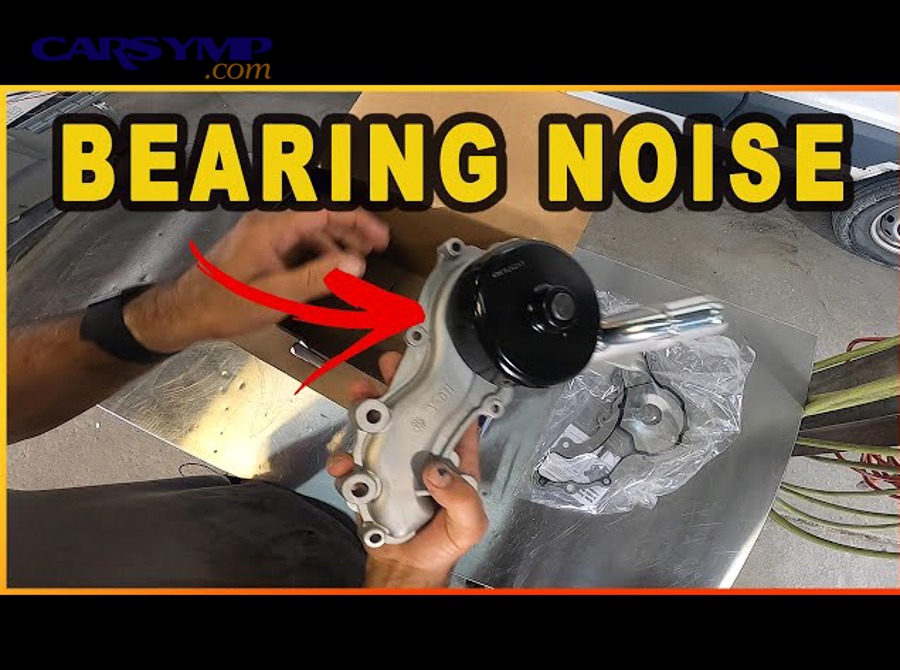
What Does a Grinding Noise From Water Pump Bearings Usually Mean?
A grinding noise usually means the bearing surfaces inside the water pump are worn enough that rotation is no longer smooth. Instead of rolling quietly, the bearing begins to create a coarse, mechanical sound. That sound often feels harsher than a whistle or squeal. Drivers describe it as growling, rumbling, or metal-on-metal scraping.
Specifically, grinding points to advanced wear more often than early wear. Once the bearing has developed excessive play, the shaft can move slightly off-center. That small misalignment makes the pulley run less true and increases internal friction. In real-world diagnosis, this matters because a grinding pump is usually closer to failure than a pump that only has a faint high-pitched whine.
The sound also tends to come from the front of the engine where the accessory drive runs. That location helps, but it does not prove the water pump on its own. An idler pulley, tensioner, or alternator bearing can sound similar. The difference is that a failing water pump often adds cooling-system clues at the same time.
According to NAPA, in guidance published in 2021, a grinding or growling noise from the front of the engine indicates a bad bearing and should be checked promptly. (knowhow.napaonline.com)
What Does a Whining Noise From Water Pump Bearings Usually Mean?
A whining noise usually means the bearing is wearing but has not always reached the harsh, rough stage associated with grinding. The tone is more high-pitched, and it often rises with engine speed because the pump pulley spins faster as RPM increases.
More specifically, whining can also overlap with belt-related issues. A loose accessory belt can whine, and a tension problem can create a noise that sounds pump-related even when the water pump is still healthy. That is why sound quality alone is not enough. You need to check whether the noise comes with wobble, seepage, or temperature changes.
For car owners, the practical takeaway is simple: a steady whine from the water pump area deserves attention even if the engine has not overheated yet. Bearing wear can progress from a mild whine to a louder growl, then to seal failure, coolant leakage, and poor pump operation.
According to AutoZone, whining or squealing noises from the engine are recognized signs of a bad water pump, especially when combined with overheating or visible residue at the front of the engine. (autozone.com)
A useful rule is this: a whine suggests warning, while a grind suggests urgency. That rule is not perfect, but it helps drivers understand why ignoring noise often turns a repairable symptom into a roadside overheating problem.
What Are the Main Symptoms of Water Pump Bearing Failure?
The main symptoms of water pump bearing failure are noise, pulley wobble, coolant leakage, overheating, and rough pump rotation, which together show that the bearing and often the seal are losing stability.
Below, the important point is that bearing damage usually spreads its effects. The bearing supports the shaft, and the shaft supports the pump’s rotation. When that support weakens, the pump can start leaking, wobbling, and cooling less effectively.
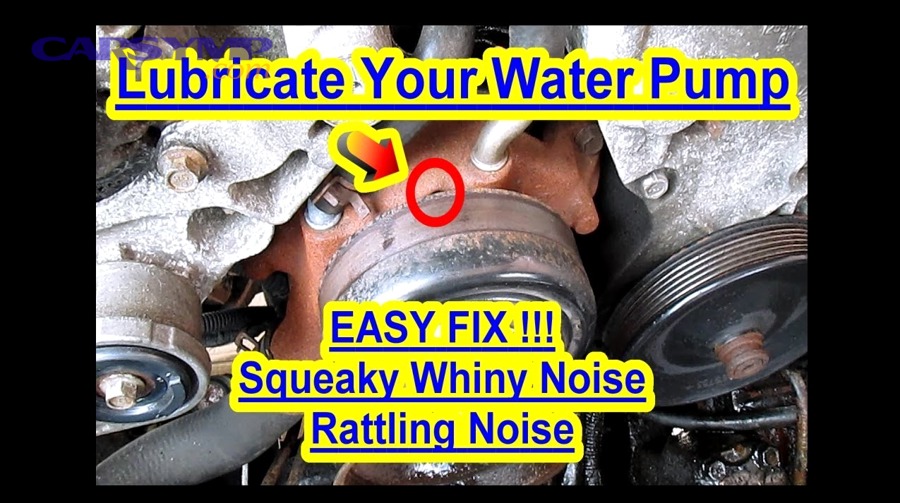
Which Symptoms Often Appear With Bearing Noise?
The most common symptom group includes front-engine noise, visible coolant traces, pulley play, and rising engine temperature. These symptoms matter because they connect the noise to a mechanical failure rather than to a harmless sound.
A worn water pump bearing may let the pulley wobble as it rotates. When that happens, the belt no longer tracks perfectly, which can add chirping or squealing to the original bearing sound. If the shaft movement becomes large enough, the pump seal may stop holding coolant properly. That is often when drivers first notice dried coolant crust, dampness under the pump, or a small drip after the engine cools.
Overheating can follow because the pump may no longer circulate coolant efficiently. Some pumps fail gradually, so the temperature gauge may climb only in traffic or at idle at first. Later, the engine can run hot more often and with less warning.
This is where water pump failure symptoms become more useful than any single clue. Noise tells you something is wrong. The symptom cluster tells you where to look.
According to Highline Warren, a worn water pump bearing usually shows up as pump noise and may allow the pump pulley to wobble as it rotates.
Can Water Pump Bearing Failure Cause Overheating or Coolant Loss?
Yes, water pump bearing failure can cause overheating and coolant loss because bearing wear can damage pump alignment, strain the seal, and reduce reliable coolant circulation.
More importantly, the bearing and seal are closely linked in real failure patterns. As the shaft begins to run rough or off-center, the sealing surface can lose integrity. That is why leak and noise so often appear together. In some cases the leak comes first. In others the bearing noise starts first. Either way, the two problems often point to the same assembly.
Coolant loss matters for two reasons. First, low coolant reduces the system’s ability to carry heat away from the engine. Second, a pump that is both noisy and leaking is no longer a minor annoyance. It is a cooling-system fault that can leave the engine overheating in traffic or under load.
This is also the right place for a practical warning: Can you drive with a failing water pump? Technically, sometimes the vehicle will still move. Practically, continuing to drive is risky because the pump can worsen quickly, the coolant can drop without much notice, and overheating can damage the engine. A short trip to a nearby repair shop is very different from regular commuting or highway driving.
According to AutoZone, leaking coolant or residue from the front of the engine and overheating are key signs of a bad water pump, while YourMechanic notes that significant leakage from the pump’s weep hole means replacement is necessary. (autozone.com)
How Can You Tell Water Pump Bearing Noise From Other Engine Noises?
Water pump bearing noise differs from other engine noises by its location, RPM behavior, and companion symptoms, while belt, alternator, tensioner, and idler noises usually show different patterns and side effects.
Let’s explore that comparison carefully because misdiagnosis is common. Many rotating parts live on the front of the engine, and several of them can produce a whine or grind. Good diagnosis depends on pattern recognition, not guesswork.
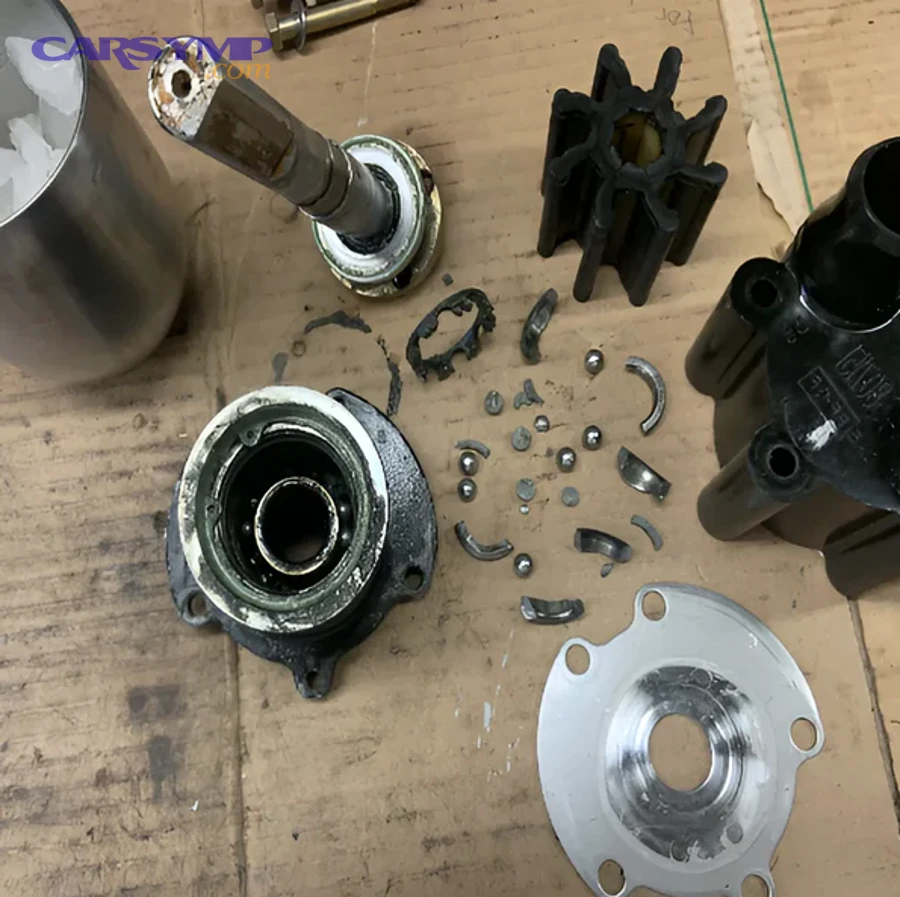
How Is Water Pump Bearing Noise Different From Belt or Tensioner Noise?
Water pump bearing noise is usually more mechanical and localized, while belt or tensioner noise is often sharper, more rubber-like, and more sensitive to belt condition, moisture, and load changes.
For example, a loose or glazed belt often squeals most on startup, during acceleration, or when accessories increase drag. A tensioner problem can create chirping or fluttering sounds that change as the belt vibrates. Those noises may come and go with humidity, temperature, or belt dressing history.
A bad water pump bearing is different because it usually stays tied to shaft rotation itself. The sound often becomes more consistent as the pump spins, and it is more likely to come with wobble, coolant residue, or overheating. If you hear a high-pitched squeal only for a moment after startup, look at the belt system first. If you hear a persistent grind or rising whine from the pump area, suspect the bearing more strongly.
This distinction is valuable in coolant leak at weep hole diagnosis. A wet weep hole plus a rough mechanical noise points much more strongly toward pump failure than a squeal alone ever could.
According to NAPA, a loose accessory belt can cause a whining noise that increases with acceleration, whereas a grinding or growling noise from the front of the engine points toward a bad bearing. (knowhow.napaonline.com)
How Is Water Pump Bearing Noise Different From Alternator or Idler Pulley Noise?
Water pump bearing noise often overlaps with alternator or idler pulley noise in sound, but it differs because water pump trouble is more likely to affect cooling performance and show coolant-related evidence.
However, this comparison still requires care. Alternator bearings can also whine or grind. Idler pulleys can rumble or chirp. The best distinction comes from the full symptom picture. A failing alternator is more likely to add charging issues, warning lights, dim electronics, or battery-related problems. An idler pulley may produce noise without any leak or temperature change at all.
A failing water pump, by contrast, lives in both the belt drive and the cooling system. That dual role is why it creates a more complete pattern: sound plus leak, sound plus overheating, or sound plus visible pulley play.
In shop practice, mechanics often use a stethoscope or other listening method to narrow down the source, but car owners can still make a smarter first judgment by checking whether the car is also running hot or losing coolant. That simple comparison often narrows the diagnosis faster than the sound itself.
According to CarParts, faulty bearings near the front of the engine can create grinding or squealing, and the same source explains that static overload, corrosion, and misalignment can accelerate bearing wear. CarParts also notes that alternator bearing failures can cause grinding noise, showing why comparison matters. (carparts.com)
| Possible Source | Typical Sound | Common Clues | What Makes It Different |
|---|---|---|---|
| Water pump bearings | Whining, grinding, growling | Coolant leak, overheating, pulley wobble | Affects both belt drive and cooling system |
| Serpentine belt | Squeal, chirp | Startup noise, wet-weather changes, belt wear | Usually no coolant loss |
| Tensioner or idler pulley | Chirp, rumble, grind | Belt tracking issues, localized pulley noise | Usually no overheating |
| Alternator bearings | Whine, rumble, grind | Charging issues, warning lights, weak electrical system | Electrical symptoms are more likely |
The table above compares the most common front-engine noise sources so readers can see why a water pump diagnosis depends on the full symptom pattern rather than on one sound alone.
How Do You Diagnose Water Pump Bearing Problems Safely and Accurately?
Diagnosing water pump bearing problems safely requires a step-by-step check of noise source, pulley movement, leak evidence, and temperature behavior so you can identify the pump without risking injury or guessing.
To better understand the method, keep one principle in mind: do not reach into a moving belt drive. Most useful checks happen with the engine off first, followed by careful listening and observation from a safe distance.
What Should You Inspect First Around the Water Pump Area?
Start with four checks: leak evidence, pulley alignment, belt condition, and temperature behavior. Those four checks create the fastest safe screening process for car owners.
First, inspect the pump area with the engine off and cool. Look for dried coolant residue, fresh dampness, or staining around the pump body and below the shaft area. This is where coolant leak at weep hole diagnosis becomes especially useful. Many pumps have a weep hole near the bearing and seal area. If coolant is escaping there, the pump is warning you that the internal seal has failed or is failing.
Second, look at the pulley and belt path. A pulley that appears crooked or a belt that tracks oddly can indicate shaft play. Third, note whether the sound changes with RPM during operation. A true bearing noise usually scales with speed. Fourth, connect the sound to the temperature gauge. If the noise and temperature problem appear together, the water pump moves higher on the suspect list.
If the design allows it and you know safe procedure, a mechanic can sometimes confirm roughness by manually checking shaft smoothness with the belt removed. For most owners, though, the correct move is visual inspection followed by professional confirmation if the symptom pattern fits.
According to YourMechanic, many water pumps have weep holes near the pump bearing, and significant leakage from that area indicates the pump should be replaced. The same source notes that a noisy pump or one that does not turn smoothly reflects excessive bearing wear. (yourmechanic.com)
When Does the Noise Mean the Water Pump Should Be Replaced?
The noise means the water pump should be replaced when it is persistent, mechanical, and paired with wobble, leakage, overheating, or obvious bearing roughness.
More specifically, replacement becomes the smart decision when the sound is not occasional belt squeal but a repeated or worsening bearing noise. A pump that grinds, leaks at the weep hole, or allows pulley movement is not a good candidate for delay. The bearing is a sealed, wear component inside the assembly, so replacement of the complete pump is the normal repair rather than rebuilding the bearing in place.
This is also where the question can you drive with a failing water pump needs a direct answer. You may be able to drive briefly, but you should not assume it is safe for routine use. A failing pump can suddenly leak more, seize, throw the belt off line, or let the engine overheat. The financial difference between a water pump repair and an overheated engine can be enormous.
A practical rule for drivers is simple:
- Mild startup squeal only: inspect the belt system first
- Persistent whine from the pump area: schedule diagnosis soon
- Grinding, wobble, visible leak, or overheating: treat as urgent
According to AutoZone, a bad water pump commonly shows itself through leak residue, overheating, and whining or squealing noises, while NAPA recommends prompt inspection when a front-engine bearing noise develops. (autozone.com)
What Less Common Details Can Help Confirm Water Pump Bearing Noise?
Less common details that help confirm water pump bearing noise include temperature-related sound changes, leak-free failure patterns, cavitation differences, and timing-belt-driven pump layouts that change how the diagnosis is approached.
In addition, these details matter because they answer the edge-case questions many drivers ask after the obvious symptoms have already been covered. They also help broaden the diagnosis without drifting away from the main search intent.
Does Water Pump Bearing Noise Change Between Cold Starts and a Warm Engine?
Yes, water pump bearing noise can change between cold starts and a warm engine because temperature affects lubricant behavior, metal expansion, and belt-system load characteristics.
For example, a cold bearing may sound rougher at startup before lubrication distributes and materials expand. In other cases the opposite happens: heat thins the remaining lubricant and makes a worn bearing louder after several minutes of operation. That variation is why “only when cold” does not automatically rule the water pump in or out.
The best use of this clue is comparative. If the sound appears only during the first few seconds on a damp morning, belt slip remains a strong possibility. If the sound persists and grows with RPM regardless of warm-up, bearing wear becomes more likely.
Can a Water Pump Make Noise Without a Coolant Leak?
Yes, a water pump can make noise without a coolant leak because the bearing may wear before the seal begins to leak externally.
This matters because many drivers wait for a puddle before taking pump noise seriously. In reality, the bearing and seal do not always fail at the same pace. A noisy bearing can appear first, then a leak develops later as shaft movement increases. The absence of visible coolant does not clear the pump.
That said, once a leak does appear, it strengthens the diagnosis significantly. A noisy pump plus leak is a much more decisive pattern than noise alone. That is why mechanics often consider the combination of noise, wobble, and coolant marks to be far more meaningful than any one symptom by itself.
According to Highline Warren, pump noise may appear as a worn bearing allows pulley wobble, while YourMechanic states that significant weep-hole leakage means the pump needs replacement. Together, those sources show that noise and leakage are related but do not always arrive on the same day.
What Is the Difference Between Bearing Noise and Water Pump Cavitation Noise?
Bearing noise usually sounds mechanical and rough, while cavitation noise tends to sound more like fluid disturbance, aeration, or an unusual rushing or rattling related to coolant flow conditions.
However, cavitation is less common in everyday owner complaints than bearing wear. Most people who search for grinding or whining are really dealing with bearings, pulleys, or belts. Cavitation is worth mentioning because it broadens the diagnosis, but it should not distract from the more common failure pattern of worn bearings plus seal stress.
The practical difference is this: bearing noise is linked to shaft support failure, while cavitation is linked to coolant flow behavior. Bearing problems are more likely to add pulley play and weep-hole leakage. Cavitation concerns are more tied to fluid conditions, cooling-system design, or operating circumstances.
Does a Timing-Belt-Driven Water Pump Change the Diagnosis Process?
Yes, a timing-belt-driven water pump changes the diagnosis process because access is harder, the risk of collateral work is higher, and pump replacement is often paired with timing-belt service.
More importantly, this setup raises the stakes. A noisy externally driven pump may be easier to inspect visually. A timing-belt-driven pump can hide behind covers and may demand more labor to confirm and replace. That does not change the symptom logic, but it changes repair planning.
For owners, the message is straightforward: if your engine uses a timing-belt-driven water pump and the symptoms point toward bearing failure, delaying repair can be more expensive later. Shops often recommend replacing the pump during timing-belt service for exactly this reason.
This brings the article back to prevention. Preventing water pump failure is not always possible because bearings wear over time, but good cooling-system maintenance, correct belt tension, timely belt service, and fast response to early noise all reduce the odds of a severe breakdown. Ignoring the first whine is often what turns a manageable repair into an overheating event.
In short, the best diagnosis comes from combining sound, location, companion symptoms, and safe inspection. If the engine has a persistent grind or whine from the pump area, especially with wobble, overheating, or coolant residue, the water pump should move to the top of your suspect list. (autozone.com)