


Replacing a timing belt/chain-driven water pump is usually smartest when service access is already open, failure symptoms appear, or the engine design makes a delayed repair far more expensive than a preventive one. That is the core decision behind this topic: car owners are not simply replacing a pump, but managing risk across an entire timing system.
The next layer of search intent is about related components. In many engines, the water pump sits behind the same covers, near the same pulleys, or inside the same timing case as the belt, chain, tensioner, guides, seals, and coolant passages. That means one repair choice often affects labor cost, reliability, and comeback risk across multiple parts.
A second practical concern is system design. Timing belt-driven pumps and timing chain-driven pumps do not create the same service experience. Belt-driven setups are usually more predictable to bundle into scheduled maintenance, while chain-driven or internal pumps can raise the stakes because access is harder, labor is higher, and failure can create broader contamination or cooling problems. (navigates.gates.com)
Introduce a new idea: the best replacement decision comes from understanding what the pump does, when symptoms matter, which companion parts belong in the job, and how engine layout changes urgency. The main content below follows that path directly so car owners can move from uncertainty to a confident repair plan.
What is a timing belt/chain-driven water pump?
A timing belt/chain-driven water pump is an engine coolant pump integrated with the timing system, and its standout feature is that servicing it usually overlaps with major timing-component disassembly.
To better understand the issue, the key distinction is not the pump’s cooling function alone, but where it sits and what must come apart to reach it. A conventional externally mounted pump may be driven by the serpentine belt and changed with relatively modest labor. A timing belt-driven pump often sits behind covers and is tied directly to belt service. A timing chain-driven pump can be even more involved, especially when it is mounted inside the timing cover area.
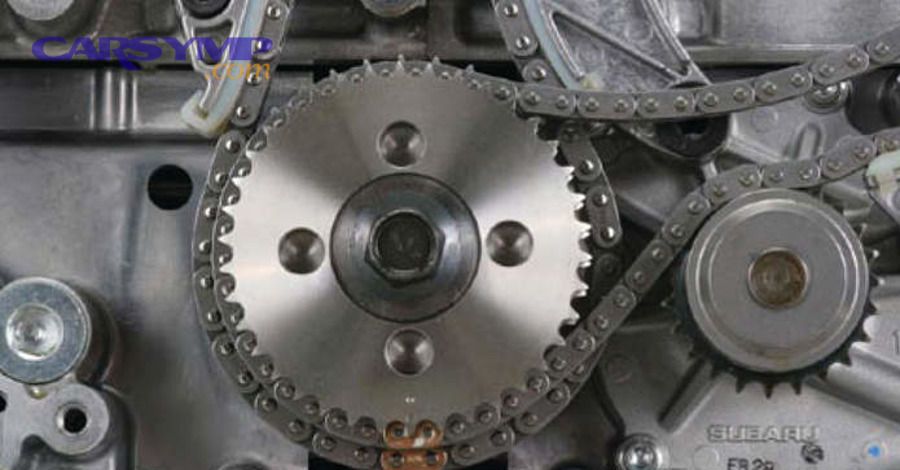
Is a timing belt/chain-driven water pump different from a standard water pump?
Yes, a timing belt/chain-driven water pump is different from a standard accessory-driven pump because it shares service space with timing components, requires deeper teardown, and raises the cost of doing the same labor twice.
Specifically, that difference matters because repair planning changes completely. When a pump sits in the timing path, the mechanic may already be removing covers, tensioners, pulleys, guides, or chain hardware just to access it. That is why the question is rarely “Can I replace only the pump?” and more often “Should I replace the related timing parts while I’m already in there?”
For the car owner, this has a clear benefit: bundling the job reduces duplicate labor and lowers the chance of paying again soon for another nearby failure. It also reduces the chance of reopening the engine front for a second repair that could have been addressed in one service visit.
How does a timing belt-driven water pump work inside the timing system?
A timing belt-driven water pump uses the timing belt’s rotational movement to circulate coolant, which makes the pump part of the engine’s synchronized front-end service package.
More specifically, the belt transfers motion to the pump pulley while also maintaining valve timing. That shared drive path is why pump replacement and timing belt service are so closely linked. If the pump bearing starts to drag, the seal leaks, or the pulley develops play, the timing belt environment is no longer as stable as it should be. Even when the belt itself is still serviceable, the pump can still justify replacement because it sits inside the same labor zone.
This is also why the phrase water pump replacement means more than swapping one part on these engines. It often includes belt removal, timing alignment, coolant drainage, gasket cleaning, refill, bleeding, and verification of the whole timing path.
How does a timing chain-driven water pump differ from a timing belt-driven setup?
A timing chain-driven setup wins in long nominal service life, a timing belt-driven setup is best for scheduled replacement planning, and an internal chain-driven pump is often the most labor-intensive to service.
However, design differences matter more than labels alone. A belt-driven pump usually fits into a predictable maintenance interval because timing belts are scheduled wear items. By contrast, timing chains are often treated as longer-life components, so the water pump decision is less about a routine interval and more about symptoms, access, or known application risks. Some chain-driven pumps are external enough to manage conventionally, while others are buried inside the timing cover and can turn a coolant leak into a very expensive repair.
According to Gates’ timing component literature, timing belt-driven water pumps should be replaced when the timing belt is replaced, because those parts share access and system risk. (navigates.gates.com)
When should car owners replace a timing belt/chain-driven water pump?
Car owners should replace a timing belt/chain-driven water pump when the scheduled timing service arrives, when the pump leaks or makes noise, or when labor overlap makes preventive replacement the smarter financial choice.
Let’s explore the issue from the owner’s perspective. The right time is not based on one universal mileage number for every engine. It depends on the vehicle’s maintenance interval, the pump’s location, the presence of cooling or bearing symptoms, and whether the front of the engine is already being opened for related work.
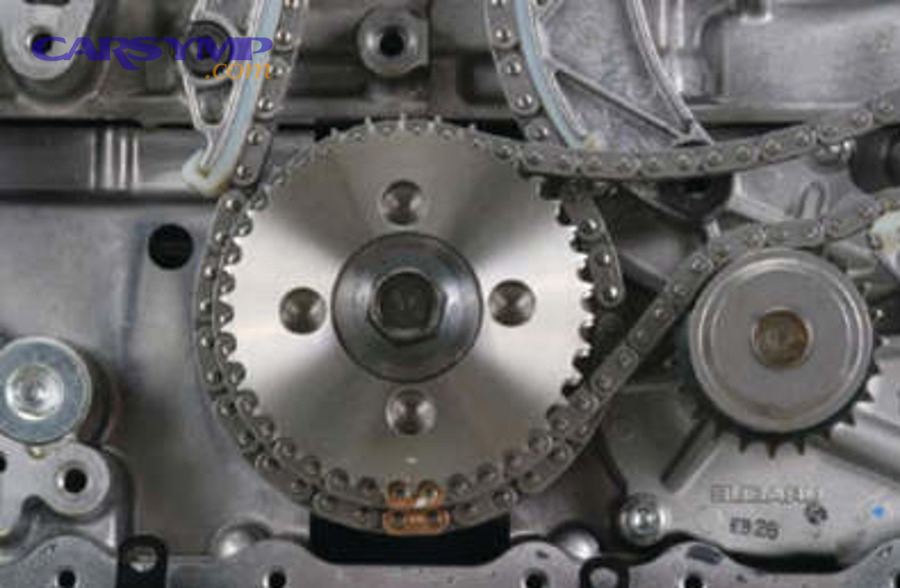
Should the water pump be replaced when the timing belt is replaced?
Yes, the water pump should usually be replaced with the timing belt because the parts share labor access, the pump can fail before the next belt interval, and repeating the teardown later wastes money.
Moreover, this is one of the clearest yes-or-no decisions in engine maintenance. If the timing belt must come off to reach the pump, replacing both parts together is usually the most rational choice. Even if the old pump is not actively leaking, the cost of a second disassembly later can outweigh the savings from postponing the pump.
The most important reason is labor efficiency. A large share of the bill on this job comes from access, not from the pump alone. When the same covers, pulleys, and alignment procedures are already involved, combining the work usually provides the best value. This logic also helps reduce the chance that an older pump will fail and damage a relatively new belt service.
That is also where Water pump replacement labor time becomes central. On some vehicles, a simple external pump can be changed quickly, but a timing-belt-driven pump can take far longer because the work includes timing alignment and reassembly. CarParts notes that some accessible pumps can be changed in less than an hour, while timing-belt- and timing-chain-driven designs can be significantly more expensive because of access complexity.
What signs show that a timing belt/chain-driven water pump needs replacement?
There are five main signs that a timing belt/chain-driven water pump needs replacement: coolant leakage, bearing noise, overheating, shaft play, and evidence of poor coolant circulation.
For example, the most obvious symptom is visible coolant loss. That may appear at the weep hole, gasket surface, or timing-cover area, depending on the design. The second major sign is noise: grinding, rumbling, or a persistent whine can point to bearing wear. The third is overheating, especially if coolant level is correct but circulation is weak. The fourth is pulley or shaft wobble where accessible. The fifth is repeated cooling issues after other common causes have been ruled out.
Symptoms should also be interpreted in context. A small stain is not always an emergency, but repeated seepage, fresh coolant tracks, or active drips deserve attention. On some chain-driven applications, technical guidance notes that light seepage at the drain hole may not automatically mean replacement; pressure testing comes first. (tomorrowstechnician.com)
When is preventive replacement smarter than waiting for failure?
Preventive replacement is smarter when access is already open, the vehicle is near its service interval, or the consequence of pump failure could multiply costs beyond the price of doing the job once.
In addition, preventive service protects owners from the most frustrating version of this repair: paying full labor twice. Waiting can make sense on a truly external, easy-access pump with no symptoms and low labor time. But on a timing-driven design, delay often creates poor economics. The pump may fail before the next belt or chain service, forcing nearly the same teardown again.
Preventive logic also applies to coolant condition and parts quality. A fresh pump installed into a contaminated system or paired with worn timing hardware does not get the clean operating environment it deserves. That is why a careful shop often combines the repair with a Cooling system flush after pump replacement, fresh coolant, and inspection of adjacent wear items.
According to Prestone’s coolant-flush guidance, flushing removes old contamination before refilling with fresh coolant, helping restore cooling-system protection after service.
Which related components should be replaced with the water pump?
There are two main replacement groups for a timing-driven water pump: timing-system parts and cooling-system support parts, classified by whether they share access or directly affect pump reliability.
To better understand this, think in terms of labor overlap and system balance. Parts that live in the same labor zone should be evaluated together, and parts that influence coolant flow or timing stability should be considered together.
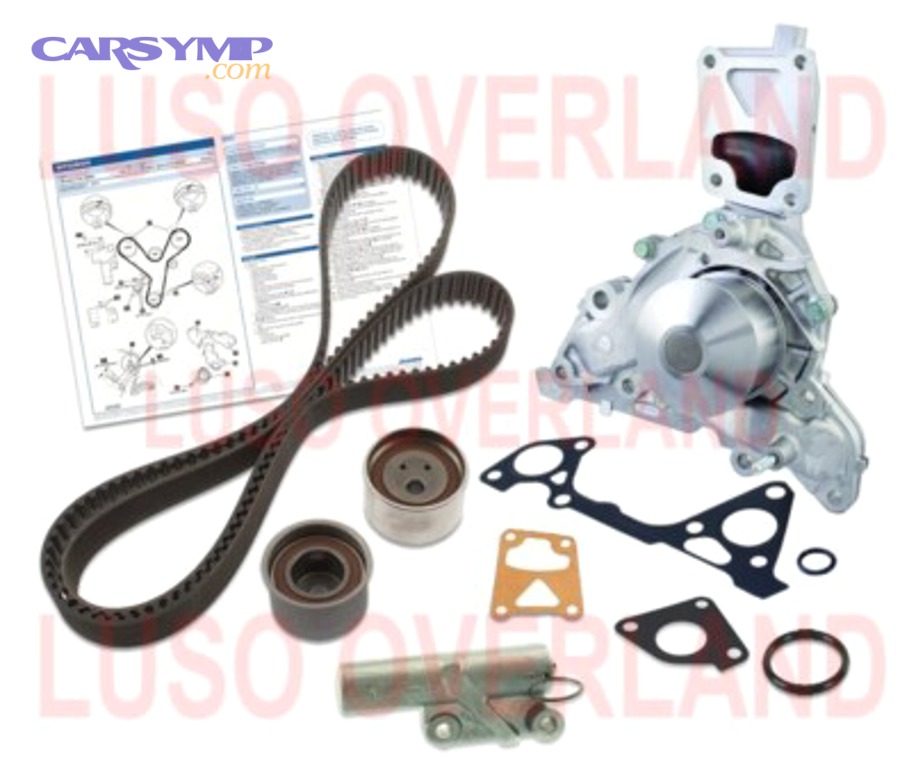
Before the list below, it helps to frame what this grouping contains. The table summarizes the companion parts most often considered during a timing-driven water pump replacement job.
| Service group | Common parts | Why they are grouped |
|---|---|---|
| Timing-belt service group | timing belt, tensioner, idlers, seals | Shared access and synchronized wear |
| Timing-chain service group | chain, guides, tensioners, sprockets, seals | Shared access and chain-system stability |
| Cooling support group | coolant, thermostat, hoses as needed | Restores flow, temperature control, and contamination protection |
What parts are commonly replaced with a timing belt-driven water pump?
There are five common parts replaced with a timing belt-driven water pump: the timing belt, tensioner, idler pulleys, front seals as needed, and coolant.
Specifically, the timing belt is the first companion part because it is already removed during access and has a defined service life. The tensioner and idlers come next because worn bearings or weak tension can shorten belt life and create noise or tracking problems. Front cam or crank seals may be changed if leakage is found while the area is exposed. Fresh coolant is essential because draining and refilling are built into the job.
In many vehicles, the thermostat also enters the discussion. It is not always in the same labor zone, but it affects cooling-system control and is inexpensive compared with a repeat overheating diagnosis later. The right call depends on vehicle history, coolant condition, and whether the thermostat is known to age poorly on that engine.
What parts are commonly replaced with a timing chain-driven water pump?
There are five common parts replaced with a timing chain-driven water pump: the timing chain, guides, tensioners, related sprockets when worn, and coolant, based on access and system wear.
Meanwhile, chain-driven jobs demand more judgment because “replace everything” is not automatically required on every engine. Still, once the timing cover is off, shops often inspect guide wear, tensioner condition, seal integrity, and chain slack. If those parts are near the end of their useful life, replacing only the pump can be short-sighted.
This is where kit strategy becomes important. Some chain-driven applications are commonly serviced with a matched timing set and pump package because the parts work together and because reopening the engine front is expensive. Cloyes states that timing chains and timing chain components should be replaced at the same time as the water pump to reduce comebacks and preserve long-term system performance. (cloyes.com)
Is it worth replacing tensioners, guides, and seals at the same time?
Yes, it is often worth replacing tensioners, guides, and seals at the same time because they share access, their wear affects the same system, and old sealing surfaces can undermine a new repair.
More importantly, these parts age differently but fail in related ways. A tensioner can weaken, a guide can wear, and a seal can begin leaking after the rest of the job is complete. When the engine front is already apart, the incremental parts cost may be far lower than the cost of returning later for another labor-heavy repair.
The same logic supports a clean refill strategy. Old coolant, mixed coolant types, or contaminated passages can shorten pump life. A proper Cooling system flush after pump replacement helps remove debris and chemical residue that could otherwise compromise the new components.
How do timing belt-driven and timing chain-driven water pump replacement considerations compare?
Timing belt-driven pumps are usually easier to plan, timing chain-driven pumps are often costlier to access, and internal chain-driven pumps can carry the highest failure consequences when coolant or oil contamination enters the picture.
However, the comparison becomes clearer when you examine service timing, labor, and failure outcome side by side. Timing belts are wear items with defined service intervals, so water-pump planning fits into scheduled maintenance. Timing chains often last longer, so pump replacement tends to happen when symptoms appear or when a larger front-cover repair already justifies access.
Which setup is usually cheaper and easier to service: timing belt-driven or timing chain-driven?
A timing belt-driven setup is usually cheaper and easier to service, while a timing chain-driven setup is typically more labor-intensive and more expensive when the pump is buried behind the timing cover.
For example, timing belt jobs are still involved, but they are commonly anticipated and packaged as scheduled service. On many engines, the labor is substantial yet familiar. By contrast, a chain-driven pump may require more disassembly, more sealing work, and tighter packaging around the front cover area. If the engine is transverse-mounted, access can become even harder.
This difference explains why Water pump replacement labor time varies so widely. A simple external design may be quick, but a chain-driven internal design can move from a modest cooling repair into a major front-engine operation. CarParts notes that timing-chain-driven pumps can make for a very expensive repair because of how difficult they are to access.
Which setup carries greater risk if the water pump fails?
An internal timing chain-driven setup usually carries greater risk because failure can be harder to catch early, labor is higher, and some designs raise the possibility of coolant contamination beyond a simple external leak.
On the other hand, a belt-driven pump can still cause overheating and roadside failure, so “less risky” does not mean “harmless.” The distinction is that many belt-driven failures stay more visibly external, while some internal chain-driven failures can progress inside the timing-cover environment before the owner fully realizes what is happening.
That is why diagnosis matters. Coolant loss, unusual oil condition, or unexplained overheating on a known internal-pump application should be handled quickly. Technical and aftermarket service sources consistently describe chain-driven water pump kits and inspections as part of broader timing-system reliability strategy, not just pump-only replacement. (cloyes.com)
How should car owners decide whether to replace now or delay service?
Car owners should decide based on five factors: service interval, symptoms, labor overlap, vehicle ownership horizon, and engine-specific failure risk.
To better understand the decision, the smartest approach is not emotional and not purely price-driven. It is a risk-and-value calculation. A cheap delay can become an expensive repeat repair if the pump shares labor with the timing system and the vehicle is already near major service mileage.
Should you replace the water pump if there are no symptoms yet?
Yes, you should often replace the water pump without symptoms when the timing service is due, the engine front is already open, and the cost of future duplicate labor would outweigh the extra parts cost now.
Besides, symptom-free does not mean failure-proof. Bearings wear internally, seals age, and coolant chemistry changes over time. If the pump is buried behind the same components being removed for the belt or chain service, the preventive case becomes strong.
This is especially true for owners who plan to keep the vehicle. A proactive repair improves the odds that the next several years of operation will not be interrupted by a pump failure that requires reopening the exact same area.
What factors matter most when deciding to replace or delay?
There are five key decision factors: mileage or service history, visible leakage, noise or wobble, labor overlap, and how long you plan to keep the vehicle.
More specifically, mileage and records come first because many owners buy used cars with incomplete maintenance history. Leakage and noise come next because active symptoms move the repair from optional to practical. Labor overlap matters because it changes the economics of waiting. Ownership horizon matters because the longer you intend to keep the car, the more benefit you gain from avoiding a second teardown.
Part choice also belongs in this decision. The question of OEM vs aftermarket water pump quality should not be framed as a simple good-versus-bad debate. OEM parts provide factory-spec assurance and fit confidence, while quality aftermarket pumps from reputable manufacturers can also be excellent when they meet OE standards. Dayco advises choosing an aftermarket pump from a company with OE experience and looking for OE-specified design quality. Gates likewise states its pumps use premium alloy materials and are functionally tested for seals, bearings, and leakage. (dayco.com)
What additional risks and edge-case scenarios should car owners know about?
There are four additional edge-case scenarios car owners should know about: internal coolant contamination risk, interference-engine timing consequences, used-car service history gaps, and kit-versus-single-part strategy on chain-driven applications.
Moreover, these scenarios sit beyond the main search intent but deepen the decision. They matter most when the engine design is unusual, the vehicle is already high-mileage, or the buyer is evaluating a used vehicle with incomplete repair records.

Can an internal timing chain-driven water pump leak coolant into the engine?
Yes, some internal timing chain-driven water pumps can leak coolant into engine areas where contamination becomes a much bigger problem than an external drip, especially on designs where the pump sits behind the timing cover.
Specifically, this is the nightmare scenario that makes engine-specific knowledge valuable. Not every chain-driven pump behaves this way, but some internal layouts create a path where failure does more than leave coolant on the ground. That possibility increases urgency because the owner may be facing more than a routine cooling repair.
This is why early diagnosis matters. If coolant disappears without a clear external puddle, or oil condition changes unexpectedly on a known internal-pump application, inspection should happen quickly. The goal is to avoid turning a pump repair into a larger engine problem.
How does an interference engine change water pump replacement urgency?
An interference engine raises replacement urgency because any timing-system disruption carries higher stakes, and that makes nearby wear parts less suitable for a gamble.
In addition, the water pump itself may not directly control piston-to-valve clearance, but it can still affect the environment around the timing components. On belt-driven systems, a seized or unstable pump can stress belt operation. On chain-driven systems, deeper front-engine failures increase the cost of neglect. The result is the same: owners should be more conservative, not less, when the engine design is intolerant of timing errors.
This is one reason shops often recommend complete kit service instead of piecemeal repairs. The closer the pump is to critical timing work, the stronger the argument for replacing wear-related neighbors during the same visit.
What should used-car buyers check about timing belt/chain-driven water pump service history?
Used-car buyers should check four things: documented timing service, coolant condition, active leaks or noise, and whether the engine uses an internal pump design.
For example, a seller may say the “belt was changed,” but the better question is whether the water pump, tensioner, idlers, and coolant were also replaced. If the answer is vague, the buyer should budget for the full service. Cooling stains, unexplained coolant top-offs, or a noisy front-engine area also matter.
This is where ownership math becomes practical. A car that seems cheaper upfront may not be cheaper once a full timing-and-pump job is added immediately after purchase. Asking about Water pump replacement labor time on that specific engine is often more valuable than debating parts price alone.
Are chain-driven water pump kits better than replacing only the failed part?
Yes, chain-driven water pump kits are often better when adjacent timing components show wear, access is labor-heavy, and long-term reliability matters more than the lowest immediate invoice.
Thus, the kit approach makes sense when the engine front is already open and inspection reveals chain, guide, or tensioner wear. Replacing only the failed pump can still be appropriate on a lower-mileage engine with excellent supporting hardware, but that is a narrower case than many owners assume.
A matched kit also helps align the repair philosophy. Instead of mixing one new pump with aging timing hardware, the service restores more of the system together. Cloyes positions chain-driven pump kits around exactly this logic: reducing comebacks and supporting long-term timing-system performance. (cloyes.com)
In short, timing belt/chain-driven water pump decisions work best when owners view the pump as part of a system, not as an isolated part. Replace it when interval, symptoms, or labor overlap justify action; evaluate related components in the same service window; use a quality part whether OEM or OE-grade aftermarket; and finish the job with correct coolant service, including a Cooling system flush after pump replacement when contamination or age makes it necessary. That approach protects reliability, controls repeat labor, and turns a complicated repair into a strategic one.