


If you want the shortest accurate answer first, check tire pressure, tire wear, steering wheel position, pull during a straight-road test, and any obvious wheel or suspension damage before a wheel alignment appointment. Those checks help you confirm symptoms, avoid wasting time on the wrong repair, and give the shop better information to diagnose the car correctly. firestonecompleteautocare.com
Those basic checks matter because many alignment complaints start with the same visible patterns: uneven tread wear, an off-center steering wheel, drifting to one side, or a problem that began after a pothole or curb strike. A driver who notices those clues early usually arrives at the shop with a clearer story and a better chance of getting the right fix on the first visit. firestonecompleteautocare.com
The second layer is just as important: some conditions can distort or limit a wheel alignment result. Low tire pressure, mismatched tires, bent wheels, worn tie rods, loose ball joints, sagging suspension parts, or recent impact damage can all make the vehicle feel “out of alignment” or keep the alignment from holding. moogparts.com
A final point matters for expectations. DIY inspection can help you screen the problem, but it does not replace professional measurement of alignment angles. Below, the article walks from the quick home checks to the component checks, then into what a shop can measure that you cannot, and finally into related topics such as Alignment frequency recommendations and 2-wheel vs 4-wheel alignment differences. youtube.com
What should you check before a wheel alignment appointment?
You should check five things before a wheel alignment appointment: tire pressure, tire wear, steering wheel centering, straight-line tracking, and visible wheel or suspension condition. More importantly, those five checks tell you whether the issue looks like a true wheel alignment problem, a tire problem, or a worn-parts problem. firestonecompleteautocare.com
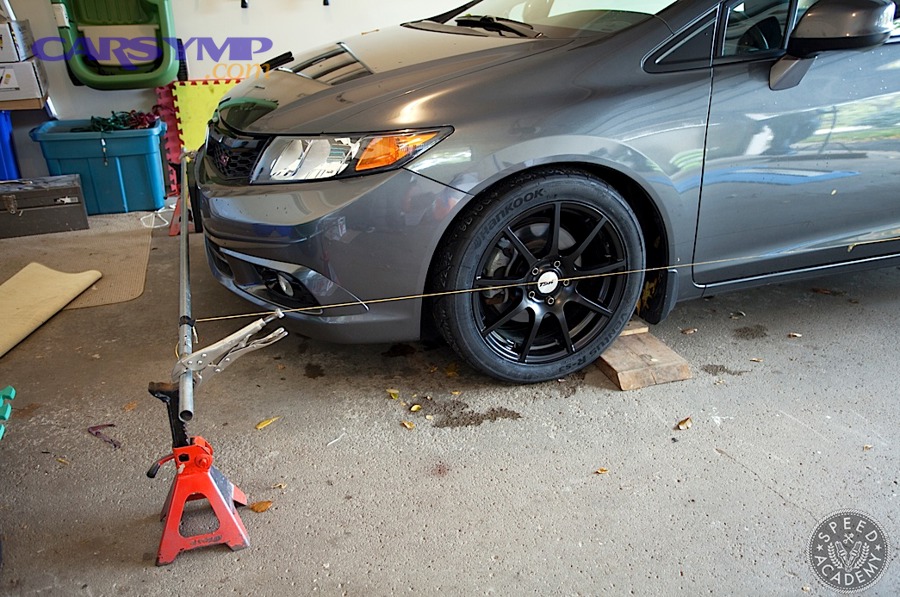
Which basic DIY checks can you do at home before visiting the shop?
Start with tire pressure because it changes how the vehicle sits and how the tires contact the road. Use the pressure on the driver-door placard, not the number molded into the tire sidewall, and compare all four tires when they are cold. NHTSA advises drivers to check inflation regularly and inspect tires for uneven wear, damage, and other visible warning signs as part of routine safety maintenance. nhtsa.gov
Next, look at the tread across the inside edge, center, and outside edge of each tire. You are not trying to diagnose every wear pattern perfectly at home; you are trying to notice whether one tire is wearing faster than its mate, whether one shoulder is scrubbed harder than the other, or whether feathering has appeared. Irregular wear is one of the clearest practical reasons to have wheel alignment checked. bridgestonetire.com
Then, do a careful road test on a flat, low-traffic road. Hold the wheel lightly with attention to safety and notice whether the car tracks straight, whether the steering wheel sits off center when the vehicle is moving straight, and whether the vehicle drifts or pulls consistently. A crooked steering wheel or a pull after a pothole impact is one of the most common prompts for an alignment check. firestonecompleteautocare.com
Also inspect the wheels and tires visually. Look for a bent rim lip, bulges, cuts, embedded debris, or impact marks that appeared after hitting a curb or pothole. Tire makers warn that irregular wear, bumps, bulges, and vibration deserve professional evaluation rather than being ignored until the alignment appointment. bridgestonetire.com
Should you clean out extra load and make sure the car is in normal driving condition?
Yes, you should bring the vehicle to the appointment in normal driving condition because weight, tire size, and temporary-use equipment can affect how the vehicle sits and how symptoms appear. Specifically, remove unusually heavy cargo, make sure you are not carrying tools or materials you do not normally haul, and verify that all four road tires match the vehicle’s intended setup. bridgestonetire.com
That matters because a car packed with abnormal weight may sit lower at one end or one side, and a temporary spare or badly mismatched tire can change handling enough to confuse the picture. Even if the shop can still inspect the vehicle, your home check becomes more useful when the vehicle reflects everyday use rather than a one-off load condition. bridgestonetire.com
According to NHTSA’s tire safety guidance, drivers should inspect tire pressure and visible wear regularly, and those two checks are foundational because inflation and tread condition directly affect vehicle behavior on the road. nhtsa.gov
What are the signs that your car may need a wheel alignment?
Yes, your car may need wheel alignment when it pulls, wears tires unevenly, keeps the steering wheel off center, or no longer tracks straight after impacts or suspension wear. To better understand those signs, separate what you feel while driving from what you see on the tires. firestonecompleteautocare.com
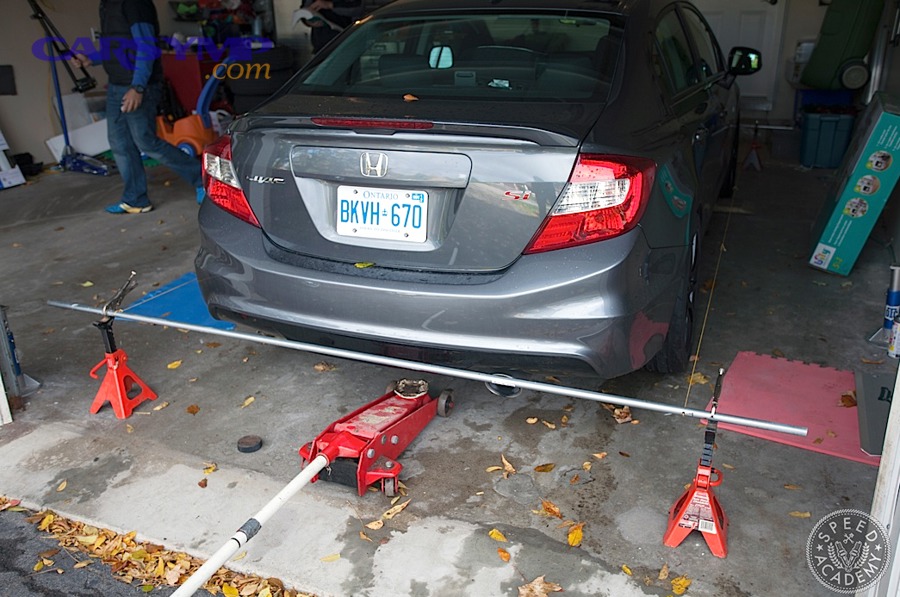
What does uneven tire wear say about possible alignment problems?
Uneven tire wear usually says the tire is not meeting the road evenly, but it does not automatically prove that wheel alignment is the only cause. For example, inside-edge wear, outside-edge wear, or feathering can point toward an alignment issue, while center wear may point more toward inflation and cupping may raise questions about suspension damping or balance. bridgestonetire.com
That is why tread inspection works best as a screening tool. If one front tire is wearing much faster than the other, or if one shoulder is consistently scuffed, the shop should know that before starting the appointment. A technician can then connect the wear pattern with actual measured angles and with the condition of suspension and steering components. bridgestonetire.com
Can a crooked steering wheel or pulling to one side mean you need alignment?
Yes, a crooked steering wheel or a consistent pull can mean you need an alignment, especially when the symptom appears suddenly or after a pothole, curb hit, tire replacement, or suspension work. However, those symptoms can also come from tire problems, brake drag, or worn steering parts, so the symptom points you toward inspection rather than proving the final diagnosis by itself. firestonecompleteautocare.com
A practical way to interpret the symptom is to watch for consistency. If the car drifts on several roads, if the steering wheel sits off center every time you drive straight, and if the problem worsened after impact damage, a wheel alignment check is usually justified. If the pull changes with road crown, tire rotation, or braking, the shop may need to rule out other causes first. firestonecompleteautocare.com
According to Firestone Complete Auto Care’s alignment guidance, a crooked steering wheel and a vehicle that pulls to one side are common reasons drivers seek an alignment check, especially after hitting a pothole. firestonecompleteautocare.com
Which parts and conditions should be inspected before alignment is measured?
The key parts and conditions to inspect before alignment is measured are steering joints, suspension joints, wheel condition, tire match, and ride height because looseness or damage can make the readings misleading or impossible to hold. In addition, a good pre-check helps you avoid paying for adjustment before the underlying fault is repaired. moogparts.com
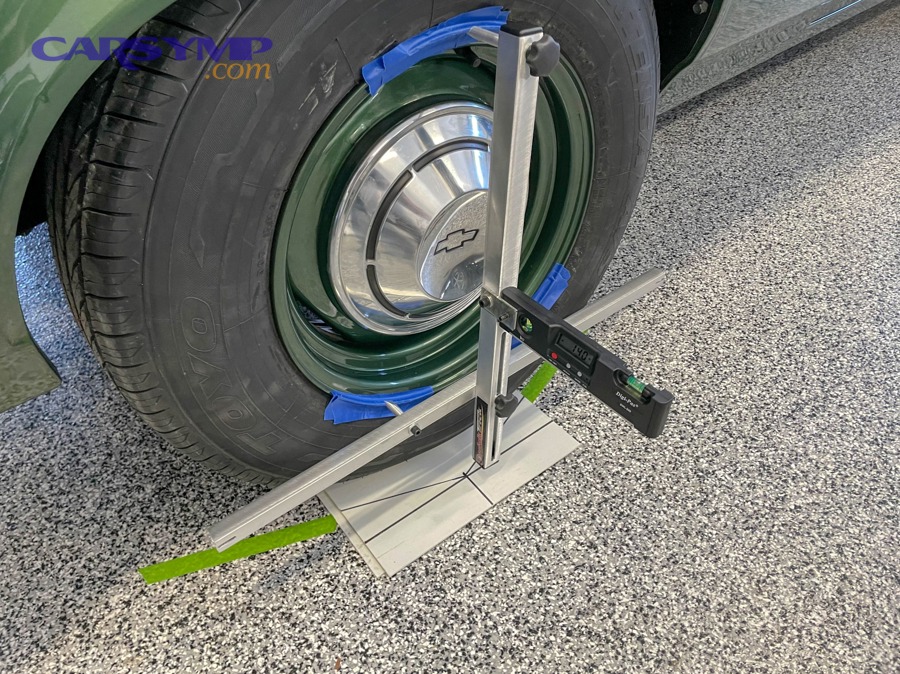
Which suspension or steering issues should be checked first?
Check tie rods, ball joints, bushings, wheel bearings, and obvious strut or shock problems first because they directly affect wheel position and steering stability. When those parts are loose, the alignment may shift under load, which means the vehicle can leave the shop with numbers that look acceptable on paper but do not stay stable in real driving. moogparts.com
Tie rods deserve special attention because they connect steering input to wheel angle. MOOG notes that excessive uneven tire wear can be a sign of a failing tie rod, and the company’s inspection guidance describes hands-on looseness checks to identify worn joints. Ball joints matter for the same reason: once they develop looseness or clunking, they affect control and can compromise alignment consistency. moogparts.com
If you hear clunks over bumps, feel a vague front end, or notice wandering that keeps getting worse, mention that during the appointment. An alignment machine measures angles, but it cannot “repair out” worn parts. Good shops typically inspect the front end first and postpone final adjustment until failed components are replaced. moogparts.com
Do damaged wheels, mismatched tires, or incorrect ride height affect alignment results?
Yes, damaged wheels, mismatched tires, or incorrect ride height can affect alignment results because they change how the vehicle contacts the road and how the chassis settles. More specifically, a bent wheel can introduce vibration or irregular contact, mismatched tires can change handling side to side, and sagging springs or altered ride height can shift the vehicle’s static geometry. static.nhtsa.gov
This point matters for modern cars because many owners schedule wheel alignment after tires, suspension parts, or minor impacts. If the vehicle still has one odd-size tire, one temporary spare, or one visibly bent rim, the technician may still inspect it but may recommend fixing the basic hardware first. The same logic applies after suspension modifications, where ride height changes can alter expected alignment targets and tire wear behavior. bridgestonetire.com
According to Bridgestone’s tire maintenance manual, vehicle alignment should be checked when irregular wear is evident, and the same manual notes special considerations for vehicles using a temporary-use spare. bridgestonetire.com
Can you do a wheel alignment yourself at home?
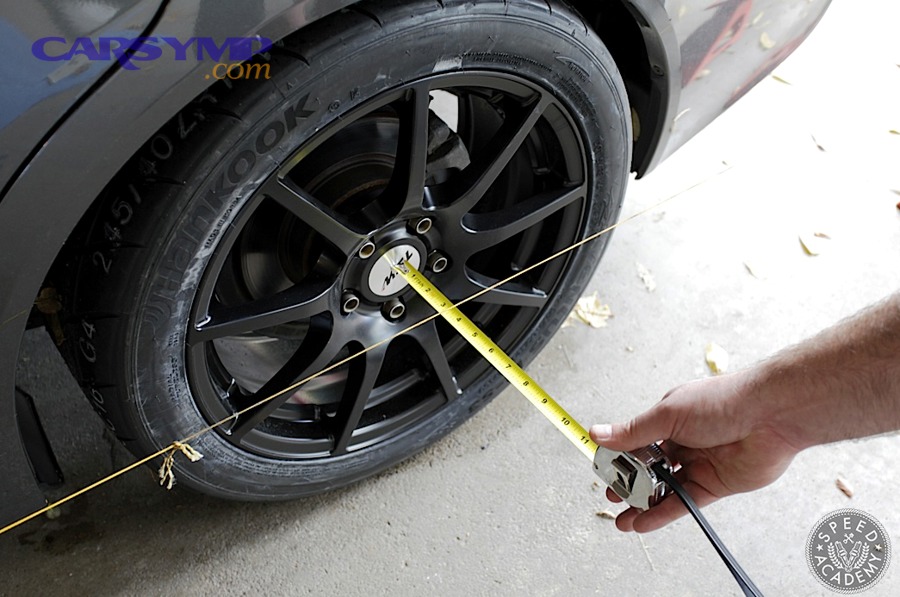
Yes, you can perform a basic home screening for wheel alignment, but no, you cannot replace a professional alignment with simple driveway checks alone because precise adjustment requires measured angles and correct equipment. To better understand that limit, separate symptom detection from angle correction. youtube.com
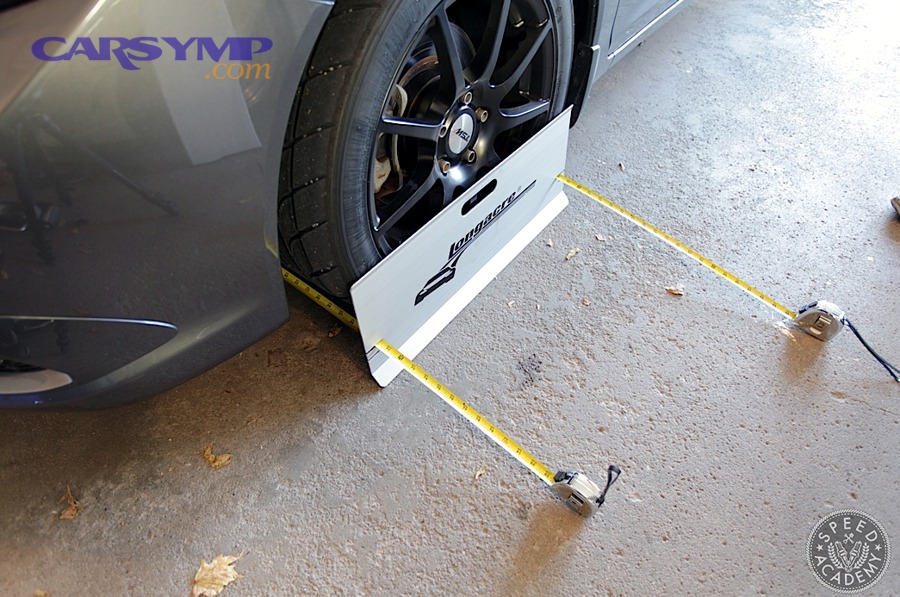
What can a DIY home check confirm, and what can it not confirm?
A DIY home check can confirm that something feels wrong, looks uneven, or changed after an impact, but it cannot confirm exact toe, camber, and caster values to factory or performance specifications. In practice, that means you can notice a pull, see feathered tread, or observe an off-center steering wheel, yet still need the shop to measure how far the angles are actually out. youtube.com
That distinction protects you from two common mistakes. The first is assuming every pull is an alignment problem when tire condition or worn parts may be involved. The second is assuming a car that “drives okay” cannot be out of spec even while it slowly scrubs expensive tires. DIY inspection is valuable because it flags symptoms early; it is limited because it does not provide precision. moogparts.com
How is a DIY pre-check different from a professional wheel alignment?
A DIY pre-check screens for symptoms and obvious faults, while a professional wheel alignment measures and adjusts wheel angles according to vehicle targets and current hardware condition. However, the best appointment outcomes usually happen when both are combined: the driver arrives with clear symptom notes, and the shop verifies the actual geometry with proper equipment. youtube.com
That is also where 2-wheel vs 4-wheel alignment differences become important. On many vehicles, especially those with adjustable rear geometry or four-wheel independent suspension, a 4-wheel alignment provides a full chassis reference rather than adjusting only the front. A 2-wheel alignment may still apply on some vehicles or circumstances, but the shop decides based on design, adjustability, and the condition of both axles. youtube.com
According to the explainer video “Wheel alignment explained & animation: camber, caster toe,” wheel alignment involves measuring and adjusting several suspension angles rather than simply straightening the steering wheel. youtube.com
What is the best pre-alignment checklist for car owners?
The best pre-alignment checklist for car owners has six core items: pressure, tread, steering position, road-test pull, wheel damage, and recent repair or impact history. Next, turn those six items into notes you can hand to the shop in a minute or less. firestonecompleteautocare.com
The checklist below shows what to inspect before the appointment and what each item helps you communicate.
| Check item | What to look for | Why it matters |
|---|---|---|
| Tire pressure | Cold pressures match door placard | Low or uneven pressure can mimic or worsen alignment symptoms |
| Tread wear | Inside/outside edge wear, feathering, one tire worse than partner | Wear patterns help confirm misalignment or related chassis issues |
| Steering wheel | Off center while driving straight | Common symptom of wheel alignment problems |
| Road behavior | Pull, drift, wandering, vibration | Helps separate alignment complaints from tire or part issues |
| Wheels and tires | Bent rim, bulge, cut, puncture, mismatched sizes | Hardware problems can distort results or need repair first |
| Recent events | Pothole hit, curb strike, tire replacement, suspension work | Gives the shop diagnostic context |
What should you inspect in the tires, wheels, and steering before the appointment?
Inspect tread pattern, inflation, wheel condition, and steering-wheel position before the appointment because those items give the clearest first-pass picture of wheel alignment health. Specifically, check for one-sided wear, visible impact damage, and a steering wheel that no longer sits straight when the car tracks forward. firestonecompleteautocare.com
This inspection does not need to be complicated. Walk around the car, compare left to right, and note anything that changed recently. If the front tires look different from each other, if one wheel shows fresh curb rash, or if the steering wheel is off center after new tires were installed, write it down. Those short notes often save diagnostic time. firestonecompleteautocare.com
What should you tell the alignment shop after your DIY checks?
Tell the alignment shop when the symptom started, what the car does on a straight road, whether you hit a pothole or curb, whether tires were recently replaced, and whether you hear clunks or feel looseness from the front end. More importantly, tell them what you observed rather than trying to over-diagnose the car yourself. firestonecompleteautocare.com
A useful script is simple: “The steering wheel sits a little right when the car goes straight, the car started pulling left after a pothole last week, and the inside edge of the right-front tire looks more worn.” That is exactly the kind of context a technician can combine with inspection and alignment readings. firestonecompleteautocare.com
According to NHTSA’s TireWise guidance, monthly tire maintenance inspections should focus on proper inflation, treadwear, and tire damage, which makes those same items a smart foundation for a pre-alignment checklist. nhtsa.gov
Should you repair certain problems before getting a wheel alignment?
Yes, you should repair problems such as loose steering joints, worn suspension parts, severely damaged tires, or bent wheels before getting a wheel alignment because those faults can make the alignment unstable, inaccurate, or short-lived. Besides that, fixing the base problem first protects your new alignment from being wasted. moogparts.com
Which issues should be fixed before alignment, and which can be checked during the visit?
Fix or at least confirm loose tie rods, failing ball joints, major wheel damage, and unsafe tire damage before final alignment adjustment. By contrast, minor symptoms such as a slight off-center wheel or recent pulling can be checked during the visit because those are often what the appointment is meant to diagnose. moogparts.com
The rule is practical: if the part changes wheel position because it is loose or broken, repair comes before measurement. If the complaint is mainly a driving symptom and the hardware appears sound, the shop can usually inspect first and decide whether adjustment alone is appropriate. This is also why wheel alignment often follows suspension work rather than preceding it. moogparts.com
When should you delay the alignment appointment?
Delay the alignment appointment when the car is on a temporary spare, when a wheel or tire is visibly unsafe, when a steering or suspension joint is obviously loose, or when collision or impact damage has not yet been repaired. In short, delay when the vehicle is not in a condition that allows stable, meaningful measurements. bridgestonetire.com
The same advice applies after major modifications. If springs, control arms, or ride height were changed and the vehicle has not fully settled or completed related repairs, it is often better to finish the mechanical work first and then align once. Good sequencing matters more than rushing to get the printout. moogparts.com
According to MOOG’s steering and suspension guidance, inspections are commonly recommended at regular intervals and when tire replacement or brake work is performed, which reinforces the idea that chassis condition should be verified before expecting alignment to solve every front-end symptom. moogparts.com
What else should car owners know about a wheel alignment appointment?
Car owners should also know what the shop will do, what alignment terms mean, when the car may need service again, and how 2-wheel vs 4-wheel alignment differences affect the final recommendation. To better understand the full picture, move from the home checklist to the professional process and follow-up expectations. youtube.com
What happens during a professional wheel alignment appointment?
A professional wheel alignment appointment usually includes a symptom review, tire and chassis inspection, machine measurement, adjustment where possible, and a before-and-after result summary. If the technician finds worn parts first, the inspection may pause the alignment until repairs are completed. firestonecompleteautocare.com
That process matters because alignment is not only about setting numbers. The technician also needs to know whether the car can hold the settings, whether tires are masking a problem, and whether rear-axle position influences the steering angle you feel at the wheel. That is one reason 4-wheel alignment is often recommended even when the complaint seems to come from the front. youtube.com
What is the difference between checking alignment symptoms and correcting alignment angles?
Checking symptoms means observing behavior and wear; correcting alignment angles means measuring and adjusting toe, camber, caster, and steering-wheel position to appropriate targets. However, the two tasks work best together because symptom notes guide diagnosis and machine measurements verify the cause. youtube.com
For drivers, that means your home inspection remains useful even though it is not the final measurement. It helps answer the practical questions a technician asks first: What changed, when did it change, and what does the car do now? That information improves the quality of the visit. firestonecompleteautocare.com
Which alignment terms should car owners understand before the visit?
Car owners should understand toe, camber, caster, steering-wheel centering, and thrust angle in simple language. Toe describes whether the tires point inward or outward, camber describes whether the wheel leans inward or outward at the top, and caster describes steering-axis tilt that affects stability and return feel. youtube.com
You do not need to master the geometry to benefit from the appointment. You only need enough vocabulary to understand the printout and the recommendation. That is especially helpful when discussing 2-wheel vs 4-wheel alignment differences, because rear-wheel relationship and thrust angle can influence how straight the steering wheel feels even if the front toe looked like the obvious complaint. youtube.com
Can potholes, curb hits, or suspension modifications change what the shop needs to inspect?
Yes, potholes, curb hits, and suspension modifications can change what the shop needs to inspect because they may alter wheel position, damage parts, or change ride height and alignment targets. Moreover, the symptom may start as a simple pull and end up tracing back to a bent component or hardware looseness. firestonecompleteautocare.com
That is why Alignment frequency recommendations should always be treated as flexible rather than absolute. Many drivers think in mileage terms, but real-world triggers often matter more: a pothole, a curb strike, new suspension parts, new tires, unusual wear, or a steering wheel that suddenly goes off center. In short, schedule alignment based on symptoms and events as well as routine maintenance timing. vehicle.firestonecompleteautocare.com
According to Firestone vehicle-service guidance, an alignment should be checked as soon as you notice a pulling steering wheel, while MOOG notes that steering and suspension systems are commonly inspected at intervals such as every 50,000 miles or annually regardless of miles. vehicle.firestonecompleteautocare.com
In the end, the best DIY preparation for a wheel alignment appointment is simple and disciplined: inspect the tires, confirm pressure, road-test the steering, look for damage, note recent impacts or repairs, and tell the shop exactly what changed. That routine keeps the article’s core logic intact from start to finish: use home checks to identify symptoms early, use professional service to measure and correct them accurately, and use follow-up inspection to protect tire life and handling over time. firestonecompleteautocare.com