


If you want to tell power steering pump whine vs alternator whine, start with what changes the noise. A power steering pump whine usually reacts to steering input and hydraulic load, while an alternator whine usually follows engine speed more consistently. That difference gives car owners the fastest way to separate two similar sounds before replacing the wrong part.
The next clue is symptom pairing. A noisy power steering system often comes with low or foamy fluid, heavier steering, or a stronger sound during parking maneuvers. An alternator-related whine more often appears with dim lights, battery warnings, charging problems, or a pitch that rises with RPM even when the steering wheel stays still.
Then, a practical diagnosis depends on a few safe checks you can do in the driveway. Listening for where the whining noise from engine seems strongest, turning the wheel at idle, checking the fluid reservoir, and watching for electrical symptoms can narrow the cause quickly. That matters because many drivers mistake accessory-drive noise for pump or alternator failure.
Moreover, similar sounds can come from other components. Serpentine belt and pulley whine diagnosis, Turbo whine normal vs problem signs, and Timing belt/chain tensioner whine symptoms all matter because they can overlap with the same high-pitched sound family. Next, the article breaks down each noise pattern so you can identify the most likely source with confidence.
What is the difference between power steering pump whine and alternator whine?
Power steering pump whine is usually a hydraulic load-related noise, while alternator whine is usually a rotational accessory-drive noise that tracks engine speed more directly.
To better understand that difference, focus on what each component does and when the sound becomes stronger. A power steering pump pressurizes hydraulic fluid so the steering system can reduce effort. Because of that job, its noise tends to change when steering demand changes. An alternator generates electrical power and charges the battery, so its sound often behaves more like other belt-driven rotating parts.
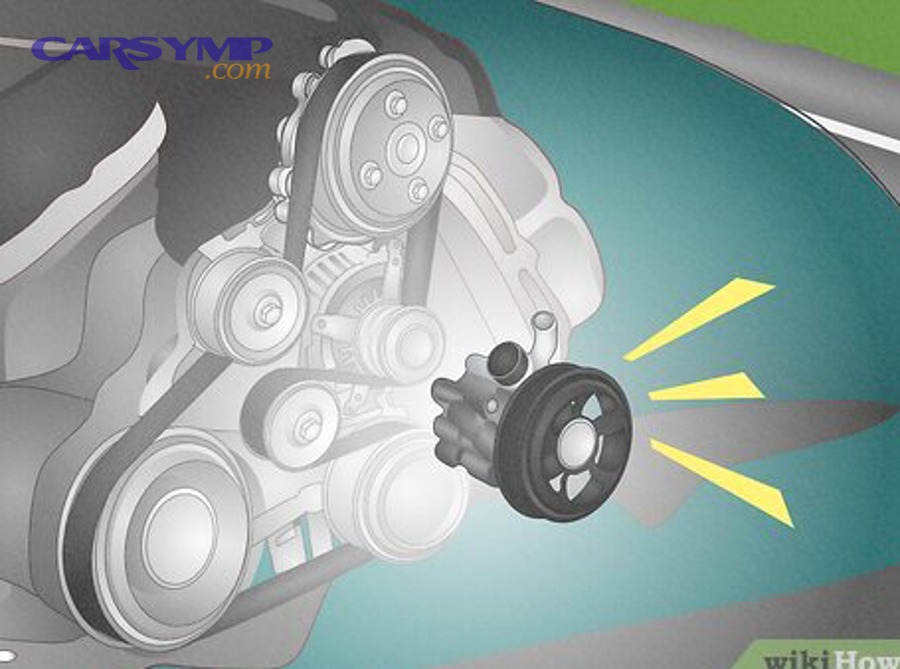
In real-world driving, the sounds can seem deceptively similar. Both can create a high-pitched whine under the hood. Both can become more noticeable at idle, during cold starts, or when the belt drive is under load. That is why the comparison matters. Many owners hear one sharp tone and assume the alternator is failing, while the actual problem is low steering fluid, air in the hydraulic system, or a worn pump bearing. Others replace a steering pump only to find that the alternator or its pulley was the true source all along.
What does a power steering pump whine usually sound like?
A power steering pump whine usually sounds strained, hydraulic, and load-sensitive, especially when you turn the steering wheel at low speed or near full lock.
Specifically, the sound often has a smooth but stressed tone, almost like fluid being forced through a tight passage. Drivers often describe it as a groan-whine blend rather than a pure metallic whine. That character makes sense because the noise often comes from fluid aeration, pressure spikes, cavitation, or internal wear inside the pump. If the reservoir is low, if the fluid is contaminated, or if air has entered the system, the pump can produce a more obvious whine during steering events.
That sound profile also tends to appear during parking maneuvers, three-point turns, or when the engine is idling and the wheel is turned sharply. The moment steering load drops, the noise often softens. This behavior is one of the strongest clues that the pump or the steering hydraulic circuit is involved rather than the alternator.
In addition, the sound may come with tactile clues. You may feel vibration through the steering wheel, notice steering that feels heavier than normal, or see foamy fluid in the reservoir. When those clues appear together, the odds favor the power steering system over the charging system.
What does an alternator whine usually sound like?
An alternator whine usually sounds sharper, more rotational, and more closely tied to RPM than to steering wheel position.
More specifically, alternator noise often resembles a steady pitch that rises as the engine revs and falls as the engine returns to idle. Because the alternator spins with the accessory belt, its sound often behaves like a classic rotating bearing or pulley noise. If the alternator bearings wear, the pulley becomes rough, or the internal rotor and stator relationship becomes problematic, the resulting sound can be clean and high-pitched rather than groaning or fluid-like.
That difference becomes important when you compare inputs. If you rev the engine lightly in park and the tone climbs while the steering wheel remains untouched, the alternator becomes more plausible than the power steering pump. If the sound also appears with battery warning symptoms or fluctuating electrical performance, the diagnosis becomes even stronger.
Alternator noise can also blend into general accessory-drive noise. For that reason, the alternator should never be judged by sound alone. The best approach is to combine the sound pattern with electrical symptoms, charging performance, and where the noise seems loudest under the hood.
According to the Car Care Council, charging-system symptoms commonly include dimming lights, while NHTSA records show charging faults can lead to battery discharge, warning-light illumination, stalling, or no-start conditions if ignored.
Does the whining noise change with steering input or engine RPM?
Yes, the way the noise reacts to steering input and RPM is one of the best ways to separate power steering pump whine from alternator whine.
Let’s explore why that test works so well. Steering input increases hydraulic demand in the power steering system, so a weak pump or aerated fluid will often complain immediately. Engine RPM increases accessory speed, so alternator-related noise usually becomes more obvious as rotational speed rises. This simple split gives you a clear diagnostic framework before any disassembly happens.
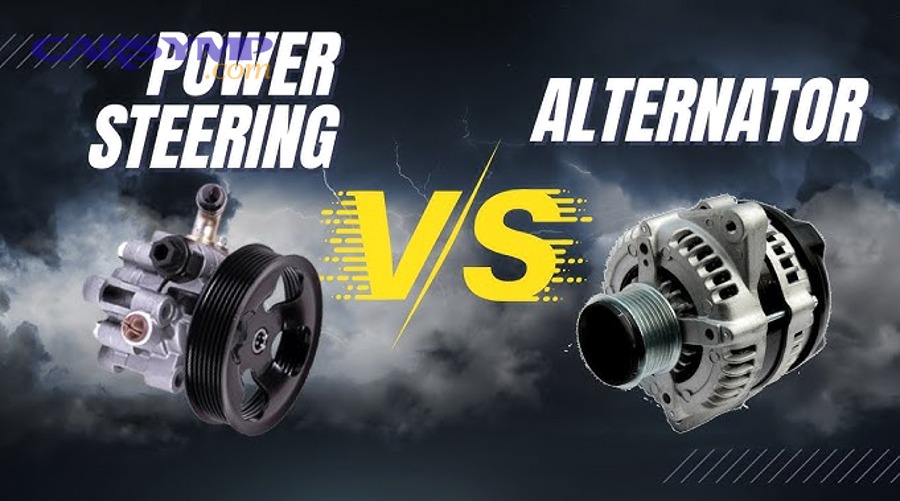
Does the noise get louder when you turn the steering wheel?
Yes, if the noise gets louder when you turn the steering wheel, the power steering system becomes the leading suspect for at least three reasons: hydraulic load rises, pressure demand spikes, and fluid-related issues become more audible.
For example, a healthy hydraulic steering system still works harder when the wheel is turned at low speed, but a failing pump, low fluid level, or air in the system exaggerates that load and makes the sound obvious. This is why many drivers only notice the whine while backing out of a parking space or making a tight U-turn. The pump is under heavier demand, and any weakness becomes louder.
A second reason is that low or degraded fluid reduces the pump’s ability to maintain smooth pressure. Instead of circulating fluid cleanly, the pump may draw in air or cavitate. That creates a classic steering-related whine that comes and goes with wheel movement. A third reason is that related restrictions, such as a clogged return path or internal pump wear, show themselves under steering demand more than during straight-ahead cruising.
However, you still need context. If the noise changes when you turn the wheel but also clearly changes with RPM, the pump may not be the only issue. The belt, tensioner, or pulley system can load differently during steering demand, which means a belt-drive problem can mimic a pump problem. That is why a steering-triggered noise is highly suggestive, but not always the final answer.
Does the noise rise and fall only with engine speed?
Yes, if the noise rises and falls only with engine speed, an alternator, pulley, belt, or another accessory-drive component becomes more likely than the power steering pump.
Meanwhile, this pattern matters because it isolates the noise from steering demand. When the steering wheel stays centered but the pitch still climbs with every blip of the throttle, the problem is usually rotational. Alternators, idler pulleys, tensioners, and the serpentine belt itself all change behavior with shaft speed. A worn alternator bearing often becomes smoother but louder as the engine revs, while a belt or pulley problem can create a similar rise-and-fall sound.
That said, RPM response alone is not enough to call the alternator guilty. A whining sound that tracks engine speed can still come from the power steering pump if the pump is internally worn and the fluid circuit is stressed at all times. The difference is that a pump-related sound usually reacts even more clearly when steering load is added. So the better test is comparative: rev the engine with the wheel straight, then turn the wheel at idle. The stronger trigger usually points to the true source.
According to Gates, belt and tensioner issues can create bearing noise, squeal, and drive-system noise that are often mistaken for a belt problem alone, which supports using RPM behavior and pulley inspection together rather than relying on sound in isolation.
Which symptoms help identify whether the whine is from the power steering pump or the alternator?
There are two main symptom groups that help identify the source: steering-system symptoms for pump whine and charging-system symptoms for alternator whine.
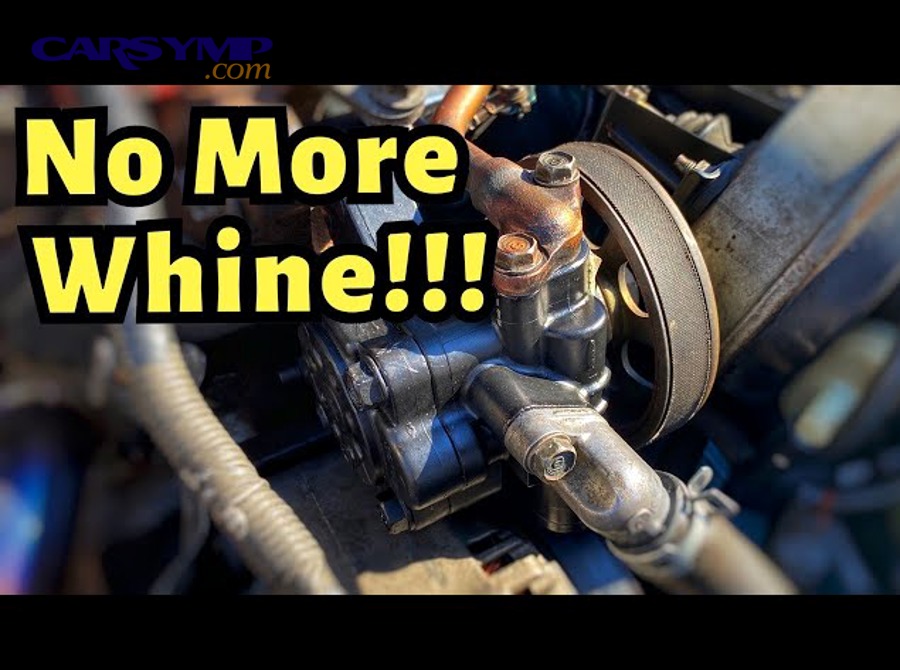
To better understand those groups, match the sound with what the vehicle does. A power steering problem usually changes steering feel or fluid condition. An alternator problem usually changes electrical performance or battery behavior. That symptom pairing prevents guesswork and helps you move beyond “I hear a whine” to “I know what system is failing.”
What power steering symptoms usually appear with pump whine?
There are four common power steering symptoms that usually appear with pump whine: heavier steering, noisy parking maneuvers, low or foamy fluid, and leaks or contamination around the reservoir and hoses.
First, steering effort often increases. A weak pump cannot maintain the same assist under load, so the wheel may feel heavier at low speed than it used to. Second, the sound often becomes worst during parking or slow turns because that is when hydraulic assist demand rises sharply. Third, the fluid may look low, dark, or aerated. Foamy fluid is especially revealing because it points to air in the system, and air in the system often creates a classic pump whine.
Fourth, visible fluid leaks can support the diagnosis. A leak at a hose fitting, rack connection, or pump seal can lower the fluid level enough to create noise before a driver realizes fluid has been lost. Some vehicles also show a mild shudder through the steering wheel as the pump struggles. When these symptoms appear together, the argument for the steering system becomes much stronger than a simple sound comparison.
It also helps to remember that not all steering systems are hydraulic. Many newer vehicles use electric power steering, which changes the diagnosis completely. In those vehicles, a whining noise from engine is less likely to be a pump because there may be no hydraulic pump at all. In a hydraulic system, though, fluid condition remains one of the most valuable clues.
According to NHTSA recall and service records, loss or reduction of steering assist can be associated with heavier steering effort and steering warnings, reinforcing that steering feel changes are meaningful diagnostic signals rather than minor side effects.
What alternator symptoms usually appear with alternator whine?
There are four common alternator-related symptoms that usually appear with alternator whine: dimming lights, battery warning indicators, unstable charging behavior, and eventual no-start or stalling problems if the fault worsens.
For example, headlights may dim at idle and brighten with engine speed, interior lighting may fluctuate, or the battery warning light may appear intermittently before staying on. These are classic signs that the charging system is struggling. A noisy alternator bearing can exist before charging output fails, but when noise and electrical symptoms appear together, the alternator becomes the more probable source.
More specifically, charging faults can also create indirect symptoms. The battery may go flat overnight more easily because it is not being recharged properly, the engine may crank slowly, and electronic accessories may behave inconsistently. If the vehicle continues to run with a charging problem, it may eventually stall once battery reserve drops too low. That risk makes alternator-related whine more urgent than many drivers assume.
Another detail matters here: contamination and belt issues can affect alternator performance too. A slipping belt may reduce alternator output and create noise at the same time, which is why good diagnosis combines electrical clues, sound behavior, and belt condition rather than treating each symptom separately.
According to the Car Care Council, dimming lights are a charging-system symptom, and NHTSA documents show charging faults can cause warning-light illumination, low or no alternator output, stalling, and no-start conditions if the vehicle continues operating with the problem.
How can car owners quickly diagnose power steering pump whine vs alternator whine?
A quick diagnosis works best in five steps: compare steering response, compare RPM response, inspect fluid, inspect the belt drive, and match the sound with related symptoms.
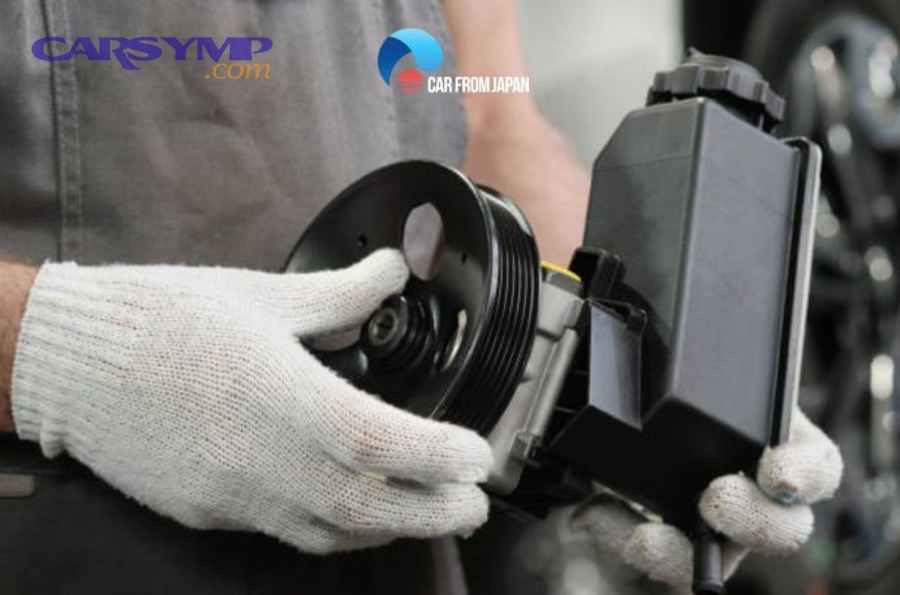
Below, that method turns a vague noise complaint into a structured test. It is not a substitute for professional confirmation, but it helps car owners avoid random part replacement and understand whether the sound is hydraulic, electrical, or accessory-drive related.
What quick checks can you do at home to narrow down the source?
You can narrow down the source at home by doing five safe checks: listen at idle, turn the wheel, rev lightly, inspect the power steering fluid, and inspect the serpentine belt path.
Start with the engine idling and the hood open in a safe, ventilated space. Listen for where the noise seems strongest. You are not trying to put your hands near moving parts; you are simply locating the general area. If the sound seems strongest near the front accessory drive, both the alternator and the power steering pump remain possible.
Then turn the steering wheel slowly left and right while the vehicle is stationary, if your owner’s manual and the environment make that safe. If the whine intensifies clearly during steering input, the power steering system moves up the suspect list. Next, return the wheel to center and lightly raise engine speed. If the sound changes mainly with RPM, the alternator or another accessory-drive component becomes more likely.
After that, check the power steering fluid on vehicles equipped with hydraulic steering. Low, dark, burnt, or foamy fluid strongly supports a steering-side problem. Then inspect the serpentine belt area visually for cracking, glazing, contamination, or obvious pulley misalignment. This is where Serpentine belt and pulley whine diagnosis becomes essential, because a glazed or slipping belt can imitate both pump and alternator noise.
Finally, match the sound with other symptoms. Heavy steering favors the pump. Dimming lights or a battery warning favors the alternator. No symptom match at all should make you suspicious of a belt, idler, tensioner, or less common source.
The table below summarizes the quickest field clues that help separate the two noises before deeper testing.
| Diagnostic clue | More likely power steering pump | More likely alternator |
|---|---|---|
| Noise changes when wheel turns | Yes | Usually no |
| Noise rises with RPM only | Sometimes | Often yes |
| Low or foamy fluid present | Common clue | No direct link |
| Battery warning or dim lights | No direct link | Common clue |
| Heavier steering feel | Common clue | No direct link |
| Sound centered near belt drive | Possible | Possible |
In short, the more clearly the noise follows steering demand, the more likely the pump is involved. The more clearly it follows RPM and electrical symptoms, the more likely the alternator is involved.
When should you suspect the belt, pulley, or tensioner instead of either component?
You should suspect the belt, pulley, or tensioner when the noise tracks RPM strongly, lacks clear steering or charging symptoms, and seems to come broadly from the accessory-drive area rather than one single component.
However, this is where many diagnoses go wrong. Drivers often hear a high-pitched sound and name the nearest major component they recognize. In reality, the alternator, power steering pump, idler pulley, automatic tensioner, and serpentine belt all share the same front-drive environment. A worn idler bearing can sound like an alternator bearing. A weak tensioner can let the belt slip or vibrate in a way that sounds like a pump complaint. A misaligned pulley can create a whine that changes with speed but has nothing to do with internal alternator failure.
That overlap is why belt-drive inspection matters so much. Look for glazing, contamination, frayed edges, pulley wobble, or tensioner movement that looks unstable. Also think about service history. If the belt has been replaced recently but the noise started afterward, misrouting, incorrect belt length, or tension issues become more plausible. If the noise appeared gradually over months with no change in steering effort or charging symptoms, an idler or tensioner bearing becomes more likely than either headline component.
This broader view also helps with other overlapping sounds. Timing belt/chain tensioner whine symptoms can sometimes be described similarly by drivers, even though those sounds usually come from a different area and often have different severity implications. Turbo whine normal vs problem signs can create more confusion too, especially on turbocharged engines where an intake or turbo-related whistle appears under boost rather than at idle. The key is still the same: match the sound to the operating condition that triggers it.
According to Gates, accessory-drive issues such as weak tensioners, bearing problems, and belt slip can create noise and poor charging performance, which supports ruling out the belt system before condemning a pump or alternator.
Can you tell the difference between power steering pump whine and alternator whine without special tools?
Yes, you can often tell the difference without special tools because the noise trigger, related symptoms, and fluid or charging clues usually point you in the right direction.
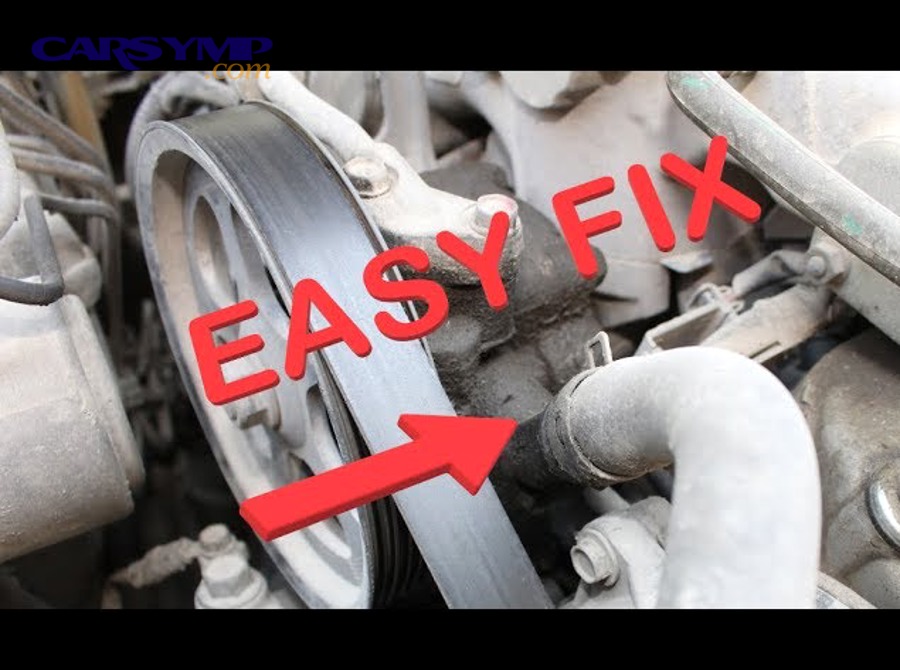
Besides, this practical answer matters to car owners who want to make a first-pass diagnosis before paying for parts or labor. You do not need a mechanic’s stethoscope or a scan tool to notice that the sound gets worse when the wheel turns, that the steering feels heavier, or that the battery light has appeared. Those clues are meaningful. Used together, they are often enough to rank the most likely cause.
When is a DIY diagnosis reliable enough?
A DIY diagnosis is reliable enough when the sound pattern and the supporting symptoms all point in the same direction.
For example, if the vehicle uses hydraulic steering, the fluid is low or foamy, the noise clearly intensifies with steering input, and the steering feels heavier than normal, a power steering pump or hydraulic system fault is a logical conclusion. Likewise, if the sound rises cleanly with RPM, the steering behavior does not change it, and dimming lights or a battery warning appear, an alternator-side problem becomes a strong diagnosis.
A reliable DIY diagnosis also depends on simplicity. When one variable changes and the sound changes in a predictable way, the signal is strong. When multiple symptoms conflict, the diagnosis becomes weaker. That is why simple, repeatable tests are more valuable than guessing from a brief noise clip or trying to judge the issue only by ear.
Another sign that your diagnosis is on solid ground is consistency over time. If the sound always appears in the same condition, such as steering at low speed or revving in neutral, you can trust the pattern more than a one-time random noise. Consistency helps separate real component behavior from occasional resonance or environmental sounds.
When should a mechanic confirm the source?
A mechanic should confirm the source when the symptoms overlap, the sound is severe, steering assist changes, charging warnings appear, or the belt-drive area makes the source too difficult to isolate safely.
More importantly, some consequences are too serious to ignore. If steering assist is reduced, if the wheel becomes unexpectedly heavy, or if the charging system warning appears, continuing to drive without confirmation can create a breakdown or a safety risk. A shop can isolate the source with better listening tools, voltage tests, charging checks, and component-by-component inspection that a driveway diagnosis cannot always match.
Professional confirmation also matters when the sound could come from the accessory drive broadly rather than one part. The alternator, power steering pump, idler, tensioner, and even air-conditioning compressor can create overlapping tones. A trained technician can determine whether the noise is internal to a component, caused by belt tracking, or triggered by pulley misalignment.
Thus, DIY diagnosis is best used to narrow the cause, not to force certainty where the clues remain mixed. If the vehicle shows serious steering or charging symptoms, treat the noise as urgent and get the system confirmed before the problem worsens.
According to NHTSA records, loss of steering assist can lead to heavier steering and warning indications, while charging faults can result in battery discharge, stalling, or no-start conditions.
What other noises can be mistaken for power steering pump whine or alternator whine?
There are four common noises that are often mistaken for pump or alternator whine: serpentine belt or pulley noise, fluid-cavitation noise, unusual alternator bearing or diode-related whine, and cold-start-related accessory noises.
To sum up the main topic while expanding the diagnosis, this section covers the noises that broaden the semantic field around under-hood whining sounds. This is where many misdiagnoses happen, because the ear hears a “whine” but does not automatically know whether the source is hydraulic, rotational, boosted air, belt friction, or timing-drive tension.
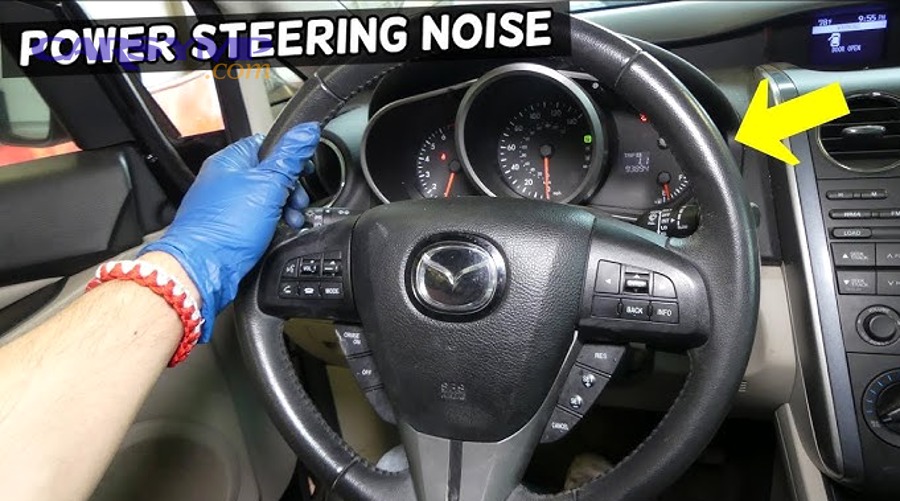
Can a serpentine belt or tensioner make a similar whining noise?
Yes, a serpentine belt or tensioner can make a similar whining noise because belt slip, pulley bearing wear, and tensioner instability can all create high-pitched accessory-drive sounds.
Specifically, this is why Serpentine belt and pulley whine diagnosis belongs in any serious comparison of pump versus alternator noise. The belt does not just connect components; it transfers load among them. If it slips, glazes, or tracks poorly, the resulting sound can mimic a failing alternator or a loaded power steering pump. If the tensioner bearing wears out, it can sound like a small rotating whine that changes with RPM. If an idler pulley begins to fail, the sound can become metallic, smooth, and deceptively close to alternator bearing noise.
This diagnosis becomes even more important after recent maintenance. A new belt installed with the wrong length or routing can create strange noise. A contaminated belt can make sound intermittently. A weak automatic tensioner can allow small oscillations that are not obvious visually but still change how the belt rides across pulleys.
So when the noise does not perfectly match steering symptoms or charging symptoms, the belt path deserves serious attention before either major component is replaced.
Can low power steering fluid cause a whine that sounds worse than a bad pump?
Yes, low power steering fluid can create a whine that sounds worse than a bad pump because air entry and cavitation can amplify the hydraulic noise dramatically.
For example, a pump with no major internal damage can still sound terrible if the fluid level drops enough for air to circulate through the system. Once bubbles enter the pump, pressure flow becomes irregular and the pump can whine loudly, especially during turns. Drivers sometimes interpret that sound as immediate pump failure when the first problem is actually low fluid caused by a leak, poor bleeding after service, or contaminated fluid.
That does not mean the pump is safe to ignore. A pump forced to operate with low or aerated fluid can wear out faster. But from a diagnostic standpoint, the distinction matters. Replacing the pump without addressing the leak or the air in the system may not solve the noise. This is why fluid condition should be checked early in the process, not after parts have already been ordered.
This kind of hydraulic noise also differs from turbocharger sounds. Turbo whine normal vs problem signs depends far more on boost, throttle, and airflow than on steering input. So if the sound becomes obvious when turning at parking speed, the steering system remains the stronger match than the turbo system.
Can a failing alternator diode or bearing create unusual whine patterns?
Yes, a failing alternator diode or bearing can create unusual whine patterns because mechanical wear and charging irregularities do not always sound identical in every failure mode.
On the mechanical side, a worn alternator bearing usually creates the more familiar rotational whine that tracks RPM. On the electrical side, charging-system faults can produce broader performance symptoms even if the audible pattern seems mild at first. That is why alternator diagnosis should never depend only on whether the sound is loud. A small whine plus dimming lights or a battery warning can be more meaningful than a louder noise with no electrical symptoms at all.
In some vehicles, contamination makes the alternator noisier and less effective. In others, the driver notices only a changing tone before charging symptoms appear. This variety explains why alternator whine sometimes confuses owners. The sound is not always dramatic, but the system consequences can still be important.
According to NHTSA documents, low or no alternator output can trigger warning-light illumination, no-start, loss of power, or stalling if the vehicle continues to operate with a charging fault.
Why does the noise sometimes happen only when the engine is cold?
Cold-start-only noise often happens because fluid viscosity, belt behavior, and bearing condition are all more sensitive before the engine bay warms up.
More specifically, hydraulic steering fluid may move less smoothly when cold, making a marginal pump or slightly aerated system whine more during the first minutes of driving. Belts can also behave differently when cold, especially if tension is marginal or the belt surface is worn. Bearings in alternators, idlers, and tensioners may produce more noticeable sound before lubrication spreads fully and metal clearances stabilize with temperature.
This is also where drivers can confuse different systems. Timing belt/chain tensioner whine symptoms may appear more on cold starts in some engines, especially if tensioner wear or oil-pressure-related behavior is involved. Turbo sounds may also seem sharper in cool air, though true turbo noise usually depends more on throttle and boost than on idle-only cold starts.
The key point is pattern recognition. If the cold-start noise fades quickly and never changes with steering, focus on the accessory or timing-drive side. If it becomes stronger when the wheel turns even during the cold phase, the power steering system stays high on the list. If it grows with RPM and later adds charging symptoms, the alternator becomes more likely.
In short, the best diagnosis does not come from one sound alone. It comes from the relationship between the sound, the operating condition, and the system symptoms that appear beside it.