


Dashboard warning lights are your car’s fastest way to tell you what’s normal, what needs attention soon, and what needs you to stop now. The most common icons—check engine, battery/charging, oil, coolant temperature, brakes/ABS, tire pressure, and airbags—follow patterns you can learn in minutes.
Beyond the “what does this symbol mean?” question, most drivers really want one thing: the right next action. Some lights mean “schedule service,” some mean “reduce load and monitor,” and a few mean “pull over safely and shut the engine off.”
You’ll also see warning lights that look similar but behave very differently, such as oil pressure versus oil level, or ABS versus the brake system light. Knowing those differences prevents expensive mistakes and unnecessary panic.
Introduce a new idea: once you understand the color rules and the small set of “most common” symbols, you can make a calm, safe decision even before you open the owner’s manual.
What do dashboard warning light colors (red, amber, green) mean?
Dashboard warning light colors are a priority system: red usually means stop or address immediately, amber/yellow means caution and diagnose soon, and green/blue typically means a system is active, not failing.
Next, this color logic becomes much more useful when you pair it with the type of system the icon represents.
To make the decision process simple, use this quick “color + symptom” rule set:
- Red + abnormal driving symptoms (overheating, loss of oil pressure, brake problems): reduce speed, find a safe place to pull over, and shut down if needed.
- Red + no symptoms (sometimes happens briefly at key-on): verify it goes out after start; if it stays on, treat it as urgent.
- Amber + normal driving: you can usually drive carefully to a safe place or shop, but avoid hard acceleration, heavy loads, and long trips until you confirm the cause.
- Green/Blue: informational (e.g., high beams on). Still worth noticing, but it’s not a fault by default.
Here’s a quick urgency guide (the table maps common colors to typical actions):
| Light color | Typical meaning | What to do right now |
|---|---|---|
| Red | Safety/engine protection issue | Pull over safely if the car feels abnormal; shut down if overheating or oil pressure is suspected |
| Amber/Yellow | Fault detected, reduced assistance possible | Drive gently, avoid long trips, plan diagnostics soon |
| Green/Blue | System operating/active | No action needed unless the behavior seems wrong |
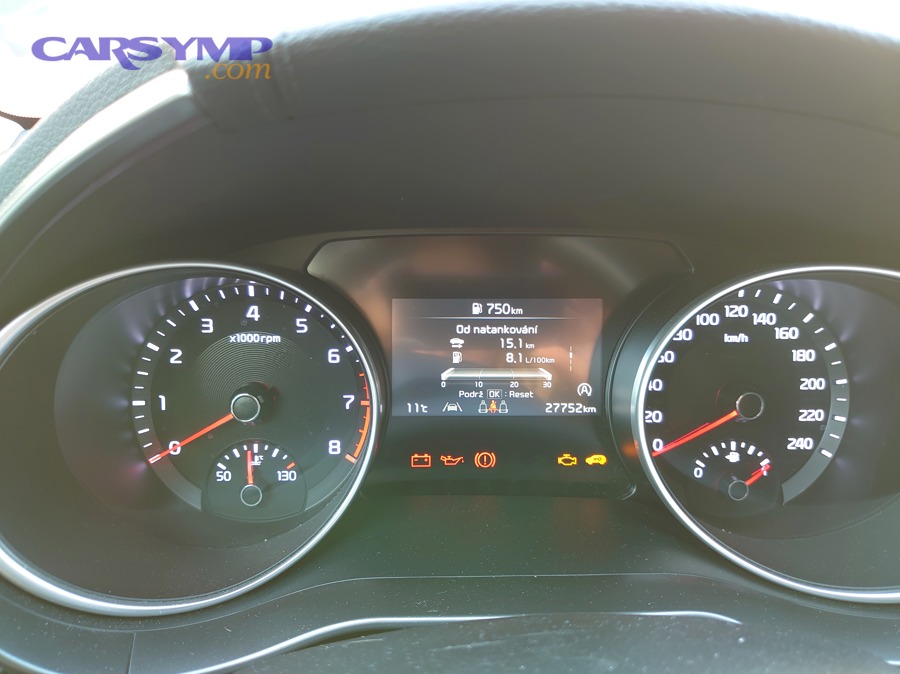
Which are the most common dashboard warning lights and what do they mean?
There are 8 most common dashboard warning lights most drivers encounter—check engine, battery/charging, oil, coolant temperature, brake, ABS, tire pressure (TPMS), and airbag—and you can interpret them based on system risk, drivability symptoms, and color priority.
Then, once you know what each one “protects,” your next steps become straightforward instead of stressful.
What does the check engine light usually mean?
The check engine light is an engine/emissions alert triggered when the computer detects a fault that can affect emissions, fuel control, or engine operation—often from something as minor as a loose gas cap to something as serious as a misfire.
Specifically, because the car’s computer stores a diagnostic trouble code (DTC), the best next step is to confirm whether the light is steady or flashing.
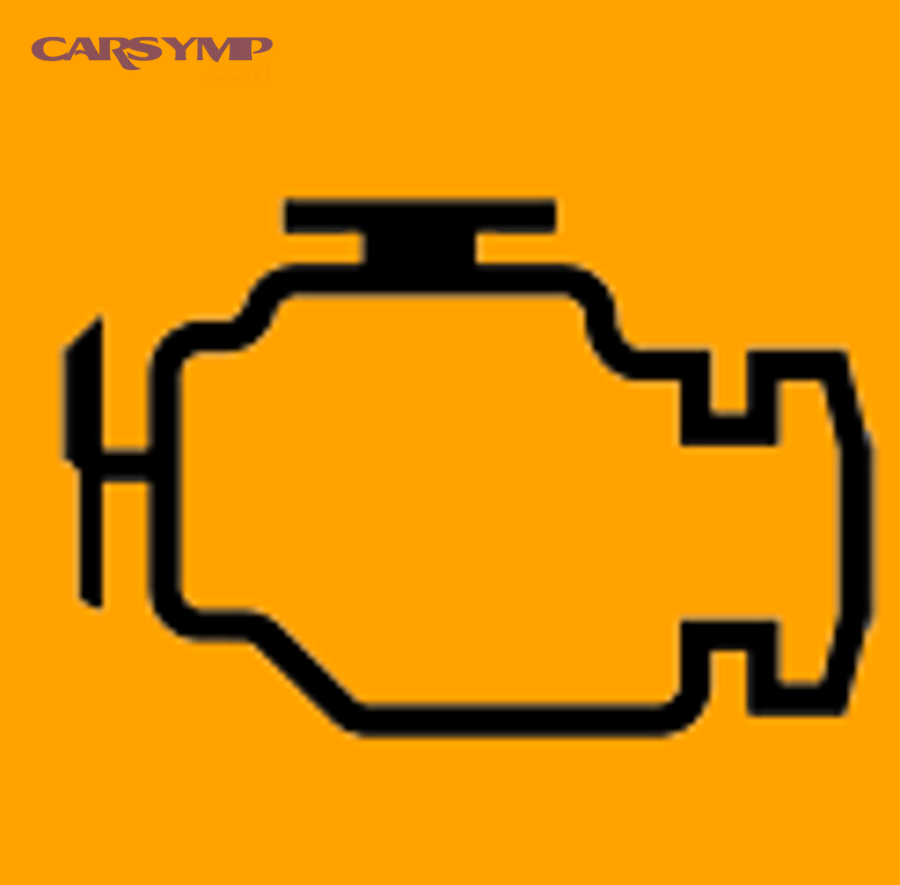
How to interpret it quickly
- Steady check engine: usually “driveable,” but diagnose soon.
- Flashing check engine: often indicates a severe misfire risk; reduce load immediately and stop driving if it continues.
Common causes that match “most common” reality
- Loose/failed gas cap, evaporative leak
- Ignition misfire (plugs/coils), vacuum leak
- Oxygen sensor or catalytic efficiency codes
Best first actions
- Tighten gas cap (if applicable), then monitor for a few drive cycles.
- If it persists, scan codes (even a basic scanner helps) and avoid aggressive driving until fixed.
What does the battery/charging light mean while driving?
The battery light typically means the car’s charging system isn’t maintaining proper voltage—often alternator output, belt drive, wiring, or battery connection issues—so the car may be running mostly on battery power.
More importantly, if you keep driving, you can lose power steering assist, lighting, and eventually the engine.

What it feels like when it’s urgent
- Dimming headlights, flickering dash lights
- Warnings cascading (ABS/traction lights may appear)
- Electrical accessories weakening
What to do
- Turn off non-essential loads (heated seats, high fan, defroster if safe).
- Head to a safe destination; if steering or lights degrade, stop.
What does the oil warning light mean?
The oil warning light is usually a low oil pressure warning—meaning the engine may not be getting lubrication pressure—so it can represent an immediate engine-damage risk if the light stays on while the engine runs.
However, the “oil can” icon is often confused with separate oil level warnings, so the safest approach is to treat the red oil icon as urgent.

Immediate steps
- If the light is red and stays on, reduce RPM, pull over, and shut down.
- Check oil level after waiting a few minutes on level ground.
- If the level is normal, do not assume you’re safe—pressure can be low due to pump, pickup, or bearing issues.
What does the coolant temperature warning mean?
The coolant temperature warning means the engine is running hotter than its safe range or the temperature signal is critical, and overheating can rapidly warp components or damage head gaskets.
Next, your decision should focus on reducing heat load first, then choosing the safest stop.

A practical rule: treat Coolant temp warning and overheating response as a process, not a single action:
- Reduce speed and load immediately (no hard acceleration, turn off A/C).
- If temperature keeps climbing or steam appears, pull over safely and shut down.
- Never open a hot radiator cap; allow the system to cool.
What does the brake warning light mean?
The brake warning light often indicates a serious brake system condition—parking brake engaged, low brake fluid, or hydraulic/brake assist problems—so you should confirm whether braking feel has changed.
Then, decide whether you can continue slowly to a safe spot or need to stop immediately.

Quick checks
- Verify parking brake is fully released.
- If the pedal feels soft/spongy or stopping distance increases: stop driving and get help.
- If the light is paired with a fluid warning: check brake fluid level (only if safe).
What does the ABS light mean compared to the brake light?
The ABS light usually means anti-lock braking has a fault, but your normal brakes may still work; the brake warning light is more likely to indicate a fundamental braking system issue.
However, if both lights are on together, treat it as higher priority and drive only if you must—and carefully.

What changes when ABS is off
- On slippery roads, wheels can lock under hard braking.
- You may lose stability/traction coordination features that rely on ABS sensors.
What does the tire pressure (TPMS) light mean?
The tire pressure light (TPMS) means one or more tires are below the intended pressure range or the TPMS system has a fault, and low pressure affects safety, handling, and tire wear.
Next, the smartest move is to confirm actual pressures with a gauge, not guess by appearance.
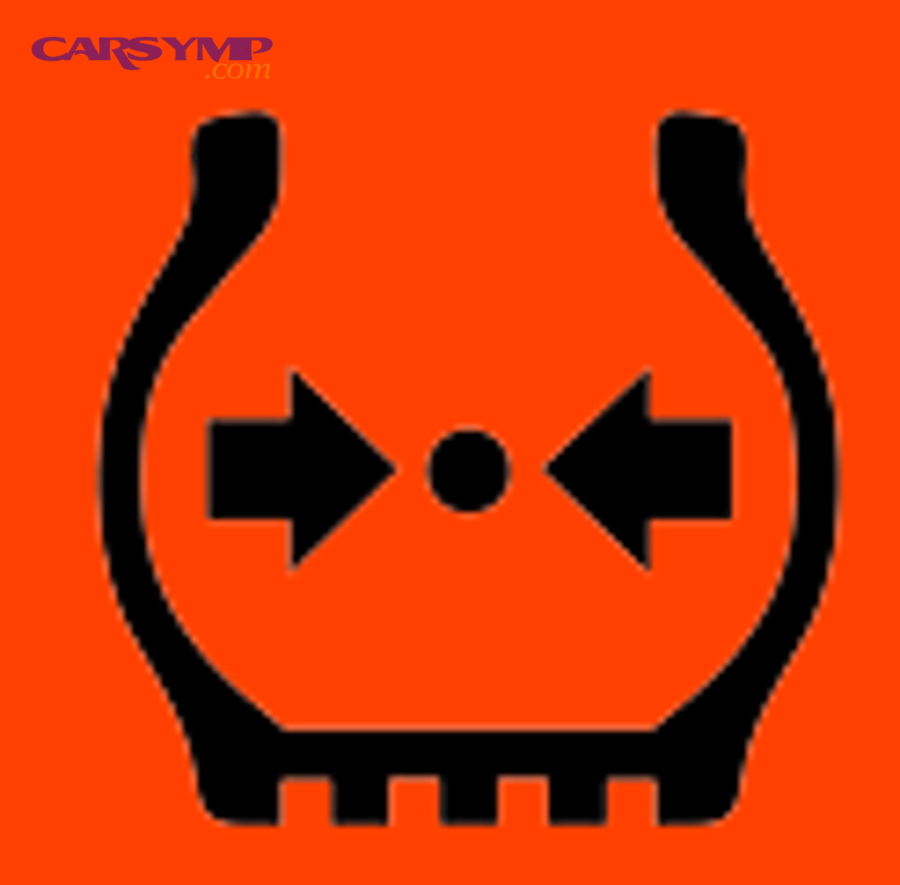
What to do
- Check tire pressures when tires are cold; inflate to the door-jamb spec (not the tire sidewall max).
- Inspect for nails/bulges if one tire is significantly lower than others.
- If the light flashes then stays on, it may indicate a TPMS sensor/system issue rather than simple low pressure.
What does the airbag/SRS warning light mean?
The airbag (SRS) warning light means the supplemental restraint system has detected a fault and may not deploy correctly in a crash, so you should schedule diagnosis soon.
In addition, because SRS is a safety system, it’s typically not a DIY repair area unless you have the right procedures.

Common triggers
- Seat belt pretensioner or occupancy sensor issues
- Clock spring faults (steering wheel wiring)
- Low voltage events that trip stored faults
Should you stop driving when a warning light turns on?
Yes—sometimes you should stop driving when a dashboard warning light turns on, because (1) red safety/engine-protection lights can signal immediate damage risk, (2) braking/steering-related faults can reduce control, and (3) overheating or oil pressure loss can escalate faster than you can “limp home.”
However, the safest decision depends on the light’s color, whether it’s flashing, and whether the car’s behavior changed.
Use this decision ladder in the moment:
- Is it red or flashing?
- Red: treat as urgent until proven otherwise.
- Flashing check engine: reduce load immediately; stop if it continues.
- Do you feel a real drivability change?
- Pulling, grinding, brake fade, strong vibration, steam, burning smell: stop safely.
- Can you reduce risk while moving?
- Turn off A/C, reduce speed, avoid traffic-heavy routes, head for a safe shoulder or parking lot.
Practical examples that prevent the “wrong” reaction:
- Red coolant temperature: stopping sooner usually saves the engine.
- Amber TPMS: drive gently to a safe area, then check pressures.
- ABS light only: you can often drive cautiously, but avoid slick conditions and hard braking.
How can you do a quick dashboard warning lights diagnosis at home?
A quick dashboard warning lights diagnosis is a 4-step check—confirm the light behavior, scan for codes, verify basics (fluids/tires/voltage), and match symptoms to the system—so you can decide whether it’s safe to drive and what to fix first.
To better understand the warning, you want to collect a few facts before replacing parts.
How do you confirm whether the light is “real” or just a startup check?
Most cars illuminate many icons at key-on as a bulb/system test, then turn them off after startup.
Specifically, you should note:
- Does the light stay on after the engine is running?
- Does it return under certain conditions (rain, bumps, high load, long idle)?
- Is it steady vs flashing?
This first observation prevents misdiagnosing a normal self-test as a fault.
How do you scan codes the right way for common warning lights?
A basic OBD-II scan is often the fastest path from “symbol” to “cause,” especially for check engine, ABS, and sometimes SRS (with the right tool).
More specifically:
- Record codes + freeze-frame data (engine temp, RPM, speed when set).
- Don’t erase codes before you’ve written them down.
- If a code returns immediately, it’s usually a hard fault (wiring/sensor/actuator).
If you want to be efficient, scan first and only then decide whether to check parts.
What basic checks should you do before assuming a major repair?
Many “common warning lights” are triggered by basic conditions you can verify quickly:
- Fluids: oil level, coolant reservoir level (only when cool), brake fluid level
- Tires: pressures with a gauge, visible damage
- Battery/charging: loose terminals, belt condition, obvious corrosion
- Leaks and smells: fuel smell, hot coolant smell, burning oil smell
These checks are fast and often reveal a simple fix that prevents a tow.
When should you stop DIY and get professional help?
You should step back and seek help when:
- The warning involves brakes, airbags/SRS, or persistent overheating
- The car shows loss of power, severe misfire, or abnormal noises
- The light is red and remains on after basic checks
At that point, the goal shifts from “identify the icon” to “avoid preventable damage.”
What is the oil pressure light vs oil level warning difference?
Oil pressure light vs oil level warning is not a small distinction: oil pressure warns that the engine may not be lubricating right now, while oil level warns the engine may be low on oil but not necessarily losing pressure yet, and the correct response is different for each.
However, because dashboards vary, you should treat any red oil icon as urgent unless your manual clearly defines it as a level-only message.
What does an oil pressure warning indicate?
An oil pressure warning typically means the engine’s lubrication system is not maintaining adequate pressure, which can be caused by:
- Low oil level (pickup sucking air)
- Oil pump or pickup screen issues
- Worn bearings or internal clearance problems
- Incorrect oil viscosity or severe oil aeration
What to do
- Reduce RPM, pull over safely, and shut down if the light stays on.
- Check oil level on level ground after a short wait.
- If oil is full and the light persists, avoid restarting repeatedly—pressure loss can damage bearings quickly.
What does an oil level warning indicate?
An oil level warning means the oil quantity is below a target range, often due to consumption, leaks, or a recent oil change error.
More specifically, many cars allow you to:
- Add oil in small amounts (e.g., 0.25–0.5 quart), recheck, and avoid overfilling.
- Monitor whether the warning returns soon (which suggests an ongoing leak or consumption issue).
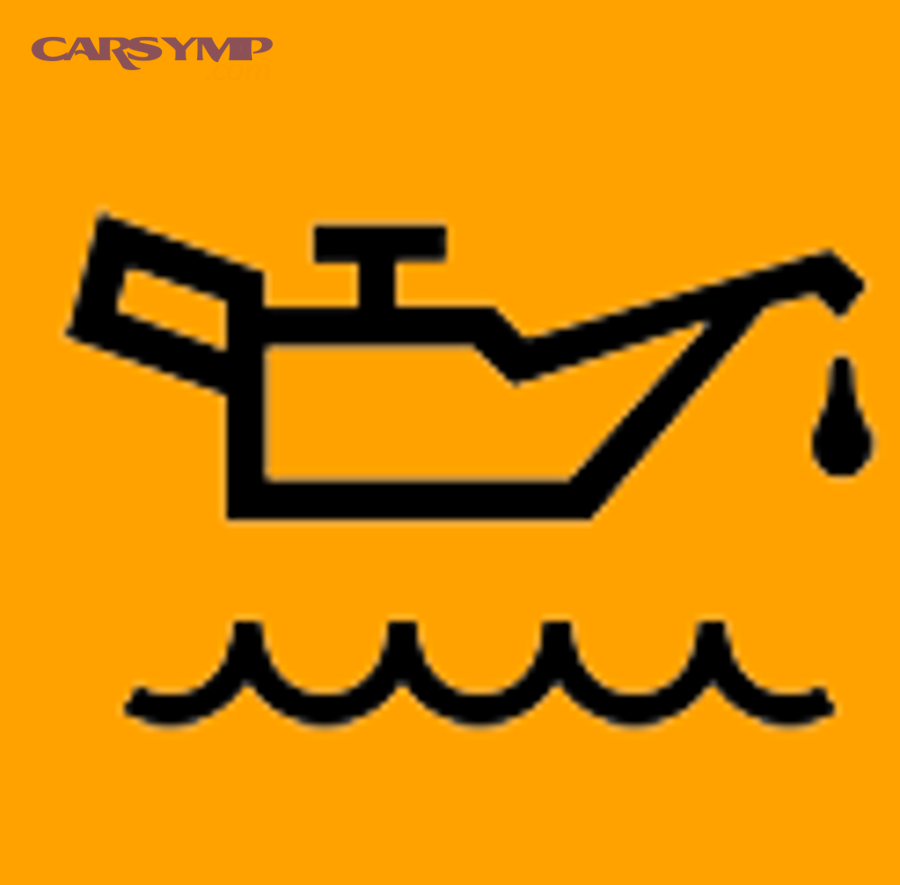
Why do people confuse the two, and how do you avoid mistakes?
They look similar, they both involve oil, and some dashboards use the same “oil can” shape for multiple messages.
The safest habit is:
- If red oil icon + running engine: assume pressure risk first.
- If message explicitly says “oil level” or shows a different level icon: check and top up methodically.
What maintenance prevents the most common warning lights from coming back?
Basic preventive maintenance reduces repeat warning lights by keeping sensors within expected ranges, preventing low-fluid conditions, and avoiding voltage instability.
In short, you get fewer surprises when you control the “inputs” the car monitors.
The highest ROI habits:
- Monthly tire pressure checks (especially with seasonal temperature swings)
- Oil level checks between services (particularly on higher-mileage engines)
- Battery terminal inspection and cleaning (corrosion creates voltage drop)
- Coolant system checks (proper level, obvious leaks, fan operation)
- Brake fluid level awareness (low fluid can indicate pad wear or leaks—both matter)
Evidence: According to a study by Williams College from the Geosciences (GEOS) program, in 2010, vehicles with under-inflated tires experienced a fuel economy loss range from 0.225% to 8.325%, showing how a common “tire pressure” issue can create measurable real-world impact.