


When the Airbag/SRS warning light turns on, the car is telling you the Supplemental Restraint System may not protect you as designed in a crash—so the safest assumption is reduced or disabled airbag/pretensioner function until proven otherwise.
Next, you’ll learn whether it’s safe to keep driving and what “safe enough” really means when an SRS fault is present, including what changes in crash protection you should expect.
Then, you’ll see the most common, real-world causes behind an Airbag/SRS light (from simple connector issues to clockspring or module faults) and the clues that help you narrow it down faster.
Introduce a new idea: the fastest path to a correct fix is a structured diagnosis—so below is a practical, car-owner-friendly workflow that keeps you safe, avoids accidental airbag deployment, and prevents “reset-and-hope” mistakes.
What does the Airbag (SRS) warning light mean?
The Airbag (SRS) warning light is a fault indicator for the Supplemental Restraint System that illuminates when the control module detects a problem in airbag, seat belt pretensioner, sensor, wiring, or related safety circuits that could reduce protection.
To begin, the key point is that SRS is not a single part—it’s a network of components that must agree on status before the system arms.

What “SRS” includes (airbags + pretensioners + sensors)
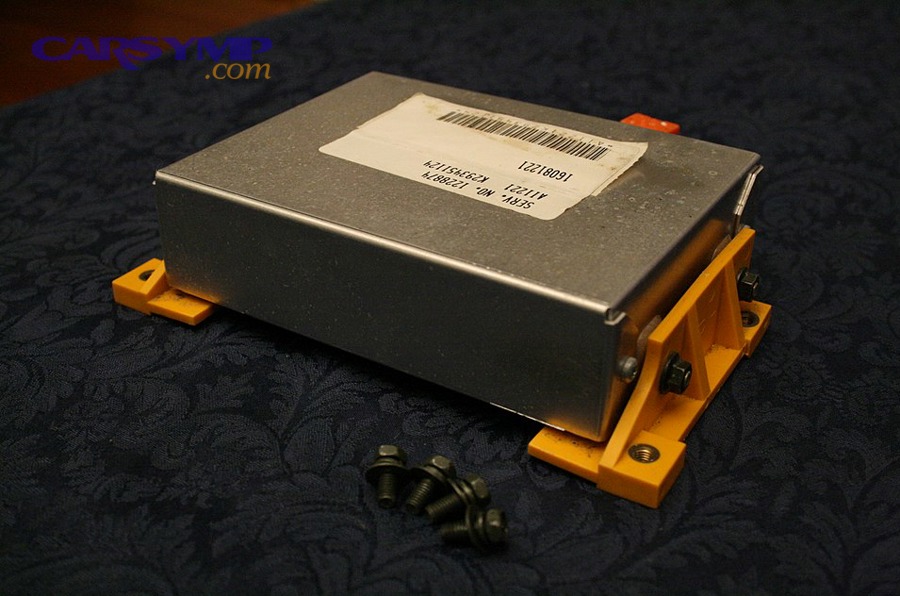
SRS typically includes front/side/curtain airbags, seat belt pretensioners, crash/impact sensors, seat occupancy detection, the clockspring/spiral cable for steering-wheel circuits, and the airbag control module (often called ACU/SDM/RCM).
Specifically, the module constantly runs self-checks: it monitors resistance in airbag squib circuits, sensor signals, voltage supply, and communication on the vehicle network. If any critical value is out of range, it stores a fault code and turns the warning light on.
What the light usually signals (disabled, degraded, or stored fault)
In most vehicles, the light means one of three states:
- Disabled circuit: a specific airbag or pretensioner may be switched off due to an active fault (common with open/short circuits).
- Degraded readiness: the system may still arm partially, but not all components are guaranteed to deploy correctly.
- Stored fault: the issue may have happened earlier (low voltage event, connector disturbance) and remains stored until cleared—sometimes even after the symptom is gone.
The practical takeaway: treat the light as a safety system “not fully ready” warning, not just another dashboard nuisance.
Is it safe to drive with the Airbag/SRS light on?
No—driving with the Airbag/SRS light on is not safe in the strict sense because the SRS system may not deploy airbags or seat belt pretensioners correctly, and it can also create uncertainty about which protections are available in a crash.
Then, the important question becomes: what risks increase, and what actions reduce exposure until repairs are complete?
What safety protection you may lose in a crash
When the system flags a fault, you may lose some combination of:
- Seat belt pretensioning (removing slack at crash onset)
- Front airbags (driver/passenger)
- Side/curtain airbags
- Passenger airbag enable/disable logic (occupant detection)
Even if only one component is affected, real-world crash outcomes can change meaningfully. For example, research comparing injury measures has found worse outcomes when certain airbags are not present or not deployed under comparable crash conditions. (pmc.ncbi.nlm.nih.gov)
When it’s “acceptable risk” vs when to stop driving immediately
If you must move the vehicle, “acceptable risk” means minimizing time and exposure, not pretending the car is fine. Consider these rules of thumb:
- Stop driving immediately if: the light is accompanied by other serious warnings (charging system, severe electrical issues), you smell burning, you’ve recently had flood/water intrusion, or the vehicle was in a crash and the light appeared afterward.
- Drive only to a repair location if: the car drives normally, the issue appeared after seat movement/cleaning, or it’s a stable light with no other symptoms—while using maximum seat belt discipline and avoiding high-speed traffic.
This is also where broader dashboard warning lights diagnosis matters: if multiple electrical warnings appear together, prioritize power/ground/charging issues first because low voltage can trigger cascading faults across modules.
What are the most common causes of an Airbag/SRS light?
There are 7 main types of Airbag/SRS light causes—connector/circuit issues, clockspring faults, seat/occupancy detection problems, impact sensor faults, pretensioner faults, module/network issues, and voltage-related events—based on which subsystem reports an out-of-range signal.
More specifically, the fastest way to narrow these down is to match each cause with “what changed recently” (seat moved, battery died, steering wheel work, interior detail, collision, water leak).
Before the list, here’s a quick reference table showing common causes, typical clues, and the safest first check.
| Cause category | Typical clue | Quick first check | Risk level |
|---|---|---|---|
| Seat connector/under-seat wiring | Light after moving seat | Inspect under-seat harness routing/strain | High |
| Clockspring/spiral cable | Horn/steering buttons also fail | Steering wheel controls + scan code | High |
| Occupant detection system | Passenger airbag status abnormal | Passenger indicator behavior + scan | Medium–High |
| Pretensioner circuit | Light after seat belt work | Belt buckle/pretensioner connector check | High |
| Impact sensor circuit | After bumper/impact repair | Sensor connector + mounting integrity | High |
| Module/network/communication | Multiple module codes | Battery/grounds + network scan | High |
| Low voltage event | After jump start/dead battery | Charging system + clear/verify | Medium |
Loose or corroded connectors (especially under seats)
Loose connectors are common because seats move, wiring flexes, and under-seat connectors can be disturbed during cleaning, vacuuming, seat removal, or even aggressive seat adjustment. The most typical pattern is: light appears immediately after a seat was moved or removed.
Key car-owner clues:
- Light shows up after pushing the seat far forward/back
- Passenger airbag indicator changes unexpectedly
- Intermittent warning (on/off) over bumps
If you inspect under-seat areas, avoid probing yellow SRS connectors with improvised tools. Instead, focus on visible strain, broken locks, or pinched harness routing.
Clockspring (spiral cable) damage in the steering column
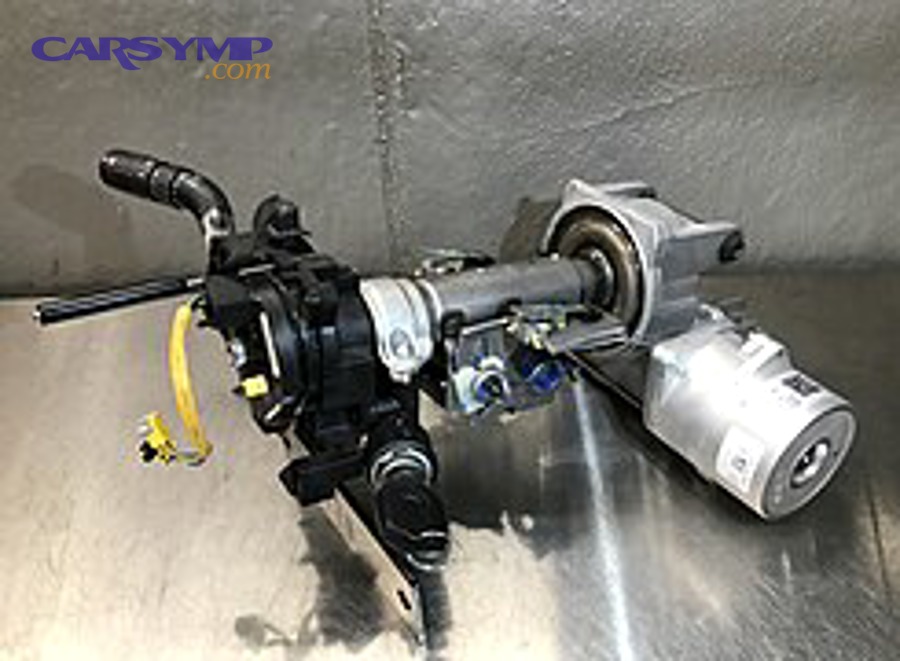
A clockspring (spiral cable) lets the steering wheel rotate while maintaining electrical connection to the driver airbag and steering wheel controls; when it fails, the system can detect an open/short and trigger the SRS light. (en.wikipedia.org)
However, clockspring issues often announce themselves with non-SRS symptoms too—like horn failure or steering wheel button failure—because those circuits share the rotating connection.
Seat occupancy sensor or passenger airbag status faults
Modern vehicles use occupant detection (weight sensors, pressure mats, or seat-ECU logic) to decide whether to enable the passenger airbag and how to stage deployment. If that signal is implausible—especially after seat work—the SRS module may set a fault.
You’ll often notice:
- Passenger airbag “ON/OFF” indicator behaving strangely
- Light appears after passenger seat removal or upholstery work
- Fault returns quickly after clearing
Low battery voltage or recent jump start events
Low voltage can create false or borderline readings in safety circuits, and a jump start or dying battery can produce transient faults stored by the SRS module.
Especially, if your car had a dead battery recently, the SRS light may not be the “real problem”—it may be a symptom of power instability. That’s why it’s risky to chase the airbag system before verifying battery health and alternator output.
How do you diagnose an Airbag/SRS light correctly?
Proper Airbag/SRS diagnosis is a step-by-step workflow—scan SRS codes, verify power/ground, confirm the affected circuit, perform safe visual checks, and validate repairs with a rescan—so you identify the root fault instead of guessing.
Let’s explore the safest, highest-signal sequence first, because SRS mistakes can be expensive and dangerous.
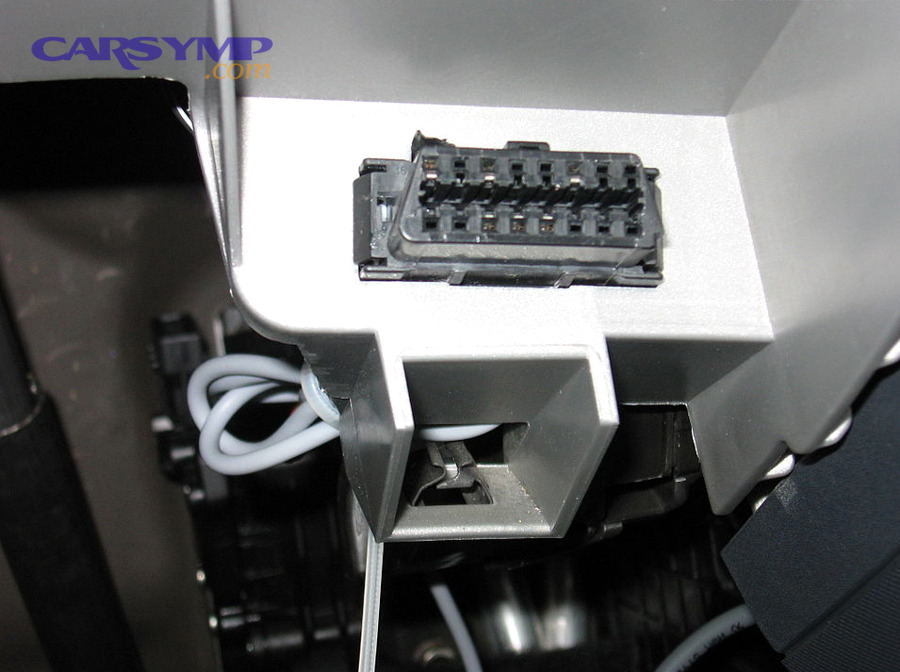
What tools you need (SRS-capable scan tool vs generic OBD2)
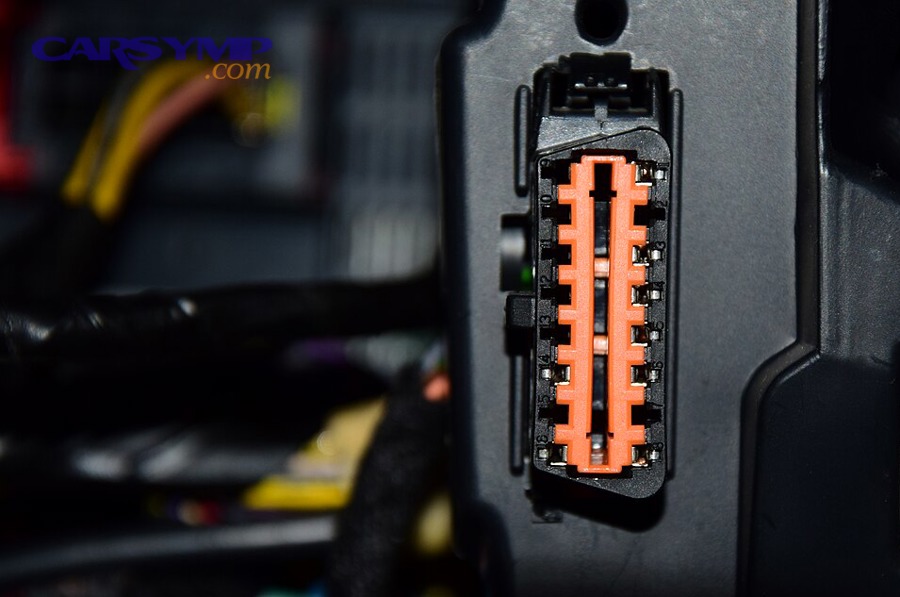
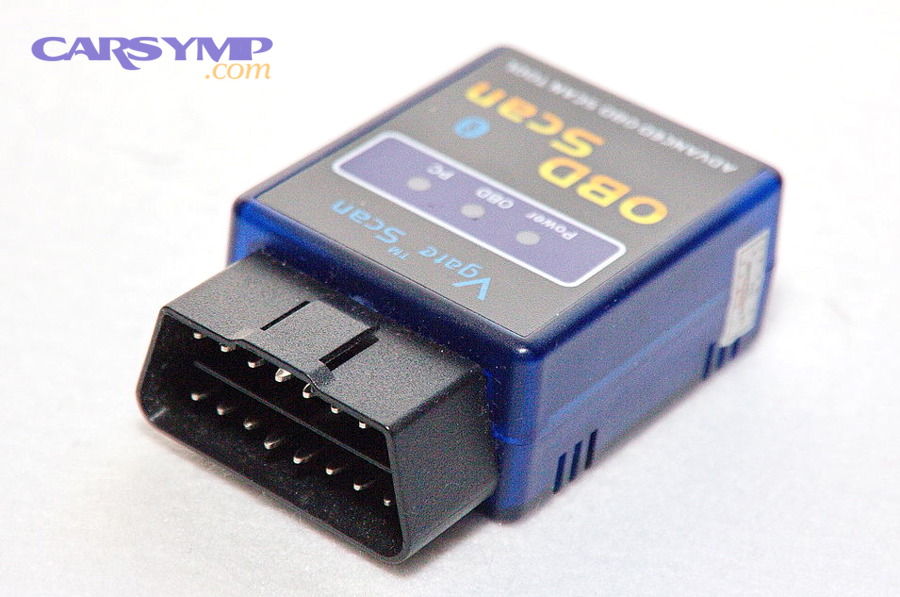
A generic OBD2 reader often won’t read SRS faults. You need either:
- An SRS-capable scan tool, or
- A compatible app + adapter that explicitly supports SRS (not just engine codes)
A simple adapter can physically connect, but the software coverage matters most.
How to read codes, freeze-frame, and live data safely
Start with a full vehicle scan, then focus on SRS-specific codes.
Do this in a “no guesswork” pattern:
- Record all codes (including “history” codes).
- Save any freeze-frame / event data if your tool provides it.
- Check whether the code indicates open circuit, short to ground, short to power, or communication fault.
- Use live data (if available) only to confirm plausibility (e.g., passenger occupancy status) rather than forcing parts swaps.
This is where “Most common dashboard warning lights explained” can be misleading: the same icon style doesn’t mean the same troubleshooting logic. SRS is a safety network, and it is far less tolerant of “trial-and-error” than many other lights.
The safest visual checks you can do as a car owner
If you’re not trained, the safest checks are non-invasive:
- Confirm the battery is healthy and terminals are tight/clean
- Look for obvious harness pinches near seat rails
- Look for signs of water intrusion under carpets
- Confirm recent work history (seat removal, steering wheel removal, collision repair)
Avoid measuring resistance directly across airbag igniter circuits unless you have the correct procedures and equipment; improper testing can damage components or create hazards.
If you’re trying to learn how rotating steering wheel wiring works (and why clocksprings fail), this video shows the concept clearly:
What should you do after you find the cause of the SRS light?
Fixing an SRS light is a repair-and-verify process: correct the root fault, restore wiring integrity, then confirm the system passes self-checks and codes do not return under normal driving conditions.
Next, the goal is not just “light off”—it’s restored readiness with proof.
Repair priorities: restore circuit integrity first, then replace parts
In SRS work, “integrity first” means:
- Repair broken locks, damaged pigtails, or pinched harnesses
- Confirm connectors seat fully and are strain-relieved
- Verify ground points and power feeds are stable
Only after you confirm the circuit problem should you replace costly components like clocksprings, sensors, or modules.
This is also where you should think like a diagnostician, not a parts-buyer: if a code says “open circuit,” the circuit is the suspect until verified—never assume the airbag itself is the problem.
Clear codes and confirm the light stays off (drive cycle verification)
After repairs:
- Clear SRS codes using an SRS-capable scanner.
- Cycle ignition and confirm the SRS lamp performs its normal bulb check and then turns off.
- Perform a short drive and re-scan to confirm no pending or history faults are returning.
If the light returns immediately, it usually means one of two things: the underlying fault is still present, or you repaired the wrong area (common when a connector “looks fine” but has pin-fit or internal damage).
According to a study by Monash University from the Accident Research Centre (MUARC), in May 2001, mean harm per driver was 60% greater in vehicles without airbags than in airbag-equipped vehicles in the crash data they analyzed—underscoring why restoring restraint protection matters. (monash.edu)
Can you reset the Airbag/SRS light without fixing the problem?
No—you can sometimes clear the Airbag/SRS light temporarily, but the system will usually re-detect the fault and turn the light back on, and you risk driving with reduced protection and a hidden ongoing issue.
Besides, a “reset” mindset trains you to ignore a safety failure, which is the opposite of how SRS is designed to be treated.
Why “resetting” can be dangerous (and may disable deployment)
An active SRS fault can change how the system arms. In many designs, a detected fault can disable a specific airbag or pretensioner circuit to prevent unintended deployment. That means resetting without fixing may:
- create short windows where the system rechecks and fails again, and/or
- leave you uncertain which restraints are available at the moment of a crash.
When clearing codes is appropriate (after repair vs intermittent history)
Clearing is appropriate when:
- you have repaired the root cause, and you’re verifying
- you had a documented low-voltage event, and you’re validating that the fault does not return
- a history code remains after a confirmed fix and normal system tests
If you’re reading broader warning lights, remember the contrast with something like Oil pressure light vs oil level warning: both matter, but the action logic differs. An oil pressure light can demand immediate shutdown; an SRS light demands a safety-protection mindset and rapid repair prioritization.
What are the typical repair outcomes and cost drivers for an SRS light?
Connector repairs win in lowest cost, clockspring/seat sensor replacements are best for common mid-range faults, and module replacement/programming is optimal for rare but high-cost failures, based on parts price, labor time, and whether calibration/programming is required.
More importantly, “cost” is driven by diagnostic accuracy: the same light can be a simple connector reseat or a module/programming job.
Low-cost fixes (connector reseat, wiring repair, battery/charging)
Common outcomes in the low-cost range:
- Under-seat connector strain relief and proper seating
- Harness repair where the seat rail pinched wiring
- Cleaning/tightening battery terminals and stabilizing voltage
- Addressing a weak battery/charging problem that triggered stored faults
This is why a disciplined dashboard warning lights diagnosis process saves money: you prevent “replace-the-module” panic when the real issue is power stability or a disturbed connector.
Higher-cost fixes (clockspring, seat sensors, airbag module programming)
Higher-cost outcomes usually involve:
- Clockspring replacement (especially if horn/controls also act up)
- Occupant detection/seat ECU repair (may require calibration)
- Impact sensor replacement after collision/bumper work
- Airbag control module replacement (can require coding/programming and sometimes crash-data handling)
Research also shows injury outcomes can differ with different airbag systems in comparable crashes; for example, a study analyzing side airbag deployment reported lower average injury severity measures for airbag-equipped cases compared with non-deployment cases in their matched crash comparisons. (pmc.ncbi.nlm.nih.gov)
What uncommon situations can trigger an Airbag/SRS light that people miss?
There are 4 uncommon SRS-light triggers—water intrusion, aftermarket electrical changes, collision repair oversights, and seat/steering modifications—based on rare-but-real conditions that disrupt SRS power, grounding, calibration, or communication.
To better understand these, think in opposites : not “component failed,” but “environment or modification made a good component look bad.”
Can water intrusion or corrosion under carpet set SRS codes?
Yes—water intrusion can corrode connectors or grounds under carpet, creating intermittent resistance changes that SRS self-tests flag. Symptoms often include musty odor, fogging, damp carpet, or repeated electrical oddities after rain. Even if the SRS code points to a specific circuit, the root may be shared corrosion in a ground splice or connector junction.
Do aftermarket seats, steering wheels, or stereo wiring affect SRS circuits?
Yes—aftermarket changes can disturb SRS wiring routing, remove seat sensors, or introduce poor grounds and electrical noise. Aftermarket steering wheels are especially risky because the driver airbag circuit and clockspring relationship changes; even if done “cleanly,” compatibility and proper termination are not guaranteed.
If you’ve been following Car Symp-style troubleshooting guides, treat SRS modifications differently than convenience mods: SRS is engineered as a matched system with specific resistance ranges and deployment logic.
Can collision repair or bumper work leave sensors mis-mounted?
Yes—impact sensors and mounting points matter. A sensor can be electrically “connected” but mechanically wrong (loose, misaligned, wrong fastener torque, wrong bracket), and the module can detect implausible signals or communication faults. Post-repair SRS lights commonly show up when a bumper harness is clipped incorrectly or a sensor connector is partially seated.
Is there a difference between an “airbag light” and a “service restraint system” message?
Yes—both indicate SRS attention, but the message format depends on manufacturer. An “airbag light” icon is a universal-ish warning, while “Service Restraint System” messages often come with more detailed text prompts and may coincide with stored diagnostic information you’ll only see with an SRS-capable tool.
If your dashboard shows multiple warnings at once, revisit the big picture—your best fix may start with power/ground stability before you chase individual module symptoms.