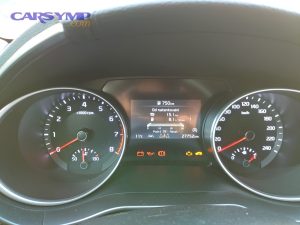
Diagnose Car Dashboard Warning Lights (Check Engine, ABS, Oil, TPMS) for Drivers: Meanings, Causes & What to Do Next
When a dashboard warning light turns on, you can diagnose it fast by combining three signals—color, flashing behavior, and symptoms—to decide whether to stop driving, drive cautiously, or schedule service, then confirm the cause with simple checks and (when needed) a scan.
Next, most warning lights point to a system area (engine/emissions, brakes/ABS, lubrication/oil pressure, tires/TPMS, charging, cooling), so you can narrow down the likely causes and avoid wasting time swapping parts.
Then, the biggest driver question is “Can I keep driving?” and the safest answer comes from a clear urgency ladder: red/flashing = protect the engine and your safety now, amber/steady = reduce risk and diagnose soon, green/blue = informational.
Introduce a new idea: below is a step-by-step, driver-friendly framework that explains what the lights mean, what to do immediately, how to confirm the fault, and how to prevent repeat warnings.
What do dashboard warning lights mean ?
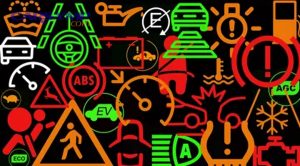
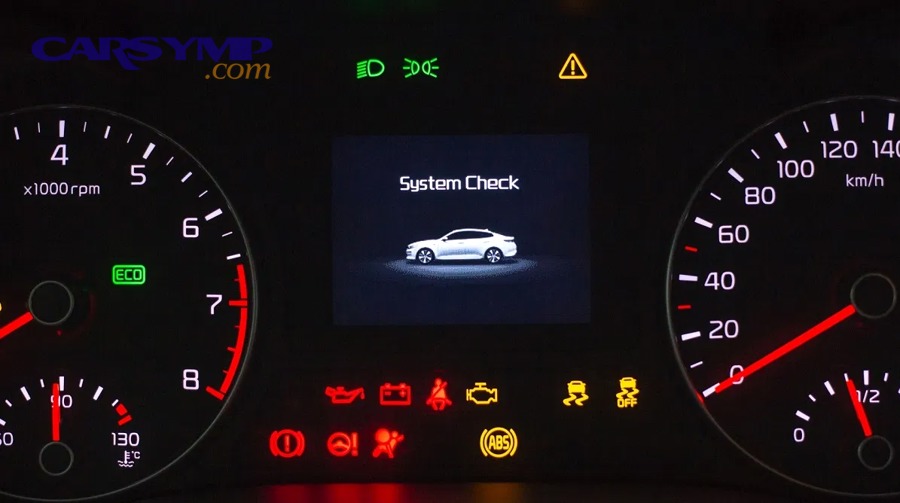
Dashboard warning lights are visual alerts from the car’s computers and sensors that flag a fault or operating condition, where warning lights indicate a potential problem and indicator lights confirm a normal feature state like high beams or turn signals.
To make that distinction useful in real driving, the next step is to read warning lights as a message type (warning vs indicator) and a risk signal (steady vs flashing, red vs amber).

A modern vehicle has multiple control modules (engine, ABS, airbag, body control) that constantly check sensor signals. When a signal is out of range or a system fails a self-test, the module turns on the appropriate warning light and may store a diagnostic trouble code (DTC). That means the light is not the “problem”—it’s the symptom display that tells you where to start.
What does it mean when a light is steady vs flashing?
A steady warning light usually means the system detected a fault that is important but not immediately destructive, while a flashing warning light typically indicates a condition that can cause rapid damage or unsafe operation if you keep driving.
Because flashing behavior changes the risk level, you should treat “flashing” as an instruction to reduce load immediately and often to stop driving.
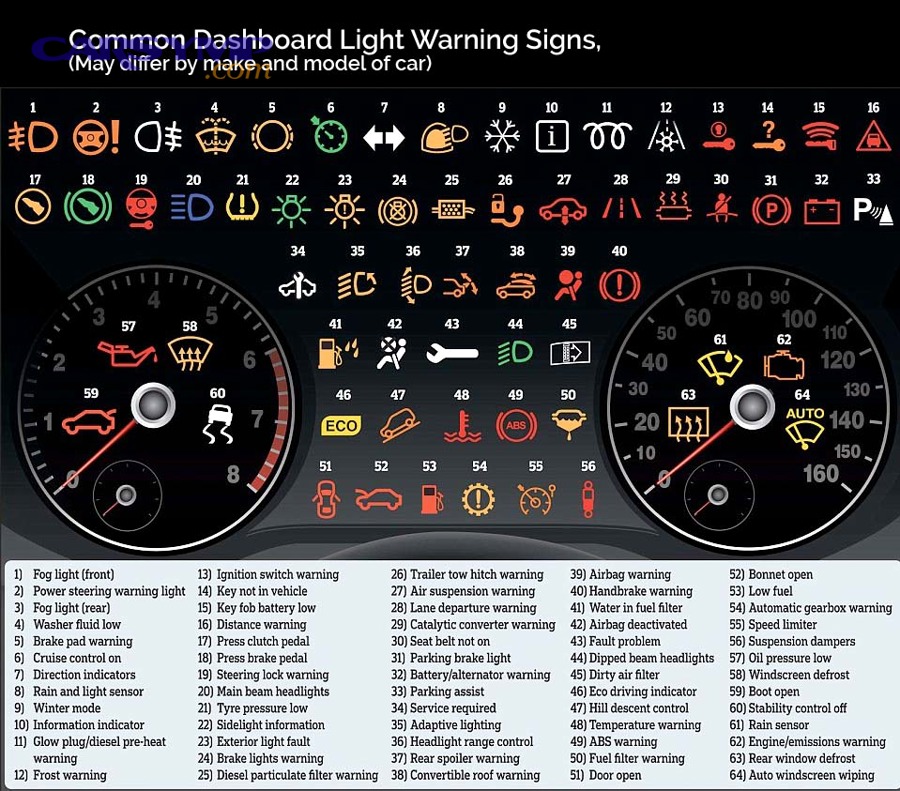
Here’s how to interpret it in plain terms:
- Steady amber check engine: often emissions/engine management issues that can be diagnosed soon, but you should watch for symptoms.
- Flashing check engine: often a severe misfire; unburned fuel can overheat and damage the catalytic converter, so you should ease off and stop if it continues.
- Flashing oil pressure / coolant temperature (if your vehicle uses flashing as escalation): treat as “protect the engine now,” because lubrication loss or overheating can destroy an engine quickly.
In practice, the safest move is to pair flashing with what the car feels like. Rough running, loss of power, high temperature gauge, burning smell, or loud mechanical noise upgrades any light from “soon” to “now.”
Do dashboard symbols mean the same thing on every car?
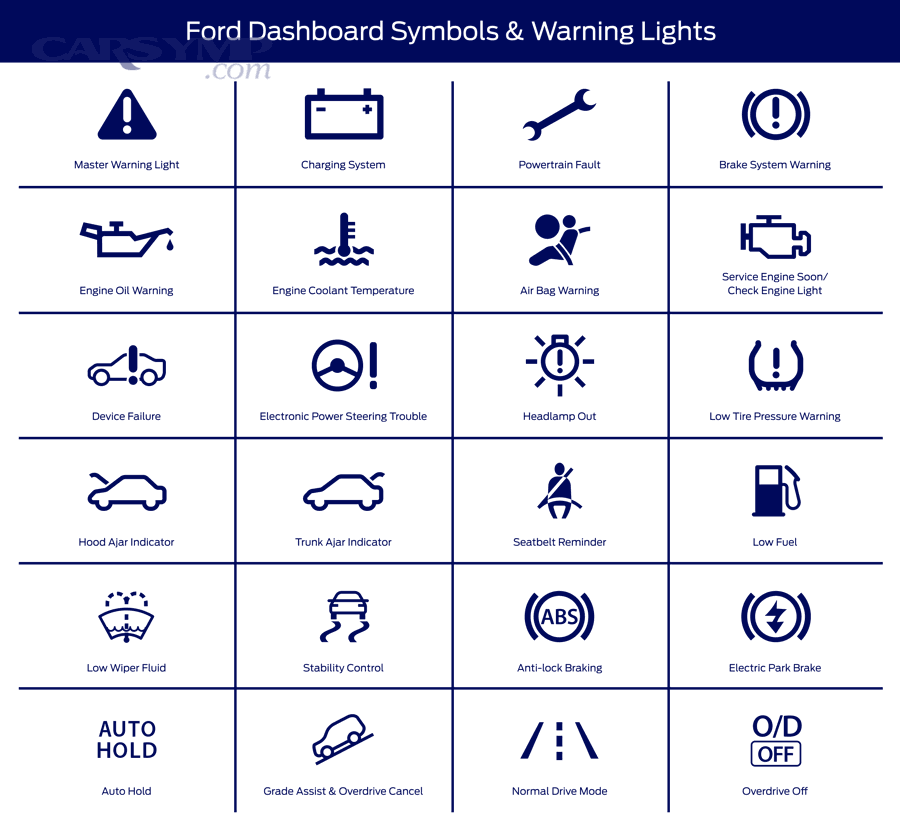
No, dashboard warning lights do not always mean the same thing on every car because manufacturers reuse similar icons, change thresholds, and combine icons with text messages that alter the meaning.
Since icon differences can change your next step, you should confirm the symbol in the owner’s manual or the instrument cluster message center before taking action that could be risky.
For example, one brand’s “wrench” may be routine service, while another’s may indicate a powertrain fault. Some vehicles show a brake symbol for parking brake engagement, while others use it to warn of low brake fluid or a hydraulic issue. That is why your diagnosis framework should be icon + color + behavior + message + symptoms, not icon alone.
How urgent is my dashboard light (red vs amber vs green/blue)?
There are three main urgency levels of dashboard warning lights—red (critical), amber/yellow (caution), and green/blue (informational)—based on the criterion of immediate safety or damage risk.
To avoid guessing, the next step is to treat the color system as a quick triage tool that tells you whether you need to stop now, diagnose soon, or continue normally.
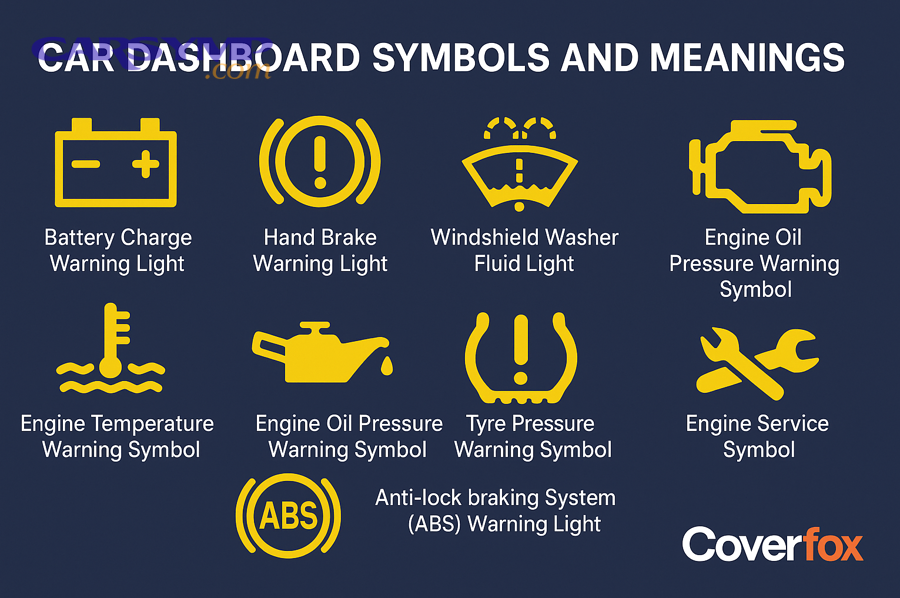
Which warning lights mean “stop driving immediately”?
There are 5 common “stop now” categories—oil pressure, overheating/coolant temperature, brake system, severe charging failure symptoms, and some steering warnings—based on the criterion of immediate loss of control or rapid engine damage.
Because these warnings can escalate in minutes, you should pull over safely and shut the engine off if the warning indicates lubrication loss or overheating.
Use this quick “stop now” checklist:
- Oil pressure warning (not oil level): stop as soon as safe, shut off engine, do not restart until confirmed. (This ties directly to Oil pressure light vs oil level warning.)
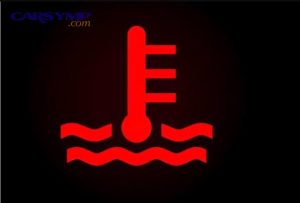
- Coolant temperature / overheating warning: reduce load, turn off A/C, pull over, shut off if temperature stays high. (This matches Coolant temp warning and overheating response.)
- Brake system warning (red): stop when safe; could be low brake fluid or hydraulic failure; do not assume it’s only the parking brake.
- Power steering warning with heavy steering feel: stop when safe because steering effort can become unsafe.
- Multiple critical lights + symptoms (smoke, burning smell, loud knocking): treat as stop now even if the icon is unfamiliar.
If you want one phrase to remember, it’s this linked concept: When a warning light means stop driving now, you prioritize safety and engine protection over “getting home.”
Which lights are “service soon” but not always an emergency?
There are 6 common “service soon” light groups—steady check engine, ABS, traction/stability, TPMS, battery/charging (early), and maintenance reminders—based on the criterion of reduced system performance without immediate failure.
Since “service soon” can still become urgent, you should look for symptoms that upgrade risk: overheating, rough running, braking changes, or electrical instability.

This is where the nuance matters:
- Check engine (steady): often safe short-term, but not if the engine runs poorly or smells like fuel. (See Check engine vs service engine soon meaning.)
- ABS light: brakes usually still work, but ABS may not engage during hard stops—especially risky in rain/snow. This overlaps with ABS vs traction vs brake light differences.
- Battery light: sometimes you can drive briefly, but if the charging system fails, the car can stall once battery voltage drops—this connects to Battery light and charging system diagnosis.
- TPMS light: often safe if you confirm tire pressure, but not if a tire is rapidly losing air—this is TPMS warning light troubleshooting in action.
Which lights are usually informational (not a fault)?
There are 3 main informational indicator types—driver inputs (turn signals/high beams), system status (cruise/drive mode), and assist features (lane/ADAS status)—based on the criterion of normal operation confirmation.
Because indicators are not faults, the next step is simply to verify the feature is expected and turn it off if it’s distracting or unwanted.
Green and blue icons typically mean “system on.” The exception is when the indicator is paired with a warning message (for example, a driver-assist icon plus a “sensor blocked” warning), which then shifts it into “diagnose soon.”
Evidence (when useful): According to a study referenced by the University of Michigan Transportation Research Institute (UMTRI) in a Transportation Research Board record, in 2012, TPMS presence was estimated to reduce the likelihood of vehicles having one or more severely underinflated tires by about 55.6%. (trid.trb.org)
What should I do first when a warning light comes on while driving?
You should act in 4 steps—triage the light, stabilize the car, reduce load, and gather clues—to minimize risk and arrive at a correct diagnosis without panic.
To keep the process safe, the next step is to treat the first minute as a decision window: decide whether to pull over, then capture the details that will make diagnosis faster later.

A practical “first minute” routine looks like this:
- Note the light and color (red vs amber).
- Check for flashing (steady vs flashing changes urgency).
- Scan the gauges (temperature, oil pressure if equipped, battery/voltage if shown).
- Feel the car (power loss, vibration, brake changes, steering heaviness).
- Reduce load (ease off throttle, turn off A/C, avoid high RPM).
- Choose a safe location to stop if risk is high.
Should I pull over right away?
Yes, you should pull over right away when a dashboard warning light signals critical risk, because (1) red lights often indicate immediate safety/damage issues, (2) flashing lights can mean rapid component damage, and (3) symptoms like overheating or brake changes can escalate without warning.
Because pulling over is only useful if it’s safe, the next step is to use a quick decision rule: red or flashing + symptoms = pull over now; amber steady + no symptoms = continue cautiously to a safer place.
Examples that strongly favor pulling over:
- Red oil pressure or overheating warning
- Flashing check engine with rough running
- Brake warning with pedal feel changes or long stopping distance
- Burning smell, smoke, or loud mechanical noise
What quick checks can I do safely without tools?
There are 7 safe, no-tool checks—message center text, fuel cap, visible leaks, tire look, temperature trend, belt/charging clues, and odors/smoke—based on the criterion of low risk and high diagnostic value.
To keep yourself safe, the next step is to do these checks only when parked in a secure location, away from traffic, and never open a hot cooling system.
- Read the message in the cluster (many cars provide “service power steering,” “engine overheating,” etc.).
- Look for a loose fuel cap if the check engine light is on and the car runs normally.
- Look under the car for fresh fluid puddles (oil/coolant).
- Inspect tires visually for obvious low pressure, bulges, or damage.
- Watch the temperature gauge for rising trend.
- Listen for belt squeal or electrical flicker that supports a charging issue.
- Smell for fuel/burning and look for smoke.
If your quick check points toward electrical instability (flickering lights, multiple random warnings), that’s when auto electrical repair becomes the right next step rather than guessing at sensors.
What do the most common dashboard warning lights mean and what are their likely causes?
There are 4 most common dashboard warning light categories—check engine, ABS, oil pressure, and TPMS—based on the criterion of how often they appear and how many drivers search for them, and each has a predictable set of meanings and causes.
To make this section actionable, the next step is to treat each light as a system signal and then match it to the most likely causes plus the best confirmation step.

This is the section many readers look for as “Most common dashboard warning lights explained,” but the key is to go one level deeper: meaning → causes → what to do next.
What does the Check Engine light mean and what are the most common causes?
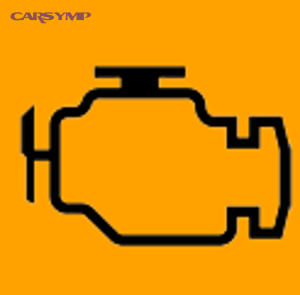
The Check Engine light is a powertrain/emissions warning triggered by the engine computer when it detects a fault affecting emissions, performance, or sensor plausibility, most commonly from EVAP leaks, misfires, oxygen sensor issues, airflow metering problems, or catalyst efficiency concerns.
Because “check engine” is broad, the next step is to separate steady vs flashing and then confirm with a code scan—this is where Using an OBD2 scanner for warning lights pays off.
Common causes (high-level, driver-friendly):
- Loose/failed gas cap or EVAP leak (often no drive symptoms)
- Misfire (rough idle, shaking, power loss; flashing light raises urgency)
- Oxygen sensor / air-fuel imbalance (may reduce fuel economy)
- MAF/MAP sensor issues (hesitation, stalling)
- Catalyst efficiency (often code-driven, not obvious by feel)
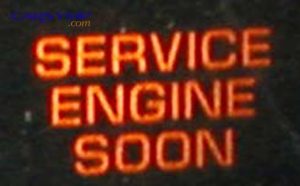
Also expect a branding variation: some clusters show “Check Engine,” others show “Service Engine Soon.” In everyday diagnosis, Check engine vs service engine soon meaning is usually similar (powertrain fault), but the message level and severity can differ by manufacturer.
What does the ABS light mean (and is braking still safe)?
ABS light means the vehicle detected a fault in the anti-lock braking system, and normal braking usually remains, but ABS-assisted braking during hard stops may not function, which matters most on slippery roads and emergency stops.
However, braking safety depends on which lights are on, so the next step is to compare the ABS light with the traction and brake warnings—this is exactly what ABS vs traction vs brake light differences is about.
Typical causes:
- Wheel speed sensor issues (damaged sensor, debris, wiring)
- ABS tone ring problems (corrosion, cracks)
- ABS module faults (internal failure or communication issues)
- Low system voltage (electrical issues can trigger ABS warnings)
Driver takeaway: if you must drive, increase following distance and avoid aggressive braking. If the red brake warning is also on, treat it as higher urgency and stop to inspect brake fluid level and pedal feel.
What does the Oil pressure light mean vs an oil change reminder?
Oil pressure light warns of low oil pressure (lubrication failure risk), while an oil change reminder is a maintenance interval notification, and confusing the two can lead to severe engine damage.
Because both relate to oil, the next step is to use the correct rule: oil pressure warning = stop and protect the engine, while oil change reminder = schedule service.

This distinction is the heart of Oil pressure light vs oil level warning:
- Oil pressure warning: often indicates insufficient pressure to protect bearings; do not keep driving.
- Oil level warning (if your car has it): may allow topping up oil, but you still need to confirm leaks/consumption.
- Oil change reminder: does not mean low oil pressure; it means oil life algorithm/time/mileage.
Practical driver steps:
- Pull over safely, shut off engine.
- Check oil level with dipstick if safe and you know how.
- If level is low, add oil (correct spec) only if you can confirm it’s safe to restart; if the light remains, do not drive.
- If level is normal, do not assume it’s “fine”—pressure can be low due to pump, pickup, or bearing issues.
What does the TPMS light mean and how do I know it’s a real low tire?
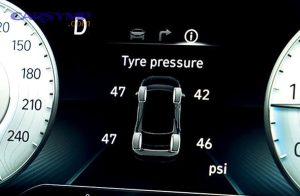
TPMS light means the system detected low tire pressure or a TPMS system fault, and you confirm it’s a real low tire by measuring pressure with a gauge and comparing to the door placard—especially after temperature changes.
Because TPMS can indicate both a true low tire and a sensor issue, the next step is to interpret the light pattern and confirm with a manual check—core to TPMS warning light troubleshooting.
Common scenarios:
- Cold weather drop: pressure falls naturally; TPMS warns even when tire looks normal.
- Slow leak: nail or valve stem leak; pressure falls over days.
- Rapid leak: sidewall damage; urgent—do not continue at speed.
- Sensor battery failure: TPMS light may flash first, then stay on (varies by car).
- Recent tire service: sensors not relearned/recalibrated.
Evidence (when useful): According to a study referenced by the University of Michigan Transportation Research Institute (UMTRI) in 2012, vehicles equipped with TPMS showed an estimated 55.6% reduction in the likelihood of having one or more severely underinflated tires compared with similar vehicles without TPMS. (trid.trb.org)
How can I confirm the cause (scan codes vs symptoms vs basic tests)?
Confirming the cause works best when you combine codes + symptoms + simple tests, because codes point to the system that complained, symptoms show severity, and basic tests confirm whether the fault is real or intermittent.
To avoid replacing parts blindly, the next step is to choose the right confirmation tool: basic visual checks for fluids and tires, and scanning for powertrain/ABS faults.
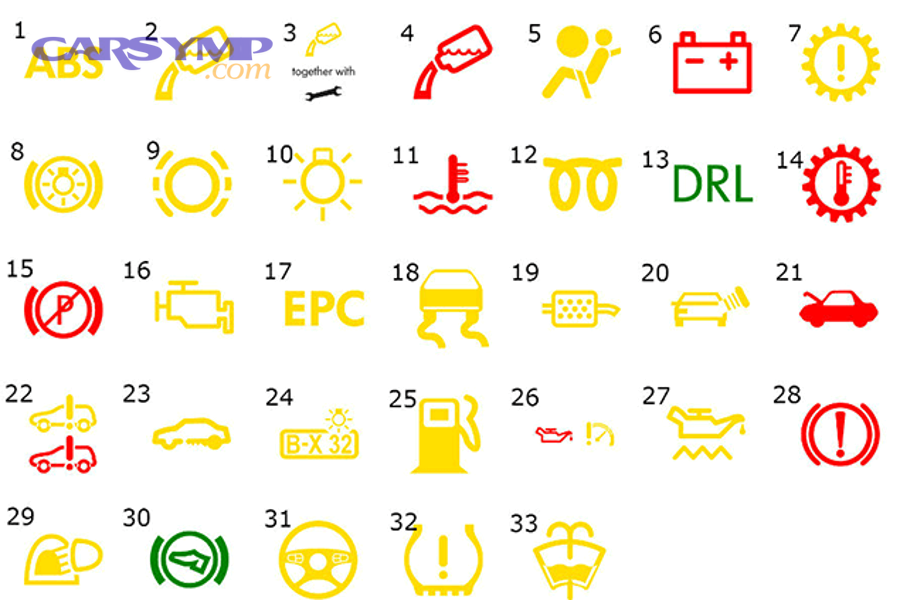
A smart confirmation workflow is:
- Step 1: Capture context (what happened right before the light came on).
- Step 2: Read messages (cluster text can narrow it down).
- Step 3: Scan for codes (especially for check engine).
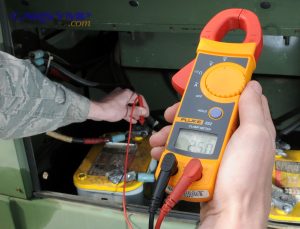
- Step 4: Validate with a targeted check (pressure, fluid, voltage, sensor connector).
- Step 5: Confirm the fix (clear codes only after repair, then drive cycle/test).
Is an OBD-II scan the fastest way to diagnose a warning light?
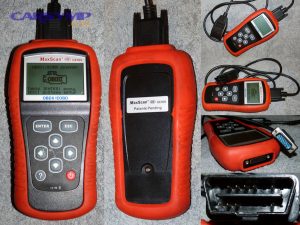
Yes, an OBD-II scan is often the fastest way to diagnose dashboard warning lights because (1) it retrieves fault codes and freeze-frame data, (2) it prevents guesswork by pointing to a system/circuit, and (3) it helps verify repairs by confirming the fault does not return.
However, the next step is to understand limits: generic OBD-II is strongest for check engine and weaker for ABS/airbag unless you have an enhanced scanner.
To use this in real life:
- Plug in the scanner, read stored and pending codes.
- Record freeze-frame (engine load, RPM, coolant temp) if available.
- Don’t stop at the code description—use it as a direction, not a verdict.
- If ABS/SRS lights are on, consider a scanner that reads those modules or seek professional diagnosis.
(Linked phrase placement, natural context): This is exactly what drivers mean by Using an OBD2 scanner for warning lights—you’re turning a vague icon into a specific diagnostic path.
What is the difference between a code, a symptom, and a confirmed fault?
A code is the computer’s complaint category, a symptom is what you feel/see, and a confirmed fault is the verified root cause proven by testing—so a code points you where to look, but testing tells you what to fix.
Because confusing these leads to wasted money, the next step is to treat diagnosis as a short chain: code → hypothesis → test → confirmation.
Example:
- Code: “misfire cylinder 2”
- Symptom: shaking at idle, flashing check engine
- Confirmed fault: failed ignition coil, verified by swap test or scope
This is why a “parts cannon” approach fails: you might replace an oxygen sensor because a code mentioned it, but the real issue is a vacuum leak causing lean condition.
When do I need a professional diagnostic instead of DIY checks?
Yes, you need a professional diagnostic in several common situations because (1) safety systems like brakes/steering/airbags require specialized testing, (2) overheating/oil pressure risks can destroy the engine quickly, and (3) network/module faults need advanced scan tools and electrical testing skills.
More importantly, the next step is to recognize the situations where DIY becomes unsafe: persistent red warnings, brake performance changes, repeated electrical faults, or airbag lights.
This is where professional auto electrical repair makes sense: intermittent faults, multiple modules throwing communication errors, or charging issues that trigger a cascade of lights.
Can I keep driving with this warning light (and what are the risks)?
It depends, but as a rule you can keep driving only when the light is steady amber, the car drives normally, and you can limit risk, while red or flashing lights and strong symptoms mean you should stop driving to prevent safety hazards or expensive damage.
Because “keep driving” decisions are where mistakes get costly, the next step is to apply a risk matrix: severity (color/flash) + symptoms + weather/traffic + distance.

Here is a driver-oriented table (with context): the table shows common lights, whether you can drive, and the main risk if you ignore them.
| Light (typical) | Drive? | Main risk if ignored |
|---|---|---|
| Oil pressure (red) | No | Engine damage in minutes |
| Overheating/coolant temp (red) | Usually no | Head gasket/engine damage |
| Brake warning (red) | Usually no | Brake failure / unsafe stopping |
| Check engine (steady) | Sometimes | Worse emissions, poor mpg, potential damage if symptoms present |
| Check engine (flashing) | Prefer no | Catalytic converter damage, severe misfire |
| ABS (amber) | Sometimes | Loss of ABS in emergency stops |
| TPMS (amber) | Sometimes | Tire failure if pressure is truly low |
| Battery/charging | Sometimes briefly | Stalling, no restart, electrical failures |
Is it safe to drive with a steady Check Engine light?
Yes, it is sometimes safe to drive with a steady check engine light because (1) many causes are minor (like EVAP leaks), (2) the engine may still operate normally without immediate damage, and (3) you can reduce risk by driving gently and scheduling diagnosis soon.
However, the next step is to treat certain symptoms as deal-breakers: rough running, flashing light, overheating, fuel smell, or loss of power.
Practical “safe-ish” rules:
- Drive short distances if the car feels normal.
- Avoid heavy acceleration and high speeds.
- Plan a scan soon to prevent hidden damage.
- If the light begins flashing or the engine runs poorly, stop and reassess.
This is where Check engine vs service engine soon meaning matters: if your car specifically says “service engine soon” with reduced power, treat it more seriously than a vague icon with no symptoms.
Is it safe to drive with ABS/traction/stability lights on?
Yes, it can be safe to drive with ABS/traction/stability lights on in good conditions because (1) basic braking and steering often still work, (2) the car is usually drivable at reduced performance, and (3) you can mitigate risk by increasing following distance and driving smoothly.
Meanwhile, the next step is to recognize the safety tradeoff: you may lose anti-lock control and traction intervention exactly when you need them most—rain, snow, and panic stops.
Use the linked concept in a practical way: ABS vs traction vs brake light differences tells you which warning is “assist disabled” (ABS/traction) versus “base braking system issue” (red brake warning). If the red brake warning is on or the pedal feel is abnormal, do not keep driving.
What should I do after the repair (clearing lights, test drive, and preventing repeats)?
After the repair, you should verify the fix in 3 phases—clear/confirm, test drive, and monitor—so the light doesn’t come back and you don’t miss a second underlying problem.
To prevent repeat warnings, the next step is to make verification part of the repair, not an afterthought.
Verification is especially important for warning lights tied to charging, cooling, and misfires, because intermittent issues can hide until the right conditions return.
Should I clear the warning light or fix the problem first?
Fix the problem first, because clearing the warning light before repairs can (1) hide symptoms and delay real diagnosis, (2) erase useful freeze-frame data, and (3) create false confidence while the underlying fault continues.
In addition, the next step is to use clearing as a confirmation tool: clear codes after the repair, then confirm the code does not return under similar conditions.
Good practice:
- Record codes first (photo or note).
- Repair the confirmed cause.
- Clear codes only after repair.
- Perform a test drive covering idle, cruise, acceleration, and stop-and-go.
What maintenance prevents common warning lights from coming back?
There are 6 core prevention habits—tire pressure checks, fluid checks, battery/charging health, cooling system vigilance, scheduled service, and clean electrical connections—based on the criterion of preventing the most frequent trigger conditions.
To keep prevention simple, the next step is to attach each habit to a light you want to avoid:
- TPMS: check pressures monthly and before trips (placard pressure, cold).
- Oil pressure / oil level: check oil level regularly; fix leaks early.
- Battery/charging: replace weak batteries before they cause voltage dips; watch for dimming/flicker (ties to Battery light and charging system diagnosis).
- Overheating: monitor coolant level; address small leaks; keep radiator fans working (ties to Coolant temp warning and overheating response).
- ABS/traction: keep wheel speed sensor areas clean after heavy snow/mud; fix damaged wiring.
- Check engine: address misfires quickly; don’t ignore fuel smell.
If warning lights return repeatedly despite reasonable maintenance, that’s a sign the issue is deeper—often wiring, module communication, or sensor reference voltage—where structured auto electrical repair diagnostics are the right approach.
Why do dashboard warning lights behave strangely (intermittent, after repairs, or without symptoms)?
Dashboard warning lights can behave strangely because faults can be intermittent, voltage-sensitive, or module-communication related, which creates patterns like “light on then off,” “light after a repair,” or “multiple lights with no obvious symptom.”
To make sense of “weird behavior,” the next step is to treat it as data: when it happens, under what conditions, and whether it’s pending, confirmed, or caused by a reset event.
This is also where readers commonly ask about Airbag/SRS light causes and safety. Airbag warnings are not cosmetic; they can indicate the system may not deploy correctly in a crash, so they deserve prompt professional attention.
Why does a warning light come on and then turn off by itself?
A warning light can come on and then turn off because the car detected a fault condition that later returned to normal, often due to intermittent sensor signals, vibration-sensitive wiring, temperature changes, or brief low voltage events that stop once the engine speed or electrical load changes.
Specifically, the next step is to interpret this as “not fixed”—it’s a pending/intermittent issue that still needs diagnosis.
Common examples:
- Wheel speed sensor signal dropout when wet, then normal when dry
- Loose battery terminal causing voltage dips, then normal charging after RPM rises
- EVAP leak test fails once, then passes later
- Connector corrosion causing occasional high resistance
Best move: scan for pending codes, not just stored ones, and note the circumstances (rain, cold start, highway speed, turning).
What does “limp mode” mean and which warning lights commonly trigger it?
Limp mode is a protective reduced-performance strategy that limits power, RPM, or shifting to prevent damage, and it is commonly triggered by severe engine faults (misfire/boost issues), overheating risk, transmission faults, or critical sensor failures that make normal control unsafe.
More importantly, the next step is to treat limp mode as “drive only to safety,” not “keep commuting.”
Common triggers you may see:
- Check engine with “reduced power” message
- Transmission warning plus harsh shifting
- Overheat warnings forcing power reduction
- Throttle control warnings (electronic throttle)
In limp mode, avoid heavy acceleration, keep speeds moderate, and aim for a safe stop or direct route to service.
Can clearing codes cause inspection/readiness problems even if the car feels fine?
Yes, clearing codes can cause inspection/readiness problems even if the car feels fine because (1) it resets emissions readiness monitors, (2) the car may show “not ready” until it completes drive cycles, and (3) some faults return only after the system reruns its tests.
Next, the best step is to clear codes only after repair and then complete the appropriate driving conditions (varies by vehicle) before an emissions inspection.
This is a classic “antonym” micro-semantics contrast: feels fine vs tests not ready—the vehicle can drive normally but still fail readiness criteria.
What are common brand-specific differences (same icon, different meaning)?
Common brand-specific differences occur because manufacturers change icon definitions, thresholds, and message logic, so the same icon may represent an informational state in one vehicle and a system fault in another, especially for brake/traction, steering, and driver-assist indicators.
Therefore, the next step is to use the owner’s manual and cluster message text as the final authority when the icon is ambiguous.
Examples where confusion is common:
- Brake symbol used for parking brake vs low fluid vs system fault
- Steering wheel icon used for lane keeping status vs power steering fault
- ADAS icons that switch meaning when paired with “sensor blocked” messages
If the same icon repeatedly appears across brands but your vehicle behavior doesn’t match the usual interpretation, that’s a strong reason to run a proper scan and, if needed), consult a technician—especially for braking, airbag, and charging faults.
Evidence (when useful): According to a study referenced by the University of Michigan Transportation Research Institute (UMTRI) in 2012, TPMS was estimated to be 55.6% effective at preventing severely underinflated tires (as defined by regulatory thresholds), supporting the value of confirming TPMS alerts rather than ignoring them. (rosap.ntl.bts.gov)