


A TPMS warning light usually means one or more tires are underinflated, and the fastest fix is to check cold tire pressure, inflate to the door-jamb placard PSI, then drive to let the system update—only resetting when pressure is truly correct. This guide walks you through that workflow so you can clear the tire pressure light without guessing.
If the TPMS light is steady vs flashing, the intent changes: steady typically points to low pressure, while flashing often signals a system or sensor fault that won’t be solved by adding air alone. Knowing the light pattern helps you choose the right next step.
You’ll also learn how TPMS reset/relearn/recalibration works after topping up air, tire rotation, new wheels, or sensor replacement—because many “won’t turn off” complaints are really “needs relearn” problems.
Introduce a new idea: once the basics are correct, we’ll move from quick checks to sensor diagnosis—so you can tell when it’s time for professional dashboard warning lights diagnosis instead of repeating the same reset loop.

What does the TPMS (tire pressure) warning light mean in plain English?
The TPMS warning light is a dashboard alert from your Tire Pressure Monitoring System that turns on when the vehicle detects tire pressure outside the safe range, most often from underinflation that can reduce control, increase wear, and raise failure risk.
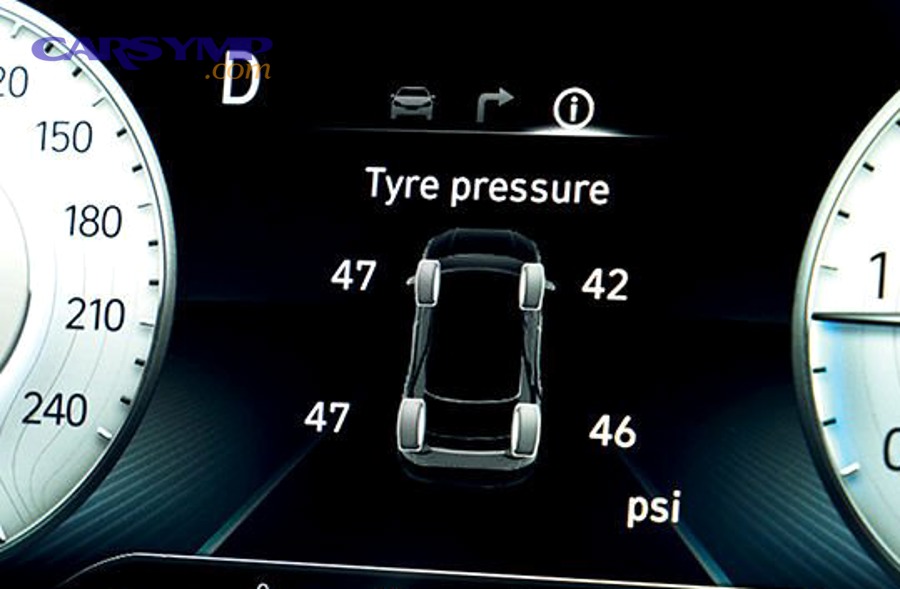
Next, because that single icon can represent two different problems, you need to separate “low air” from “system fault” before you try to clear it.
Is the TPMS light always a real low-tire problem?
No—the TPMS warning light is not always a real low-tire problem, because (1) pressure may already be corrected but the system hasn’t updated, (2) a sensor can be failing or mismatched, and (3) certain vehicles monitor the spare tire or require a relearn after service.
To begin, the most important reason is that TPMS updates are not always instant: if you inflate the tire and immediately start the engine expecting the light to disappear, you may mistake “delay” for “defect.”
More specifically, TPMS is designed as a warning system, not a precision diagnostic tool. It’s very good at telling you “something is wrong with pressure monitoring,” but it can’t tell you whether the cause is a nail, a leaking valve core, a cold snap, or a sensor battery that’s dying. That’s why the correct first move is always the same: verify cold PSI with a gauge, then decide whether to reset, relearn, repair a leak, or diagnose a sensor.
Is your TPMS light steady or flashing—and what does each one tell you to do next?
A steady TPMS light usually points to low pressure that you can correct with inflation, while a flashing TPMS light typically points to a TPMS system or sensor fault that needs diagnosis or relearn.
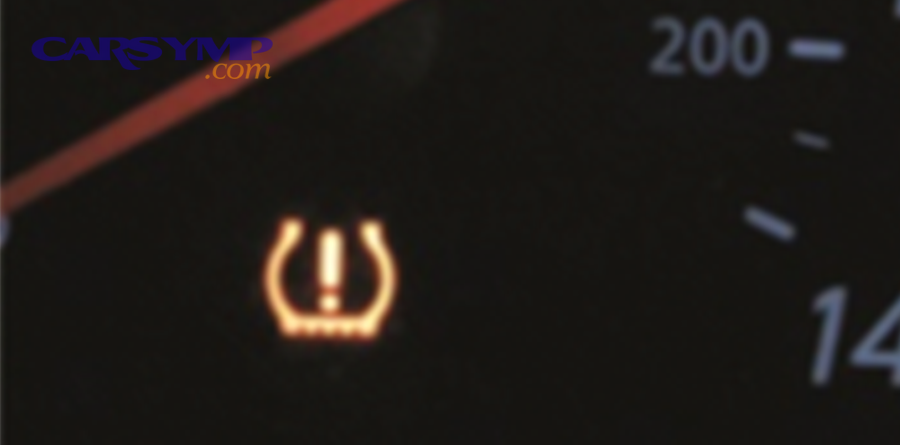
However, because different manufacturers implement TPMS behavior differently, you should treat the light pattern as a decision shortcut—not a final verdict.
Does a flashing TPMS light mean a sensor or system fault?
Yes—a flashing TPMS light usually means a sensor or system fault because (1) the vehicle is not receiving a valid signal from one or more sensors, (2) sensor IDs may not be learned to the car after rotation/replacement, and (3) the control module may have stored a TPMS fault.
In addition, the most important reason is signal validity: when the system can’t trust the sensor data, it warns you differently than it does for simple underinflation.
Practically, flashing often shows up after tire work: new wheels, new sensors, a dead sensor battery, or a relearn that didn’t complete. You can still do the basic pressure check first (because low pressure is never something to ignore), but if pressure is correct and the light keeps flashing, move to the sensor-diagnosis section of this article instead of repeating resets.
How is a steady TPMS light different from a flashing TPMS light?
A steady TPMS light wins for “fix by inflation”, while a flashing TPMS light is best interpreted as “fix by diagnosis/relearn” and a fully off light is optimal for “monitor as normal”.
Meanwhile, the difference matters because it changes your workflow: steady starts with pressure correction; flashing starts with pressure verification and then sensor/system checks.
Use this quick comparison:
- Steady light: Most often low pressure from temperature change, slow leak, or missed top-up.
- Flashing light (or flashing then steady): Commonly sensor communication, sensor battery, wrong sensor frequency/ID, or failed relearn.
- Light off after correction: Normal update—keep checking monthly.
This is the same logic behind Most common dashboard warning lights explained style guides: the pattern and color of a light usually tell you whether it’s a maintenance check or a diagnostic fault. Use that mindset here as well.
What are the most common causes of a TPMS light, and how do you identify them fast?
There are five main causes of a TPMS warning light—low pressure, temperature drop, slow leak, valve/seat leak, and sensor/relearn issues—based on how often they occur and how quickly you can confirm them with simple checks.
Specifically, the fastest path is to verify pressure first, then look for why pressure changed, then decide whether the system needs a reset or a relearn.
What are the top causes of a TPMS light turning on?
There are five main types of TPMS-light triggers: (1) true underinflation, (2) temperature-driven pressure drop, (3) puncture or tread leak, (4) valve stem/core or bead leak, and (5) TPMS sensor/relearn faults—grouped by whether they change actual PSI or only change what the system can read.
Here’s what “fast identification” looks like:
- True underinflation: One tire reads noticeably lower than the door placard PSI when cold.
- Temperature drop: All tires are down similarly after a cold night; the light appears in the morning.
- Puncture/tread leak: One tire drops repeatedly over days; may be nail/screw.
- Valve/bead leak: Slow loss, sometimes worse after service; can hiss when soapy water applied.
- Sensor/relearn fault: PSI is correct but light remains (often flashing) after wheel swap/rotation.
Is cold weather the reason your TPMS light came on overnight?
Yes—cold weather can trigger the TPMS warning light because (1) air contracts as temperature drops and PSI falls, (2) the system compares that lower PSI to the threshold, and (3) marginal tires that were already slightly low cross the alert line overnight.
Besides, this is one of the most predictable TPMS scenarios: if the light appears after a sudden cold snap, expect a pressure check to confirm it.
Many consumer safety references note that tire pressure can drop about 1–2 PSI for each 10°F decrease in temperature. (consumerreports.org) That’s enough to trigger a warning if you were already a few PSI under the placard pressure.
How do you check and correct tire pressure the right way (cold PSI vs hot PSI)?
Checking tire pressure correctly means measuring cold PSI, matching the door-jamb placard PSI, and rechecking after inflation so the TPMS light reflects real tire conditions instead of heat-expanded readings.
To better understand why this matters, you need to treat “cold PSI” as the baseline the vehicle is designed around.
Use this simple method:
- Park and wait: Ideally check before driving, or after the car sits for a few hours.
- Find the placard PSI: Driver door jamb sticker (not the tire sidewall).
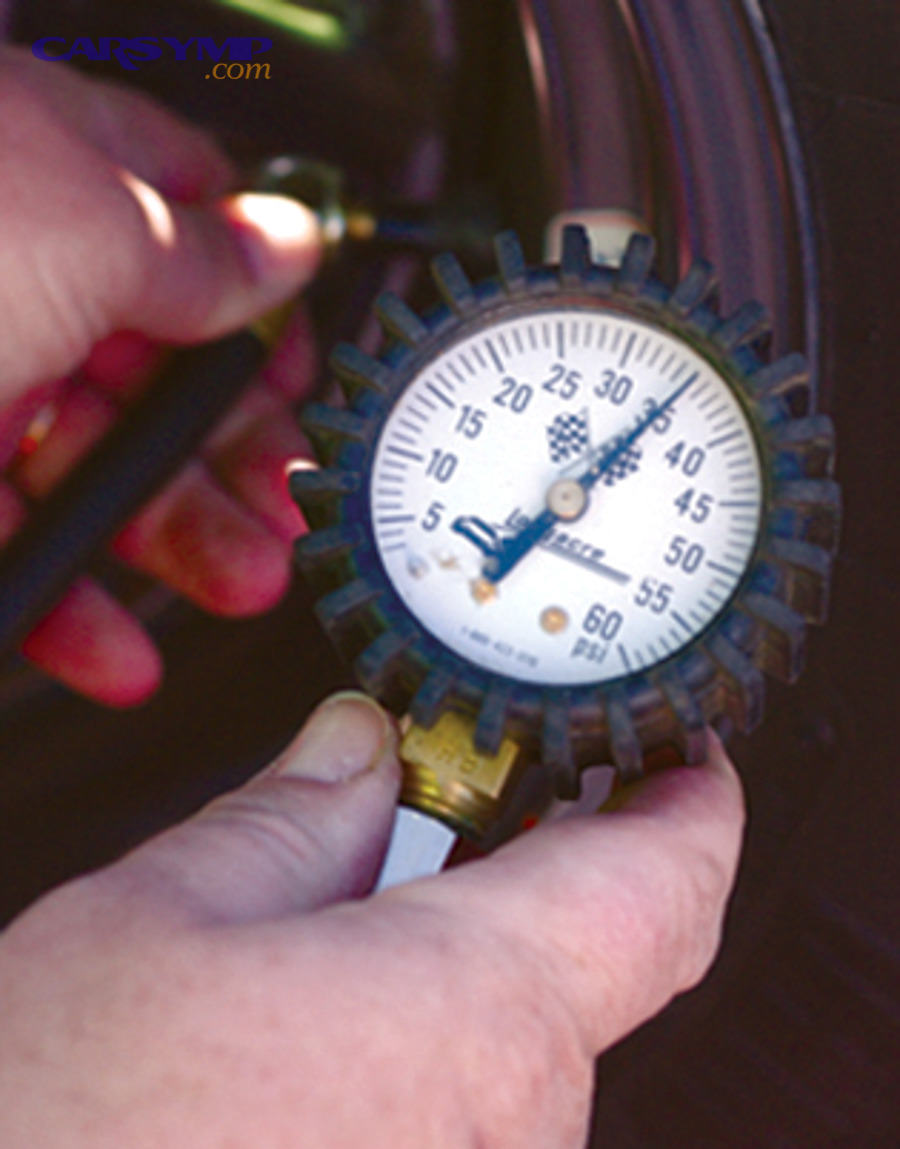
- Measure each tire: Use a reliable gauge; note readings.
- Inflate to placard PSI: Add air in small increments; recheck.
- Don’t chase hot readings: If you just drove, pressure rises; wait to adjust unless you’re dangerously low.
- Repeat monthly: TPMS is not a replacement for routine checks.
Why this is worth doing: underinflation can reduce fuel economy and increase wear. The U.S. Department of Energy summarizes measurable fuel-economy penalties when tires are substantially below recommended pressure. (energy.gov)
How do you troubleshoot the TPMS light step-by-step at home before you reset it?
The best home troubleshooting method is a six-step workflow—verify cold PSI, inflate to placard, inspect tires, check the spare if monitored, drive to update, and only then reset/relearn—so you don’t mask a leak or misdiagnose a sensor fault.
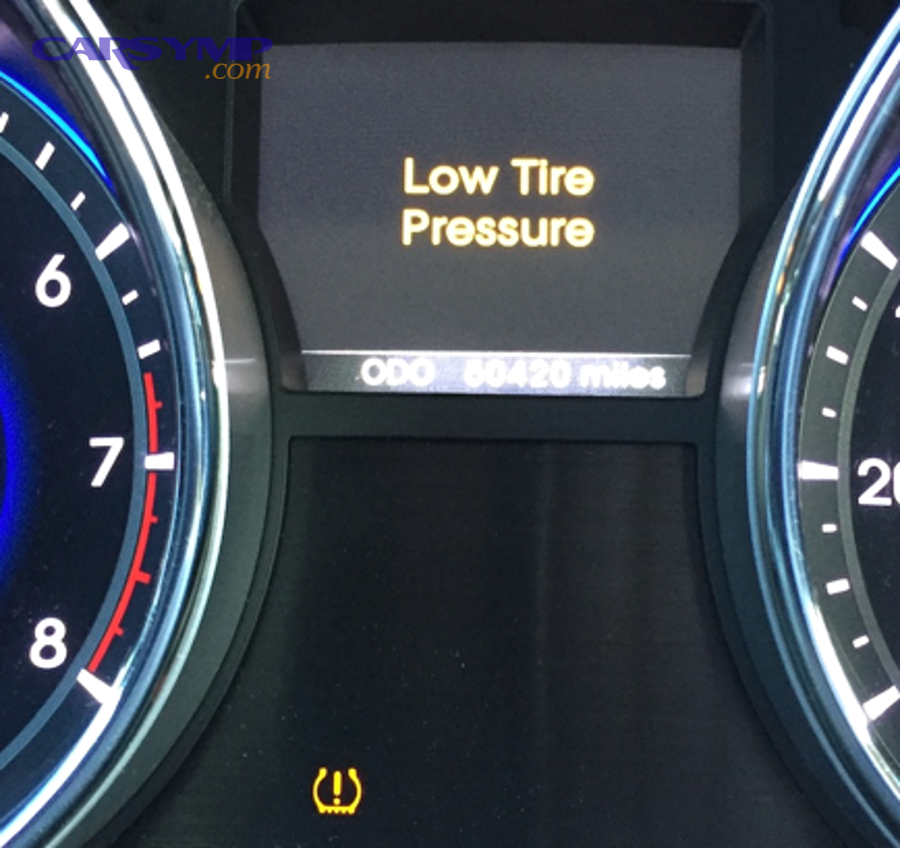
Next, the key is to treat resetting as the final step, not the first step.
Should you stop driving immediately when the TPMS light turns on?
It depends—you should stop driving now when the TPMS light turns on if (1) the tire looks visibly low, (2) the car feels unstable or pulls, or (3) you hear thumping/hissing, because those signs suggest rapid deflation and potential tire damage.
More importantly, this is exactly the scenario described by When a warning light means stop driving now: the light alone is a warning, but the combination of the light plus physical symptoms is a safety event.
Use this decision rule:
- Stop ASAP (safe location): Visible low tire, wobble, vibration, sudden steering pull, loud flap/thump.
- Drive carefully to air/service: Light is on but car feels normal; you can check pressure within minutes.
- Don’t ignore for days: A slow leak can become a sudden failure.
How do you find a slow leak that keeps the TPMS light coming back?
Finding a slow leak means confirming repeat PSI loss and locating the leak source—usually with a visual inspection plus a soap-and-water test—so you fix the cause instead of repeatedly resetting the TPMS light.
Specifically, the most important step is to prove the leak pattern: a tire that drops from 35 PSI to 29 PSI over a week is telling you something real, even if it “looks fine.”
A practical slow-leak checklist:
- Track PSI for 3–7 days: Write down cold PSI for each tire daily.
- Inspect the tread: Look for nails/screws, especially near grooves.
- Check the valve stem and core: These are common slow-leak points.
- Soap test: Spray soapy water on the tread area, valve, and bead; bubbles show leaks.
- Check the rim bead: Corrosion or a dirty bead can leak slowly.
- Repair correctly: A shop can patch from inside; plugs alone may not be enough depending on damage.
If a tire repeatedly loses pressure, a reset is not a solution—it’s a temporary silence.
Do you need to check the spare tire to clear the TPMS light?
Yes—you may need to check the spare tire to clear the TPMS warning light because (1) some vehicles monitor a full-size spare with a sensor, (2) a low spare can trigger the same system alert, and (3) the system may not tell you the spare is the culprit unless the display shows all tire pressures.
In addition, this is a common “mystery light” situation: owners inflate all four tires and the light stays on, because the monitored spare is still low.
How to handle it:
- If you have a full-size spare and your vehicle can display individual PSI, look for a fifth reading.
- If the spare is a donut, it’s often not monitored—but don’t assume; check the manual or the in-car pressure screen.
- Inflate the spare to the specified PSI (often higher than the road tires).
How do you reset or relearn TPMS after inflating tires (without replacing parts)?
Resetting or relearning TPMS means using the vehicle’s built-in reset/calibration method or a short drive cycle so the system registers current pressures and turns the light off after you’ve corrected PSI.
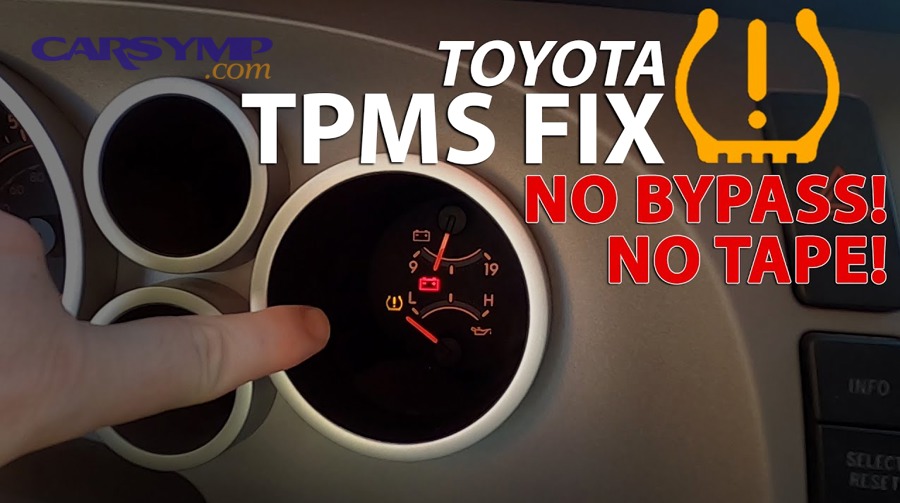
Then, the critical rule is simple: don’t reset until PSI is correct, because resetting while a tire is low can delay warnings when you actually need them.
Does the TPMS light turn off automatically after you inflate the tires?
Yes—the TPMS light can turn off automatically after you inflate the tires because (1) many systems update after driving, (2) the module needs time to receive fresh sensor readings, and (3) some cars require a complete “key cycle” or a few minutes of motion before clearing.
However, automatic clearing only works when you inflated to the correct placard PSI and there is no ongoing leak.
What “automatic” typically looks like:
- You inflate all tires correctly.
- You drive at normal speed for several minutes.
- The light turns off on its own—or it goes off after the next restart.
If it doesn’t clear after reasonable driving, move to reset/relearn steps or sensor diagnosis.
How do you reset TPMS using the reset button and ignition steps?
Resetting TPMS using the reset button generally means turning ignition to ON, pressing and holding the TPMS/SET button until the indicator blinks, then driving to complete calibration, which updates the system’s baseline and clears the light when pressure is correct.
To illustrate, the main risk is doing the sequence with incorrect pressure, which teaches the system the wrong baseline.
A safe generic workflow (always verify your owner’s manual):
- Set tire pressure cold to the door placard PSI.
- Park safely and set the brake.
- Ignition ON (engine may be off depending on vehicle).
- Press/hold TPMS/SET until the light blinks (some models blink twice).
- Start and drive normally for the calibration period.
Manufacturer “how-to” resources often describe this as a recalibration step after refilling or rotating tires, which matches how many indirect or calibration-based systems behave.
How do you trigger an auto-relearn by driving, and how long should it take?
Triggering an auto-relearn means driving steadily for a short period so the system captures new sensor or wheel-speed data, and most successful relearns complete within one normal trip when all tires are at the correct PSI.
More specifically, a consistent speed and uninterrupted drive help the vehicle “settle” into updated readings.
General best practices:
- Drive at normal road speeds (avoid constant stop-and-go if possible).
- Give it 10–20 minutes of steady driving as a rule of thumb.
- Avoid inflating immediately after highway driving and then recalibrating; let tires cool first for best baseline.
If the light is flashing, you can still try the drive cycle—but you should expect a flashing light to push you toward diagnostics rather than simple relearn.
When is it not a tire-pressure issue—and how do you diagnose TPMS sensor problems?
It’s not a tire-pressure issue when cold PSI is correct but the TPMS light stays on or flashes, which usually means the system can’t read one or more sensors, needs a relearn after service, or has a failing sensor battery.
Besides, diagnosing sensors is where many DIY attempts go wrong, because people keep “resetting” a system that can’t receive valid data.
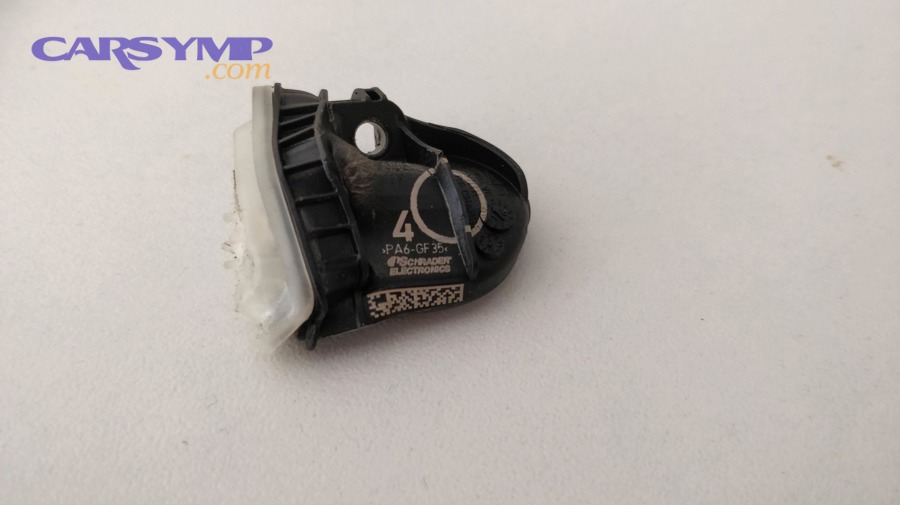
If your tire pressure is correct, can the TPMS sensor still be bad?
Yes—a TPMS sensor can be bad even if your tire pressure is correct because (1) the sensor battery can be weak or dead, (2) the sensor can be physically damaged or corroded, and (3) the vehicle may not have learned the sensor ID after wheel work.
Moreover, the most important reason is battery life: TPMS sensors are small transmitters, and batteries degrade with age and heat cycles.
A “pressure is fine but light persists” checklist:
- Confirm cold PSI matches placard.
- Note whether the light is steady or flashing.
- Recall recent service: rotation, new tires, wheel swap, sensor replacement.
- Check whether the car displays individual tire pressures—a missing reading often points to the failing sensor.
- If available, scan for TPMS-related fault codes at a shop.
Research in vehicle-sensing literature discusses how TPMS sensors transmit and how system design affects sensor power use and battery life, which is why battery failure shows up as “can’t read sensor” rather than “pressure is low.” (winlab.rutgers.edu)
What are the signs of a dying TPMS sensor battery?
There are four main signs of a dying TPMS sensor battery: (1) the TPMS light becomes intermittent, (2) the system takes longer to display pressure, (3) the light appears more in cold weather, and (4) one tire’s reading drops out entirely—grouped by how signal strength degrades over time.
In addition, this matters because a weak battery often creates “random” warnings that feel like false alarms.
Typical patterns you’ll notice:
- Intermittent light: Comes and goes without pressure changes.
- Missing PSI reading: The dash shows “—” for one tire.
- Cold sensitivity: The warning appears more in winter mornings.
- Service-triggered discovery: After rotation, the car suddenly can’t see one sensor.
Is the TPMS light common after tire rotation, new wheels, or sensor replacement?
Yes—the TPMS light is common after tire rotation, new wheels, or sensor replacement because (1) many systems must relearn sensor positions or IDs, (2) indirect systems need recalibration after rotation, and (3) aftermarket sensors may require programming to match the vehicle.
Especially, the most common mistake is assuming a rotation is “mechanical only”—TPMS often needs a software step afterward.
What to do after service:
- If your car supports auto-relearn, drive to let it update.
- If it requires manual relearn, follow the procedure (or have a shop perform it).
- If you installed aftermarket sensors, confirm they’re compatible and programmed for the vehicle.
How do you decide between DIY fixes and a shop diagnosis—and what will a shop do differently?
DIY wins for pressure correction and basic leak checks, while a shop is best for TPMS fault diagnosis, sensor programming, and internal tire repairs, and emergency service is optimal when the tire is losing air quickly or handling is affected.

Thus, the decision comes down to safety, repeatability, and whether you have the tools to confirm what the TPMS module is actually seeing.
This is also where the broader dashboard-warning mindset helps: dashboard warning lights diagnosis is about picking the right response level for the right light, the same way you would treat topics like Airbag/SRS light causes and safety as a diagnostic priority instead of a reset-and-ignore event.
Should you replace the TPMS sensor or just service the valve stem?
Replacing the TPMS sensor wins when the battery is failing or the sensor body is damaged, while servicing the valve stem is best when the leak is only at the core/seal, and replacing the entire valve/sensor assembly is optimal when corrosion or cracking compromises the structure.
However, you should connect the decision to evidence from your checks, not guesses.
Use this practical comparison:
- Service the valve core/seal if: bubbles appear at the valve tip, PSI drops slowly, and sensor readings are stable.
- Replace the sensor if: the light flashes, one reading disappears, or the sensor is old and intermittent.
- Replace sensor + stem if: visible corrosion, cracked stem, or damage during tire mounting.
If you want a content reference that frames this in a broader troubleshooting library, Car Symp-style checklists often help owners choose between a simple service step and a true part replacement without jumping straight to the most expensive option.
What does a TPMS diagnostic scan check that a home gauge can’t?
A TPMS diagnostic scan checks sensor IDs, live sensor data, stored fault codes, signal status, and relearn readiness, which a home gauge cannot measure because a gauge only reads PSI at the valve, not whether the sensor’s radio signal is valid.
Meanwhile, this is why shop diagnosis is often “faster,” not just “more expensive”: it narrows the cause in minutes.
What a shop can typically confirm quickly:
- Which sensor is missing or weak
- Whether the car needs a relearn procedure
- Whether an aftermarket sensor is incompatible
- Whether the TPMS module logged faults
Evidence: According to a study by San José State University’s Mineta Transportation Institute, in 2021, researchers measured real-world relationships between tire inflation and fuel consumption and discussed how tire-pressure variation can correlate with efficiency changes under certain conditions. (transweb.sjsu.edu)
Contextual border: At this point, you can identify whether your TPMS warning light is caused by real low pressure, a repeat leak, or a sensor/system fault—and you know when reset/relearn is appropriate. Next, we’ll go beyond the core workflow into system types and edge cases that explain “mystery” TPMS behavior.
What vehicle-specific TPMS edge cases explain ‘mystery’ warning lights even after troubleshooting?
Vehicle-specific TPMS edge cases usually come from system type (direct vs indirect), relearn method, sensor compatibility, or unusual interference/corrosion patterns, which can keep the tire pressure light on even when PSI is perfect.
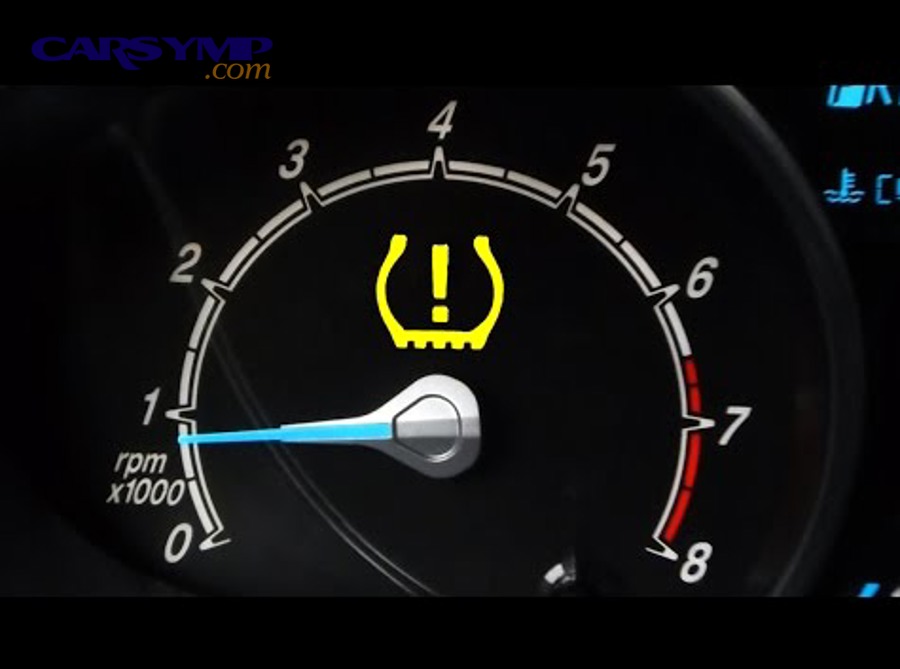
Below, these micro-details matter because they explain why two cars behave differently with the same-looking dashboard icon.
Is your car using direct TPMS or indirect TPMS, and why does that change troubleshooting?
Direct TPMS wins for real PSI readings at each wheel, indirect TPMS is best for relative pressure loss detection using wheel-speed data, and knowing which you have is optimal for choosing reset vs relearn after service.
On the other hand, troubleshooting changes because indirect systems often require recalibration after rotations, while direct systems depend on sensor communication.
Quick identifiers:
- Direct TPMS: Often shows PSI per tire on the dash; uses sensors inside the wheels. (en.wikipedia.org)
- Indirect TPMS: May not show PSI; uses ABS wheel-speed patterns; recalibration is common after rotation. (en.wikipedia.org)
What relearn method does your TPMS system use (auto, stationary, OBD), and which mistakes cause failure?
There are three main relearn types—auto relearn, stationary relearn, and OBD/tool relearn—based on how the vehicle learns sensor IDs and positions, and each fails for predictable reasons.
Specifically, the most common failure is expecting an auto relearn when your vehicle requires a tool-based procedure.
Common mistakes by relearn type:
- Auto relearn: Not driving long enough; mixed sensors; ignoring a flashing fault.
- Stationary relearn: Doing steps out of sequence; wrong ignition state; not activating sensors.
- OBD/tool relearn: Using incompatible tools; wrong vehicle profile; sensors not programmed.
Can aftermarket wheels/sensors, mixed brands, or cloned IDs keep the TPMS light on?
Yes—aftermarket wheels/sensors or cloned IDs can keep the TPMS light on because (1) sensors may use the wrong frequency or protocol, (2) IDs may not match what the module expects, and (3) a cloned ID strategy can confuse position learning on some systems.
Moreover, the most important reason is compatibility: “fits the valve hole” is not the same as “talks to the car.”
Practical checks:
- Confirm sensors are vehicle-compatible and properly programmed.
- If the system can display PSI, watch for a tire that never reports.
- If the light appears after install, assume relearn/programming first, not “bad TPMS module.”
Can interference, corrosion, or seasonal wheel swaps cause intermittent TPMS warnings?
Yes—interference, corrosion, or seasonal wheel swaps can cause intermittent TPMS warnings because (1) signal strength can fluctuate, (2) corrosion can cause leaks or sensor issues at the stem, and (3) the vehicle may not store multiple sensor sets without relearn.
Especially, seasonal wheel changes are a classic trigger: the system may need to learn the “winter set” IDs again.
Also remember the cold-weather factor: pressure drops in cold conditions can legitimately trigger warnings, which is why verifying cold PSI is still step one even in edge cases. (consumerreports.org)
Evidence: According to a study by Williams College (Center for Environmental Studies), in 2010, an analysis using U.S. Department of Energy tire-pressure fuel-economy relationships highlighted that underinflation can measurably reduce fuel economy as PSI drops, reinforcing why correct inflation remains the foundation before any TPMS reset. (sustainability.williams.edu)