


If you want to tell whether your problem is the ECU (also called the ECM/PCM) or a sensor/wiring issue, the fastest path is a structured diagnostic workflow: verify the complaint, read codes and freeze-frame, confirm power/grounds and the 5V reference, isolate the circuit, and only then consider an ECU fault.
Next, you’ll also need to recognize symptom patterns—because ECU-like issues are often caused by basic electrical faults. Multiple random codes, intermittent limp mode, or “ghost” sensor readings can come from a weak ground, a corroded connector, or a harness rub-through just as easily as from a failing module.
Then, you’ll learn the minimum set of tests that actually prove root cause: a loaded voltage-drop check, 5V reference verification, a signal and ground integrity check, and a continuity/short test targeted to the circuit named in the code.
Introduce a new idea: when communication issues (U-codes or “no communication”) enter the picture, the same logic still applies—start with power, ground, and network basics before blaming the ECU.
What does “ECU vs sensor/wiring fault diagnosis” mean in practice?
ECU vs sensor/wiring fault diagnosis is a vehicle electrical troubleshooting method that separates an internal control module failure from external input/output problems by tracing signals, power, and ground through the circuit and confirming which link breaks under the same conditions.
Next, that distinction matters because the ECU sits in the middle of a chain: sensor input → ECU processing → actuator output. If any upstream piece lies (bad sensor), any connection gets resistive (corrosion), or any wire opens/shorts (harness damage), the ECU may look guilty even when it’s functioning normally.
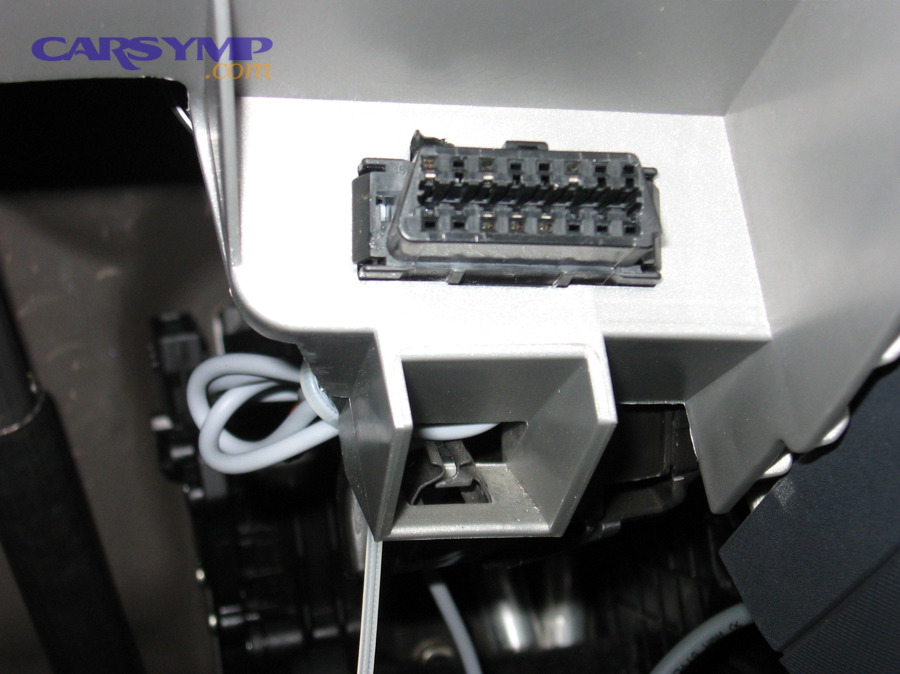
In practice, “ECU vs wiring” questions usually show up in four real-world situations:
- A sensor code keeps returning after replacing the sensor.
That often means the problem is in the wiring, connector pin fitment, a shared ground, or the ECU’s reference/signal handling—so you need proof before buying more parts. - Multiple unrelated codes appear together.
That can be a real ECU issue, but it can also be a single shared cause (like low system voltage, a main relay problem, or a corroded ground that affects many circuits at once). - Intermittent symptoms that vanish when you touch the harness.
This is classic wiring/connector behavior—especially when vibration, heat, or moisture changes contact resistance. - No communication with one or more modules.
This can be a dead module, but it’s commonly a power/ground fault or a network wiring fault.
A clean way to keep your terminology consistent during ECU diagnosis is to name everything as a circuit path:
- Power feed (battery → fuse → relay → ECU power pin)
- Ground path (ECU ground pin → chassis/engine ground → battery negative)
- Reference (often 5V reference output from ECU to sensors)
- Signal (sensor output back to ECU input)
- Load/output (ECU driver output to actuator: solenoid, relay, injector, coil, etc.)
That structure is the backbone of good ECU diagnosis because it forces you to test relationships, not just parts.
Can you safely diagnose ECU vs wiring/sensor faults at home without replacing parts?
Yes—most ECU vs wiring/sensor faults can be diagnosed at home without replacing parts because a scan tool plus a few targeted electrical checks can confirm power/ground integrity, reference voltage, and signal behavior, which are the three most common reasons the ECU “looks bad.”
Next, safety and scope matter: you’re not trying to “probe everything.” You’re trying to prove one circuit is healthy (or not) using repeatable tests and minimal intrusion.
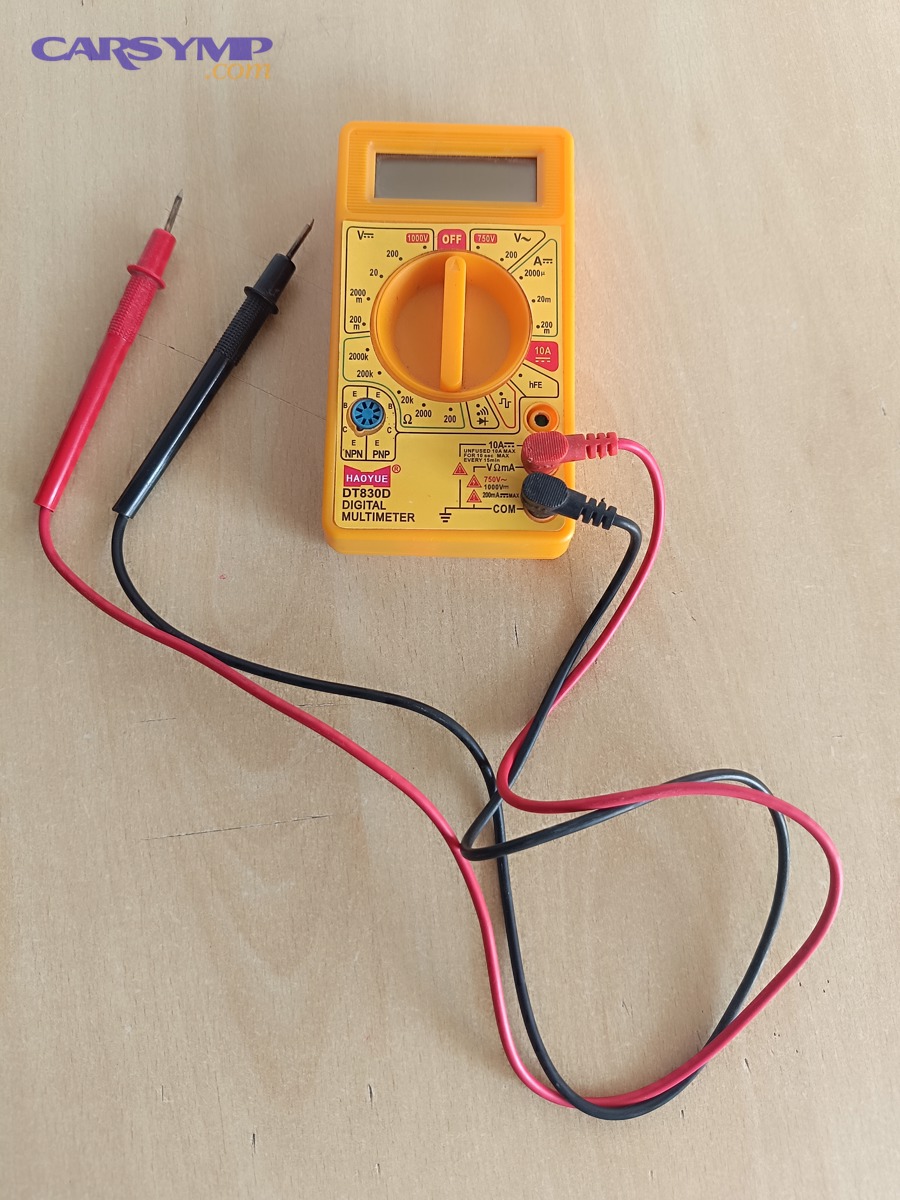
A safe DIY toolbox for this article includes:
- A basic OBD2 code reader (better if it shows live data and freeze-frame)
- A digital multimeter (DMM)
- A simple test light (for loaded power/ground checks)
- Back-probe pins or “T-pins” (used carefully to avoid spreading terminals)
- Contact cleaner and dielectric grease (for prevention, not as a “fix” for bad terminals)
- A wiring diagram for your vehicle (factory service info is best)
Below are the two “decision questions” that determine how deep you can go as a DIYer.
Do you need a scan tool to differentiate ECU vs sensor/wiring faults?
Yes, you typically need at least a basic scan tool because codes, freeze-frame, and live data tell you which circuit is failing and under what conditions, and those clues reduce random testing and prevent wrong part replacement.
Next, treat the scan tool as a direction finder—not a judge. A code rarely says “replace ECU.” It usually says “circuit high,” “circuit low,” “signal implausible,” or “communication lost,” which still requires electrical verification.
Use scan data in three layers:
- Layer 1: DTC family
- Circuit codes (open/short/high/low) often point to wiring, connectors, reference voltage, or sensor power/ground.
- Performance/range codes often point to a sensor that is reading incorrectly or a mechanical problem that creates a “true” abnormal condition.
- Layer 2: Freeze-frame
Freeze-frame tells you engine load, RPM, temperature, voltage, and speed when the fault set. That’s the blueprint for reproducing. - Layer 3: Live data (PIDs)
Live PIDs show whether the sensor is stuck, noisy, lagging, or suddenly dropping out—behavior that often differentiates wiring intermittency from a true sensor failure.
Is it ever reasonable to suspect the ECU first?
Yes, it can be reasonable to suspect the ECU first when you have strong physical evidence (water intrusion, burned smell, visible damage) or a repeatable driver/output failure with verified power/ground, but it’s usually not reasonable when the problem is intermittent or when multiple circuits share a common external cause.
Next, here’s the practical rule: suspect the ECU only after you can prove the inputs and supporting infrastructure are correct. If you can’t prove power/ground and reference integrity, the ECU is not yet “on trial.”
A quick checklist that justifies earlier ECU suspicion:
- The ECU housing or connector cavity shows moisture or corrosion.
- The vehicle has a history of water leaks near the ECU location.
- A known-good actuator fails to respond, and you can verify:
- the ECU is commanding it (where applicable),
- the power feed is present,
- the ground path is good,
- and the harness is intact.
- The failure is repeatable and not affected by wiggle testing, temperature changes, or load.
That’s not guessing—that’s structured elimination.
What are the most common root causes that mimic an ECU failure?
There are two main types of root causes that mimic an ECU failure—(1) power/ground problems and (2) wiring/connector faults—because both can corrupt sensor signals, collapse reference voltage, or interrupt communication in ways that look like internal module failure.
Next, this is the core reason parts get replaced unnecessarily: technicians and DIYers see ECU failure symptoms (stalling, random codes, limp mode) and assume “computer,” when the real problem is the electrical foundation the computer depends on.
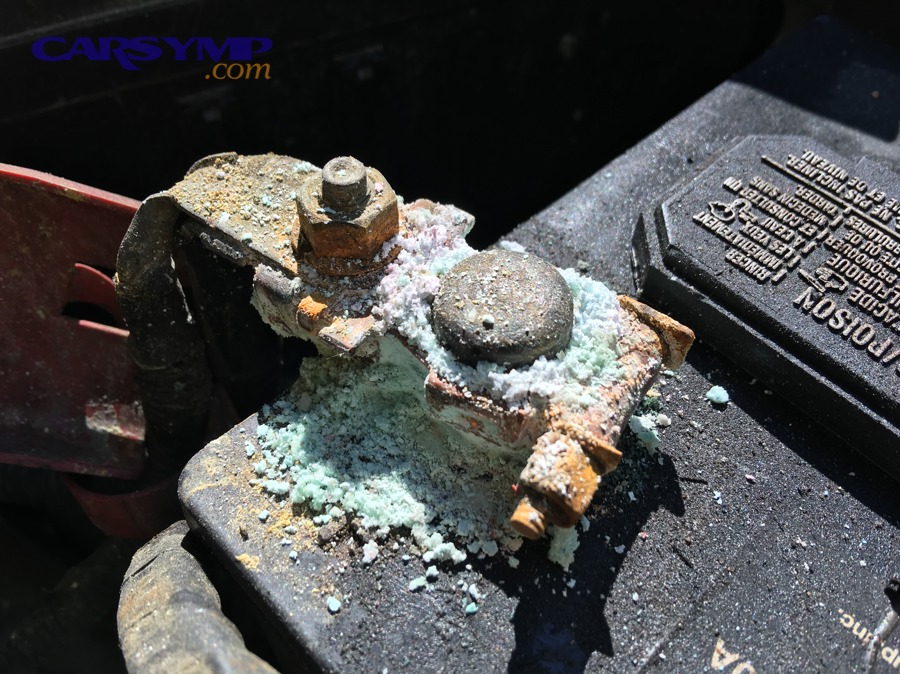
Which power and ground problems most often cause “ECU-like” symptoms?
There are four common power/ground problems that most often mimic ECU failure: low system voltage under load, high resistance in the main power feed, weak ECU grounds (voltage drop), and unstable relay/fuse connections.
Next, power and ground aren’t “background conditions”—they are active inputs to every ECU decision. If voltage collapses during cranking or under load, sensors lie, modules reset, and communication drops.
Focus on these high-impact checks:
- Battery voltage under crank
A battery can look fine at rest but sag hard while cranking, causing module resets and “no communication” complaints. - Main relay behavior
A failing relay can flicker ECU power, creating intermittent faults that vanish and return without pattern. - Voltage drop on grounds (loaded)
A ground can pass a continuity test and still fail under load. That’s why voltage-drop testing is so valuable. - Fuse box and power distribution corrosion
Heat cycles and humidity can add resistance at fuse/relay terminals.
According to a study by Embry-Riddle Aeronautical University from the College of Engineering, in 2015, an electrical testing analysis showed that using 22 AWG to power a pump produced about a 4.57% voltage drop, exceeding a stated 2% maximum limit, illustrating how conductor size and load can create real functional failures even when continuity exists.
Which wiring/connector failures create intermittent faults and random codes?
There are five wiring/connector failures that most commonly create intermittent faults: broken conductors inside insulation, connector pin fretting/corrosion, harness chafing to ground, poor pin tension (spread terminals), and aftermarket splices.
Next, wiring faults often behave like this: works until vibration, heat, or moisture changes the connection resistance. That’s why you can drive the car, hit a bump, and suddenly get limp mode with a cluster of codes.
What to inspect first (fastest wins):
- Connector pin fit and retention
A terminal that looks “clean” can still be loose. Lightly tug on each wire at the back of the connector (don’t yank) to find a broken conductor near the crimp. - Harness rub points
Look for shiny copper, flattened insulation, or tape wear where the harness contacts brackets, engine edges, or plastic covers. - Water intrusion paths
Follow moisture trails: windshield cowl, ECU box seals, firewall grommets. - Aftermarket work zones
Remote starters, stereos, alarm wiring, and “quick splice” taps are frequent fault creators.
According to a study by Auburn University from the Samuel Ginn College of Engineering, in 2007, vibration-induced fretting corrosion research found that connector designs show consistent displacement thresholds for the onset of fretting corrosion, supporting why vibration and small motion at terminals can trigger intermittent electrical faults.
What step-by-step workflow tells you ECU vs sensor vs wiring with the least guesswork?
A reliable ECU diagnosis workflow uses 7 steps—verify the complaint, scan and capture data, classify the code type, confirm power/ground, verify reference and sensor feeds, isolate signal/wiring, and confirm ECU input/output at the connector—to reach a defensible conclusion without parts swapping.
Next, this workflow works because it follows the circuit path in order, which prevents you from jumping to conclusions based on symptoms alone.
Here’s the workflow as a simple decision ladder:
- Verify the symptom
- Scan codes + freeze-frame (save screenshots or notes)
- Classify the code (circuit vs performance vs communication)
- Confirm charging/battery condition (especially under crank/load)
- Confirm ECU power and grounds (loaded)
- Confirm sensor feed/reference and signal integrity
- Only then evaluate ECU internal failure (input/output proof)
How do you use codes, freeze-frame, and live data to choose the right next test?
You choose the right next test by using codes to identify the circuit, freeze-frame to reproduce the condition, and live data to determine whether the signal is missing, implausible, noisy, or dropping out intermittently.
Next, the key move is to stop reading codes as “parts.” Read them as circuit behaviors.
A practical interpretation guide:
- “Circuit low” or “circuit high”
Often wiring/connector, reference, sensor power, or sensor ground (but can be ECU input circuitry in rare cases). - “Signal implausible / correlation”
Could be sensor drift, mechanical issue, or wiring noise; check correlation with other PIDs. - “Intermittent”
Strongly suggests wiring, connector pin fitment, or power/ground instability.
In live data, look for “tells”:
- A sensor value that suddenly drops to 0, spikes to an impossible max, or freezes while the engine condition changes
- A value that changes when you move the harness (controlled wiggle test)
- Multiple sensors showing abnormal readings at the same time (shared ground/reference suspicion)
How do you confirm power, ground, and 5V reference before blaming the ECU?
You confirm power, ground, and 5V reference by measuring battery voltage under load, performing voltage-drop tests across ECU grounds and power feeds, and verifying that the 5V reference is present at the sensor with the circuit connected and disconnected.
Next, this is the single most important habit in ECU diagnosis: test power and ground as a loaded system, not as a disconnected “continuity” problem.
A repeatable method:
- Power feed check (loaded):
- Use a test light from power to ground to ensure the circuit can carry load.
- Use a DMM to measure voltage drop from battery positive to ECU power pin while the circuit is active.
- Ground check (loaded):
- Measure voltage drop from ECU ground pin to battery negative while cranking or while loads are active.
- A small voltage drop is normal; a larger drop indicates resistance in the ground path.
- 5V reference check:
- Identify a sensor that uses the 5V reference (MAP, TPS, etc.).
- Check for 5V at the sensor connector.
- If the 5V is missing, unplug sensors one at a time to see if the 5V returns (a shorted sensor or harness can pull it down).
How do you isolate sensor vs wiring using unplug tests and continuity checks?
You isolate sensor vs wiring by unplugging the sensor to see if the reference/signal returns to normal, checking continuity end-to-end, and testing for shorts to ground or power between the signal/reference wires and known good references.
Next, isolation is about changing one variable at a time so the circuit “confesses.”
A clean isolation sequence:
- Unplug the sensor
If the 5V reference returns, suspect the sensor or its shorted wiring segment. - Inspect the connector
- Continuity test (with power off)
Verify the signal wire reaches the ECU pin.- Short test
Check whether the signal/reference is shorted to ground or power. - Continuity test (with power off)
If you find intermittent behavior, add a controlled wiggle test:
- Monitor the PID live
- Wiggle in sections (sensor connector, mid-harness, ECU connector area)
- Stop when you reproduce the fault and focus your inspection there
How do you confirm an ECU fault after everything else checks out?
You confirm an ECU fault when you can prove that correct inputs arrive at the ECU pins, the ECU has stable power and grounds under load, the wiring and connectors test good, and the ECU output or interpreted data remains wrong or absent under repeatable conditions.
Next, that’s the standard of proof that avoids expensive mistakes: you’re not diagnosing “ECU” as an idea—you’re diagnosing a measured failure.
A strong “ECU guilty” case usually includes at least one of these:
- Input proof: the sensor signal measured at the sensor matches spec, and the same signal measured at the ECU pin is still correct, yet the ECU PID shows nonsense or the ECU sets a circuit code consistently.
- Output proof: the ECU does not command an actuator output even though enabling conditions are met and verified (and power/ground and the actuator itself test good).
- Internal reference failure: the ECU’s 5V reference is unstable even when all sensors on that reference are unplugged and the harness is confirmed not shorted.
This is the point where ECU repair vs replacement options becomes a rational discussion—because you’ve earned the right to talk about fixing the module.
What patterns in symptoms and codes suggest ECU fault vs sensor fault vs wiring fault?
Wiring faults most often win on intermittency and environment sensitivity, sensor faults win on consistent out-of-range behavior tied to operating conditions, and ECU faults are most likely when multiple circuits misbehave despite verified inputs, stable power/grounds, and intact wiring.
Next, pattern recognition is what keeps troubleshooting efficient: it tells you where to aim your meter before you spend hours testing everything.
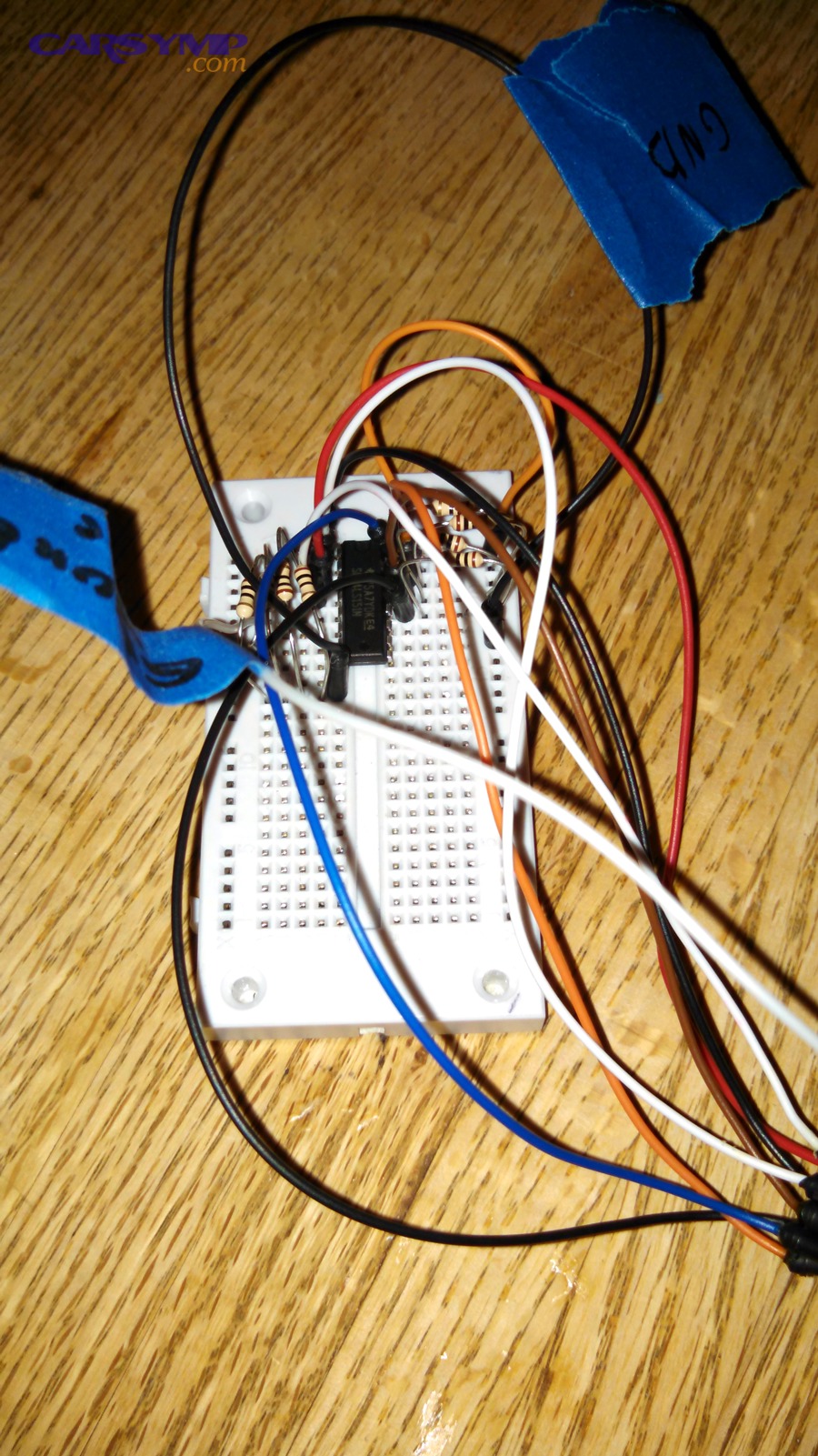
To make these patterns actionable, the table below summarizes what each failure type “looks like” when you combine symptoms, codes, and test results.
Table context: This comparison table helps you map common symptoms and diagnostic clues to the most likely root cause so you can choose the next test logically.
| Clue | Wiring/Connector Fault | Sensor Fault | ECU Fault |
|---|---|---|---|
| Behavior | Intermittent; changes with vibration/heat/moisture | Often repeatable; may worsen gradually | Often repeatable; may affect multiple related circuits |
| Codes | “Intermittent,” “circuit high/low,” random resets | “Range/performance,” “implausible,” or stuck readings | Multiple circuit codes without shared external cause; odd internal faults |
| Wiggle test | Frequently reproduces | Usually no change | Usually no change (unless connector pin issue) |
| Reference voltage | Can be pulled down by shorts | May pull down if internally shorted | Can be unstable even with sensors unplugged |
| Best confirming test | Voltage drop + continuity/short test | Known-good signal test + spec comparison | Input/output proof at ECU pins |
How do wiring faults differ from sensor faults in repeatability and code behavior?
Wiring faults differ because they are usually intermittent and environment-sensitive, while sensor faults are usually consistent and condition-based, meaning they change predictably with RPM, temperature, load, or throttle position.
Next, treat “intermittent” as a wiring word until proven otherwise.
Practical examples:
- Wiring fault:
The TPS PID drops to 0% for one frame when you hit bumps; code returns as “intermittent.” - Sensor fault:
The coolant temperature PID reads -40°F or 300°F consistently (open/short signature), or it slowly drifts and fails plausibility checks.
When you see intermittent faults:
- Reproduce with vibration (controlled wiggle test)
- Reproduce with heat (after warm-up)
- Inspect and test pin fitment and grounds
How do ECU internal faults differ from external faults in multi-code scenarios?
ECU internal faults differ because they can create multi-code scenarios without a shared external wiring cause, especially when internal references, input conditioning, or driver outputs fail while the external circuits still measure correctly at the ECU connector.
Next, be careful: multi-code alone does not prove an ECU fault—low voltage and bad grounds can also create multi-code storms.
Better ECU-leaning signs include:
- Multiple sensors reading wrong in ways that don’t share a harness branch
- The ECU PID is wrong even when the sensor signal is correct at the ECU pin
- Outputs (like solenoid drivers) fail consistently despite confirmed power, ground, and load integrity
Which “false ECU” red flags should make you re-check wiring again?
There are three major false-ECU red flags—intermittent symptom changes with harness movement, multiple codes appearing after recent electrical work, and any sign of corrosion/water intrusion at connectors—because these patterns strongly indicate external electrical instability, not module logic failure.
Next, the fastest money-saving move is to re-check wiring when you see these red flags.
Re-check wiring immediately if:
- The fault appears after a battery replacement, alternator work, stereo install, engine swap, or any harness repair.
- A connector shows moisture, green corrosion, or damaged seals.
- Ground straps are loose, frayed, or covered in corrosion.
- You see “fixed” wiring (twist-and-tape, crimp caps, scotch-lock taps).
This is exactly where many DIY ECU failure symptoms are born: not in the ECU, but in the “support system” around it.
What tests are the “minimum effective” set to prove the root cause?
There are five minimum effective tests—battery/load voltage check, loaded voltage-drop test, 5V reference verification, signal integrity check, and continuity/short testing—because together they confirm the electrical foundation, the sensor supply, the signal path, and the wiring’s physical integrity.
Next, these tests work because they convert “symptoms” into measurements, which is the heart of ECU diagnosis.
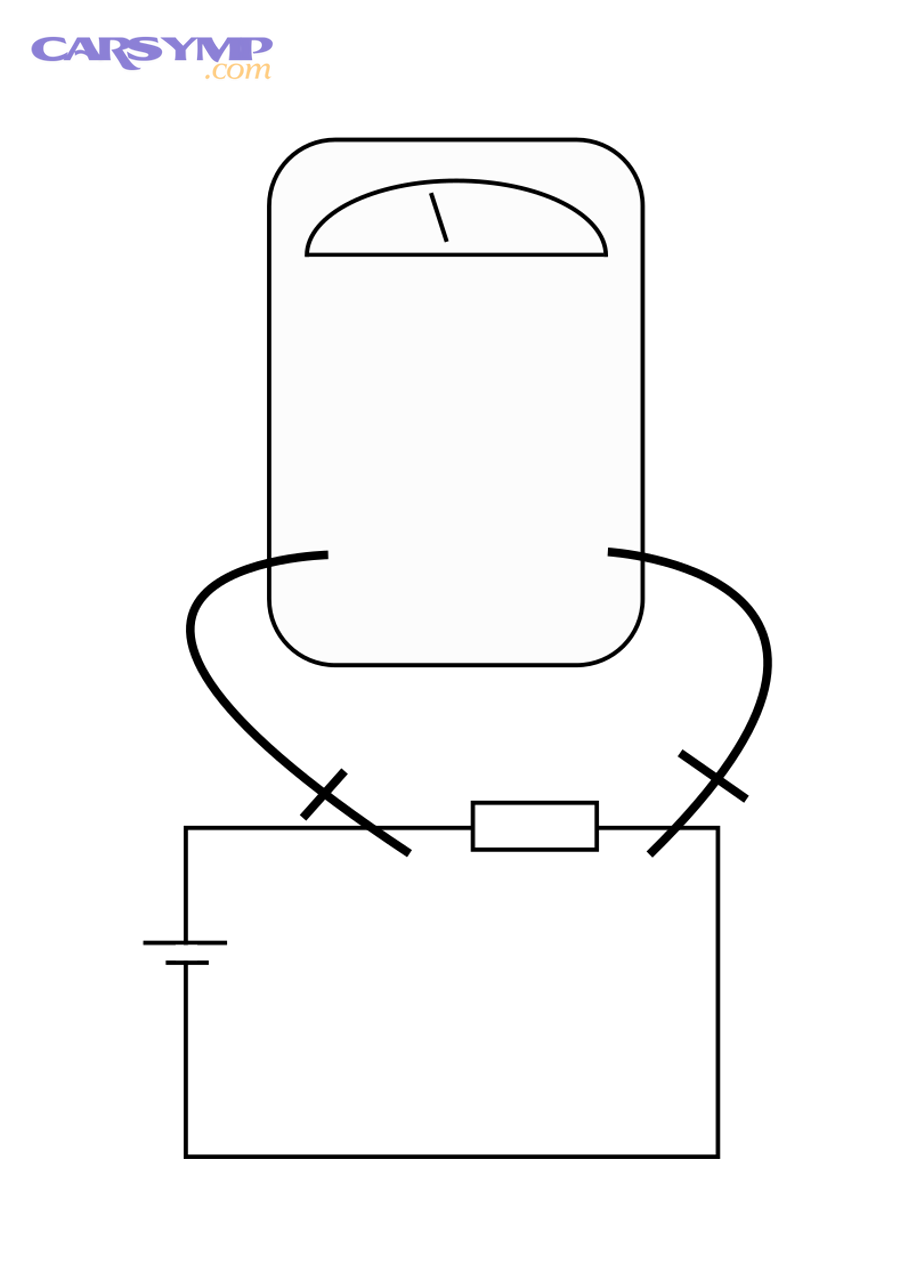
Which 5 electrical tests most reliably separate ECU vs wiring vs sensor?
There are 5 electrical tests that most reliably separate ECU vs wiring vs sensor: loaded system voltage verification, power feed voltage drop, ground voltage drop, 5V reference isolation, and signal/continuity plus short-to-ground/power checks.
Next, here’s what each test “proves”:
- Loaded system voltage
Proves the electrical system isn’t collapsing under crank/load. - Power feed voltage drop (loaded)
Proves the ECU is truly receiving usable voltage, not just “some voltage.” - Ground voltage drop (loaded)
Proves the ECU can return current to battery negative with low resistance. - 5V reference isolation
Proves whether a sensor/harness short is pulling the reference down or whether the ECU reference itself is unstable. - Signal integrity + continuity/short checks
Proves whether the signal wire is intact, not shorted, and delivering the correct behavior to the ECU pin.
When should you use a test light instead of only a multimeter?
A test light is often better when you suspect high resistance because it loads the circuit, which can reveal weak power feeds and bad grounds that a multimeter might miss when it reads voltage without meaningful current flow.
Next, a DMM is precise, but it can be “too polite.” A test light demands current. If the circuit can’t supply it, the light exposes the problem.
Use a test light for:
- Checking ECU power feeds (can it carry load?)
- Confirming ground quality (does the ground sink current?)
- Verifying relay outputs under load
Use a DMM for:
- Voltage-drop measurement (numeric proof)
- 5V reference and sensor signal ranges
- Resistance/continuity testing (power off)
How do you do a wiggle test correctly without creating new faults?
A correct wiggle test uses controlled harness movement in sections while monitoring a live PID or fault counter, and it avoids aggressive pulling that can spread terminals or break brittle wires.
Next, the goal is reproducibility, not destruction.
A safe wiggle test protocol:
- Start the engine or place the system in the condition where the PID is active.
- Choose one PID that reflects the fault (e.g., TPS %, MAP kPa, crank signal RPM).
- Move the harness gently in small sections:
- sensor connector
- nearby harness branch
- mid-run clips and brackets
- ECU connector area
- Stop immediately when the PID glitches, then focus inspection on that location.
If the symptom only occurs hot, perform the wiggle test after warm-up—many wiring faults are temperature-sensitive because copper and terminal spring tension change with heat.
How do you handle “no communication” or U-codes without jumping to ECU replacement?
The best way to handle no communication or U-codes is to follow a 6-step communication workflow—confirm scan tool and DLC power/ground, verify battery voltage and ECU feeds, check main grounds, look for network-wide symptoms, isolate the failing branch, and only then suspect a dead module—to restore communication without guessing.
Next, communication failures feel like “computer problems,” but they’re often power, ground, or wiring problems that prevent modules from waking up or talking.
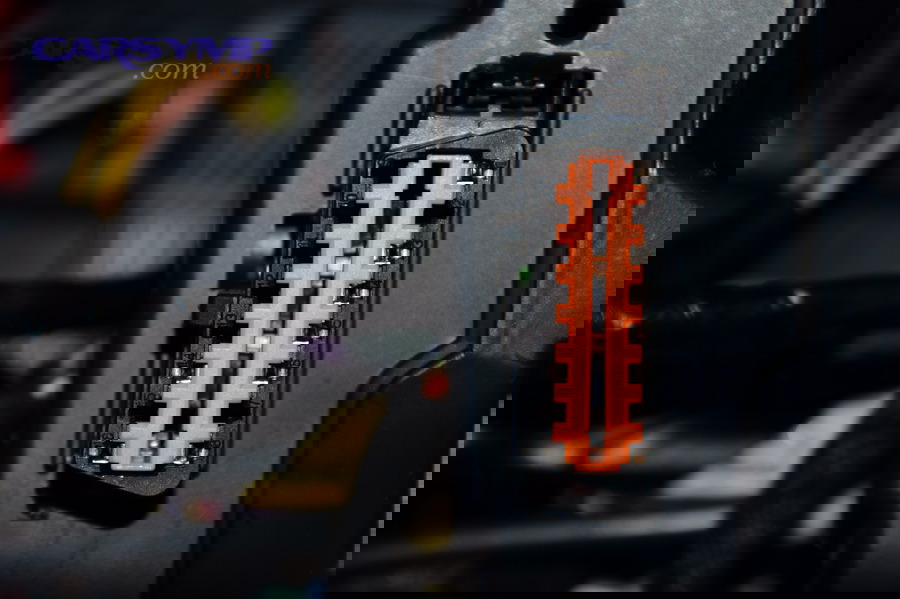
Is “no communication” always an ECU failure?
No, no communication is not always an ECU failure because scan tools depend on DLC power/ground, modules depend on stable voltage and grounds, and network wiring faults or another module pulling the bus down can block communication even when the ECU is fine.
Next, treat “no comm” as a system condition, not a single-part verdict.
Common non-ECU causes include:
- Blown ECU fuse or failing main relay
- Poor ground straps
- Low battery voltage during crank
- Network short to ground/power
- Water intrusion into a connector in the network branch
Which first checks take 10 minutes and rule out most no-comm causes?
There are four fast checks that rule out most no-comm causes: verify battery voltage, confirm ECU fuses and relay output, confirm grounds with a quick voltage-drop test, and confirm the diagnostic connector has proper power/ground.
Next, these checks work because they eliminate the “no electricity” failures that masquerade as “no computer.”
A 10-minute checklist:
- Battery voltage at rest and during crank
- ECU fuse continuity (and verify power on both sides where applicable)
- Main relay click/operation (and power output under load)
- Ground voltage drop during crank (quick measurement)
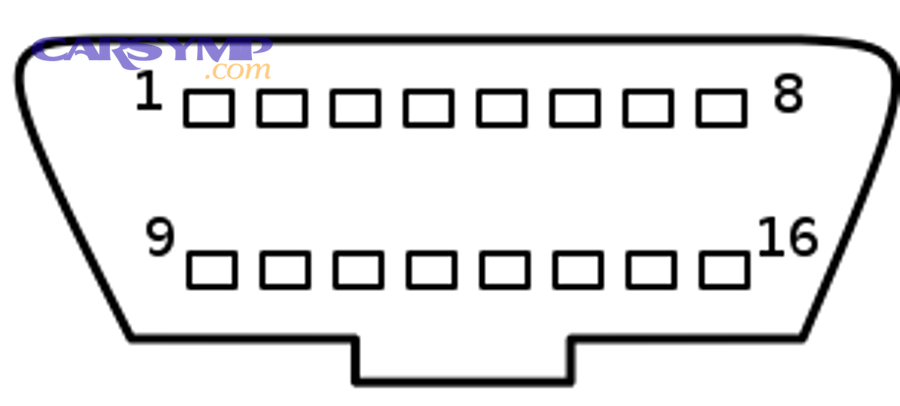
- DLC power and ground integrity (if your scan tool won’t power/connect reliably)
How do you isolate a network problem vs a dead module?
You isolate a network problem vs a dead module by determining whether multiple modules are unreachable (network/power issue) or only one module is unreachable (module or its branch), then narrowing by safe connector isolation and verifying power/ground at the suspect module.
Next, isolation must be done carefully—some vehicles have networks where unplugging modules can create new faults or disable safety systems.
A safe isolation mindset:
- If all modules are unreachable: suspect DLC power/ground, main power/ground, or a network short.
- If one module is unreachable: suspect that module’s power/ground or its local wiring branch.
- If some modules communicate and others do not: suspect the network segment connecting the missing group.
At this point, if you lack wiring diagrams or access to safe isolation procedures, it’s reasonable to hand off to a shop—because wrong isolation can create more problems than it solves.
When should you stop DIY diagnostics and go to a professional shop?
Yes, you should stop DIY diagnostics and go to a professional shop when the fault involves safety systems, high voltage, immobilizer/programming, or scope-level network/signal analysis because those areas require specialized tools, procedures, and risk management that DIY troubleshooting can’t reliably cover.
Next, the “stop point” isn’t failure—it’s smart cost control.
Go to a professional when:
- The vehicle is a hybrid/EV and the issue may touch high-voltage systems
- You have airbag/SRS warnings or modules involved
- The ECU likely needs programming, coding, or immobilizer matching
- The fault is a network issue that requires oscilloscope-level analysis
- The problem is intermittent but extremely expensive in time (days of chasing)
To make the shop visit productive, bring:
- Your saved codes and freeze-frame
- Notes on when it happens (temperature, bumps, wet weather, etc.)
- A short list of tests you already performed and the results
This turns your DIY effort into a diagnostic accelerator instead of a reset.
What advanced clues and edge cases can help confirm ECU vs wiring/sensor faults?
Advanced clues and edge cases help confirm ECU vs wiring/sensor faults by revealing whether the failure is an input problem, an output/driver problem, a physical-layer communication problem, or a rare intermittent condition that only appears with heat, vibration, or ground offsets.
Next, these micro-level details don’t replace the main workflow—they sharpen your conclusion when the basics are inconclusive.
How do “input vs output” failures (sensor signals vs actuator drivers) change your diagnosis?
ECU wins as the likely suspect in output-driver failures, wiring often wins in intermittent input failures, and sensors win when the signal is consistently wrong at the source—because inputs and outputs fail differently and require different proof points.
Next, this is the fastest way to stop looping: decide whether your problem is the ECU reading (input side) or the ECU driving (output side).
- Input-side failure pattern:
The sensor signal is wrong or disappears, and the ECU reacts (codes, limp mode).
→ Prove signal at sensor and at ECU pin. - Output-side failure pattern:
The ECU should command an actuator but doesn’t, or commands it erratically.
→ Prove enabling conditions and test the actuator circuit.
This distinction makes ECU diagnosis much more precise because it tells you which pins and tests matter most.
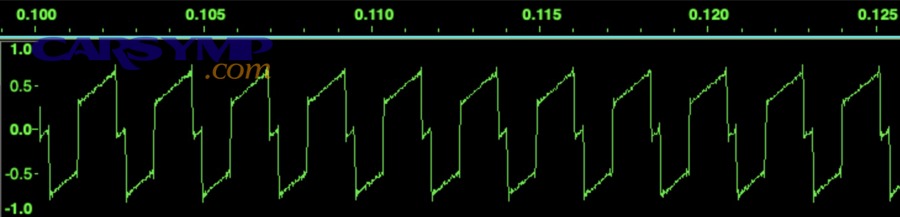
When does an oscilloscope make the difference for sensor signals and CAN communication?
An oscilloscope makes the difference when a signal looks “fine” on a multimeter but fails dynamically, such as a crank sensor dropout, noisy Hall signal, or CAN bus physical-layer distortion that disrupts communication intermittently.
Next, a multimeter averages fast events; an oscilloscope shows the truth in real time.
Scope-worthy situations:
- Intermittent crank/no-start with no clear DTC
- High-speed sensor signals (crank/cam) that drop out briefly
- CAN communication faults that appear under vibration or load
- “Implausible” codes where the signal might be noisy rather than wrong
What rare intermittent causes—heat, vibration, shared grounds—create “phantom ECU” symptoms?
There are three rare intermittent causes that create phantom ECU symptoms: thermal expansion/contraction opening micro-cracks, vibration-induced terminal fretting raising resistance intermittently, and shared ground offsets that shift sensor readings under load.
Next, these are the scenarios where the car acts haunted—then behaves perfectly at the shop.
Watch for these triggers:
- Symptoms occur only after the engine bay heat-soaks
- Symptoms appear only on rough roads
- Symptoms occur when high electrical loads are on (blower, headlights, rear defrost)
- Multiple sensors drift together under load (shared ground problem)
If you suspect a heat-related issue, a professional may use controlled thermal testing (heat gun/freeze spray) with live monitoring—methods that can confirm a rare intermittent fault safely.
What should DIYers know before replacing an ECU (ECM/PCM) about programming and immobilizers?
DIYers should know that ECU replacement often requires programming and immobilizer matching, and that used/reman ECUs may not be plug-and-play—so you should confirm vehicle requirements and consider ECU repair vs replacement options only after you have input/output proof.
Next, this is where many people get stuck: the ECU may be the right conclusion, but the replacement path may not be simple.
Before replacing an ECU, verify:
- Whether your vehicle requires coding, VIN writing, or immobilizer pairing
- Whether a reman unit is truly compatible and what data transfer is needed
- Whether your ECU fault could be solved by repair (common in water damage or solder/driver issues) rather than full replacement
- Whether your evidence supports the ECU as the failure point (not just a guess)
If you’ve followed the earlier workflow, you’ll have exactly what matters most: a measured case for ECU diagnosis—so your repair decision is based on proof, not hope.
Evidence (if any)
- Voltage drop importance and practical limits example (academic engineering analysis): commons.erau.edu
- Fretting corrosion behavior in connectors under vibration (university thesis research): etd.auburn.edu