


When your car window stops working, the problem typically stems from either a failing window motor or a broken window regulator, and identifying which component has failed requires listening for specific sounds, observing movement patterns, and performing simple hands-on tests that separate electrical failures from mechanical breakdowns. The window motor converts electrical signals into rotational power, while the regulator translates that rotation into vertical glass movement—when one fails, your window becomes stuck, falls into the door, or moves erratically.
Understanding the symptoms that distinguish motor failures from regulator failures helps you avoid unnecessary part replacements and costly misdiagnoses. Motor problems typically present as silent failures, clicking sounds without movement, or intermittent operation, while regulator issues manifest through grinding noises, crooked window movement, or glass that drops inside the door. Each component displays unique failure patterns that point directly to the root cause when you know what to observe.
Testing whether your window issue originates from the motor or regulator involves a systematic approach starting with sound identification, progressing to visual inspection, and culminating in isolation tests that definitively identify the failed component. DIY mechanics can perform most diagnostic tests with basic tools—a screwdriver set, a test light, and about 30 minutes—eliminating the guesswork that leads to replacing functional parts. The testing sequence follows a logical progression from least invasive (listening tests) to most conclusive (motor isolation tests).
Beyond diagnosing the immediate failure, understanding when to replace just the motor, just the regulator, or the entire assembly as a unit prevents wasted money and repeat failures. Modern vehicles increasingly use integrated motor-regulator assemblies that must be replaced together, while older models allow separate component replacement—knowing your vehicle’s configuration before ordering parts saves time and ensures compatibility. Below, we’ll explore each diagnostic method in detail, starting with the fundamental differences between these two critical power window components.
What Is the Difference Between a Window Regulator and Window Motor?
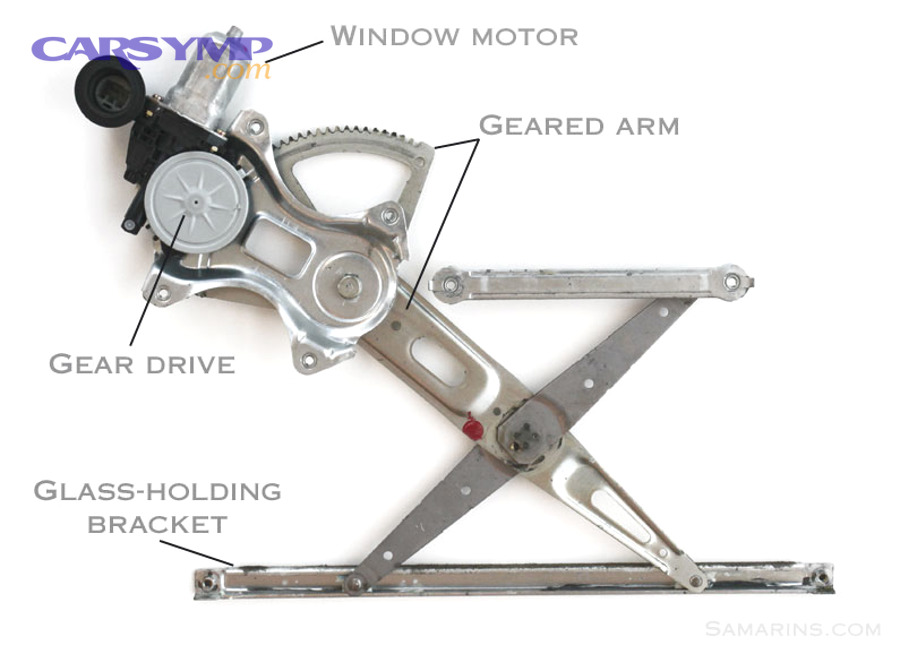
A window regulator is a mechanical assembly that guides and controls window glass movement through gears and linkages, while a window motor is an electrical component that generates rotational power to drive the regulator—the motor provides force, and the regulator directs that force into vertical motion.
Understanding how these components work together clarifies why certain symptoms point to one component over the other. The motor receives a 12-volt electrical signal when you press the window switch, converting that electricity into mechanical rotation through an internal armature and magnetic field interaction. This rotational energy transfers to the regulator through a gear system, and the regulator’s mechanical design—whether scissor-type, cable-type, or gear-drive—converts the rotation into the up-and-down movement that raises or lowers your window glass.
How Does a Window Regulator Work?
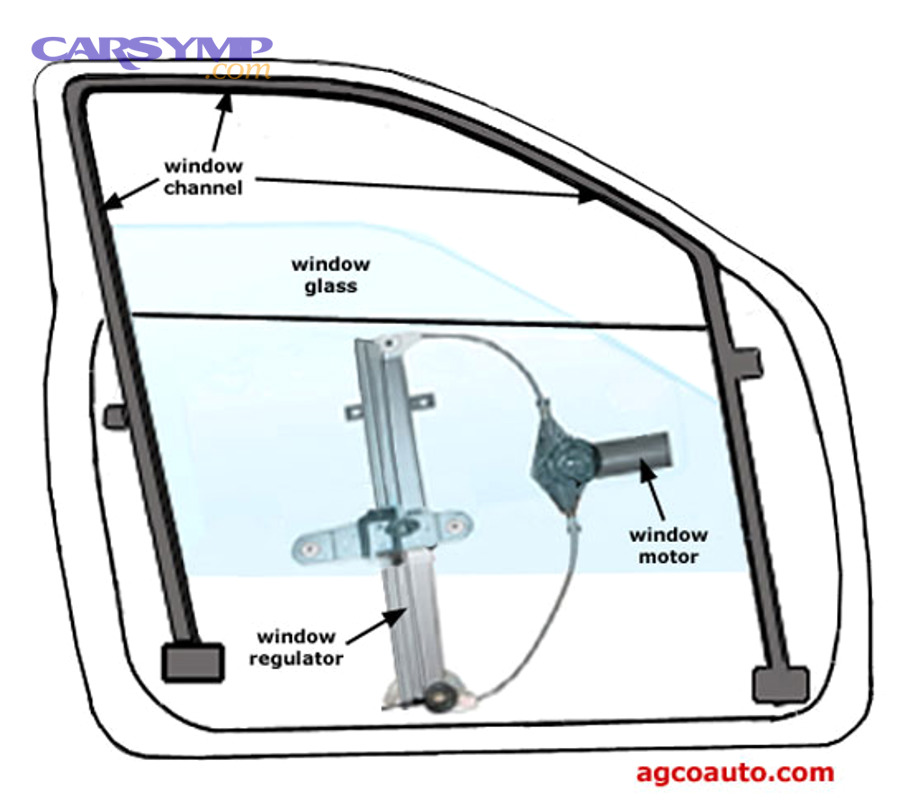
The window regulator functions as a mechanical translator that converts rotational input from the motor into linear vertical movement of the window glass. Modern regulators come in three primary designs: scissor-type mechanisms use expanding and contracting arms similar to scissors, cable-type regulators employ a drum wound with steel cable that raises and lowers the glass, and gear-drive systems use a rack-and-pinion arrangement where a motor-driven gear moves along a vertical track. Each design serves the same purpose—providing controlled, stable movement of the window glass within the door’s vertical channels.
The regulator mounts inside your door panel and connects to the window glass through metal clips or brackets at specific attachment points. When the motor turns the regulator’s input gear or drum, the mechanical linkages extend or retract, pushing the glass upward or pulling it downward along the window tracks. The regulator must maintain even pressure across the entire width of the glass to prevent binding, tilting, or falling, which is why worn or damaged regulators often cause crooked window movement or complete detachment from the glass.
How Does a Window Motor Work?
The power window motor operates on a simple electrical principle: when you press the window switch up, it sends positive voltage to one motor terminal and ground to the other, spinning the motor in one direction; pressing the switch down reverses the polarity, spinning the motor the opposite direction. Inside the motor housing, this electrical current energizes electromagnets that interact with a permanent magnet field, causing a shaft-mounted armature to rotate. The motor’s output shaft connects directly to the regulator’s input mechanism through a gear reduction system that trades rotational speed for increased torque, providing enough force to lift the window glass smoothly.
Most window motors include built-in thermal protection or over-current limiting circuits that prevent the motor from burning out if the regulator jams or the window encounters excessive resistance. This protection mechanism means the motor itself rarely fails from overload—instead, the motor will simply stop operating when it detects dangerous current levels. The motor remains in a fixed position within the door, bolted to the door’s internal structure, while its output gear engages with the regulator’s moving components.
What Are the Symptoms of a Failing Window Motor?
A failing window motor produces no sound when you press the window switch, makes clicking noises without moving the glass, operates intermittently, or moves the window abnormally slow—these symptoms indicate electrical failure or mechanical wear inside the motor assembly rather than the regulator mechanism.
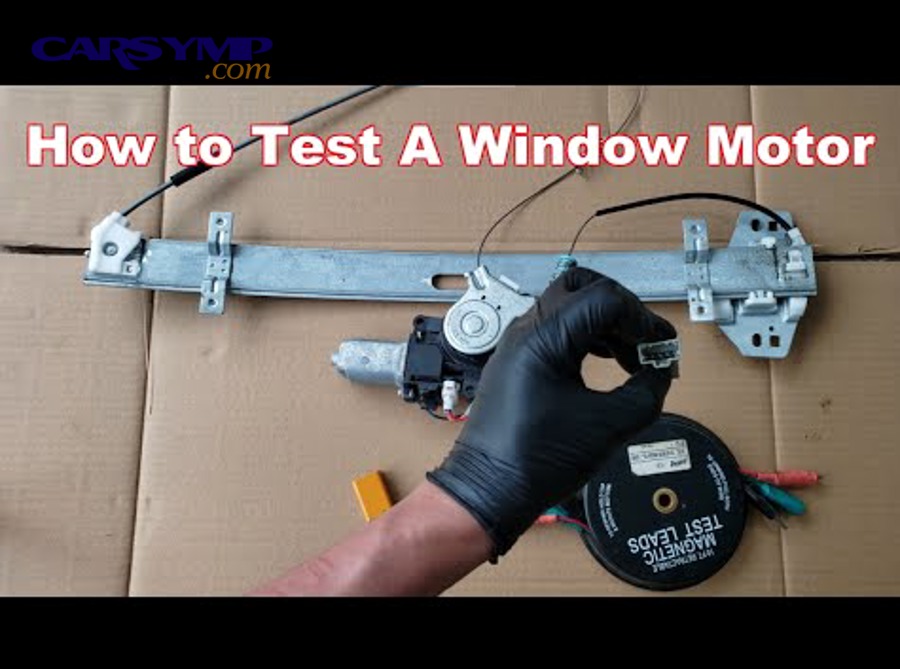
Motor failures typically announce themselves through electrical symptoms rather than mechanical grinding. When you press the window button and hear absolutely nothing—no clicking, no humming, no motor noise—the motor has likely lost electrical connection or suffered internal electrical failure. This silent failure differs dramatically from regulator problems, which almost always produce mechanical noises like grinding, crunching, or scraping sounds. Motor issues stem from worn brushes, damaged armatures, corroded electrical connections, or thermal shutdown protection activation.
Does the Motor Make Any Sound When It Fails?
Motor failure sounds range from complete silence to clicking or humming depending on the specific failure mode. A completely dead motor produces no sound whatsoever because no electrical current reaches the motor windings—this typically indicates a blown fuse, broken wire, failed window switch, or completely burned-out motor. A clicking sound when pressing the window switch suggests the motor’s internal relay is engaging but the motor lacks sufficient power to turn, often caused by worn motor brushes, seized bearings, or excessive resistance from a binding regulator that triggers the motor’s over-current protection.
A humming or buzzing sound indicates the motor receives power and attempts to turn but cannot overcome resistance—this symptom appears when the regulator has jammed, the window tracks have excessive debris, or the motor’s internal gears have stripped teeth. The relay switching sound resembles a faint metallic “tick” or “click” emanating from near the door’s lower section where the motor mounts, and this sound confirms electrical power is reaching the motor assembly even if the motor cannot turn. Experienced mechanics listen for these diagnostic sounds before removing the door panel, using sound signatures to narrow the diagnosis.
Can a Window Motor Fail Partially?
Window motors absolutely fail gradually through intermittent operation, speed variations, and directional limitations before dying completely. An intermittent motor works sporadically—the window might operate normally on cold mornings but fail after the car sits in hot sun, or it might work for several button presses before suddenly stopping mid-cycle. This behavior typically results from temperature-sensitive electrical connections, worn motor brushes making inconsistent contact with the commutator, or thermal protection circuits that activate and reset unpredictably.
Partial motor failure also manifests as one-direction operation where the window moves down but refuses to move up, or vice versa. This directional failure points to problems in the window switch’s polarity-reversing circuit, corroded terminals on one side of the motor’s electrical connector, or damaged windings in one section of the motor’s armature. Speed variations—windows that move noticeably slower than normal or suddenly accelerate unexpectedly—indicate the motor’s internal resistance has changed due to worn bearings, failing brushes, or damaged gear reduction mechanisms inside the motor housing.
What Are the Symptoms of a Failing Window Regulator?
A failing window regulator creates grinding or crunching noises during operation, allows the window to fall inside the door, causes uneven or crooked glass movement, or permits the window to move freely by hand without the switch—these mechanical symptoms distinguish regulator failures from electrical motor problems.
Regulator failures announce themselves through mechanical breakdowns rather than electrical silence. The most common symptom involves loud grinding, crunching, or scraping sounds when operating the window, caused by stripped gears, frayed cables rubbing against metal, or broken cable guides allowing the steel cable to escape its channel. These noises typically worsen over time, starting as subtle clicking and progressing to obvious metallic grinding that signals imminent complete failure. Unlike motor issues that often fail suddenly and silently, regulator problems usually provide audible warnings days or weeks before total breakdown.

Why Does a Window Regulator Make Grinding Noises?
Window regulators produce grinding noises when internal cables fray and snap, gear teeth strip and slip, or metal components lose lubrication and create friction. Cable-type regulators generate the most distinctive grinding sound when the steel cable begins to fray—individual wire strands break and curl outward, catching on the cable guide channels and creating a rhythmic scraping noise synchronized with window movement. As more strands break, the cable loses load-bearing capacity and may suddenly snap completely, leaving the window unsupported and causing it to crash down into the door.
Gear-drive regulators create grinding noises when the plastic or nylon gear teeth wear down and begin skipping over the metal rack. This tooth-on-tooth grinding produces a ratcheting sound as the motor turns but the regulator fails to translate that rotation into smooth vertical movement. The grinding becomes more pronounced under load—you’ll hear it most clearly when raising the window rather than lowering it, since gravity assists downward movement but opposes upward travel. Metal-on-metal contact from cable displacement or loose mounting brackets creates sharp scraping sounds that vary in pitch and intensity depending on window position.
What Causes a Window to Fall Inside the Door?
A window falls inside the door when the regulator’s cable snaps completely, the regulator detaches from its mounting points, or the clips connecting the glass to the regulator break or come loose. Cable-type regulators fail catastrophically when the steel cable breaks—the sudden loss of support on one side causes the window glass to tilt and drop into the door cavity, often accompanied by a crashing sound and the inability to retrieve the window without disassembling the door panel. This failure typically occurs without warning after weeks of progressive cable fraying and weakening.
The mounting brackets that secure the regulator to the door’s internal structure can corrode, crack, or lose their fasteners through vibration over time. When these mounts fail, the entire regulator assembly shifts inside the door, losing its proper alignment with the window tracks and allowing the glass to separate from the regulator’s lift mechanism. The glass-to-regulator connection points—usually metal or plastic clips riveted or bolted to the bottom of the window glass—can also break from repeated stress, especially if the window frequently encounters obstructions or if someone manually forces a stuck window.
How Can You Test Whether It’s the Motor or Regulator?
You can test whether your window problem originates from the motor or regulator by performing a systematic diagnosis: listen for motor sounds when pressing the switch, visually inspect the regulator mechanism after removing the door panel, unbolt the motor to test it independently, and attempt to move the window manually—these tests definitively identify the failed component.
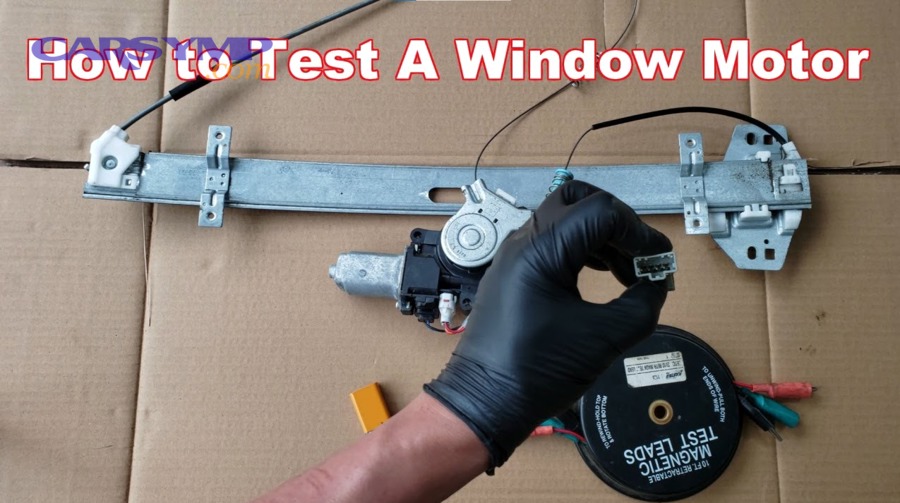
Proper testing follows a logical sequence from least invasive to most conclusive. Start with the listening test because it requires no tools and provides immediate diagnostic information—pressing the window switch and carefully listening distinguishes electrical motor failures from mechanical regulator problems in about 30 seconds. Progress to visual inspection only if the listening test proves inconclusive, as removing the door panel requires 15-30 minutes and basic hand tools. The motor isolation test and manual movement test provide definitive answers but require the most time and effort, so save these comprehensive tests for situations where initial diagnostics remain unclear.
What Does It Mean If You Hear the Motor But the Window Won’t Move?
Hearing the motor run while the window remains stationary definitively indicates a regulator problem rather than a motor failure—the motor receives power and generates rotation, but the regulator cannot translate that rotation into vertical glass movement. This symptom typically results from stripped gears in gear-drive regulators, broken or jammed cables in cable-type regulators, or complete detachment of the glass from the regulator’s lift mechanism. The motor’s sound confirms the electrical system works properly—the switch sends signals, the wiring conducts current, and the motor converts electricity into mechanical rotation.
When you hear motor operation without window movement, carefully note whether the motor maintains consistent speed or struggles and slows down. A motor that runs smoothly at normal speed but produces no window movement indicates complete mechanical disconnection between the motor and glass—the regulator has broken internally or detached from the glass. A motor that runs but sounds strained, slows down, or stops after a moment suggests the regulator has jammed, bound up in the window tracks, or encountered an obstruction that prevents movement despite the motor’s efforts.
What Does It Mean If There’s No Sound at All?
Complete silence when pressing the window switch points to an electrical problem affecting the motor, switch, fuse, or wiring rather than a mechanical regulator failure. This diagnostic symptom tells you that no electrical current reaches the motor, meaning the problem exists somewhere in the electrical pathway between the battery and motor terminals. The silence rules out regulator problems because a broken regulator would still allow the motor to run—you’d hear the motor spinning even if the window didn’t move.
Silent failures require systematic electrical testing starting with the simplest components. First, check whether other windows in the vehicle operate normally—if all windows fail simultaneously, the problem likely involves the main window fuse, the master window switch, or the central locking module that controls window operation. If only one window fails silently, swap that window’s switch with a functioning window’s switch to determine if the switch itself has failed. Most modern vehicles allow switch swapping by removing the center console trim and unplugging the switch connectors—if the previously dead window works with the new switch, you’ve identified a failed switch rather than a motor or regulator problem.
How Do You Perform a Manual Window Movement Test?
The manual window movement test involves safely removing the door panel, grasping the window glass directly, and attempting to move it up and down by hand to determine whether the regulator provides resistance or allows free movement. Before beginning, raise the window to its fully closed position if possible—this prevents the glass from falling into the door when you disconnect or disturb the regulator mechanism. Disconnect the vehicle’s battery to eliminate any risk of the window motor activating unexpectedly during testing.
After removing the door panel and locating the window glass, carefully grasp the glass near its bottom edge using both hands spread apart for even pressure. Gently attempt to lift and lower the glass while paying close attention to resistance and movement characteristics. A properly functioning regulator will resist your efforts—you might move the glass slightly through gear backlash, but the regulator should prevent easy manual movement. If the glass moves up and down freely with minimal resistance, the regulator has disconnected from the glass, suffered complete internal failure, or broken its cables, confirming a regulator problem rather than a motor issue.
Conversely, if the glass remains firmly locked in position despite your attempts to move it, the regulator itself still functions mechanically. This finding shifts focus back to the motor or electrical system as the likely failure point. Check whether the glass moves smoothly along its vertical path or binds at certain positions—binding suggests worn window tracks, damaged window channels, or misalignment issues that could cause the motor to struggle or trigger its over-current protection, mimicking motor failure when the real problem involves the glass channels rather than the motor or regulator.
Is It the Window Switch, Motor, or Regulator?
Determining whether the window switch, motor, or regulator has failed requires a diagnostic decision tree: test the switch by swapping it with another window’s switch or listening for clicking sounds, eliminate fuse and wiring problems by checking circuit continuity, then isolate motor versus regulator issues through sound and movement tests—this systematic approach prevents replacing functional components.
Many DIY mechanics waste money replacing motors or regulators when the actual problem involves a failed switch, blown fuse, or corroded wire connection. Window switches fail frequently because they endure thousands of button presses, exposure to spilled liquids, and electrical arcing that damages their internal contacts over time. A failed switch prevents electrical signals from reaching the motor, creating symptoms identical to a dead motor—complete silence and zero window movement. Testing the switch takes only five minutes and costs nothing if you can temporarily swap switches between doors.
How Do You Test the Window Switch?
Testing a window switch requires either swapping it with a known-good switch from another door or using a multimeter to verify electrical continuity when the button is pressed. The swap test provides the quickest, most definitive answer for DIY mechanics without electrical testing equipment. Remove the switch from the non-functioning window by prying up the switch panel with a trim removal tool or flat-blade screwdriver wrapped in tape to prevent scratching. Unplug the electrical connector, noting the connector’s orientation for proper reinstallation.
Install the suspect switch into a functioning window’s location and test whether that window now fails—if the previously working window stops functioning with the transplanted switch, you’ve confirmed a bad switch. Simultaneously, install the known-good switch into the problem window’s location and test operation—if the window suddenly works with the new switch, the diagnosis is complete. Most vehicles use identical switches for all passenger windows, allowing easy cross-testing, though driver’s side master switches often differ because they include additional circuits for controlling all windows and the window lock function.
Listen for clicking sounds when pressing the suspect switch before removing it. A healthy switch produces a subtle but audible “click” when pressed, indicating its internal contacts are engaging. Press the switch for the non-functioning window while someone listens near the door’s lower section where the motor mounts—hearing a motor click or relay sound confirms the switch sends signals despite the window not moving, shifting focus to the motor or regulator rather than the switch.
When Should You Suspect a Fuse or Wiring Problem?
Suspect a fuse or wiring problem when multiple windows fail simultaneously, when window failure occurred after water exposure or recent electrical work, or when you hear no clicking sound whatsoever from the motor or switch—these symptoms indicate electrical supply issues rather than component-specific failures. A blown fuse affects all components on that circuit, so if both rear windows suddenly stop working together, or if all passenger windows fail while the driver’s window still operates, check the fuse panel for blown fuses before diagnosing individual motors or regulators.
Water damage from rain entering through sunroofs, leaking door seals, or spilled beverages creates short circuits that blow fuses or corrode electrical connections. Inspect the fuse panel for blackened, melted, or broken fuses—a visual inspection reveals blown fuses immediately. Modern vehicles often use multiple window fuses: one for the master switch circuit, separate fuses for individual windows, and a fuse for the window lock function. Consult your vehicle’s owner manual or fuse panel diagram to locate all window-related fuses before concluding fuses aren’t the problem.
Wiring problems manifest as intermittent failures that come and go with door movement, temperature changes, or vibration. The wiring harness running from the door frame into the door itself flexes thousands of times as the door opens and closes, eventually causing wire fatigue, insulation cracking, and internal wire breakage. Test for wiring problems by gently manipulating the door’s wiring harness while attempting to operate the window—if the window suddenly works when you bend the wires a certain way, you’ve identified a broken or corroded wire that makes intermittent contact.
Should You Replace the Motor, Regulator, or Both?
Replace only the regulator when you hear the motor running but see no window movement or mechanical symptoms, replace only the motor when the window stays silent with no mechanical noises, and replace both as an assembly when your vehicle uses an integrated motor-regulator unit or when both components show wear—this decision depends on your vehicle’s design and the specific failure symptoms.
The replacement decision significantly impacts repair costs and long-term reliability. Regulator-only replacements typically cost $50-$150 for the part plus 1-2 hours labor, while motors alone range from $40-$200 depending on vehicle make and model. Complete motor-regulator assemblies cost $100-$400 but eliminate the risk of installing a new component only to have the old companion component fail weeks later. Understanding your vehicle’s specific window system design prevents ordering wrong parts and performing unnecessary work.
Can You Replace the Regulator Without Replacing the Motor?
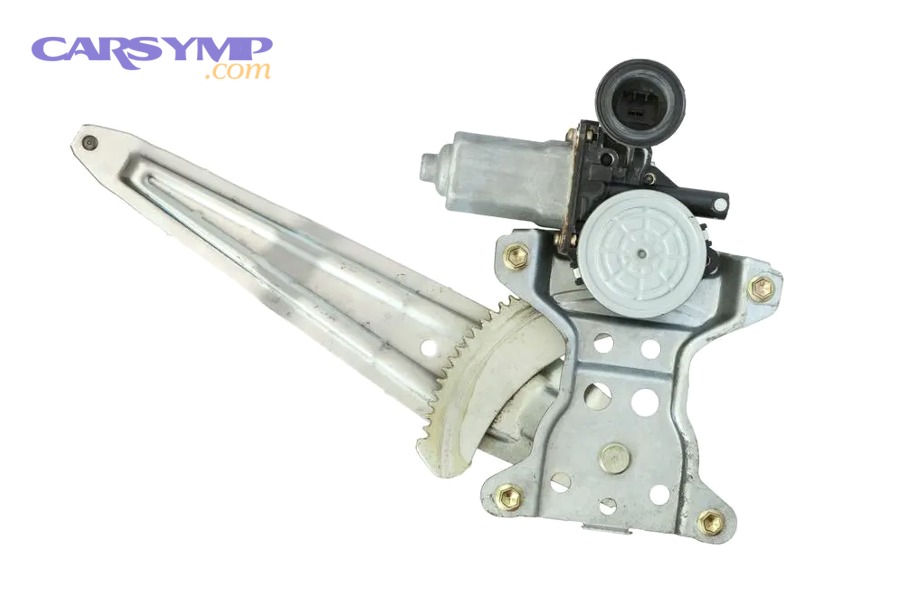
You can replace the regulator without replacing the motor only if your vehicle uses a separate bolt-on motor design rather than an integrated motor-regulator assembly, and only if the motor shows no signs of wear or damage. Older vehicles and many Asian manufacturers design their power window systems with separate, independently replaceable motors and regulators—the motor bolts to the door’s internal structure, and the regulator connects to the motor’s output shaft through a coupling or gear interface. These designs allow single-component replacement, potentially saving $50-$150 compared to assembly replacement.
European manufacturers, particularly BMW, Mercedes-Benz, and Volkswagen, increasingly use integrated assemblies where the motor mounts permanently to the regulator frame, requiring replacement of both components together even if only one has failed. These assemblies simplify installation and ensure perfect motor-regulator alignment but eliminate the cost savings of single-component replacement. Check your vehicle’s parts catalog or consult a dealership parts department before ordering components—requesting a “window regulator” for a vehicle with integrated assemblies will result in receiving the complete motor-regulator unit.
Motors rarely fail when the regulator breaks because window regulator failures typically occur suddenly—a cable snaps, a gear strips, or a bracket breaks, leaving the motor undamaged and fully functional. The motor simply cannot continue operating once the regulator fails mechanically. Installing a new regulator while reusing the existing motor makes economic sense when the motor shows no signs of wear: no unusual noises, no speed variations, no intermittent operation. However, if the motor is more than 10 years old or has exhibited any symptoms before the regulator failed, replacing both components simultaneously prevents a repeat power window repair within months.
What Are the Risks of Buying Cheap Aftermarket Parts?
Cheap aftermarket window regulators fail prematurely through inferior cable quality, weak plastic gears, and poor manufacturing tolerances, often requiring replacement within 6-24 months compared to OEM parts that last 10+ years. Aftermarket regulators sold through discount online retailers typically use thinner gauge steel cables that fray faster, lower-grade plastics that crack under stress, and stamped metal components with rough edges that accelerate wear. These quality compromises manifest as the same symptoms that prompted the original repair—grinding noises, window dropping, and eventual complete failure.
Budget replacement motors suffer from inadequate weather sealing, weaker magnets, and primitive brush designs that reduce operational lifespan. While a quality OEM or premium aftermarket motor operates for 100,000+ switch cycles over 10-15 years, cheap motors may begin failing within 20,000-30,000 cycles or 2-3 years of normal use. The initial savings of $30-$50 on a discount motor evaporates when you must pay for a second repair shortly afterward, plus you’ve now invested labor costs twice for the same window.
According to research from the Automotive Aftermarket Suppliers Association published in 2023, warranty claim rates for budget-tier window regulators exceed 15% compared to less than 3% for OEM and premium aftermarket brands, indicating that cheap parts fail five times more frequently. Professional mechanics report that aftermarket regulators from established brands like Dorman, AC Delco, or Cardone perform nearly as well as OEM parts while offering modest cost savings, whereas no-name brands sold through auction websites create high failure rates that damage shop reputations and customer relationships.
Invest in quality components for Window switch and fuse troubleshooting as well—premium switches feature gold-plated contacts that resist corrosion and arcing, while cheap switches use bare copper or steel contacts that corrode within months when exposed to humidity. The $10-$20 price difference between premium and budget switches becomes insignificant when quality switches prevent repeat failures and additional diagnostic sessions. Window systems represent safety equipment that must function reliably for emergency egress, justifying the modest additional investment in proven components.
What Other Issues Can Cause Power Window Problems?
Power window problems also stem from dirty or misaligned window tracks, anti-pinch safety system malfunctions, control module failures, and weather-related issues—these secondary causes create symptoms that mimic motor or regulator failures but require different diagnostic approaches and repairs.
Understanding the complete power window ecosystem prevents misdiagnosis and unnecessary component replacement. While the motor and regulator receive attention as the primary failure points, they operate within a larger system that includes window tracks, door seals, electrical control modules, and safety features. Each element can create symptoms that appear identical to motor or regulator problems when tested superficially. Comprehensive diagnosis considers all possible causes before committing to parts replacement, especially when initial tests produce ambiguous results.
Can Dirty or Misaligned Window Tracks Cause Problems?
Dirty or misaligned window tracks absolutely cause power window problems by creating excessive resistance that triggers motor over-current protection, produces grinding noises that mimic regulator failure, or causes binding that prevents smooth operation. The window tracks—also called window channels or window runs—consist of rubber-lined channels that guide the glass edges as the regulator raises and lowers the window. Over time, dirt, dust, tree sap, and degraded rubber from the door seals accumulate in these channels, creating friction that resists window movement.
When tracks accumulate sufficient debris, the motor must work harder to overcome the resistance, drawing more electrical current and potentially triggering thermal protection that shuts down the motor. This symptom appears identical to a failing motor—the window moves slowly, stops mid-travel, or refuses to move at all—but cleaning the tracks completely resolves the issue. Use a toothbrush and automotive glass cleaner to scrub the track channels, then apply silicone-based lubricant specifically designed for window tracks (never use petroleum-based lubricants that damage rubber seals and attract more dirt).
Misaligned tracks occur when the rubber channels shift from their proper position due to worn mounting clips, impact damage, or simply age-related degradation. A misaligned track pinches the window glass at certain positions, causing the window to bind, tilt, or move crookedly—symptoms that perfectly mimic a failing regulator. Inspect the tracks carefully for visible gaps, separations from the door frame, or sections where the rubber channel has torn or compressed. Most track assemblies snap or clip into position and can be realigned or replaced without extensive disassembly, providing a simple solution to what initially appears to be a major regulator problem.
According to a study by the Society of Automotive Engineers published in 2022, approximately 12% of power window complaints diagnosed at independent repair shops resulted from track-related issues rather than motor or regulator failures, demonstrating that technicians frequently overlook this simple cause. Regular maintenance prevents track problems—cleaning and lubricating window tracks every 6-12 months extends motor and regulator life by reducing operational resistance and mechanical wear.
What Is the Anti-Pinch Feature and Can It Cause Window Issues?
The anti-pinch feature is a safety system that automatically reverses window direction when it detects excessive resistance, preventing injuries from windows closing on hands, arms, or objects—this system can malfunction and cause windows to repeatedly reverse direction, refuse to close completely, or exhibit erratic behavior that mimics motor problems. Modern vehicles implement anti-pinch protection through current-sensing circuits that monitor motor electrical draw or through pressure sensors embedded in the window seals. When detected resistance exceeds programmed thresholds, the system instantly reverses polarity to lower the window a few inches.
Anti-pinch systems malfunction when their sensors become dirty, damaged, or miscalibrated, causing false triggers that prevent normal window operation. A window that rises partway then automatically reverses and lowers slightly typically indicates anti-pinch activation—the system interprets normal operational resistance as an obstruction and protects against non-existent pinch hazards. This frustrating symptom leads many owners to suspect motor failure when the actual problem involves sensor malfunction or system calibration drift.
Some vehicles require anti-pinch system relearning or recalibration after battery disconnection, window regulator replacement, or any interruption to the window control circuit’s electrical power. The relearning procedure varies by manufacturer but typically involves cycling the window fully up and down several times while holding the window switch in each direction for several seconds after the window reaches its travel limits. Consult your vehicle’s owner manual for specific relearning procedures—performing this simple calibration resolves many mysterious window problems that appear after battery replacement or electrical system work.
Window off-track and rattling repairs sometimes require anti-pinch system adjustment because the altered glass position changes the resistance profile the system expects. If window repairs result in anti-pinch malfunctions, recalibrate the system before concluding that the replacement motor or regulator has failed. Professional scan tools can access window control modules to check anti-pinch system status, view stored fault codes, and perform automated recalibration procedures that ensure proper system operation.
What Are GM5 Module Issues in Certain Vehicles?
GM5 modules are electronic control units used primarily in BMW vehicles to manage power window operation, door locks, and mirror functions—when these modules fail, all windows in the vehicle may stop working despite functional motors and regulators, creating diagnostic confusion. The General Module 5 (GM5) serves as the intermediary between window switches and window motors in many BMW models from the 1990s through 2010s, receiving switch inputs and sending appropriately timed signals to the window motors. Module failure creates symptoms ranging from single-window inoperability to complete system failure affecting all windows simultaneously.
GM5 module diagnosis requires specialized scan tools that communicate with the module’s internal computer, read stored fault codes, and perform output tests that command each window motor individually. When a BMW owner experiences multiple window failures, clicking sounds from switches without motor operation, or windows that work intermittently based on temperature or humidity, suspect the GM5 module rather than individual motors or regulators. These modules typically mount behind the dashboard or in the trunk area, making them vulnerable to water intrusion from sunroof drains, trunk seals, or HVAC condensation leaks.
Other manufacturers use similar control modules with different names—Mercedes-Benz uses SAM (Signal Acquisition Module) units, Volkswagen/Audi use door control modules, and domestic manufacturers integrate window control into body control modules. All these systems create complex diagnostic challenges because module failures mimic motor problems perfectly: windows don’t move, no sounds occur, and everything appears electrically dead. Without manufacturer-specific diagnostic procedures and scan tools, distinguishing module failures from motor failures becomes nearly impossible for DIY mechanics.
Professional diagnosis becomes essential when you suspect control module involvement. Dealership service departments and specialized independent shops possess the scan tools, wiring diagrams, and experience necessary to definitively diagnose module problems. Attempting to replace motors and regulators without first eliminating module failures as the cause results in wasted money and unchanged symptoms—the new motors won’t work either because the module still cannot send proper control signals.
How Can Weather and Temperature Affect Window Operation?
Weather and temperature affect window operation through ice formation that physically bonds glass to door seals, thermal expansion that changes clearances between components, and moisture infiltration that corrodes electrical connections—these environmental factors create temporary or progressive window failures that resolve with weather changes or worsen until permanent damage occurs. Frozen windows represent the most common weather-related problem: when temperatures drop below freezing, moisture trapped between the window glass and door seals freezes into solid ice that prevents the regulator from moving the glass.
Attempting to operate frozen windows risks serious damage to both the motor and regulator. The motor draws excessive current trying to overcome the ice’s resistance, potentially triggering thermal protection or, if forced repeatedly, burning out the motor windings through prolonged high-current operation. The regulator experiences extreme stress from the ice’s resistance—cables may snap, gears may strip, or mounting brackets may crack from forces far exceeding normal operational loads. When windows refuse to operate on cold mornings, never repeatedly press the window switch—instead, start the vehicle’s engine, activate the defroster, and wait for cabin heat to thaw the frozen seals naturally.
Heat expansion creates opposite but equally problematic issues. Door frames, window glass, and regulator components all expand at different rates when exposed to high temperatures, potentially causing binding, misalignment, or increased friction. Windows that operate normally in cool weather but become sluggish or refuse to move during hot afternoons often suffer from thermal expansion rather than component failure. Allow the vehicle to cool before diagnosing window problems that appear only in extreme heat—if the window operates normally at moderate temperatures, focus on Preventing window regulator failure through regular track cleaning and lubrication rather than replacing functional components.
Moisture infiltration from rain, car washes, or high humidity gradually corrodes electrical connections throughout the window control circuit. The connectors on window motors, switches, and control modules develop green or white corrosion that increases electrical resistance, creates intermittent connections, or blocks current flow completely. Windows that stop working after rainstorms or car washes point to water intrusion as the root cause—inspect electrical connectors for signs of water damage, apply dielectric grease to protect connections, and trace water entry points to prevent recurring problems. Door drain holes clog with debris over time, allowing water to pool inside doors and submerge motors—clear these drain holes during regular maintenance to prevent moisture-related electrical failures.