


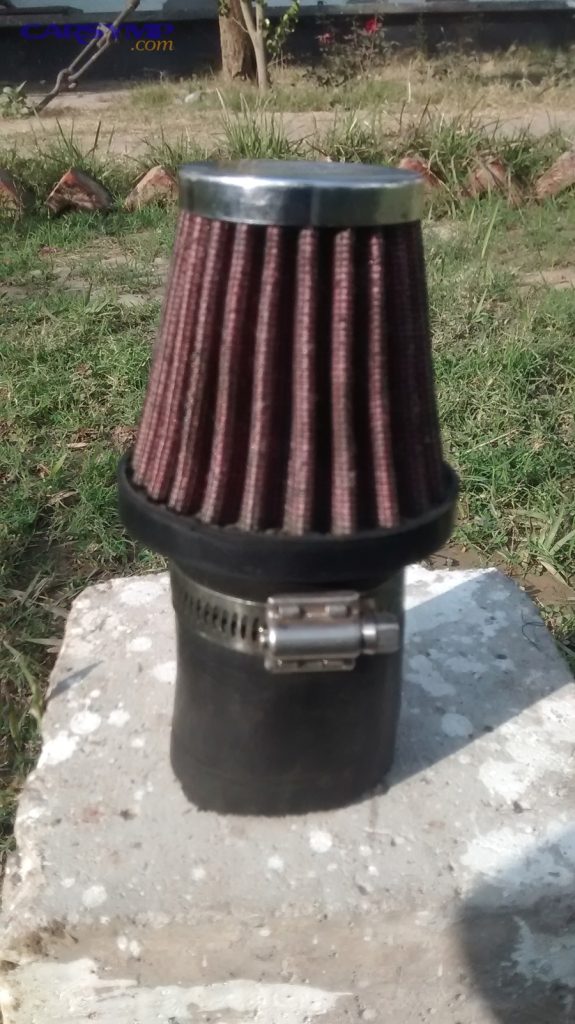
If you’re searching for engine air filter vs cabin filter differences, the simplest answer is this: the engine air filter protects your engine’s air intake and combustion process, while the cabin air filter protects you and your HVAC system by cleaning the air that flows into the interior. They are different parts, in different locations, with different failure symptoms—and replacing the wrong one won’t fix the problem you’re noticing.
Next, it helps to compare them by what they filter, where they sit, and what “dirty” looks like in real life. That’s where most confusion happens: both are “air filters,” both clog over time, and both can reduce airflow—just in totally different systems.
Then, you’ll want practical clarity: what symptoms point to each filter, whether it’s safe to keep driving, and what a quick inspection looks like. Most drivers can check both filters at home in minutes—often without tools.
Introduce a new idea: once you understand the difference, you can time filter replacement correctly, choose the right filter type (standard vs activated carbon vs high-efficiency), and decide whether DIY makes sense compared with the Cost of filter replacement at a shop.
STEP 1 — Title & Outline Analysis (brief, for consistency)
– Main keyword (focus): engine air filter vs cabin filter differences
– Predicate (main action): compare / understand / choose
– Relations lexical used: Hyponym/Meronymy (both are “air filters,” but each is a different part within a larger system)
– Search intent type (dominant): Comparison + How-to (compare differences and act on them with inspection/replacement guidance)
What are the engine air filter and cabin air filter, and what does each one do?
An engine air filter and a cabin air filter are two different vehicle filters: the engine air filter supplies clean air to the engine for combustion, while the cabin air filter cleans incoming ventilation air to protect passengers and the HVAC system.
Next, because both “filter air,” it’s easy to mix them up—so the fastest way to understand them is by what each one protects.
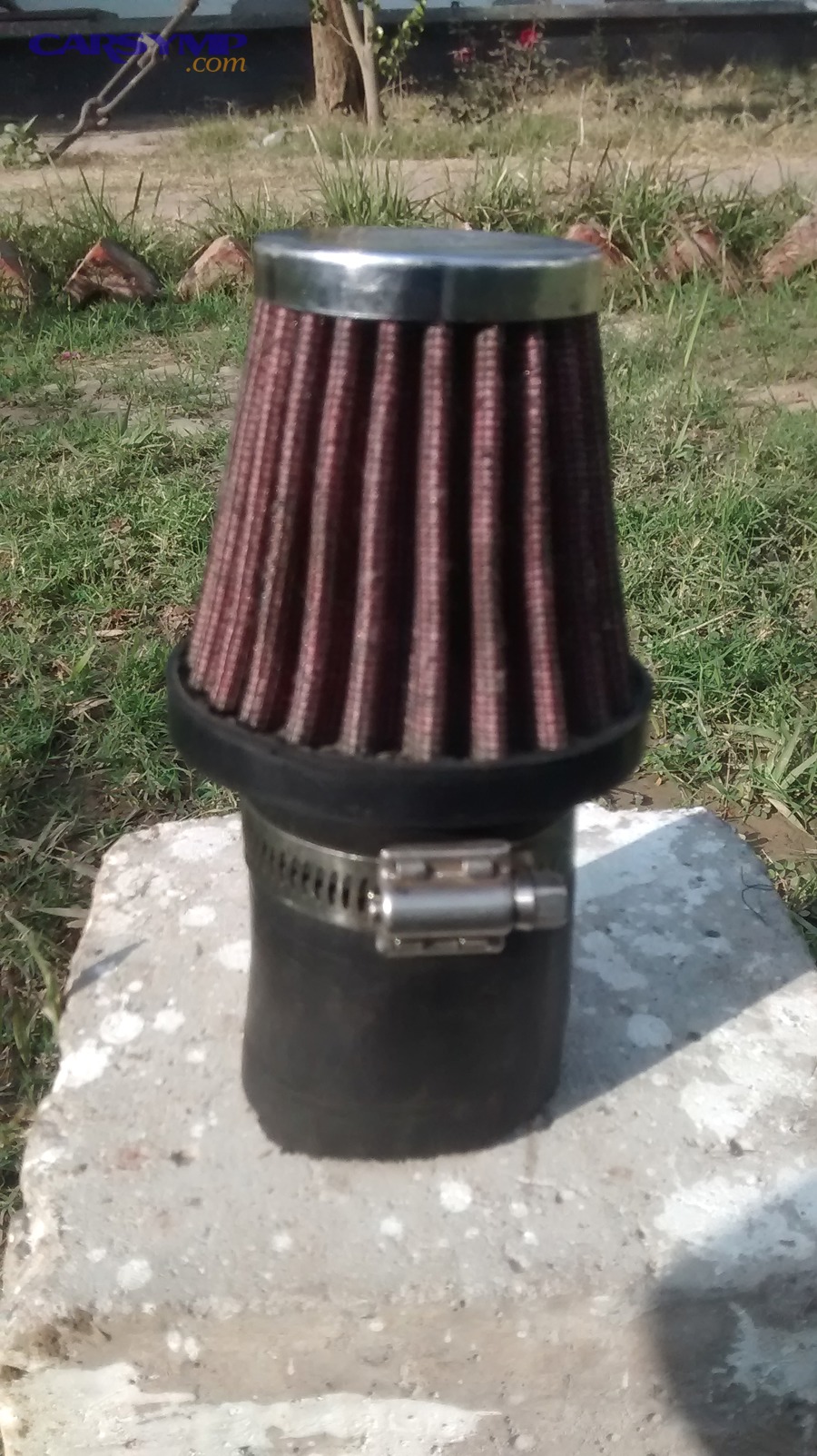
What does an engine air filter protect inside the engine?
The engine needs a steady flow of air to mix with fuel. The engine air filter sits in the intake path (usually inside an airbox under the hood) and traps contaminants like dust, sand, and grit before they reach sensitive components.
What it protects (in plain terms):
- Mass airflow and combustion stability: cleaner air supports a consistent air-fuel ratio.
- Engine internals and intake tract: abrasive particles can accelerate wear over time.
- Sensors and throttle body area: dirt can cause deposits that affect airflow behavior.
A clogged engine air filter mainly shows up as airflow restriction. Modern engines can compensate somewhat via sensors and fuel trims, but restriction can still reduce performance, especially under load (hard acceleration, towing, uphill driving). An SAE technical paper analyzing intake filtration and engine behavior discusses how restriction affects airflow and performance characteristics in engine systems. (sae.org)
What does a cabin air filter protect inside the HVAC system?
The cabin air filter sits in the HVAC air path—commonly behind the glove box, under the cowl, or in a dashboard access slot—and filters the air that enters your vents.
What it protects:
- Your lungs and comfort: it can reduce dust, pollen, and fine particles entering the cabin.
- HVAC airflow and evaporator cleanliness: cleaner airflow helps reduce debris buildup and “musty” odor conditions. (aa1car.com)
Some filters add activated carbon layers or higher-efficiency media designed to reduce odors and certain pollutants; manufacturers like MANN+HUMMEL describe multi-layer cabin filtration designs (particle, HEPA-style elements, and specialized layers). (oem.mann-hummel.com)
What is the difference between an engine air filter and a cabin air filter?
The engine air filter is best understood as “engine protection and airflow for combustion,” while the cabin air filter is “passenger air quality and HVAC protection”—so each wins in a different system and a different set of symptoms.
However, the differences become crystal clear when you compare location, filtration target, and consequences of clogging.
To make the comparison easier, the table below summarizes where each filter lives, what it affects, and what “dirty” usually causes.
| Comparison point | Engine air filter | Cabin air filter |
|---|---|---|
| Primary job | Protect engine intake air for combustion | Clean ventilation air entering the cabin |
| Location | Under hood, inside airbox/intake housing | Behind glove box / under cowl / dash slot |
| What it filters | Dirt, dust, grit, debris | Dust, pollen, soot/road particles; sometimes odors (carbon layer) |
| Main symptom when clogged | Reduced airflow to engine → power/throttle response changes | Reduced airflow through vents → weak A/C heat airflow, odors |
| “Damage risk” when ignored | More wear risk and performance loss over time | HVAC strain, fogging discomfort, allergy irritation |
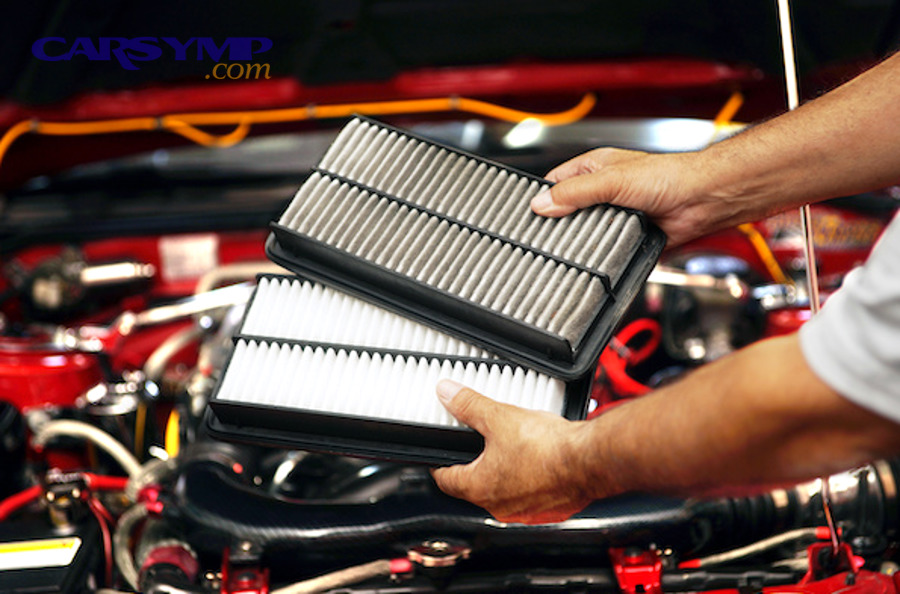
Where are they located and how are they accessed?
- Engine air filter: Most vehicles place it in a plastic airbox with clips or screws. You open the lid, lift the filter out, and drop the new one in.
- Cabin air filter: Often behind the glove box (you lower it), or under a cover in the cowl area. Some cars use two cabin filters stacked together. (aa1car.com)
If you can’t find it quickly, your owner’s manual typically lists both filter locations under maintenance.
What do they filter—and what can they not filter?
- Engine air filters are designed for high airflow and particle capture without excessive restriction. They are not meant to remove odors or gases.
- Cabin filters vary widely: basic particle filters, activated carbon “combi” filters for odors, and higher-efficiency media. (aa1car.com)
How do airflow and restriction affect performance and comfort?
- In the engine, restriction can reduce available air under load and may contribute to sluggish acceleration. A SAE International publication on intake filtration and engine behavior discusses restriction and related performance effects in engine systems. (sae.org)
- In the cabin, restriction is felt immediately as weak vent airflow, noisy blower operation, and poor defogging performance—because the blower is pushing against a clogged filter.
Is it safe to drive with a dirty engine air filter or a dirty cabin air filter?
Yes, it’s usually safe to drive short-term with a dirty engine air filter or cabin air filter, but you shouldn’t ignore it because restriction creates at least three problems: reduced airflow (performance or comfort), higher system strain (engine load or blower load), and faster contamination buildup in the system.
More importantly, “safe” depends on how dirty and what symptoms you’re experiencing.
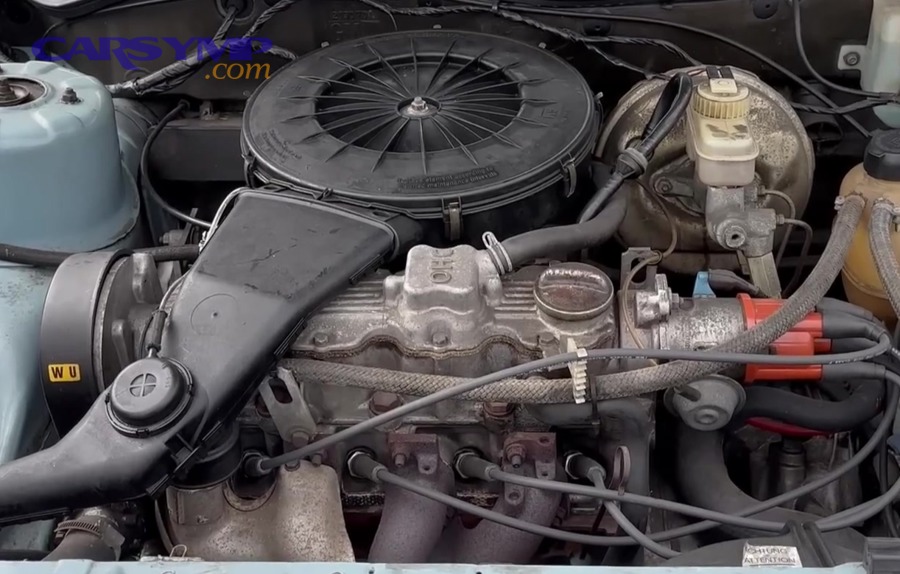
Can a dirty engine air filter damage the engine?
Most modern vehicles won’t suddenly fail because the engine air filter is dirty—but prolonged neglect can stack up consequences:
- Performance loss: less airflow can reduce power availability, especially at higher RPM/load.
- Combustion quality shifts: the engine management system adapts, but restriction still changes how easily the engine breathes.
- Contamination risk if the filter is damaged or poorly seated: tears, poor sealing, or a cracked airbox can allow unfiltered air in.
One nuance many drivers miss: the filter condition matters more than the “miles.” A mildly dusty filter may be fine; a collapsed, oil-soaked, or torn filter is not.
Also, don’t expect a magic fuel-economy improvement on modern cars just from swapping a slightly dirty filter. A fact sheet from the U.S. Department of Energy notes that replacing a clogged filter improved fuel economy notably in older carbureted vehicles, while modern fuel-injected vehicles often see little change unless the filter is severely restricted. (energy.gov)
Can a dirty cabin air filter harm your health or HVAC components?
A clogged cabin filter is usually more about comfort and air quality than immediate danger, but it can still matter:
- Reduced airflow and poor defogging: which can become a safety issue in humid/cold weather.
- Odors and microbial growth conditions: debris and moisture can contribute to musty smells. (aa1car.com)
- Higher in-cabin particle exposure: especially in polluted or smoky environments.
A randomized crossover study with affiliations including McGill University and University of Ottawa reported that cabin air filtration reduced in-vehicle particle ratios (on the order of about a third) compared to no filtration, supporting that cabin filters can materially reduce particle exposure in real driving conditions. (pmc.ncbi.nlm.nih.gov)
What are the most common symptoms of a dirty engine air filter vs a dirty cabin air filter?
A dirty engine air filter usually shows up as sluggish acceleration, reduced power, or rough-running symptoms, while a dirty cabin air filter shows up as weak vent airflow, persistent odors, and reduced A/C or heat effectiveness—so each “wins” in a different symptom set.
On the other hand, a few symptoms overlap (like “weak airflow” feeling), so you’ll want quick checks to confirm which filter is the culprit.
What symptoms point to the engine air filter?
Common engine-side symptoms include:
- Slower response when you press the accelerator
- Noticeable power drop on hills or during merges
- Rough idle or hesitation (less common, and often overlaps with other issues)
- Unusual intake sounds if airflow is restricted
Many mainstream maintenance resources describe these symptoms and emphasize that restriction affects engine breathing and performance. (championautoparts.com)
What symptoms point to the cabin air filter?
Common cabin-side symptoms include:
- Weak airflow from vents even when the fan is high
- Musty or dusty smell from vents
- More windshield fogging than usual (especially if airflow is reduced)
- Noisy blower motor (working harder against restriction)
Practical cabin-filter guidance notes that severely dirty cabin filters can obstruct airflow and reduce HVAC effectiveness. (aa1car.com)
Which symptoms overlap—and how do you tell?
Overlaps that confuse people:
- “Airflow feels weak” → could mean weak engine power or weak vent airflow.
- “Car feels stuffy” → could be cabin filter, or just recirculation/humidity.
Fast distinction:
- If the issue is inside the cabin vents, it’s likely the cabin filter.
- If the issue is engine response under acceleration, it’s likely the engine air filter (or another engine-related issue).
How do you check the condition of each filter at home?
The best way to check both filters is a quick visual inspection plus airflow clues: remove the filter, look for heavy dust loading/tears/moisture, and confirm whether airflow improves after cleaning debris around the housing—most drivers can do it in under 15 minutes.
To better understand what you’re seeing, use an easy checklist so you don’t accidentally reinstall a filter backward or unsealed.
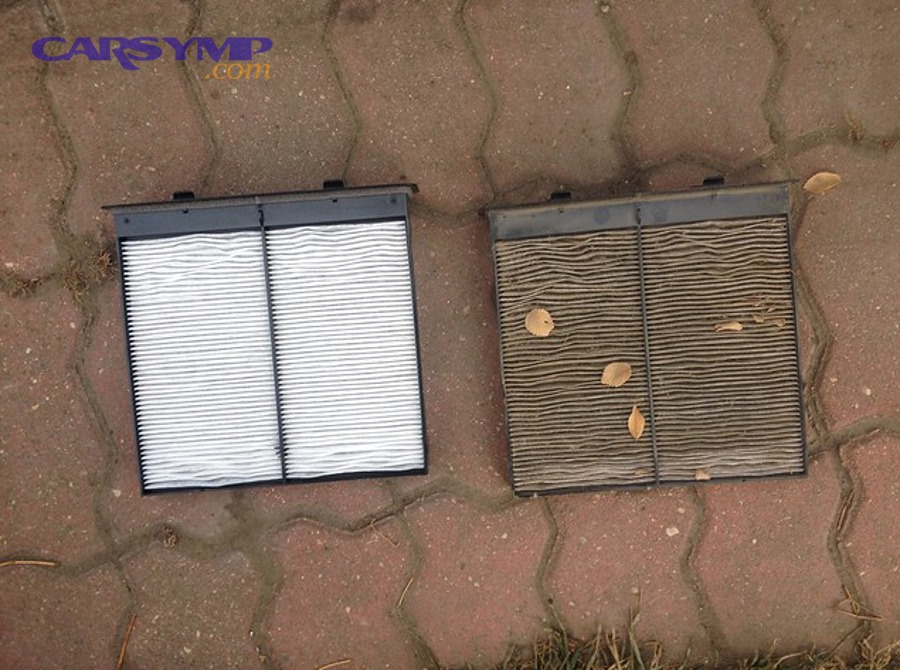
How do you inspect an engine air filter correctly?
- Locate the airbox (usually a black plastic box connected to the intake tube).
- Open clips/screws and lift the lid carefully.
- Remove the filter and hold it up to a bright light.
- If light barely passes through and pleats look packed, it’s likely due.
- Check sealing surfaces and the airbox for dirt trails (a clue the filter wasn’t sealing).
- Do not blow it out with high-pressure air unless your manual specifically recommends it—this can damage media.
What “replace now” looks like:
- Heavy dark loading across most pleats
- Crumbling media, tears, or bent frame
- Evidence of poor sealing (dirt bypass patterns)
How do you inspect a cabin air filter correctly?
- Find the access point (often glove box or cowl).
- Remove the filter cover and slide the filter out gently.
- Check for debris and odor (leaves, soot, moisture staining).
- Confirm airflow direction arrow on the filter frame before reinstalling. (aa1car.com)
Immediate “replace now” clues:
- Filter is damp, moldy, or collapsing
- Pleats are packed with dust/leaves
- Strong musty smell and reduced vent airflow
What is a DIY filter replacement checklist?
Use this DIY filter replacement checklist to avoid the most common mistakes:
- Verify the correct part number (engine vs cabin; some cars have two cabin filters)
- Confirm airflow direction arrow for cabin filters
- Clean the housing lip so the new filter seals
- Ensure the airbox or cabin door fully closes (no pinched corners)
- Start the car and test:
- Engine: smooth idle and normal throttle response
- Cabin: noticeably improved vent airflow and reduced odor
If you’re building a maintenance routine for your own site like carsymp.com, this checklist is also a great “quick win” section because it directly answers the user’s action intent.
When should you replace the engine air filter and cabin air filter?
You should replace the engine air filter and cabin air filter based on interval plus conditions: follow your manual’s range, but replace sooner in dusty/polluted driving, and replace immediately when airflow restriction or contamination is obvious.
Besides mileage, your environment is the biggest factor—construction zones, dirt roads, wildfire smoke, and heavy traffic all load filters faster.
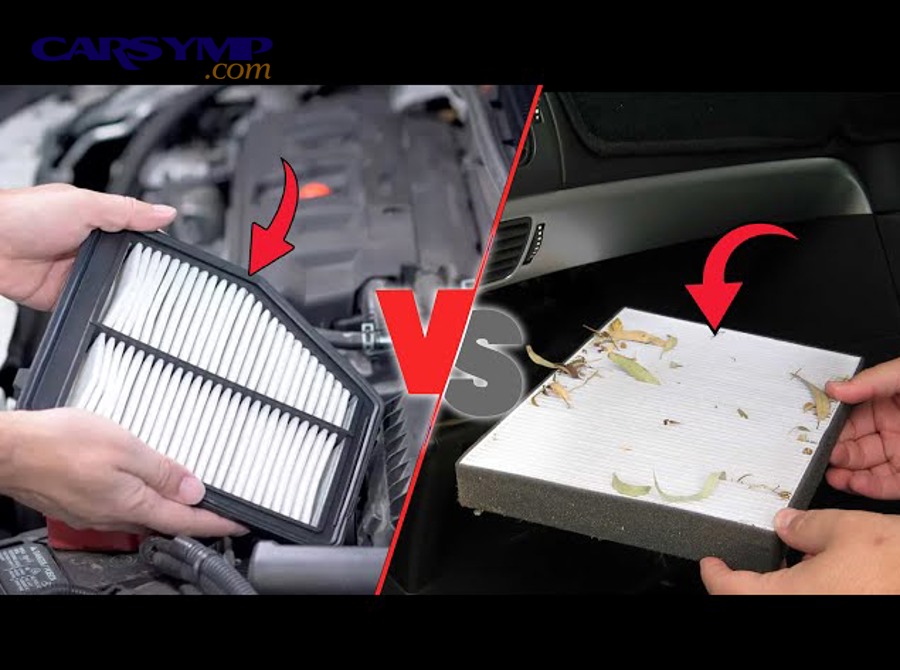
What mileage/time intervals do manufacturers recommend?
Intervals vary, but many guidance resources land around these ranges:
- Cabin air filter: commonly 15,000–30,000 miles depending on type and conditions. (aa1car.com)
- Engine air filter: commonly 12,000–15,000 miles as a general rule of thumb, shorter in dusty conditions. (autotechiq.com)
A practical consumer maintenance reference from AAA notes that service intervals vary and often depend on driving conditions and manufacturer schedules. (info.oregon.aaa.com)
What driving conditions shorten the interval?
Replace sooner if you:
- Drive on dirt/gravel roads or in agricultural/desert regions
- Commute in heavy traffic or polluted urban corridors
- Deal with wildfire smoke or seasonal pollen surges
- Park under trees (leaf debris → cabin filter clogging)
How much does filter replacement cost at a shop vs DIY?
When readers are deciding between DIY and service, cost clarity matters.
The Cost of filter replacement at a shop depends on labor access:
- Cabin filters can be quick, but some require trim/glove box disassembly.
- Engine filters are often quicker unless the airbox is awkwardly packaged.
Repair cost references show typical ranges:
- Cabin air filter replacement cost averages in a common range (parts + labor) according to RepairPal. (repairpal.com)
- Engine air filter replacement cost averages are also summarized similarly. (repairpal.com)
DIY is often cheaper if access is easy and you’re comfortable with basic disassembly—especially when you combine it with other simple maintenance.
What should you buy: OEM vs aftermarket, standard vs upgraded filters?
OEM is best for guaranteed fit and baseline performance, quality aftermarket is best for value, and upgraded filters are optimal when you need a specific benefit (odor reduction, higher particle capture, or specialty conditions).
More specifically, the “best” filter depends on what problem you’re trying to solve—performance protection for the engine, or air quality and comfort for the cabin.
Should you choose OEM or aftermarket filters?
Use this decision logic:
- Choose OEM if you want the safest “install-and-forget” fit, especially on cabin filters with complex frames.
- Choose aftermarket if you’re buying from a reputable brand and want better pricing or options (like activated carbon).
Key tip: for either option, fit and sealing matter more than marketing. A premium filter that leaks around the edges performs worse than a basic filter that seals correctly.
Are high-flow/oiled engine filters worth it?
For daily drivers, “high-flow” filters can be a mixed bag:
- The real-world performance gain is often small unless the original system was restrictive or you have supporting modifications.
- Some oiled filters require careful maintenance; over-oiling can contaminate intake components.
If your goal is reliable protection, a standard high-quality dry filter is usually the safer call.
Should you choose activated carbon or HEPA-style cabin filters?
Choose based on your primary pain point:
- Activated carbon (combi) cabin filter: best when your issue is odors, traffic fumes, or general “stale” cabin smell. (aa1car.com)
- Higher-efficiency / HEPA-style cabin filter: best when your issue is fine particles (smoke, heavy pollution, allergies). (oem.mann-hummel.com)
Evidence matters here: the Montreal-area filtration crossover study (with university affiliations) supports that cabin filtration can meaningfully reduce particle exposure in real driving conditions. (pmc.ncbi.nlm.nih.gov)
Contextual Border: At this point, you’ve fully answered the core comparison—what each filter does, how they differ, how to diagnose symptoms, and when/how to replace them. The section below expands into overlooked edge cases and micro-level mistakes that cause “I replaced it, but nothing changed.”
What are the most overlooked mistakes and special cases when replacing engine and cabin air filters?
The most overlooked issues are (1) wrong filter or wrong orientation, (2) poor sealing that lets unfiltered air bypass the media, and (3) special environments (smoke, dust, allergies) that require upgraded cabin filtration—so “replacement” only works when installation and filter choice match the real problem.
In addition, a few rare-but-real cases explain why symptoms sometimes persist even after a new filter.
What mistakes cause unfiltered air leaks or fitment problems?
Common mistakes that break results:
- Cabin filter installed backward: airflow arrow wrong → restriction, noise, worse performance. (aa1car.com)
- Filter door not fully latched: bypass leaks around the filter → dust still gets through.
- Wrong part (engine vs cabin): surprisingly common when shopping quickly.
- Pinched gasket or warped frame: creates a “shortcut” around the filter media.
What special cases change your choice (allergies, wildfire smoke, dusty roads)?
If you have:
- Allergies/asthma: prioritize higher-efficiency cabin filtration and replace more often during peak seasons.
- Wildfire smoke exposure: upgraded cabin filtration + smart recirculation use can help reduce particle load.
- Dusty off-road driving: replace engine filters more frequently and inspect sealing surfaces often.
A technical paper from the Military University of Technology discussed filtration behaviors and performance considerations for filter media and loading, reinforcing that operating environment strongly affects filter performance over time. (combustion-engines.eu)
Evidence sentence (required format): According to a study by Latvia University of Agriculture from the Engineering Research Institute, in 2011, researchers reported that filter element behavior and filtration performance change as dust loading increases, influencing airflow resistance and effective filtration conditions. (iitf.lbtu.lv)
When should you use recirculation with a new cabin filter?
A simple rule:
- Use fresh air when outside air is clean and you want to reduce humidity buildup.
- Use recirculation in heavy traffic, tunnels, dust, or smoke to reduce incoming pollutant load—especially when your cabin filter is designed for particle capture and you want to minimize exposure.
Recirculation is not a substitute for a good filter, but it can reduce how fast the cabin filter loads in harsh conditions.
Evidence (selected, high-impact)
- In-vehicle cabin air filtration can reduce particle exposure ratios in real driving; study affiliations include McGill University and University of Ottawa. (pmc.ncbi.nlm.nih.gov)
- Replacing an air filter may significantly help fuel economy in older carbureted vehicles, while modern fuel-injected vehicles may see limited fuel-economy change unless the filter is severely restricted, per U.S. Department of Energy. (energy.gov)
- Cabin filter location, replacement guidance, and interval ranges (including direction arrow guidance) are documented in a practical technical overview. (aa1car.com)
- Typical repair cost ranges for engine and cabin filter replacement are summarized by RepairPal. (repairpal.com)