


Most drivers don’t need a “one-size-fits-all” transmission job—they need the right service option for their transmission’s condition, maintenance history, and how they drive. This guide compares the three common options—flush/fluid exchange, drain-and-fill, and pan drop—so you can choose confidently without guessing.
To make that choice practical, you’ll also learn what each service actually includes, what it replaces (and what it doesn’t), and how shops may label the same work differently. That clarity matters because “transmission service” can range from a simple refill to a deeper inspection with a filter change.
Next, we’ll connect the options to timing: when each approach makes sense by mileage, fluid condition, and symptoms—especially if the vehicle is high-mileage or has an unknown service history. The goal is to reduce risk, not just replace fluid.
Introduce a new idea: once you know the options and timing, you can use a simple decision framework to match the service to your car, your driving, and your budget—then verify the shop is doing it correctly.
What are the main transmission fluid service options (flush, drain-and-fill, and pan drop)?
There are 3 main types of transmission fluid service—drain-and-fill, flush/fluid exchange, and pan drop service—based on how much fluid is replaced and whether the pan/filter is serviced.
More importantly, these options are not “better vs worse” in a vacuum—they’re tools. Each tool fits a different situation: routine maintenance, overdue maintenance, diagnosing debris, or trying to restore shift quality while minimizing risk.
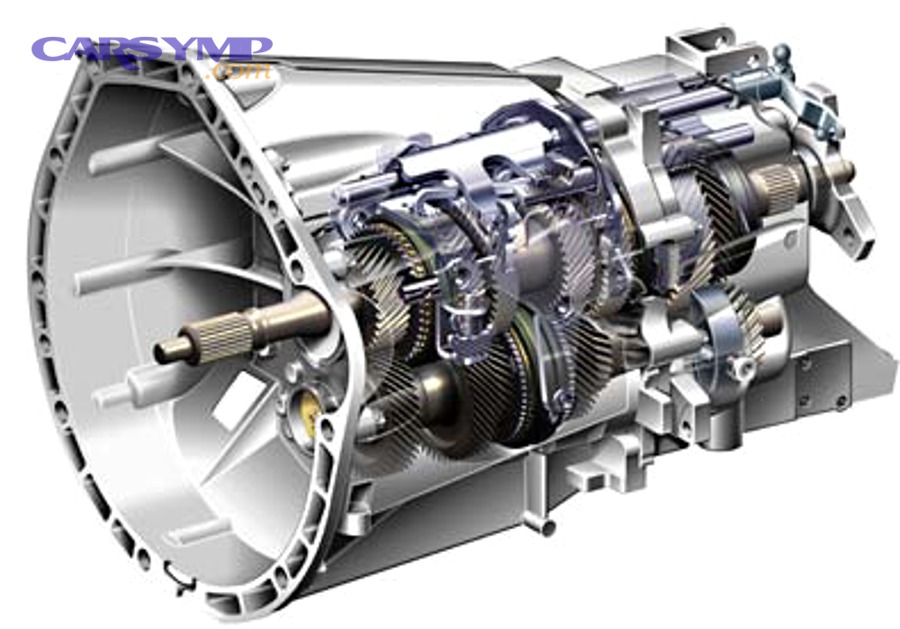
What is a drain-and-fill (transmission fluid change) and what does it replace?
A drain-and-fill is a partial fluid replacement where a technician drains the fluid that comes out of the pan (or drain plug, if equipped) and refills with the correct specification fluid.
Specifically, the “partial” part is the key: much of the old fluid often remains in the torque converter, cooler lines, and internal passages. That’s not automatically bad—partial replacement is often the point because it refreshes additives and reduces oxidation byproducts without aggressively stirring up the entire system.
What a typical drain-and-fill usually includes:
- Draining the accessible transmission fluid from the pan/drain plug
- Refilling with the correct fluid type and quantity
- A basic leak check and shift check (sometimes a short test drive)
What a drain-and-fill usually does not include:
- Removing the pan (unless the shop calls it a “service” package)
- Replacing the filter (some transmissions have non-serviceable or internal filters)
- “Full exchange” of fluid in the torque converter and cooler lines
Why it’s a popular baseline option:
- It’s generally the most conservative approach for routine maintenance
- It can be repeated (“cycling”) to gradually increase the percentage of fresh fluid
- It’s often the lowest-risk option when service history is uncertain
What is a transmission flush/fluid exchange and how is it performed?
A transmission flush (often called a fluid exchange) is a near-total replacement that pushes out old fluid while new fluid is added, typically through a service machine or a controlled line-exchange setup.
However, “flush” is a loaded word. Some shops mean a gentle exchange; others mean a chemical cleaning step plus exchange. Your job as the owner is to confirm what the shop means before approving work.
Common flush/exchange methods you’ll hear:
- Cooler-line exchange: uses the transmission’s own pump to circulate fluid while exchanging old for new
- Machine-assisted exchange: a machine manages the incoming/outgoing fluid volumes
- “Flush” with cleaners (less desirable for many situations): introduces a solvent/cleaner before exchange
Why people choose a flush:
- It replaces more old fluid in one visit than a single drain-and-fill
- It can restore additive balance faster if the fluid is degraded
- It may help with mild shift quality issues caused by old fluid
Where it can go wrong:
- If the transmission is already failing, a rapid change in friction characteristics can reveal slipping sooner
- If incorrect fluid is used, problems can appear quickly
- If the shop skips correct level/temperature procedures, the transmission may be underfilled or overfilled
What is a pan drop service and what parts are replaced or cleaned?
A pan drop service is a deeper maintenance step where the pan is removed (if applicable), debris is inspected, and the filter and gasket are often replaced.
Unlike a flush, a pan drop is as much about inspection as it is about fluid. That makes it a smart option when you need to know what’s happening inside the transmission—especially if you’re worried the fluid service is overdue.
A typical pan drop service may include:
- Removing the pan and draining fluid
- Cleaning the pan and magnets (which capture wear metals)
- Replacing the filter (if serviceable) and pan gasket
- Refilling with the correct fluid and verifying level properly
What makes pan drop valuable:
- You can see debris patterns (fine gray paste vs large metal pieces)
- You can replace a restricted filter that a flush won’t fix
- You reduce the chance of recirculating settled debris in the pan
Is a transmission flush always better than a drain-and-fill?
No— a transmission flush is not always better than a drain-and-fill for three reasons: maintenance history matters, fluid condition matters, and some transmissions benefit more from gradual changes than rapid exchanges.
However, “not always better” doesn’t mean “never do it.” The right answer is situational: flush can be ideal for consistent maintenance history, while drain-and-fill can be the safer move for unknown or high-mileage scenarios.

Here are the three reasons in practical terms:
- Maintenance history changes the risk profile
If a transmission has been serviced regularly, a flush/exchange is often straightforward because the system isn’t relying on degraded fluid to maintain friction behavior. If the vehicle has no record of regular fluid service, the transmission may have accumulated clutch material and varnish that changes how it behaves. - Fluid condition tells you what kind of change the transmission can tolerate
Fresh-looking fluid and normal shifting is a green light for routine service. Dark, burnt-smelling fluid can signal overheating or wear—conditions where you may want inspection first and a conservative plan rather than an aggressive exchange. - Not all improvements require “maximum fluid replacement”
If your goal is preventive care, a drain-and-fill performed on a sensible schedule often delivers the durability benefit without forcing a dramatic change in the transmission’s operating environment.
A widely repeated caution is that changing very old fluid in a neglected transmission can sometimes reveal slipping that was previously masked by debris in the fluid. This is one reason many owners prefer conservative service strategies when history is unknown. (kbb.com)
To make the decision clearer, compare the options on the criteria that actually matter.
Flush vs drain-and-fill vs pan drop: a comparison that matches real-world decisions
This table summarizes what each option tends to “win” at, so you can stop treating the choice like a debate and start treating it like a match.
| Option | Best for | Tradeoffs | What you’re really buying |
|---|---|---|---|
| Flush / fluid exchange | Getting the highest % of fresh fluid quickly (when history is good) | Higher cost; wrong method/fluid can create problems | Speed + completeness of replacement |
| Drain-and-fill | Routine maintenance and conservative refresh | Leaves more old fluid behind per service | Low-risk, repeatable improvement |
| Pan drop + filter | Inspection + filter service + cleaning the pan | More labor; not all designs allow it easily | Visibility into wear + filtration health |
Evidence (why old fluid behaves differently): According to a study by Bournemouth University from the Department of Design and Engineering, in 2022, oxidation (aging) of automatic transmission fluids increased viscosity and changed key thermophysical properties, which helps explain why aged fluid can behave differently than fresh fluid. (eprints.bournemouth.ac.uk)
How do you choose the right option for your car and driving conditions?
You choose the right option by using a 4-step decision method that matches your transmission’s history, symptoms, driving load, and fluid specification, so you avoid paying for the wrong service at the wrong time.
To better understand the choice, start with the assumption that the best service is the one that improves reliability while minimizing risk—then walk through the steps below.
Step 1: Identify your maintenance history (known vs unknown)
Ask a simple question: Do you have documentation of regular transmission fluid service?
- Known history (regular service): you can generally consider a flush/exchange if your manufacturer allows it and the shop follows correct procedures.
- Unknown history (no records): lean toward conservative strategies—often drain-and-fill or a pan drop for inspection before a full exchange.
Why this step matters: it tells you whether you’re “maintaining” a healthy system or “triaging” an uncertain one.
Step 2: Check for symptoms and severity (none, mild, or concerning)
Symptoms change the choice because they change the goal.
- No symptoms: your goal is prevention, so a routine drain-and-fill or manufacturer-recommended service is usually appropriate.
- Mild symptoms (slight hesitation, light shudder): you may benefit from fresh fluid, but you should confirm correct fluid spec and rule out low fluid level/leaks first.
- Concerning symptoms (slipping, harsh bangs, overheating warning): get diagnosis first; fluid alone may not solve it, and the wrong service can waste time.
This is where “Signs fluid service is overdue” becomes more than a phrase—it’s a decision trigger. Signs include dark/burnt fluid, delayed engagement, overheating behavior, or leaks that drop the level.
Step 3: Match the option to driving load (normal vs severe service)
Driving load changes how fast fluid degrades.
Severe service often includes:
- Frequent towing or hauling
- Stop-and-go commuting in heat
- Mountain driving with long climbs
- Commercial/fleet usage
In severe service, Fluid service intervals by mileage are commonly shorter than “normal” schedules because fluid sees more heat and shear. Your owner’s manual is the priority, but the logic is consistent: higher heat load typically means earlier service makes sense.
Step 4: Confirm transmission type and fluid specification (this is non-negotiable)
Before approving anything, confirm:
- Is it a conventional automatic, a CVT, or a dual-clutch transmission?
- What is the exact fluid specification (not just “ATF”)?
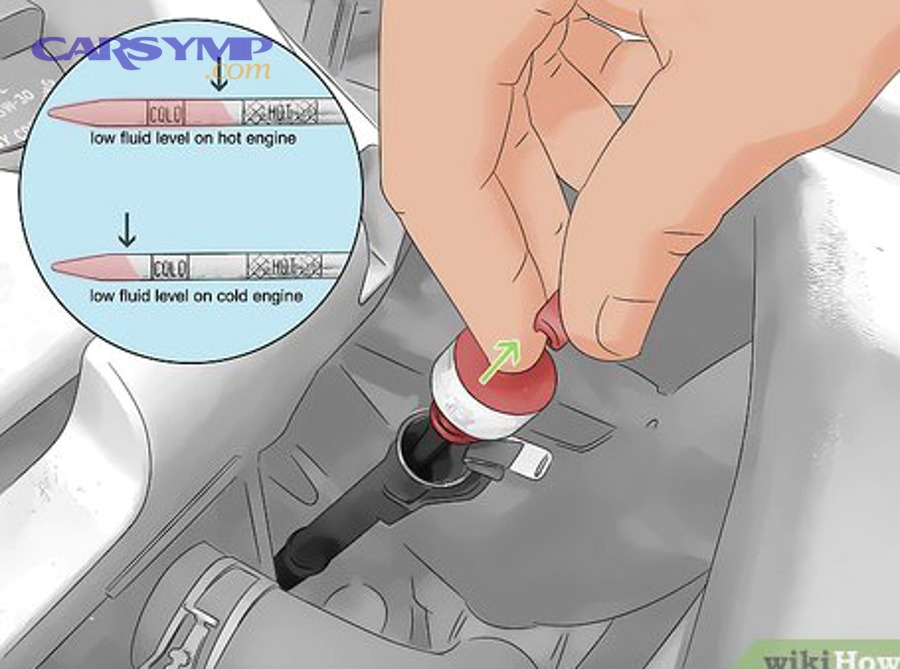
- Does your transmission require a temperature-based level check?
This step prevents the most expensive mistake: the wrong fluid.
Practical decision shortcuts (quick picks):
- Routine maintenance, no symptoms: drain-and-fill (repeatable, conservative)
- Good history, want maximum refresh: flush/fluid exchange
- Unknown history, want inspection: pan drop + filter (if serviceable), then decide on next steps
- Severe service use: earlier service scheduling, often favoring repeated drain-and-fills or manufacturer-recommended “complete” service packages
What are the warning signs that you need transmission fluid service now?
There are two main groups of warning signs that indicate you may need transmission fluid service now: fluid-condition signs and driveability signs, based on whether the problem shows up in the fluid itself or in how the vehicle shifts.
Next, use these groupings to decide whether you should schedule a basic fluid service, a deeper inspection, or a diagnostic appointment.
Group 1: Fluid-condition signs (what you can often see or smell)
These are the clearest “service now” signals:
- Dark fluid compared to its normal color
- Burnt smell (often indicates overheating)
- Metallic shimmer (fine wear can be normal; flakes/chunks are not)
- Low fluid level or repeated top-offs
- Visible leaks under the vehicle
These signs often appear before the transmission becomes undriveable, which is why acting early tends to be cheaper.
Group 2: Driveability signs (what you feel while driving)
These symptoms often align with degraded or low fluid, but they can also indicate mechanical wear:
- Delayed engagement (especially into Drive/Reverse)
- Rough or harsh shifts
- Shuddering during light acceleration
- Slipping or flare between gears
- Transmission overheating behavior or warning
If your car is showing several of these symptoms together, that’s a strong indicator the fluid service is overdue—or that the transmission needs a deeper diagnosis.
A consumer-focused maintenance guide notes that dark/burnt-smelling fluid and issues like overheating or rough shifting can be indicators for service, while also warning that neglected transmissions can behave differently when fluid is replaced. (kbb.com)
When symptoms mean “diagnose first,” not “service first”
Be cautious when:
- The transmission is actively slipping under load
- There are warning lights and stored codes
- Shifting is suddenly severe (new bangs, no-gear events)
- The fluid contains large metal pieces
In these cases, you may still do fluid service as part of repair, but it should be guided by diagnosis—otherwise you risk paying for the wrong fix.
What should be included in a quality transmission service (and what’s a red flag)?
A quality transmission service includes correct fluid specification, correct fill/level procedure, inspection for leaks and debris, and a post-service verification drive, and the biggest red flags are vague fluid choices, skipped level verification, and “one price fits all” service promises.
In addition, a good shop will explain why they recommend a certain option (flush, drain-and-fill, or pan drop) based on your situation—not just upsell the most expensive package.
What a quality service should include (owner checklist)
Use this checklist as a script when you call a shop:
- Fluid specification confirmation
- “What exact fluid spec are you using for my model?”
- “Will the invoice list the fluid brand/spec and quantity?”
- Correct fill and level verification
- “Do you verify level at the correct temperature (if required)?”
- “Do you check for leaks after service?”
- Inspection and risk assessment
- “Will you check for codes if I’m having symptoms?”
- “If you remove the pan, will you show me the debris/magnet condition?”
- Post-service validation
- A test drive or shift verification
- Confirmation that there are no leaks and the vehicle shifts normally
If the shop offers a flush/exchange, confirm whether it includes pan removal and filter service when appropriate, because some methods replace fluid without ever inspecting what’s sitting in the pan.
One service explainer notes that some flush methods or “more complete” approaches may involve pan and filter work and can require additional fluid and time, which affects cost and what is actually included. (jiffylube.com)
Red flags that signal risk or low quality
Watch for these:
- “We use universal fluid for everything.”
- No mention of temperature-based level checks for sealed systems
- No willingness to explain service method (exchange vs drain-and-fill)
- Promising to “fix slipping” with only a flush and additives
- Refusing to document fluid spec on the receipt
A quick visual cue: what “normal” pan debris often looks like
A pan magnet commonly collects a fine gray paste—normal wear material over time—while shiny flakes or chunks can be a concern. If you want a visual reference, a basic walkthrough video can help you understand what technicians mean when they say “normal magnet sludge.”
How do costs and value compare across flush vs drain-and-fill vs pan drop?
A flush wins in fluid replacement completeness, a drain-and-fill is best for low-risk maintenance value, and a pan drop is optimal for inspection and filter-related value, because each option pays you back in a different way.
However, the best “value” is not always the lowest price—it’s the service that reduces your probability of expensive failure while matching your transmission’s condition.
What typically drives price (so quotes make sense)
Prices vary because:
- Some services require significantly more fluid
- Some vehicles require special procedures (sealed units, temperature checks)
- Pan removal and filter replacement add labor and parts
- Fluid type (including certain synthetic or specialty specs) changes cost
A cost breakdown example notes that flush services can require substantially more fluid than a simple change, which is one reason flush pricing is often higher than drain-and-fill pricing. (jiffylube.com)
Value comparison: what you gain per dollar (and per risk)
To make value concrete, think in “return on prevention.”
Drain-and-fill value
- Best for maintaining a healthy transmission over time
- Best for owners who prefer conservative changes
- Best when repeated at sensible intervals (especially in severe service)
Flush/exchange value
- Best when you want a large percentage of fresh fluid quickly
- Best when the transmission has a consistent service history
- Best when performed by a shop that follows correct method and spec
Pan drop value
- Best when you want to know what’s happening inside the pan
- Best when a serviceable filter might be restricted
- Best when you need a reality check before choosing an aggressive exchange
A simple cost-to-decision guide (use this before you approve work)
Here’s a practical way to tie money to decision quality:
- If your car is well-maintained and you want the most complete refresh, a flush/exchange may justify its higher cost.
- If your car is high-mileage with unknown history, paying for inspection (pan drop) can be smarter than paying for maximum fluid exchange.
- If your goal is long-term prevention, drain-and-fill done on a sensible schedule can be the best value because it spreads cost while minimizing risk.
What advanced details can prevent costly mistakes after choosing a service option?
Advanced details that prevent costly mistakes include using the exact fluid specification, following temperature-based level procedures when required, choosing gradual fluid replacement when appropriate, and documenting the service, because these micro-details control outcomes more than marketing terms like “premium flush.”
Below are the most common “small mistakes” that create big problems after you’ve already made the main decision.
What does “correct transmission fluid specification” mean, and why is the wrong fluid a serious risk?
Correct specification means the fluid matches the transmission’s designed friction behavior, viscosity profile, and additive system—often defined by a manufacturer spec, not just “ATF.”
Why the wrong fluid is serious:
- Shift timing and clutch engagement rely on controlled friction
- The wrong additive chemistry can increase wear or cause shudder
- Some transmissions (especially CVTs) are highly fluid-sensitive
A high-quality shop should be able to name the spec and document it on the invoice.
What’s the difference between a single drain-and-fill and a multi-service “drain-and-fill cycling” plan?
A single drain-and-fill is one partial replacement. A cycling plan repeats partial replacements over time to gradually increase the percentage of fresh fluid without a full exchange.
Why cycling can be useful:
- It reduces the “shock” of changing friction characteristics quickly
- It can be a conservative path for unknown-history vehicles
- It spreads cost and allows monitoring of shifting between services
A typical cycling strategy might be:
- Drain-and-fill now
- Drive normally for a short interval
- Drain-and-fill again to further refresh the remaining old fluid
This approach is especially attractive when you want to avoid an aggressive exchange but still want a higher overall refresh percentage.
Why do some transmissions require fluid level checks at a specific temperature (and what goes wrong if ignored)?
Some sealed or semi-sealed transmissions require the fluid to be measured at a target temperature because fluid expansion changes the level reading.
If ignored:
- Underfill can cause aeration, overheating, slipping, and accelerated wear
- Overfill can cause foaming, pressure issues, and erratic shifting
This is why “we filled it until it looked right” is not a professional answer.
What documentation should you keep for warranty/value (fluid brand/spec, quantities, mileage, service type)?
Keep:
- Date and mileage
- Service type (drain-and-fill, flush/exchange, pan drop)
- Fluid brand/spec and quantity
- Filter/gasket parts (if replaced)
- Shop notes on leaks, debris, or codes
Documentation helps you plan fluid service intervals by mileage going forward and protects resale value because the next owner can see the transmission wasn’t neglected.
A quick micro-context reminder: essential car fluids and what they do
Since owners often schedule multiple services together, it helps to remember the bigger maintenance picture: Essential car fluids and what they do includes engine oil (lubrication/cleaning), coolant (temperature control), brake fluid (hydraulic braking), power steering fluid (assist pressure on some systems), and transmission fluid (lubrication + hydraulic control + cooling). When these fluids are maintained on schedule, the vehicle’s systems fail less often and fail less expensively.
Evidence (if any)
According to a study by Bournemouth University from the Department of Design and Engineering, in 2022, aging (oxidation) changed automatic transmission fluid thermophysical properties and increased viscosity, which helps explain why transmission behavior can shift as fluid degrades over time. (eprints.bournemouth.ac.uk)