


You can avoid the most expensive oil change mistakes by following a simple rule: use the correct oil spec, seal everything correctly, and verify the result before you drive. This article breaks down the most common blunders and the exact prevention steps that stop leaks, low-oil situations, and engine damage.
Next, you’ll learn a DIY-focused prevention checklist that makes the process repeatable, even if you’re doing your first oil change. The goal is to reduce the “forgot something” risk with a clear routine and a few non-negotiable checks.
Then, you’ll get practical post-service verification steps—how to confirm the oil level is correct, how to spot a leak early, and when to stop the engine immediately. These checks are where many first-timers lose money after the oil change is “done.”
Introduce a new idea: the same basic oil change can become tricky when your vehicle uses a cartridge filter, an underbody shield, or a specialized oil specification. The final section covers these edge cases so you can prevent problems even on less common setups.
What are “oil change blunders,” and why do they become expensive?
Oil change blunders are preventable errors in oil selection, sealing, filling, or verification that can trigger leaks, low oil pressure, accelerated wear, or even catastrophic oil loss. To better understand the risk, connect each mistake to what it physically does to the engine and the sealing surfaces.
Specifically, an oil change has two jobs: put the right oil in the engine at the correct level, and keep it there. Every costly outcome comes from breaking one of those jobs. If you use the wrong oil specification, the engine may not maintain the intended protective film at operating temperature or under load. If you install the oil filter incorrectly or damage a sealing surface, oil escapes. If you underfill, the oil pickup can draw air; if you overfill, the crankshaft can whip the oil into foam. In both cases, the engine can lose stable lubrication when it needs it most.
More importantly, oil change mistakes often stay silent for a few minutes. A drain plug that is “almost tight” can hold long enough for you to leave the driveway, then start leaking once oil heats up and pressure changes. A filter gasket that is pinched can seep slowly until the oil level drops below safe range. That delay is why the verification steps matter as much as the wrenching.
Do small oil-change mistakes really cause engine damage?
Yes—small oil change mistakes can cause engine damage because they can create (1) low oil level/pressure, (2) oil aeration/foaming, and (3) chronic leakage that slowly starves lubrication. To illustrate the chain reaction, focus on how lubrication fails before you hear a “big” noise.

First, low oil level is the fastest path to trouble. The oil pump can pull air if the pickup isn’t submerged under cornering, braking, or acceleration. Air compresses; oil does not. That difference can cause unstable oil pressure and intermittent protection at bearings and cam surfaces. Second, overfilling can be just as harmful in a different way: the crankshaft can aerate the oil, and aerated oil does not protect like a solid fluid film. Third, leakage is dangerous because it’s gradual. Many drivers see a small drip and keep driving, but the drip is a meter—your engine is losing its safety margin over time.
In addition, “wrong oil” mistakes can cause long-term wear by running an oil that doesn’t match the manufacturer’s specification, additive package needs, or viscosity range. The engine may run, but the protection strategy changes, especially for modern engines that rely on specific viscosity grades for friction control and oil-flow targeting.
According to a study by MIT from the Department of Mechanical Engineering, in 2007, engine oil aeration experiments showed measurable aeration behavior in a typical internal combustion engine setup, reinforcing that aeration is a real lubrication variable—not a theoretical concern.
What warning signs immediately after an oil change mean “stop driving”?
There are 7 common “stop driving” warning signs after an oil change: oil pressure light, rapid dripping/puddling, burning oil smell or smoke, loud ticking/knocking, visible spray near the filter/plug, sudden low dipstick level, and fresh oil on the undertray. Then, act quickly because time is the enemy when oil is escaping.

- Oil pressure light: shut the engine off immediately and do not restart until you confirm oil level and leak source.
- Puddle or fast drip: do not “drive to see if it stops”—find the leak at the drain plug, filter, or pan sealing area.
- Burning smell/smoke: oil may be on the exhaust; turn off the engine, let it cool, then inspect safely.
- New loud ticking/knock: treat as lubrication loss until proven otherwise.
- Oil sprayed around filter/plug: often indicates loose filter, double gasket, or cross-threaded plug.
- Dipstick suddenly below safe range: refill only after locating and addressing the leak cause.
- Fresh oil coating on undertray: indicates a leak that may travel and hide its source.
To sum up, a successful oil change is not “finished” until the engine runs quietly, the oil light stays off, and the underside stays dry after a short heat cycle.
Which 15 oil change mistakes are most common, and how do you prevent each one?
There are 15 common oil change mistakes to prevent—covering preparation, draining/refilling, and filter sealing—because each stage has predictable failure points you can eliminate with a repeatable checklist. Below, the focus is not on blame; it’s on prevention steps that make a DIY oil change reliable.
Next, think of this as the master list you use every time you change engine oil at home. When you standardize the steps, you stop relying on memory and reduce expensive “one-off” mistakes. The table below summarizes the mistakes and the prevention action so you can scan before you start.
What this table contains: a quick reference of the most common mistakes and the single best prevention step for each one.
| Mistake | What goes wrong | Prevention action |
|---|---|---|
| Wrong oil spec/viscosity | Reduced protection or compliance issues | Use manual spec + approvals; buy exact grade |
| Wrong oil capacity assumption | Overfill/underfill | Confirm capacity; measure and verify dipstick |
| Unsafe lifting | Injury or rushed work | Use stands/ramps; chock wheels; level ground |
| Not warming engine appropriately | Poor drain or burn risk | Warm slightly; allow safe cool-down |
| Drain plug cross-thread/over-torque | Stripped threads/leaks | Hand-thread first; torque to spec |
| Reusing damaged washer/gasket | Seepage at plug | Replace crush washer when required |
| Forgetting to reinstall plug | Immediate oil loss | “Plug back in” checkpoint before filling |
| Overfilling | Foaming, leaks, smoke | Add oil gradually; recheck after settling |
| Underfilling | Low pressure under load | Fill near capacity then confirm dipstick |
| Wrong filter | Fit issues, bypass mismatch | Match part number to engine and year |
| Double-gasket / old gasket stuck | Blowout leak | Verify old gasket removed; clean sealing face |
| Dry or mis-seated filter gasket | Pinched gasket leaks | Lightly oil gasket; tighten correctly |
| Filter over-tightened | Crushed gasket; hard removal | Hand-tight plus specified turn |
| No leak check after start | Hidden loss | Idle 30–60s; inspect plug and filter |
| Skipping reminder reset/record | Missed intervals | Reset oil-life; log date/mileage |
Which mistakes happen before you even drain the oil?
There are 5 common pre-drain mistakes: buying the wrong oil, assuming capacity, missing tools, unsafe vehicle support, and skipping a clean work setup—because each one pushes you toward rushed decisions under the car. Then, fix them before the first bolt turns.
- Wrong oil purchased: use an Oil type and viscosity guide approach—start with the owner’s manual spec and required approvals, not marketing labels.
- Capacity guess: engines vary widely; confirm the stated capacity and remember the filter holds oil too.
- Missing tools: correct socket, filter wrench (if needed), drain pan size, funnel, gloves, rags, and a torque wrench if you have plug torque specs.
- Unsafe lifting: never rely on a jack alone; use ramps or stands, chock wheels, and work on level ground.
- Messy setup: lay down absorbent pads or cardboard, keep the fill cap and dipstick accessible, and plan where used oil will go.
To begin, a calm setup is a safety and quality tool. If you set the work area first, you reduce the chance you’ll “make it work” with the wrong socket or over-tighten something because you’re frustrated.
Which mistakes happen during draining and refilling that cause leaks or low oil?
There are 6 high-risk drain-and-fill mistakes: cross-threading, over-torquing, reusing a worn washer, forgetting the plug, underfilling, and overfilling—because each one directly affects oil retention and oil pressure stability. Meanwhile, each mistake has a simple prevention step you can repeat.
Start with threads and sealing surfaces. The drain plug should thread in smoothly by hand for several turns. If it does not, stop and realign—forcing it is how threads get stripped. After draining, clean the plug and the sealing area. If your vehicle uses a crush washer, replace it as part of Oil drain plug and gasket leak prevention; a flattened washer often seals poorly when reused.
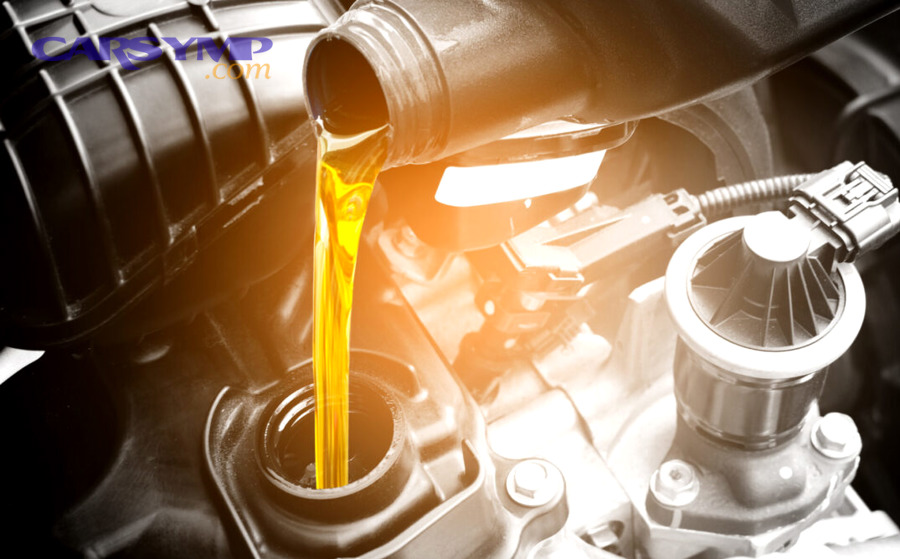
Next, manage the refill like a measurement problem, not a guessing game. Add oil in increments, especially near the final half quart/liter, then let it settle before reading the dipstick. Overfilling often happens when a DIY driver pours in the entire capacity immediately, forgets that some vehicles retain oil in passages, and then starts the engine with the level too high. Underfilling happens when a DIY driver forgets to account for the filter volume, or stops early because the dipstick reading is misread on a cold engine or uneven ground.
In short, treat the middle of the oil change—drain plug sealing and fill level verification—as the “money zone.” Most costly oil change failures originate here.
Which oil filter mistakes cause the biggest mess (or the biggest risk)?
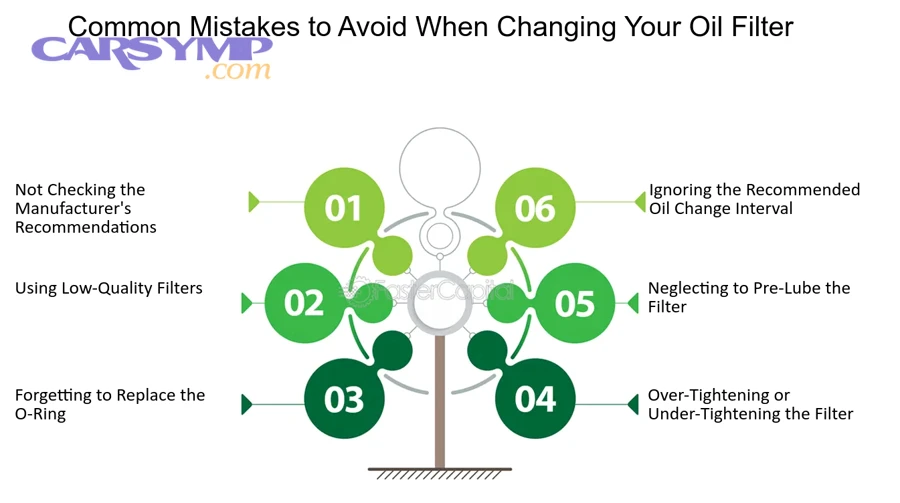
There are 4 oil filter mistakes that create the biggest risk: installing the wrong filter, leaving the old gasket behind (double-gasket), pinching the gasket by installing dry, and over-tightening the filter—because each can cause rapid oil loss once pressure builds. Besides, these mistakes often look “fine” until the engine runs.
The most dangerous mistake is the double-gasket scenario: the old filter gasket sticks to the engine mounting surface, and the new filter gasket stacks on top. That stacked seal can slip or blow out under pressure, causing sudden leakage. Prevent it by wiping the mounting surface with a clean rag and confirming the old gasket is not there before installing the new filter.
Then, install the filter correctly. Lightly oil the gasket so it seats smoothly. Tighten by hand to the specified turn after gasket contact (often about 3/4 turn, but follow the filter or manufacturer guidance). Over-tightening can crush the gasket or make the next removal brutal, leading to more mistakes later.
Thus, oil filter mistakes are less about strength and more about inspection and seating. Slow down for 30 seconds here and you often save hours of cleanup and risk.
What simple “do-this-every-time” habit prevents most DIY oil change errors?
A standardized “three-checkpoint” habit prevents most DIY oil change errors: (1) spec check before buying oil, (2) seal check at plug and filter before filling fully, and (3) verification check after start-up. Let’s explore how each checkpoint blocks common failures.
Checkpoint 1 (Spec check): confirm the correct oil spec and viscosity grade, and confirm the correct filter part number. This step prevents “wrong oil” and “wrong filter” before you get dirty.
Checkpoint 2 (Seal check): after reinstalling the drain plug and installing the filter, pause and visually confirm both are seated correctly. Touch the filter gasket area to ensure it is not twisted, and confirm the drain plug washer is in place if used.
Checkpoint 3 (Verification check): once filled, start the engine briefly, confirm the oil pressure light goes out normally, inspect the plug and filter area for seepage, shut down, let oil settle, and recheck the dipstick. This is where you catch 90% of failures while they are still easy to fix.
To better understand the value, remember that a DIY oil change becomes “professional” when it includes professional verification—not when it includes expensive tools.
How do you choose the correct oil and avoid the “wrong oil” trap?
Choosing the correct oil means matching the manufacturer’s required specification and viscosity grade to your engine, then confirming the oil meets the stated approvals—because “good oil” is not the same as “right oil” for your car. On the other hand, choosing by brand slogans is how drivers fall into the wrong oil trap.
Start with your manual or the under-hood label if your vehicle provides one. Look for the viscosity grade (like 0W-20, 5W-30, or 5W-40) and the performance standard (API/ILSAC/ACEA and sometimes an OEM approval). Modern engines are designed with specific oil flow targets, bearing clearances, and friction reduction strategies. When you follow the spec, you match the engine’s design intent.
Next, remember that “oil change” decisions are often about tradeoffs between cold-start flow, high-temperature film strength, and compatibility with emissions systems. The viscosity grade is a two-part message: the “W” rating relates to cold behavior, and the back number relates to thickness at operating temperature. If you want a clear mental model, treat viscosity as “how easily oil moves” under different temperatures, not as a simple “thick is always better” rule.
According to a study by SAE International, in 2020, testing reported that 0W-20 oils can reduce engine friction torque and friction loss under measured conditions, showing why manufacturers often specify lower-viscosity oils for efficiency when the engine is designed for them.
Is using the wrong viscosity (e.g., 5W-30 vs 0W-20) actually a problem?
Yes—using the wrong viscosity can be a problem because it can (1) change cold-start flow behavior, (2) alter oil pressure and film behavior in a design-specific way, and (3) affect efficiency and emissions-system compatibility. However, the severity depends on the engine design and operating conditions.
First, cold starts are a major wear moment because oil has not fully circulated. A lower “W” grade generally flows more easily in cold conditions, helping the engine reach protected lubrication faster. Second, the operating-temperature number relates to viscosity at engine temperature. If you move far from the recommended grade, you can change how the oil behaves in tight passages or variable valve timing systems that rely on oil pressure control. Third, some engines are engineered for low-viscosity oils as part of efficiency and compliance strategies, and deviating from spec can create unintended side effects.
In addition, some manuals allow multiple viscosity grades based on climate or driving conditions. When the manual lists options, choose the grade that matches your typical temperature range and duty cycle. If the manual does not list options, treat the recommended grade as the safest default.
How do API/ILSAC/ACEA and “manufacturer approvals” change what oil you should buy?
API/ILSAC/ACEA and manufacturer approvals act as a compatibility filter: they tell you whether the oil meets performance tests for wear control, deposits, volatility, and emissions-system protection for your engine category. Then, you use the label to avoid “close enough” oils that do not meet the required standard.
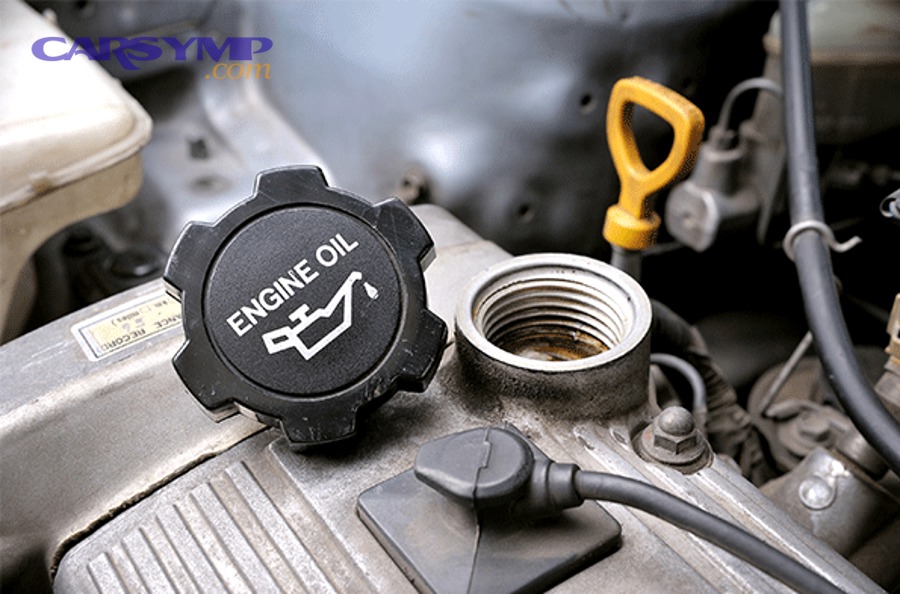
API and ILSAC standards are common in North America, while ACEA is common in Europe, and OEM approvals may appear for many modern vehicles. The practical rule is simple: match what your manual demands. If your manual requires an ACEA class or an OEM approval (for example, a specific long-life or low-SAPS formulation), treat that as mandatory, not optional.
More specifically, “meets or exceeds” language is not the same as “approved.” Some oils are formulated to meet a standard, while others carry formal approvals or licensing marks. When in doubt, choose an oil that explicitly states the required specification on the bottle and comes from a reputable manufacturer.
Synthetic vs conventional: which choice prevents more mistakes for most DIY drivers?
Synthetic wins in temperature stability and deposit control for many engines, conventional is best for simple engines on short intervals, and high-mileage blends are optimal for older engines with seal conditioning needs—yet the correct specification matters more than the base type. Meanwhile, you can prevent more mistakes by focusing on spec-first purchasing than on the synthetic label alone.
Synthetic oils typically tolerate heat better and can resist breakdown under demanding conditions. That can reduce the chance of viscosity loss and deposits, which indirectly helps your engine maintain clean oil passages. Conventional oil can work perfectly well in older or less demanding engines when you follow the correct interval and specification. High-mileage oils often include additives intended to support seals and manage consumption, which can help some older engines that seep or burn oil.
To sum up, choose the correct oil specification first, then select synthetic or conventional based on your driving conditions and budget. The best oil is the one that matches your engine’s requirements and is changed at the right time.
What’s the correct way to tighten the drain plug and filter to prevent leaks and stripped threads?
The correct way to tighten the drain plug and filter is to hand-start threads, seat the seal properly, and tighten to the intended method (torque-to-spec for plugs, hand-tight plus turn for filters) because over-tightening damages threads while under-tightening leaks. Below, the focus is repeatable technique, not brute force.
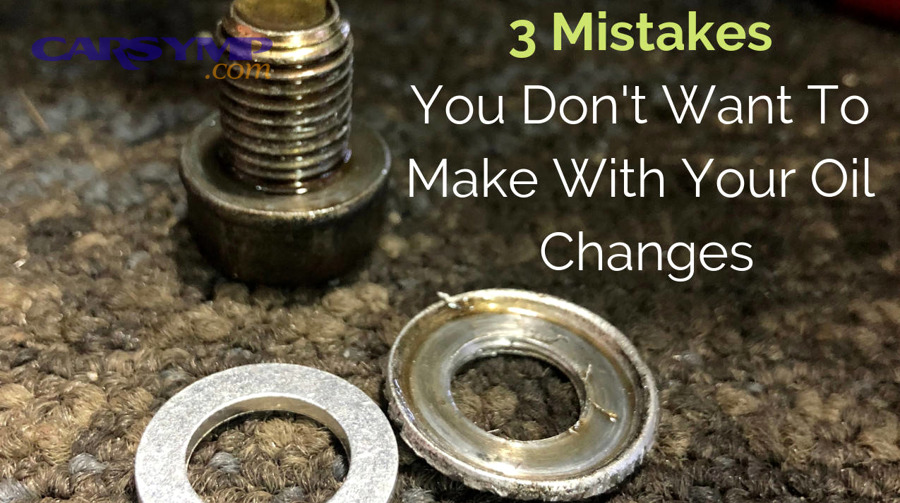
Next, recognize that the drain plug and oil filter are sealing systems, not just fasteners. The plug typically seals via a washer or gasket against the oil pan. The filter seals via a rubber gasket against a machined surface. Tightening is the act of compressing a sealing element to the correct amount—no more, no less.
To begin, always start the drain plug by hand. If you cannot thread it in smoothly with fingertips, stop and realign. Cross-threading happens fast, and repairing an oil pan thread is far more expensive than taking an extra minute. Once seated, tighten with a wrench according to manufacturer guidance, ideally using a torque wrench if you have the specified torque value.
For the filter, tighten until the gasket contacts the mounting surface, then tighten the recommended additional turn by hand. A filter wrench is mainly a removal tool; using it to tighten often leads to over-tightening. If your vehicle uses a cartridge filter housing, follow the torque spec for the housing cap to prevent cracks and O-ring damage.
Should you always replace the drain plug washer/gasket?
Yes—replace the drain plug washer/gasket when your design uses a crush washer or single-use sealing washer, because (1) reused washers often fail to seal, (2) they increase seepage risk after heat cycles, and (3) they reduce your margin for correct torque. Moreover, washer replacement is one of the cheapest leak-prevention steps you can take.
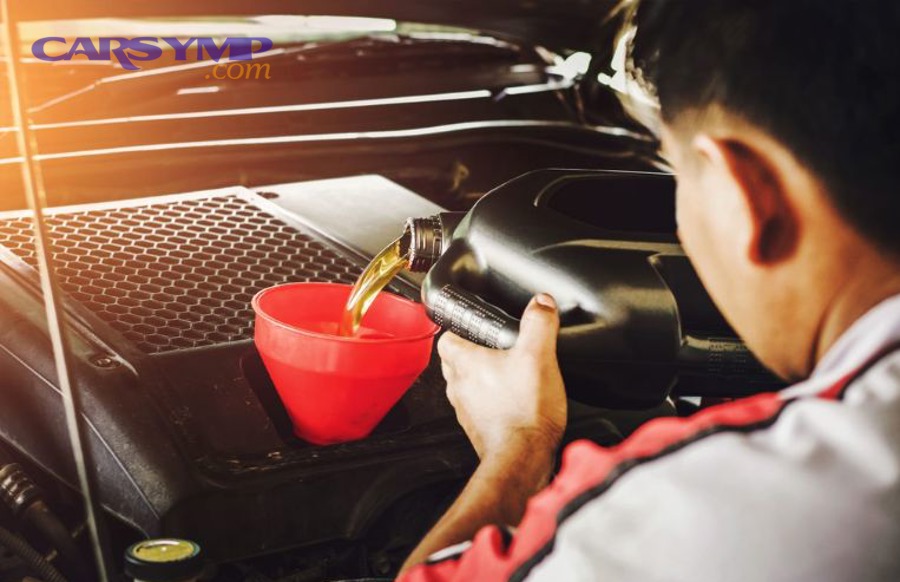
Many vehicles use aluminum or copper crush washers that deform to create a seal. Once crushed, they may not deform again the same way, which can create a micro-path for oil to seep. If your vehicle uses a reusable gasket or an integrated plug gasket, inspect it carefully for damage, flattening, or hardening. When unsure, replace it—this is a small part protecting a large investment.
In addition, washer replacement supports consistent tightening. When the washer deforms as designed, you feel the seat point and the sealing compression more predictably. That feedback helps you avoid “one more turn” instincts that lead to stripped threads.
What’s the difference between “hand tight,” “¾ turn,” and torquing to spec?
Torquing to spec is best for drain plugs and housings, “hand tight plus ¾ turn” is best for many spin-on filters, and simple “hand tight” alone is optimal only when the component is designed with a clear stop or indexed seal—because each method controls seal compression differently. Then, choose the method that matches the component.
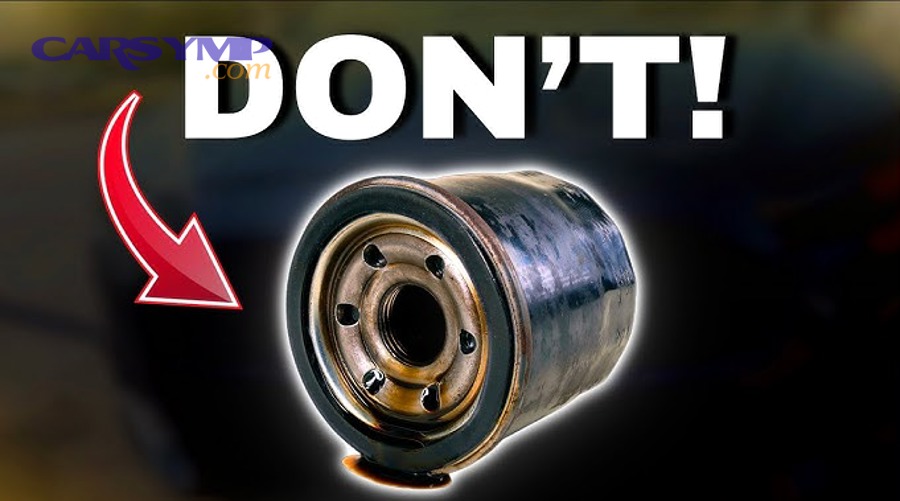
A torque value is a measured tightening force that provides consistent clamping load. That consistency matters for drain plugs because oil pan threads can strip if over-torqued and can leak if under-torqued. Filters are different: most are designed to be tightened after gasket contact by a specified amount, which compresses the rubber gasket enough to seal without crushing it.
On the other hand, tightening a spin-on filter with a wrench often exceeds the intended compression and can distort the gasket or complicate removal later. The practical best practice is: use your hands for installation, use a wrench for removal, and use a torque wrench where the manufacturer provides a torque value.
According to a study by SAE International, in 2020, measured friction differences with low-viscosity oils highlight why manufacturers engineer systems around precise lubrication parameters—making correct installation and sealing practices essential to keep those designed conditions stable.
What should you do right after the oil change to confirm it’s done correctly?
Right after an oil change, you should follow a 5-step verification routine—idle check, leak inspection, shutdown and settle, dipstick recheck, and reminder reset—because verification is what catches mistakes before they become expensive failures. Then, repeat a shorter version after your first short drive.
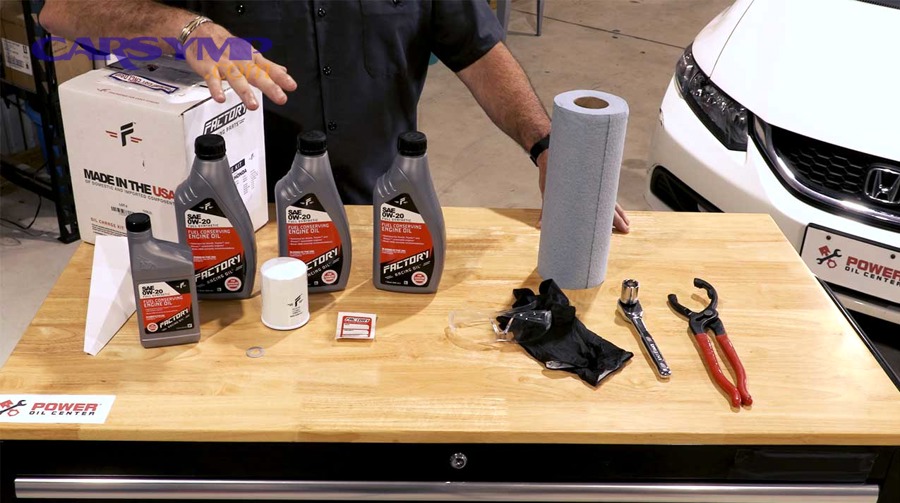
Below is the exact routine that protects DIY drivers and first-timers. This is the moment when a small drip is still a simple fix. Once you drive and oil spreads across undertrays and suspension components, diagnosis takes longer and the risk rises.
- Step 1: Initial start: start the engine for 30–60 seconds; confirm the oil pressure light behaves normally.
- Step 2: Immediate leak check: inspect around the drain plug and oil filter (or housing) for fresh oil.
- Step 3: Shut down and wait: wait 5–10 minutes for oil to drain back for an accurate dipstick reading.
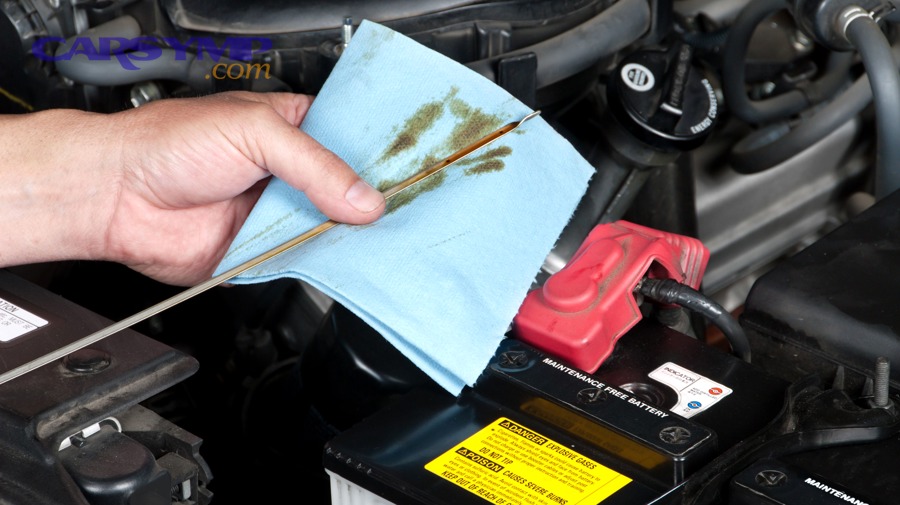
- Step 4: Dipstick verification: confirm oil level is within the safe range and not above the maximum mark.
- Step 5: Reset and record: reset the oil-life monitor if applicable and log the mileage/date.
More importantly, run a “second check” after a short drive. Heat and pressure changes can reveal a slow leak that did not show while idling.
How do you check oil level correctly on the dipstick to avoid false readings?
Checking oil level correctly means reading the dipstick on level ground after oil has settled, because (1) uneven ground tilts the sump reading, (2) hot splashing can smear the stick, and (3) rushed readings cause overfill or underfill mistakes. Next, use a consistent technique every time.

- Park on level ground and set the parking brake.
- Shut the engine off and wait 5–10 minutes after running.
- Pull the dipstick, wipe it clean, reinsert fully, then pull again.
- Read the level between the min and max marks; aim near the upper half without exceeding max.
- If you need to add oil, add small amounts (for example, a quarter-quart) and recheck.
To illustrate why this matters, many engines show a smeared dipstick right after shutdown. Waiting briefly lets oil drain back and makes the reading clearer. This single habit reduces both overfill and underfill events.
Do you need to reset the oil-life/service reminder after a DIY oil change?
Yes—you should reset the oil-life/service reminder after a DIY oil change because (1) it keeps your maintenance schedule accurate, (2) it prevents you from accidentally stretching intervals, and (3) it helps you detect real future issues instead of ignoring reminders. In addition, consistent resets improve your service records.
Many vehicles use an oil-life algorithm that estimates remaining life based on driving conditions. If you don’t reset it, the system keeps counting down from the previous oil, which can trigger an early reminder—or worse, train you to ignore reminders because they seem “wrong.” Always follow the reset steps for your specific model. Some require a menu reset; others use pedal sequences. If you can’t find the steps quickly, the owner’s manual usually lists them.
Besides, resetting the reminder doesn’t replace checking oil level. Oil-life monitors track time and usage patterns, not oil volume. Keep using the dipstick as your truth source.
What leak-check routine catches 90% of problems in 5 minutes?
A fast leak-check routine includes (1) a flashlight inspection of the drain plug and filter, (2) a wipe test around sealing areas, and (3) a recheck after a short heat cycle—because most post-oil-change leaks come from those two sealing points. Then, expand the inspection if you see oil trails.
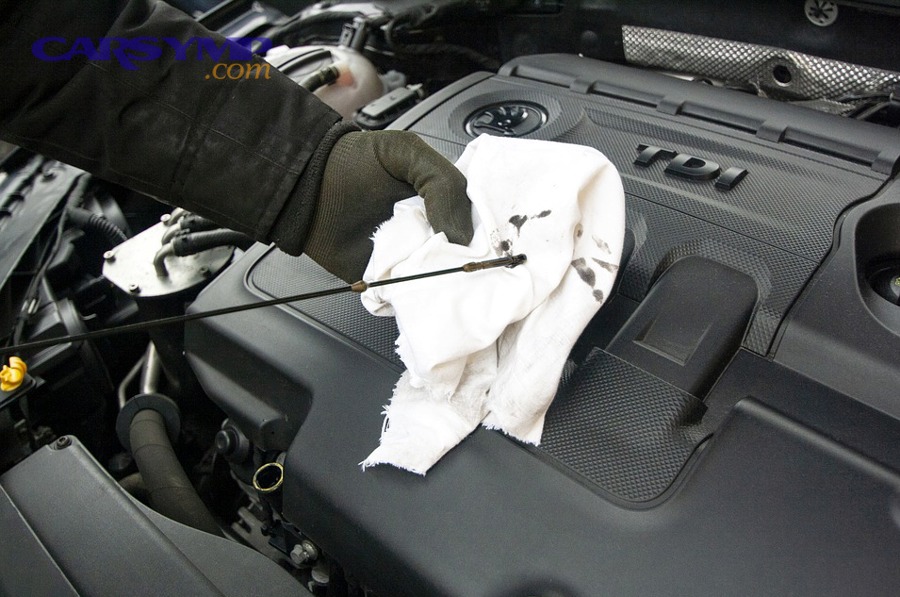
- Minute 1–2: with the engine off, look directly at the drain plug area. Fresh oil forms a glossy bead; old oil looks dusty.
- Minute 2–3: look at the filter/housing seam. Check for oil around the gasket line.
- Minute 3–4: wipe the area with a clean rag and watch for new oil forming again.
- Minute 4–5: after a short drive, recheck both points and look for drips on the ground.
According to the U.S. Environmental Protection Agency, in 2025, used oil from one oil change can contaminate one million gallons of fresh water, which is why catching leaks early also supports safer cleanup and responsible handling.
What DIY oil change edge cases and specialized setups can still cause mistakes?
DIY oil change edge cases include cartridge filters, underbody shields, specialized oil approvals, and extraction-style services because these setups introduce unique sealing and access risks that don’t show up in a basic “spin-on filter” oil change. Below, you’ll expand your process without losing the simple core routine.
Next, treat edge cases as “add-ons” to the standard checklist. You still confirm oil spec, secure the vehicle, drain or extract, install the correct filter, fill to the correct level, and verify. The difference is where mistakes hide. Cartridge filters hide mistakes in O-ring placement. Underbody shields hide leaks until oil spreads. Specialized approvals hide mistakes on the oil bottle label.
Cartridge vs spin-on filters: what mistakes are unique to each design?
Cartridge filters risk O-ring placement and housing torque mistakes, while spin-on filters risk double-gasket and over-tightening mistakes, because the seal mechanics differ: cartridge systems rely on cap O-rings, and spin-on systems rely on gasket compression at the base. Meanwhile, each design has a best-practice check.

Cartridge filter unique mistakes: installing the O-ring in the wrong groove, twisting the O-ring, reusing a hardened O-ring, or over-torquing the housing cap. These can cause slow leaks that appear only after a drive. Prevention: replace O-rings as specified, lightly oil them, seat them in the correct groove, and torque the cap to spec.
Spin-on filter unique mistakes: leaving the old gasket behind, tightening with a wrench during installation, or installing the wrong filter. Prevention: always inspect the mounting surface, lightly oil the gasket, and tighten by hand to the specified turn after contact.
Thus, your inspection point changes: for cartridge systems, inspect the cap seam and O-ring area; for spin-on, inspect the gasket line at the base.
Topside oil extraction vs drain plug: when does each method reduce (or increase) mistakes?
Topside extraction reduces mess and thread risks for some vehicles, drain-plug draining is best for complete sediment removal and for vehicles designed around it, and both methods are safe when you verify level and sealing—yet extraction can increase mistakes if it encourages skipping the undercar leak inspection. Then, choose based on access and design.
Extraction can be useful when the drain plug is hard to access, when undertrays are complex, or when you want a cleaner process. It can also reduce the risk of stripping a drain plug thread because you aren’t turning the plug. However, extraction can create a false sense of “no leak possible,” which leads some DIY drivers to skip the undercar inspection entirely. If you still replace the filter and still verify the engine for leaks, extraction can be a clean method.
On the other hand, a traditional drain can be preferred when you want to inspect the drain plug, replace the washer, and confirm the pan sealing area. If your vehicle has a well-designed drain access, draining is straightforward. Whichever method you choose, your final proof remains the same: correct oil level and a dry underside after a heat cycle.
Do turbo, GDI, or severe-duty driving conditions change which “mistakes” matter most?
Yes—turbo, GDI, and severe-duty driving conditions change which mistakes matter most because (1) oil runs hotter, (2) deposits and dilution risks rise, and (3) the engine depends more on correct oil specification and interval discipline. Especially in these engines, “close enough” choices can create long-term problems.
Turbochargers expose oil to high heat, and the turbo’s bearing system depends on stable oil flow and quality. GDI engines can be more sensitive to deposits and may experience fuel dilution under certain conditions, which can thin oil and reduce protection. Severe-duty driving—short trips, towing, dusty conditions, frequent stop-and-go—can shorten effective oil life. In these contexts, the biggest “mistakes” are often the quiet ones: wrong oil approval, stretching intervals, ignoring consumption, and skipping verification.
To sum up, if you drive in demanding conditions, treat spec compliance and consistent intervals as non-negotiable, and recheck oil level more frequently between oil changes.
What’s the safest way to handle and dispose of used oil and filters without mess or violations?
The safest way is to contain, cool, drain, and deliver used oil and filters to an approved collection point because (1) spills are hazardous, (2) used oil is recyclable, and (3) improper dumping can contaminate water and create legal problems. Moreover, good handling prevents the garage from smelling like oil for weeks.
Start with containment. Use a drain pan large enough for your engine capacity and position it to catch the initial stream and the late drip. Let the engine cool enough to avoid burns. Once drained, transfer used oil into a sealed container, like the empty oil jugs, and wipe the outside so it doesn’t drip in your car.
Next, handle the filter properly. Let the filter drain into the pan for a while before bagging it. Some filters retain a surprising amount of oil, and a leaky bag can ruin your trunk. If your local recycling program accepts filters, keep them upright in a sealed bag or container during transport.
Finally, complete Proper disposal of used oil and filter by taking them to a recycling center, parts store collection program, or municipal hazardous waste collection site that accepts used oil. According to the U.S. Environmental Protection Agency, in 2025, used oil from one oil change can contaminate one million gallons of fresh water, underscoring why proper collection and recycling is a core part of responsible DIY service.