


At drop-off, you’re not just handing over keys—you’re starting a shared plan for diagnosis, authorization, updates, and return timing. If you know what will happen in the first 10 minutes, you can avoid missed details that lead to delays or surprise charges.
The fastest drop-offs happen when you understand the check-in process: where to park, how the advisor verifies your concerns, what gets documented, and what you’ll be asked to approve before work begins.
Just as important, a smooth handoff protects you: it creates a paper trail for mileage, existing damage, valuables, and how you want to be contacted. That record is what both you and the shop refer back to when decisions come up.
To begin, let’s walk through each step in the same order most reputable shops follow—so you can arrive prepared, communicate clearly, and leave with confidence. Giới thiệu ý mới below are the exact moments where customers commonly lose time (or leverage) at the counter.
What happens in the check-in process when you arrive?
You’ll typically parkýÕ¹ — first park where the shop instructs, then meet an advisor to open a work order, confirm vehicle details, and record why you’re there. To keep things moving, expect a quick verification of your contact info, vehicle mileage, and the main concern you want diagnosed or repaired.
Tiếp theo, the advisor will translate your complaint into a clear “customer concern” line that a technician can test, measure, and reproduce—because vague issues slow the entire workflow.

Where should you park and who do you talk to first?
Most shops have a designated service lane, a “service reception” parking row, or a front desk where an advisor checks you in. To avoid wandering, look for signs like “Service Drop-Off,” “Service Advisor,” or “Write-Up.”
Cụ thể, if the lot is busy, park in a legal spot near the service entrance, then walk inside—don’t block bays unless staff directs you to. That simple courtesy reduces bottlenecks and helps your car get staged faster.
What gets verified immediately (and why it matters)?
The advisor will confirm the VIN/plate, current mileage, your name/phone, and how you want updates (call, text, email). This matters because approvals often require fast responses—if your number is wrong, your car can sit untouched.
Để minh họa, if you’re unavailable during the day, ask the advisor to note “text-only approvals” or “call after 5 PM” so decisions don’t stall mid-repair.
How long should a normal check-in take?
A typical check-in takes 5–15 minutes depending on how many issues you report, whether a road test is needed, and how busy the drive is. The goal is not to solve everything at the counter—it’s to set a precise plan for diagnosis and authorization.
The quality of this handoff matters for outcomes, not just speed: “Theo nghiên cứu của J.D. Power từ U.S. Customer Service Index (CSI) Study, vào March 2025, 12% of repairs are not completed correctly on the first visit.”
Which documents and details should you have ready at drop-off?
Bring the essentials that let the shop identify your vehicle, confirm ownership or permission, and diagnose efficiently: registration, proof of warranty (if relevant), and notes on the problem. The more specific you are, the less time gets wasted recreating conditions.
Hơn nữa, having a short written summary prevents “I forgot to mention…” moments after you’ve already left, which can force extra calls or re-tests.
What identification or paperwork might be requested?
Many shops can work with just your contact info and vehicle details, but you may be asked for ID if you’re leaving a vehicle owned by someone else, picking up a loaner, or authorizing a high-cost repair.
Cụ thể hơn, if the car is in someone else’s name, bring a quick written or texted permission statement and ensure the registered owner is reachable for approvals.
What vehicle info speeds diagnosis the most?
Year/make/model/trim, mileage, and any recent work done (even at a different shop) are the fastest accelerators. If a warning light is on, mention whether it’s steady or flashing and when it appears.
Ví dụ, “check engine light came on after fueling,” “noise only when turning left,” or “battery died after sitting overnight” tells the tech where to start instead of guessing.
What problem notes should you write down before you arrive?
Write the conditions: speed, temperature, duration, and what changes it. Include the first time it happened and whether it’s getting worse. If you can safely record a short audio/video clip of a noise, that can be surprisingly helpful.
Quan trọng hơn, be ready to answer: “What’s the main goal today—diagnose, fix, or confirm whether it’s safe to drive?” That single priority keeps the estimate aligned with what you actually want.
How will the service advisor confirm your concerns and “symptoms”?
The advisor will convert your description into testable steps: what to check, when to reproduce the issue, and what “done” looks like. This is where miscommunication most often happens—because customers describe experiences, while technicians need measurable conditions.
Sau đây, you’ll see how to phrase concerns so the shop can verify them quickly and avoid duplicate diagnostics.

What questions should you expect about the issue?
Expect “when did it start,” “how often,” “what makes it worse/better,” and “does any light come on.” For drivability issues, they may ask whether the car recently got fuel, a battery, tires, or major work.
Để hiểu rõ hơn, these questions aren’t suspicion—they’re a fast filter that separates a simple fix from a complex intermittent fault.
When does a brief road test happen?
A road test may happen at drop-off if the issue requires you to demonstrate it (e.g., a specific vibration, steering pull, or noise). Otherwise, the shop may schedule a road test during diagnosis when a technician is available.
Tuy nhiên, if the problem is safety-related (brake grinding, severe shaking, overheating), tell the advisor immediately so they can prioritize safe handling.
How do you prevent “lost in translation” descriptions?
Use concrete markers: “at 55–65 mph,” “only after 20 minutes,” “only with A/C on,” “only on bumps,” or “only when braking downhill.” Avoid conclusions like “it needs a new alternator” unless you have test results—focus on what you observe.
Tóm lại, the clearer your inputs, the fewer billable hours get spent repeating tests you didn’t need.
What inspection and documentation steps happen before any work begins?
Before turning a wrench, many shops document current mileage, fuel level, and visible condition, then perform a quick walkaround. This protects both sides: you don’t want “new scratches” disputes, and the shop needs a baseline for test drives and quality checks.
Ngoài ra, you may be asked about valuables, aftermarket devices, or special starting/locking instructions—especially on newer vehicles.

What should be noted during the walkaround?
Common notes include dents/scratches, windshield chips, tire condition, warning lights, and anything loose or damaged. Some shops take photos or videos as part of the work order.
Đặc biệt, if your car already has a scuff, cracked light, or interior issue, mention it calmly so it’s documented upfront—not discovered later.
Should you remove personal items before leaving?
Yes—remove valuables, garage door openers you don’t want handled, personal documents, and anything fragile. Leave only what’s needed (wheel lock key, unique lug key, locking fuel cap key, etc.).
Ví dụ, if you store medical devices, expensive tools, or sensitive paperwork in the trunk, take them with you to reduce risk and confusion.
What about mileage and test-drive expectations?
Shops may need short test drives to reproduce concerns or verify the fix. Ask how they document miles and whether they follow a standard test route. If you have a dashcam, you can politely disclose it; don’t threaten—just align expectations.
“Theo nghiên cứu của J.D. Power từ U.S. Customer Service Index (CSI) Study, vào March 2025, service advisors greeted customers only about half the time, which was linked to better loyalty when done consistently.”
How do estimates, authorizations, and timelines work after drop-off?
Most shops cannot quote a final price until diagnosis confirms the root cause, so drop-off usually begins with an authorization for inspection/diagnosis, then moves to an estimate and your approval. This is the moment to clarify: what you must approve first, and what can be done without calling you again.
Bên cạnh đó, knowing the difference between “diagnose” and “repair” prevents frustration—because diagnosis is the work that makes a repair plan accurate.

What should be clearly stated on the initial authorization?
The initial authorization should specify the diagnostic fee (or inspection limit), your preferred contact method, and whether the shop can proceed with minor add-ons (like replacing a burned bulb) up to a dollar cap you set.
Cụ thể, you can say: “Approve up to $X without calling, but call for anything above.” That single sentence reduces approval delays while keeping you in control.
What timeline language should you listen for?
Ask for two timeframes: when diagnosis is expected and when the vehicle could be ready if parts are available. Good shops distinguish “same-day diagnosis” from “same-day completion.”
Trong khi đó, be cautious of vague promises like “we’ll try” without a check-in time. Always request a specific update window (e.g., “by 2 PM”).
What should you ask to avoid hidden cost surprises?
Ask whether the estimate will include parts, labor, shop supplies, taxes/fees, and any required “related parts” (like belts or gaskets). Also ask whether the quote is “to fix” or “to diagnose,” since those are different deliverables.
Below is a quick reference to keep your approvals clean and predictable.
This table helps you distinguish what is usually decided at drop-off versus what is usually decided after diagnosis. It prevents you from approving “repairs” before you even have confirmed findings.
| Decision point | Typical at drop-off | Typical after diagnosis | What you should request in writing |
|---|---|---|---|
| Diagnostic authorization | Yes | No | Max diagnostic cost + update time |
| Repair estimate | Rare (only obvious jobs) | Yes | Parts/labor breakdown + warranty terms |
| Additional parts discovered | No | Yes | “Call me above $X” limit |
| Completion timing | Preliminary | More accurate | Target pickup window + contingencies |
What should you confirm about transportation before you leave?
Before you hand over the keys, confirm how you’ll get home, how pickup works, and whether the shop offers shuttle, rideshare credits, or a loaner. Transportation is not just convenience—it can affect how long you’re willing to leave the car, and whether you can authorize work quickly.
Để bắt đầu, treat transportation like part of the repair plan: it shapes your schedule, your availability, and your stress level.
What should you ask if you need the car the same day?
Ask whether they can diagnose and complete repairs the same day, and what their cut-off time is for approvals and parts ordering. If you can’t answer calls, ask if text approvals are accepted.
Ngược lại, if same-day completion isn’t realistic, ask for a “next-day readiness” plan and what decisions you must make to keep the timeline on track.
What if you need a ride immediately after drop-off?
Ask how long shuttle waits typically run and whether you need to sign up in advance. If you’ll use rideshare, ask whether the shop has a safe pickup area or Wi-Fi while you wait.
“Theo nghiên cứu của Walmart từ Auto Care Center pilot shared with Axios, vào October 2025, online scheduling has saved shoppers a collective 6.6 million hours over the past two years.”
What pickup rules should you know now?
Ask what time the cashier closes, whether you can pay remotely, and what identification may be required to release the vehicle. If someone else might pick up, get the shop’s policy in writing early.
Tổng kết lại, pickup is easier when you define “who, when, and how” while you’re still face-to-face at drop-off.
Where do your keys and your car go after you hand them over?
After you sign the work order, your keys are usually tagged and stored in a secure system, and the vehicle is moved to a staging area until a technician begins inspection. Knowing this flow helps you understand why a car can be “checked in” but not yet “in the bay.”
Hơn nữa, it’s a good time to ask about security: where vehicles are kept overnight and whether the lot is monitored.
What key handling practices are normal?
Normal practices include key tags, locked cabinets, and controlled access—especially for dealerships or larger repair facilities. Some shops also document key count (fob + spare) to avoid mix-ups.
Đặc biệt, if your key has a removable emergency key or a special fob sleeve, show the advisor how it works to prevent accidental lockouts.
Should you leave wheel lock keys or specialty tools?
Yes, if your wheels require a locking key for removal, leave it in an obvious, agreed-upon place (often the glovebox) and tell the advisor. The same goes for security lug adapters or unique tow hooks.
Ví dụ, if a tire repair or brake inspection is likely, missing lock keys can stop the job entirely until you return with the tool.
How do after-hours drop-offs usually work?
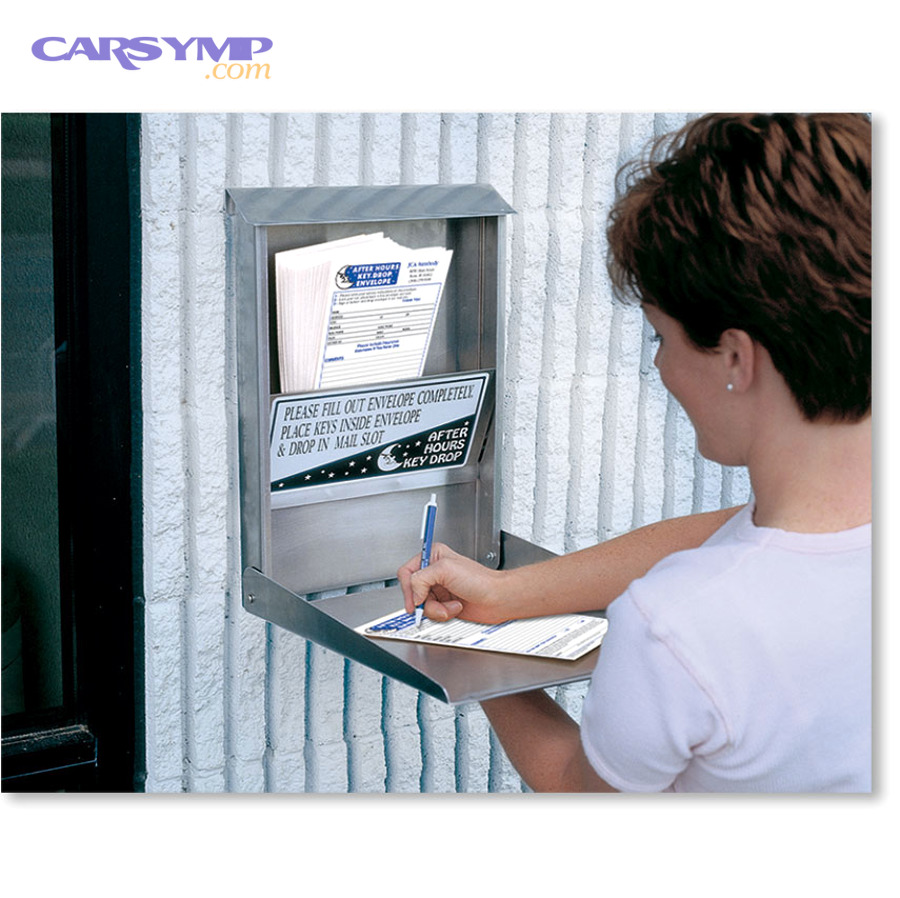
Many facilities provide a secure drop box with envelopes for your keys and instructions. If you use it, follow the steps carefully and include your best contact number, symptoms, and what you authorize for initial diagnosis.
That detail matters even more if you’re not present: “Best info to provide when booking a repair” becomes the same info that keeps your car from sitting in a queue waiting for clarification.
How will you receive updates and approve work while the car is in the shop?
Expect updates after diagnosis, not during it, and expect approval requests before major work begins. The best shops set a communication cadence (time + channel) so you’re not guessing when you’ll hear back.
Tiếp theo, align on the exact wording that triggers approval—because “we recommend” is not the same as “we will proceed.”
What should an update include?
A useful update states the finding, why it’s the cause, what part/labor is needed, the total price estimate, and the time impact. Ask whether the estimate includes fees and whether there are alternative part options.
Để minh họa, a strong update sounds like: “We confirmed X with test Y; replacing Z resolves it; total is $A–$B; ready by tomorrow 3 PM if part arrives.”
How do digital check-ins and tracking change the experience?
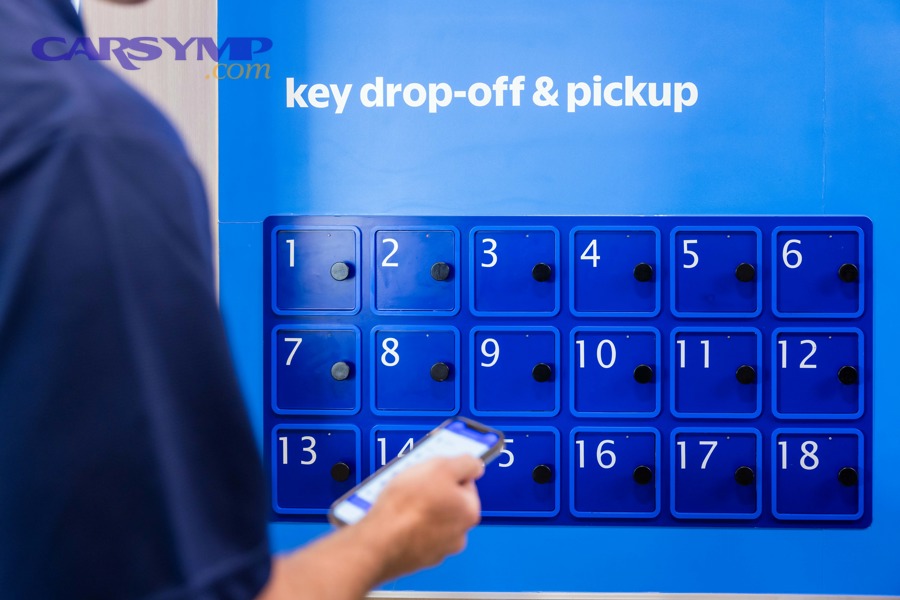
Some modern facilities support digital check-ins, key lockers, and real-time tracking. This can reduce waiting and improve transparency, especially if you can’t arrive during peak hours.
As shops evolve, you may encounter systems modeled on “How online auto repair booking works,” where confirmation, check-in, and updates are tied to the same digital record used for approvals.
What if you miss a call and approvals get delayed?
Set a backup contact or specify preferred hours. If you know you’ll be in meetings, ask the advisor to text the estimate and include a “reply YES to approve” option if the shop supports it.
Tóm lại, the best drop-offs end with a clear plan for the next message you’ll receive—and when you’ll receive it.
What should you do right after drop-off to protect yourself and speed up service?
Right after you leave, your job is to preserve clarity: keep your work order, stay reachable, and avoid changing the story later unless you discover new facts. Small actions—like documenting mileage and removing distractions—can prevent misunderstandings.
Ngoài ra, a disciplined follow-up helps the shop help you, without turning into unnecessary back-and-forth.

What should you keep from the visit?
Keep the signed work order (or digital confirmation), any estimate you approved, and the advisor’s name. If the shop provides photos or inspection notes, save them—they clarify recommendations later.
Quan trọng hơn, if you discussed a cost cap or a “call me first” rule, confirm it appears in writing.
Should you take photos of the car at drop-off?
It’s reasonable to take quick photos of the odometer, fuel level, and existing exterior damage—especially if you’re leaving the vehicle for multiple days. Do it quietly and respectfully; it’s about records, not accusations.
Cụ thể, a timestamped photo can quickly resolve confusion if a later question comes up about mileage or pre-existing damage.
What should you avoid doing after you leave?
Avoid repeated calls within the first hour unless there’s urgent new information. Diagnosis takes time, and constant interruptions can slow advisors who are coordinating multiple vehicles.
Tổng kết lại, the best follow-up is one aligned check-in at the agreed time window, with clear questions about findings and next steps.
Contextual Border: Up to this point, you’ve covered the standard, daytime drop-off flow. Next, we’ll shift into special scenarios that change the rules—after-hours drop boxes, emergency triage, and self-service kiosks—so you’re not caught off-guard when the process looks different.
Extra drop-off scenarios: after-hours, emergencies, and self-service options
Special drop-offs require more self-documentation and clearer authorization because you may not speak to an advisor in real time. The key is to make your intent unmistakable: what you want checked first, what you approve, and how the shop should reach you.
Đặc biệt, these scenarios often overlap with “Booking emergencies and after-hours service,” where timing is tight and communication must be structured from the first message you leave behind.

How do you use an after-hours key drop correctly?
Follow posted steps, seal keys in the provided envelope, and write legibly: your name, phone, vehicle info, main concern, and whether you authorize diagnosis up to a set amount. If there’s a preferred contact window, include it.
Also note anything critical like “car won’t start—keys in envelope, fob battery weak,” or “vehicle must be towed—do not attempt road test.”
What changes when you drop off for an emergency issue?
Emergency issues (overheating, smoke, severe braking problems, flashing check engine light) should be labeled as safety concerns so the shop can triage. Ask whether they can evaluate the car immediately or whether towing to a dedicated facility is safer.
However, don’t assume emergency means instant repair—triage may mean “confirm safety and prevent damage first,” then estimate repairs once the situation is stable.
How do smart lockers and self-service kiosks affect drop-off?
Some facilities offer digital check-in and key lockers that let you drop keys without waiting at the counter. This can be ideal if you’re arriving early, during rush hour, or when you prefer minimal contact.
These systems often connect to your appointment booking record, so your concerns and authorizations are already attached to your work order before a human even greets you.
What’s the most common mistake in special scenarios?
The most common mistake is leaving incomplete information: no phone number, unclear concern, or no authorization to perform the first diagnostic step. That forces the shop to pause your vehicle until someone reaches you.
To prevent that, treat your note like a mini work order: who you are, what you want checked first, how to reach you, and what you approve today.
FAQ: Quick answers about drop-off day
These FAQs cover the last-minute questions customers ask when they’re already in the parking lot. Use them to reduce uncertainty and keep the handoff calm and professional.

Do you need to be on time for drop-off?
Yes—being on time helps the shop plan bay space and staffing. If you’re late, call ahead so your slot can be adjusted without pushing your car to the back of the queue.
Can you request no test drives?
You can request limited test drives, but some verification may be necessary for diagnosis or quality checks. If you’re concerned, ask how they document miles and whether they follow a standardized route.
Should you authorize repairs immediately or wait for diagnosis?
For unclear problems, authorize diagnosis first, then decide on repairs once findings are confirmed. For obvious maintenance items (oil change, tires), you may authorize the service upfront and still request a call if additional issues are found.
How do you prevent scope creep and upsells?
Set a clear goal (“fix the no-start” vs “complete inspection”) and set an approval cap. Ask for photo evidence or measurements for recommended items (tire tread depth, brake pad thickness) before approving extras.
What’s the single best thing you can do for a smooth visit?
Arrive with a concise symptom description and a clear authorization plan. When the shop knows what you want, what you approve, and how to contact you, everything moves faster—without sacrificing control or transparency.