


When your car starts acting up, the safest choice usually comes down to one question: can the vehicle move under its own power without risking a crash or turning a small problem into a major repair? This towing vs driving decision checklist helps you make that call fast—using symptoms, warning lights, location risk, and how the car feels.
Next, you’ll learn what “tow vs drive” really means in practical terms, so you don’t guess based on stress or a single dashboard light.
Then, you’ll get a clear set of decision factors (the same ones roadside pros think through) so you can sort issues into tow now, drive carefully to a shop, or stop and reassess.
Introduce a new idea: once you know the decision rules, you can also protect yourself from delays, bad quotes, and costly add-ons while you’re trying to get help.
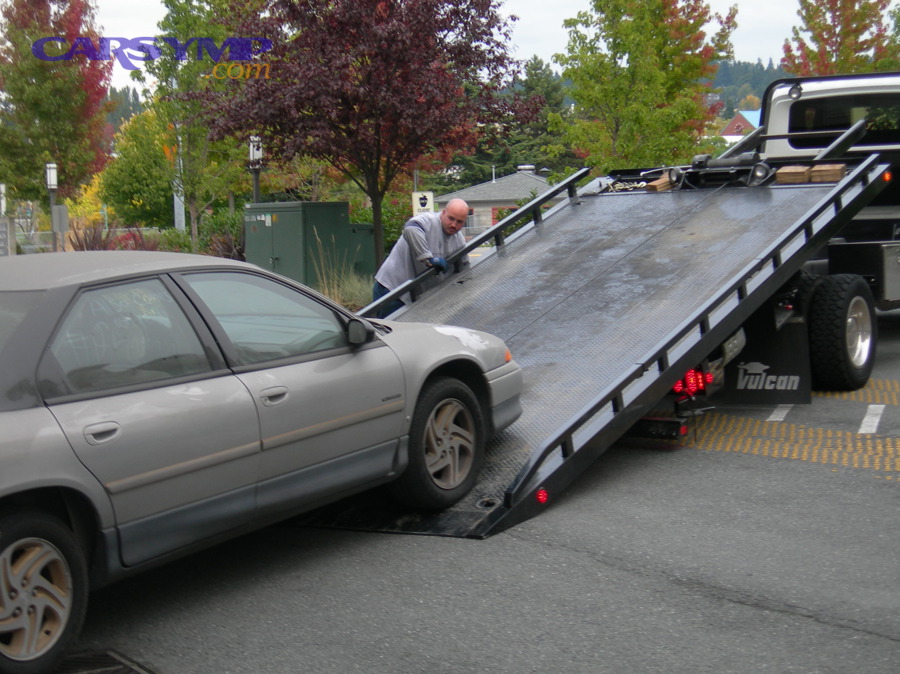
Is it safer to tow your car instead of driving it after a breakdown?
Yes—towing is safer than driving after a breakdown in most cases because it reduces (1) crash risk from sudden failure, (2) damage risk from “driving it home,” and (3) roadside exposure time if the car becomes disabled again in a worse spot.
More importantly, the safest decision isn’t about comfort—it’s about controlling uncertainty: if you can’t reliably predict what the car will do over the next few miles, towing wins.
What situations make towing the default choice (Yes/No)?
Yes: towing should be the default choice when the car shows any “safety-critical” symptom—because those symptoms can escalate without warning.
To better understand the decision, treat the following as automatic tow triggers:
- Steering or braking problems
- Brake pedal sinks, needs pumping, pulls hard, or braking feels unpredictable
- Steering suddenly gets heavy, wanders, clunks, or won’t center
- Overheating or fluid pressure warnings
- Temperature gauge climbing rapidly or coolant warning
- Oil pressure warning light or low-oil-pressure message
- Power loss that affects control
- Engine stalling at intersections
- Severe misfire or shaking that makes acceleration unsafe
- Visible danger
- Smoke, burning smell, fuel smell, sparks, or leaking fluid pooling under the car
- Tire or wheel safety issues
- Blowout, sidewall bubble, wheel wobble, broken lug, grinding, or loud metal-on-metal noises
Transition: Because towing is often the safest default, the real skill is spotting when a short, careful drive is still reasonable—and when it’s a trap.
Why towing often reduces total cost even when it feels “more expensive”
People assume towing is “extra,” but the hidden cost of driving a failing car is that you might pay twice: once for the initial repair, and again for the damage caused by driving it while compromised (overheated engine, ruined wheel bearing, cooked transmission, etc.).
A practical way to think about cost is risk-weighted cost:
- Tow cost (known, upfront)
- Drive cost (uncertain): could be $0 if you make it, or could become a major repair if it fails en route
Evidence: According to a 2025 technical report led by researchers at Iowa State University’s Institute for Transportation (Center for Transportation Research & Education), towing and roadside service work happens in unusually dangerous conditions compared with typical jobs—highlighting why minimizing roadside time and exposure matters. (aaafoundation.org)
What does a towing vs driving decision checklist mean in emergency car repair?
A towing vs driving decision checklist is a rapid risk assessment tool that helps you decide whether to tow immediately or drive carefully to the nearest safe repair location based on symptoms, environment, and the car’s ability to operate safely.
Specifically, it’s not “tow vs drive forever.” It’s usually one of three outcomes:
- Tow now (safety-critical or unpredictable behavior)
- Drive carefully to a nearby shop (stable symptoms, low risk, short route)
- Stop and reassess (unclear symptoms; need a basic check or advice before moving)
Transition: Now that the checklist concept is clear, let’s break down the exact factors that decide which bucket your situation falls into.
What are the 5 decision factors that determine tow vs drive?
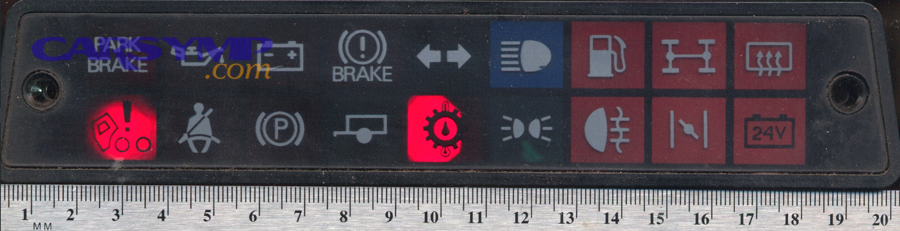
There are 5 main decision factors that determine tow vs drive: (1) safety-critical symptoms, (2) warning lights & drivability, (3) location exposure, (4) distance/route demands, and (5) support constraints (tools, coverage, time).
More specifically, each factor answers one question: If I move this car, what is the worst plausible outcome—and how likely is it?
Which symptoms and warning lights mean “tow immediately” ?
There are 4 main “tow immediately” signal groups: brakes/steering, heat/pressure, structural noises, and control loss, based on the criterion “could this prevent safe control within seconds?”
- Brakes / steering
- Brake warning + soft pedal, grinding, pulling, ABS faults with unstable braking
- Steering issues or loss of power steering that makes lane control risky
- Heat / pressure
- Temperature warning, steam, rapid overheating
- Oil pressure warning (do not “test it for a mile”)
- Structural or rotating component distress
- Knocking, loud grinding, wheel wobble, violent vibration, clunk on turns
- Control loss / stall risk
- Stalling in traffic, severe misfire, limp mode that can’t maintain safe speed
Evidence: According to a 2023 study by the University of Wyoming from the Department of Civil & Architectural Engineering, brake-failure occurrences were strongly associated with older vehicles (over 15 years), trucks, and downhill grade segments—exactly the kind of scenario where “drive it anyway” can become dangerous quickly. (pubmed.ncbi.nlm.nih.gov)
How does your location change the towing vs driving decision ?
Towing wins for safety on high-speed, low-shoulder, or low-visibility roads, while driving (carefully) can be acceptable in low-speed, low-traffic areas if the car is stable and you can reach help quickly.
Here’s the practical comparison:
- High-risk locations (tow favored)
- Highway shoulder, bridges, curves, hills, bad weather, nighttime
- Why: if the car fails again, you may be stuck in a worse spot with less reaction time for other drivers
- Lower-risk locations (drive may be acceptable)
- Residential streets, slow-speed grid roads, nearby parking lots, close to a repair shop
- Why: less speed reduces consequences, and you can pull over quickly if symptoms worsen
A simple rule: If you cannot safely stop within 10–15 seconds if something changes, towing is usually the safer bet.
What distance and route conditions make driving the wrong choice ?
Yes—distance and route conditions can make driving the wrong choice because (1) heat buildup and component stress compound over time, (2) stop-and-go traffic increases stall and overheating risk, and (3) steep grades amplify brake, transmission, and cooling load.
Then apply this route filter:
- Tow if the route includes: steep hills, long highway stretches, tunnels/bridges, construction zones, heavy traffic, or no safe pull-offs
- Drive only if: you can reach a safe repair point quickly using slower roads with pull-off options
What support constraints should you check before deciding ?
Support constraints are the resources and limits that determine whether driving is manageable or reckless: available tools, roadside assistance coverage, phone battery/signal, weather, passengers, and time pressure.
In addition, these constraints affect your decision because a “minor” problem becomes major if you’re stuck without a safe backup plan.
Quick support checklist
- Do you have roadside assistance coverage and a reliable pickup location?
- Do you have a charged phone and clear location sharing?
- Do you have basic visibility gear (hazards, reflective triangle/vest)?
- Can you stay safe if you have to wait?
How do you use a tow-vs-drive checklist step by step at the roadside?
Use the tow-vs-drive checklist in 7 steps to reach a decision fast: secure safety → identify critical warnings → check fluids/tires (if safe) → assess drivability at idle → test at crawling speed (only if appropriate) → choose tow or short drive → execute the plan safely.
Next, here’s how to do it without turning the roadside into a second emergency.
What should you do first to protect yourself and passengers ?
Pull over safely + 4 actions + reduce exposure = the fastest way to lower risk.
Do this immediately:
- Move to the safest nearby spot (wide shoulder, parking lot, off-ramp, well-lit area)
- Turn on hazards and keep them on
- Set your “visibility zone”
- If safe: place a warning triangle behind the car (distance varies by road speed; prioritize not walking into traffic)
- Position people safely
- On high-speed roads, many safety agencies recommend getting occupants away from traffic if it’s safe to do so (behind a barrier, up an embankment, etc.)
Then, avoid “hero diagnostics” on the shoulder. If you can’t check something without standing near traffic, skip it.
How do you do a quick triage check without tools ?
There are 3 main triage checks you can do without tools, based on the criterion “fast + low-risk + high signal.”
- Sight
- Leaks (clear, green/orange, dark), smoke/steam, dangling parts, flat tire, loose wheel
- Smell
- Burning oil smell, sweet coolant smell, raw fuel smell, electrical/burning plastic odor
- Sound + feel (at idle)
- Knocking vs light ticking, grinding, belt squeal, violent shaking, surging idle
If you see smoke, fuel, or heavy steam: tow (and consider turning the engine off immediately).
When is a short “test roll” acceptable—and how do you do it safely ?
Yes—a short test roll can be acceptable only when (1) there are no brake/steering warnings, (2) no overheating/oil pressure warnings, and (3) the car idles smoothly with no severe noises or smoke.
If those conditions are met, do a controlled test:
- Drive 30–60 seconds at crawling speed in a safe area (parking lot or quiet street)
- Check braking feel (smooth, straight, predictable)
- Check steering feel (no pull, no sudden heaviness)
- Watch the temperature gauge and warning lights closely
Stop immediately if anything worsens. This is not a “see if it fixes itself” drive—it’s a controlled decision test.
How do you turn your decision into action (tow vs drive) without wasting time?
Once you decide, the goal is to execute cleanly:
- If you choose towing
- Share your exact location (pin + nearest landmark)
- Confirm: destination address, vehicle type, driveline (AWD can matter), and whether a flatbed is needed
- If you choose driving
- Choose the shortest, safest route with pull-offs
- Drive gently (no hard acceleration, minimal speed, avoid hills)
- Go straight to a repair facility—don’t “stop at home first”
This is also where people search “emergency car repair near me”. If you do, pick a shop based on proximity + reviews + ability to diagnose quickly, not just the first listing.
How does towing compare with driving for cost, risk, and time?
Towing wins on risk reduction, driving can win on time if the issue is stable and close, and cost depends on whether driving creates additional damage.
More importantly, the right comparison is: Which option has the lowest total downside if your assumption is wrong?
What costs should you compare in a tow vs drive decision ?
Compare the parts of the total cost, not just the tow bill:
- Direct towing cost
- Hook-up + per-mile + after-hours fees (varies widely)
- Drive-related risk cost
- Potential additional damage (overheating, low oil pressure, drivetrain stress)
- Time cost
- Waiting for a tow vs waiting in a shop queue vs being stranded later
- Safety cost
- Risk of collision, secondary breakdown, or unsafe roadside exposure
If you’re trying Getting an emergency estimate fast, your best move is to ask for:
- A diagnostic fee range
- The most likely causes (top 2–3)
- A parts availability check
- A timeline (same-day vs next-day)
That gives you a useful decision baseline without forcing the shop to “guess a full quote” over the phone.
How do towing and driving compare on safety and damage risk ?
Towing is best for minimizing damage risk and safety uncertainty, while driving is only reasonable when the car’s behavior is stable, the route is forgiving, and you can stop quickly if symptoms change.
- Towing advantages
- Prevents compounding damage
- Avoids unpredictable failure in traffic
- Limits overheating and drivetrain strain
- Driving advantages
- Faster to reach a shop if you’re close and conditions are low risk
- Can avoid wait times if tow availability is poor
A simple comparison table can clarify the decision. This table maps common conditions to the safer option:
| Condition (what you observe) | Tow or Drive? | Why |
|---|---|---|
| Oil pressure warning / red oil light | Tow | Engine damage risk is immediate and severe |
| Overheating / steam / temp climbing | Tow | Heat can escalate quickly and warp components |
| Brake issues or warning + bad feel | Tow | Control risk—braking must be predictable |
| Mild check-engine light, car drives normally | Drive (short distance) | Often stable enough to reach a shop cautiously |
| Flat tire / wheel wobble / loud grinding | Tow | Tire/wheel failure can cause loss of control |
| Stalling or severe shaking | Tow | Unreliable power can be dangerous in traffic |
How do you avoid scams and bad upsells during emergency repairs ?
Use a 5-step verification process to reduce scam risk: symptoms-first description → written estimate → parts return policy → labor time clarity → payment protection.
Then apply these tactics for Avoiding scams in emergency repairs:
- Describe symptoms, not diagnoses (“Grinding when braking” vs “I need pads”)
- Ask for the failing part evidence (photos, measurements, scan codes + freeze frame)
- Request a written estimate with parts/labor separated
- Confirm what’s urgent vs deferrable (safety-now vs maintenance-later)
- Avoid pressure tactics (“You must decide in 10 minutes”) unless it’s truly safety-critical
If the shop can’t explain the failure mode in plain language, slow down and get a second opinion—especially on expensive jobs.
What should you keep in your emergency car kit to support tow-vs-drive decisions?
You should keep an emergency car kit that supports tow-vs-drive decisions by improving visibility, diagnosis, and survival comfort, so you can make calm decisions and wait safely if towing is required.
Next, this is not about building a “doomsday kit.” It’s about carrying just enough to reduce uncertainty and prevent the most common roadside escalations.
What to keep in your emergency car kit for visibility and roadside safety ?
There are 4 essential safety groups to keep in your kit, based on the criterion “helps you be seen and stay safe while stopped.”
- Visibility
- Reflective triangle, reflective vest, flashlight/headlamp
- Power & communication
- Phone charger, power bank, charging cable
- Basic roadside stability
- Gloves, poncho/blanket, water
- Simple warning tools
- Whistle, small first-aid kit
This is the practical answer to What to keep in your emergency car kit when your goal is decision-making—not long-term survival.
Which lightweight diagnostic items help you decide tow vs drive faster ?
Lightweight diagnostic items are small tools that reduce guesswork by confirming common failure categories (battery/charging, tire pressure, fault codes).
Useful options include:
- Tire pressure gauge
- Portable jump starter
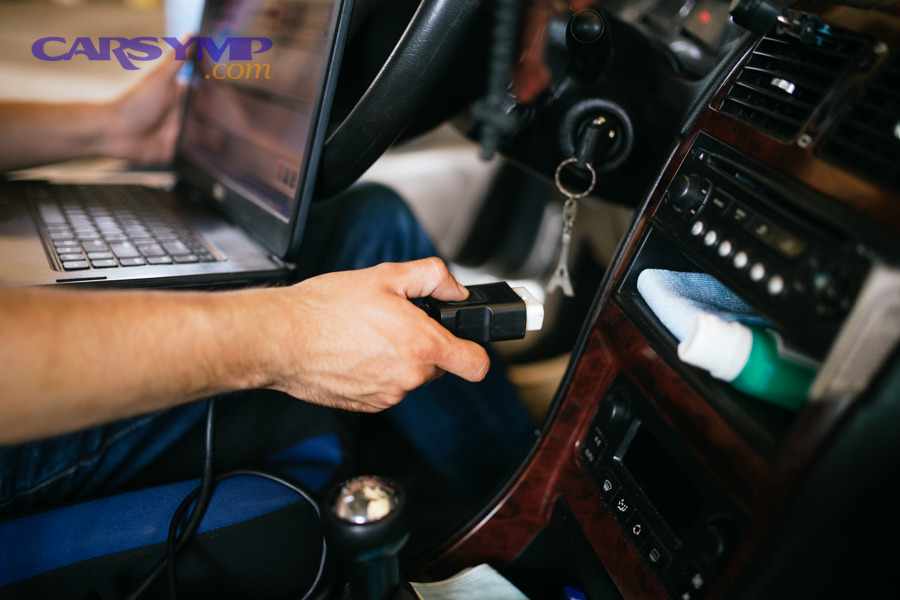
- OBD2 scanner (optional, but helpful for understanding check-engine causes)
What rare scenarios require “special” kit items ?
There are 3 rarer scenarios where special items matter, based on the criterion “high consequence but infrequent.”
- Extreme weather
- Thermal blanket, hand warmers (cold) / extra water (heat)
- Remote travel
- Tire repair kit (if trained), compact air compressor, extra flashlight batteries
- Unusual towing constraints
- Printed roadside assistance details, insurance info, and a plan for AWD towing requirements (flatbed vs dolly)