


If you opened the hydraulic system during a caliper job, you should bleed the brakes—because even a small air pocket can turn a firm pedal into a long, unpredictable one. The goal is simple: move incompressible fluid through the lines until bubbles stop and the pedal stays solid.
Beyond pedal feel, proper bleeding is about restoring consistent clamp force at the rotor and preventing heat-related fade. If your fluid is old or moisture-contaminated, bleeding is also your chance to protect boiling point and braking stability under heavy stops.
You’ll also want to confirm the caliper is seated, the bleeder is oriented correctly, and the system is sealed—because a perfect bleed can’t fix a leak, a twisted hose, or a caliper installed on the wrong side.
Tiếp theo, “Giới thiệu ý mới” to guide you through the cleanest workflow, the safest shortcuts, and the troubleshooting steps that diagnose why a pedal still feels spongy after you swear you bled “forever.”
- Brake bleeding
- Brake caliper
- Bleeder screw
- Brake fluid (DOT 3 / DOT 4 / DOT 5.1)
- Master cylinder reservoir
- Brake hose and hard lines
- ABS hydraulic unit
- Pedal feel (firm vs spongy)
- Pressure / vacuum / gravity bleeding
Do you always need to bleed brakes after replacing a caliper?
Yes—if the hydraulic circuit was opened or the caliper ran dry, you should bleed, because air compresses and steals pedal travel. However, if you never opened the line and only swapped pads or hardware, bleeding may not be necessary.
To begin, the quickest way to decide is to trace what you actually disconnected and whether fluid ever drained below the caliper inlet.
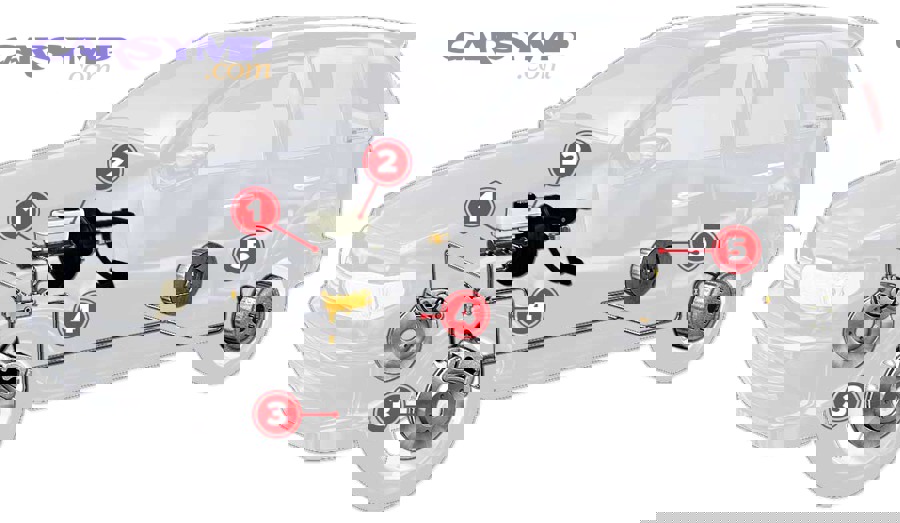
When “yes” is non-negotiable
Yes: you must bleed if you cracked the banjo bolt, loosened a flare nut, replaced a caliper, swapped a brake hose, or let the reservoir level drop low enough to uncover a port. Next, assume air traveled to the lowest points—usually the caliper you touched.
Specifically, a newly installed caliper can trap air in pockets around the piston bore or crossover (depending on design), so bleeding becomes the only way to evacuate that compressible volume.
When bleeding is optional, not mandatory
No: bleeding is usually optional if you only did a pad/rotor job and never opened the hydraulic system. However, if the pedal feel changed afterward, the safer move is still to bleed—because “optional” becomes “required” the moment symptoms appear.
In practice, many people use the job as an opportunity to refresh fluid, since brake fluid performance degrades with time and moisture absorption.
Evidence that moisture and heat make bleeding more than “just air removal”
Brake fluid condition matters because boiling creates vapor bubbles that behave like air. Next, treat bleeding as both air removal and risk reduction under heat.
Theo nghiên cứu của University of Žilina từ Department of Road and Urban Transport, vào 05/2025, mẫu dầu phanh lấy tại vị trí gần caliper có thể có điểm sôi thấp hơn dầu trong bình chứa, chênh lệch tới khoảng 20°C ở một số xe—cho thấy vùng gần caliper dễ nhiễm bẩn và rủi ro hơn.
What tools and materials make bleeding safer and cleaner?
You’ll get the best results with the right fluid, the right wrench, and a controlled way to move fluid without sucking air back. Next, prepare tools that prevent rounded bleeders, spilled fluid, and inconsistent pedal strokes.
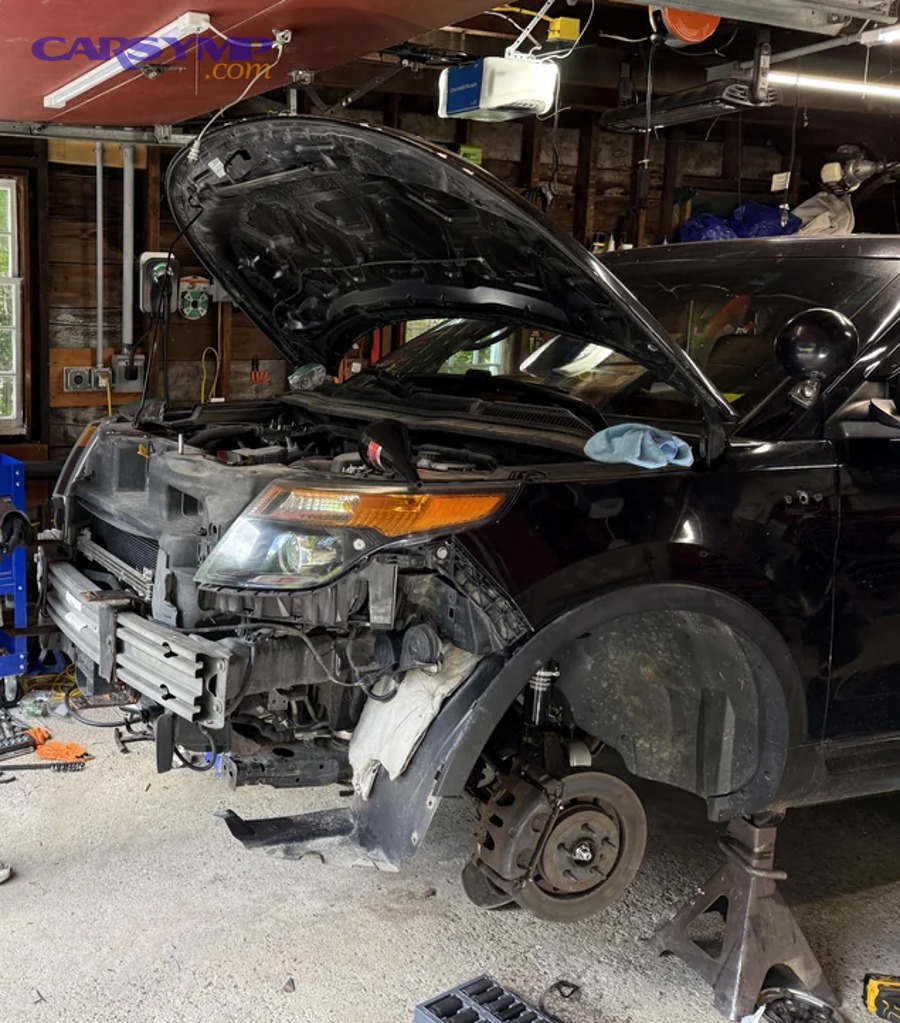
Core tools you should not skip
At minimum: correct DOT brake fluid, a flare/line wrench for fittings, a box wrench for bleeders, a clear hose, and a catch bottle. Next, add gloves and fender covers because brake fluid is harsh on paint and finishes.
- Correct brake fluid: Match the cap/manual (DOT 3, DOT 4, or DOT 5.1). Do not mix DOT 5 (silicone) into glycol systems.
- Clear hose + bottle: Lets you see bubbles and prevents backflow.
- Turkey baster/syringe: For reservoir fluid exchange without mess (kept clean, used only for brake fluid).
- Torque wrench: For banjo bolt or caliper bracket fasteners if you touched them.
Helpful upgrades for consistent results
A vacuum pump, pressure bleeder, or a one-way check valve bottle makes bleeding steadier and often faster. Next, choose the method that matches your tools, your vehicle, and whether ABS is sensitive to pedal pumping.
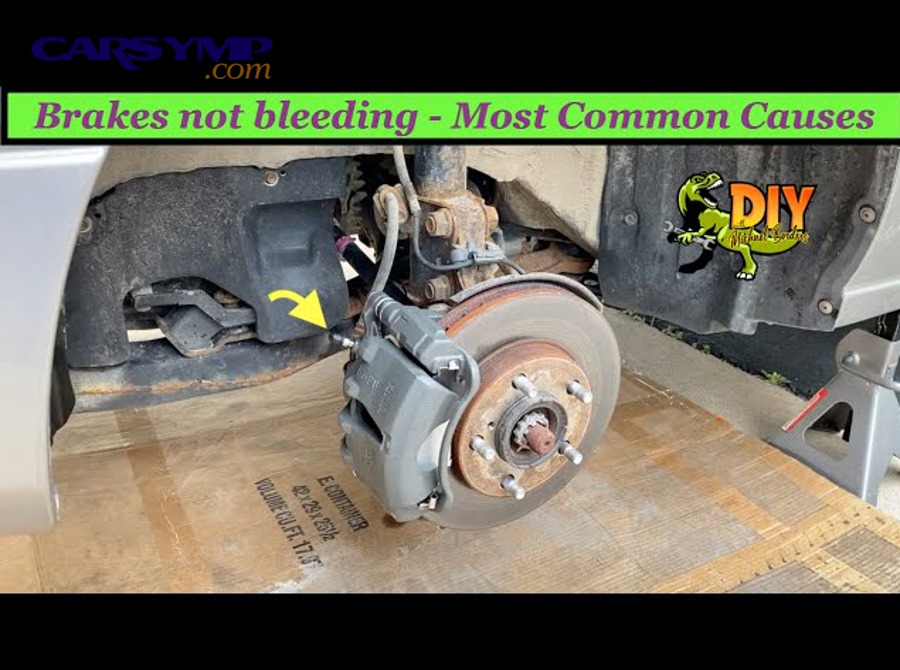
One small but critical consumable: the right wrench fit
A snug 6-point wrench reduces the chance of rounding a bleeder screw, especially on older calipers. Next, treat bleeder integrity as “safety-critical,” because a damaged bleeder can force you into more invasive repairs.
Theo nghiên cứu của Polish Committee for Standardization được trích trong một bài báo khoa học về thử nghiệm dầu phanh (Periodica Polytechnica Transportation Engineering), vào 2021, các ngưỡng điểm sôi “wet” ở mức 3.7% nước được dùng như mốc đánh giá hiệu năng—nhấn mạnh việc thao tác đúng để không làm nhiễm bẩn hệ thống trong quá trình châm/xả.
How do you prep the new caliper so you push out less air?
Prep reduces trapped air by keeping the caliper “wet,” positioning the bleeder at the true top, and avoiding drain-back. Next, do a quick orientation check before you ever start pumping the pedal.
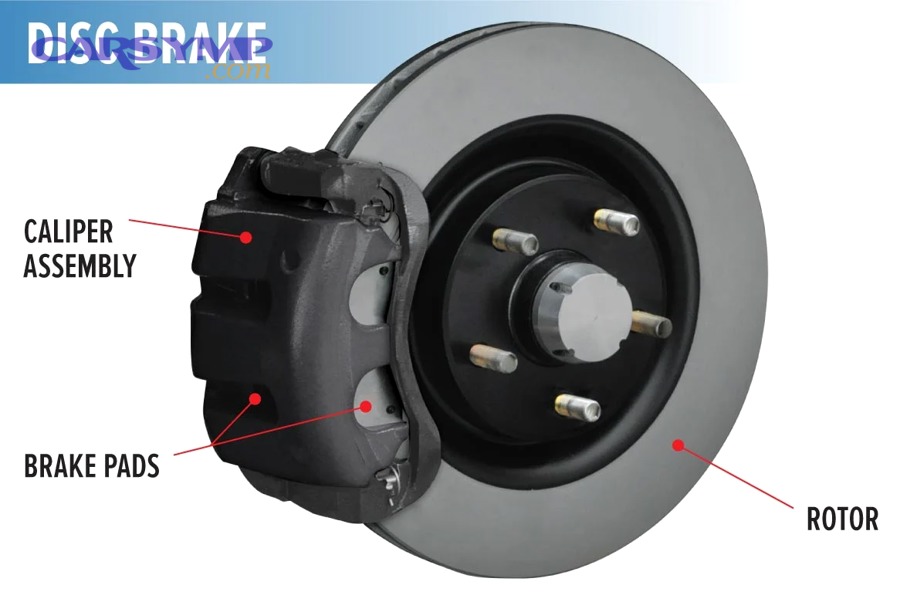
Confirm the bleeder is truly at the highest point
The bleeder must sit at the caliper’s highest internal air pocket; otherwise air can remain trapped even if you “bled a lot.” Next, if the bleeder isn’t on top, you may have the wrong caliper side or the caliper swapped left-to-right.
To illustrate: a caliper mounted on the wrong side can still bolt up, but the bleeder ends up low, and bubbles can’t naturally migrate out.
Keep the line from draining dry during install
Minimize fluid loss by capping the hose/line briefly and connecting as soon as the caliper is positioned. Next, refill the reservoir immediately—because letting it drop invites air into the master cylinder ports.
In real shop workflow, people doing brake caliper replacement often lose time later because they let the reservoir dip and unknowingly introduced air into multiple circuits.
Pre-fill where appropriate, but don’t create a mess
Some caliper designs let you gently pre-wet the inlet and piston cavity; done carefully, it reduces the first “gulp” of air. Next, keep everything clean—any debris introduced now can cause sticking pistons or seal damage later.
Theo nghiên cứu của Polytechnic of Road Transportation Safety (ISTSDC proceedings), vào 2020, mức nước tăng trong dầu phanh làm giảm điểm sôi và tăng rủi ro tạo hơi—vì vậy thao tác sạch và hạn chế mở nắp lâu giúp giảm nhiễm ẩm không cần thiết.
What is the most reliable bleeding order after a caliper swap?
The reliable approach is to follow the vehicle’s specified order; if unknown, bleed from the wheel farthest from the master cylinder toward the closest. Next, treat “order” as a strategy to prevent pushing bubbles into lines you already cleared.
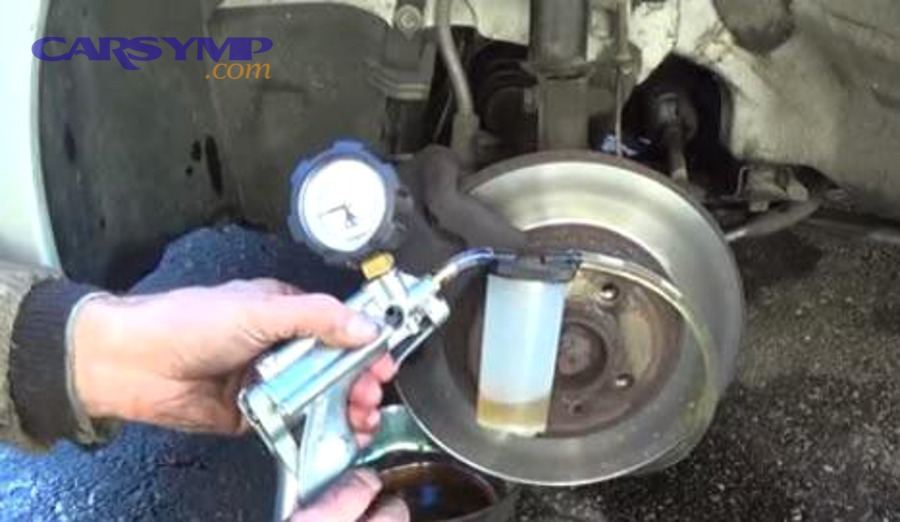
Why distance-based order works
Starting farthest usually clears the longest line first, so bubbles don’t get driven into already-bled branches. Next, consistency matters more than perfection—pick the correct order and stick with it until bubbles stop.
- Common default: Right Rear → Left Rear → Right Front → Left Front (varies by vehicle layout).
- Diagonal-split systems may have different priorities—check service info when possible.
When the service manual overrides the “farthest first” rule
Some ABS-equipped vehicles specify a sequence or an ABS cycling routine; follow the manual if provided. Next, if your scan tool can run an ABS bleed function, use it when the system has been opened significantly.
Theo nghiên cứu của University of Žilina từ Faculty of Operation and Economics of Transport and Communications, vào 05/2025, kiểm tra điểm sôi tại vị trí caliper cho thấy vùng này dễ suy giảm chất lượng hơn so với bình chứa—ủng hộ việc ưu tiên xả ở bánh/ caliper vừa can thiệp để đảm bảo vùng rủi ro nhất được làm sạch.
How do you do the classic two-person pedal bleed correctly?
The classic method works when you coordinate strokes: press, hold, open bleeder, close, then release—repeating until bubbles stop. Next, the key is never letting the pedal release while the bleeder is open.
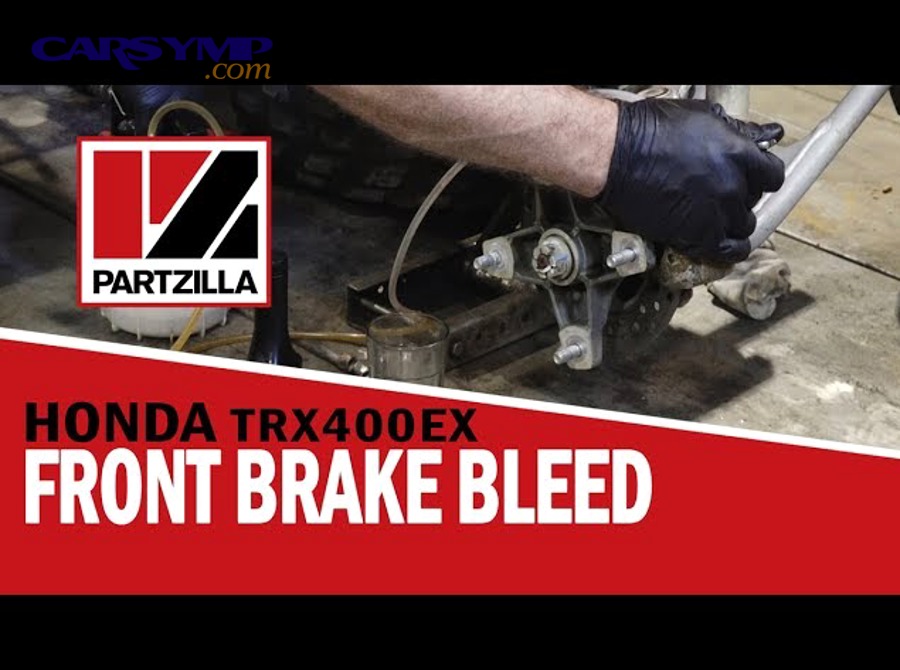
Step-by-step pedal bleed sequence
Use a simple, repeatable call-and-response routine so you don’t accidentally inhale air through the bleeder. Next, keep the reservoir above MIN at all times.
- Attach clear hose to bleeder; submerge hose end in fluid in the bottle.
- Helper slowly presses pedal and holds firm pressure.
- You open bleeder 1/4–1/2 turn; fluid/bubbles flow.
- You close bleeder while pedal is still held down.
- Helper releases pedal slowly.
- Top off reservoir every few cycles.
- Repeat until no bubbles and pedal firms up.
How to avoid aeration and seal damage
Slow pedal strokes reduce foaming and limit how far the master cylinder piston travels into unused, possibly corroded bore areas. Next, if the pedal suddenly sinks or feels gritty, stop and reassess before continuing.
Also, do not “machine-gun” the pedal—fast pumping can whip bubbles into the fluid, making it harder to see true progress.
A quick performance check after each wheel
After each corner, do a short pedal hold test: firm pressure for 20–30 seconds should not slowly sink. Next, if it sinks, suspect a leak, an internal bypass, or remaining air.
Theo nghiên cứu của NHTSA từ Office of Chief Counsel, vào 10/1985, tiêu chuẩn DOT cho điểm sôi “wet” dựa trên dầu phanh đã hấp thụ khoảng 3.7% nước—nhấn mạnh rằng chất lượng dầu (và sự hiện diện của hơi/khí) có thể làm giảm hiệu quả phanh khi nhiệt độ tăng.
When is gravity, vacuum, or pressure bleeding better than pumping?
Gravity is simplest, vacuum is convenient for solo work, and pressure bleeding is often the most consistent for flushing large volumes. Next, pick the method that minimizes air re-entry and matches how much the system was opened.
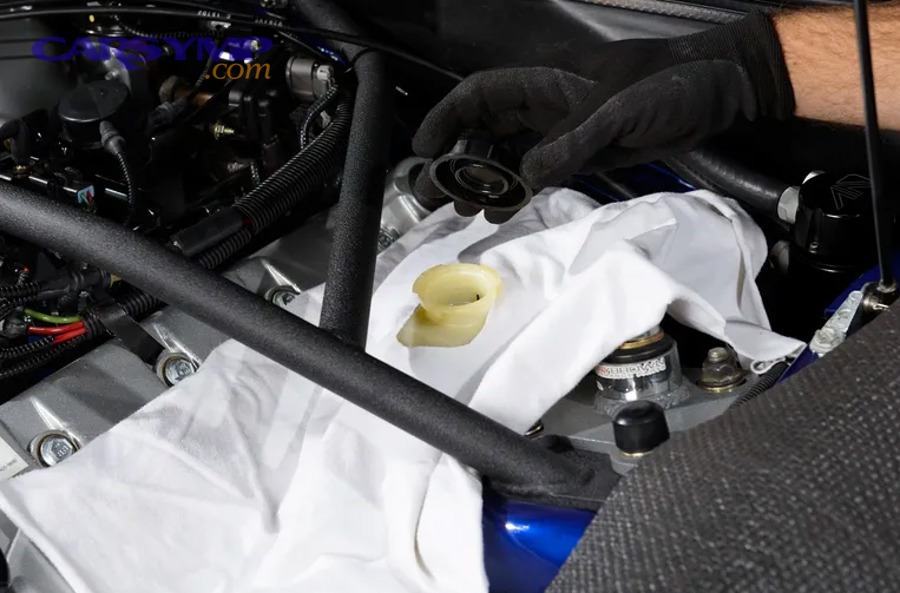
Comparison: which method is strongest for which goal?
Pedal bleeding is direct, gravity is gentle, vacuum is fast to set up, and pressure bleeding excels at full flushes. Next, the “best” method is the one that delivers bubble-free fluid without drama.
Below, a quick comparison table helps you choose based on risk, speed, and control.
This table shows how common bleeding methods compare for speed, control, and typical use cases after caliper work.
| Method | Best for | Pros | Common pitfalls |
|---|---|---|---|
| Two-person pedal | Small air removal after a single caliper | Simple, no special tools | Can aerate fluid; risk over-stroking master cylinder |
| Gravity | Gentle bleed when system wasn’t fully drained | Low risk of foaming; easy | Slow; may not clear stubborn air pockets |
| Vacuum | Solo bleed; quick corner work | Convenient; fast setup | Can pull air past bleeder threads (false bubbles) |
| Pressure | Full flush; consistent flow through ABS lines | Steady, controlled, efficient | Wrong adapter/cap seal can leak and spray fluid |
Vacuum bleeding: how to avoid “fake bubbles”
Vacuum can pull air around bleeder screw threads, making it look like you still have air in the system. Next, use thread sealant designed for bleeding or wrap the bleeder threads lightly (without blocking the fluid path) so bubbles reflect real system air, not thread leakage.
Pressure bleeding: why it often feels like the “pro” shortcut
Pressure bleeding shines because it pushes fluid from the reservoir through the entire circuit at a stable rate. Next, it’s especially helpful if you’re also flushing old fluid, not just removing air.
Theo nghiên cứu của University of Žilina từ Institute of Agricultural Engineering, Transport and Bioenergetics, vào 05/2025, chênh lệch điểm sôi giữa mẫu lấy ở bình chứa và ở caliper cho thấy dòng chảy và vùng nhiệt cao ảnh hưởng chất lượng—vì vậy phương pháp tạo dòng ổn định (pressure bleed) hỗ trợ thay mới dầu ở vùng “nóng” hiệu quả hơn.
One solid reference video
If you prefer a visual walkthrough, this video demonstrates a full bleed/flush process and common pitfalls. Next, use it to double-check your rhythm and setup.
How do you confirm the pedal is firm and the ABS is happy?
You confirm success by combining a static pedal test, a safe low-speed road test, and (if needed) an ABS activation/bleed routine. Next, you’re looking for consistent pedal height, predictable bite, and no warning lights.
Static checks before moving the car
With the engine off, the pedal should feel firm after a few pumps, and it should not drift downward under steady pressure. Next, start the engine; a normal booster will let the pedal drop slightly, then stabilize.
- Reservoir level: Recheck and set to the correct mark.
- Leaks: Inspect bleeder, banjo/flare fitting, hose twist, and caliper seam.
- Wheel drag: Ensure the wheel spins reasonably freely (minor pad rub is normal).
Road test: the safe progression
First do a 5–10 mph stop in a clear area, then gradually increase speed only after the pedal is repeatably firm. Next, avoid high-speed stops until you’re certain there is no air and no leak.
During testing, listen for abnormal scraping and monitor pull; uneven braking can suggest an issue beyond bleeding.
ABS considerations
If you introduced significant air or opened multiple lines, ABS valves can trap bubbles; a scan-tool bleed may be required. Next, if you feel a long pedal that improves only temporarily, suspect trapped air in the ABS hydraulic unit.
Theo nghiên cứu của NHTSA từ Office of Chief Counsel, vào 10/1985, các yêu cầu DOT liên quan điểm sôi “wet” phản ánh nguy cơ tạo hơi khi dầu nóng; điều này giúp giải thích vì sao ABS (với nhiều van/đường dẫn) có thể nhạy hơn với bọt khí và chất lượng dầu khi chịu nhiệt.
What mistakes reintroduce air or damage parts during bleeding?
Most bleeding failures come from letting the reservoir run low, loosening fittings unnecessarily, or using a sloppy open/close rhythm. Next, fix the process mistakes first—because “more bleeding” won’t help if you keep pulling in new air.
Mistake group 1: reservoir and fluid handling
Letting the reservoir drop below MIN can introduce air into the master cylinder and multiple circuits. Next, top off frequently and use only fresh fluid from a sealed container.
- Opening the bottle early and leaving it uncapped invites moisture absorption.
- Reusing old catch-bottle fluid risks contamination and seal issues.
Mistake group 2: bleeder screw technique
Opening too far, stripping threads, or closing late can cause leaks and air ingestion. Next, open only enough to flow fluid and always close before pedal release (for pedal bleeding).
Also, avoid overtightening; a damaged seat can seep and mimic a “mystery” soft pedal later.
Mistake group 3: ignoring hardware fundamentals
Air isn’t the only cause of poor brakes; binding hardware or a twisted hose can mimic “bad bleeding.” Next, confirm caliper slides move freely and pads sit correctly on abutments.
Done correctly, Slide pin service and lubrication reduces uneven pad wear and helps your bleeding results feel consistent because the caliper can retract and apply smoothly.
Theo nghiên cứu của Polytechnic of Road Transportation Safety, vào 2020, không khí trong hệ thống thủy lực được khảo sát như một nguyên nhân lớn gây giảm hiệu quả phanh; điều này củng cố việc tránh thao tác khiến không khí quay trở lại qua bleeder hoặc bình chứa.
What if the pedal is still spongy after multiple bleeding cycles?
A persistent spongy pedal usually means trapped air (often in ABS or a caliper pocket), an external micro-leak, or an internal bypass in the master cylinder. Next, you troubleshoot in a strict sequence so you don’t chase ghosts.
Step 1: rule out external leaks first
Leaks can be tiny and still ruin pedal feel because each pedal release can draw air in. Next, dry everything and look for fresh wetness after a few pedal presses.
- Bleeder screw seat and threads
- Banjo bolt washers (if applicable)
- Flare nut at the hose/line junction
- Caliper piston dust boot area (signs of fluid)
If you’re unsure, use a clean paper towel and recheck after pressure is applied—this is often the quickest way to confirm How to tell if caliper is leaking without guessing.
Step 2: isolate which corner still holds air
Air often stays where you worked or in a high loop in the line. Next, re-bleed one corner at a time and compare bubble volume and pedal change after each corner.
If one corner consistently produces more bubbles, focus there: check bleeder orientation, check for a slightly loose fitting, or try a different bleeding method (pressure instead of vacuum, for example).
Step 3: consider ABS trapped air
If the system was opened widely, ABS may retain bubbles behind solenoid valves. Next, use a scan-tool ABS bleed routine if available, or perform cautious ABS activation on a safe surface and re-bleed afterward (only if your vehicle manufacturer allows it).
Theo nghiên cứu của University of Žilina từ Faculty of Engineering, vào 05/2025, chất lượng dầu ở vùng caliper có thể suy giảm hơn vùng bình chứa; điều này gợi ý rằng “xả thêm một chút” tại caliper đôi khi hiệu quả hơn việc chỉ kiểm tra bình chứa, đặc biệt khi vẫn còn cảm giác bọt khí.
Step 4: verify master cylinder health (only after air/leak checks)
If no leaks exist and you’ve confirmed bubble-free fluid, a sinking pedal can indicate internal bypass in the master cylinder. Next, do not keep pumping aggressively—diagnose and repair the root cause.
Contextual Border: Up to this point, you’ve focused on restoring pedal feel by removing air and stabilizing fluid flow. Below, you’ll expand into prevention, fluid strategy, and long-term reliability details that reduce repeat brake issues.
Beyond bleeding: keeping calipers healthy and preventing repeat failures
After a successful bleed, the next win is keeping the system clean, correctly lubricated, and protected from moisture and heat cycles. Next, small habits—like fluid handling and hardware care—prevent the same symptoms from coming back.
Choose fluid by spec, not by hype
DOT rating is a compatibility and performance framework; pick what the manufacturer specifies, then use fresh fluid and close the bottle quickly. Next, if you tow, track, or drive mountains, fluid quality and boiling margin matter more than “brand loyalty.”
Theo nghiên cứu của Aisin Aftermarket từ tài liệu kỹ thuật về điểm sôi dầu phanh, vào 03/2022, phân loại “wet vs dry boiling points” nhấn mạnh rằng dầu phanh hấp thụ ẩm sẽ giảm điểm sôi—vì vậy thay dầu định kỳ giúp duy trì biên an toàn nhiệt.
Protect bleeders and threads so future bleeding stays easy
Bleeders that seize, round off, or seep turn a simple service into a headache. Next, use a protective cap, keep the area clean, and avoid overtightening that damages the seat.
- Use the correct wrench size and a clean seating surface.
- Lightly protect exposed metal from corrosion where appropriate.
Hardware discipline reduces “mystery” symptoms
Even with perfect bleeding, sticking slides or pad binding can cause pull, heat, and uneven wear that feels like hydraulic issues. Next, keep abutments clean and ensure slide pins move smoothly without excessive grease contamination on friction surfaces.
Dispose of old fluid safely and keep paint protected
Brake fluid can damage paint and should be disposed of properly. Next, store waste fluid in a sealed container and follow local hazardous waste guidelines.
FAQ
How long should bleeding take after a single caliper replacement?
Typically 15–45 minutes depending on method, access, and whether you introduced air into other circuits. Next, if you’re still seeing bubbles after many cycles, switch methods (pressure bleed often helps) and recheck for leaks.
Can I just “pump the brakes” and be done?
No: pumping without opening bleeders doesn’t remove air; it only moves pistons and compresses bubbles. Next, bleeding requires a controlled exit path for air and old fluid through the bleeder screw.
Why does the pedal feel better, then worse the next day?
This often points to a small leak that draws air on release, or bubbles migrating and coalescing into a larger pocket. Next, do a dry wipe inspection, then a pressure hold test to confirm the system stays sealed.
Is it normal to see tiny bubbles forever with vacuum bleeding?
Sometimes yes—vacuum can pull air past bleeder threads, creating “false” bubbles. Next, confirm by switching to pedal or pressure bleeding; if bubbles vanish, the system was likely already clear.
Should I replace all the fluid during the bleed?
If the fluid is old, dark, or moisture-prone, a full flush is a smart upgrade while you’re already set up. Next, use a controlled method (pressure bleeding is ideal) and do not let the reservoir run low during the flush.