


If you’re searching for a caliper replacement cost estimate, the practical answer is a range—because parts type, axle location, labor rate, rust, and related brake work change the final bill.
Beyond the headline number, most drivers want to know what’s included (parts, labor, fluid, shop fees), and which line items are optional versus required for safety.
You may also be comparing choices like replacing one caliper versus both on the same axle, and whether it makes sense to refresh pads/rotors at the same time to avoid paying labor twice.
Next, you’ll see how shops build estimates, what pushes the price up or down, and how to sanity-check a quote before you approve the repair.
How much does a caliper replacement usually cost in 2026?
A typical caliper replacement cost estimate in the U.S. often lands in the high-hundreds per caliper, but your vehicle and location can swing it meaningfully higher or lower. Next, break the price into parts and labor so you can compare quotes apples-to-apples.
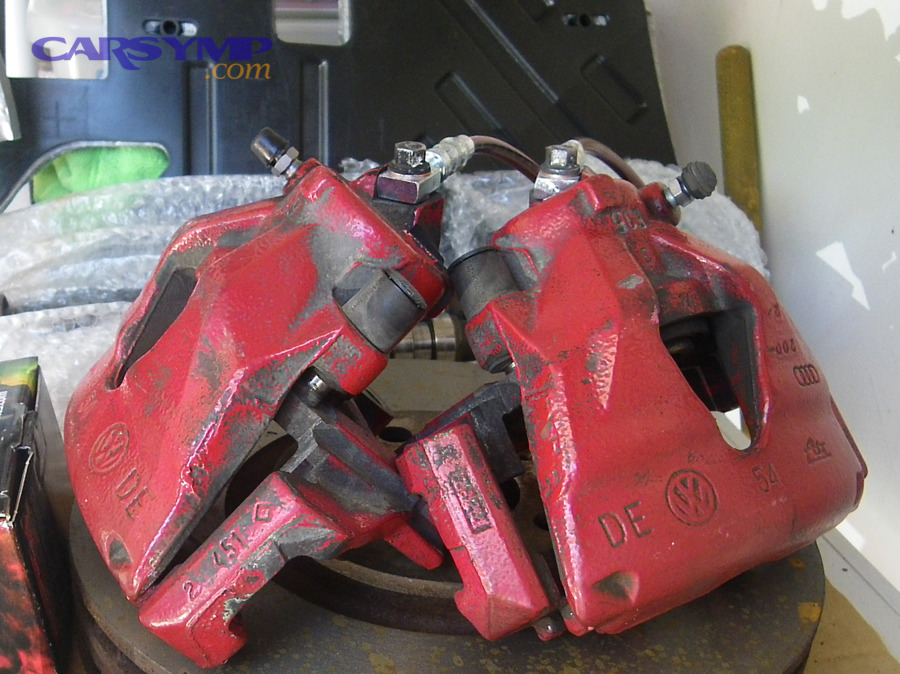
As a widely used reference point, RepairPal lists an average range of $825–$937 for a brake caliper replacement (with labor estimated around $155–$227 and parts around $670–$710, excluding taxes/fees and location differences).
However, that number behaves like a “middle of the map,” not a rule. For the same repair, labor rates alone can vary dramatically by region and shop type. AAA notes that auto repair labor rates can range broadly—roughly from under $100 to over $200 per hour in the U.S. depending on location and other factors.
So what should you expect in real life? A helpful way to think about the estimate is:
- Parts-driven repairs: Some vehicles use calipers that are expensive (or only available as premium units), so parts dominate the bill.
- Labor-driven repairs: Rust-belt hardware, seized fasteners, and extra bleeding time can turn a straightforward swap into a longer job.
- “While we’re in there” bundles: Shops may recommend pads/rotors or a fluid service when evidence supports it; sometimes this is smart, sometimes it’s optional.
To ground the discussion with a safety context, NHTSA recall documentation shows how caliper issues can lead to brake drag and overheating that degrades braking performance—exactly why shops treat certain caliper faults as urgent.
This table helps you read a quote faster by showing a common structure for line items (your exact numbers will vary by vehicle and region).
| Estimate section | What it covers | Why it matters |
|---|---|---|
| Parts | Parts choice (new vs reman) can swing the bill the most | |
| Labor | Remove/install, hose transfer if needed, bleeding, test | Shop rate + time is where location and rust show up |
| Fluids & supplies | Brake fluid top-off/bleed, cleaners, shop materials | Small line items that add up across repairs |
| Taxes & fees | Sales tax on parts, disposal, shop fees | Often excluded from “headline” online ranges |
For context on the labor market behind shop pricing, the U.S. Bureau of Labor Statistics reports a median annual wage for automotive service technicians and mechanics of $49,670 (May 2024), reflecting the skilled nature of the work shops must staff and retain.
What exactly is included in a caliper replacement quote?
A proper quote should include the caliper unit, installation labor, and a bleeding step to remove air from the hydraulic circuit; it may also include fluid, hardware, and a short road test. Next, you’ll learn which add-ons are necessary versus “nice to do.”
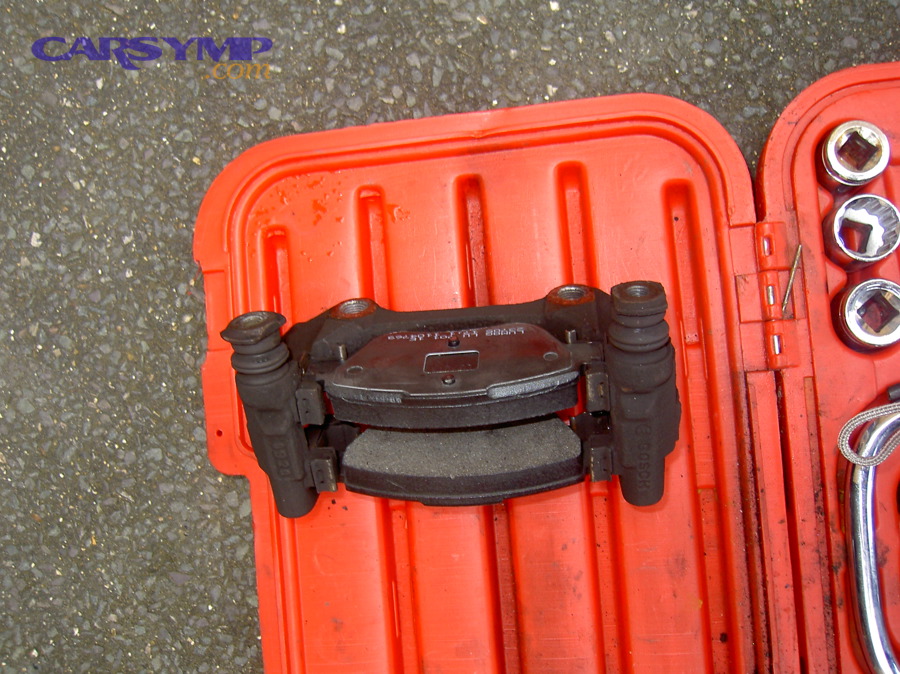
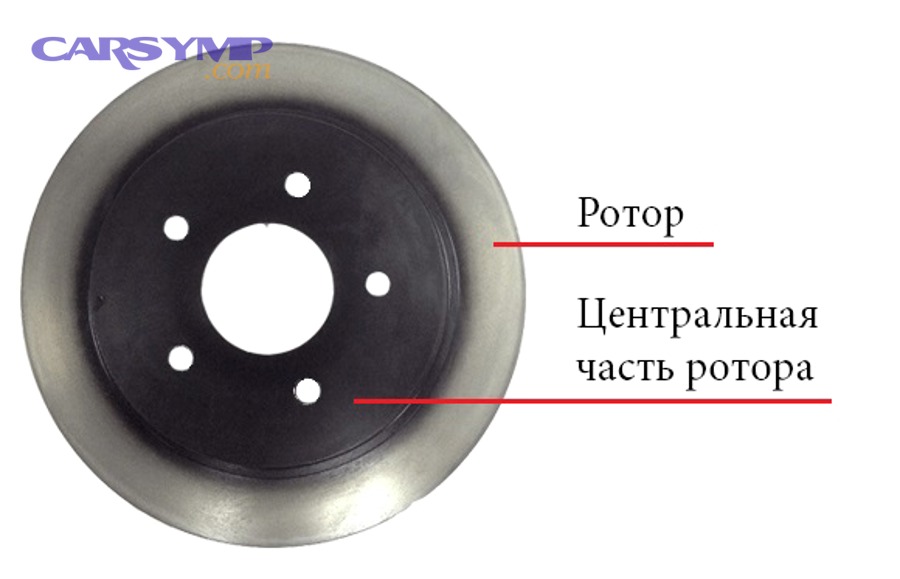
In plain terms, your caliper is the hydraulic clamp that presses pads onto the rotor. When it leaks, seizes, or sticks, you can get pulling, uneven pad wear, smoke/odor, heat spots, or a soft pedal—symptoms that can justify replacement rather than “lubricate and hope.”
Most estimates (especially from reputable shops) include these core items:
- Caliper assembly (and sometimes the bracket, depending on design)
- Labor to remove the wheel, unbolt the caliper, transfer/replace related hardware, and reinstall correctly
- Brake bleeding to restore a firm pedal and remove trapped air
- Basic verification (leak check, pedal feel check, quick road test)
Next are the common “sometimes included” items you should ask about:
- Brake fluid: Some shops bill a small amount for a top-off; others treat caliper work as a mini fluid exchange.
- New banjo bolt washers (or sealing washers): Often required to prevent leaks when a hose uses a banjo fitting.
- Slide hardware: Clips, boots, and pins may be replaced if worn or corroded.
- Pad/rotor work: If pads were overheated or unevenly worn due to a stuck piston, replacing pads (and possibly rotors) may be recommended to restore even braking.
AAA’s brake pad cost guidance (for pads alone) is useful as a reality check for bundled quotes—pads can be a relatively smaller add-on compared with calipers on many vehicles.
And here’s the key “móc xích” idea: the more clearly the shop separates must-fix from optional optimization, the easier it is for you to trust the estimate.
Notice how most competent walkthroughs emphasize bleeding and leak checking—because even a perfectly installed caliper can feel “wrong” if air remains in the system.
Which factors move your estimate up or down?
Your estimate changes mainly with parts type, axle position, shop labor rate, rust/corrosion, and whether related components were damaged by heat or leakage. Next, map each factor to a line item so you can spot what’s driving the total.
1) Vehicle and caliper design
Some vehicles use larger multi-piston units, integrated parking brake mechanisms (common on rear calipers), or “loaded” calipers that include brackets. More complexity usually means higher parts cost and/or labor time.
2) New vs remanufactured vs rebuilt supply chain
“New” typically costs more; remanufactured can be a value option if quality is good and warranty support is real. Core charges and return logistics also affect the out-the-door total (more on that later).
3) One side vs both sides on an axle
Replacing only one caliper can be acceptable when the failure is isolated (e.g., a leaking seal). But if the other side shows similar age-related symptoms, replacing in pairs can reduce comebacks and uneven braking feel.
4) Labor rate (region + shop type)
Even if the job takes the same clock time, the hourly rate can make a big difference. AAA describes wide U.S. variability in labor rates, so two quotes for identical work can differ without either shop being dishonest.
5) Rust and seized hardware
In rust-belt climates, bleeder screws, caliper bolts, and hose fittings can seize. That turns a simple “swap” into extraction, thread repair, or even replacing a brake line section.
6) Heat damage and related repairs
If a caliper was dragging, it can overheat pads, rotors, and even brake fluid. NHTSA recall materials describe brake drag overheating as a risk that can reduce braking performance, which is why shops may recommend additional corrective work when evidence is present.
This table helps you identify the dominant cost driver when comparing two different quotes.
| Driver | Usually increases | What to ask the shop |
|---|---|---|
| Premium caliper design | Parts | Is the quote for a loaded caliper or caliper only? |
| Rust/seized fittings | Labor | Any risk of line damage or broken bleeders? |
| Dragging/overheating | Related parts | Do pads/rotors show heat spots or taper wear? |
| High local shop rate | Labor | What’s the hourly rate and billed time? |
According to RepairPal’s estimator approach, location and vehicle specifics can materially change “average” ranges—so the best quote is the one tied to your exact make/model/zip code.
Is it cheaper to replace one caliper or both on the axle?
Replacing one caliper is usually cheaper today, but replacing both can be cheaper over time if the opposite side is near failure or if uneven braking would force a repeat visit. Next, use symptom symmetry and wear patterns to choose confidently.
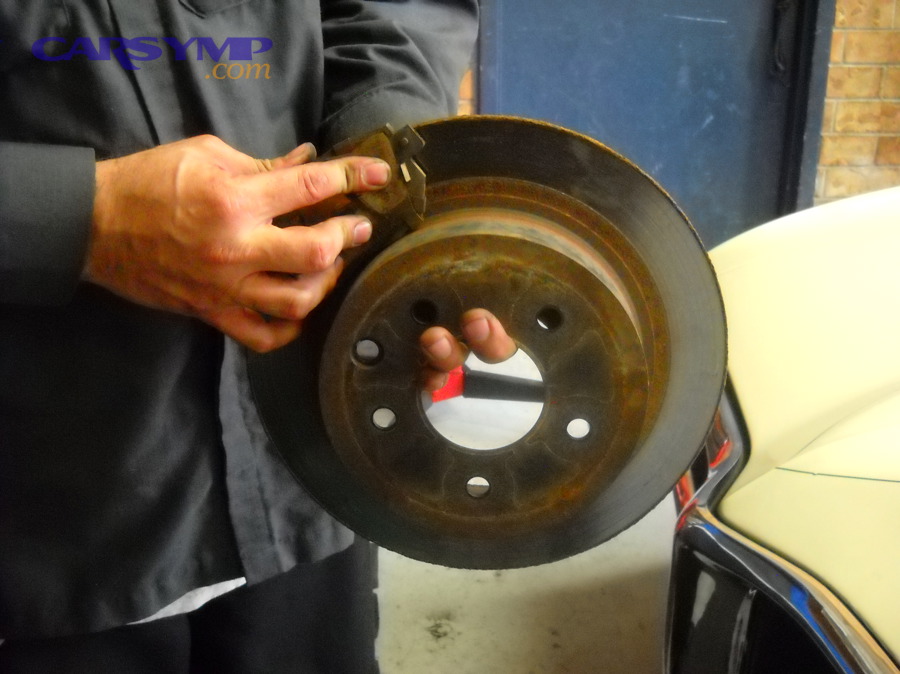
Start with the simplest rule: replace what is proven bad, then decide if “pairing” adds value. Pair replacement tends to make sense when:
- The vehicle has high miles and both calipers are the same age
- One caliper seized or dragged badly (the other may have lived the same life)
- Pads show uneven wear side-to-side on the same axle
- You already need significant brake service and want to avoid paying labor twice
But one-caliper replacement can be reasonable when:
- The failure is clearly isolated (a torn dust boot that led to one piston sticking, a localized leak)
- The opposite caliper moves freely, boots are intact, and pad wear is even
- You’re correcting a known event (e.g., contamination or impact damage)
Here’s the “móc xích” connection to cost: if you replace only one caliper and the other side fails soon after, you may pay duplicate labor and bleeding time. That’s why some owners choose to pair calipers on the same axle, especially when labor rates are high.
Also, pairing decisions often connect to pads/rotors. AAA’s brake pad cost range can help you judge whether the incremental cost of doing pads now is reasonable versus paying for another brake teardown later.
Finally, keep braking balance in mind. While modern brake systems are robust, uneven clamp force can affect stopping feel and stability under hard braking—another reason shops may recommend axle-symmetric repairs when evidence supports it.
Can you drive with a bad caliper, and how does delay change cost?
No—if a caliper is leaking, dragging, or causing overheating, continued driving can quickly increase total repair cost and safety risk. Next, learn the “cost cascade” so you know when it’s urgent versus schedulable.
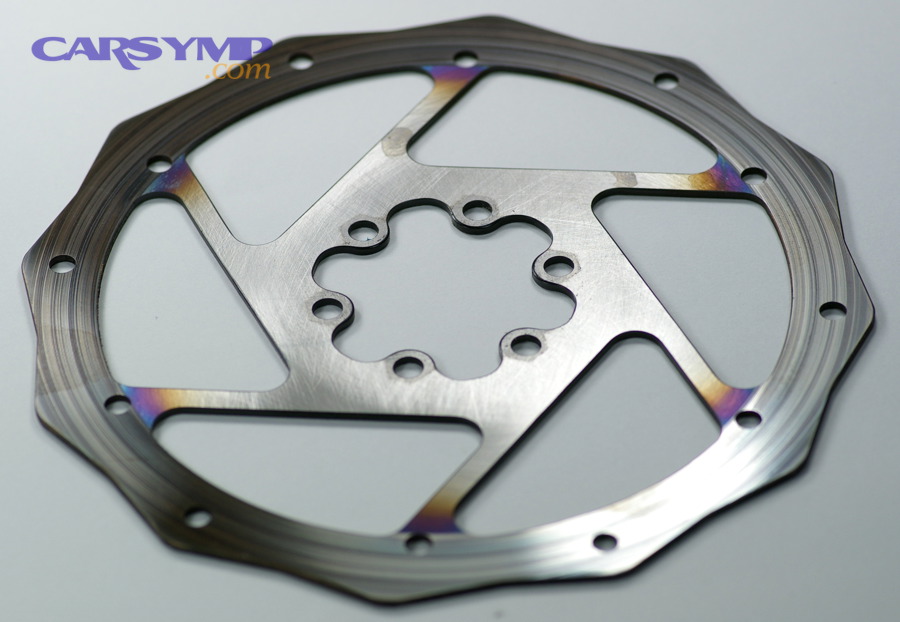
When a caliper problem is mild (e.g., early stickiness) you might only notice subtle pulling or extra brake dust. But if it escalates to drag or leakage, the costs can cascade:
- Dragging caliper → overheated pads: friction material can glaze or crumble, forcing pad replacement
- Dragging caliper → rotor damage: heat spots, scoring, warping, and thickness variation can require rotor replacement
- Overheating → fluid stress: high temperatures can reduce braking confidence and necessitate more thorough bleeding or fluid service
NHTSA recall communications describe brake drag and overheating as conditions that can reduce brake system performance, underscoring why “wait and see” can be risky for certain caliper failures.
Fluid quality matters because brake fluid is hygroscopic (it absorbs moisture over time), which affects boiling behavior and system performance under heat. Technical literature on brake fluid’s hydrophilic behavior supports why moisture and heat are a bad combination for consistent braking.
So when is it urgent? Treat it as urgent if you notice any of these:
- Burning smell, smoke, or one wheel significantly hotter than the others
- Vehicle pulling hard during braking
- Brake fluid leak near the wheel or a rapidly dropping reservoir
- Soft pedal after a hot stop or repeated braking
When can it be scheduled? If the symptom is minor (light noise, mild uneven wear) and the shop confirms no leak/drag and safe operation, you may schedule soon—but don’t ignore it for weeks.
That’s the linkage: the earlier you address a true caliper fault, the more likely the repair stays “caliper-only” instead of becoming “caliper + pads + rotors + extra labor.”
How can you get an accurate estimate before approving work?
You can get a reliable estimate by matching the quote to your exact vehicle, verifying the failure mode, and requiring itemized parts/labor with clear “required vs optional” notes. Next, use a simple checklist to compare two shops fairly.
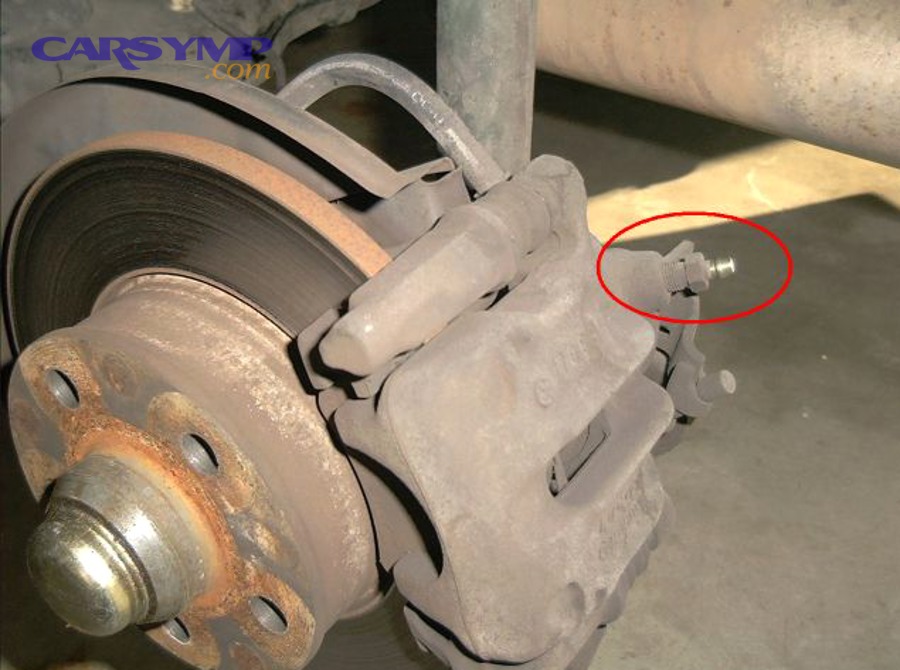
Step 1: Confirm the failure mode
Ask the shop to show evidence: a leak, a torn boot with corrosion, a piston that won’t retract, or a temperature imbalance after a short drive. Evidence-based diagnosis prevents replacing the wrong part.
Step 2: Demand itemization
A trustworthy estimate separates:
- Parts (brand/type, new vs reman, core charge)
- Labor hours (and the hourly rate)
- Fluids/supplies (brake fluid quantity, shop materials)
- Taxes/fees (shop fees, disposal, environmental fees)
Step 3: Check location realism
If you’re in a high-cost metro area, a higher labor line may be normal. AAA explains that labor rates vary widely across the country, so comparing your quote to a generic national average can be misleading.
Step 4: Use a local estimator as a sanity check
RepairPal’s estimator emphasizes that location and vehicle details change fair pricing, which is exactly why ZIP-based tools can be helpful for “ballpark validation.”
Step 5: Ask about bleeding method and verification
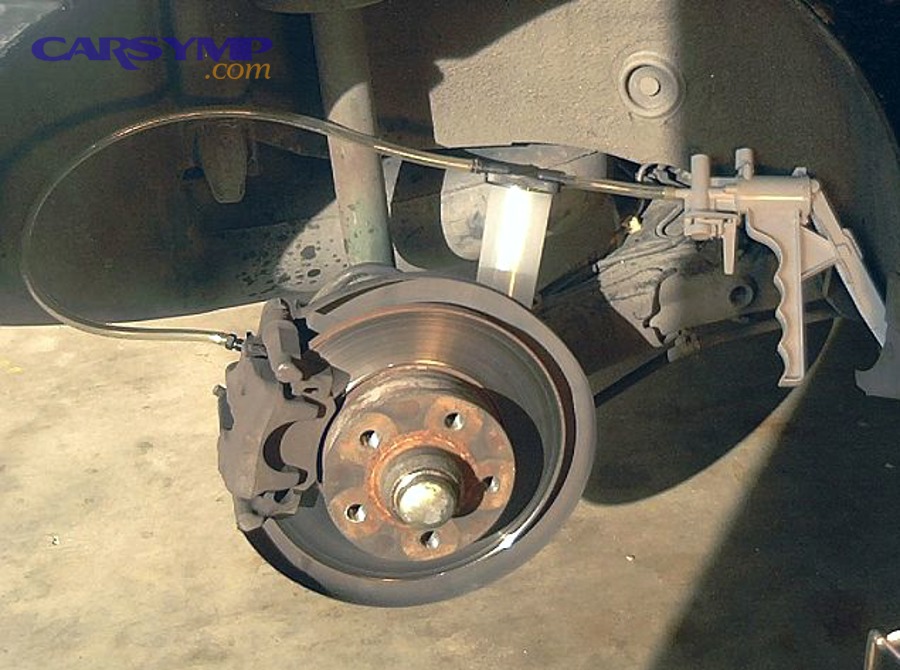
Caliper work should include a bleed and a pedal feel check. If a shop doesn’t plan to bleed, that’s a red flag for quality and safety.
According to NHTSA recall materials describing caliper-related brake drag and overheating risk, proper repair procedures can include caliper and line replacement plus bleeding—illustrating how seriously professional procedures treat hydraulic integrity.
Here is where you might see the phrase Caliper replacement labor time inside an estimate template; use it as your cue to ask what billed hours the shop is using and what conditions could add time (rust, broken bleeder, stuck hose fitting).
How to reduce the total bill without compromising safety?
You can reduce total cost by preventing repeat labor, choosing a reputable parts tier with a real warranty, and timing related brake service intelligently—without cutting corners on bleeding, leak checks, or safe hardware. Next, focus on savings that don’t create future failures.
1) Don’t pay twice for teardown
If pads or rotors are already near the end of life, doing them during the same visit can be cheaper than paying a second set of labor hours later. AAA’s pad replacement range can help you judge whether a bundled pad line is reasonable.
2) Pick the right parts tier
New parts can be great, but a quality remanufactured unit can offer strong value if it comes from a reputable supplier and has straightforward warranty support. The question isn’t just “cheap vs expensive,” it’s “risk-adjusted value.”
3) Replace small, required sealing items
Trying to reuse crushed sealing washers or damaged boots is false economy. A small leak can force a redo—meaning you pay labor twice.
4) Avoid skipping the bleed
A proper bleed is non-negotiable after opening the hydraulic system. Skipping it risks a soft pedal and unsafe braking behavior.
5) Prevent the next failure
Calipers often fail faster when pins seize, boots tear, or corrosion builds. Even if the shop doesn’t advertise it loudly, ask whether the hardware that must move freely is being inspected and serviced as part of the job.
In many quotes you’ll also see “shop supplies.” That line is normal—but you can still ask what it covers (fluid, cleaners, rags) so you understand the final out-the-door number.
Finally, here’s the required phrase used naturally: if you’re reviewing a service plan that includes brake caliper replacement as one line among others, insist on a brief explanation for every additional add-on and whether it’s safety-critical today or preventive for later.
What should you ask the shop about parts, warranty, and fees?
You should ask what part type is being installed, what warranty covers (parts, labor, or both), whether a core charge applies, and which fees are mandatory. Next, use a short script to keep the conversation precise and calm.
Ask these questions in order so you don’t miss anything:
- “Is the caliper new or remanufactured, and what brand?” (You’re buying quality and warranty support as much as metal.)
- “Does the estimate include bleeding, and how will you verify pedal feel?”
- “Are there core charges or return requirements?” (Core charges can be refunded later; make sure it’s clear.)
- “Which items are required today, and which are optional?” (Ask for a one-sentence reason per recommendation.)
- “What is the total out-the-door price with taxes and fees?” (This prevents surprises at pickup.)
It can also help to ask: “If a fitting seizes or a bleeder breaks, what’s the plan?” In rust-prone regions, contingencies matter because they can add time and parts.
For comparison context, RepairPal lists related brake repair ranges (for example, brake hose replacement and master cylinder replacement) that show how different hydraulic components can sit in different price bands—useful when a shop suggests the caliper isn’t the only issue.
That naturally connects to diagnosis: if the shop suspects another hydraulic component, ask what test result made them suspect it (pressure test, hose collapse signs, pedal sink, fluid leak location) before approving more parts.
This quick table helps you compare two quotes when they “feel” different.
| Question | Good answer sounds like | Red flag sounds like |
|---|---|---|
| Parts type? | Specific brand/type + warranty terms | Vague “standard caliper” with no details |
| Bleeding included? | Yes + method + verification | “Should be fine” or “not needed” |
| Fees explained? | Clear list + totals | “That’s just what we charge” |
Contextual Border: The sections above cover the core, high-probability drivers behind a caliper replacement cost estimate. Next, we’ll cross into less common—but very real—edge cases that can surprise owners on the final invoice.
Deep cuts: uncommon cost drivers and edge cases
Uncommon drivers include performance upgrades, severe corrosion, brake line fabrication, special bleeding procedures, and warranty/core logistics that change how the shop prices risk and time. Next, focus on the edge case that matches your vehicle’s usage and climate.
Performance, towing, and heat management choices
Performance or towing setups can require more robust components or higher-temperature pads, which may raise parts cost. Next, match upgrades to real usage—daily commuting rarely needs “race” parts, but towing in mountains might justify better heat handling.
Rust-belt hardware, broken bleeders, and line work
Severe corrosion can turn a caliper job into a hardware extraction job, and sometimes into brake line replacement. Next, ask whether your quote includes contingency time for seized fittings, because that’s where estimates can expand unexpectedly.
ABS procedures and fluid condition add-ons
Some systems may require extra bleeding steps or scan-tool procedures after opening hydraulics, and heat-stressed fluid may justify a more thorough service. Next, remember that brake fluid behavior under moisture/heat is well documented in technical literature.
Warranty, core charges, and reman return logistics
Core charges can temporarily inflate the invoice until the old unit is returned, and warranty terms can vary widely by supplier and shop. Next, ask whether the warranty covers labor as well as parts—because labor is the repeat cost if something fails early.
FAQ (quick answers)
- Does the estimate usually include pads and rotors? Not always. It depends on measured wear, heat damage, and whether the shop recommends doing them together to avoid repeat labor.
- What if I’m not sure it’s the caliper? Ask for evidence-based testing and a clear explanation; some owners specifically request Caliper vs hose vs master cylinder diagnosis as the decision framework before buying parts.
- Should I choose rebuilt or new? It depends on supplier quality, warranty, and price spread; many shoppers summarize the decision as Rebuilt vs new caliper pros/cons and then choose based on risk tolerance and usage.
- Why do online ranges differ so much? Because location labor rates, vehicle-specific part pricing, and related repairs vary—RepairPal explicitly notes that averages don’t include taxes/fees and don’t reflect your unique location without local inputs.