


If you’re weighing rebuilt vs new caliper pros/cons, the “best” answer depends on what failed, how the part was remanufactured, and what you want from the repair: lowest cost, longest corrosion resistance, or maximum confidence in a safety-critical component.
Beyond price, your decision should account for reliability signals (piston/bore condition, seal-groove integrity, slide hardware quality), warranty terms, and whether your vehicle has special constraints like an electronic parking brake (EPB) rear caliper.
You’ll also get better results if you think like a diagnostician: a caliper can be the problem, but it can also be the victim of contaminated fluid, a damaged hose, misaligned pads, or overheated rotors—so the replacement choice is only one piece of the system.
To start, we’ll define what “rebuilt” really means, then compare risk, cost, and quality checks so you can choose confidently. Tiếp theo, we’ll connect the decision to installation habits that prevent repeat failures.
What’s the real difference between a rebuilt (remanufactured) caliper and a new caliper?
A rebuilt caliper is a used housing restored with replaced wear parts (seals/boots and often hardware), while a new caliper is manufactured as a new assembly; in rebuilt vs new caliper pros/cons, the core difference is unknown prior life versus controlled new production. Để bắt đầu, define what you’re actually buying.
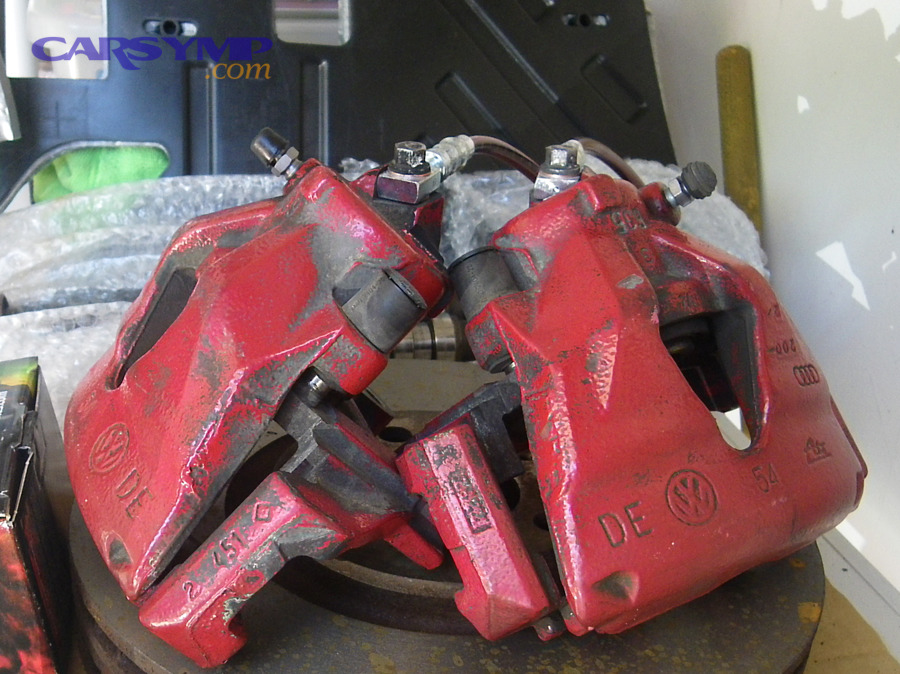
How “rebuilt” can range from basic reseal to full remanufacture
In practice, “rebuilt” can mean anything from a simple reseal (new piston seal and dust boot) to a deeper reman process that includes cleaning, blasting, machining, replacing pistons, renewing bleeders, and installing new slide hardware. Cụ thể, the same label can hide very different quality levels.
- Basic reseal: seals/boots replaced; piston and bore may be reused with minimal correction.
- Standard reman: cleaned and inspected; worn components replaced; may include new bleeder screw and hardware.
- Premium reman / “loaded”: may include brackets, pads, or hardware kits depending on supplier; usually better for time savings and consistency.
Because rebuild processes vary, the “pros/cons” are not fixed; they depend on the remanufacturer’s inspection standards, replacement policy (especially pistons), and corrosion protection coatings. Hãy cùng khám phá why that variability matters most at the seal and piston interface.
New calipers are not always “perfect,” but they remove unknown prior abuse
New calipers eliminate the unknowns of prior overheating, brake fluid neglect, and internal corrosion. Yet “new” can still vary by brand tier and manufacturing controls, and you still need to verify fitment, bleeder orientation, and hose thread condition. Tuy nhiên, the biggest advantage remains: no previous bore damage history.
The decision often becomes a risk trade: do you accept some variability in reman quality for savings and availability, or pay more to reduce uncertainty? Để minh họa, think of a caliper like a pressure vessel: small surface defects can matter under repeated hydraulic cycles.
Evidence that new parts can still have defects
The rebuilt vs new caliper pros/cons conversation shouldn’t assume “new never fails.” Theo nghiên cứu của Brake Engineering từ bộ phận Quality/Technical, vào June/2024, một nghiên cứu độc lập về calipers mới ghi nhận tỉ lệ lỗi/không phù hợp đáng kể trong mẫu khảo sát (ví dụ rò rỉ, ren hỏng, hoặc lỗi hoàn thiện) tùy lô và nhà cung cấp.
Which option is safer and more reliable for daily driving?
For most daily drivers, new calipers are typically safer when you prioritize consistency and long-term corrosion resistance, while quality rebuilt calipers can be equally reliable if they pass strict inspection and come from a reputable reman program. Bên cạnh đó, reliability depends heavily on the cause of the original failure.
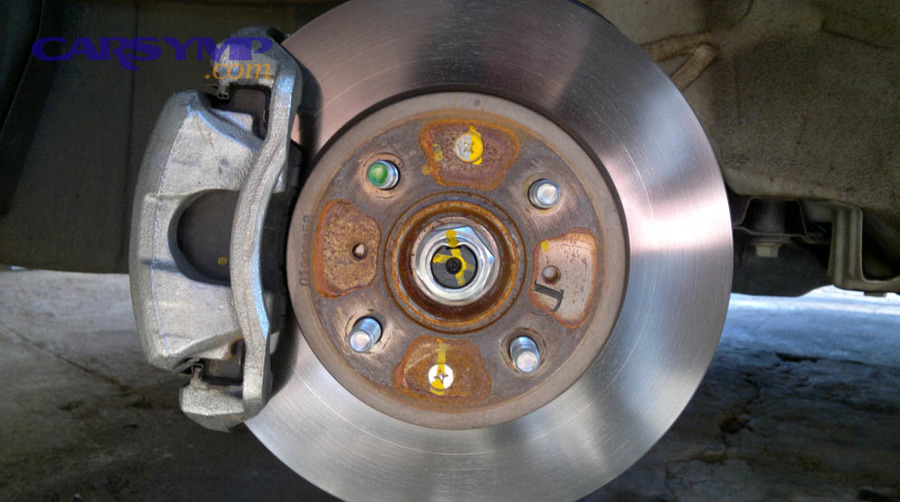
Reliability hinges on the bore, piston, and seal-groove condition
The most failure-sensitive region is the piston seal and bore surface. If a prior caliper overheated (dragging brakes), moisture-contaminated fluid can promote rust behind the piston, and corrosion pits can tear seals or prevent smooth piston retraction. Cụ thể hơn, rebuilt units that reuse a pitted piston or imperfect bore are more likely to seep or stick later.
- Best-case rebuilt: clean bore, replaced piston (or verified perfect), new seal/boot, clean bleeder, correct plating/coating.
- Worst-case rebuilt: reused piston with hidden pitting, marginal bore cleanup, weak coating, or reused bleeder threads.
New calipers reduce the probability of these hidden issues, especially in high-salt regions where external and internal corrosion are accelerated. Ngược lại, if you live in a mild climate and the reman program is strict, rebuilt can be a sound value.
Daily-driving safety is also about pedal feel and balanced braking
Even if a caliper doesn’t leak, small differences in piston drag, slide friction, or pad release can create pull, uneven heat, and unpredictable braking. A matched pair (left and right) from the same source reduces imbalance risk—especially when your old caliper failure was advanced (seized or heavily corroded). Quan trọng hơn, stability under repeated stops matters as much as one-time stopping power.
Evidence from remanufacturing quality-control research
Quality is process-driven, not just product-labeled. Theo nghiên cứu của Manipal International University từ khoa Mechanical Engineering, vào December/2022, nghiên cứu về đánh giá rủi ro và kiểm soát chất lượng trong remanufacturing nhấn mạnh việc kiểm tra, đo lường và chuẩn hóa quy trình là yếu tố then chốt để giảm lỗi lặp lại ở sản phẩm tái chế/tái sản xuất.
How do cost, core charge, and warranty change the total price?
Cost favors rebuilt when core returns are easy and the warranty is strong, while new often wins when you factor in time, repeat labor risk, and longer corrosion protection; in rebuilt vs new caliper pros/cons, the “real price” is total installed cost over time. Tiếp theo, break it into predictable components.
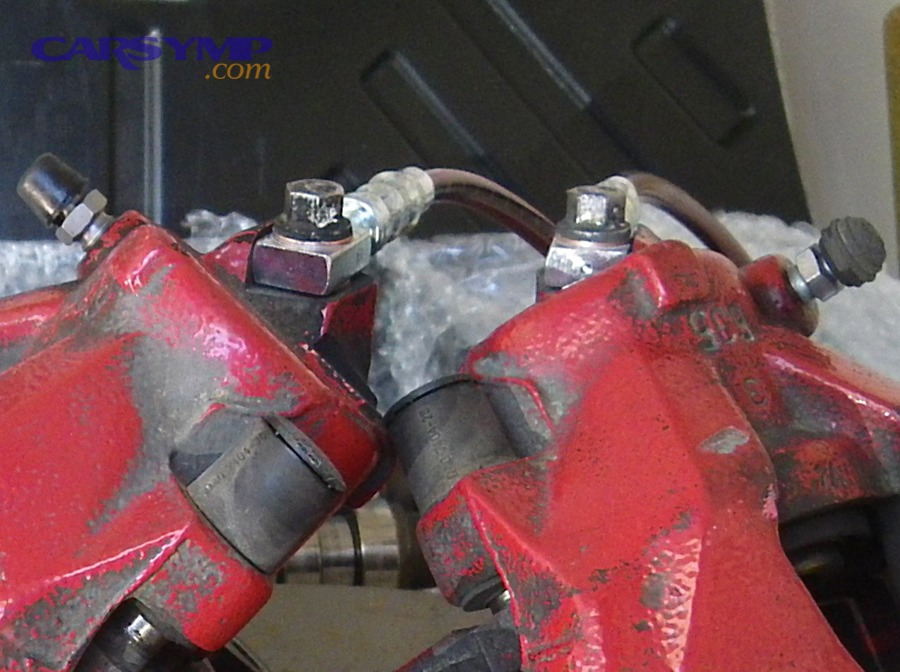
Understand the core: it’s a deposit tied to rebuild economics
Rebuilt calipers usually have a core charge—a refundable deposit if you return your old caliper housing. This keeps the reman supply chain alive. If your old caliper is missing, broken beyond acceptance, or you forget to return it, the rebuilt option can become much less attractive. Ví dụ, a “cheap” reman can become mid-priced once the core is forfeited.
Warranty strength is not just duration—read what it excludes
Compare warranty details like: coverage for leaks vs “wear,” replacement labor reimbursement (rare), corrosion exclusions, and whether the warranty is transferable. Đặc biệt, some warranties are generous on paper but become painful if you must redo the job and bleed the system again without compensation.
Cost comparison table you can use at the parts counter
This table summarizes what the price line item often includes and what you must verify before you buy, so you can estimate total cost and risk rather than shopping by sticker price alone.
| Factor | Rebuilt (Remanufactured) | New |
|---|---|---|
| Upfront part price | Usually lower | Usually higher |
| Core charge | Common; refundable with acceptable return | Usually none |
| Quality variability | Can be high; depends on reman process | Lower variability (but brand-tier matters) |
| Corrosion protection | Coating quality varies; may rust faster | Often better coatings; varies by manufacturer |
| Repeat labor risk | Higher if reman quality is inconsistent | Lower if part quality is solid |
| Warranty | Can be strong, but check exclusions | Often strong; check brand and terms |
Evidence that service procedures and test conditions affect perceived performance
Even the “best” part can feel bad if the system isn’t conditioned correctly. Theo nghiên cứu của U.S. Department of Transportation (NHTSA) từ Office of Vehicle Safety Research, vào March/1999, báo cáo về phanh nhấn mạnh rằng điều kiện thử nghiệm, burnish-in, và biến thiên hệ thống có thể ảnh hưởng đáng kể đến kết quả hiệu năng và cảm nhận phanh.
When is a rebuilt caliper the smarter choice?
A rebuilt caliper is often the smarter choice when you have a trustworthy reman source, a straightforward front caliper design, and you want strong value without sacrificing safety—especially if you can buy matched left/right units and return cores easily. Dưới đây are the best-fit scenarios.
Grouping: three common situations where rebuilt makes sense
There are three common “rebuilt-friendly” situations: (1) your old caliper housing is intact and returnable, (2) the vehicle is older or the OEM new part is expensive/rare, and (3) you can validate reman quality quickly before installation. Cụ thể:
- Older daily driver with normal duty cycle: you want safe operation at a lower cost and can choose a reputable reman line.
- Availability problem: new OEM calipers are backordered, while a quality reman is readily available.
- Planned maintenance window: you can inspect the reman caliper thoroughly and are prepared to exchange it immediately if it fails checks.
In these cases, rebuilt can deliver excellent value if you treat it like a component that must pass inspection rather than a commodity. Hơn nữa, the environmental benefit of remanufacturing can be a bonus when quality standards are high.
Use the “paired replacement” rule when failure was severe
If one caliper seized badly, its twin on the other side likely lived through similar heat and fluid conditions. Replacing both sides with the same product tier reduces brake imbalance and “one side drags” comebacks. Quan trọng hơn, it can stabilize pedal feel and straight-line braking on repeated stops.
Evidence that braking is a safety-critical system with measurable failure consequences
Because this is not a cosmetic component, you should bias toward proven quality. Theo nghiên cứu của U.S. Department of Transportation (NHTSA) từ National Highway Traffic Safety Administration, vào February/1983, các báo cáo nghiên cứu phanh nhấn mạnh vai trò an toàn của hệ thống phanh và tầm quan trọng của việc duy trì hiệu năng ổn định trong các tình huống khẩn cấp và tải nhiệt cao.
When should you pay extra for a new caliper?
You should pay extra for a new caliper when the failure mode suggests internal corrosion or heat damage, when your vehicle uses complex rear mechanisms (especially EPB), or when you need maximum long-term durability in harsh climates. Tiếp theo, match your risk profile to the use case.
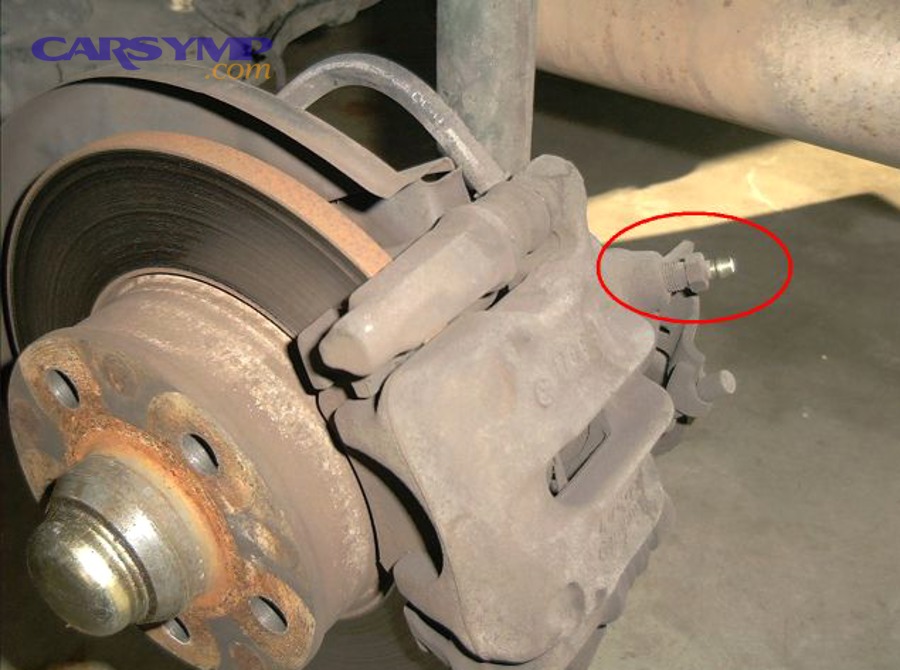
Boolean decision: is “new” worth it for your case?
Yes, “new” is worth it in many cases because it (1) reduces unknown prior abuse, (2) lowers the odds of hidden bore/piston defects, and (3) often includes better coatings and tighter dimensional control—especially important when you’re paying labor or depend on the car daily. Tuy nhiên, the price premium should buy you real risk reduction, not just a label.
Pay extra when the old caliper shows these red flags
- Fluid contamination: dark, gritty, or water-laden fluid suggests internal corrosion risk across components.
- Overheat evidence: burnt pad smell, discolored rotor, cracked dust boots, or chronic dragging.
- Thread damage: stripped hose port/banjo threads or bleeder damage (repeat leak risk).
- Salt-belt corrosion: heavy external scaling, rust-jacked hardware, or frozen bleeders.
In these situations, a new caliper reduces the chance you’ll redo the job due to seepage, dragging, or hardware failure. Ngược lại, a premium reman from a strict program may still be acceptable—but you’ll want more verification steps.
Evidence that “new” can still vary by supply chain and inspection
Even when you pay extra, verify what you receive. Theo nghiên cứu của GarageWire từ bộ phận Industry/Aftermarket reporting, vào August/2024, các phân tích về chất lượng linh kiện hậu mãi nêu rằng độ ổn định chất lượng phụ thuộc mạnh vào nhà cung cấp, lô hàng và quy trình kiểm tra—vì vậy kiểm tra trước lắp đặt vẫn là bước bảo vệ quan trọng.
How can you evaluate reman quality before you install it?
You can evaluate reman quality by checking sealing surfaces, piston movement, hardware integrity, and machining cleanliness before the caliper ever touches the car; in rebuilt vs new caliper pros/cons, this pre-install screening is what turns “cheap” into “good value.” Để hiểu rõ hơn, follow a simple inspection workflow.
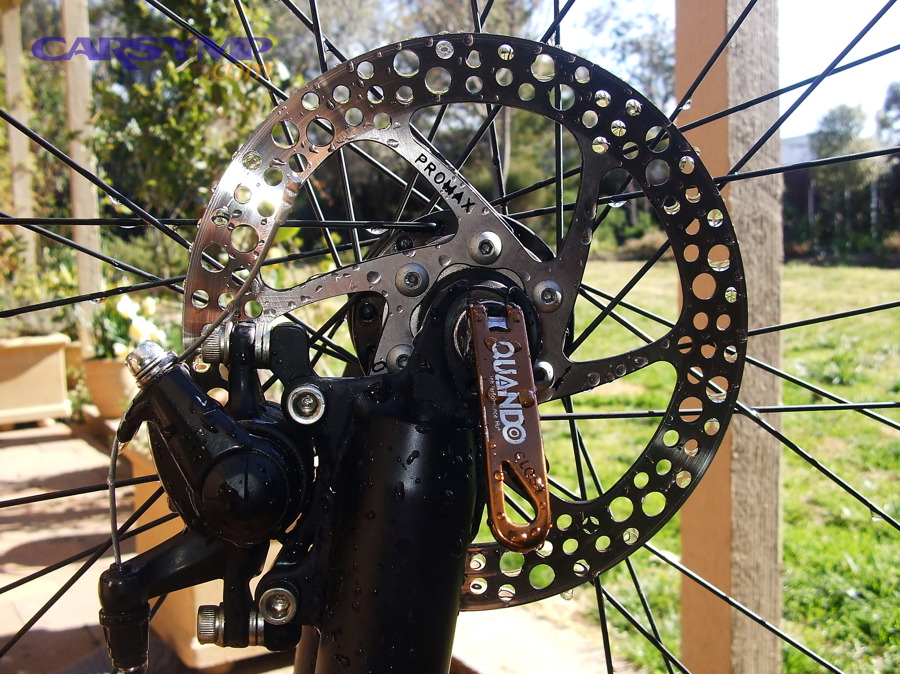
How-to: a 7-point inspection that catches most bad remans
The main method is a 7-step visual and functional check that prevents installing a flawed unit and wasting time. Sau đây is the sequence that catches the most common problems quickly:
- Verify correct part and orientation: bleeder must be at the top when installed; hose port should match your line routing.
- Inspect the dust boot: it should be seated evenly with no tears, pinch points, or loose edges.
- Check piston face and bore edge: look for pitting, flaking, or tool marks where the seal rides.
- Test piston movement (where feasible): it should move smoothly with consistent resistance—no gritty binding.
- Inspect bleeder threads and seat: ensure clean threads, snug fit, and a crisp sealing cone.
- Slide hardware condition: pins should be straight, boots intact, and the bracket surfaces clean and flat.
- Coating and casting integrity: look for thin paint, bare metal, porosity, cracks, or damaged mounting ears.
The most important step is Step 3—the piston/bore/seal area—because small surface defects here can become leaks or drag after heat cycles. Cụ thể, if you see corrosion pits on the piston or roughness at the seal travel zone, exchange it immediately.
Quick “bench sanity” checks that reduce comebacks
- Bracket flatness and pad abutments: uneven abutment surfaces can cause pad binding and heat.
- Banjo bolt seat cleanliness: nicks or debris can cause persistent seepage.
- Thread feel: bolts should start by hand; gritty cross-thread feel is a warning sign.
Do not “hope it will seal once tightened.” Sealing surfaces rarely improve under torque; they usually get worse. Quan trọng hơn, your time is worth more than a marginal part.
Evidence that process controls reduce reman failure risk
This inspection mindset aligns with what remanufacturing research emphasizes. Theo nghiên cứu của Manipal International University từ khoa Mechanical Engineering, vào December/2022, các phương pháp phân tích rủi ro (ví dụ FMEA) và kiểm soát điểm lỗi quan trọng được đề xuất để giảm sai hỏng lặp lại trong remanufacturing.
What installation choices make either caliper fail early?
Either rebuilt or new calipers can fail early if the system is contaminated, slide hardware binds, or bleeding is done poorly; the “pros/cons” decision only pays off when installation prevents heat, drag, and seal damage. Hơn nữa, many “bad calipers” are actually bad conditions.
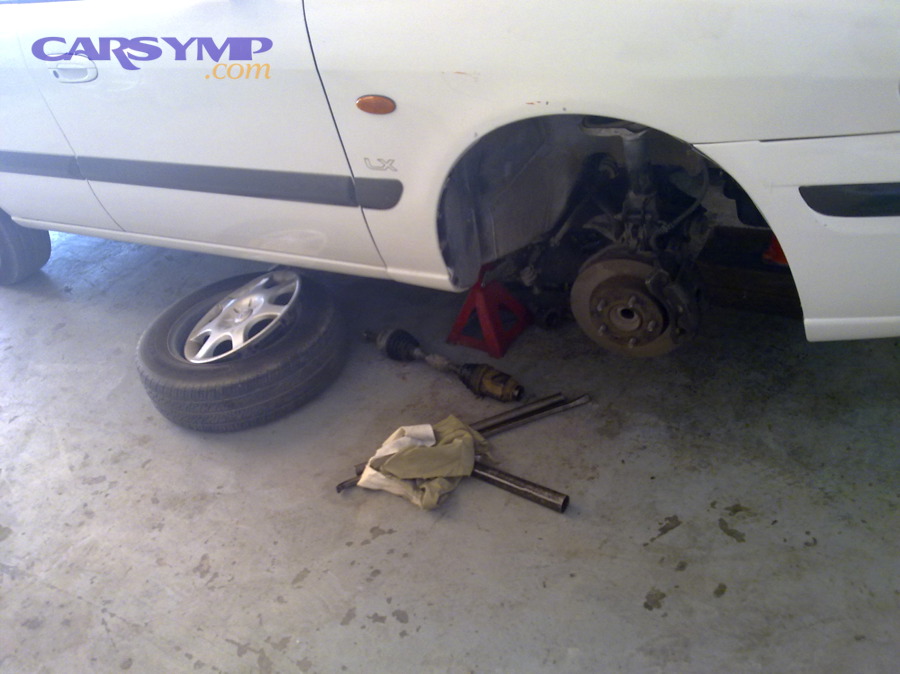
System-first thinking: fix causes, not just the part
Before and during brake caliper replacement, treat the job like a system reset: confirm hose condition, bracket alignment, rotor health, and fluid quality. A caliper that sticks again after a week often points to pad binding, a collapsed hose, contaminated fluid, or a bracket/pin problem—not “bad luck.” Cụ thể hơn, if the old caliper overheated, assume the fluid and rubber were stressed too.
Slide pins and pad abutments are the “hidden friction multipliers”
Many comebacks trace to pins that are dry, corroded, or incorrectly lubricated, or pad ears that are rust-jacked in the bracket. This creates constant drag, heat, and seal stress—conditions that can mimic or recreate Sticking caliper symptoms even with a brand-new caliper. Đặc biệt, binding hardware can also trigger Uneven pad wear causes and fixes issues that people wrongly blame on caliper quality alone.
- Clean and de-rust: pad abutments and bracket lands must be smooth.
- Use correct lubricant: high-temperature brake grease where specified; keep friction surfaces clean.
- Replace boots/hardware when questionable: torn boots invite rapid corrosion.
After assembly, verify the wheel spins freely with only light pad contact, then recheck after a short drive for abnormal heat. Tóm lại, friction management protects caliper seals.
Bleeding, bedding, and post-repair heat management
Air, moisture, or incorrect bleeding technique can create a soft pedal and encourage repeated overheating from increased pedal travel. Then, a proper Break-in procedure after brake work (bedding) helps stabilize friction transfer layers and reduce judder and hot spots—conditions that can otherwise promote localized heat and seal stress. Tiếp theo, test for consistent pedal height and straight stops before returning to normal driving.
Evidence that test conditioning and procedures change outcomes
Brake behavior is sensitive to procedure, not just parts. Theo nghiên cứu của U.S. Department of Transportation (NHTSA) từ Office of Vehicle Safety Research, vào March/1999, báo cáo nhấn mạnh vai trò của burnish-in và điều kiện thử nghiệm trong việc tạo ra kết quả phanh nhất quán—một nguyên tắc bạn có thể áp dụng bằng cách bedding đúng và kiểm tra sau sửa chữa.
Contextual Border: At this point you can choose confidently for most cars. Beyond this border, we’ll cover rarer pitfalls—EPB mechanisms, coatings in salt climates, seal-groove damage, and pairing strategy—so you avoid edge-case failures that skew rebuilt vs new caliper pros/cons.
Supplementary: Rare pitfalls that change the decision
Rare attributes—EPB complexity, coating chemistry, seal-groove damage, and mismatched side-to-side friction—can flip your rebuilt vs new caliper pros/cons conclusion, even if the “normal” choice would be fine. Để bắt đầu, treat these as decision overrides.
EPB rear calipers: motors, gearboxes, and sealing tolerance
Rear EPB calipers add a motor/gear mechanism and additional sealing points, and the internal screw mechanism can be more sensitive to contamination or imperfect reman assembly. If your vehicle has EPB, “new” often becomes more attractive because the failure modes expand beyond basic piston seals. Tuy nhiên, a premium reman from a specialist EPB program can still work if it’s truly rebuilt—not just resealed.
Coatings, rust, and salt-belt longevity
In salty climates, external corrosion can freeze bleeders, swell pad brackets, and ruin hardware long before seals fail. New calipers often arrive with more consistent coatings, but premium remans can be excellent if they’re properly plated and sealed. Quan trọng hơn, choose hardware kits and protect exposed fasteners to keep the caliper serviceable later.
Piston material, bore pitting, and seal-groove damage
Seal-groove damage is a silent killer: if the groove is corroded or distorted, even a new seal may not maintain consistent squeeze, leading to slow seepage or uneven piston return. This is hard to see without disassembly, which is why strict reman programs matter. Ngược lại, a new caliper is less likely to hide this specific defect because the groove is newly machined.
Matching left/right calipers and brake balance
When one side is replaced and the other is old, differences in slide friction, piston drag, and coating can create subtle pull and uneven thermal load. If the car already had vibration or pull, replacing calipers in pairs helps normalize behavior. Hơn nữa, your content system can reinforce this: on Car Symp, link this decision to diagnostic pages so readers don’t replace parts blindly.
FAQ
- Is rebuilt always worse than new? No. A strict reman process can deliver excellent reliability; the risk is variability between programs and batches.
- Should I replace one caliper or both? If the failure was severe (seizure/overheat/corrosion), replacing in pairs often prevents imbalance and repeat drag.
- What’s the fastest way to avoid a bad reman? Inspect piston/boot/threads/hardware before installation and exchange immediately if anything looks marginal.
- What’s the biggest mistake after installing calipers? Skipping system checks (fluid condition, hoses, bracket hardware) and not validating post-repair heat and pedal consistency.
rebuilt caliper vs new caliper; remanufactured brake caliper; piston seal; dust boot; bleeder screw; slide pins; pad abutment; core charge; warranty exclusions; EPB rear caliper; corrosion coating; brake balance (left vs right)