


If your car’s cabin smells musty, sour, or like “dirty socks,” a cabin air filter replacement for odor is often the fastest, lowest-cost first move because it removes the “odor-loaded” media and restores airflow.
For many vehicles, you can replace cabin filter in 10–20 minutes with basic tools, and you’ll notice the biggest difference when the old filter is damp, clogged, or visibly dirty.
Besides the smell itself, a fresh filter can reduce the stuff that feeds odors—dust, pollen, and airborne spores—so the HVAC system stays cleaner for longer.
To connect the dots and avoid the smell returning, Giới thiệu ý mới below is a step-by-step replacement method, plus the key diagnosis checks when odor is really coming from moisture, the evaporator, or the drain.
Should you replace cabin filter to stop a musty smell?
Yes—replacing the cabin filter can stop or noticeably reduce odor when the smell is coming from a dirty, damp, or contaminated filter, because the filter itself becomes a sponge for particles and organic debris that hold smells.
Tiếp theo, it helps to understand why this works so you can predict when a filter swap is enough and when you should keep troubleshooting.

Reason 1: The old filter can carry the odor source
A cabin filter traps fine dust, pollen, soot, and microscopic debris. Over time, those particles can absorb oils and moisture, creating a stale or “wet cardboard” smell every time air passes through. Cụ thể, if the filter looks dark, clumpy, or smells like the cabin odor when you sniff it, it’s acting like the odor reservoir.
Reason 2: Reduced airflow makes HVAC surfaces stay wetter longer
When a filter is clogged, the blower works harder but delivers less airflow across the evaporator and ducts. That weaker airflow can keep surfaces damp longer after the A/C runs, and damp surfaces are where odor-producing microbes thrive. Hơn nữa, low airflow often makes the smell stronger at startup.
Reason 3: Carbon media can capture odor molecules better than a basic filter
A standard particulate filter helps by removing particles that carry smells, but a carbon/charcoal layer also adsorbs some odor-causing gases. According to research by SAE International from Technical Paper 950435, in February 1995, carbon adsorption principles were applied to cabin-air use cases to improve gas/odor removal performance in vehicle air systems.
Như vậy, if the odor is filter-based, you often get an immediate improvement. If the smell is still there, the filter change becomes your “baseline reset” before you diagnose deeper HVAC moisture issues.
What causes odor in the HVAC air stream when the filter is dirty?
Cabin odor usually comes from a mix of trapped organic debris, moisture, and microbial growth that turns your HVAC airflow into a smell carrier, especially after parking with humidity or using A/C daily.
Để bắt đầu, break the causes into a few common “odor families” so you can match the smell to the most likely source.
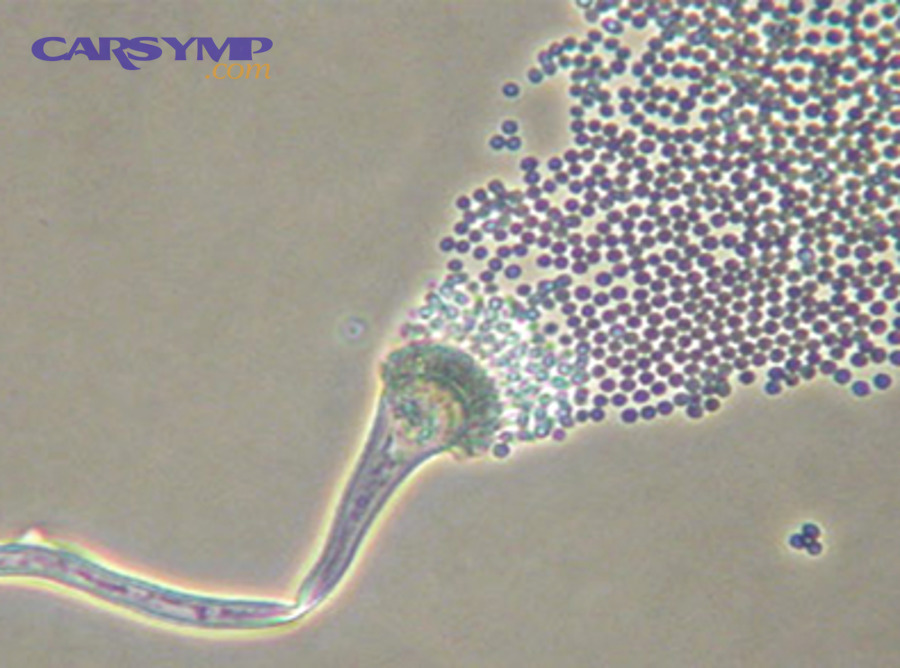
Cause group 1: Organic debris + moisture = “musty”
Leaves, pollen, and road dust get pulled in through the cowl intake. If they reach the filter or housing and then get wet, they decompose and smell musty. Ví dụ, the smell may spike after rain, after a car wash, or when you first turn the fan on in the morning.
Cause group 2: Moldy evaporator fins = “dirty socks”
Even with a new filter, the evaporator can hold moisture (condensation) after A/C use. If the condensate doesn’t drain well or the surface stays wet, biofilm can form and cause a sour, gym-sock odor. According to research by the U.S. Environmental Protection Agency from its Mold Program guidance, in October 2015, moisture control is the key to preventing mold, and drying damp areas within 24–48 hours helps prevent growth.
Cause group 3: Traffic fumes + interior off-gassing = “chemical”
Sometimes the cabin smells like exhaust, solvents, or “plastic.” That’s often a combination of outside pollution infiltration and interior materials releasing VOCs. In these cases, a carbon filter and recirculation strategy usually help more than a basic filter.
Tóm lại, a “dirty filter smell” is real—but moisture is the multiplier. So the next section focuses on how to replace the filter in a way that prevents spreading odor and helps you inspect the moisture clues.
How do you replace a cabin air filter safely and avoid spreading odor?
The best approach is a clean, contained swap in 7 steps: confirm location, protect the cabin, remove the old filter carefully, vacuum the housing, inspect for moisture, install correctly, and run the HVAC to verify results.
Sau đây, follow the steps in order so you don’t shake odor-laden dust into the cabin or trap moisture inside the housing.

Step-by-step replacement method
- Locate the filter: usually behind the glovebox, under the dash, or under the cowl cover (check owner’s manual or filter door label).
- Turn off HVAC and set the car to “OFF” so dust doesn’t blow during removal.
- Protect the cabin: lay a towel under the housing opening; keep a small trash bag ready.
- Remove the old filter slowly: slide it out level to avoid dumping debris.
- Seal and discard: place the old filter directly into the bag; tie it off.
- Clean the housing: vacuum loose debris; wipe with a slightly damp microfiber; avoid soaking the area.
- Install the new filter: match airflow arrows; ensure a tight fit; close the access door fully.
Quick inspection that prevents repeat odor
Cụ thể hơn, check for water marks, slimy residue, or a damp housing. If the housing is wet, the odor may be evaporator/drain-related, not just filter-related. Also check the intake area for leaf buildup that can re-contaminate the new filter fast.
Verification run after installation
Start the engine, run the fan on medium, and switch between fresh air and recirculation. Sniff at startup, then after 2–3 minutes. If the smell is dramatically reduced, you likely fixed the primary source. If the smell is unchanged, continue to the filter-type and moisture diagnosis sections.
According to research by Health Canada from the Water and Air Quality Bureau, in February 2023, cabin air filtration in commuter vehicles reduced in-cabin particulate exposures by roughly about a third in a randomized cross-over trial—showing that a properly installed filter can meaningfully change what you breathe in the cabin.
Which cabin filter type works best for smells: particulate vs carbon?
For odor, carbon/charcoal cabin filters are usually best because they target both particles and some odor-causing gases, while a basic particulate filter mainly reduces particle-based smells and airflow restriction.
Trong khi đó, the “best” choice depends on whether your odor is musty (moisture-driven) or chemical (gas/VOC-driven).

Particulate filter: best for dust/pollen-driven staleness
If your cabin smell is mostly “dusty,” and you see visible debris on the old filter, a quality particulate filter (often electrostatic media) can restore airflow and reduce particles that carry odors.
Carbon filter: best for fumes, smoke, and lingering odors
A carbon layer acts like a sponge for some gases, helping with exhaust whiffs, smoke residue, and “city traffic” odor. According to research by Health Canada from the Environmental Health Science and Research Bureau, in February 2023, the study design measured multiple pollutants during commutes and showed measurable reductions with cabin filtration, supporting the idea that filter media choice matters for what gets trapped versus what passes into the cabin.
Comparison table: choose the right filter for your odor profile
This table compares filter types by odor scenario so you can pick the right media instead of guessing.
| Odor scenario | Most likely source | Best filter choice | Extra action needed? |
|---|---|---|---|
| Musty after A/C starts | Moist evaporator / biofilm | Carbon (helps) + good particulate | Often yes (dry-out / drain check) |
| Dusty / allergy-like | Pollen / dust load | High-efficiency particulate | Sometimes (intake clean-out) |
| Exhaust / smoke / traffic | Gas/VOC infiltration | Activated carbon/charcoal | Recirc strategy helps |
| Sour after rain | Wet debris / drain restriction | Carbon + particulate | Yes (moisture diagnosis) |
Như vậy, filter type can amplify results, but it can’t “solve water.” So next is the moisture pattern that makes odor return—especially after rain or humid days.
Why does the smell return after rain or humidity even with a new filter?
The smell returns because humidity and rain increase moisture at the intake and inside the HVAC box, and if water lingers—due to debris, poor drainage, or residual biofilm—odor re-forms even though the filter is new.
Để hiểu rõ hơn, treat this as a moisture-and-drain problem first, then confirm whether the intake area is feeding wet debris into the system.
Moisture pathway 1: Wet intake debris re-contaminates the housing
Leaves and organic debris near the cowl intake get wet during rain. When you turn on the fan, damp air and tiny particles can reach the housing and produce a “wet forest floor” smell. This is where a quick intake clean-out can be more important than changing filters repeatedly.
Moisture pathway 2: Condensate drain restriction holds water
If the condensate drain is partially blocked, water stays in the HVAC box, feeding odor. You may notice foggy windows, damp carpet near the passenger footwell, or a sloshy sound on turns. This is exactly where Odor after rain or humid weather diagnosis becomes practical: inspect for standing water clues before buying more parts.
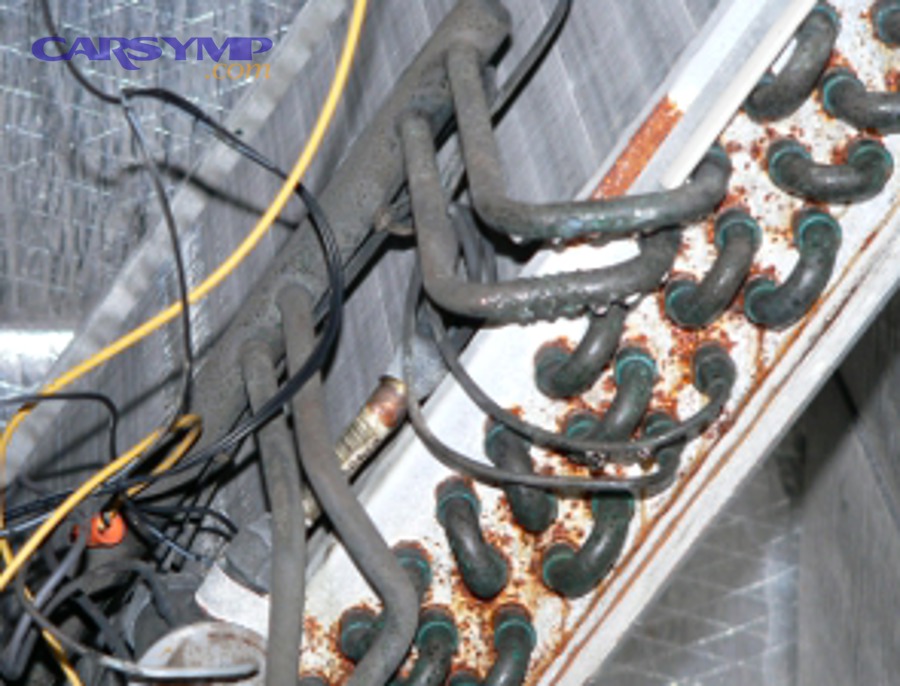
Moisture pathway 3: Evaporator biofilm reactivates with humidity
Biofilm can go “quiet” when dry and smell strong again when wet. If the odor is sharp right after A/C starts and fades after a few minutes, that pattern often points to evaporator surface contamination rather than the filter itself.
According to research by the U.S. Environmental Protection Agency from its Mold guidance resources, in October 2015, mold growth is driven by moisture, and controlling moisture is the primary prevention lever—making drainage and drying steps essential for recurring odor patterns.
What extra steps help when a filter change is not enough?
If replacing the filter doesn’t solve odor, the next best steps are to dry out the evaporator, clear intake debris, and address biofilm carefully, because these target the hidden surfaces that keep producing smell.
Ngoài ra, doing these in the right order prevents you from masking symptoms while the underlying moisture remains.
Dry-out routine that often reduces musty odor
- Run A/C for the drive as usual.
- For the last 3–5 minutes, turn A/C off but keep the fan on medium-high.
- Switch to fresh air if conditions allow to reduce moisture buildup.
This helps evaporator surfaces dry, which can reduce the “first blast” musty smell over time.
Targeted evaporator cleaning (cautious DIY)
If your vehicle has an access point, a foaming HVAC/evaporator cleaner can be applied following the product instructions, aiming at the evaporator area rather than spraying randomly into vents. Cụ thể, the goal is to loosen biofilm, then let condensate carry it out through the drain.
Intake and filter housing cleanup
Vacuum leaves and debris from the cowl intake region. Wipe the filter door and housing edges where grime accumulates. If you see slime or heavy staining, that’s a sign moisture has been present long enough for odor-producing growth to anchor.
In stubborn odor cases, people search for an AC bad smell fix and end up buying multiple sprays. The more reliable strategy is: remove the reservoir (filter), remove the fuel (debris), then remove the moisture (drying/drain), in that order.
When should you stop DIY and get professional help for odor?
You should visit a shop when odor is paired with water leaks, electrical/blower issues, or persistent biofilm signs, because professional inspection can confirm drain function, access evaporator surfaces safely, and prevent repeat contamination.
Quan trọng hơn, some odor problems are symptoms of water intrusion that can damage insulation, carpet padding, and wiring if ignored.
Red flags that justify a shop visit
- Wet carpet, recurring foggy windows, or visible water under the dash.
- Odor plus weak airflow that persists after a new filter (possible blower or housing issue).
- Odor that smells like coolant or sweet syrup (possible heater-core leak).
- Odor that worsens rapidly after rain or car washes (possible body leak into HVAC intake).
What a shop can do that DIY often can’t
Technicians can confirm drain flow, remove trim for deeper access, inspect the evaporator surface, and pressure-test for leaks. This is the practical meaning of When to visit a shop for AC odor: when moisture is inside places you can’t dry or reach safely.
According to research by Health Canada from the Water and Air Quality Bureau, in February 2023, controlled in-vehicle filtration conditions were maintained to compare exposures reliably—highlighting that consistent HVAC settings and correct setup matter when diagnosing air quality and odor complaints.
How can you keep the cabin smelling clean between filter changes?
You can keep the cabin smelling clean by combining scheduled filter replacement, moisture control habits, and intake hygiene, because prevention reduces the debris-and-water cycle that recreates odor.
Đặc biệt, focus on small repeatable habits that keep the evaporator dry and the intake free of organic buildup.
Set a replacement rhythm based on conditions, not just miles
If you drive in dusty cities, park under trees, or run A/C daily, change intervals often need to be shorter than the “ideal” schedule. A quick sniff test at the filter door and a glance at filter color can guide timing better than guessing.
Use smart recirculation without trapping humidity
Recirculation can reduce outside fumes and helps a filter perform better in some traffic settings, but it can also trap humidity and body moisture. Balance it: use recirc in tunnels/traffic, then switch to fresh air periodically when conditions allow.
Moisture habits that reduce “first blast” stink
Run the dry-out routine (A/C off, fan on) during the last minutes of your drive. Keep the cabin as dry as possible—shake off wet floor mats, and address any water intrusion quickly. This is the practical core of Prevent AC smell coming back: dry the surfaces that grow odor, not just perfume the air.
Choose the right filter upgrade for your odor pattern
If your main complaint is fumes and lingering smells, a carbon filter is usually worth it. If the issue is musty after humidity, combine a decent filter with drain/evaporator moisture control—because odor prevention is a system, not a single part.
Frequently asked questions
How fast will a cabin air filter replacement for odor work?
If the filter is the main odor source, improvement can be immediate—often within the first drive. If odor comes from evaporator moisture or drainage issues, you may need a few days of drying habits plus cleaning steps to notice stable improvement.
Is it normal for a new filter to have a slight smell?
Some new filters have a mild “paper” or “carbon” scent out of the box. That should fade quickly. A strong musty odor right away usually indicates the HVAC box or evaporator is the smell source, not the new filter.
Can a filter alone remove chemical odors?
A carbon filter can help with some chemical/fume odors, but it’s not a cure-all. According to research by MIT News from the Department of Civil and Environmental Engineering, in October 2021, activated carbon is a key tool for removing certain gaseous pollutants in air-cleaning contexts, while other approaches may create byproducts—supporting carbon’s role when odors are gas-phase.
What if I replaced the filter and the smell is worse?
If the smell worsens, you may have disturbed debris in the housing, or the filter was installed backward, or moisture/biofilm is being pushed more efficiently now that airflow is restored. Recheck airflow direction, inspect the housing for dampness, and move to moisture diagnosis steps.
How do I know I picked the right filter size and fit?
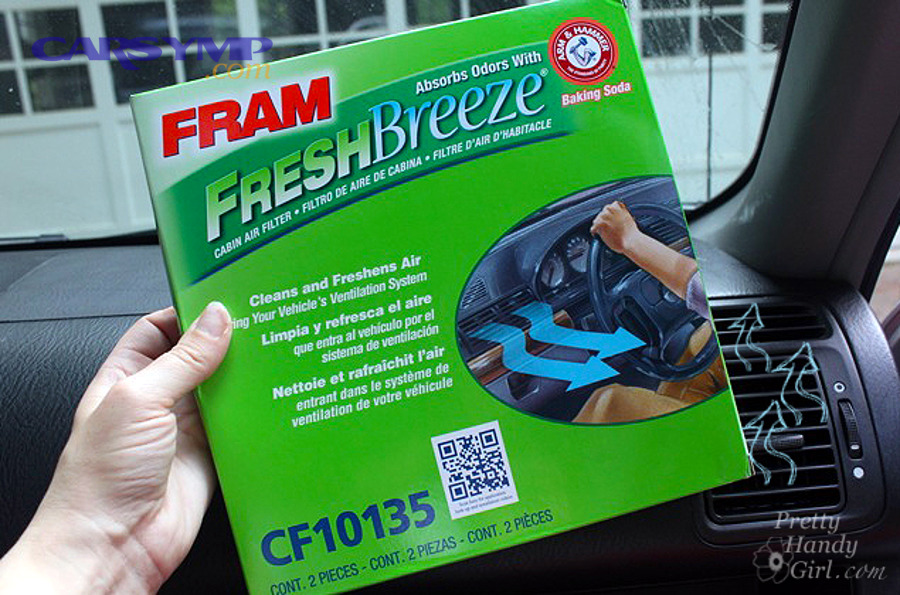
Confirm the part number for your exact year/make/model and ensure the filter seats fully without bending. A poor seal lets bypass air carry odor and debris around the filter, reducing both odor control and filtration performance.