


A musty odor from your car’s air conditioner almost always comes down to moisture + organic buildup somewhere in the HVAC airflow path, which turns “cold air” into a moving carrier for stale, damp-smelling compounds.
To get to the real root, you need to treat the smell like a symptom: when it happens, how it changes, and whether you’re dealing with mildew in vents or a deeper source that vents are only delivering.
Next, we’ll group the most common musty AC smell causes by where moisture hides—evaporator, drain, filter, ducts, or cabin—and show you what each cause typically feels (and smells) like in real driving.
To begin, let’s define what “musty” means in automotive HVAC terms and why it shows up so often right after you hit the A/C button.
What does a “musty AC smell” actually come from in a car?
A musty AC smell usually comes from microbial growth or damp organic residue that gets wetted and dried repeatedly, releasing odor compounds into the airflow as the system starts or stops.
To understand the causes, the key is recognizing that A/C systems are designed to remove water from air—so there will always be condensation, and that condensation has to be managed.

When warm cabin air hits the cold evaporator core, water condenses on the fins. That wet metal becomes a temporary “micro-environment” where dust, pollen, skin flakes, and traffic grime can stick. Over time, the wet/dry cycle can create a thin film—often described as biofilm—that holds onto moisture and feeds odor-producing microbes.
In practical terms, that’s why many drivers notice the smell strongest on startup, then it fades as the cabin air dilutes it or as the evaporator temperature stabilizes. Research on automobile evaporator malodor notes that musty/sour odors can be most noticeable when the A/C is first turned on and discusses wet/dry cycling and microorganisms as major contributors to episodic odor events.
There are also non-microbial “musty-like” sources—such as damp carpet, water intrusion, or a saturated cabin filter—where the smell is still moisture-driven but not necessarily tied to mold on the evaporator itself. That’s why you’ll get the fastest answer by grouping causes by where water can sit.
- Evaporator-side causes: biofilm, fungi/bacteria, trapped organic debris.
- Drainage causes: slow drain, blocked drain path, standing water in the case.
- Filtration/duct causes: wet cabin filter, mildew in vents, blower housing residue.
- Cabin causes: wet carpet, leaks, spill residue, humid storage conditions.
Why is the evaporator core the #1 source of musty odor?
Yes—most musty AC smells trace back to the evaporator core because it stays cold, wet, and dirty enough for microbes and residue to build a persistent odor reservoir.
Next, it helps to picture the evaporator as a “wet radiator” hidden in a dark plastic box, where airflow constantly deposits tiny nutrients onto damp fins.

Every time you run A/C in humid weather, water condenses and must drain away. If even a small amount remains, dust and organic particles can form a tacky layer that traps moisture longer than bare metal would. That extended dampness is what turns a normal condensation process into a smell problem.
One well-studied pattern is the wet-to-dry transition: when you shut the engine off, the evaporator warms, humidity spikes inside the case, and microbes can “bloom” in that warm damp period. Then, when you restart, the airflow strips volatile odor compounds off the surfaces and sends them straight into the cabin. Studies analyzing evaporator malodor identify odor-active compounds (including organic acids and aldehydes) and discuss how evaporator conditions can reproduce real-world odor characteristics.
Fungal colonization has also been documented on components inside vehicle A/C systems, including metal surfaces and moisture-absorbing materials, with findings of odor-producing fungi densely colonizing an evaporator removed due to odor complaints.
Key “root attributes” that make the evaporator a smell hotspot include:
- Repeated condensation (water source) + airborne debris (food source).
- Low light and limited drying inside the HVAC case.
- Surface area: fins and folds provide massive micro-shelter for biofilm.
- Temperature swings that encourage intermittent odor release.
If you’re reading articles titled How to clean evaporator core at home, that’s usually because the evaporator is the most common “true source,” even when the smell seems to come from the vents.
Can a clogged or slow A/C drain create a musty smell?
Yes—a clogged or slow drain can cause musty odor by leaving standing water in the HVAC case, which amplifies microbial growth and can push mildew in vents through the ducts.
Next, think of the drain as the system’s “odor safety valve”: if water can’t leave quickly, everything downstream smells worse.
Under normal operation, condensate drips off the evaporator and exits through a drain tube to the outside. When that pathway is restricted—by debris, algae-like slime, insect nests, or collapsed tubing—water pools in the bottom of the HVAC case. That pool becomes a perfect incubator for odor and a persistent humidity source that keeps the evaporator and ducts damp longer after shutdown.
Common “you can feel it” clues include:
- Musty smell after rain or after parking on a slope (water shifts inside the case).
- Foggy windows that take longer to clear when you run defrost.
- Wet passenger-side carpet (in some cars, overflow can enter the cabin).
- Little or no water drip under the car after running A/C on a humid day.
When people search phrases like AC drain line unclog to stop smell, they’re often describing this exact failure mode: odor isn’t only “on the coil,” it’s also in the trapped water and sludge that never got a chance to leave.
That’s also why “spray-and-pray” deodorizing can fail: if the drain is still slow, the smell reservoir remains wet, and the odor returns within days.
How does a wet or dirty cabin air filter cause musty odor?
A wet or dirty cabin air filter can create musty odor by trapping moisture and organic debris, turning the filter into a damp sponge that seeds the ducts with smell.
Next, remember that the cabin filter sits upstream of your vents—so whatever it holds can be re-aerosolized and spread.
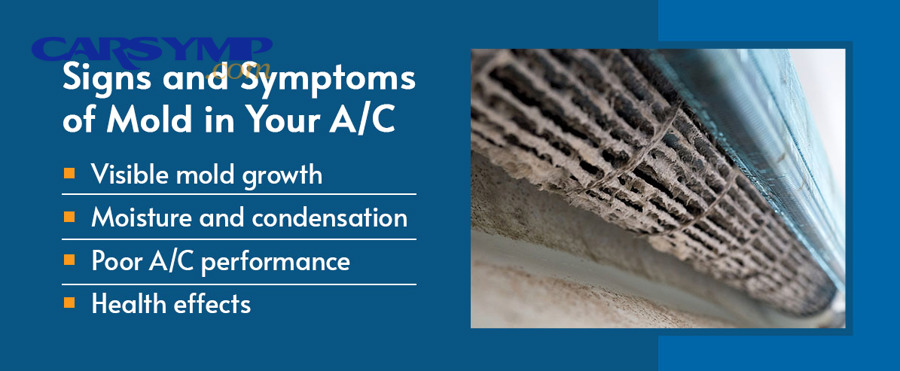
The cabin air filter’s job is to capture dust, soot, pollen, and fine particles before they enter the HVAC box. Over time, that captured material becomes “food.” If the filter gets wet—from high humidity, a leaking cowl seal, a clogged plenum drain, or condensation backflow—the trapped debris can smell earthy or moldy.
Two patterns are especially common:
- Musty smell at any fan speed, even with A/C off, because air still passes through the wet filter.
- Musty smell strongest on “fresh air” mode, because outside air can bring more moisture and leaf debris into the cowl intake area.
If the filter is activated carbon, it can reduce odors for a time, but once saturated or wet, it can also hold onto smell compounds longer. A simple visual inspection often reveals discoloration, leaf bits, or a damp “forest floor” odor when you sniff the filter element (outside the cabin).
Replacing a cabin filter is one of the fastest low-cost tests—because even if it isn’t the root cause, it can reduce symptom intensity and help isolate whether the odor is coming from deeper (evaporator/drain) sources.
What causes mildew in vents and ductwork specifically?
Mildew in vents happens when moisture lingers in ducts, vent outlets, or the blower housing long enough for residue and microbes to cling and release odor when airflow starts.
Next, treat vents as the “delivery end” of the HVAC system: they may not be the original source, but they can store smell and re-emit it.
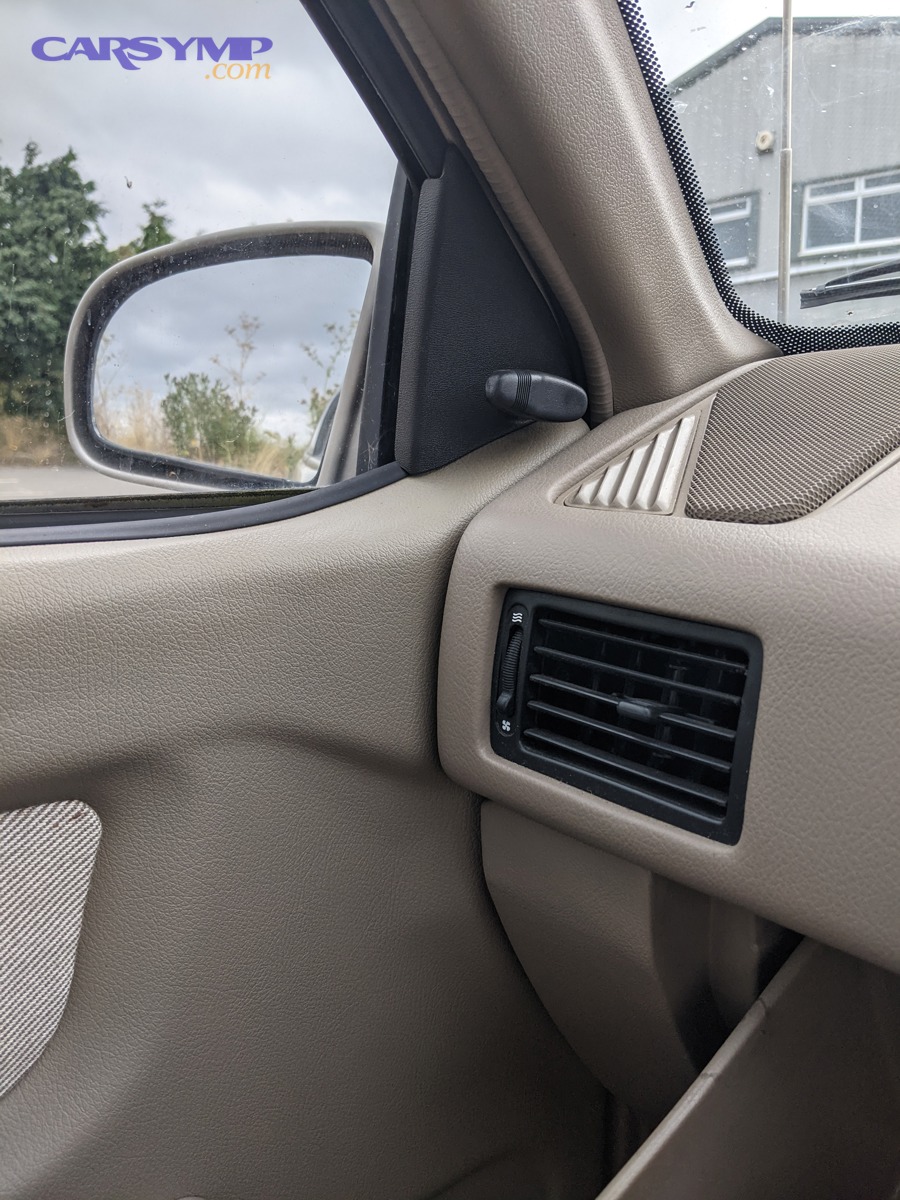
Even if the evaporator is the primary reservoir, the odor compounds and moisture can migrate into duct surfaces and vent louvers. Dust builds up on the plastic, and any time the system cycles from cold to warm, condensation can form in localized spots—especially near cold ducts running behind the dashboard.
Here’s how mildew in vents tends to develop in real life:
- Short trips where the system never fully dries after A/C use.
- High humidity climates where the evaporator and ducts stay damp longer.
- Recirculation-heavy driving that concentrates moisture and organic particles in the cabin loop.
- Dusty environments that accelerate residue buildup on vent surfaces.
That’s why drivers sometimes report: “I cleaned the cabin filter and sprayed the vents, but the smell comes back.” If the deeper moisture reservoir remains (evaporator case or drain), the ducts get “re-inoculated.” Conversely, if the root is fixed but vent outlets still smell, you may need a more thorough duct cleaning approach to remove residual film.
When you see advice labeled AC bad smell fix, the most effective versions usually combine: filter replacement, moisture management (dry-out), and targeted cleaning of the evaporator/duct area—rather than vent perfume alone.
Why does the smell show up only when the A/C first turns on?
A startup-only musty smell usually means the evaporator case gets damp during shutdown, then releases a burst of odor when airflow resumes.
Next, use timing as a diagnostic tool, because the “when” often points to the “where.”
Startup smell is strongly linked to wet/dry transitions. During driving, the evaporator is cold and continuously condensing water. When you park, airflow stops, temperatures equalize, and humidity inside the HVAC case can remain high. Microbes and residue continue to off-gas, but you don’t notice it until the next time you push air through the box.
In the research literature on evaporator malodor, the wet/dry surface condition is repeatedly discussed as an important trigger for odor events, and microorganisms are frequently implicated in persistent complaints.
To translate that into practical diagnosis, compare these two scenarios:
- Smell lasts 10–60 seconds, then fades: commonly evaporator-case odor burst.
- Smell persists for minutes and changes with fan speed: more likely filter/duct/cabin moisture or drain-related standing water.
People often describe this odor in different “flavors,” including sour or sock-like notes. You’ll see phrases like Why AC smells like vinegar or socks because organic acids and microbial byproducts can produce that sharp, tangy edge—not just a neutral “damp” smell.
Could the odor be coming from the cabin, not the HVAC system?
Yes—water intrusion in the cabin can mimic musty AC smell because the HVAC airflow picks up odors from damp carpet, insulation, or seat foam and distributes them.
Next, you can separate cabin sources from HVAC sources by checking whether the smell exists with A/C off and windows cracked.
Cabin moisture problems are more common than many drivers expect—especially after heavy rain, clogged sunroof drains, door seal leaks, or windshield reseal work. When carpet underlay stays wet, it can smell “basement-like,” and the HVAC system acts like a fan that spreads the odor evenly.
High-yield cabin checks include:
- Lift floor mats and press the carpet: any cool dampness is a red flag.
- Check trunk/spare tire well: standing water there can travel forward as odor.
- Sniff the cabin filter area: cowl leaks can wet the filter and the blower intake.
- Look for window fogging even on mild days: persistent cabin humidity often does this.
If the musty smell increases during turns, braking, or when parked on an incline, that can indicate water moving somewhere it shouldn’t—either in the HVAC case (drain issue) or in the cabin/trunk (intrusion issue).
This is a crucial “contextual pivot” because it prevents wasted cleaning: you can sanitize an evaporator repeatedly, but if carpet underlay is wet, the smell will keep returning as long as moisture remains.
Which symptoms help you pinpoint the exact cause fastest?
You can usually pinpoint the cause by combining timing, mode (recirc vs fresh), and where the smell is strongest, then mapping that pattern to the most likely moisture pocket.
Next, use a simple symptom-to-cause grid to stop guessing and start testing one variable at a time.
This table helps you match what you notice to the most likely root, so you can prioritize the lowest-effort checks first.
| What you notice | Most likely cause | Why it fits | Best first test |
|---|---|---|---|
| Smell is strongest for 10–60 seconds at startup | Evaporator case biofilm | Wet/dry cycle releases odor burst on airflow restart | Dry-out habit test + evaporator-focused cleaning approach |
| Smell persists even with A/C off (fan only) | Wet/dirty cabin filter or duct residue | Air still passes through filter/ducts | Replace cabin filter; inspect for moisture/leaves |
| Little/no water dripping under car after A/C use | Drain restriction or standing water | Condensate not exiting properly | Drain check; look for wet carpet near HVAC case |
| Smell worsens after rain, damp weather, or car wash | Cabin intrusion or cowl leak wetting filter | External water increases interior moisture reservoirs | Check cowl area, sunroof drains, carpet underlay |
| Smell is strongest from one vent or side | Localized mildew in vents or duct section | Uneven residue buildup or duct moisture pocket | Inspect vent outlets; compare left/right airflow odor |
If you’re troubleshooting a smell that seems “sharp” rather than earthy, keep in mind that odor profiles can vary with the dominant compounds and microbes present; that’s why drivers describe everything from damp basement to sour socks.
When is a musty AC smell a health concern, and when should you get help?
A musty smell can be a health concern if it triggers coughing, wheezing, headaches, or allergy flares, or if you see persistent moisture evidence that suggests heavy microbial growth.
Next, the practical goal is not panic—it’s deciding whether you can manage it with maintenance or need professional diagnosis.

Most vehicle HVAC odors are nuisance-level, but the combination of moisture + microbial colonization is real, and some occupants are more sensitive than others. Research discussing fungal colonization in vehicle A/C systems notes that odor-producing fungi can amplify within the system under suitable moisture conditions.
Consider getting professional help if you have any of these “rare but important” signals:
- Persistent wet carpet you can’t dry, or recurring water pooling in the cabin/trunk.
- Strong odor that doesn’t fade after several minutes of operation.
- Visible mold around vent outlets or on cabin filter housing.
- Respiratory symptoms that correlate with HVAC use.
- Electrical or blower noise issues suggesting the HVAC case is contaminated or water-damaged.
In many cases, diagnosis is about confirming the moisture pathway (drain/cowl/cabin) and then cleaning or replacing the contaminated components. If the root moisture issue remains, any cleaning is temporary.
Contextual border: Up to this point, we’ve focused on causes and diagnosis. Next, we’ll shift into the micro-level prevention moves that keep the system fresh (the antonym of musty) even in humid driving—without turning this into a full repair manual.
How do you prevent musty odor from returning long-term?
You prevent musty odor long-term by reducing moisture retention, keeping filtration clean, and breaking the wet/dry odor cycle with simple habits and targeted maintenance.
Next, the best plan is layered: a daily drying habit, a filter schedule, and a moisture-path check that prevents standing water.
Dry the evaporator after driving in humid conditions
Run the fan for a short period with A/C off near the end of a trip to help evaporator surfaces dry faster, reducing the moisture window that odor-causing microbes prefer.
Next, this works best after short commutes, because short trips are where the system shuts down wet most often.
- In the last 1–3 minutes of driving, switch A/C off but keep the fan on.
- If your car has an “auto dry” feature, enable it and let it run.
- Use fresh air mode occasionally to avoid concentrating humidity in recirc-only loops.
Keep the cabin filter and cowl intake area clean and dry
A clean, dry cabin filter blocks odor “food” from reaching the evaporator and prevents the filter itself from becoming a musty sponge.
Next, if your area has lots of leaves or heavy rain, cowl maintenance matters as much as filter replacement.
- Replace the cabin filter on schedule or sooner if it smells damp.
- Clear leaf debris from the cowl intake to reduce organic load.
- Watch for signs of cowl leaks that wet the filter housing.
Make sure condensate drains freely
Free drainage prevents standing water, which is one of the strongest accelerators for persistent odor and mildew in vents.
Next, a quick reality check is simply confirming you see water dripping under the car after A/C use on humid days.
- After 10–15 minutes of A/C in humid weather, look for water dripping under the car.
- If none appears and you suspect restriction, have the drain path inspected safely.
- If you’ve been searching AC drain line unclog to stop smell, treat the drain as part of the root cause, not an afterthought.
Use targeted cleaning instead of masking fragrances
Targeted cleaning focuses on the evaporator case and ducts so odor reservoirs are removed instead of covered up, which is why it tends to last longer than vent perfumes.
Next, if you’re following guides like How to clean evaporator core at home, prioritize safety and avoid saturating electronics or leaving residues behind.
Many drivers start with an “AC bad smell fix” spray, but the lasting results come when cleaning is paired with drying and drainage verification. If the odor profile is sour or sock-like, remember that different compounds and microbes can shift the smell character—hence the common searches about Why AC smells like vinegar or socks—so the best prevention is always moisture control plus cleanliness, not scent masking.
FAQ
Is mildew in vents always the real cause?
No—mildew in vents is often the visible/noticeable endpoint, while the evaporator case or standing water is the true reservoir; vents can hold residue, but they frequently get re-contaminated if the deeper moisture source remains.
Why does the smell disappear after a minute of driving?
Because the initial airflow flushes a concentrated pocket of odor from the evaporator case and ducts; once diluted with cabin air and stabilized temperatures, the odor intensity drops even if the underlying residue still exists.
Can running heat remove the smell?
Sometimes temporarily—warm air can reduce surface moisture and change odor volatility, but if residue and trapped water remain, the musty smell often returns once the A/C creates condensation again.
What’s the fastest “first step” that isn’t guesswork?
Replace the cabin air filter and confirm condensate drainage, because those steps are low-cost, high-signal tests that can quickly tell you whether the odor is filter/duct-driven or pointing deeper to evaporator/drain issues.