


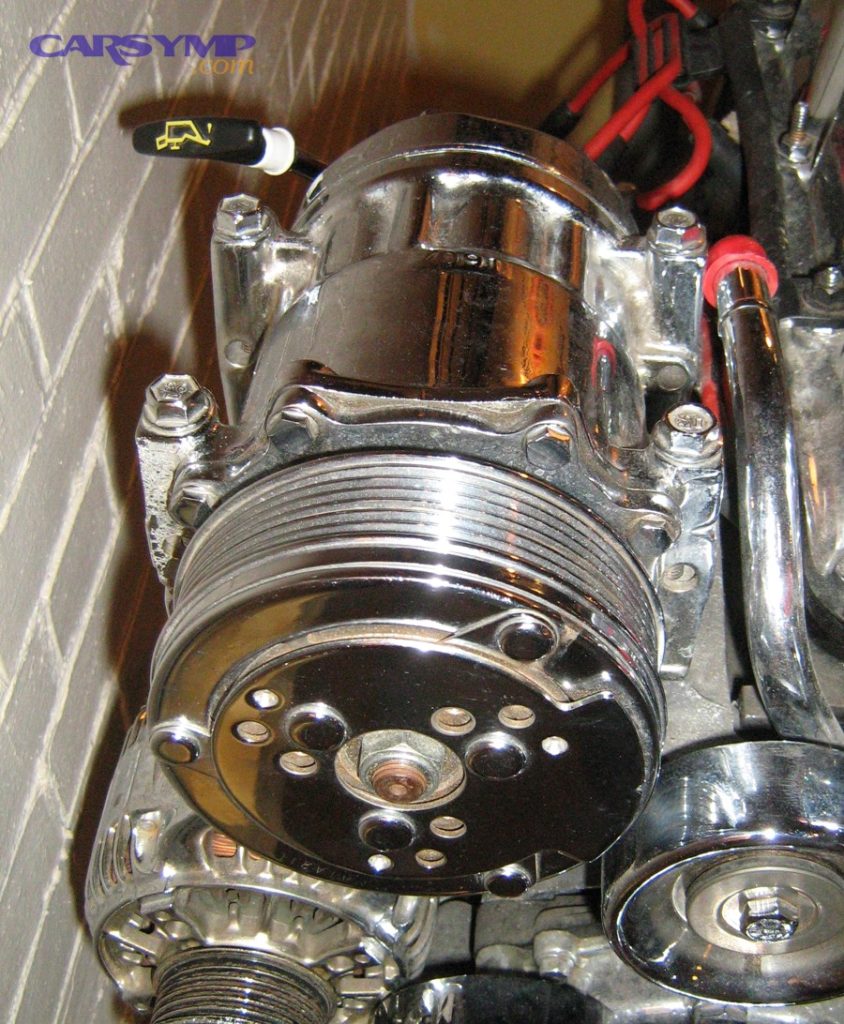
New compressors win on “unknowns” because every internal surface, seal, and wear interface starts fresh from one production batch; remanufactured units win on value because most of the expensive metal mass is reused and restored to spec.
Beyond price, the decision is really about risk management: quality control depth, warranty strength, how contaminated your A/C system is, and how costly it would be to pay labor twice.
To choose confidently, you need a practical comparison by failure mode (noise, leakage, clutch drag, debris), not marketing terms—because “reman” can mean very different processes depending on the rebuilder.
Giới thiệu ý mới: below are the exact checkpoints and decision rules that mechanics use to pick the right option for a given vehicle and timeline.
What is the real difference between a new and a remanufactured A/C compressor?
A new unit is factory-built from all-new parts, while a reman unit is a used “core” fully disassembled, cleaned, measured, reconditioned, and reassembled to meet a target specification. Tiếp theo, that definition matters because the rebuild steps determine reliability more than the label itself.
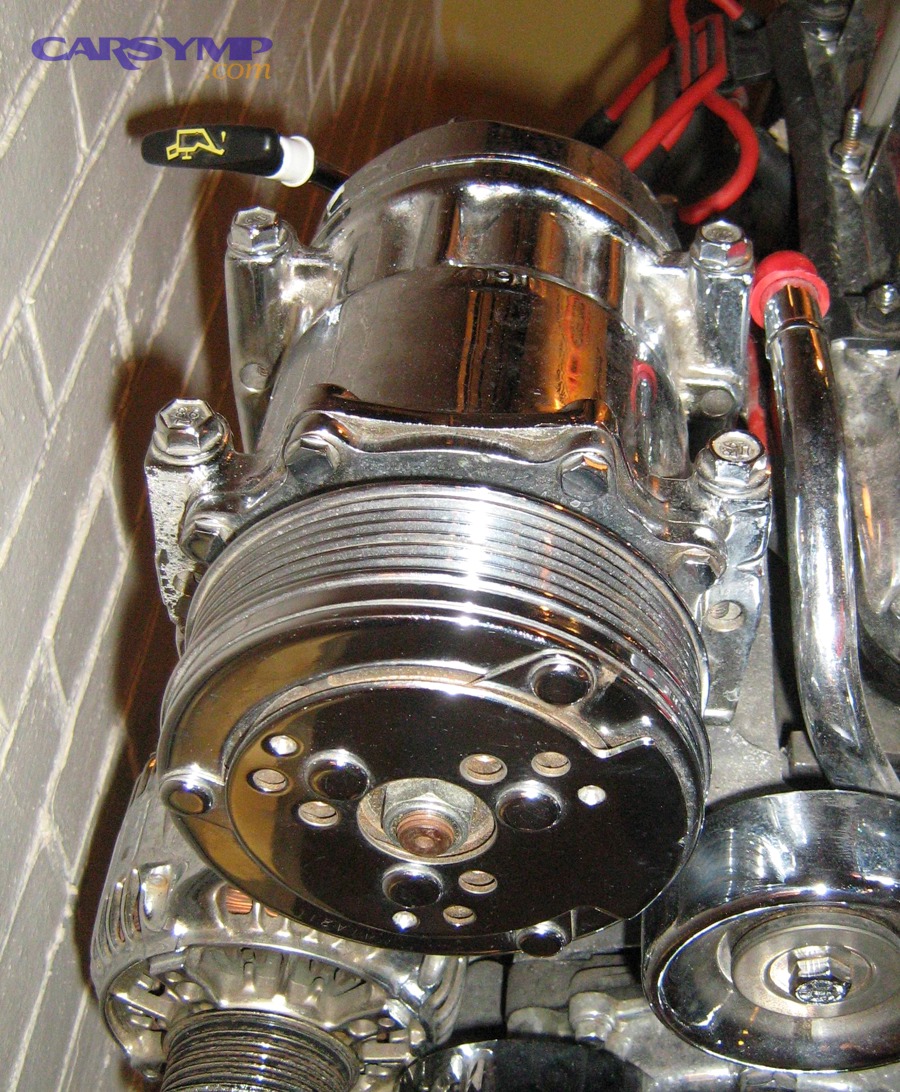
In real terms, both types are trying to deliver the same outputs: stable displacement, tight internal sealing, correct oil control, and clutch engagement that doesn’t slip or drag. The divergence is upstream—how consistent the component set is and how much variation the builder must manage. A factory line controls material lots, machining tolerances, and cleanliness from day one; a reman line starts with unknown wear patterns, possible overheating history, and contamination that may be invisible until teardown.
That’s why the most important question isn’t “new vs reman” but “to what standard, and with what inspection gates?” A high-quality reman process includes: full teardown, chemical/ultrasonic cleaning, measurement of bores and shafts, replacement of seals and wear parts, re-machining when needed, and end-of-line pressure/leak and performance testing. A weaker process may swap only obvious failures and skip the hard measurement work—leading to early leaks, bearing noise, or poor pumping under heat load.
From a resource perspective, remanufacturing can preserve a large portion of the embodied energy in the original product rather than recreating the entire metal housing and internals from raw materials.
Which option is more reliable in the real world?
New is usually more consistent, while reman reliability depends heavily on the rebuilder’s process controls, parts replacement policy, and testing rigor. Tuy nhiên, “more consistent” doesn’t mean “never fails,” and “reman” doesn’t mean “short-lived” if the process is strict.
Reliability is best understood by how compressors fail:
- Seal leakage: Shaft seals and case O-rings harden with heat cycles. A new compressor starts with fresh elastomers; a reman should replace seals as a baseline, not “as-needed.” If seals are skipped or installed poorly, you’ll lose refrigerant and oil, accelerating failure.
- Bearing or wobble plate wear: Noise that grows with RPM often points to bearing wear or internal scoring. New avoids prior-life fatigue; reman must measure and reject/replace any questionable rotating parts.
- Debris-induced scoring: If the previous compressor failed catastrophically, metal and varnish can circulate and damage the replacement quickly. This can kill both new and reman—system cleanliness becomes the deciding factor.
- Clutch/coil issues (where applicable): Some compressors allow clutch service; others are integrated. Reman may replace clutch components, but the quality varies.
Here’s the useful takeaway: pick “new” when you need the highest probability of a long first run; pick “reman” when the rebuilder is reputable and you can verify what was replaced and how it was tested. The difference is not philosophical—it’s statistical risk.
The broader remanufacturing literature also shows the nuance: energy and value savings are real, but outcomes vary by product category and by how much performance can degrade versus new. Theo nghiên cứu của Massachusetts Institute of Technology từ nhóm nghiên cứu về life-cycle energy, vào 4/2011, phân tích 25 case studies cho thấy có trường hợp reman tiết kiệm năng lượng rõ rệt, có trường hợp không, và nhiều trường hợp “sát nút” tùy hiệu suất sử dụng và độ suy giảm theo thời gian.
How do warranties usually differ, and why should you care?
New compressors commonly come with longer warranty ranges, while reman units often have shorter coverage unless sold under a strong retail program. Cụ thể, warranty matters because labor and refrigerant handling are the expensive parts—parts coverage alone doesn’t protect you from paying the job twice.
In practice, you should evaluate warranty in four layers:
- Coverage length: Typical ranges cited by large retailers put new compressors around 1–3 years and reman around 6–12 months, with occasional limited-lifetime programs depending on brand and part line.
- Conditions: Many warranties require proof of receiver-drier/accumulator replacement, system flush (when applicable), and correct oil charge. If you skip the “supporting parts,” warranty may be denied.
- Labor reimbursement: Most parts warranties do not pay your labor. If you’re paying shop rates, a longer and clearer warranty can reduce your financial risk even if the part costs more.
- Return friction: A “simple swap” warranty is very different from a warranty that requires teardown reports, flush documentation, and multiple inspections.
So the best buyer mindset is: don’t compare warranty length alone—compare the documentation burden and the probability you can actually claim it without a fight.
Is reman always cheaper once labor is included?
Reman is often cheaper on the part price, but labor parity can erase the savings if a lower-quality unit causes a redo. Trong khi đó, if the reman unit is reputable, the total cost can still be the best value because the install cost doesn’t change.
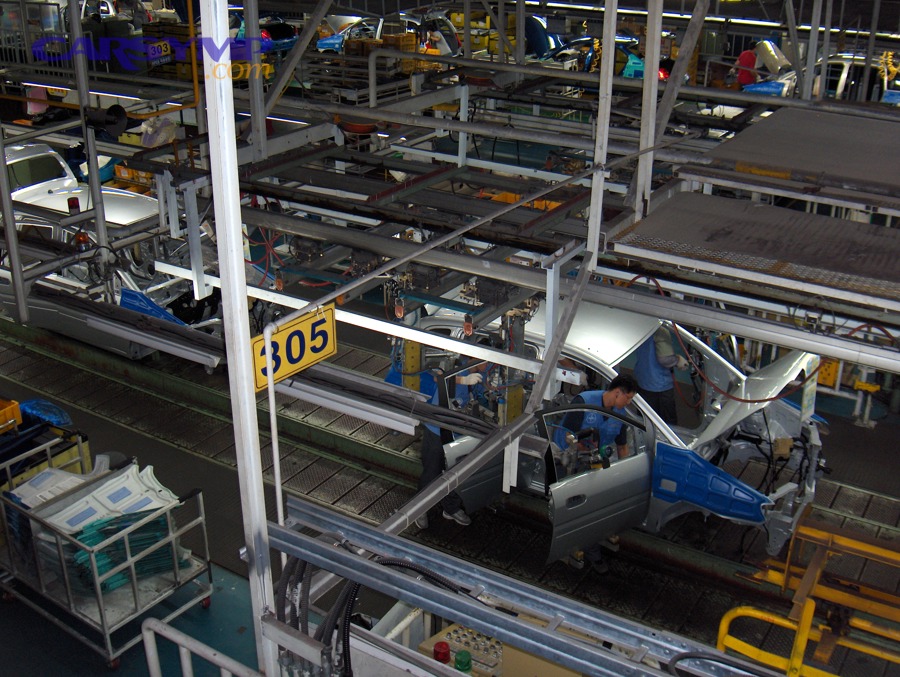
Most shoppers focus on the sticker price difference; the smarter approach is to treat the compressor as a “risk-weighted purchase.” Large retail guidance commonly cites reman saving roughly 25–50% versus new on the part itself.
Now fold in the real-world costs that stay the same either way: evacuation, component replacement around the compressor, leak testing, and recharge. Some consumer-facing guidance also puts labor for the job in a wide band (hundreds to over a thousand dollars, depending on vehicle access and shop rates).
Here is the practical formula mechanics use:
- If redo risk is low (clean system, mild failure, trusted reman), reman’s savings usually hold.
- If redo risk is high (black death, unknown contamination, hard-to-access compressor), new is often cheaper in the long run even if the part costs more.
To connect this to planning: you can estimate AC compressor replacement labor time by looking at access complexity (front-end removal, turbo plumbing, subframe drops). When time balloons, paying for “one-and-done” reliability becomes more valuable than saving on the part.
When is a remanufactured compressor the smarter choice?
Yes—reman is a strong choice when you need functional cooling fast, your budget is tight, and you can buy from a rebuilder with traceable testing and a meaningful warranty. Ngoài ra, it can be especially sensible when the vehicle’s remaining life or ownership horizon is short.
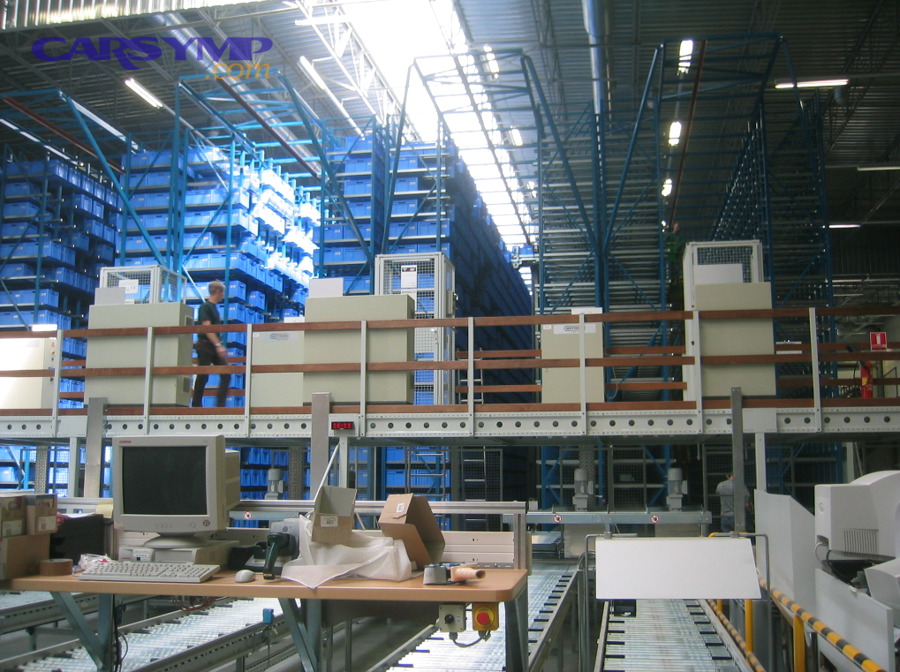
Use reman as the “value move” in these scenarios:
- Older vehicle, limited ownership horizon: If you expect to sell within 1–2 years, paying the premium for new may not return value.
- System failure was mild: A weak clutch, a slow leak, or a noisy bearing caught early typically leaves less debris in the system than a full internal grenade.
- Trusted reman source: You can confirm the unit is fully tested (pressure/leak and functional tests) and the seller stands behind it.
- Availability constraints: Some new units are backordered; a high-quality reman can restore function quickly.
Reman also has a broader sustainability story: many sources estimate remanufacturing can conserve a large fraction of the energy required to build a brand-new complex product by avoiding full material extraction and primary manufacturing.
When is buying a new compressor the safer long-term play?
New is usually the safer choice when you’re keeping the car for years, the job is labor-heavy, or the system has a history of contamination that can punish any borderline unit. Đặc biệt, new is favored when you want maximum consistency and the strongest warranty position.
Choose new when any of the following are true:
- You plan to keep the vehicle long-term: A higher probability of a long first service life is worth paying for.
- Access is difficult: On some platforms, compressor replacement involves bumper removal, evacuating coolant circuits, or dropping subframes. If labor is expensive, you want to minimize redo probability.
- Prior failure was catastrophic: If the old compressor seized, shredded, or produced metallic glitter in the oil, the system may be compromised and unforgiving.
- You need maximum “warranty defensibility”: If the shop or insurer scrutinizes parts choice, new can be easier to justify.
Even consumer-facing repair guidance warns that compressor jobs require proper refrigerant recovery and careful process; the part you choose should match that level of seriousness.
What quality checks should you demand before buying reman?
You should demand a process story: what was replaced by default, what was measured, and what end-of-line tests were performed. Để bắt đầu, treat reman compressors like “aircraft parts”—the rebuild is only as good as the inspection gates.
Use this checklist and don’t apologize for asking:
- Core grading and reject policy: Do they reject overheated or heavily scored cores, or do they “make it work”?
- Full teardown + cleaning: Ask if the unit is completely disassembled and chemically/ultrasonically cleaned, not just externally washed.
- Hard measurements: Do they measure shaft runout, bore wear, and sealing surfaces with gauges, or only do visual inspection?
- Wear parts replaced by default: Seals, O-rings, gaskets, and critical wear interfaces should be replaced systematically, not only when obviously broken.
- Oil control and correct pre-fill: Incorrect oil type or quantity can kill a compressor quickly; you want clarity on what’s inside and what you must add or drain.
- Pressure/leak and performance testing: At minimum, a leak test under pressure and a functional test that simulates operating conditions.
If a seller can’t answer these questions, you’re not buying “reman”—you’re gambling on “used with cosmetics.”
How do system contamination and “supporting parts” change the decision?
Contamination is the multiplier that can turn a good compressor into a fast failure, regardless of whether it’s new or reman. Quan trọng hơn, the decision should be based on what’s in your lines and condenser, not just what’s on the invoice.
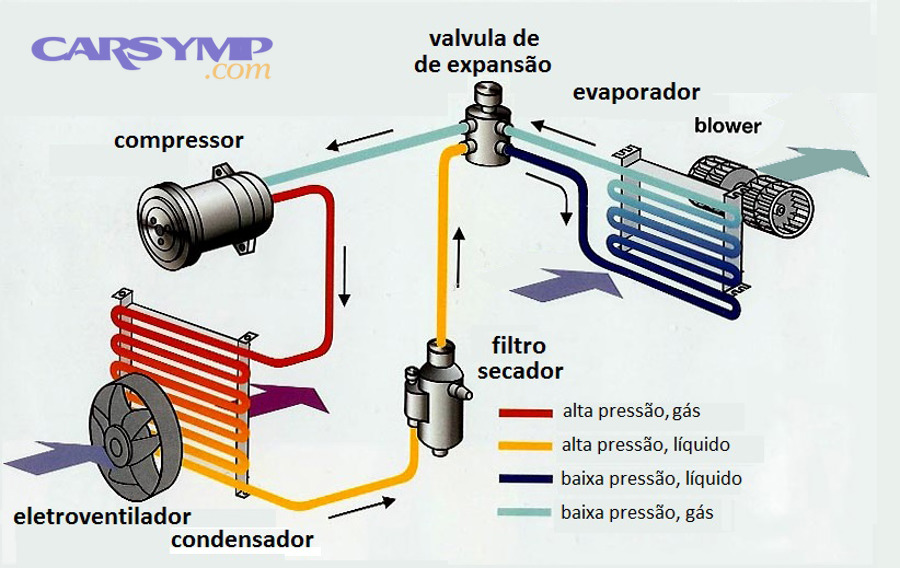
Think of A/C systems as closed loops where debris circulates until it’s trapped or it destroys something. If the old compressor failed internally, you can have:
- Metal particles that score new surfaces and clog metering devices.
- Burnt oil/varnish that reduces lubrication and causes sticky valves.
- Moisture and acids that attack seals and internal coatings.
That’s why most professional guidance around AC compressor replacement includes replacing the receiver-drier/accumulator (desiccant gets saturated), often the expansion device (debris trap), and addressing flushability of the condenser (many modern condensers are hard to flush effectively).
If you skip the supporting parts and cleanup, you’re effectively testing the new compressor against the worst possible conditions. In that scenario, spending more for “new” doesn’t fully buy safety—process does.
Is driving with a seized compressor ever safe?
Sometimes yes, often no—because a seized compressor can stall the belt drive, shred the belt, or overheat adjacent pulleys, which can create a bigger roadside failure. Bên cạnh đó, the risk depends on whether the compressor is clutch-driven and disengageable on your specific setup.
Here’s the practical breakdown:
- If the clutch can fully disengage and the pulley spins freely: The system may be drivable (you’ll just have no A/C), but you still risk bearing failure at the pulley.
- If the pulley/bearing is failing: You may hear grinding or smell belt rubber; driving can end with a snapped belt.
- If the compressor is seized and locked to the belt path: Continuing to drive can strand you and potentially take out the serpentine belt that also runs alternator/water pump.
This is why the consumer question “Can you drive with a seized compressor” should never be answered with a blanket yes/no; it’s a belt-system safety question first, and an A/C comfort question second.
How can you reduce repeat failures after installation?
Use a “system-first” install: correct oil balance, clean flow path, verified vacuum hold, and leak-tested charge—these steps matter more than arguing new vs reman. Hơn nữa, doing it right once protects you from the most common “new compressor failed in 2 weeks” story.
Follow a disciplined sequence:
- Confirm failure mode: Don’t replace the compressor if the real issue is a control valve, clutch circuit, or low charge from a leak elsewhere.
- Restore system hygiene: Replace receiver-drier/accumulator and address the metering device when debris risk is present.
- Oil discipline: Match oil type and total quantity to the vehicle spec; don’t “wing it.” Balance oil across components if the system design requires it.
- Evacuate properly: Pull vacuum long enough, verify it holds, and only then charge by spec. Skipping evacuation invites moisture and non-condensables that degrade performance and durability.
- Leak test and performance verify: Confirm pressures and vent temps across operating conditions.
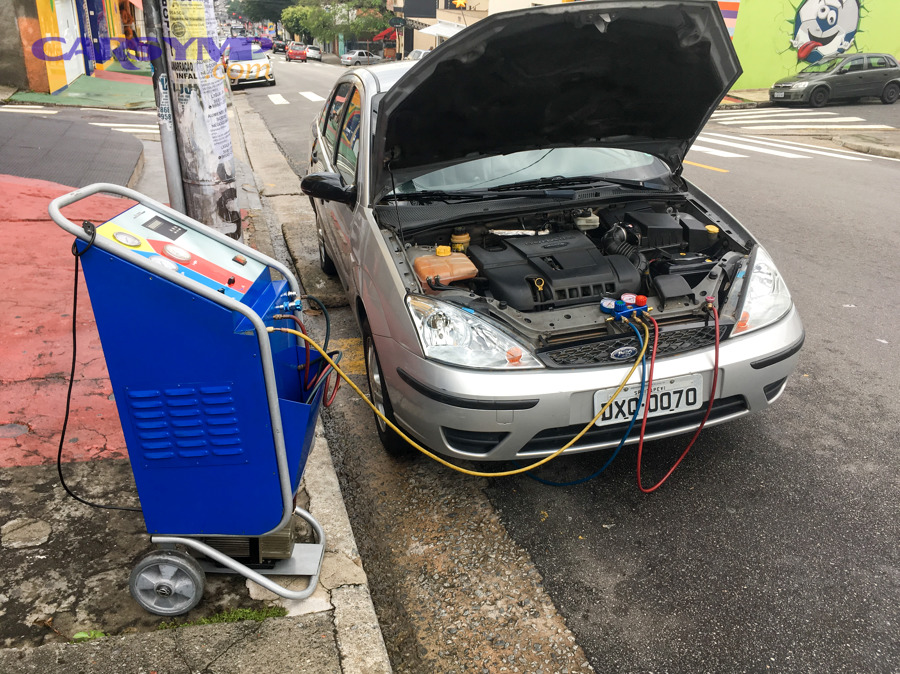
To see what “proper evacuation and recharge” looks like in practice, this remanufacturing-focused walkthrough helps connect the rebuild decision to installation discipline:
Rebuilt vs remanufactured vs used: the terms that mislead buyers
These labels are not synonyms, and confusing them is one of the fastest ways to overpay or under-protect yourself. Tóm lại, treat “reman” as a process claim that must be verified, not a marketing adjective.
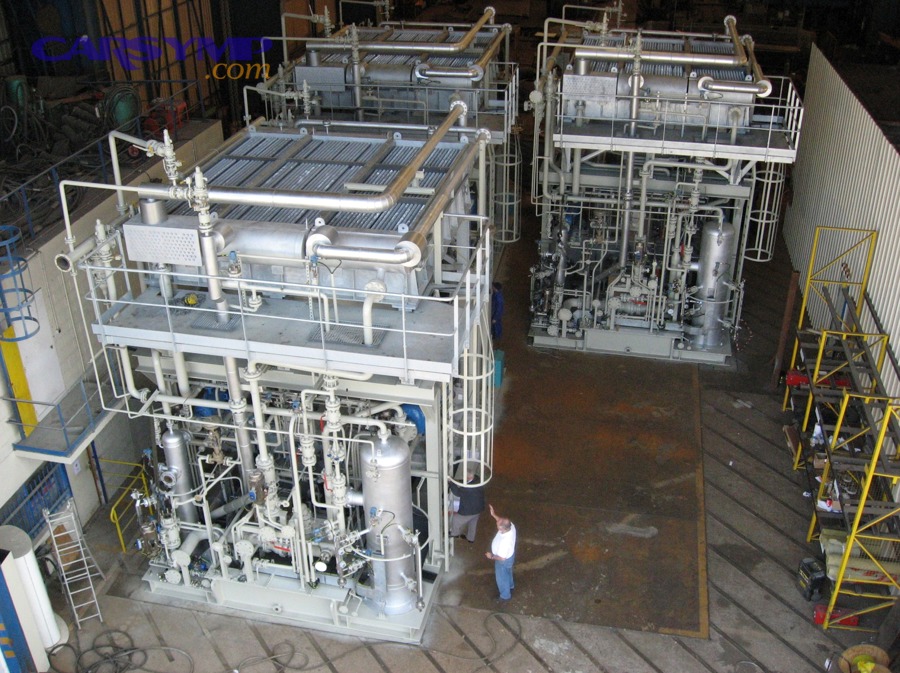
Rebuilt vs remanufactured: what’s the practical difference?
In many markets, “rebuilt” can mean “fixed the obvious failure,” while “remanufactured” implies a fuller teardown, measurement, and replacement to a defined spec. That distinction matters because hidden wear (runout, micro-scoring, seal surface damage) is exactly what causes early repeat failure.
Used vs reman: why “tested used” is still a gamble
A used compressor may spin and cool today, but you’re buying unknown history—overheating, oil starvation, moisture exposure—and you rarely get meaningful assurance on internal wear. If the labor to replace it is significant, “used” is often the worst risk-adjusted option.
OEM new vs aftermarket new: not all “new” is equal
“New” can be OEM, OEM-equivalent, or budget aftermarket. The most important difference is consistency: machining tolerances, coating quality, oil control, and quality gates. If you choose aftermarket new, prioritize brands that publish test standards and provide robust warranty support.
Core charges and why they exist
Reman programs often require a core return because the old unit becomes raw material for the next rebuild cycle. This is not a “fee to annoy you”—it’s how the reman supply chain stays viable and how rebuilders avoid running out of usable housings.
FAQ
Does remanufacturing always save energy and emissions compared to new?
Not always; it depends on product category, use-phase efficiency differences, and how much performance changes over time. Theo nghiên cứu của Massachusetts Institute of Technology từ nhóm nghiên cứu về life-cycle energy, vào 4/2011, nhiều trường hợp reman tiết kiệm năng lượng rõ rệt nhưng cũng có trường hợp không tiết kiệm khi chênh lệch hiệu suất sử dụng lấn át lợi ích sản xuất.
How big is the typical price gap between new and reman compressors?
Consumer retail guidance commonly reports that choosing reman can save roughly 25–50% on the part price versus new, but the best value depends on avoiding a repeat labor event.
If the system is contaminated, should I automatically buy new?
Contamination raises failure risk for both options; new can help reduce variability, but cleanup and supporting-part replacement are the real protectors. If debris risk is high and labor is expensive, new plus strict system hygiene is often the safest package.
What’s the single best “buyer rule” for choosing between new and reman?
Pick new when you’re paying for expensive access or long-term ownership; pick reman when you can verify a strict rebuild-and-test process and the warranty terms are clear enough to protect you from a costly redo.