


Legal and safety rules for refrigerant handling exist to prevent emissions, protect people from injury, and reduce fires or toxic byproducts—so compliance is both a legal duty and a practical survival skill on the job.
Many violations happen unintentionally: wrong fittings, mixed refrigerants, missing records, or “quick” release practices that are prohibited under Clean Air Act requirements and related regulations.
Safety rules are equally strict because refrigerants can displace oxygen, freeze tissue on contact, and—depending on the chemistry—burn, decompose into corrosive gases, or rupture cylinders under heat.
To connect compliance with day-to-day work, the sections below translate the rules into field decisions—from who can buy refrigerant to how you recover, label, transport, and respond when something goes wrong. After that, we’ll draw a contextual border and expand into newer refrigerants and modern shop realities without losing legal clarity.
Which laws and standards actually govern refrigerant handling in real workplaces?
The governing framework is a layered system: federal environmental rules set the minimum legal floor, while occupational safety rules, fire codes, and technical standards specify how you prevent injury and property damage in practice. Next, it helps to map which rules attach to your equipment type and refrigerant category before you touch a valve.
How do Clean Air Act rules apply to stationary HVAC/R and shop practices?
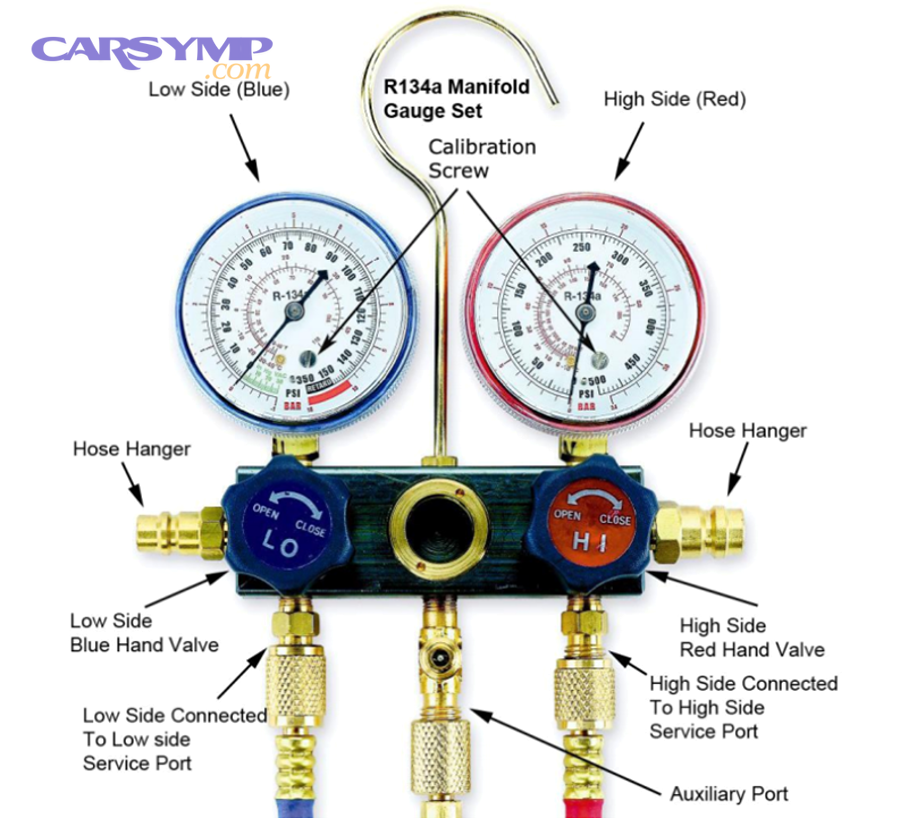
For stationary refrigeration and air-conditioning work, the core legal idea is simple: you must not intentionally vent regulated refrigerants, and you must use proper recovery practices and equipment when servicing or disposing of systems. After that baseline, the details—certification, recordkeeping, leak repair triggers, and allowable release exceptions—control what “proper” means on the job.
In the U.S., the EPA’s Section 608 program is the central compliance backbone for stationary systems, while specific implementing regulations define prohibited acts, technician requirements, and service practices. In many jurisdictions, state or local rules can add stricter rules (for example, record retention, leak inspections, or refrigerant management plans), so your compliance mindset should assume “federal minimum + local overlay.”
For a shop owner, the “law” is not only the technician’s behavior—it also includes purchasing controls, storage practices, employee training, and documentation readiness if inspected.
What changes when the work is on motor vehicle A/C instead of building HVAC?
Motor vehicle air conditioning (MVAC) is commonly governed by a different certification track and service expectations, especially around fittings, labeling, and equipment designed for automotive systems. Next, the practical takeaway is to avoid cross-using tools and cylinders across refrigerant families because MVAC work is where misidentification and cross-contamination often begin.
In the U.S., Section 609 certification is typically associated with MVAC service, while Section 608 applies broadly to stationary refrigeration and air-conditioning. The distinction matters for training scope and purchasing eligibility, and it matters operationally because newer MVAC refrigerants include mildly flammable options that require additional controls.
Why do safety standards (like ASHRAE classifications) matter even when they aren’t “laws”?
Safety standards matter because codes and regulations frequently reference them, and because they define hazard classes that inform everything from ventilation to allowable charge sizes and emergency planning. Next, once you know a refrigerant’s toxicity/flammability class, you can choose the correct controls rather than guessing.
For example, the ASHRAE safety classification system organizes refrigerants by toxicity (A/B) and flammability (1/2/2L/3). “2L” is especially important for modern transitions, because it captures mildly flammable refrigerants that burn slowly but still require ignition control and proper servicing discipline.
Theo nghiên cứu của ASHRAE Technical Resources từ FACTSHEET 1 (Update on New Refrigerants Designations and Safety Classifications), vào November 2022, hệ thống phân loại an toàn đã nhấn mạnh nhóm A2L cho các môi chất lạnh có độc tính thấp nhưng có tính cháy nhẹ và vận tốc cháy thấp—đây là lý do tiêu chuẩn an toàn được dùng để thiết kế biện pháp bảo vệ con người và tài sản.
Is it ever legal to vent refrigerant, or is venting always prohibited?
Intentional venting is generally prohibited for regulated refrigerants; the narrow “legal” releases are limited exceptions tied to specific conditions, not convenience. Next, separating “prohibited venting” from “allowed de minimis release” prevents the most common (and expensive) compliance mistakes.
What counts as “intentional venting” in enforcement terms?
Intentional venting is releasing refrigerant to the atmosphere on purpose during maintenance, service, repair, or disposal instead of using recovery methods and appropriate equipment. Next, the key compliance test is your decision-making: did you choose an approved method to avoid emissions, or did you treat release as part of the workflow?
Common examples that are treated as intentional venting include cracking hoses to “bleed” pressure, dumping remaining charge before replacing components, and using non-recovery shortcuts to save time. Even if the released amount feels small, it can still be a violation when it is deliberate and avoidable.
What are the legitimate “exceptions” people misunderstand?
Exceptions are narrow and typically relate to unavoidable releases that occur while using proper practices, equipment, and care—not a free pass to release refrigerant. Next, the safest operational approach is to treat any release as “suspect” unless you can clearly justify it as incidental to compliant procedures.
Examples of misunderstood scenarios include: minimal residual loss when disconnecting properly shut service fittings after recovery, releases associated with specific exempted substitutes (where applicable), or situations where regulations explicitly allow certain emissions under defined conditions. These are not blanket permissions; they depend on using compliant procedures and still minimizing emissions.
How do penalties and enforcement reality change the risk profile?
Penalties matter because environmental violations can trigger civil monetary penalties, corrective actions, and reputational damage—often far exceeding the cost of proper recovery equipment and training. Next, if you run a business, you should treat compliance as a cost-control strategy rather than a paperwork burden.
In the U.S., statutory civil monetary penalty levels are updated for inflation and can be assessed per violation and per day depending on the statute and circumstances. Even without quoting a single “headline” number, the real-world point is consistent: an avoidable release can become the most expensive “shortcut” your team ever takes.
What certifications, purchasing limits, and documentation do technicians and shops need?
You need the right certification for the category of work you perform, and you must be able to prove compliance through purchasing controls and records—not just verbal claims. Next, thinking of certification as “permission + accountability” helps you build workflows that survive audits and staff turnover.
Which certification type applies to which work—and why does it matter?
Certification matters because it determines what equipment you are allowed to service, what refrigerant you can purchase, and what service practices you are expected to follow. Next, matching certification to the appliance category prevents you from accidentally stepping outside legal scope on a job ticket.
Stationary refrigeration and air-conditioning work commonly uses an EPA Section 608 technician certification framework with categories tied to appliance types, while MVAC work commonly relies on a Section 609 pathway. The operational implication is that a shop should know which credential each technician holds and assign tasks accordingly.
Can anyone buy refrigerant if they have money, or are sales restricted?
Sales are restricted in many jurisdictions; for regulated refrigerants, sellers and buyers often must ensure purchases go to certified individuals or qualified entities consistent with the relevant certification program. Next, the purchasing rule turns your supply chain into part of your compliance system—so “who orders cylinders” is a legal design choice.
Practically, this means a shop should implement a simple control: refrigerant purchasing should be tied to credential verification and a log that records what was bought, by whom, for what category of work. That’s not bureaucracy—it’s evidence of compliance.
What records should you keep so you’re not scrambling during an inspection?
You should keep records that show compliant recovery/service practices, refrigerant movement, and purchasing control, because inspections often focus on whether your behavior matches what the rules require. Next, a “minimum viable compliance file” prevents panic when staff changes or a regulator asks questions.
A solid file commonly includes: technician credentials, recovery equipment identifiers and maintenance/calibration notes, purchase invoices, cylinder tracking (full/partial/empty), reclaim/recycle documentation, disposal service notes, and job tickets that show recovery steps were performed.
For higher-charge systems or regulated leak repair programs, additional records may be required, including leak rate calculations, repair verification, and timelines. Even when not legally required, retaining job evidence is a risk-reduction strategy.
How do you legally recover, recycle, reclaim, and dispose of refrigerant and components?
Legal handling requires capture, containment, and traceability: recover refrigerant using approved equipment, prevent mixing, send material for reclaim when needed, and document disposal steps. Next, understanding the difference between “recycle” and “reclaim” helps you avoid contamination and liability.
What’s the practical difference between recover, recycle, and reclaim?
Recover means removing refrigerant from a system and storing it in an external container; recycle typically means cleaning it for reuse on-site with limited processing; reclaim means processing to a high purity specification (often to an industry standard) so it can re-enter broader commerce. Next, the more uncertain the refrigerant’s history, the more you should lean toward reclaim instead of reuse.
The big risk is cross-contamination: once refrigerants are mixed, they can become unusable or expensive to process, and they can damage recovery machines, gauges, and customer systems. That is a compliance and business problem at the same time.
How do you prevent mixing and misidentification in day-to-day workflows?
You prevent mixing by using dedicated cylinders, dedicated fittings, and clear labeling from the moment you connect to a system—before you open valves. Next, treating refrigerant identity like a “hazard label” stops mistakes that compound across multiple service calls.
Practical controls include: using refrigerant identifiers when system history is uncertain, quarantining “unknown” recovered refrigerant, assigning dedicated hoses or couplers for specific refrigerants, and refusing to top off a system when the refrigerant type cannot be confirmed.
Even experienced teams get burned here: the error often starts with one misidentified job and spreads through tools and cylinders. Once contamination occurs, the cheapest fix is rarely “keep using it”—the cheapest fix is disciplined segregation from the start.
What does compliant disposal look like for equipment and cylinders?
Compliant disposal means removing refrigerant before disposal, managing used cylinders properly, and ensuring recovered refrigerant is handled according to applicable environmental and transport rules. Next, disposal compliance is where many enforcement actions focus, because scrap streams and abandoned equipment are common sources of illegal releases.
For appliances being scrapped or decommissioned, you generally need to recover refrigerant before the equipment leaves controlled handling. For cylinders, you must follow supplier and transport rules, including returning cylinders through authorized channels and not modifying or refilling disposable containers when prohibited.
When in doubt, the safest approach is: recover to an approved cylinder, label, store upright, and route the refrigerant to an approved recycler/reclaimer; document the chain of custody so you can prove what happened later.
What are the top safety hazards of refrigerants, and what controls actually work?
Refrigerants can injure through oxygen displacement, frostbite, high-pressure release, cardiac sensitization, and—depending on chemistry—flammability or toxic decomposition during heat/fire. Next, controlling exposure starts with ventilation and leak management before PPE even enters the picture.
Why is oxygen displacement the “silent” hazard in compressor rooms and confined spaces?
Oxygen displacement occurs when refrigerant vapor crowds out breathable air, causing dizziness, confusion, collapse, and death without warning smell or irritation. Next, this is why confined-space awareness and ventilation controls are non-negotiable, even for “common” refrigerants.
Many refrigerants are heavier than air and can pool low to the ground, especially in poorly ventilated mechanical rooms, pits, or enclosed spaces. A leak can turn a normal service call into an emergency within minutes.
The operational control is layered: avoid working alone in risky rooms, ensure mechanical ventilation is functional, consider oxygen monitoring where risk is credible, and never “enter the fog” to chase a leak without a plan and appropriate protection.
Theo nghiên cứu của National Institute for Occupational Safety and Health (NIOSH) từ nhóm Health Hazard Evaluation investigators, vào September 1993, một vụ rò rỉ Freon (CFC-22) trong phòng máy nén đã gây tử vong do ngạt cho một nhân viên 24 tuổi, và nhiều người khác bị choáng/ngất—nhấn mạnh rằng thiếu thông gió trong không gian kín có thể khiến nồng độ môi chất tăng lên rất nhanh.
How do frostbite and pressure injuries happen, and how do you prevent them?
Frostbite happens when liquid refrigerant contacts skin or eyes, rapidly freezing tissue; pressure injuries happen when hoses whip, valves fail, or cylinders rupture under heat. Next, preventing these injuries is about procedure discipline: verify pressures, use proper hoses, and control the release path before opening anything.
Key practices include: wearing appropriate eye protection and gloves, opening valves slowly, keeping your body out of the discharge path, and securing hoses so they can’t whip if a fitting fails. Also, never heat cylinders with open flame or uncontrolled heat sources; pressure rise can be catastrophic.
In addition, make sure you respect the “stored energy” in pressurized systems: even a small component can become a projectile if it fails under pressure. Safe positioning and controlled depressurization are not optional.
When does flammability become the dominant risk—and what changes in behavior are required?
Flammability becomes dominant when you work with mildly flammable or flammable refrigerants, or when refrigerants can form hazardous mixtures in the presence of ignition sources. Next, your behavior must shift from “standard HVAC habits” to ignition control, dedicated tools, and leak verification before powering equipment.
Controls include eliminating open flames and sparks, using compatible recovery equipment designed for the refrigerant class, maintaining ventilation, and following manufacturer service procedures for the system. Your job ticket should reflect these controls explicitly, because “we were careful” is not a defense after an incident.
What does a good hazard-control table look like for training and audits?
This table contains common refrigerant hazards and the controls that reduce risk; it helps you turn safety into repeatable procedures rather than memory-based habits.
| Hazard | What triggers it | Controls that work |
|---|---|---|
| Oxygen displacement | Leak in poorly ventilated room, pit, or confined space | Ventilation checks, avoid solo entry, oxygen monitoring where appropriate, emergency plan |
| Frostbite/eye injury | Liquid contact during hose disconnect, valve opening, or rupture | Eye protection, gloves, slow valve operation, keep face/body out of discharge path |
| High-pressure release | Overheating cylinders, wrong cylinder handling, damaged valves | Store cool/upright, transport caps, no flame heating, inspect valves/hoses, secure cylinders |
| Fire/ignition | Flammable refrigerant near ignition sources or hot surfaces | Ignition control, ventilation, compatible equipment, leak verification before energizing |
| Toxic byproducts | Refrigerant decomposition in fire/high heat | Evacuation, avoid exposure to smoke, use proper emergency response procedures |
How should refrigerant cylinders be stored, transported, and labeled to stay compliant and safe?
Safe and compliant cylinder handling is about preventing heat exposure, physical damage, misidentification, and uncontrolled release during movement. Next, if you standardize cylinder handling rules in your shop, you eliminate many of the “one-off” mistakes that cause injuries and citations.
What are the minimum storage rules every shop should enforce?
At minimum, store cylinders upright, secured against tipping, away from heat sources and ignition sources, and protected from physical impact. Next, build storage by “type zones” so that flammable, nonflammable, and unknown cylinders do not mix.
Good storage design includes: clear signage, separation of full/empty/unknown, caps in place when moved, and a rule that any cylinder with uncertain contents is quarantined. You also want a consistent approach to temperature management—hot storage is a pressure risk.
How do labels and unique fittings prevent both legal and safety failures?
Labels and unique fittings prevent the two most costly mistakes: mischarging a system and contaminating refrigerant streams. Next, you should treat “wrong fitting” as a stop-work signal, not something to “adapt” with makeshift parts.
Unique service fittings and refrigerant-specific couplers are designed to reduce cross-connection. If a technician “forces” compatibility, they defeat the safety design and create legal exposure if contamination or release follows.
What transport behaviors most often lead to incidents?
Incidents often come from unsecured cylinders rolling in vehicles, caps left off, exposure to heat, and moving cylinders by the valve instead of the body. Next, the simplest fix is a transport checklist: secure, cap, ventilate, and separate.
In practical terms: use cylinder racks, keep cylinders out of direct sun and hot trunks, avoid leaving cylinders in a closed vehicle during extreme heat, and never transport damaged cylinders “just to get them back to the shop.” If a cylinder looks compromised, treat it as a hazard and follow supplier guidance.
What should you do when there is a refrigerant leak, exposure, or suspected contamination?
Your first duty is life safety: stop exposure, improve ventilation, and avoid creating ignition sources; then you stabilize the system and document what happened. Next, having a written response plan prevents improvisation when seconds matter.

How do you respond safely to a sudden leak in a mechanical room?
Respond by evacuating the area, increasing ventilation if it can be done safely, and preventing entry until conditions are confirmed safe. Next, treat visible vapor or “fog” as an emergency condition rather than a diagnostic clue you can walk into.
Do not rush into enclosed spaces to “shut it off” without appropriate safeguards—confusion and impaired judgment are known acute effects at high exposure levels, and that is how rescuer fatalities happen. If you must re-enter, do so under a controlled plan with proper equipment and backup.
What first aid steps matter for frostbite or eye contact?
For skin or eye exposure, treat it as a medical situation: remove the person from exposure, avoid rubbing frozen tissue, and seek medical evaluation—especially for eye exposure. Next, document the product and circumstances so healthcare providers understand what was involved.
The key is speed and caution: you want to limit further tissue damage while ensuring the person can breathe safely and is not at risk of collapse. Always follow the safety data sheet guidance for the specific refrigerant involved.
How do you handle “unknown refrigerant” or suspected mixing?
Handle unknown refrigerant by quarantining it and preventing it from entering your clean cylinders, recovery machines, or customer systems. Next, this is where a refrigerant identifier and a strict “no top-off without verification” policy saves money and compliance headaches.
If the system’s refrigerant type cannot be confirmed, the safest and most compliant move is to treat it as unknown: recover into a dedicated “unknown” cylinder, label it clearly, and send it through the appropriate processing path rather than reusing it blindly.
What documentation should follow an incident, even if no one was injured?
Documenting an incident is essential because it captures the cause, the response, and the corrective actions that prevent repeats—and it can protect your business later. Next, treat incident documentation like a maintenance tool, not a blame tool.
Record: date/time, location, refrigerant type (or unknown), symptoms or near-miss conditions, ventilation status, steps taken, equipment used, and follow-up actions (repairs, training, storage changes). If external responders were involved, record their arrival and actions as well.
Where is the contextual border between “basic compliance” and the new realities of modern refrigerants?
The contextual border is the point where “recover and don’t vent” stops being enough, because modern refrigerants change the risk profile through flammability classes, tighter service fittings, and higher compliance expectations around contamination control. Next, we move from the core legal rules to the practical challenges that newer refrigerants and customer expectations create.
How do A2L refrigerants, charging mistakes, and customer decisions change compliance strategy?
Modern refrigerant transitions add three pressures at once: ignition-risk management (A2L), contamination avoidance, and customer-facing decisions about service scope and pricing. Next, the goal is to keep your shop legally clean while still being fast, profitable, and consistent.

What is different about A2L refrigerants in service behavior and shop controls?
A2L refrigerants require you to behave as if every ignition source matters, because mild flammability changes the “safe default” assumptions in tools, ventilation, and verification steps. Next, you should build A2L-specific procedures rather than relying on generic habits.
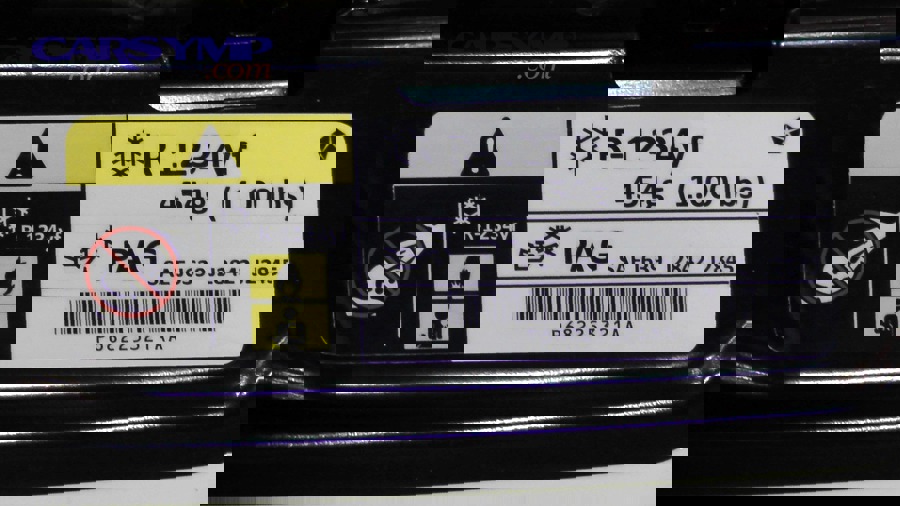
This is where dedicated equipment and training pay off: use refrigerant-specific fittings, compatible recovery machines, and clear work-area rules (no smoking, no open flames, controlled electrical switching in leak conditions). When servicing MVAC systems that use A2L refrigerants, the labeling and unique fittings are a core safety signal that should never be bypassed.
How do you reduce cross-contamination risk when the fleet includes multiple refrigerants?
You reduce cross-contamination by building segregation into your workflow: dedicated couplers, dedicated cylinders, verified refrigerant identity, and quarantine for unknowns. Next, “segregation by design” is safer than trying to remember “which hose was used last time.”
Use color coding and physical separation, but do not rely on color alone—labels, fittings, and documentation must match. If you accept vehicles or equipment with uncertain history, plan for identification steps before recovery and charging. This is especially important as older refrigerants remain in legacy equipment while newer options enter the market.
What are charging mistakes that create safety and legal exposure, and how do you stop them?
Charging mistakes become legal and safety issues when they lead to releases, damaged components, or repeated service events that increase emissions risk. Next, consistent measurement—not “feel”—is the compliance-friendly way to charge systems.
In real shops, “AC recharge” often becomes a shorthand service, but the compliance-safe version includes verification steps, leak awareness, and correct measurement. That’s where “Overcharging symptoms and how to avoid” should be treated as a standard training module: symptoms like abnormal high-side pressure, compressor noise, poor cooling under load, and pressure relief events are not just performance issues—they can escalate into release events or component failure.
Use a scale for charge amount, follow manufacturer specifications, and verify operating conditions rather than chasing numbers without context. If a system is repeatedly low, treat the cause (leak diagnosis and repair) instead of repeating top-offs that may compound emissions and customer cost.
How do customers evaluate pricing, and how can compliance reduce the real cost?
Customers care about transparency: what they’re paying for, what risks are being managed, and why a compliant process costs more than a shortcut. Next, your best pricing defense is a clear workflow explanation tied to safety and legality.
When customers ask for an “AC recharge cost estimate,” your estimate is more credible if it explains what is included: recovery (if needed), leak evaluation, proper charge measurement, refrigerant type, and documentation. Compliance can lower total cost by reducing comebacks and preventing contamination events that destroy cylinders of refrigerant or damage recovery equipment.
There is also an environmental cost dimension: high-GWP refrigerants have a disproportionate climate impact when released, so preventing emissions is part of responsible service. Theo nghiên cứu của GHG Protocol Secretariat từ World Resources Institute (Global Warming Potential Values table), vào February 2016, chỉ số GWP100 cho HFC-134a theo AR5 được liệt kê là 1,300—cho thấy một lượng rò rỉ nhỏ cũng có thể tạo tác động khí hậu lớn khi quy đổi theo CO2.
FAQ
Do I need to recover refrigerant even if the system is “empty”?
Yes—treat “empty” as unverified until you confirm pressures and follow proper service steps, because many systems still contain residual refrigerant and oil that can release vapor. Next, using recovery and verification steps protects you legally and prevents surprise exposure.
Is it okay to reuse recovered refrigerant on the same system?
Sometimes, but only if you can confidently verify refrigerant identity, avoid contamination, and follow applicable rules and equipment requirements. Next, when identity is uncertain, quarantine and reclaim is the safer and often more economical choice than risking contamination.
What is the single biggest safety mistake technicians make around refrigerants?
The biggest mistake is entering or working in a poorly ventilated space during a leak event, assuming the risk is “just a smell” or “just cold vapor.” Next, treat ventilation and oxygen displacement as the primary hazard signal and respond accordingly.
Can training videos replace formal certification?
No—videos can improve competency, but certification is a legal credential with defined requirements and scope. Next, use training content to support certification preparation and shop standardization rather than as a substitute.
What should a shop do first to improve compliance fast?
Start by standardizing three controls: refrigerant purchasing tied to credentials, cylinder segregation and labeling (including an “unknown” quarantine), and job-ticket steps that prove recovery and measurement were performed. Next, these controls create immediate, audit-friendly evidence while reducing real-world incident risk.