


An accurate A/C recharge cost estimate usually lands in the mid-hundreds at a shop, but the “right” number depends on refrigerant type, how empty the system is, and whether the technician finds a leak that makes a simple refill pointless.
To keep you from overpaying, you’ll learn what a fair quote includes, what line items should be on the invoice, and which add-ons are legitimate versus padded fees for the same work.
You’ll also see why some modern vehicles cost more to service even when the job “sounds the same,” and how to use your under-hood label to avoid buying the wrong refrigerant.
Giới thiệu ý mới: below are the questions to ask (and the numbers to expect) so your next quote feels predictable instead of stressful.
What is a realistic shop price range for an A/C refrigerant recharge?
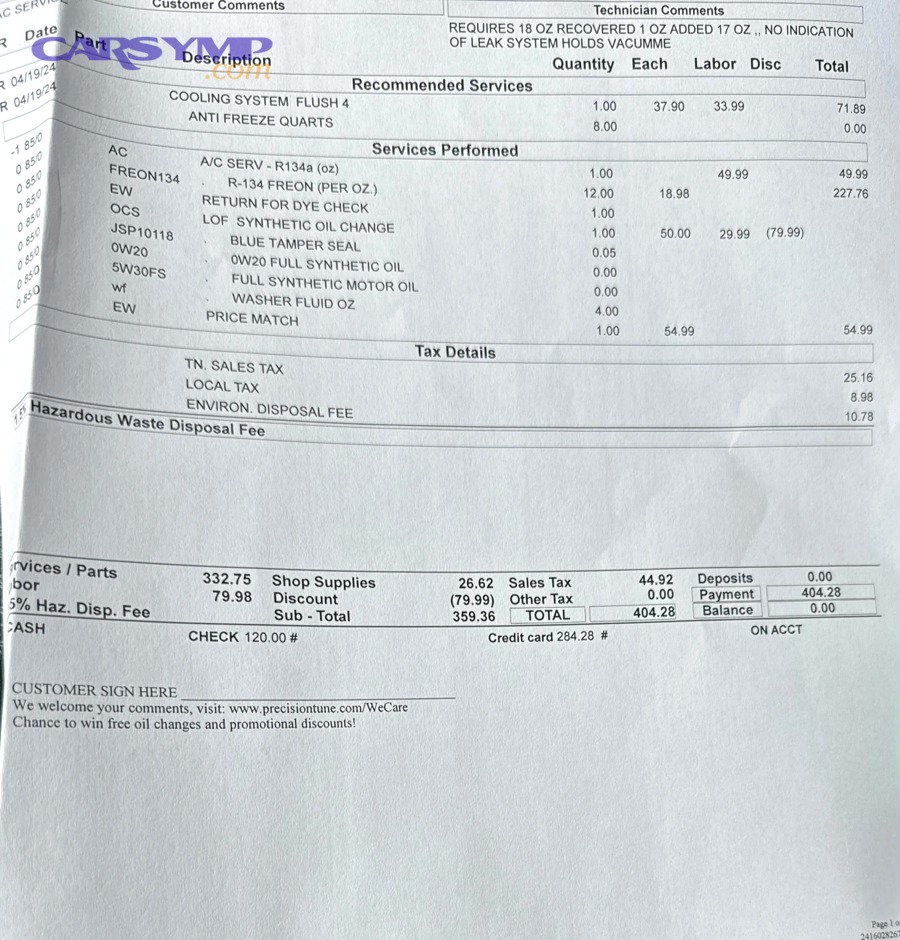
Most drivers can expect a professional recharge to cluster around roughly $250–$350 in many U.S. markets, with higher totals when the system is very low, uses newer refrigerant, or needs diagnostics and leak work.
Tiếp theo, the fastest way to sanity-check any quote is to compare it against a national estimator and then adjust for your vehicle’s refrigerant and your region’s labor rate.
What does “recharge” usually include at a professional shop?
A proper recharge typically means the shop connects service equipment, recovers any remaining refrigerant, evacuates air/moisture, and refills by measured amount—often alongside a basic performance check.
Cụ thể, you should expect some form of system verification (pressures/temperatures) because topping up without confirming conditions is how you pay twice.
What are common “fair” benchmarks you can use before approving work?
A common benchmark is RepairPal’s national average range for an A/C recharge, and KBB’s Service Advisor range is another useful reference point for typical consumer pricing.
Theo nghiên cứu của RepairPal từ Fair Price Estimator, vào October/2025, chi phí trung bình cho A/C recharge nằm khoảng $263–$344 (tùy xe và khu vực).
Để minh họa, Kelley Blue Book published a $264–$310 professional range in its consumer guidance—use it as a “typical” anchor, not a guarantee for every zip code.
Which line items make up the recharge bill, and what should each cost?
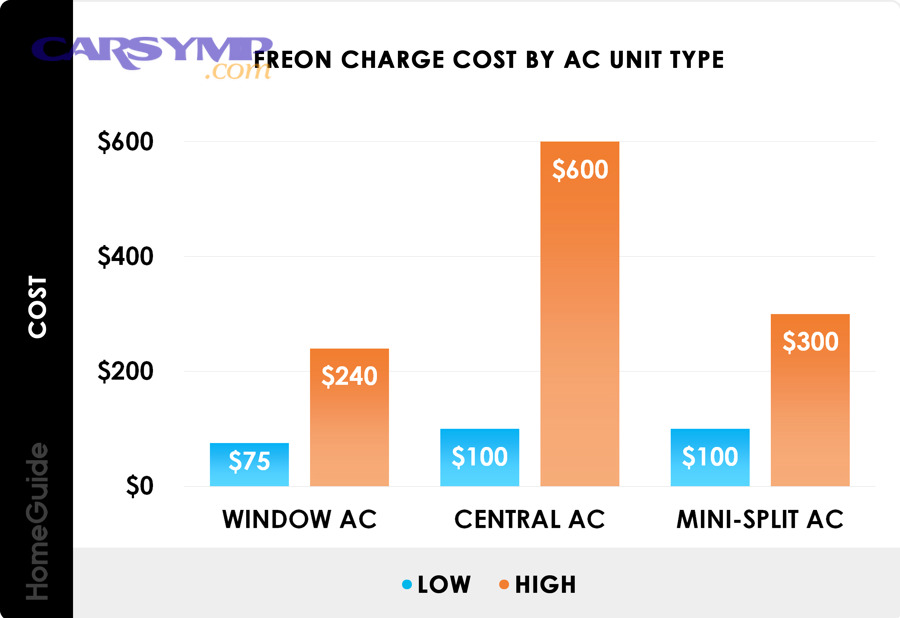
A fair estimate breaks into labor (hookup/evac/charge), refrigerant, and diagnostics—then adds shop supplies/taxes; inflated quotes usually hide extra labor blocks that duplicate the same steps.
Sau đây is a simple way to read an invoice so you know what you’re actually paying for—and what to push back on.
Labor: what you’re paying for (and what you’re not)
Labor typically covers connecting the machine, pulling a vacuum, monitoring stability, and charging by weight; this is different from “just adding a can,” which is quicker but less controlled.
Quan trọng hơn, ask whether the quote includes recovery/evacuation—because skipping that step often correlates with repeat visits and repeat bills.
Refrigerant: why the “parts” line can swing wildly
Refrigerant cost depends on type and quantity; newer systems may use smaller charges, but the refrigerant itself can be far more expensive, so your “materials” line may rise even when ounces are low.
Theo nghiên cứu của Kelley Blue Book từ Service Advisor (Car Repair pricing guidance), vào November/2025, mức giá nạp lạnh chuyên nghiệp được nêu là $264–$310 và có thể kèm kiểm tra rò rỉ.
Diagnostics: when a fee is justified
A diagnostic fee is justified when the shop is investigating why cooling failed—especially because low refrigerant almost always implies a leak or service issue rather than “normal consumption.”
Ngoài ra, a reputable shop will explain what test they’re running (pressure/temp readings, vacuum hold, dye, or electronic detection) and what result would change the plan.
This table summarizes typical cost buckets you’ll see on quotes and what each bucket usually represents, so you can compare two shops apples-to-apples.
| Invoice bucket | What it usually covers | What to watch for |
|---|---|---|
| Recharge service (labor) | Recovery/evacuation, vacuum time, charge by weight, basic function check | Duplicate “evac” + “recharge” line items billed separately |
| Refrigerant/materials | R-134a or R-1234yf plus oil/dye if used | Unexplained “materials” markup without ounces/pounds listed |
| Diagnostic fee | Testing for leak/pressure/temperature issues, sometimes credited to repair | Fee with no stated test or no documented findings |
| Shop supplies / disposal | Minor consumables, admin costs | Large flat fees that don’t match the work scope |
How does refrigerant type change your estimate (R-134a vs R-1234yf)?
Refrigerant type can be the single biggest driver: many sources note that R-1234yf service often costs more than R-134a because the refrigerant and service equipment requirements can be pricier.
Để bắt đầu, you don’t need guesswork—your under-hood label (or owner’s manual) tells you what the vehicle was designed to use.
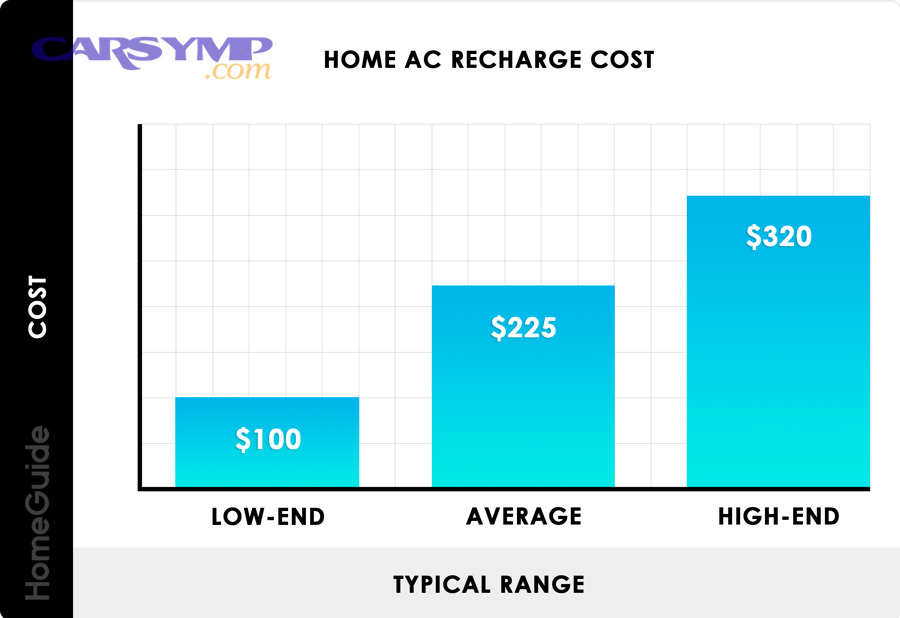
Why newer refrigerant systems can cost more even with a small charge amount
Many newer vehicles use R-1234yf and sometimes require only a small number of ounces, but the per-unit cost of refrigerant and the specialized recovery/charge process can still raise the final invoice.
Tuy nhiên, don’t let a shop sell you on “it’s newer, so it’s automatically expensive” without stating the refrigerant type and the expected charge amount.
How to confirm refrigerant type quickly without disassembly
You can usually confirm the refrigerant class via the under-hood sticker, the owner’s manual, or by asking a dealer/service shop for the specification—because types aren’t interchangeable.
Theo nghiên cứu của US EPA từ Motor Vehicle Air Conditioning (MVAC) program guidance, vào October/2025, việc xử lý môi chất lạnh cần dùng thiết bị phù hợp và tuân thủ quy định cho hệ thống MVAC.
When is a “simple refill” a waste of money?
A refill is often wasted when there’s an active leak or a failing component, because the system may cool briefly and then lose charge again—turning one invoice into two or three.
Bên cạnh đó, the most cost-effective move is to treat “low refrigerant” as a symptom and pay for diagnosis once, rather than paying for repeated refills.
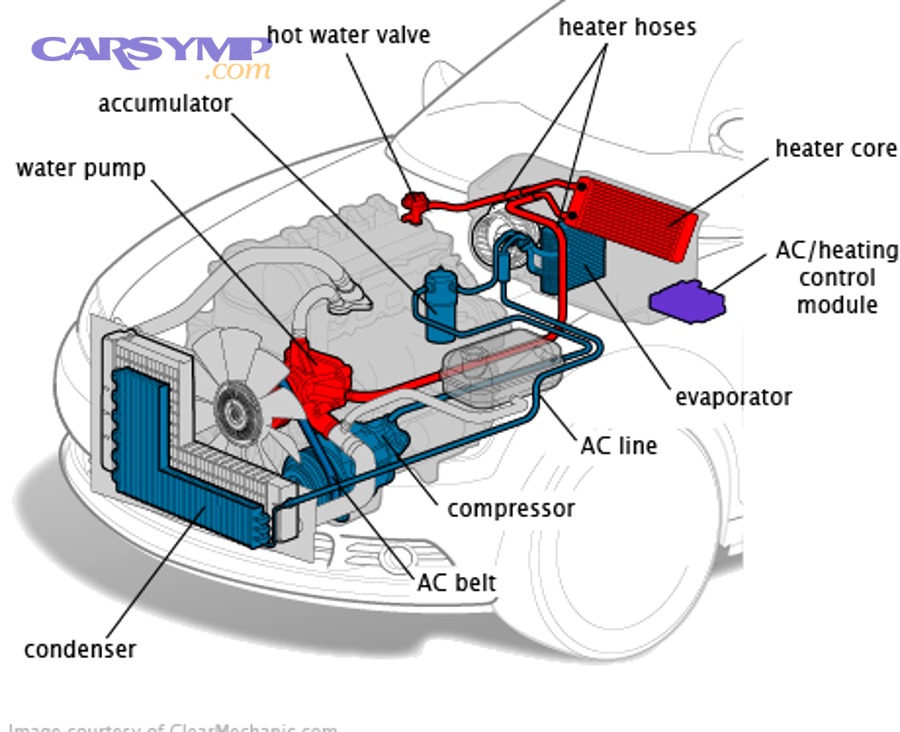
Leak reality check: why “low refrigerant” usually means “leak somewhere”
Consumer guidance from Kelley Blue Book notes that low refrigerant nearly always signals a leak, meaning a recharge may restore cooling temporarily but won’t solve the root cause.
Vì vậy, insist on at least one concrete finding—dye evidence, vacuum decay, fitting/o-ring seepage, or a documented pressure/temperature mismatch.
Red flags that justify stopping the recharge and switching to diagnosis
Red flags include rapid loss of cooling after a recent service, oily residue at fittings/hoses, visible compressor clutch issues, or pressure readings that don’t match ambient conditions—each can point beyond “just low charge.”
Theo nghiên cứu của AutoZone từ Trustworthy Advice (A/C recharge cost and procedure guidance), vào thời điểm bài viết được cập nhật/hiển thị trên trang, nạp quá mức có thể dẫn tới hỏng hóc nghiêm trọng và cần thao tác đúng quy trình.
How can you get an accurate quote fast (without letting a shop upsell you)?
You can get a tighter estimate by providing the refrigerant type, your symptoms, and whether the system was serviced recently—then asking the shop to separate “recharge only” from “diagnose + recharge.”
Tiếp theo, use a simple checklist so every shop prices the same scope, making your comparison fair.
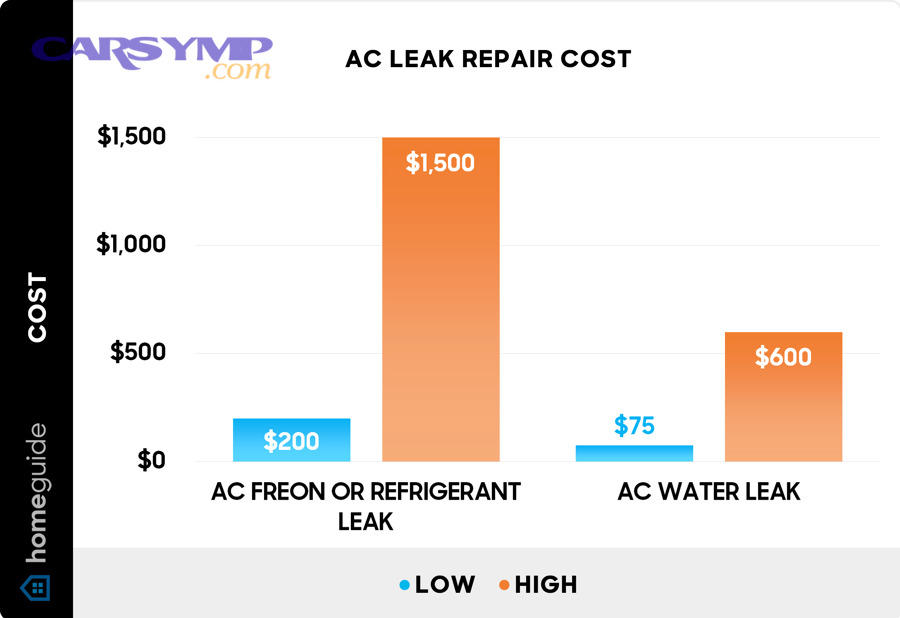
The five details that tighten a quote immediately
A solid quote gets easier when you share: (1) refrigerant type from the label, (2) whether it blows warm at idle vs highway, (3) vent temperature behavior, (4) any recent A/C work, and (5) visible leak signs (oil/dye).
Cụ thể hơn, ask if the quoted price includes a vacuum hold step and charging by weight—those two items reduce guesswork and reduce repeat visits.
How to compare two quotes that “sound different” but do the same job
Normalize the quotes by mapping each line item into labor, refrigerant, and diagnostics; then check whether one shop is charging twice for evacuation/charging steps under different names.
Theo nghiên cứu của Car Talk từ Parts & Services guidance, vào July/2025, chi phí nạp lạnh được mô tả thường rơi vào khoảng $250–$500 tùy nơi và bối cảnh dịch vụ.
DIY kits vs professional service: what do you really save (and risk)?
DIY can be cheaper upfront, but the savings shrink if you misidentify refrigerant, overfill, or ignore a leak; professional service costs more because it can include recovery, evacuation, and more precise charging.
Hơn nữa, the key comparison isn’t “money vs money”—it’s “certainty vs uncertainty,” especially on newer systems with small charge amounts.
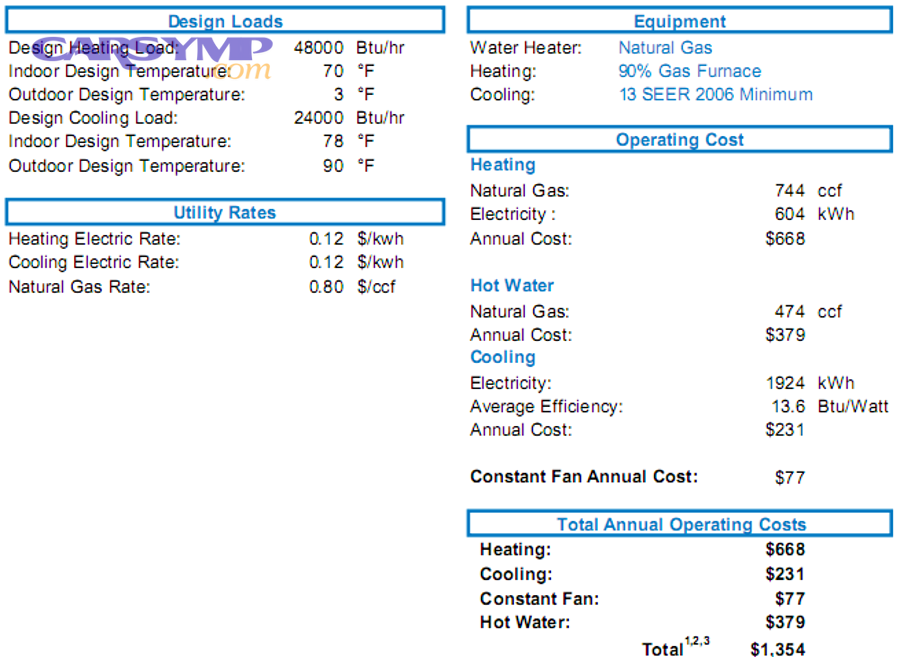
What DIY typically costs (and what it usually omits)
DIY kits are often cited in the tens to low-hundreds range and typically focus on adding refrigerant through the low-side port; they may not include full recovery, evacuation, or leak verification by vacuum stability.
Để hiểu rõ hơn, that’s why many “fixed today” DIY outcomes become “warm again next week” outcomes when the underlying leak remains.
What professional service buys you beyond refrigerant
Professional service commonly emphasizes correct measurement and system preparation (vacuum/controlled charge), and EPA guidance highlights the importance of approved handling and avoiding venting.
Theo nghiên cứu của US EPA từ Regulatory Requirements for MVAC System Servicing, vào nội dung hướng dẫn đang công bố, việc cố ý xả (vent) môi chất lạnh khi bảo dưỡng/sửa chữa là bị cấm theo Clean Air Act.
How do you avoid paying twice: the “proper recharge” checkpoints?
You avoid repeat costs by ensuring the service includes recovery/evacuation where appropriate, a vacuum stability check, and a measured refill—then verifying cooling performance with temperatures and pressures.
Sau đây are practical checkpoints you can request in plain language, even if you’re not an A/C specialist.

Checkpoint 1: confirm the system can hold vacuum (or explain why not)
A vacuum hold helps indicate whether the system is tight enough to keep refrigerant inside; guidance describing evacuation and vacuum checks is commonly included in professional procedure explanations.
Vì vậy, if a shop can’t explain whether it performed a vacuum step, treat the quote like a “top-off” rather than a full service.
Checkpoint 2: charge by weight, not by “green zone” pressure alone
Charging by weight aligns with how manufacturers specify refrigerant quantity; pressure-only charging can mislead because pressure changes with ambient temperature and airflow across the condenser.
Theo nghiên cứu của AutoZone từ bài hướng dẫn về nạp lạnh, vào nội dung đang công bố, một số hệ thống (đặc biệt đời mới) dùng lượng môi chất rất nhỏ và nạp quá mức có thể gây hư hỏng nặng.
Checkpoint 3: verify performance (what “good” looks like)
Performance verification usually means the shop checks vent temperature drop and system behavior under load; if cooling improves only briefly, that supports the “leak/underlying issue” hypothesis.
Tóm lại, a recharge that doesn’t include a before/after check is missing the piece that proves you received value.
At this stage, you can estimate price, interpret quotes, and decide whether the job is truly a recharge—or actually diagnosis and repair. Next, we’ll zoom in on technical pitfalls that can silently inflate cost and risk if you’re not watching for them.
Technical pitfalls that change cost: matching refrigerant, avoiding overfill, and doing a true evac
These pitfalls matter because the wrong refrigerant, an overfilled system, or skipping evacuation can reduce cooling, stress the compressor, and force a redo—turning a single service into a much bigger repair bill.
Đặc biệt, the next four topics are the “silent” drivers of both price and safety, so knowing them helps you choose the right service level with confidence.
How to match the refrigerant correctly before any money is spent
Your vehicle’s label/manual is the primary reference for refrigerant class, and consumer guidance warns that refrigerants aren’t interchangeable; this single check prevents the most expensive DIY mistake.
To make the constraint explicit in one place: “Proper refrigerant type by model” should be treated as a non-negotiable step—verify it first, then price the job.
How overfilling happens, what it looks like, and how to prevent it
Overfilling can happen when charging is done by pressure “zones” instead of the specified weight, and published guidance warns it can damage components and worsen cooling performance.
If you need a simple mental model, remember this phrase: “Overcharging symptoms and how to avoid” includes poor cooling, unusual noises, and the safest prevention is measured charging plus professional evacuation if you suspect a mistake.
Why a full evacuation changes outcomes compared with a quick add-on
Evacuation matters because it removes air and moisture that undermine heat transfer and can contribute to performance problems; professional procedure explanations commonly emphasize vacuum as part of correct service.
Here’s the practical takeaway you can use when choosing a quote: “Vacuum pump vs “top-off” difference” is essentially the difference between controlled service and a temporary patch.
Legal and environmental basics that can affect what a shop will (and won’t) do
EPA guidance for MVAC servicing describes certification and handling requirements and highlights that intentional venting of refrigerant is prohibited; compliant shops build these realities into their process and pricing.
Theo nghiên cứu của US EPA từ Section 609 Technician Training and Certification Programs, vào October/2025 (last updated), bất kỳ ai sửa/chăm sóc MVAC “for consideration” phải được đào tạo và chứng nhận theo Section 609.
Bạn muốn xem một ví dụ trực quan về quy trình nạp lạnh và chi phí thường gặp? Dưới đây là một video giải thích theo kiểu người tiêu dùng (nhớ rằng chi phí thay đổi theo xe và khu vực).