


A Post-recharge vent temp test is the fastest way to confirm whether your air conditioner is actually delivering cold air after service, not just “feeling” better for a minute. Done correctly, it turns the cabin vent into a simple performance meter you can trust.
Beyond a single number, the test helps you separate a real cooling improvement from variables like airflow, cabin heat soak, sun load, or cycling behavior. That means you can interpret results calmly instead of chasing random symptoms.
It also creates a repeatable baseline you can compare later—especially helpful if the system slowly drifts warmer over days or weeks, or if you’re trying to verify that a repair truly solved the root cause.
Tiếp theo, you’ll learn how to set up the vehicle, measure vent temperature correctly, and read the patterns that point to either “working as expected” or “something still isn’t right.”
What is a post-recharge vent temperature test and what does it actually prove?
A Post-recharge vent temp test is a controlled measurement of the air temperature coming out of a cabin vent after the A/C system has been serviced, and it proves whether the system is removing heat effectively under consistent conditions. After that, it becomes a baseline for troubleshooting.
To begin, understand what the vent number represents: it’s the result of refrigeration performance plus airflow plus vehicle heat load. In other words, a “warm” vent reading does not automatically mean “not enough refrigerant,” and a “cold” reading does not automatically mean “perfect charge.”
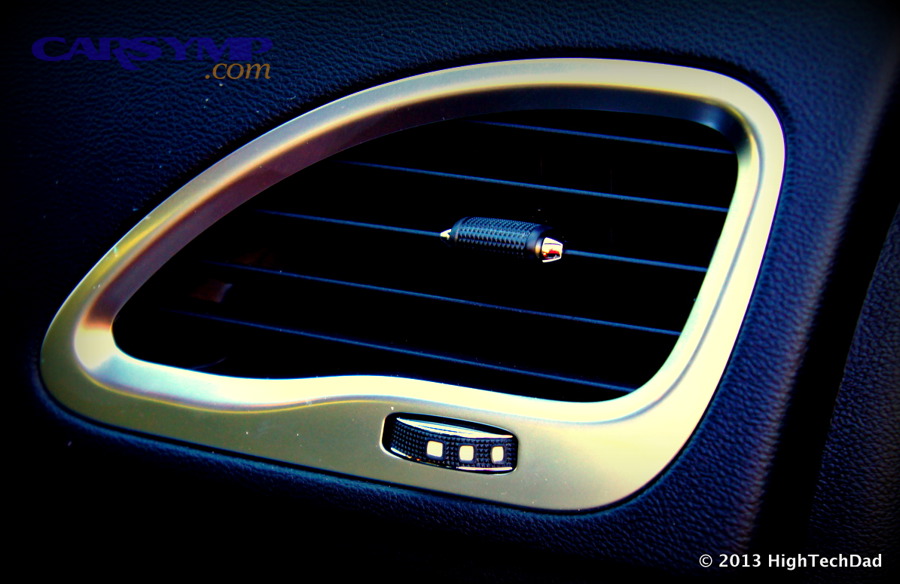
Cụ thể hơn, vent temperature is best read as a trend under a repeatable setup: same fan speed, same recirculation setting, similar ambient temperature, similar engine speed, and similar sun exposure. When those variables are controlled, the test becomes meaningful.
In practice, you use it to answer three practical questions:
- Is the cabin air getting colder in a stable way?
- Is cooling consistent at idle and at moderate RPM?
- Do the temperature patterns suggest airflow limits or refrigeration-side limits?
Quan trọng hơn, this measurement complements—rather than replaces—pressure readings or scan tool data. It’s the “what you feel” metric, but structured.
What setup conditions make vent temperature readings reliable instead of random?
Reliable vent temperature readings require a consistent test setup: stable engine temperature, steady blower setting, fixed air mode, and a clear plan for where and how you place the thermometer. Sau đây is the setup that removes the most confusion.
1) Stabilize the engine and A/C system
Let the engine reach normal operating temperature. Many modern vehicles change idle speed, fan control, and compressor behavior when warming up, which can distort early readings. Tiếp theo, run the A/C for several minutes before recording any “official” number.
2) Pick a repeatable vent and air mode
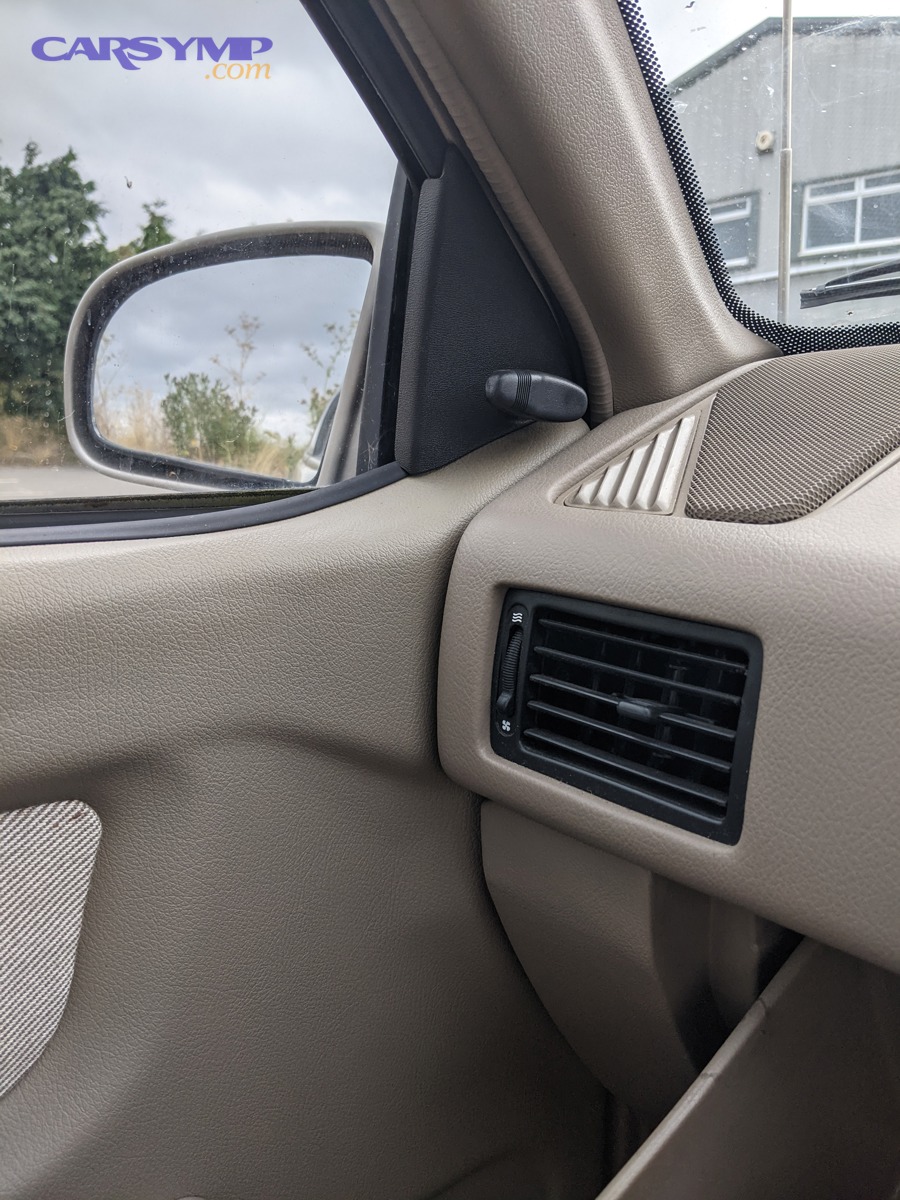
Choose one center vent, open it fully, and aim your probe in the same spot each time. Keep the airflow mode consistent (panel/face vents for vent-temp testing). Bên cạnh đó, close other vents if they change airflow balance significantly.
3) Lock in blower speed and recirculation
Set the blower to a fixed mid-to-high speed and keep it there for all measurements. Use recirculation if you want to measure the system’s best-case cooling potential; use fresh air if you want a harsher real-world check. Tuy nhiên, do not switch back and forth during the same run if you want clean data.
4) Reduce heat-load surprises
Sunlight on the dash can raise cabin heat load dramatically. If possible, park in shade or at least keep conditions consistent between tests. Ngoài ra, crack windows for a minute to dump heat soak before you begin, then close them and start the controlled run.
5) Use the right thermometer method
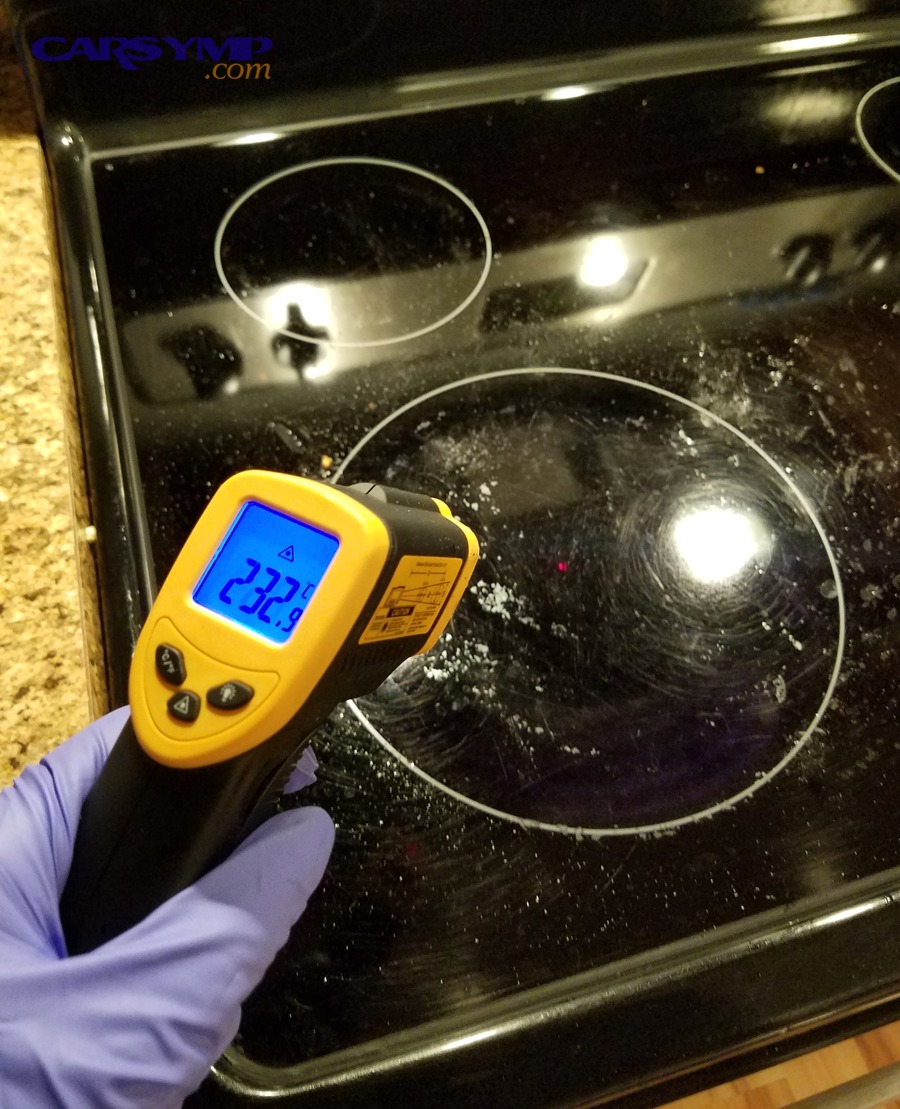
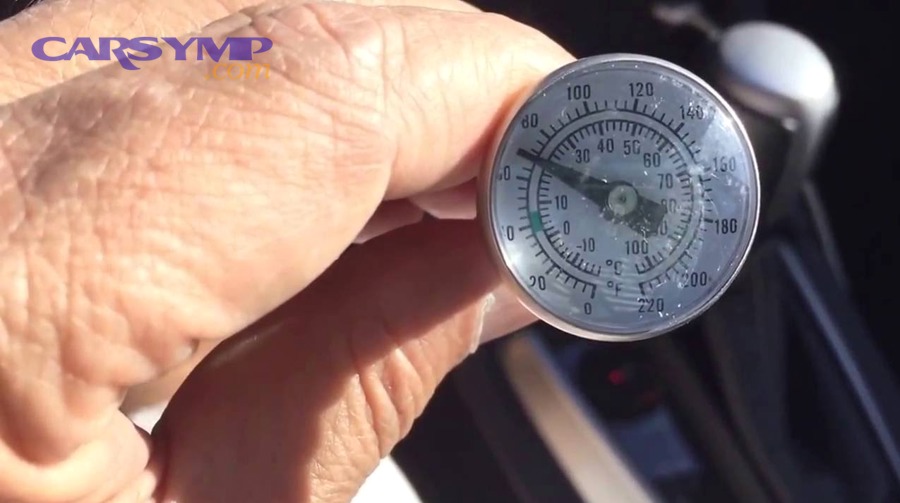
A probe thermometer placed into the vent airflow is usually more consistent than a quick “point-and-shoot” surface method. If you do use an infrared device, remember it reads surface temperature, not air temperature—so it can mislead unless you know exactly what surface you’re measuring.
Để hiểu rõ hơn, the goal is not a perfect laboratory test—it’s a repeatable field test you can compare across time and conditions.
How do you perform the vent temperature test step by step after recharging?
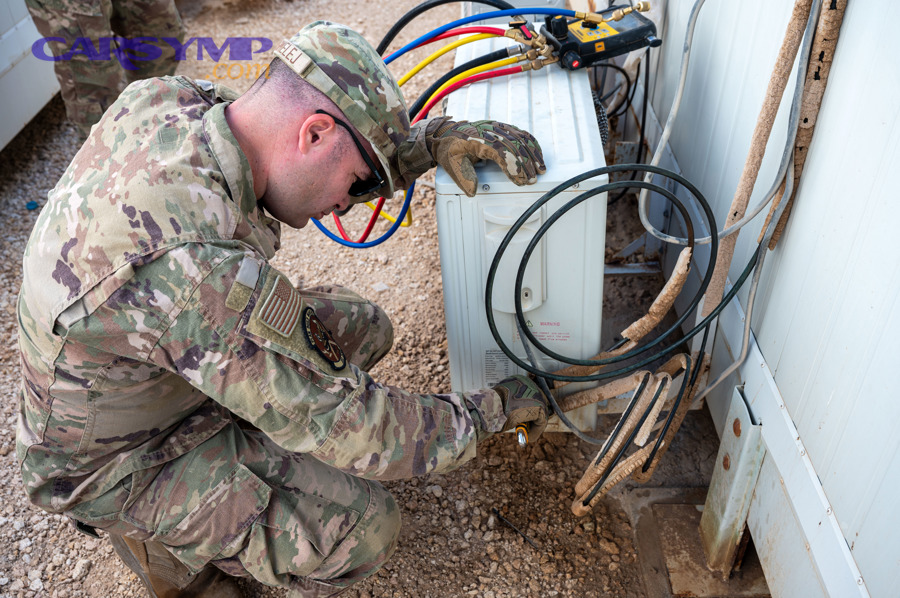
You perform a Post-recharge vent temp test by warming the vehicle, running the A/C at a fixed configuration, measuring vent air temperature at timed intervals, and then verifying the result at both idle and a slightly elevated engine speed. Dưới đây is a step-by-step approach that stays practical.
Step 1: Confirm the cabin settings
- A/C on, temperature set to full cold
- Mode on face vents
- Blower fixed (choose a speed you can repeat)
- Recirculation on (for best-case cooling check)
Step 2: Start timing after stabilization
Run the system for 3–5 minutes before logging your first reading. After that, record vent temperature every 60 seconds for 5 minutes. This shows whether the system is still pulling down or has plateaued.
Step 3: Validate at idle and at slightly higher RPM
Hold engine speed slightly above idle (for example, a gentle steady RPM) for 60–90 seconds and record the vent temperature again. In many vehicles, condenser airflow and compressor output change enough that you’ll see a meaningful pattern. Trong khi đó, avoid aggressive revving; you want stable conditions, not spikes.
Step 4: Add a short real-world check
If safe and convenient, a brief drive at steady speed can reduce underhood heat and improve condenser airflow, often stabilizing vent temps. Then re-check the vent number. Tổng kết lại, your “best” number is less important than the stability and the pattern.
Where the extra context fits
If you just completed an AC recharge, your vent test is the “customer-facing proof” of performance. But it only tells the truth if the system was serviced correctly—especially regarding moisture removal and leak control. That’s why the test belongs at the end of a disciplined service process, not as a substitute for it.
What vent temperature should you expect, and how do you interpret “good” vs “not good”?
A “good” vent temperature is not one universal number; it’s a strong temperature drop relative to outside air that becomes stable under the same settings. Hãy cùng khám phá how to interpret this without overreacting to a single reading.

Use a temperature drop mindset
Instead of chasing one magic vent temperature, focus on the difference between ambient air and vent air under repeatable conditions. A healthy system typically creates a noticeable drop that improves as the cabin cools, then levels off.
Account for humidity and sun load
High humidity forces the evaporator to remove more moisture, which can change outlet temperatures and cycling behavior. Direct sun increases cabin heat load and can make a “good” system look weaker. Tuy nhiên, if the system still pulls the cabin down steadily, that trend matters more than a snapshot.
Use this table as a quick interpretation guide
This table summarizes how to think about vent temperatures by comparing ambient conditions, expected pull-down behavior, and what a “plateau” might suggest. It helps you avoid mislabeling normal behavior as a fault.
| Ambient conditions | Typical pull-down pattern | What a weak result often looks like |
|---|---|---|
| Mild day, low humidity | Vent temp drops quickly, then stabilizes colder | Slow drop, early plateau, or no improvement at higher RPM |
| Hot day, moderate humidity | Drop is slower, but continues steadily over minutes | Vent temp improves only while driving, warms at idle |
| Very humid or heavy sun load | More cycling, vent temps fluctuate but cabin still cools | Persistent warm air, musty odor, or fogging that doesn’t clear |
Why “Normal vs Hot” is a useful lexical anchor
When you compare normal vs hot vent readings, you’re really comparing two outcomes: a system that removes heat consistently versus one that can’t keep up under load. Tiếp theo, you’ll learn the most common reasons readings fall into the “hot” bucket even after service.
What mistakes make vent temperatures look worse—or better—than the system really is?
The biggest vent-temp mistakes are inconsistent settings, measuring the wrong thing, and ignoring airflow. In short: you can “fail” a perfectly good A/C system with a sloppy test, and you can also “pass” a weak system by accidentally creating favorable conditions. Sau đây are the errors that matter most.
Mistake 1: Measuring too soon
Right after startup, the evaporator, dash ducts, and cabin surfaces are heat-soaked. Early readings are often warmer than the stabilized number. Tiếp theo, wait long enough to let the system reach a steady operating pattern.
Mistake 2: Changing blower speed mid-test
Higher blower speed can raise vent outlet temperature because air spends less time across the evaporator, even though total cooling capacity may increase. Ngược lại, low speed can show a colder number but less cabin comfort. Keep it fixed to interpret the trend honestly.
Mistake 3: Using an infrared thermometer incorrectly
Infrared tools read surface temperature, not air temperature. If you point it at plastic louvers, you’re measuring warmed plastic—often not the air stream. If you must use IR, measure a consistent target surface and treat it as a proxy, not a direct vent-air number.
Mistake 4: Ignoring airflow restrictions
A clogged cabin filter, blocked evaporator, weak blower motor, or mispositioned blend door can raise vent temperatures even if the refrigerant side is fine. Bên cạnh đó, a restriction can create “cold but weak airflow,” which feels like poor A/C even if your thermometer shows decent numbers.
Mistake 5: Testing in wildly changing conditions
If ambient temperature, wind, and sun exposure change during the test, your readings will drift. To keep the test meaningful, aim for consistency rather than perfection.
How do airflow problems show up differently from refrigerant-side problems in vent readings?
Airflow problems usually produce inconsistent comfort with either low airflow or uneven vent temperatures, while refrigerant-side problems more often produce a consistent “not cold enough” pattern that changes with engine speed and condenser cooling. Tiếp theo, you can use simple observations to separate the two.
Airflow-side clues
- One vent cold, another warm → possible blend door distribution issue or duct problem.
- Very low airflow with “okay” temperature → likely restriction (cabin filter, evaporator debris) or blower weakness.
- Temperature swings when changing mode → door seals or door positioning inconsistency.
Refrigerant-side clues
- Warmer at idle, better while driving → condenser airflow/fan performance or heat rejection issue.
- Cooling weak at all times → possible underperformance that needs deeper diagnosis (leak, incorrect charge, compressor control).
- Rapid cycling with mediocre cooling → can be sensor/control behavior, pressure issues, or moisture/charge instability.
Why this distinction matters after service
If vent temps are disappointing after a service visit, people often assume “needs more refrigerant.” Tuy nhiên, many post-service complaints are airflow or control-related—especially if the system’s refrigeration loop is healthy but the cabin delivery isn’t.
What should you do when vent temperatures are still too warm after service?
If the vent temperature remains too warm after service, you should first confirm the test setup, then check airflow basics, and finally look for system behaviors that suggest heat-rejection or control issues. After that, escalate only when you have a repeatable pattern, not a guess.
1) Re-run the test with tighter control
Repeat the same settings, same vent, same blower speed, and same warm-up time. If the “too warm” result disappears, your first test likely had uncontrolled variables. Tiếp theo, if it repeats, proceed confidently.
2) Validate airflow and cabin delivery
- Replace or inspect the cabin air filter.
- Check that all vents open and close normally.
- Listen for blend door movement when changing temperature settings.
3) Watch for idle vs driving behavior
If vent temps improve significantly while driving but degrade at idle, the system may be struggling to reject heat when airflow is low. That points toward condenser fan performance, debris blocking the condenser, or underhood heat management issues.
4) Observe cycling and stability
Note whether air stays consistently cool or cycles between cool and warm. Cycling can be normal, but excessive cycling paired with warm outlet air is a sign that deeper diagnosis is needed—especially if it coincides with humidity, heat, or unusual compressor control behavior.
Where those “extra phrases” belong—without confusing the process
When people ask How much refrigerant to add, it’s usually because vent temps are disappointing. But vent temperature alone can’t safely determine an exact amount. Likewise, the Vacuum pump vs “top-off” difference matters because moisture and non-condensables can sabotage performance even when the pressure “looks okay.” And finally, Legal and safety rules for refrigerant handling exist because refrigerants are regulated and can be dangerous if mishandled—so performance testing should never encourage improvisation that risks injury or environmental harm.
When should you stop DIY testing and move to professional diagnosis?
You should stop DIY vent testing when you see persistent warm vent temperatures under repeatable conditions, abnormal cycling or noises, visible icing, or any sign of a leak—because those patterns usually require specialized tools and regulated handling. Tiếp theo, use your test results to communicate clearly with a shop.
Escalate if you observe any of the following:
- Cooling is weak and never stabilizes even after 10–15 minutes of controlled operation.
- Vents blow cold then suddenly warm repeatedly, not tied to normal cycling behavior.
- Compressor noise, belt squeal, or burning smell occurs with A/C on.
- Visible icing on lines or poor airflow that worsens over time.
- Oily residue near fittings or components, suggesting leakage.
How to describe the problem like a pro
Bring a short log: ambient temperature, vent temps over time, blower setting, recirculation setting, idle vs driving behavior, and any cycling observations. This “móc xích” turns your complaint into actionable diagnostic information.
How do you document results so the vent test becomes a true performance baseline?
To turn a vent test into a baseline, you document the conditions, record timed readings, and repeat the same protocol later so you can compare trends instead of relying on memory. Sau đây is a simple documentation template that stays practical.
Record these five items every time:
- Ambient temperature (outside air)
- Cabin settings (recirculation, mode, temperature, blower speed)
- Engine state (fully warmed or not)
- Timed vent temperatures (minute-by-minute for at least 5 minutes)
- Operating context (shade/sun, idle/drive, humidity feel)
Look for “shape,” not just the final number
A healthy pattern often looks like a steady pull-down that approaches a stable plateau. A troubled pattern often looks like a slow drift with no clear plateau, or a sawtooth of cool/warm swings that never settles. Tiếp theo, compare your current curve to a future curve after repairs or seasonal changes.
Advanced interpretation that keeps you from misreading hard conditions
Advanced interpretation means you treat vent temperature as the end result of multiple interacting variables—humidity, compressor control, condenser efficiency, and measurement method—so you don’t mislabel normal fluctuation as failure. After that, your vent test becomes smarter without becoming complicated.
How do humidity and cabin moisture change what “good” feels like?
Humidity can make the cabin feel less comfortable even when vent air is fairly cold, because comfort depends on both temperature and moisture removal. Tiếp theo, if windows fog easily or the air feels clammy, dehumidification may be the bigger story than the vent number alone.
Why do modern compressors create vent temperature swings that look suspicious?
Many modern systems modulate compressor displacement and cycle to protect components and manage load, which can create vent temperature fluctuations that are normal. Tuy nhiên, “normal cycling” still cools the cabin over time; “problem cycling” fails to pull down cabin temperature despite long runtime.
How can charging method affect vent results even when the system seems to run?
If moisture or non-condensables remain in the system, heat transfer and control stability can degrade, producing lukewarm vent air and inconsistent cycling. Để minh họa, this is why a deep evacuation process often supports more stable performance than a quick approach that skips proper preparation.
What should you log during a repeat test to catch slow performance drift?
Log the same timed vent readings plus a short “idle then drive” comparison, because slow leaks or heat-rejection problems often reveal themselves as drift rather than instant failure. Tổng kết lại, trend data beats a single lucky measurement.
Frequently asked questions about vent temperature testing
This FAQ clarifies common misunderstandings so your Post-recharge vent temp test stays consistent and useful. Sau đây are short, direct answers you can apply immediately.
Should I test with recirculation on or fresh air?
Use recirculation to measure best-case cooling and a cleaner baseline; use fresh air to simulate harsher real-world load. Tiếp theo, stick to one mode during a test run so your numbers remain comparable.
Why does vent temperature get colder at higher fan speed sometimes—and warmer other times?
It depends on how the evaporator exchanges heat and how the system controls compressor output; higher airflow can increase total cooling but raise outlet temperature, while lower airflow can show colder outlet air but less cabin comfort. Ngược lại, the “best” setting is the one you can repeat and interpret reliably.
Is it normal for the vent temperature to fluctuate?
Yes, fluctuation can be normal due to cycling and modulation, especially in humid conditions or with modern variable control systems. Tuy nhiên, the cabin should still cool steadily; if comfort never improves, the pattern matters more than the swing.
Can vent temperature alone confirm the system is correctly charged?
No—vent temperature is a performance outcome influenced by airflow, heat load, and control strategy, so it can’t confirm charge accuracy by itself. Tiếp theo, use vent data as a symptom pattern that supports deeper diagnosis when needed.