


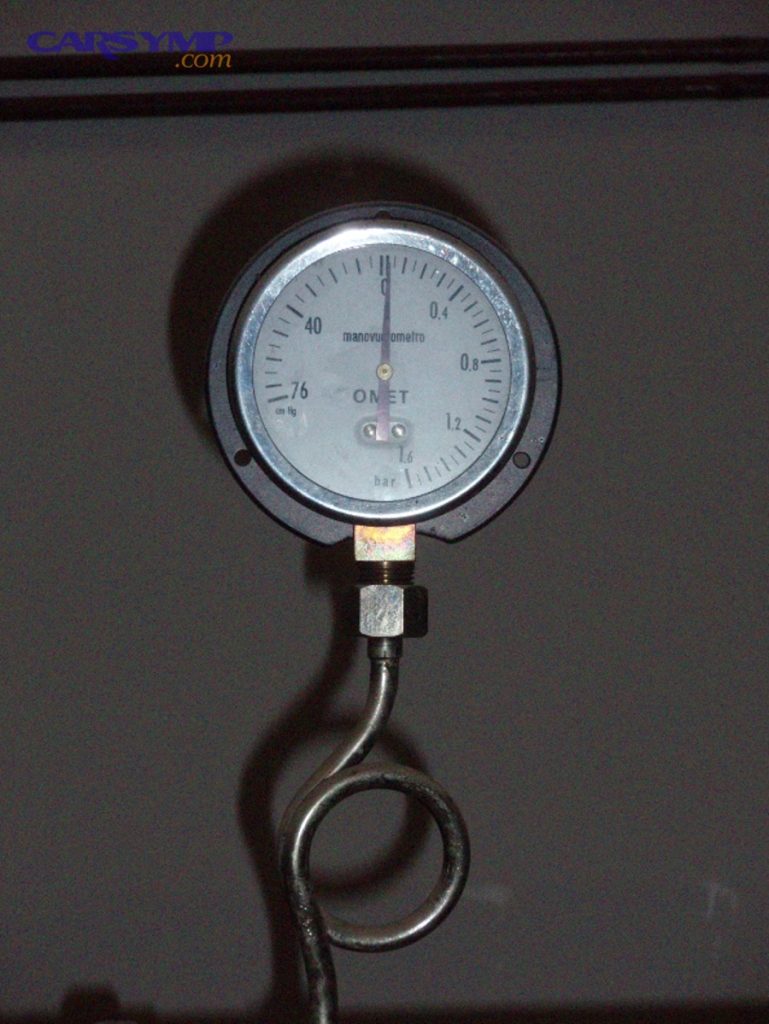
A vacuum-pump service is a preparation step that removes air and moisture before you add refrigerant, while a “top-off” is simply adding refrigerant to whatever is already in the system—good, bad, or contaminated. If you want predictable cooling and fewer repeat failures, the difference matters most when you plan to evacuate and recharge after a repair or after the system has been open.
Many DIYers choose a top-off because it feels faster and cheaper, but speed comes with blind spots: you can’t confirm moisture removal, you can’t verify non-condensables are gone, and you can’t reliably know charge accuracy without weighing refrigerant. That’s why the “right” answer depends on what happened to the system before you touch a can.
In this guide, you’ll learn where vacuum-pump work is non-negotiable, where a top-off is a temporary bandage at best, and how to make decisions that protect the compressor. To keep it practical, we’ll tie each choice to what you can observe at the service ports and what your tools can actually measure.
Giới thiệu ý mới: below are the exact situations, numbers, and habits that separate “works today” from “still works next summer.”
What is a vacuum pump step, and why isn’t it the same as “top-off”?
A vacuum pump step is a deep evacuation process that removes non-condensable gases and boils off moisture; a top-off only adds refrigerant and can’t undo air, water vapor, or contamination already inside. Next, we’ll map the differences to results you can feel at the vents.
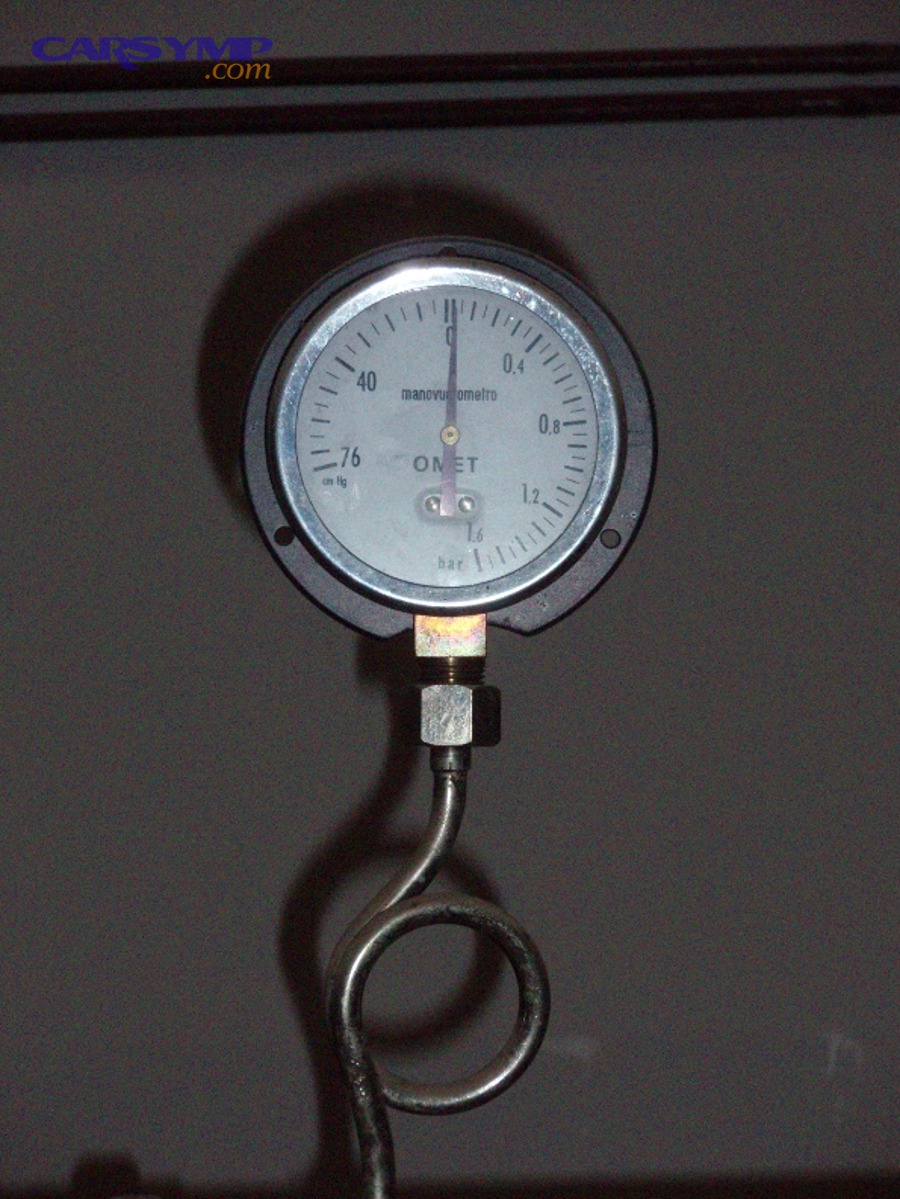
To make the distinction concrete, think of your A/C system as a sealed loop where only the correct refrigerant and the correct oil should live. A top-off adds refrigerant into the loop, but it does not remove anything. If the system contains air (from a slow leak, sloppy hose connection, or previous service), that air stays. If the system contains moisture (water vapor), that moisture stays. If the system contains mixed refrigerants or degraded oil, that contamination stays. In contrast, pulling a deep vacuum is about removing what shouldn’t be there before you add what should.
Here’s the practical comparison DIYers usually need:
This table explains what each method can and cannot accomplish, so you can choose based on risk—not convenience.
| Service choice | What it actually does | What it cannot do | Typical outcome |
|---|---|---|---|
| Vacuum pump (evacuation) | Removes air/non-condensables; encourages moisture to boil off at low pressure; enables a standing vacuum check | Fix a leak; guarantee correct charge by itself; clean severe debris from a failed compressor | Most reliable foundation for stable pressures and consistent cooling |
| Top-off (“add a little”) | Adds refrigerant to raise pressure/flow temporarily | Remove moisture/air; confirm charge accuracy; verify system integrity | May cool briefly, but often masks leaks and can lead to repeat undercharge/overcharge |
Why does moisture matter so much? Because moisture can react with refrigerant/oil and contribute to acid formation, corrosion, or ice formation at restrictions (like the expansion device), and air (non-condensables) can raise head pressure and degrade performance. Fieldpiece’s technical guidance also highlights how deep vacuum levels (measured in microns) are what make moisture removal possible—not a simple low-side gauge reading.
The key “móc xích” is this: if you want a controlled starting point, you remove what’s unknown (air/moisture) first—then you add refrigerant by a method that can be accurate.
When is a quick top-off acceptable, and when is it risky or wasteful?
A top-off can be a short-term stopgap only when you’re sure the system hasn’t been opened and the loss is small; otherwise it’s risky because it hides leaks and can leave air/moisture inside. To make that decision confidently, you need to understand what “small loss” actually implies.
Top-off culture exists for a reason: some systems slowly seep refrigerant over years, and adding a modest amount may restore cooling for a season. However, “acceptable” depends on whether you’re treating a known, stable system or gambling on an unknown one.
Top-off is sometimes tolerable when all of these are true
It’s most defensible when: (1) the A/C has never been opened for repairs, (2) cooling faded slowly over months/years rather than suddenly, (3) there’s no evidence of contamination (no burnt-oil smell, no gritty residue at ports), and (4) you treat it as temporary and plan proper diagnosis if the loss repeats quickly. Next, we’ll connect this to what a leak timeline usually looks like.
- Slow decline suggests a small leak rate—still a leak, but not necessarily catastrophic this week.
- No recent component replacement reduces the chance of trapped air from an open system.
- No compressor noise change reduces the risk you’re topping off a failing compressor that’s already generating debris.
Top-off is risky when any of these red flags show up
It becomes high-risk when: (1) you recently replaced a component or opened a line, (2) the system went from cold to warm quickly, or (3) pressures/vent temps are unstable. The transition point is simple: once air can enter, the “just add refrigerant” approach stops being a controlled fix and becomes a guess.
- System opened: air and moisture likely entered; evacuate and recharge becomes the correct baseline procedure.
- Rapid loss: you may be feeding a leak that will keep bleeding out and pulling in more air.
- Unknown charge state: without weighing, you can accidentally overcharge, raising head pressure and stressing the compressor.
Regulatory and equipment standards are also part of the “risk” conversation. The ESCO Section 609 study guide notes that servicing MVAC includes leak testing and “topping off,” and it emphasizes approved recovery/recycling practices and accuracy standards tied to SAE requirements.
So the decision hook is: a top-off can be a temporary comfort feature, but it’s not a repair strategy—especially when evidence points to air/moisture entry or an active leak.
How does evacuation remove moisture and non-condensables, and what numbers matter?
Evacuation works because lowering pressure drops the boiling point of water, letting moisture boil off and be removed, while also pulling out non-condensable gases that distort pressures. To do it right, you need micron-level measurement—not just a “vacuum” reading on a manifold gauge.
Most DIY confusion comes from mixing two very different concepts:
- “Vacuum on a manifold gauge” (inHg) is a coarse indicator that you’re below atmospheric pressure.
- Microns are a fine measurement of deep vacuum where moisture removal becomes meaningful and where leak/moisture behavior can be interpreted.
Fieldpiece explains that deep vacuum targets like 500 microns are used because they support moisture removal, and it gives a practical interpretation method: a fast micron rise after isolating the pump suggests a leak, while a slower rise that levels off suggests moisture/outgassing.
This table summarizes “numbers that matter” and what they typically indicate, so you can avoid the common trap of trusting only low-side pressure.
| What you measure | Typical target/behavior | What it usually means | What to do next |
|---|---|---|---|
| Micron level during evacuation | Pull down to a deep vacuum (commonly around 500 microns as a rule of thumb) | Moisture can boil off; system is approaching “dry/clean” condition | Isolate and perform a standing vacuum test |
| Micron rise after isolating pump | Slow rise then stabilizes | Outgassing or residual moisture still releasing | Continue evacuation and/or improve setup (cores out, bigger hoses) |
| Micron rise after isolating pump | Rapid rise toward atmosphere | Likely leak or major flow path to atmosphere | Stop, find leak, repair, repeat evacuation |
“Theo nghiên cứu của dự án nghiên cứu do ngành MVAC tài trợ (theo chuẩn SAE), vào 10/2006, một số thiết bị thu hồi theo chuẩn cũ có thể để lại lượng môi chất đáng kể trong hệ thống, khiến việc nạp theo thông số nhà sản xuất kém chính xác và buộc SAE cập nhật tiêu chuẩn hiệu năng phục hồi/nạp.”
The takeaway is not that you must be a lab tech—it’s that your measurement method should match your goal. If your goal is dryness and a verified sealed system, you need deep vacuum measurement and a hold test, not a quick pressure glance.
How do you “evacuate and recharge” safely with DIY-level tools?
The safest DIY approach is a controlled sequence: recover (or ensure empty), evacuate to deep vacuum, verify it holds, then charge by weight as closely as possible. Next, we’ll focus on the most common setup mistakes that make evacuation “look done” when it isn’t.
Before anything else: if there’s refrigerant in the system, proper recovery is required—venting is unsafe and illegal in many places. The ESCO Section 609 guide stresses recovery/recycling/reclaim concepts and the importance of approved equipment and standards in MVAC servicing.
Step-by-step workflow (high-level)
- Confirm system condition: Identify whether it’s empty due to a leak, partially charged, or recently opened.
- Leak repair first: Replace damaged O-rings, lines, or components before evacuation. Evacuation is not a leak fix.
- Connect properly: Use vacuum-rated hoses if possible and minimize restrictions; place the vacuum gauge at the system, not at the pump.
- Pull a deep vacuum: Run the pump until microns stabilize at a deep level (commonly around 500 microns as a rule of thumb).
- Standing vacuum test: Isolate the pump and watch micron behavior to distinguish leaks vs moisture/outgassing.
- Recharge deliberately: Charge by weight when possible; pressure-only charging is imprecise.
To see the process visually, here’s a hands-on demonstration video that walks through vacuuming down and recharging an automotive A/C system:
Now the “móc xích” detail that saves time: most long evacuations aren’t caused by a weak pump—they’re caused by restrictions (tiny hoses, Schrader cores still installed, leaky connections) that choke flow. Fieldpiece specifically points out that removing valve cores and using larger-diameter vacuum-rated hoses can dramatically improve evacuation speed and result quality.
We’ll use that idea next to make leak-checking smarter, because you don’t want to recharge a system that’s already telling you it can’t hold.
What are the signs you should suspect a leak before adding refrigerant?
If refrigerant is low, a leak exists somewhere; the key is recognizing whether it’s slow seepage or an active leak that will waste your refrigerant immediately. Next, we’ll connect observable symptoms to quick checks you can do before you spend money on a can.
DIY-friendly leak suspicion usually starts with patterns, not gadgets. The phrase many owners search is “Signs you have a leak before recharging,” and it’s worth treating it literally: you’re looking for evidence that adding refrigerant will not last.
Common symptom patterns that strongly suggest a leak
- Cools only at highway speed: airflow helps a weak system, but it doesn’t explain where refrigerant went.
- Cold then warm quickly: a fast transition often indicates a larger leak rate or intermittent clutch/pressure-control issues.
- Oily residue near fittings: refrigerant carries oil; oil stains around crimps, condensers, or service ports are classic clues.
- Repeated “needs a can” every few weeks: that’s not normal loss; it’s an active leak.
DIY checks that reduce guesswork
Start with the easiest wins: inspect the condenser face for oily dirt, check hose crimps, and look closely at service ports and caps (caps matter). Then, if you have access, use UV dye history (some systems already have it) or an electronic leak detector. And if you can pull a vacuum, a standing vacuum test becomes a powerful yes/no screening tool: rapid rise points to leakage; slow rise that stabilizes often points to moisture/outgassing.
“Theo nghiên cứu của ESCO (tài liệu đào tạo Section 609), vào 10/2006, tiêu chuẩn SAE được cập nhật để cải thiện độ chính xác nạp và hiệu năng thu hồi, vì sai lệch thu hồi/nạp có thể làm kỹ thuật viên nạp không đúng thông số—khiến việc chẩn đoán rò rỉ và trạng thái nạp càng dễ sai.”
Once you accept that “low charge = leak,” the next logical step is to charge only after you’ve decided how you’ll avoid repeating the same problem—either by repairing the leak or by choosing a temporary top-off knowingly.
How do you avoid overcharge—and how much refrigerant should you add?
The safest answer is: add refrigerant by the manufacturer-specified weight whenever possible, because pressure-only methods can’t account for temperature, airflow, and system design. Next, we’ll translate that into DIY decision rules that prevent the most expensive mistake: overcharging.
Here’s the uncomfortable truth: “How much refrigerant to add” can’t be answered reliably by low-side pressure alone, because pressure is a symptom of multiple variables—ambient temperature, condenser airflow, compressor speed, and the metering device all shift readings. That’s why professional service emphasizes charge by weight.
Best practice: charge by weight (even if you’re DIY)
If you can access the factory label or service manual, it will specify a refrigerant mass (often in ounces or grams). A scale and controlled charging are the closest you can get to professional accuracy without a full machine. The ESCO guide notes that updated SAE standards include recharge accuracy expectations (commonly discussed around 0.5 oz in modern standards), reinforcing why weight-based charging is the reference method.
If you must use pressure as a sanity check, treat it as a guardrail—not a target
- Watch for high head pressure symptoms: poor cooling at idle, compressor strain/noise, or frequent cycling can indicate airflow issues or overcharge.
- Stabilize conditions: consistent fan operation, clean condenser, doors open, and stable RPM reduce misleading readings.
- Stop adding early: if cooling improves then starts to worsen, you may be crossing into overcharge or airflow limitation territory.
Now connect the dots: if you had to open the system, weight-based charging is even more important because air/moisture variables are already in play—unless you removed them through a proper evacuate and recharge procedure first.
For readers who want a broader symptom-to-fix map and reminders tailored to common owner questions, you may also find it helpful to compare your situation with educational summaries on carsymp.com, then return to the measurement-based steps above to avoid guesswork.
Contextual border: Up to this point, you’ve learned when to evacuate, when a top-off is a temporary compromise, how to screen for leaks, and how to prevent overcharge. Next, we’ll zoom into the “rare but decisive” details—microns, restrictions, and test interpretation—because that’s where most DIY failures happen.
Micron-level nuance: why “deep vacuum” is a measurement problem, not a pump problem
Most evacuation failures come from where and how you measure vacuum, because restrictions and leaky connections can make the pump look effective while the system is still wet or leaking. Next, we’ll break down the four subtle factors that change your results dramatically.
Micron gauge vs manifold “vacuum”: they are not interchangeable
A manifold gauge can show “vacuum” while the system is still far from dry at the component level; microns reveal what the manifold can’t. Fieldpiece explains that the vacuum gauge (micron-level) is the right instrument for deep vacuum verification and that hose leaks and distance from the system can distort readings.
Restrictions slow evacuation more than you think
Small-diameter charging hoses, long hose runs, and Schrader valve cores create flow bottlenecks that keep moisture trapped. Fieldpiece specifically notes that removing valve cores and using vacuum-rated hoses (larger diameter) reduces restrictions and speeds evacuation.
Triple evacuation is a moisture strategy, not a “superstition”
If microns stall high or rise slowly and keep leveling above your target, moisture may be persistent. Fieldpiece describes a triple evacuation approach (evacuate, introduce nitrogen, evacuate again) as a method to clear excess moisture and contaminants when a simple pull-down isn’t enough.
Standing vacuum interpretation: leak vs moisture has a signature
After isolating the pump, a rapid micron rise toward atmosphere suggests a leak path, while a slower rise that stabilizes suggests moisture/outgassing—this is one of the most practical diagnostics DIYers can learn.
Frequently asked questions
Can I just “top off” after replacing a hose or O-ring?
No—if the system was opened, you should evacuate and recharge because air and moisture likely entered, and a top-off cannot remove them. In other words, top-off adds, evacuation prepares.
Do I need a vacuum pump if the system still has some refrigerant?
If you’re doing a proper service, refrigerant should be recovered first using appropriate equipment; then evacuation can be performed. The ESCO Section 609 guidance emphasizes recovery/recycling concepts and standards in MVAC servicing.
What’s the simplest way to reduce evacuation time?
Reduce restrictions and leaks in your setup: shorter/larger vacuum-rated hoses, tight connections, and removing valve cores when possible. Fieldpiece highlights restrictions and setup as the biggest evacuation speed factors.
Why does my system cool after a top-off but fails again soon?
Because refrigerant left again—meaning a leak is still present. A top-off can temporarily restore mass flow, but it doesn’t address the leak source, and repeated low charge can starve oil circulation and shorten compressor life.
Is “evacuate and recharge” always better than top-off?
Yes for correctness and repeatability, especially after repairs or when the system has been opened; however, a top-off can be a short-term compromise for a slow seep when you accept it as temporary and plan to diagnose the leak.