


If your cabin air isn’t getting cold, the real choice isn’t “cheap kit or expensive shop”—it’s whether you need a precise, leak-aware refrigerant service or only a temporary top-off to confirm a simple, small loss. A kit can sometimes restore cooling fast, but it can’t replace the full diagnostic and handling steps a shop is built around.
Many drivers also want a practical way to judge risk: will a DIY approach damage the compressor, create unsafe pressures, or simply waste money by adding refrigerant to a system that’s leaking? Those safety and “false fix” concerns matter as much as the price.
Cost is the third factor: your out-of-pocket range can vary widely, but reputable estimates for a professional service often land in the few-hundred-dollar range, while DIY spending is usually lower yet less predictable in outcome.
To connect it all, here’s the key: you’ll get the best decision when you match your symptoms, the vehicle’s refrigerant label, and the probability of a leak—then choose the method that controls both accuracy and risk. Below is a step-by-step comparison that stays grounded in what each option can and cannot do.
Is a DIY A/C refill kit the same as a professional service?
No—while both add refrigerant, a DIY can typically guesses via a simple gauge, while a shop service is designed to recover, control contamination, and charge accurately under regulated handling practices. However, understanding exactly why they differ will make the rest of the comparison obvious.
To start, most consumer kits are “single-connection” setups: you attach to a service port, read a colored dial, and add refrigerant until the needle enters a suggested zone. That workflow can restore cooling in some mild, slow-leak cases—but it’s blind to how much refrigerant is already inside, and blind to high-side pressure behavior that signals dangerous overcharge conditions.
By contrast, professional service is built around controlled containment and process: recovery (to avoid venting), vacuum evacuation (to remove air/moisture), leak checking, and recharging by measured quantity. EPA guidance for MVAC servicing emphasizes certified handling equipment and rules meant to prevent refrigerant release and manage recovered refrigerant properly.
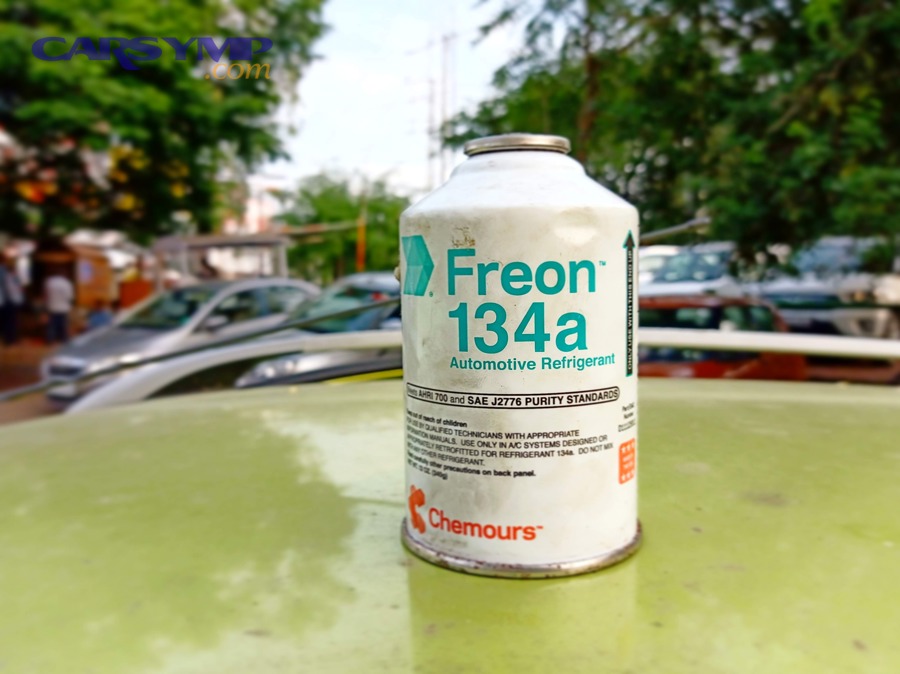
In practical terms, the “AC recharge kit vs shop service comparison” comes down to whether you’re only adding refrigerant or you’re restoring the system to a known-correct state. Kits can add refrigerant; shops can reset the system and validate it.
Theo nghiên cứu của US EPA từ MVAC regulatory guidance, vào August/2015 (document archive date), intentional refrigerant venting during service is prohibited for most refrigerants, which is why professional recovery practices exist in the first place.
What does a shop do that a kit cannot replicate?
A shop service adds value by controlling contamination and accuracy: it can recover existing refrigerant, evacuate moisture/air, verify leaks, and charge to specification—steps a simple can-and-gauge kit cannot reliably perform. Next, let’s break those steps into a clear checklist.
Most reputable shops follow a process that looks like this:
- Confirm the symptom: vent temperature, compressor engagement behavior, condenser fan operation, and airflow issues.
- Recover refrigerant: capture what’s in the system instead of releasing it, then store/recycle properly.
- Evacuate with vacuum: pull the system down to remove air and moisture; moisture can form acids and ice restrictions.
- Leak checks: vacuum decay and/or pressure-based tests; many shops also use electronic leak detection or UV dye methods.
- Charge by specification: add the factory-specified mass (weight) of refrigerant and correct oil management.
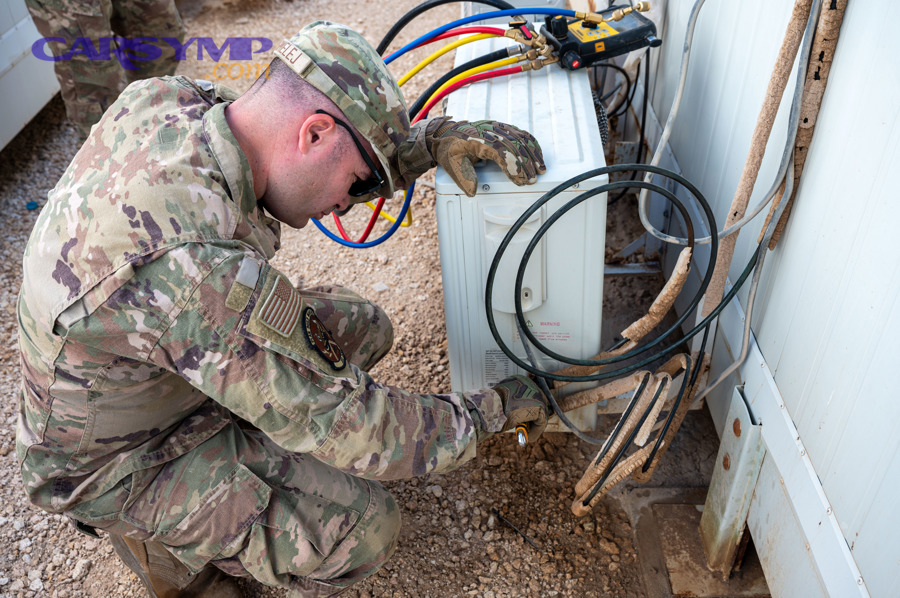
Even training manuals used for Section 609 education emphasize protective equipment and the hazards of improper handling—like high-pressure liquid refrigerant exposure and flash-freezing injuries—because the professional workflow assumes containment and safe procedures.
And there’s an accuracy layer: industry/education materials discuss why equipment standards evolved—because incomplete recovery and inaccurate charge can derail service quality. The ESCO Section 609 manual notes research findings that drove changes in recovery standards, including cases where a significant portion of refrigerant could remain when equipment indicated “empty,” and it also describes tighter recharge accuracy expectations for improved equipment.
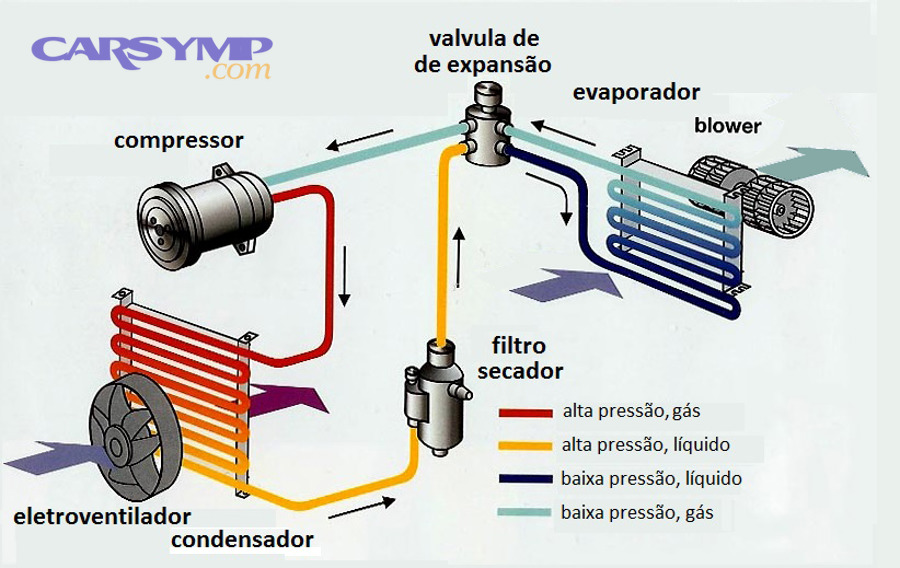
To make this concrete, the diagram below helps visualize why “resetting” matters: refrigerant flow, phase changes, and component roles mean your readings can look “okay” on one side while the system is still fundamentally wrong.
Which option is safer for you and the environment?
Shop service is usually safer because it minimizes unintended release and reduces the chance of overpressure, contamination, or mischarging; a DIY kit can be safe only when used carefully, on the correct port, with the correct refrigerant, and with conservative expectations. However, safety isn’t just “personal safety”—it’s also legal and environmental handling.
From a regulatory standpoint, EPA information for MVAC servicing highlights the venting prohibition for refrigerants during service and explains that recovered refrigerant must be managed properly (recycled with approved equipment or sent to reclamation).

On personal safety: the EPA 609 training manual (Seventh Edition, June 2016) explicitly stresses using safety glasses and insulated gloves, avoiding flash-freezing injuries, and treating hoses as potentially containing high-pressure liquid refrigerant.
Now connect the dots: DIY kits often encourage casual handling—yet the hazard profile doesn’t change just because the container is small. The kit may reduce complexity, but the refrigerant and pressure remain real. That’s why a cautious DIY approach should include eye protection, gloves, careful hose handling, and strict avoidance of “quick fixes” like sealers that can create additional risks later.
Theo nghiên cứu của Mainstream Engineering Corporation (EPA 609 Manual) từ chương trình đào tạo kỹ thuật viên, vào June/2016, the manual emphasizes PPE (safety glasses, insulated gloves) and warns that improper use of A/C equipment can cause injury due to high-pressure refrigerant exposure and flash freezing.
How accurate is “charge by pressure” compared with “charge by weight”?
Charging by weight is the accuracy winner, while pressure-only guidance is a rough proxy that can mislead because pressure varies with ambient temperature, airflow, and system conditions; therefore, pressure-based “green zone” kits are inherently less precise. Next, we’ll translate that into real-world consequences for cooling and compressor life.
In a perfect world, every service would recover, evacuate, and charge by the manufacturer’s specified mass. That approach aligns with the idea that the system’s correct fill is a quantity, not just a momentary reading. Pressure can look “normal” even when the charge is wrong—especially if airflow across the condenser is poor, the fan isn’t doing its job, or the ambient temperature is extreme.
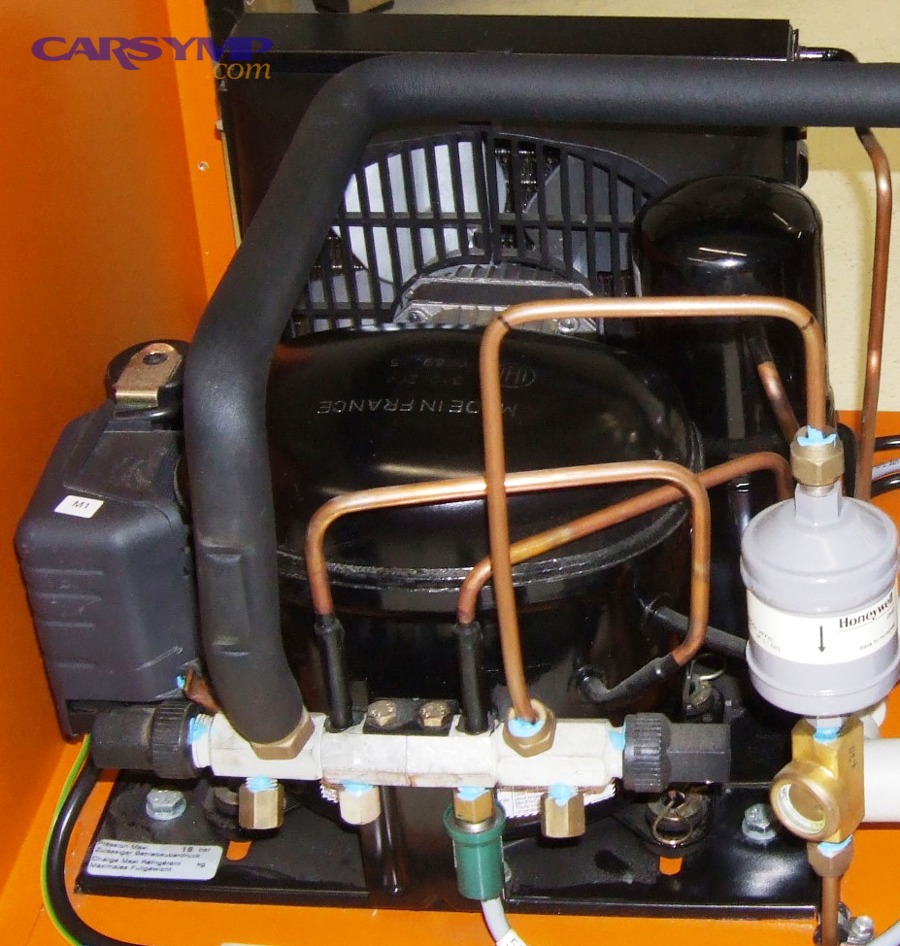
Education and standards material reinforce why tools and fittings are designed for specific applications and why proper servicing uses dedicated equipment (manifold gauges, vacuum pumps, recovery/recycle machines). The MACS 609 training manual discusses SAE standards covering fittings and service equipment used in mobile A/C work, including manifold gauges and vacuum pumps, to reduce errors and cross-contamination risks.
What goes wrong with “pressure-only” charging?
- Overcharge risk: Too much refrigerant can elevate pressures and reduce cooling efficiency, and in worst cases stress components.
- Undercharge risk: Too little refrigerant can reduce oil circulation and cooling performance, accelerating wear.
- Air/moisture contamination: If air/moisture is inside, pressures can be deceptive and performance unstable.
In other words, pressure-only charging can sometimes “work,” but it’s easy to land in a fragile state that fails again. That’s why the best practice for accuracy is weight-based charging after evacuation.
To directly include the phrases many drivers search: AC recharge by weight is the most repeatable method, and if you’re typing “How to recharge AC safely” into a search bar, the safest answer starts with confirming refrigerant type, using PPE, avoiding venting, and respecting the limits of single-gauge kits.
How much does each approach typically cost?
DIY kits cost less upfront, while shop service costs more but usually buys you diagnosis, leak awareness, and correct charging; in many cases, the “cheapest” option becomes expensive if it delays the real fix. Next, a simple cost framework will help you estimate your likely range.
Before the table, note what you’re paying for: a kit mostly buys refrigerant and a basic gauge, while a shop charge often includes recovery equipment time, vacuum, leak checks, and a measured fill. Repair pricing also depends on whether you need only a service or you also need parts (O-rings, hoses, condenser, compressor, etc.).
This table summarizes common cost buckets and what they usually include, so you can compare “apples to apples.”
| Option | Typical Out-of-Pocket | What You Usually Get | What You Usually Don’t Get |
|---|---|---|---|
| DIY can + gauge kit | Low to moderate (often tens of dollars) | Refrigerant top-off, quick symptom test | Recovery, evacuation, accurate charge by weight, meaningful leak diagnosis |
| Shop “service” (evacuate/recover + fill) | Moderate (often a few hundred dollars) | Controlled handling, vacuum, measured fill, basic checks | Major component replacement unless separately quoted |
| Shop service + leak repair | Variable (hundreds to more) | Leak location and repair plus correct fill | Guaranteed future leak-free operation if multiple leaks exist |
For a concrete anchor, RepairPal’s estimator lists an average cost range for an “AC Recharge” between $263 and $344 (with labor and parts breakdown), which is a useful baseline for many mainstream vehicles and locations.
And for the exact phrase some readers want in plain text: if you need an AC recharge cost estimate, treat the shop baseline as a mid-hundreds starting point, then adjust upward if your system requires leak repair, uses newer refrigerant types, or has component failure.
However, cost isn’t only “today’s bill.” A kit that overcharges or masks a leak can create a second bill later—especially if it leads you to keep adding refrigerant rather than repairing the root cause.
When is a DIY kit reasonable, and when is it a bad idea?
A DIY kit is most reasonable when the system is only slightly low, cooling performance declined gradually, and you’re treating it as a short-term diagnostic step—not a permanent repair; it’s a bad idea when cooling failed suddenly, pressures are unknown, or the system has a significant leak or contamination risk. Next, use these scenario-based rules to decide quickly.
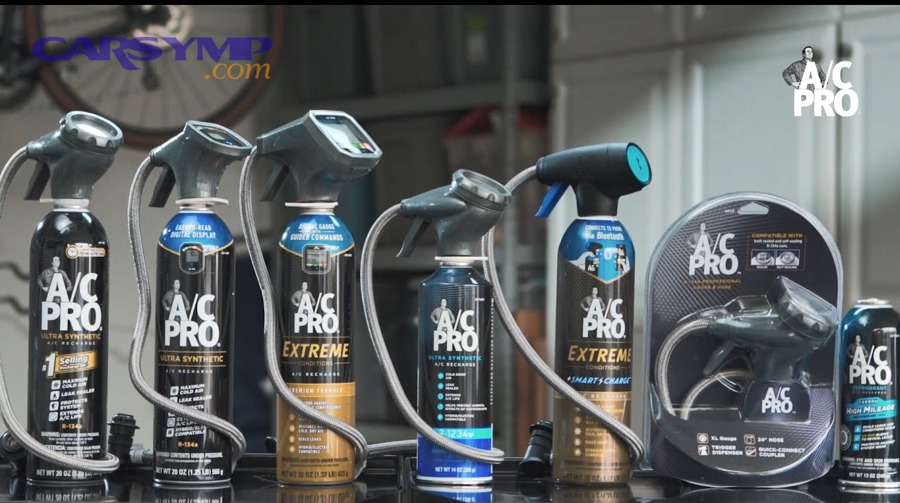
DIY can be reasonable in these narrow scenarios
Slow decline over months: The A/C used to be cold and slowly got weaker, with no loud compressor noises or visible oil stains. This pattern can match a small seep, and a conservative top-off can confirm whether low charge is the dominant issue.
You can verify the correct refrigerant: You read the under-hood label and you buy the correct product for that exact system. Mixing refrigerants or using “mystery blends” is where DIY can go wrong quickly.
You accept “temporary” as the goal: If a small top-off restores cooling, it still implies a leak exists—so the long-term fix is leak detection and repair, not repeated topping off.
DIY is a bad idea in these higher-risk scenarios
Sudden failure: If cooling dropped off quickly, the system may have a bigger leak, a failed fan, an electrical/control issue, or a mechanical problem that adding refrigerant won’t solve.
Compressor noise or metal contamination risk: If the compressor is noisy or the system suffered a failure, proper recovery/flush/repair strategy matters far more than adding refrigerant.
Unknown pressures and unknown charge state: A single low-side gauge cannot reveal high-side overpressure conditions that can become dangerous.
There’s also the environmental/handling dimension: EPA guidance and training materials emphasize that proper servicing aims to contain and conserve refrigerants rather than release them, which is a structural advantage of shop equipment.
Theo nghiên cứu của The ESCO Institute từ Section 609 Training Manual, vào 09/2016 (revision date), the manual describes that changes in equipment standards were driven by findings that significant refrigerant could remain even when equipment indicated recovery was complete—highlighting why controlled recovery and accurate recharge processes matter.
How do you choose a reputable shop and avoid common upsells?
Choose a shop that can explain its process (recover, vacuum, leak-check, charge by specification) and that shows you evidence—like measured charge amount and test results—rather than selling a vague “freon refill.” Next, use the checklist below to separate real value from upsell noise.
Questions to ask before you approve work
- Will you recover what’s in the system first? Proper handling is a hallmark of professional service.
- Do you evacuate with a vacuum and verify hold/decay? This reveals obvious leaks and reduces moisture/air contamination.
- Do you charge by the vehicle’s specified weight? This indicates accuracy-focused service rather than guesswork.
- What leak detection method do you use if the charge is low? Electronic detection and UV approaches are common; the key is having a plan.
Upsells to evaluate carefully
“Stop-leak” additives: These can gum up equipment and complicate future repairs. If a shop recommends it, ask what leak they found, how they verified it, and why repair isn’t preferred.
“Recharge only” with no diagnostics: Sometimes acceptable as a first step, but it should still include measured handling and a plan if the charge loss is significant or rapid.
Proof you can request
- Before/after vent temperature and ambient conditions.
- Recovered amount (if measured) and charged amount (should match spec if fully serviced).
- Notes on leak test outcome and any visible oil staining found.
Finally, if you’re comparing quotes, anchor your expectations with a reputable baseline: RepairPal’s range for a typical recharge service provides a reference point, then you can judge whether a higher quote is justified by extra diagnostic work or refrigerant type.
Video note: If you want a practical explanation of why charging method matters (pressure vs measured quantity), the following video focuses on the logic drivers should understand before attempting DIY.
Contextual border: once you’ve chosen DIY or shop service, the next layer is the “hidden variables” that silently change the decision—especially refrigerant type, contamination risk, and what the shop means by a full service.
What hidden factors change the decision on newer vehicles?
Newer refrigerants, unique fittings, and contamination controls can shift the balance toward professional service, because mistakes become more expensive and safety requirements become more strict. Next, these four factors will help you avoid the most common “wrong product, wrong method” traps.
R-134a vs R-1234yf: why the label matters
Many newer vehicles use HFO-1234yf rather than the older HFC-134a, and the service ecosystem is designed to prevent cross-contamination. Training material highlights that HFO-1234yf service equipment is built to recover refrigerant and includes checks intended to prevent leakage and verify integrity under vacuum and pressure.
Unique service fittings and “no adapters” rules
EPA training material discusses unique service fittings as a SNAP-related requirement and warns against using adapters to convert fittings—because unique fittings are meant to prevent mischarging and cross-contamination across refrigerants.
“Mystery refrigerant” and flammability risk
The ESCO Section 609 manual warns that unapproved or unknown refrigerants can include flammable substances (such as propane/butane) and that a fire hazard may result, which is why identification and dedicated handling matter when the refrigerant type is uncertain.
What “evacuate and recharge” really means
In good shop language, this means controlled recovery (not venting), vacuum evacuation to remove air/moisture, a leak integrity check, and then a measured charge. EPA MVAC regulatory guidance describes recovery/recycling and recordkeeping expectations for shops, which aligns with why the phrase should imply more than “add a little refrigerant.”
FAQ
If cooling improves after adding refrigerant, does that prove a leak?
It strongly suggests the system was low, and closed systems don’t “consume” refrigerant—so loss typically implies leakage. However, the leak size and location still matter, so improved cooling is a clue, not a complete diagnosis.
Is it illegal for a DIYer to top off refrigerant?
Rules vary by jurisdiction and refrigerant, but EPA guidance emphasizes that intentional venting during service is prohibited for most refrigerants, and certified handling practices exist to reduce releases; if DIY work risks releasing refrigerant, that’s where legal/environmental concerns become real.
Why do some shops refuse to “just add refrigerant”?
Because adding without recovery/evacuation can ignore contamination, hide leaks, and create liability if the system is mischarged. Training manuals emphasize controlled handling and safety because pressures and refrigerant exposure hazards are non-trivial.
What’s the biggest mistake people make with DIY kits?
The biggest mistake is treating a top-off as a repair: repeated additions can mask a worsening leak and increase the chance of mischarge. Another common mistake is using the wrong refrigerant or additives that complicate professional equipment and future repairs.
What should I do if my system uses HFO-1234yf?
Read the under-hood label, avoid cross-contamination, and consider professional service because the equipment and process are designed for recovery and integrity checks; MACS training material describes how HFO-1234yf service equipment and procedures differ and why recovery is mandatory.