


Grinding brakes are almost never “normal,” and the urgency depends on what’s actually rubbing—because metal-on-metal brake contact can destroy rotors fast and reduce braking confidence. If you hear a grinding noise when braking, assume you’re losing braking margin until proven otherwise, and plan inspection immediately.
To make the right call, you need to connect the sound to the situation: does it happen only at low speed, only while turning, only after rain, or every time you touch the pedal? Those clues separate harmless debris from critical pad or rotor damage without guessing.
You also need a practical “safe-to-drive” filter: how the pedal feels, whether the car pulls, how long the noise lasts, and whether warning lights are on. Those factors determine whether you can cautiously drive to a shop or you should stop and tow.
Introduce a new idea: once you understand the most common brake grinding causes and the urgency signals, you can do a quick, structured check that reduces risk and prevents paying for avoidable rotor replacement.
Can you drive with grinding brakes?
No—driving with grinding brakes is not recommended because it often means metal-on-metal contact, rapidly increasing stopping risk, repair cost, and the chance of sudden brake fade or rotor damage. Then, to decide what to do next, use a simple rule: treat brake grinding as “stop soon” unless you can confidently identify a brief debris rub that disappears quickly.
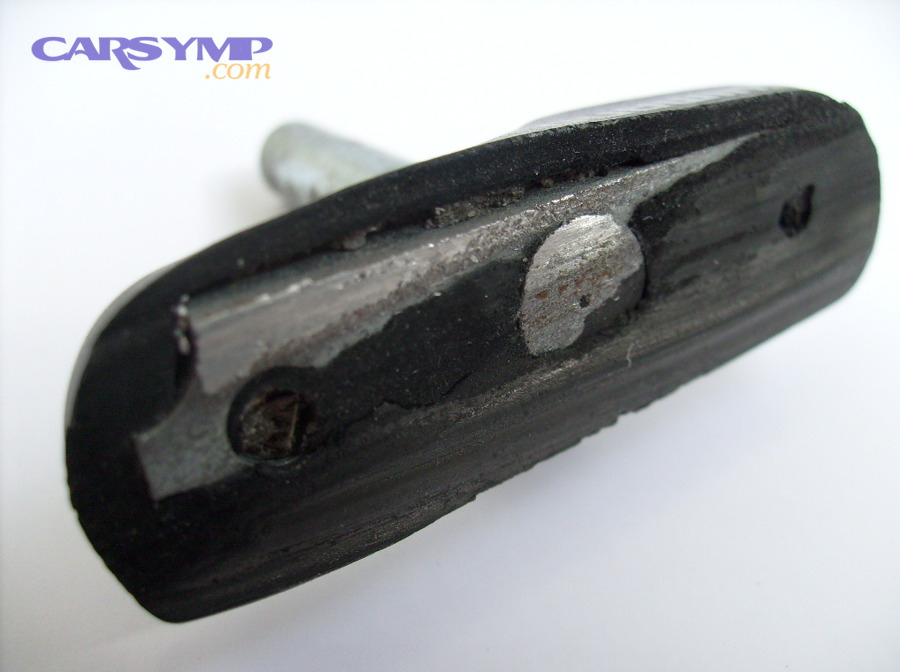
The reason “Can you drive with grinding brakes” is usually no comes down to what grinding typically represents in real-world brake systems:
- You may already be out of friction material. When pads wear past their usable layer, the steel backing plate can contact the rotor. That creates the classic harsh brake grinding sound and can cut grooves into the disc quickly.
- Your braking efficiency can drop as wear increases. Even if the car still stops, it can become inconsistent—especially with heat or repeated braking. A worn system can feel “okay” one moment and weaker the next, which is exactly what you don’t want in traffic.
- You can turn a simple pad job into rotors + calipers. Continued grinding can overheat and score rotors, damage pad hardware, and stress caliper seals—multiplying cost and downtime.
Here’s the practical safe-to-drive filter that works in everyday situations:
- Stop driving (tow recommended) if any of these are true:
- The grinding is loud and constant with every brake application.
- The brake pedal feels soft/spongy, sinks, or braking distance feels longer.
- The car pulls hard to one side while braking.
- You smell burning, see smoke, or a wheel is extremely hot.
- The brake warning light is on, or ABS/ESC lights appear with poor brake feel.
- You may cautiously drive only a short distance (slow, hazards, extra following distance) if all are true:
- The grinding is brief, light, and appears after hitting debris or after rain.
- The pedal feel is firm and consistent.
- There’s no pulling, no vibration in the pedal, and no warning lights.
- The noise reduces or disappears after a short drive—suggesting a minor rub rather than pad failure.
According to a study by Polytechnic University of Bucharest from the Department of Machine Elements and Tribology, in 2023, the tested vehicle showed braking system efficiency around 59% with worn pads/discs and 72% after replacement—an improvement of 13 percentage points—highlighting that worn friction components measurably reduce braking performance.
What does a grinding noise when braking usually mean?
A grinding noise when braking usually means hard contact between brake components—most commonly a worn pad backing plate against the rotor, or debris rubbing between the rotor and shield—creating a rough, scraping friction sound. Specifically, the key is to match the sound to the friction event, because “grinding” describes a family of noises that come from different contact surfaces.
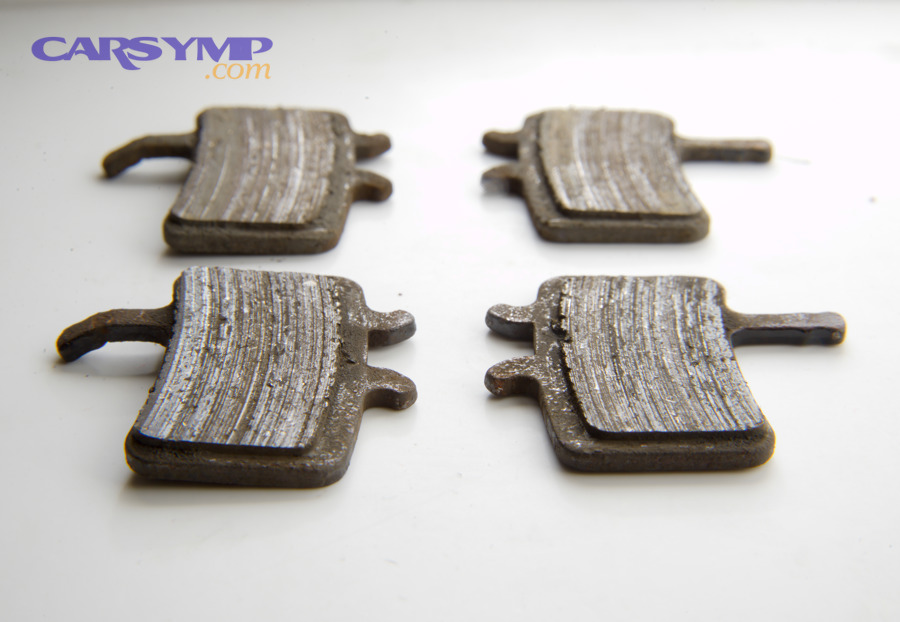
When drivers describe grinding noise when braking, they’re usually hearing one of these mechanical realities:
- Metal-on-metal braking (most urgent). The pad friction layer is gone, so the pad’s steel backing plate rubs the rotor face. This typically sounds harsh, changes with pedal pressure, and is repeatable every time you brake.
- Rotor damage or heavy scoring. Deep grooves or uneven rotor faces can “machine” the pad and create a gritty grinding or growling sound—often paired with pedal pulsation.
- Debris contact (sometimes mild, still needs checking). A small rock can lodge between the rotor and dust shield, or between pad and rotor edge, causing intermittent scraping/grinding that may change with turning.
A quick sound-meaning map helps you avoid the common confusion:
- Grinding / scraping (rough, gritty): typically hard contact or debris. Treat as urgent until confirmed.
- Squeal (high-pitched): often pad wear indicators or glazing, not always immediate danger, but still needs inspection.
- Thump/clunk: loose hardware, caliper bracket movement, suspension components—can be serious depending on severity.
- Clicking while rolling: sometimes a stone, wheel cover, or backing plate rub; sometimes CV joint or hub issues mistaken for brakes.
If you want one safe assumption: grinding is a friction surface complaint until proven otherwise, and you should prioritize inspection because brakes don’t fail gracefully.
What are the most common causes of brake grinding?
There are 6 main causes of brake grinding—worn pads, damaged rotors, trapped debris, caliper/hardware issues, contaminated friction surfaces, and bearing/hub problems—based on what component is physically contacting or vibrating against the rotor. More importantly, each cause leaves a distinct “pattern” in when and how the sound appears, so you can narrow it fast without guesswork.
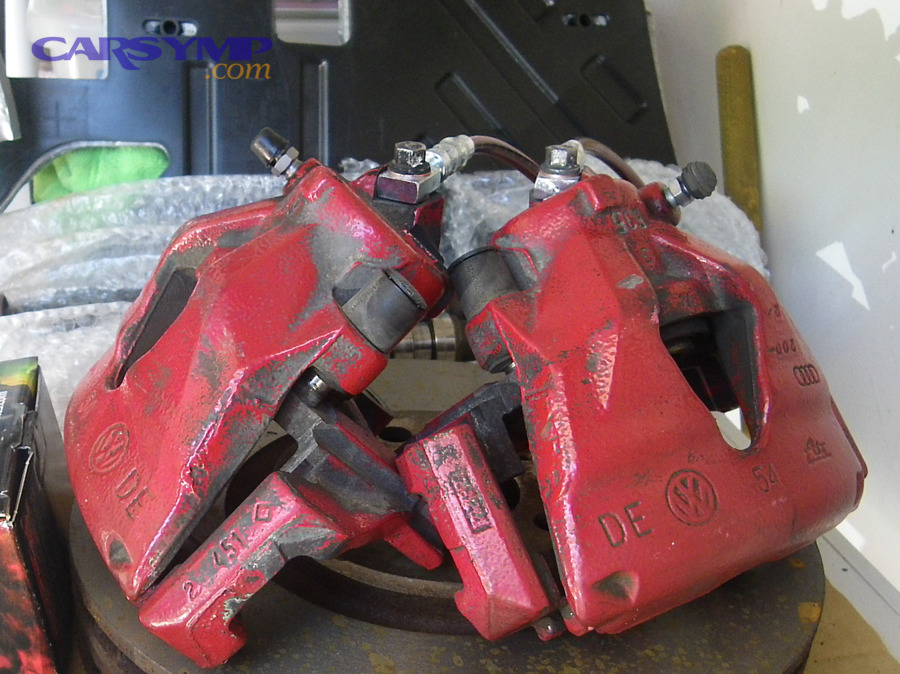
Worn brake pads down to metal
Brake grinding that happens every time you brake, especially at low speeds, is most commonly pads worn to the backing plate. You may also notice:
- Increased stopping distance or reduced confidence
- A rough “gravelly” feel through the pedal
- Visible rotor scoring through the wheel spokes
This is the classic “urgent” case because the rotor becomes the sacrificial surface.
Damaged, scored, or warped rotors
Rotors can be damaged by prolonged metal contact, overheating, or poor pad bedding. Grinding can appear with:
- Steering wheel shake (front rotors) or seat vibration (rear)
- Pulsation during braking
- A rhythmic grind that matches wheel rotation
Even if pads still have material, a deeply scored rotor can create an abrasive, grinding-like friction interface.
Rock/debris caught in rotor shield causes
This is the scenario many drivers hope for—and it does happen. Rock/debris caught in rotor shield causes a scrape or grind when a small stone wedges between the rotor and the thin backing plate (dust shield). Clues include:
- Noise appears suddenly after gravel roads, construction zones, or winter grit
- Noise changes while turning left vs right
- Noise may fade after reversing or after a few stops (but not always)
Even if it’s “just debris,” you still want it checked because it can gouge the rotor edge and bend the shield into permanent contact.
Caliper slide pins stuck or pad hardware dragging
If slide pins seize or pad clips shift, the pad may not retract cleanly. That can create:
- Continuous light grinding even when not braking
- One wheel much hotter than the others
- Uneven pad wear (inner pad worn much more than outer, or vice versa)
This is often a “grinding + heat” story rather than “grinding only when braking.”
Contamination and glazing (less common for true grinding, still relevant)
Oil/grease on pads can reduce friction and create odd noises, while glazing can make squeal more likely. You can sometimes get a gritty sound if the surface becomes uneven and abrasive, but pure contamination more often causes poor braking and squeal than heavy grinding.
Wheel bearing or hub issues mistaken for brake grinding
A failing bearing can create a growl that changes with speed and cornering—sometimes confused with brake grinding. The difference:
- Bearing noise often persists even when you’re not braking.
- Brake grinding is typically tied to pedal application.
If you’re hearing brake grinding only when you touch the pedal, start with friction components first.
How urgent is brake grinding, and when should you stop driving immediately?
Brake grinding is urgent because it usually signals accelerated wear at the rotor-pad interface; you should stop driving immediately if grinding is constant, the pedal feel changes, the car pulls, or you detect heat/smoke—because those signs indicate unsafe braking margin. Besides, urgency is not just “sound intensity”—it’s the combination of sound + braking behavior + heat.
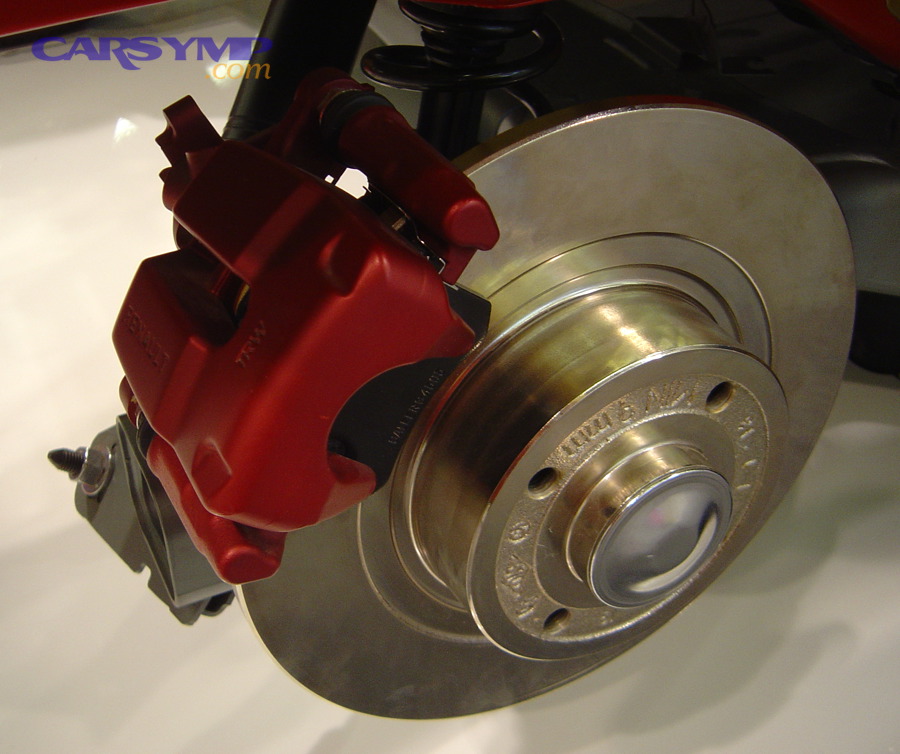
Think of urgency in three tiers:
Tier 1: Immediate stop (tow it)
Stop driving if grinding is paired with any of the following:
- Pedal drop, sponginess, or inconsistent braking (possible fluid issue or overheating)
- Strong pull to one side (stuck caliper, uneven friction, or hydraulic fault)
- Smoke, burning smell, or extreme wheel heat (dragging brakes or severe friction)
- Grinding that becomes a loud metal rasp with minimal braking force
- Brake warning light indicating system-level concerns
In this tier, the question “Can you drive with grinding brakes” should be answered no without debate.
Tier 2: Urgent same-day inspection (minimize driving)
You may be able to drive carefully to a nearby shop if:
- The pedal is firm and braking feels normal, but grinding happens with every stop.
- You’re not overheating a wheel.
- No warning lights are on.
Even here, avoid highways, keep speed low, and leave a large following distance—because wear can accelerate unpredictably.
Tier 3: Likely debris rub (still inspect soon)
This is the least urgent scenario and the easiest to misjudge. It tends to look like:
- Sudden onset after gravel/wet roads
- Intermittent scraping that changes with steering input
- Noise that reduces after a short time
But don’t “wait it out” for days—because debris can carve the rotor edge and bend the dust shield into permanent contact.
According to a study by Polytechnic University of Bucharest from the Department of Machine Elements and Tribology, in 2023, researchers observed a significant reduction in braking system efficiency with wear and reported improved efficiency after replacing worn pads/discs, reinforcing that worn components measurably degrade braking performance.
How can you diagnose brake grinding at home safely?
You can diagnose brake grinding with a 6-step visual-and-symptom check—listen for when it happens, compare wheel heat, inspect pad thickness and rotor surface, check dust shield clearance, look for caliper drag clues, then confirm with a cautious low-speed test—so you can identify the likely cause before a shop visit. To begin, the goal is not to “repair” brakes in your driveway—it’s to decide whether this is debris, pad wear, or a hardware issue that demands immediate service.
Step 1: Pinpoint when the grinding happens
Write down answers (seriously—memory lies):
- Only when braking, or also while cruising?
- Only first stop of the day, or every stop?
- Worse turning left/right?
- After rain, car wash, or gravel?
This timing often separates debris rub from worn pads.
Step 2: Do a careful heat comparison (no burns)
After a short, gentle drive with minimal braking:
- Carefully hover your hand near each wheel (don’t touch the rotor).
- One wheel significantly hotter can indicate caliper drag or stuck hardware.
Heat + grinding is a strong “urgent” signal.
Step 3: Inspect pad thickness through the wheel
Many wheels let you see the outer pad edge:
- If friction material looks extremely thin (a few millimeters) or uneven, assume pad wear.
- If you see metal contact marks or heavy dust accumulation, treat as immediate service.
If you can’t see it clearly, don’t guess—move to a professional inspection.
Step 4: Check the rotor face and edge for scoring
Look for:
- Deep grooves (you can often see or feel them with a fingernail—without reaching into dangerous areas)
- Blue/purple heat spots (sign of overheating)
- Rust ridges that catch the pad edge
Rotor scoring strongly correlates with true brake grinding, not just squeal.
Step 5: Look for dust shield contact and debris
This is where Rock/debris caught in rotor shield causes becomes testable:
- With the wheel turned outward, look behind the rotor for the thin metal shield.
- If it’s bent inward, it may be lightly rubbing the rotor.
- Sometimes you can see a small stone wedged near the shield edge.
Do not stick tools in there with the engine on or the car unsupported. If you suspect debris and can’t remove it safely, have a shop lift it.
Step 6: Confirm with a low-speed controlled test
In a safe empty area:
- Brake lightly at 5–10 mph and listen.
- If grinding is immediate and consistent, stop testing and schedule service.
- If it appears only during turning, the debris/shield hypothesis strengthens.
What does it usually cost to fix brake grinding?
Brake grinding repair cost usually ranges from “pads only” (if caught early) to “pads + rotors” (common) to “pads/rotors + caliper hardware or caliper replacement” (if overheating or seizure occurred), based on how long the grinding has been happening and what it damaged. More specifically, the sound you ignore is often the sound of money leaving—because rotors are expensive compared to pads.
Instead of unreliable price promises, use a cost logic model that matches real shop estimates:
Scenario A: Pads only (best case)
This is possible when:
- You caught the issue at the first signs (light noise, minimal scoring).
- Rotors measure within thickness spec and have acceptable surface condition.
What you’re paying for: pads, labor, and often hardware clips.
Scenario B: Pads + rotors (most common once grinding starts)
This becomes likely when:
- Grinding is repeatable and harsh.
- Rotors show visible grooves or hotspots.
- The shop won’t machine rotors due to thickness limits or severe scoring.
What you’re paying for: pads + rotors + labor, sometimes additional hardware.
Scenario C: Pads + rotors + caliper service or replacement (worst case)
This tends to happen when:
- A caliper sticks and overheats the corner.
- Slide pins seize and wear becomes uneven.
- Seals are heat-damaged or the piston doesn’t retract.
What you’re paying for: the full friction job plus caliper work and potentially brake fluid service.
A simple table helps you map sound → likely scope → why cost increases. (This table summarizes typical repair scope patterns, not a quote.)
| What you experience | Likely cause | Likely repair scope | Why cost escalates |
|---|---|---|---|
| Grinding every stop, harsh metal rasp | Pads worn to backing plate | Pads + rotors (often) | Rotor face gets scored fast |
| Grinding + one wheel very hot | Caliper drag / seized slide pins | Pads + rotors + caliper service | Heat damages seals and hardware |
| Intermittent scrape after gravel | Debris / dust shield rub | Remove debris / adjust shield | Usually minimal parts if no scoring |
| Grinding + pulsation | Rotor damage/variation | Pads + rotors | Surface and thickness variation |
Even if your main concern is budget, the safest economic move is the same as the safest driving move: treat brake grinding as urgent, because delay is what turns “pads” into “pads + rotors + calipers.”
What’s the difference between brake grinding vs squealing, and why does it matter?
Brake grinding vs squealing matters because squealing is often a warning or vibration issue, while grinding usually indicates hard contact or debris—meaning grinding is typically the more urgent “stop-soon” signal. More importantly, this comparison prevents the most common mistake: treating grinding like “just noisy brakes.”
How to tell them apart by sound and conditions
- Squealing (high pitch):
- Often linked to wear indicators, glazing, or vibration.
- Can appear with light braking.
- May come and go with temperature and humidity.
- Grinding (low, harsh, gritty):
- Often linked to worn pads, rotor scoring, or debris.
- Tends to be repeatable with braking pressure.
- More likely to worsen quickly.
Why the distinction changes your next step
If you hear squeal, you can often plan an inspection soon. If you hear true brake grinding, your decision becomes time-critical: limit driving, inspect immediately, and prioritize safety—because the sound is frequently the friction system telling you it’s out of sacrificial material and into structural contact.
And if you’re on the fence, return to the simplest safety truth: “grinding noise when braking” is a reason to assume urgency until inspection proves otherwise.