


Undercarriage rattling is a systematic diagnostic issue requiring structured inspection of 12 key vehicle systems including exhaust components, heat shields, catalytic converter, suspension parts, brackets, engine mounts, transmission mounts, underbody panels, brake components, timing chain, drive shaft elements, and foreign debris. This comprehensive checklist approach enables drivers to methodically identify the specific source of rattling noises by examining each component in sequence, determining urgency levels, and deciding between DIY fixes and professional intervention.
The location and timing of rattling noises provide critical diagnostic clues that narrow down potential causes significantly. Sounds originating from different areas—front versus rear, left versus right, or center undercarriage—combined with when the noise occurs during idle, acceleration, braking, or over bumps, create a diagnostic fingerprint that points toward specific component failures. This pattern recognition forms the foundation of effective troubleshooting.
Safety assessment remains paramount when addressing undercarriage rattles, as certain issues demand immediate attention while others can wait for scheduled maintenance. Critical failures affecting steering components, brake systems, or exhaust leaks pose immediate safety hazards requiring drivers to stop operation, whereas minor heat shield vibrations or loose trim panels represent lower-priority concerns. Understanding this severity spectrum helps drivers make informed decisions about repair timing.
Cost considerations and DIY capability significantly influence how drivers approach undercarriage rattle repairs. Below, we’ll explore each inspection point systematically, provide actionable identification methods, and clarify which repairs suit home mechanics versus those requiring professional expertise.
What Causes Rattling Noises Under Your Car?
Rattling noises under your car are mechanical vibrations produced by loose, worn, or damaged components in the undercarriage systems, originating from failures in exhaust assemblies, suspension linkages, drivetrain mounts, protective panels, or internal engine parts that allow metal-to-metal contact or unsecured movement during vehicle operation.
To better understand these causes, we need to recognize that modern vehicles contain dozens of components secured to the undercarriage through brackets, hangers, bolts, and rubber isolators. Over time, thermal cycling from the exhaust system, vibrations from the engine and drivetrain, road impacts, corrosion from salt and moisture, and normal wear deteriorate these mounting systems. When fasteners loosen, rubber components deteriorate, or metal parts corrode, the affected components gain freedom to move and contact adjacent surfaces, producing the characteristic rattling sounds drivers hear.
The exhaust system represents the most common source of undercarriage rattles because it operates at extreme temperatures, extends the length of the vehicle, and relies on multiple rubber hangers and metal brackets for support. Heat shields protecting surrounding components from exhaust temperatures are particularly prone to rust and loose mounting, creating persistent metallic rattles. The catalytic converter, positioned midway through the exhaust system, contains an internal ceramic honeycomb structure that can break apart over time, causing pieces to rattle inside the converter housing—a sound distinctly audible during startup and acceleration.
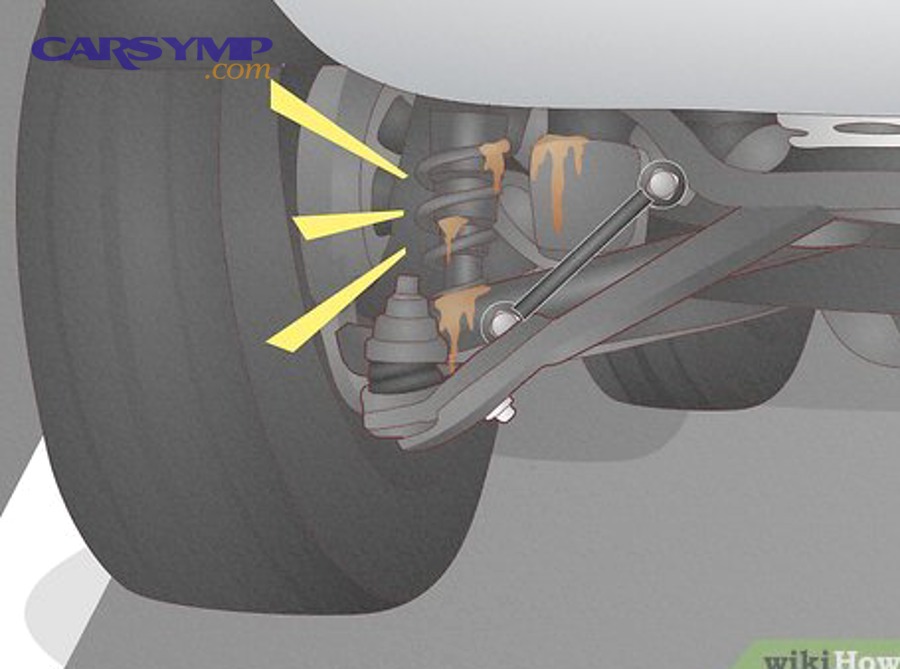
Suspension components constitute the second major category of rattle sources, as ball joints, tie rod ends, control arm bushings, and sway bar links all contain rubber or polymer bushings that wear with mileage. When these bushings deteriorate or when metal components develop excessive play, the suspension geometry becomes loose, producing clunking or rattling sounds especially pronounced when traversing bumps or during cornering maneuvers. The suspension system carries the vehicle’s entire weight and absorbs road irregularities, making it particularly susceptible to wear-related noise generation.
Drivetrain mounting systems including engine mounts and transmission mounts use hydraulic or rubber isolators to absorb vibrations before they reach the chassis. When these mounts fail, the powertrain gains excessive movement, allowing it to contact the subframe or other components during acceleration, deceleration, or even at idle. Manual transmissions with dual-mass flywheels and automatic transmissions with torque converters develop internal wear patterns that produce rattling specifically under certain load conditions.
According to automotive repair data compiled by RepairPal across thousands of repair facilities in 2023, exhaust system issues account for approximately 40% of undercarriage rattle complaints, suspension problems represent 30%, drivetrain mount failures comprise 15%, and miscellaneous issues including loose panels and brake components make up the remaining 15%.
How Do You Locate Where the Rattling Is Coming From?
Locating undercarriage rattling requires systematic listening techniques combined with physical inspection, starting by identifying whether sounds originate from front, rear, left, right, or center positions, noting when rattles occur during idle, acceleration, braking, or over bumps, and characterizing sound qualities as metallic clanking, persistent vibration, or sporadic clicking to narrow diagnostic focus.
More specifically, effective rattle location begins with safe listening procedures. With the vehicle parked on level ground, engine at operating temperature, and all accessories turned off, listen carefully at idle to establish a baseline. Have an assistant slowly increase engine RPM while you position yourself at safe distances from the front, rear, and sides to triangulate sound origin. Many rattles only manifest under specific conditions, so road testing becomes necessary—but this requires careful attention since driver position limits hearing capability.
The timing relationship between rattling and vehicle operation provides powerful diagnostic information. Rattles present only at idle often indicate engine-mounted components like valve train issues or motor mounts, whereas sounds appearing during acceleration suggest exhaust system stress, transmission problems, or drivetrain component wear. Deceleration rattles frequently point toward loose exhaust hangers or heat shields that shift position as torque reverses. Rattles synchronized with bumps or road irregularities almost certainly involve suspension components, underbody panels, or loose exhaust sections that move with chassis flex.
Is the Rattle Coming from the Exhaust System?
The exhaust system produces rattling when mufflers, exhaust pipes, resonators, or catalytic converters develop loose mounting, corroded hangers, or internal damage, typically creating metallic sounds that intensify with engine speed and may include visible movement of exhaust components when the vehicle is elevated on a lift or jack stands.
Exhaust system inspection requires visual examination of all components from the exhaust manifold at the engine to the tailpipe at the rear. Rubber hangers supporting the exhaust system deteriorate from heat exposure and age, becoming cracked, stretched, or separated—look for hangers that appear damaged or allow excessive exhaust pipe movement when pushed manually. Metal brackets and clamps securing exhaust sections together can corrode or loosen, creating gaps where pipes contact each other or the undercarriage. Rust perforation represents another common issue, particularly in regions using road salt, where exhaust pipes develop holes that can cause sections to separate or hang loosely.
The muffler and resonator contain internal baffles and chambers that can corrode and break free, causing rattling inside these components. Shaking the muffler by hand (when cool) often reveals internal breakage through audible movement of loose pieces. Exhaust leaks near joints produce not only rattling but also a distinct tapping sound as gases escape under pressure, and visual inspection often reveals soot deposits near leak points.
Professional mechanics use stethoscopes to pinpoint exact rattle locations within complex exhaust systems, but home mechanics can achieve similar results using a length of hose or rolled cardboard tube as a listening device, placing one end near suspected components while holding the other end to their ear—always maintaining safe distance from hot surfaces and moving parts.
Is the Rattle Coming from Heat Shields?
Heat shields produce rattling when corrosion weakens mounting tabs or bolts loosen, allowing thin metal shields to vibrate against exhaust components or chassis mounting points, creating characteristic high-frequency metallic sounds that often vary with engine RPM and exhaust gas flow.
Heat shields serve critical protective functions, deflecting radiant heat from exhaust manifolds, catalytic converters, and exhaust pipes away from fuel lines, wiring harnesses, cabin floor panels, and other heat-sensitive components. Manufacturers construct these shields from thin stamped steel designed to withstand temperatures exceeding 1000°F (538°C), but this harsh environment promotes rapid oxidation. Rust first attacks mounting tabs and edges, eventually causing shields to separate partially or completely from their intended positions.
Inspection focuses on heat shields located at the exhaust manifold near the engine, wrapped around or positioned beneath the catalytic converter, and protecting the fuel tank at the rear. Visual examination reveals rust perforation, separated mounting tabs, or missing fasteners. Physical testing involves carefully pushing shields with a tool (never bare hands on potentially hot surfaces) to check for excessive movement or separation. Many heat shield rattles occur only when the exhaust system reaches operating temperature and expands, causing thermal movement that brings loose shields into contact with adjacent surfaces.
Temporary fixes include using stainless steel hose clamps or mechanic’s wire to secure loose shields, though these expedient solutions may not survive long-term heat exposure. Proper repair involves replacing damaged shields with new components or removing severely deteriorated shields that no longer serve protective purposes—though removal should only occur after verifying that eliminated shields don’t protect critical components.
What Are the Top 12 Causes of Undercarriage Rattling?
The top 12 causes of undercarriage rattling include exhaust system looseness, heat shield deterioration, catalytic converter internal failure, suspension component wear, loose brackets and hangers, engine mount degradation, transmission mount failure, underbody panel detachment, brake component looseness, timing chain stretch, drive shaft issues, and foreign debris entrapment, classified by mechanical system and failure mechanism.
Below, we’ll examine each cause systematically, providing specific identification characteristics, safety implications, and repair complexity assessments that help drivers prioritize inspection and remediation efforts.
Is Your Catalytic Converter Failing?
Your catalytic converter is failing when you hear a rattling sound specifically from the mid-undercarriage area during startup and acceleration, caused by the internal ceramic honeycomb substrate breaking apart and allowing fragments to move freely inside the converter housing, often accompanied by reduced engine performance and increased exhaust backpressure.
Catalytic converter construction involves a ceramic or metallic honeycomb core coated with precious metal catalysts including platinum, palladium, and rhodium that facilitate chemical reactions converting harmful exhaust gases into less toxic compounds. This core operates at temperatures between 400-800°C (750-1470°F) and experiences repeated thermal cycling, mechanical vibration, and chemical stress. Over time, the substrate can crack due to thermal shock from water ingestion, physical damage from road debris impacts, or degradation from improper fuel combustion.
When substrate fracture occurs, loose pieces move within the converter housing, creating a distinctive rattling sound most noticeable during cold starts when exhaust gas flow first begins, and during acceleration when flow velocity increases. Unlike external mechanical rattles that vary with suspension movement or bumps, catalytic converter internal rattles correlate directly with exhaust gas flow. Testing involves carefully tapping the converter housing with a rubber mallet while the engine is off—a failed converter produces a clear rattling response, whereas a healthy converter sounds solid.
Failed catalytic converters create multiple problems beyond noise. The broken substrate obstructs exhaust flow, increasing backpressure that reduces engine power, decreases fuel economy, and may trigger the check engine light with diagnostic codes indicating catalyst efficiency below threshold or oxygen sensor irregularities. Continued operation with a severely damaged converter risks complete exhaust blockage leading to engine stalling. Furthermore, vehicles with failed converters cannot pass emissions testing in regions requiring such inspections.
Replacement represents the only proper solution, as catalytic converters cannot be repaired. Original equipment converters designed for specific vehicle models provide best performance and emissions compliance, though aftermarket alternatives offer cost savings. Professional installation ensures proper fitment, correct oxygen sensor function, and prevents exhaust leaks, though mechanically inclined owners with proper tools can perform replacement as a DIY project.
Are Your Suspension Components Worn Out?
Your suspension components are worn when you hear clunking or rattling over bumps, during cornering, or when the vehicle feels unstable, caused by deteriorated rubber bushings in control arms, ball joints, tie rod ends, sway bar links, or worn shock absorbers and struts that allow excessive movement and metal-to-metal contact.
The suspension system contains numerous articulating joints and connections that permit wheel movement while maintaining vehicle control. Control arms use bushings—rubber or polyurethane isolators pressed into metal sleeves—at both frame mounting points and wheel hub attachment points. Ball joints provide articulation allowing wheels to turn while traveling vertically, containing a metal ball stud rotating within a socket secured by rubber or synthetic boots. Tie rod ends connect the steering rack to wheel spindles, also using ball-and-socket construction. Sway bar links connect anti-roll bars to suspension arms, typically employing small ball joints or rubber bushings at each end.
Wear progression follows predictable patterns. Rubber bushings first show cracking and deformation from age, ozone exposure, and mechanical stress, eventually tearing or separating completely. Ball joints develop play as the socket wears and allows the ball stud to move excessively—this play produces knocking sounds when suspension loading changes direction. Shock absorbers and struts lose damping effectiveness as internal seals deteriorate and hydraulic fluid leaks, allowing uncontrolled suspension oscillation that amplifies rattles from other sources.
Diagnosis requires systematic inspection with the vehicle safely elevated on jack stands or a lift. Visual examination reveals torn boots on ball joints, cracked or separated bushings, and oil leakage from shocks or struts. Physical testing involves grasping each wheel at 12 and 6 o’clock positions and attempting to rock it vertically (checking ball joints and wheel bearings), then at 3 and 9 o’clock positions while checking for steering linkage play. Each suspension arm should be examined for excessive movement at bushing locations—worn bushings allow visible metal-to-metal contact or obvious deflection beyond design limits.
Safety implications of worn suspension components extend beyond annoying noises. Excessive play in ball joints or tie rod ends can lead to sudden separation causing complete loss of steering control or wheel detachment. Worn suspension bushings compromise vehicle handling, increasing body roll during cornering, extending braking distances, and causing unstable highway tracking. Uneven tire wear accelerates when suspension geometry becomes incorrect due to worn components, necessitating premature tire replacement.
Professional repair is strongly recommended for suspension work due to safety criticality and specialized tools required. Ball joint replacement often requires hydraulic presses to remove pressed-in components. Proper alignment must follow suspension repairs to ensure correct wheel geometry. Labor costs vary significantly, with simple sway bar link replacement taking 1-2 hours while complete control arm replacement may require 4-6 hours per side including alignment.
Could Loose Brackets or Hangers Be the Problem?
Loose brackets or hangers cause rattling when mounting hardware securing exhaust components, drivetrain shields, or chassis accessories loosens or corrodes, allowing metal parts to vibrate against attachment points or contact adjacent components, producing intermittent knocking sounds that worsen with vehicle operation.
Brackets and hangers serve throughout the vehicle to support and secure numerous systems. Exhaust hangers use molded rubber isolators that support exhaust pipe weight while absorbing vibration—these hangers connect to welded studs on the exhaust components and hook into stamped brackets on the chassis. Metal brackets attach heat shields, underbody covers, fuel tank shields, and various components to the chassis or subframe using bolts, clips, or welded fasteners.
Failure mechanisms include rubber deterioration from heat, age, and ozone exposure causing hangers to tear or separate; corrosion attacking metal brackets particularly where dissimilar metals contact in the presence of moisture; and mechanical loosening as nuts and bolts work free from vibration. A single failed hanger allows the exhaust system to hang lower and contact the chassis or suspension components during travel, while loose metal brackets allow secured components to rattle against mounting surfaces.
Inspection methodology involves systematic visual examination of all visible hangers and brackets accessible from beneath the vehicle. Look for hangers that appear stretched, torn, or completely separated—intact hangers show minimal movement when exhaust components are pushed manually. Metal brackets should be checked for rust perforation, cracked welds, or missing fasteners. Many rattles from loose hardware can be temporarily silenced by tightening accessible bolts, though severely corroded fasteners may break during tightening attempts, necessitating replacement.
DIY repair of loose brackets and hangers represents one of the most accessible undercarriage fixes. Exhaust hangers are available from auto parts stores as universal or vehicle-specific components, typically costing $5-15 each. Installation requires supporting the exhaust system to relieve stress, removing the old hanger, and installing the new component—manageable with basic hand tools. Metal bracket repair may involve drilling out broken fasteners and installing new bolts with lock washers, or in cases of severe corrosion, welding new brackets or attachment points.
Is There an Issue with Your Engine Mounts or Transmission Mounts?
Engine mounts or transmission mounts are problematic when you notice rattling at idle, vibration during acceleration or deceleration, or visible engine movement during throttle application, caused by deteriorated rubber or hydraulic mount internals that no longer isolate powertrain vibration from the chassis.
Modern vehicles use sophisticated mounting systems to secure engines and transmissions while isolating passenger compartments from powertrain vibration. Traditional rubber mounts bond rubber compound between metal brackets, providing vibration dampening through rubber compression and deflection. Hydraulic mounts enhance this design by incorporating fluid-filled chambers that absorb low-frequency vibrations more effectively—these work similarly to shock absorbers, with hydraulic fluid flowing through internal orifices to provide damping action.
Mount failure progresses through stages. Initial deterioration shows as cracks in rubber compounds, particularly where rubber bonds to metal brackets. Advanced failure involves rubber separation allowing metal-to-metal contact, or in hydraulic mounts, seal failure causing fluid leakage that eliminates hydraulic damping. Failed mounts permit excessive engine movement—observable as engine rocking when throttle is quickly opened and closed—and allow the powertrain to contact subframe members, suspension components, or drivetrain covers, producing rattling or knocking sounds.
Diagnostic procedure requires inspection with the engine running and an assistant available. With the hood open and parking brake engaged, observe engine position at idle versus during throttle application in drive or reverse (automatic) or with clutch engaged in first gear (manual). Excessive movement indicates mount failure. Visual inspection from beneath the vehicle reveals separated rubber, hydraulic fluid leakage (appearing as oil residue on mount surfaces), or obvious damage. Each mount should be examined individually as vehicles typically employ 3-5 mounts distributed around the engine and transmission.
Safety considerations include understanding that failed mounts can allow powertrain contact with steering components, brake lines, or wiring harnesses, potentially causing sudden failures. The engine or transmission contacting the subframe during aggressive acceleration or emergency braking creates dangerous handling irregularities. Additionally, excessive vibration transmitted through failed mounts accelerates wear on ancillary components including exhaust system connections and drivetrain couplings.
Replacement complexity varies significantly by mount location and vehicle design. Front mounts may be accessible from above, requiring only basic tools and jack support of the engine. Rear transmission mounts often demand raising the entire transmission to remove load from the mount before bolt removal. Lower mounts positioned on the subframe require vehicle elevation and substantial support equipment. Labor time ranges from 1-2 hours for simple accessible mounts to 4-6 hours for mounts requiring subframe lowering or major component repositioning.
Are Underbody Panels or Splash Guards Loose?
Underbody panels or splash guards are loose when you hear rattling that intensifies at highway speeds or after driving through water, caused by broken mounting clips, missing fasteners, or physical damage allowing protective panels beneath the engine, transmission, or wheel wells to hang down and contact road surfaces or moving components.
Modern vehicles incorporate extensive underbody coverage for aerodynamic efficiency, component protection, and noise reduction. Engine belly pans typically cover the area beneath the engine and transmission, constructed from plastic composite materials or aluminum, secured by a combination of bolts around perimeter edges and push-pin clips at intermediate locations. Wheel well liners protect wheel wells from water, debris, and road salt, using flexible plastic secured to wheel well sheet metal with specialized retaining clips. Rear underbody panels may shield the fuel tank, spare tire well, or rear suspension components.
Panel looseness typically results from damaged mounting provisions rather than panel structural failure. Plastic push clips break during removal for service access or shear off from road debris impacts—these clips use expanding barbs that grip sheet metal when pressed through mounting holes, but once broken cannot secure effectively. Metal sheet metal mounting points can rust and tear, eliminating fastener retention. Physical damage from scraping over parking barriers, debris strikes, or bottoming out can crack panels or bend mounting brackets.
A loose panel hanging below normal position creates multiple problems. At highway speeds, airflow catches the panel creating flutter and rattling against chassis members. Water splash during rain or car washing can force panels against hot exhaust components, potentially melting plastic. Most dangerously, a severely loose panel can catch on road objects, ripping free suddenly and creating hazards for following vehicles, or wrapping around suspension or drivetrain components causing immediate mechanical failure.

Inspection reveals loose panels through visual examination from beneath the vehicle—look for panels hanging noticeably lower than designed position, gaps between panel edges and mounting surfaces, broken or missing clips, and physical damage. Gently pulling downward on panel edges shows whether fasteners are secure; properly installed panels resist movement, while loose panels deflect significantly or pull away from mounting surfaces entirely.
Repair often proves straightforward and inexpensive. Replacement push clips are available from dealers or auto parts suppliers, typically sold in assortments containing various sizes and styles for $10-20 per package. Installation requires identifying the correct clip style, aligning panel to mounting holes, and pressing clips firmly until fully seated—often facilitated by using a plastic trim tool to compress clip barbs. Severely damaged panels may require replacement, with aftermarket alternatives available at lower cost than original equipment parts, though fit quality varies. Professional installation is rarely necessary unless panels require major reassembly or additional fasteners must be drilled and installed.
Could Brake Components Be Rattling?
Brake components rattle when brake pads develop excessive clearance within calipers, anti-rattle clips fail, or backing plates become loose, producing metallic clicking or knocking sounds particularly noticeable during braking, over bumps, or sometimes continuously at low speeds.
Disc brake assemblies contain multiple components designed to fit together with close tolerances. Brake pads slide within caliper brackets on metal abutment clips, held in position by anti-rattle springs or shims that maintain slight pressure preventing movement. Pad backing plates—thin steel stampings bonded to friction material—should remain firmly attached without looseness. Behind the rotor, a pressed metal dust shield (backing plate) protects brake components from road debris and water, mounted to the steering knuckle or axle housing with bolts.
Several failure modes produce rattling. As brake pads wear thin, they can develop looseness within caliper brackets, allowing them to shift position and contact metal surfaces when the vehicle traverses bumps or during non-braking operation. Anti-rattle hardware including springs and clips can break, corrode, or lose tension, eliminating the preload that maintains pad stability. Caliper slide pins may seize from corrosion, preventing proper caliper movement and causing uneven pad wear that leads to looseness. Backing plates corrode at mounting points or suffer physical damage, allowing them to bend and contact rotating components.
Diagnosis begins with wheel removal to expose brake assemblies for direct inspection. Visual examination reveals severely worn pads (less than 3mm friction material remaining), broken anti-rattle hardware, and corroded components. Physical testing involves grasping brake pads and attempting to move them within the caliper bracket—properly installed pads with adequate thickness should show minimal movement. Backing plate inspection requires checking for corrosion at mounting bolts and verifying clearance to the rotor—bent backing plates may contact the rotor producing scraping sounds mistaken for rattles.
Safety criticality of brake system rattles varies by cause. Loose pads with adequate remaining thickness present minimal immediate danger but indicate accelerated wear and potential caliper problems requiring attention. Severely worn pads rattling because insufficient material remains constitute urgent safety issues—pads worn to backing plates damage rotors rapidly and compromise braking effectiveness dramatically. Backing plates contacting rotors can gouge rotor surfaces requiring replacement, though they don’t directly affect braking performance.
Repair complexity depends on findings. Replacing anti-rattle hardware during brake pad replacement represents standard practice, costing $10-25 for hardware kits. Pad replacement is a common DIY project requiring basic tools including a C-clamp or caliper piston tool, though proper procedure includes cleaning and lubricating slide pins and abutment surfaces. Backing plate straightening or replacement is straightforward, requiring only fastener removal and installation—replacement backing plates cost $15-40 each. Professional brake service including pad replacement typically costs $150-300 per axle at independent shops.
Is Your Timing Chain Stretched or Loose?
Your timing chain is stretched or loose when you hear metallic rattling from the engine’s front during cold starts or acceleration, caused by chain elongation from wear allowing excessive slack that permits the chain to slap against chain guides or the timing cover, potentially leading to valve timing errors and severe engine damage if failure occurs.
Timing chains synchronize crankshaft and camshaft rotation, ensuring valves open and close at precise moments relative to piston positions. Unlike rubber timing belts requiring replacement at specified intervals, timing chains are designed for extended service life, theoretically lasting the engine’s lifetime. However, chains wear through several mechanisms: roller and link pin wear causing elongation, inadequate lubrication accelerating wear rates, tensioner failure allowing excessive slack, and guide rail deterioration eliminating support surfaces.
Chain stretch manifests audibly as rattling sounds concentrated at the engine front, typically loudest during cold starts when oil pressure hasn’t fully built up, and during acceleration when chain loading increases. The sound quality differs from valve train noise, presenting as a sharper metallic slapping or clicking rather than the softer ticking of valve adjustment issues. Advanced chain wear can affect engine performance through valve timing variation, causing rough idle, reduced power, and increased fuel consumption. Diagnostic trouble codes may appear indicating camshaft position sensor correlation errors.
Professional diagnosis involves measuring actual timing chain stretch using specialized tools or interpreting camshaft timing data through scan tool analysis. Some engines provide access ports allowing direct measurement of tensioner position—excessive tensioner extension indicates significant chain stretch. Listening with a mechanic’s stethoscope pinpoints noise location, distinguishing chain rattle from other engine sounds. In some cases, removing the timing cover for direct inspection provides definitive assessment, though this labor-intensive procedure is typically reserved for when replacement is already planned.
Timing chain failure consequences are severe. Complete chain failure causes immediate loss of camshaft synchronization, resulting in pistons contacting open valves in interference engines—damage totaling thousands of dollars including cylinder head repairs or complete engine replacement. Even partial failure causing skipped teeth produces catastrophic valve train damage. Therefore, confirmed timing chain issues demand immediate attention.
Replacement complexity varies dramatically by engine design. Some engines provide straightforward access requiring 8-12 hours labor, while others demand extensive disassembly including engine removal or subframe lowering, consuming 20-30 hours labor. Parts costs including chain, tensioner, guides, and gaskets typically range $300-800 for quality components. Total repair costs frequently exceed $1500-3000, making timing chain replacement one of the most expensive undercarriage-audible repairs.
Are There Foreign Objects Stuck Under Your Car?
Foreign objects are stuck under your car when sudden rattling begins after driving through debris or rough terrain, caused by rocks, plastic bags, wooden objects, or metal items becoming lodged in wheel wells, trapped against heat shields, wedged in suspension components, or caught in the exhaust system’s protective screens and brackets.
The vehicle’s undercarriage contains numerous areas where debris can become trapped during normal operation. Wheel wells between the tire and inner fender provide spaces where rocks, gravel, or larger objects may wedge, particularly in the front wheels where steering movement can compress foreign material into tight spaces. Suspension control arms, sway bars, and mounting brackets create crevices and attachment points where items can lodge. The exhaust system’s heat shields and mounting hangers offer potential entrapment locations. Some vehicles use underbody covers with ventilation openings that can admit debris into spaces between covers and components.
Common entrapped objects include rocks ranging from pebble-size to fist-size that become wedged during off-road driving or construction site transit; plastic shopping bags, tarps, or cardboard that blow under vehicles in parking lots and wrap around drivetrain components; wooden sticks, boards, or lumber debris from construction zones; and metal objects including wire, chains, or dropped tools that hook onto undercarriage protrusions. Each material produces characteristic sounds—rocks create hard rattling or scraping; plastic causes fluttering or rustling; wood produces hollow knocking; metal generates sharp metallic clinks.
Diagnosis requires systematic visual inspection of the entire undercarriage with the vehicle safely elevated or over an inspection pit. Examination should cover each wheel well, paying particular attention to areas between the tire and fender liner where objects compress during suspension travel. Inspect around the exhaust system where heat shields provide debris-catching surfaces. Check suspension components for items wedged between control arms and subframe, or caught on sway bars and links. Drivetrain areas around the drive shaft (rear-wheel and all-wheel drive vehicles) and CV axles (front-wheel drive) should be examined for wrapped materials.
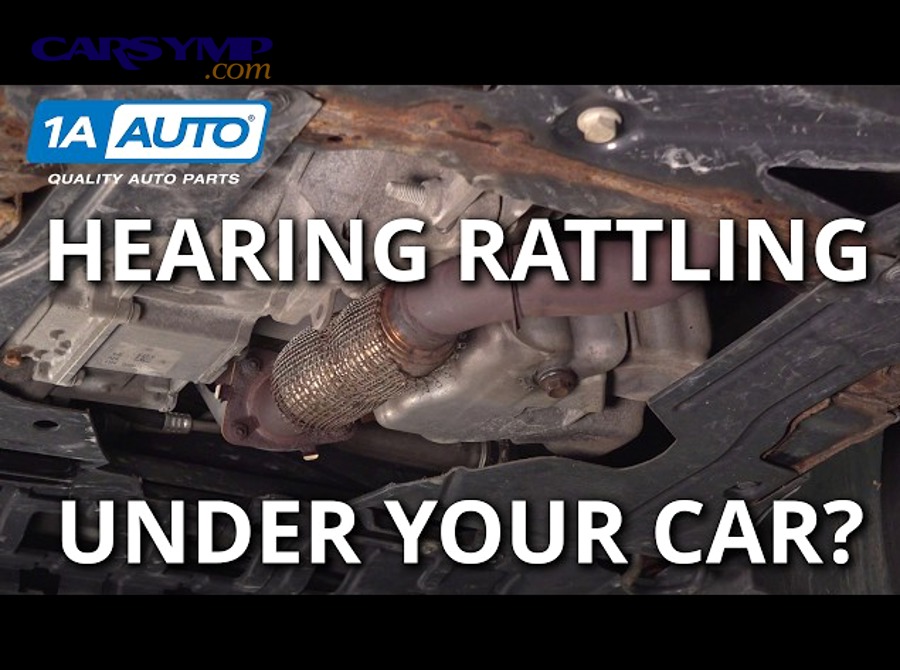
Removal typically proves straightforward once objects are located. Small rocks may fall free when suspension is compressed and released, or can be pried out with screwdrivers or pliers. Plastic bags and similar materials usually require cutting into pieces for extraction, as pulling may tighten wrapping around components. Wooden objects can often be broken and removed piecewise. Metal items may require unbolting nearby components for access, or may need cutting with bolt cutters or hacksaws if severely entangled.
Prevention involves avoiding driving through visible debris fields when possible, maintaining proper vehicle ride height (lowered vehicles encounter more debris), and installing aftermarket skid plates or underbody protection on vehicles frequently operated in off-road or construction environments. Regular undercarriage inspection, particularly after trips involving unpaved roads or unusual terrain, identifies and allows removal of debris before it causes damage or becomes further entrenched.
How Urgent Is the Rattling Issue?
The rattling issue urgency is determined by evaluating severity criteria including location (critical safety systems versus non-structural components), progression (worsening versus stable sounds), and operational impact (affecting vehicle control versus cosmetic), with steering, brake, or wheel-related rattles demanding immediate attention, engine internal noises requiring prompt professional diagnosis, while heat shields and trim panels representing lower-priority repairs.
Understanding urgency classification enables informed decision-making about repair timing and whether continued vehicle operation presents acceptable risk. This assessment considers both immediate safety hazards and the potential for minor issues to cascade into major failures if neglected.
When Should You Stop Driving Immediately?
You should stop driving immediately when rattling comes from wheel bearings, steering components, or brake systems, when exhaust leaks allow fumes into the cabin, when engine noise suggests imminent failure through loud knocking or severe timing chain rattle, or when dashboard warning lights accompanying the noise indicate critical system failures.
Wheel-related rattles demand urgent attention because bearing failure or wheel attachment looseness can cause sudden wheel separation or loss of steering control. Symptoms requiring immediate cessation of driving include wobbling steering wheel, vehicle pulling to one side, grinding or growling noise that increases with vehicle speed, or visible wheel movement when grasped and shaken. Loose lug nuts present extreme danger—if suspected based on rattling from wheel area after recent tire service, pull over immediately in a safe location and verify lug nut tightness before proceeding.
Steering system integrity is critical to vehicle safety. Rattling accompanied by increased steering effort, wandering vehicle tracking, or clunking when turning the wheel indicates potential tie rod or ball joint failure. These components can separate suddenly during operation, causing complete loss of directional control. Front suspension ball joints under load can also fail catastrophically, allowing the wheel assembly to collapse. If steering feels abnormal while rattling is present, immediately seek safe location and arrange towing to a repair facility.
Brake system failures rarely occur without warning but demand immediate response when suspected. If rattling coincides with reduced brake pedal firmness, increased pedal travel, or pulling to one side during braking, discontinue driving. Brake fluid leaks present extreme danger, visible as fluid puddles under the vehicle near wheels—complete brake failure can occur rapidly as fluid level drops. The combination of rattling and a soft or sinking brake pedal suggests immediate professional intervention.
Engine internal failures generate distinctive sounds requiring immediate attention. Rod bearing knock produces a heavy, rhythmic pounding that increases with engine speed—continued operation will cause connecting rod failure and catastrophic engine destruction. Loud metallic clattering suggesting broken valve springs, dropped valves, or severe piston damage requires immediate shutdown to prevent further destruction. Coolant or oil pressure warning lights accompanying engine rattles indicate potentially severe problems warranting immediate cessation of operation to prevent complete engine seizure.
Exhaust system dangers extend beyond mechanical failure. If rattling accompanies exhaust odor in the cabin, exhaust gases containing carbon monoxide may be entering the passenger compartment—this life-threatening situation requires immediately opening all windows, shutting off climate control recirculation, and stopping as soon as safely possible. Carbon monoxide poisoning causes headaches, dizziness, nausea, and confusion, potentially incapacitating drivers before they recognize the danger.
Which Rattles Can Wait for Scheduled Maintenance?
Rattles that can wait for scheduled maintenance include loose heat shields producing high-frequency metallic sounds without affecting operation, minor underbody panel looseness without risk of detachment, exhaust hanger wear causing slight rattling but maintaining secure attachment, and interior trim rattles unrelated to mechanical systems, provided these issues remain stable without progression.
Heat shield rattles represent the most common deferrable issue. These shields protect components from exhaust heat but their rattling doesn’t affect vehicle operation or safety when attachment remains partially secure. A heat shield producing noise but still attached at some mounting points can wait for scheduled service, particularly if the noise isn’t progressively worsening. However, if a heat shield hangs down to where it contacts moving components or could detach completely, priority increases to sooner repair.
Minor exhaust hanger deterioration where exhaust components remain adequately supported allows delayed repair. If visual inspection confirms that although hangers appear aged or cracked, they continue supporting the exhaust system without excessive sagging or contact with undercarriage components, replacement can be scheduled for upcoming maintenance rather than requiring emergency service. Progressive monitoring is advised—check periodically that the condition isn’t deteriorating toward failure.
Underbody panels and splash guards showing minor looseness from a few missing clips but remaining substantially attached can typically wait, provided the loose areas don’t catch air at highway speeds or risk contacting moving components. Temporary stabilization using zip ties or similar expedient fasteners may extend the timeline until proper repair. However, any panel hanging substantially below its mounting position or showing progressive detachment should be addressed promptly.
Interior rattles from trim panels, loose console components, or items stored in door pockets obviously lack safety implications and can be addressed at driver convenience. However, these sounds can mask more serious mechanical rattles, so confirming that rattling sounds originate from interior trim rather than undercarriage components is essential before deferring investigation.
Non-critical engine bay rattles including loose engine covers, worn serpentine belt tensioners in early failure stages, or minor accessory bracket looseness may not require immediate attention if they don’t affect engine operation or pose breakdown risk. However, these should not be indefinitely neglected as they often progress to more serious failures—belt tensioner failure causes sudden belt loss resulting in immediate overheating and disabled steering and brakes on many vehicles.
According to a 2023 survey conducted by the Automotive Service Association covering 1,200 repair facilities, approximately 35% of undercarriage rattle complaints fall into the “non-urgent” category allowing scheduled repair, 45% represent “moderate priority” issues warranting attention within 1-2 weeks, and 20% constitute urgent problems requiring immediate or near-immediate intervention. Proper severity classification prevents both dangerous neglect of critical issues and unnecessary panic over minor concerns.
Can You Fix Undercarriage Rattles Yourself?
You can fix undercarriage rattles yourself for simple issues including tightening loose bolts and clamps, replacing accessible exhaust hangers, removing trapped debris, securing underbody panels with new clips, and straightening minor heat shield looseness, provided you have basic hand tools, jack stands for safe vehicle elevation, and mechanical aptitude, while complex repairs involving suspension disassembly, exhaust welding, timing chain replacement, or brake system work require professional expertise.
DIY repair success depends critically on accurate diagnosis, appropriate tools and facilities, mechanical skill level, and realistic assessment of repair complexity. Many rattles have straightforward causes amenable to home repair, while others demand specialized equipment and expertise beyond amateur capabilities.
What DIY Fixes Work for Common Rattles?
DIY fixes that work for common rattles include tightening accessible exhaust clamps and bolts to secure loose connections, replacing worn rubber exhaust hangers by supporting the exhaust system and installing new hangers costing $5-15 each, removing debris trapped in wheel wells or around suspension components through direct extraction, securing loose underbody panels with replacement push clips available in assorted packs for $10-20, and using stainless steel hose clamps or mechanic’s wire to temporarily stabilize loose heat shields until permanent repair.
Exhaust clamp tightening represents perhaps the simplest DIY repair. Many exhaust systems use band clamps securing pipe sections together—these clamps feature a bolt that can be tightened using a wrench or socket. With the vehicle safely elevated on jack stands, locate loose clamps by looking for gaps between pipes, rust staining indicating movement, or soot deposits from exhaust leaks. Tighten clamps firmly but not excessively to avoid crushing exhaust pipes. New replacement clamps cost $5-20 and install by loosening one bolt, sliding the clamp over the pipe joint, and tightening to specification.
Exhaust hanger replacement suits DIY repair when hangers are accessible without removing other components. The process involves supporting the exhaust system to remove weight from the hanger, unhooking the old deteriorated hanger from both the chassis bracket and exhaust mounting stud, installing the new hanger by stretching it into position, and releasing support allowing the exhaust to settle into proper position. A second person assisting by supporting the exhaust or a transmission jack positioned under the exhaust facilitates this work significantly.
Debris removal requires safe vehicle elevation, good lighting to spot trapped objects, and appropriate extraction tools including long screwdrivers, pliers, or picks. For items wedged in wheel wells, turning the steering to full lock improves access. Items caught on suspension or drivetrain components may require loosening nearby bolts to create clearance for extraction—photograph component positions before disassembly to ensure correct reassembly. Persistent debris like melted plastic bags on exhaust components may require careful heating or chemical solvent application for complete removal.
Underbody panel repair succeeds when panels aren’t damaged beyond clip retention capability and correct replacement clips are identified. Many auto parts stores carry assortments of common push clip styles, though dealer parts departments guarantee exact matches. Installation technique involves aligning panels to mounting holes, starting clips by hand, then pressing firmly—a plastic trim tool or small block of wood prevents clip damage during installation. Panels with broken mounting holes may need reinforcement using washers with bolts, or alternative mounting methods drilling new holes in less stressed areas.
Heat shield stabilization using stainless steel hose clamps works for shields partially separated from mounting points. Position clamps around both the heat shield and adjacent secure structure (exhaust pipe, chassis member, etc.), ensuring sufficient clearance for thermal expansion. Use multiple clamps distributed across the shield area for best results. Mechanic’s wire offers similar utility for temporary repairs—avoid standard baling wire or coat hangers that corrode rapidly in the exhaust heat environment.
Safety considerations for DIY work include never working under a vehicle supported only by a jack—always use jack stands rated for vehicle weight with the vehicle on level, solid ground. Disconnect the battery negative terminal before working near electrical components. Allow exhaust systems to cool completely before touching, as burns cause severe injury. Wear safety glasses to protect from falling debris and rust. If at any point the repair exceeds comfort level or available tools/facilities, seek professional assistance rather than attempting work that risks injury or incomplete repairs.
When Do You Need a Professional Mechanic?
You need a professional mechanic when rattles originate from internal engine components requiring disassembly, when suspension work involves pressed joints requiring hydraulic tools and subsequent alignment, when exhaust repairs need welding or complex pipe fabrication, when brake system work involves hydraulic component servicing, when timing chain replacement demands specialized tools and extensive engine disassembly, and when catalytic converter replacement requires ensuring emissions compliance and proper oxygen sensor function.
Internal engine repairs including timing chain replacement, valve train servicing, and engine mount replacement requiring engine support equipment exceed typical DIY capabilities. Timing chain jobs on many engines require special tools to lock crankshaft and camshaft positions, extensive disassembly potentially including engine removal, and precise reassembly with critical torque specifications. Engine mounts may require lifting the entire engine with specialized support fixtures to remove load before mount removal—improper technique risks engine dropping or component damage.
Suspension repairs involving ball joint or control arm replacement typically require hydraulic presses to separate pressed-fit components and install replacements. Furthermore, suspension geometry changes after component replacement, necessitating professional four-wheel alignment to restore proper wheel angles—this service requires sophisticated computerized alignment equipment unavailable to home mechanics. While DIY suspension work is possible with determination and equipment rental, the safety criticality and complexity generally warrant professional service.
Exhaust system repairs beyond simple bolt-on component replacement often require welding equipment and skills. Custom pipe fabrication, flange welding, and heat shield repairs may need TIG or MIG welding capabilities. Professional exhaust shops maintain pipe bending equipment, comprehensive parts inventories, and welding facilities to fabricate complete custom exhaust systems or repair sections economically. Attempting exhaust repairs without proper welding skills risks inadequate joints that separate under thermal stress and vibration.
Brake system work involving caliper rebuilding, master cylinder service, or brake line replacement demands understanding of hydraulic systems, proper bleeding procedures, and critical safety implications. While brake pad replacement suits DIY work, hydraulic component servicing requires careful attention to cleanliness preventing contamination, correct reassembly preventing fluid leaks, and thorough bleeding eliminating air from the system. Professional brake service guarantees proper function of these life-critical systems.
Catalytic converter replacement carries legal implications regarding emissions compliance—federal and state laws mandate that replacement converters meet specific performance standards. Professional installers source compliant converters, install them correctly ensuring proper oxygen sensor function and secure mounting, and may provide warranties covering installation and parts. DIY converter replacement risks installing non-compliant parts, improper sensor installation causing check engine lights, or inadequate mounting leading to failure.
Diagnostic services provide value when rattle sources remain unclear after basic DIY investigation. Professional shops use lifts allowing complete undercarriage visualization, diagnostic software to read fault codes and sensor data, specialized listening devices pinpointing noise locations, and extensive experience recognizing failure patterns. A diagnostic fee of $100-150 typically proves worthwhile when it prevents misdiagnosis leading to unnecessary parts replacement or when it identifies problems before they progress to major failures.
Cost transparency requires obtaining detailed written estimates before authorizing repairs. Reputable shops provide line-item breakdowns showing parts costs, labor hours, and shop rates, allowing price comparison and informed decision-making. Be wary of shops diagnosing expensive repairs without adequate explanation or refusing to show affected components—legitimate shops welcome customer education and transparency.
How Do Different Driving Conditions Affect Undercarriage Rattles?
Different driving conditions affect undercarriage rattles by varying mechanical loads, thermal states, vibration frequencies, and component stress patterns, causing certain rattles to appear only during specific operations including idle, acceleration, deceleration, high-speed cruising, rough road traverse, or temperature-dependent conditions, providing diagnostic information that narrows potential causes significantly.
Understanding when rattles occur focuses diagnostic attention on components active or loaded during specific conditions, dramatically reducing the diagnostic search space compared to intermittent rattles occurring unpredictably.
Why Does My Car Rattle Only When Idle?
Your car rattles only when idle because certain components experience specific resonance frequencies or loading conditions at idle engine speeds including collapsed hydraulic valve lifters losing oil pressure at low RPM, failed engine mounts allowing vibration transmission, loose heat shields resonating with idle exhaust pulses, or torque converter internal wear causing shudder in automatic transmissions when engaged in gear at idle.
Hydraulic valve lifters maintain zero valve train clearance through oil pressure, but when they collapse due to internal wear or oil passage blockages, clearance develops causing audible ticking or rattling most pronounced at idle when oil pressure is lowest and valve train velocities are slowest. This noise typically diminishes as engine RPM increases and oil pressure rises, partially compensating for lifter collapse. Worn lifters require replacement—band-aid solutions like oil additives provide temporary improvement at best.
Failed engine mounts permit excessive vibration at idle because they no longer isolate engine movement from chassis. The engine’s normal vibration at idle becomes transmitted directly through metal-to-metal contact where rubber should provide isolation. This rattling often varies with electrical load—engaging air conditioning or other accessories changes engine vibration patterns, altering rattle characteristics. Confirming engine mount failure requires visual inspection showing separated rubber or hydraulic fluid leakage, combined with observation of excessive engine movement during throttle blips.
Heat shields on exhaust manifolds and catalytic converters can resonate at specific frequencies corresponding to exhaust gas pulsations at idle. The relatively slow idle exhaust pulses create rhythmic pressure variations that excite shield vibration at natural resonance frequencies. These rattles often have a tinny or buzzing quality distinct from mechanical knocking, and touching the shield with appropriate tools (avoiding burns on hot components) immediately stops the vibration, confirming the source.
Automatic transmission torque converters contain internal components including stator assemblies and clutch mechanisms that can develop wear causing shudder or vibration specifically when engaged in gear at idle. This manifests as a shaking or rattling sensation felt through the vehicle body, disappearing when shifted to neutral or park because torque converter unlocks. Transmission fluid condition significantly affects torque converter behavior—dirty or degraded fluid exacerbates these symptoms while fresh fluid may provide temporary improvement.
Why Does the Rattle Get Worse During Acceleration?
The rattle gets worse during acceleration because increased engine torque stresses worn drivetrain mounts allowing component movement, exhaust system weight shifts rearward loading deteriorated hangers, catalytic converter internal fragments move with exhaust gas flow velocity increases, and transmission or differential issues manifest under load application.
Acceleration loads the drivetrain in specific directions—rear-wheel drive vehicles experience driveshaft and differential loading; front-wheel drive vehicles stress CV axles and transaxle mounts; all-wheel drive vehicles engage transfer case and multiple differentials. Worn mounts and bearings in these systems develop slop that becomes audible under the directional loads of acceleration. For example, worn differential mounts allow the differential housing to twist during acceleration, potentially contacting the chassis or exhaust system.
Exhaust system behavior changes dramatically during acceleration as backpressure increases and exhaust gas velocity rises. Loose exhaust components shift position under these pressures, making contact with chassis members or other exhaust sections. The weight of the exhaust system acts on hangers differently during acceleration versus deceleration—worn hangers may adequately support static weight but allow excessive movement under dynamic loads. Failed catalytic converters often rattle more noticeably during acceleration when exhaust flow velocity increases, moving broken substrate pieces more vigorously within the converter housing.
Engine and transmission mounts experience maximum stress during acceleration, particularly when worn. The torque of rapid acceleration attempts to rotate the engine and transmission within their mounts—failed mounts permit this movement, allowing metal-to-metal contact producing rattling or knocking. Manual transmissions with worn dual-mass flywheels exhibit rattling specifically during acceleration in lower gears when torque is highest—this noise may disappear in higher gears or during steady-state cruising.
According to diagnostic data collected by Bosch Automotive Service Solutions from vehicle diagnostic sessions in 2024, approximately 40% of acceleration-specific rattles originate from exhaust system issues, 30% from drivetrain mount problems, 20% from catalytic converter failure, and 10% from various other causes including loose heat shields and transmission internal wear.
What Causes Rattling Only Over Bumps or Rough Roads?
Rattling only over bumps or rough roads indicates worn suspension components including ball joints, tie rod ends, control arm bushings, sway bar links, strut mounts, or shock absorbers that allow excessive movement when suspension articulates, plus loose underbody panels or exhaust hangers that shift position during chassis flex and suspension travel.
Suspension component wear manifests most obviously during bump traverse because suspension articulation reaches maximum travel extremes. Ball joints with excessive clearance produce knocking as the suspension extends and compresses, changing load direction on the worn joint. Control arm bushings that have separated or deteriorated allow the control arm to shift position during suspension movement, creating clunking as metal contacts metal within worn bushing housings. Sway bar links with worn ball joints or bushings knock when the sway bar twists during body roll associated with bumps and cornering.
Strut mounts positioned at the top of front struts serve as both a structural mounting point and a pivot bearing allowing steering rotation. When these mounts wear, clunking occurs during both suspension travel and steering input. Worn strut mounts also cause poor steering return after cornering, wandering vehicle tracking, and tire wear. Shock absorbers and struts with failed internal damping don’t cause rattling directly but allow excessive suspension oscillation that amplifies rattles from other sources—replacing failed dampers often reduces overall vehicle noise significantly.
Underbody panels and exhaust systems secured adequately for smooth road driving may reveal looseness over bumps when chassis flex and suspension movement increases component motion. A partially detached underbody panel may not rattle on smooth pavement but can contact components or flap against mounting surfaces when the chassis flexes over bumps. Similarly, marginal exhaust hangers may support the system adequately except during extreme suspension travel when the hangers stretch beyond their limit, allowing exhaust contact with the chassis.

Diagnostic approach for bump-related rattles involves carefully traversing speed bumps or rough pavement sections while a passenger listens for noise location, then inspecting suspected areas with the vehicle elevated. Physical testing of suspension components—attempting to move ball joints, bushings, and links manually while checking for excessive play—often reveals worn components producing the rattles. Professional technicians use specialized pry bars and lever techniques to load components while checking for movement exceeding manufacturer specifications.
How Is Rattling at High Speeds Different from Low-Speed Rattles?
Rattling at high speeds differs from low-speed rattles in that high-speed issues typically involve wheel balance problems, worn wheel bearings creating resonance, aerodynamic vibration of loose panels catching airflow, exhaust resonance at specific RPM ranges, or drivetrain vibrations that only appear at highway speeds due to rotational frequencies.
Wheel balance affects vibration particularly at speeds above 50 mph (80 km/h) as rotational imbalance forces become significant. While perfect balance doesn’t typically create rattling alone, imbalance combined with worn suspension components amplifies vibrations enough to produce audible rattles. Symptoms include steering wheel vibration at specific speed ranges, whole-vehicle shaking, and rattling from suspension or steering components as vibration excites looseness. Rebalancing wheels costs $60-100 for a complete vehicle and represents good first-step diagnosis when high-speed rattles appear.
Wheel bearing wear creates specific noise characteristics including humming, growling, or rumbling that may sound like rattling at highway speeds. Bearing noise typically increases with vehicle speed, varies when turning left or right as lateral loads shift between bearings, and often manifests as vibration felt through the steering wheel or chassis. Failed bearings can lead to complete wheel separation, making prompt diagnosis and replacement critical when bearing noise appears—replacement costs range $150-400 per wheel including parts and labor.
Aerodynamic effects become significant above 45-50 mph (70-80 km/h) as air resistance increases with the square of velocity. Loose underbody panels, partially detached wheel well liners, or damaged aerodynamic fairings can flutter in airflow, producing rattling or buzzing sounds absent at low speeds. Opening windows at highway speeds often alters or eliminates these rattles as cabin pressure changes affect panel behavior. Visual inspection reveals panels that flex excessively when pushed by hand, indicating they’ll flutter in highway airflow.
Exhaust resonance occurs when exhaust gas pulses match natural resonance frequencies of exhaust components or body panels, typically happening at specific engine RPM ranges that correspond to highway cruising speeds. These rattles appear at predictable speeds—for example, always between 62-68 mph—and may disappear if speed changes slightly. Exhaust shop expertise helps diagnose resonance issues as they have experience with specific vehicle models prone to these problems and know solutions including resonator installation or exhaust hanger adjustment changing system support points.
Drivetrain components including driveshafts, CV axles, and differentials rotate at speeds proportional to vehicle velocity. Imbalanced driveshafts, worn universal joints, or failing CV joints create vibrations specific to rotational speed—these may not be noticeable at low speeds but become obvious at highway speeds. Four-wheel drive and all-wheel drive vehicles have additional components including transfer cases and center differentials that can develop high-speed vibrations from bearing wear or fluid-level issues.
What Are the Cost Implications of Ignoring Undercarriage Rattles?
The cost implications of ignoring undercarriage rattles include minor repairs ($50-200) escalating to major failures ($1,000-5,000+) through cascading damage, such as neglected heat shields causing wiring harness fires, failed suspension components accelerating tire wear adding $400-800 replacement costs, loose exhaust creating leaks risking carbon monoxide exposure and engine damage from improper backpressure, and timing chain failure destroying engines requiring $4,000-8,000 rebuilds, demonstrating that early intervention provides 5-10x cost savings versus delayed repair.
Understanding financial consequences of neglect provides powerful motivation for addressing rattles promptly rather than adopting a “wait and see” approach that often converts minor issues into catastrophic failures.
How Much Do Common Rattle Repairs Cost?
Common rattle repairs cost between $50-200 for heat shield replacement involving simple mounting bracket repairs or new shield installation, $75-300 for exhaust hanger and bracket replacement depending on accessibility and number of hangers needed, $400-2,500 for catalytic converter replacement varying by vehicle type and converter design, $200-1,000+ per corner for suspension component replacement including parts and alignment, $50-150 for underbody panel and splash guard repairs with new mounting clips, and $150-400 per wheel for brake component repairs addressing pad hardware and backing plates.
Heat shield repairs represent the least expensive category of rattle fixes. Simple mounting bracket tightening or replacement during routine maintenance often incurs only labor charges of $50-100. New heat shields themselves cost $25-75 for common vehicles, with installation adding 0.5-1.5 hours of labor at $80-150 per hour shop rates. Some heat shields integrate into exhaust component design, raising costs closer to exhaust pipe replacement pricing, but most use standalone designs allowing independent replacement.
Exhaust system repairs vary widely by component and vehicle accessibility. Simple exhaust hanger replacement costs $75-150 including parts and labor for straightforward installations. Exhaust pipe section replacement ranges $200-600 depending on whether simple bolt-on sections or custom pipe fabrication is required. Complete exhaust system replacement from manifold to tailpipe can exceed $800-1,500 on complex vehicles. Stainless steel exhaust systems cost more initially but provide extended lifespan justifying premium pricing for long-term ownership.
Catalytic converter replacement ranks among the most expensive common rattle repairs. Converters vary dramatically in price based on precious metal content—vehicles requiring high-capacity converters with substantial platinum, palladium, and rhodium loadings may have converter costs alone exceeding $1,500-2,000. Universal aftermarket converters provide budget alternatives at $200-600 but may not fit perfectly or provide equivalent emissions performance. Direct-fit aftermarket converters offer middle-ground pricing $400-1,000 with better fit and performance than universal types. Professional installation adds 1-3 hours labor depending on converter location and whether cutting or welding is required.
Suspension repairs encompass wide cost ranges depending on component and vehicle design. Sway bar link replacement represents a relatively inexpensive repair at $150-300 per side including parts and labor. Control arm bushings range $200-500 per arm if bushings can be pressed in and out, but complete control arm assemblies often cost $300-800 per arm when bushings aren’t available separately or pressing equipment isn’t accessible. Ball joint replacement varies from $200-400 per joint, though some vehicles integrate ball joints into control arms requiring complete arm replacement. Struts and shock absorbers cost $400-800 per pair installed, with premium brands offering improved ride quality justifying higher pricing. Four-wheel alignment is mandatory after most suspension repairs, adding $80-150 to total costs.
Underbody panel and splash guard repairs cost least when only mounting clips require replacement—$50-100 including parts and labor for straightforward installations. Damaged panels requiring replacement range $100-300 per panel depending on size and material, with engine belly pans generally most expensive due to larger size and more complex mounting. Labor remains relatively low as these repairs typically require only 0.5-1.5 hours.
Brake repairs addressing rattling components usually coincide with brake pad replacement, combining services efficiently. Pad replacement costs $150-300 per axle including hardware, while adding rotor replacement increases costs to $300-500 per axle. Caliper repairs or replacement add $150-400 per caliper. Brake backing plate straightening or replacement represents minor additional cost during brake service, typically $30-80 per wheel, though accessing backing plates requires wheel and sometimes caliper removal justifying performing this work during brake service rather than as a standalone repair.
Professional diagnosis fees of $100-150 provide value by ensuring correct problem identification before parts purchase and repair attempts. Many shops apply diagnostic fees toward repair costs when service is authorized, effectively making diagnosis free with repair.
What Expensive Damage Can Result from Ignored Rattles?
Expensive damage from ignored rattles includes catalytic converter clog causing $2,000-4,000 engine damage from excessive backpressure melting pistons, timing chain failure resulting in $4,000-8,000 engine rebuild from valve-piston contact in interference engines, failed suspension components causing $400-800 tire replacement from uneven wear plus potential $1,500+ accident costs from loss of vehicle control, loose exhaust creating $300-1,000 heat damage to wiring harnesses and fuel lines, and neglected wheel bearing failure leading to $2,000-5,000 repair costs when hubs, axles, and brake components sustain damage from bearing seizure.
Catalytic converter failure presents multiple damage pathways. A deteriorating converter initially just rattles, but as internal substrate breaks apart, fragments can partially or completely block exhaust flow. Excessive backpressure forces exhaust gases back into cylinders, disrupting the combustion process and causing severe engine misfires, lost power, and potential piston overheating from delayed combustion. In extreme cases, completely blocked converters can cause engine stalling or failure to start. Replacing a damaged engine costs dramatically more than replacing the failed converter—piston replacement alone exceeds $2,000 labor plus parts, while complete engine replacement ranges $4,000-8,000 or more depending on vehicle.
Timing chain failure consequences depend on engine design but are uniformly catastrophic in interference engines where pistons and valves occupy the same physical space at different times. When timing chain failure allows camshaft timing to slip, valves open when pistons occupy their space, causing violent contact that bends valves, damages pistons, breaks valve springs, and potentially cracks cylinder heads. Repair requires complete cylinder head removal, valve replacement, piston inspection and possible replacement, cylinder head resurfacing or replacement, and complete engine reassembly—costs easily exceeding $4,000-8,000. Non-interference engines suffer less severe damage but still require timing system repair costing $1,500-3,000. Early chain replacement when rattling first appears costs far less than subsequent failure repair.

Suspension failures create both direct repair costs and consequential damages. Failed ball joints or tie rod ends can separate during operation, causing sudden loss of steering control or wheel collapse—accidents resulting from such failures involve not only suspension repair but potentially body damage, other vehicle damage, increased insurance rates, and liability concerns. Even without dramatic failure, worn suspension accelerates tire wear through incorrect wheel alignment, potentially requiring premature tire replacement costing $400-800 for a set. Worn suspension also increases stress on other suspension components, creating cascading failures where one worn part causes accelerated wear on connected components.
Exhaust system neglect allowing pipes to separate or hang unsecured creates heat damage risks to nearby components. Exhaust manifolds and pipes operate at temperatures exceeding 1000°F (538°C), capable of melting wiring harnesses, fuel lines, brake lines, and other components within inches of contact. Wiring harness damage costs $500-2,000 to repair depending on extent and location. Fuel line damage creates immediate fire risk requiring emergency repair. Heat can also damage transmission components, transfer case housings, and chassis structural components in severe cases. Additionally, exhaust leaks allow unmetered air into exhaust stream, confusing oxygen sensors and triggering check engine lights with resulting poor fuel economy and catalytic converter damage from incorrect mixture.
Wheel bearing failure progression moves from initial noise to increasing looseness, eventually causing bearing seizure or complete separation. Seized bearings can damage wheel hubs requiring replacement ($200-400 per hub), brake rotors and calipers from overheating ($300-600), and axles from stress ($400-800). Complete wheel separation is rare but catastrophic, causing loss of vehicle control, severe body damage, and potential collision. Bearing noise indicating early failure allows replacement at $150-400 per wheel, preventing these extensive consequential damages.
According to a 2024 analysis by CarMD covering repair cost data from 17,000 repair facilities, the average cost ratio between early intervention for rattling issues versus delayed repair after consequential damage is approximately 6:1—meaning $200 repairs neglected until damage occurs average $1,200 in total repair costs. For major failures like timing chains and engine damage, this ratio can exceed 15:1 where $1,500 preventive repair would prevent $20,000+ failure costs.
Is Extended Warranty or Insurance Coverage Available for These Issues?
Extended warranty or insurance coverage for rattle-related repairs varies significantly by coverage type, with powertrain warranties covering engine and transmission mount failures, timing chains, and related internal components, emissions warranties specifically covering catalytic converters for 8 years/80,000 miles federally mandated on all vehicles, comprehensive insurance typically excluding wear-related mechanical failures but potentially covering sudden accident-related damage, and extended service contracts offering variable coverage depending on contract terms, deductibles, and excluded items like maintenance-related repairs.
Factory powertrain warranties on new vehicles typically cover 5 years/60,000 miles (manufacturer dependent) and include engine internal components, transmission assemblies, and drivetrain elements. Under these warranties, timing chain failures, valve train problems, transmission mounts, and engine mounts should receive coverage provided failure isn’t attributable to owner neglect or modified operation. However, warranty coverage interpretation varies—some manufacturers deny claims arguing that rattling symptoms indicated need for earlier repair, claiming owner allowed damage to progress. Documenting rattle complaints and repair attempts with dealer service records strengthens warranty claims if major failures subsequently occur.
Federal emissions warranties mandate 8 years/80,000 miles coverage for catalytic converters on all vehicles sold in the United States as part of the Clean Air Act requirements. This coverage applies regardless of owner or which state the vehicle operates in. Catalytic converter failure causes including internal substrate breakdown, external shell damage from road debris, or functional failure indicated by emissions test failures all should receive warranty coverage. However, converters damaged by engine problems causing contamination (oil consumption, coolant leaks into combustion chambers, etc.) may be denied coverage as consequential damage from issues outside emissions system. Obtaining diagnosis from manufacturer dealers or authorized repair facilities helps ensure warranty claims proceed smoothly.
Extended service contracts (often called extended warranties though not technically warranties) vary tremendously in coverage scope, claims procedures, and reliability. Quality contracts from reputable providers cover comprehensive mechanical and electrical repairs after factory warranty expiration, typically with deductibles ranging $50-200 per visit. However, contracts differ dramatically in what they cover—some exclude suspension components, exhaust systems, and items considered maintenance-related. Reading contracts carefully before purchase prevents disappointment when claims arise. Third-party contract companies vary in claims payment reliability—research company reputation through consumer reviews and Better Business Bureau ratings before purchasing coverage.

Comprehensive automotive insurance covers sudden damage from accidents, theft, vandalism, weather, and animal strikes but specifically excludes mechanical failures from wear and age. If suspension components fail due to collision damage or if exhaust systems are torn away by road debris impact, comprehensive coverage may apply (subject to deductible). However, gradual deterioration causing rattles receives no coverage under standard insurance policies. Mechanical breakdown insurance (MBI) represents a specialized product offered by some insurers covering mechanical failures—this resembles extended service contracts but operates through insurance company structures with different regulatory oversight.
Manufacturer goodwill programs sometimes provide coverage beyond warranty periods for widespread issues affecting numerous vehicles. If rattles trace to known design defects or premature failures affecting a vehicle model population, manufacturers may issue Technical Service Bulletins (TSBs) and authorize repairs at reduced cost or no cost even outside warranty periods. Checking for TSBs related to rattle symptoms on specific vehicles can reveal these opportunities—NHTSA maintains a TSB database accessible online.
Pre-purchase considerations include that extended coverage products vary dramatically in value proposition. Reliable vehicles with good maintenance often don’t justify extended service contracts as repair costs may not exceed contract premiums. Conversely, vehicles with known reliability issues or expensive repair histories may benefit from coverage. Timing of contract purchase matters—buying contracts when purchasing new vehicles often provides better pricing than waiting until factory warranties near expiration. Always compare multiple providers and carefully review exclusions, deductibles, and claims procedures before committing.
This comprehensive guide has systematically addressed undercarriage rattling diagnosis through a 12-point inspection methodology, examined urgency classification to guide repair timing decisions, distinguished DIY-appropriate repairs from those requiring professional expertise, analyzed how driving conditions affect rattle characteristics providing diagnostic insights, and evaluated the financial consequences of neglect versus timely intervention. By following these structured diagnostic procedures and making informed repair decisions, drivers can maintain vehicle safety, prevent expensive consequential damage, and address rattling issues efficiently whether through self-service or professional repair facilities.