


A lean fuel mixture under heavy engine load can contribute to overheating because it changes combustion behavior, raises exhaust-side heat stress, and can force the engine and cooling system to work beyond their normal thermal margin—especially during sustained pulls, towing, or highway climbs.
Next, you’ll learn the fastest ways to confirm whether the problem is truly “lean under load” (and not a cooling-system fault), using symptoms, scan-tool clues, and a few simple checks that match what you feel behind the wheel.
Then, we’ll break down the most common root causes—air measurement errors, fuel delivery limitations, vacuum/boost leaks, and sensor feedback issues—so you can connect “why it’s lean” to “why it overheats when you step on it.”
Introduce a new idea: once you know the likely cause, you need a safe diagnostic order and clear “stop driving vs keep going” rules, because overheating on highway conditions can turn a small fault into expensive engine damage.
Is your engine overheating under load because of a lean fuel mixture?
Yes—engine overheating under load can be caused by a lean fuel mixture, and it usually happens because combustion heat shifts into the exhaust side, fuel delivery can’t keep up at high demand, and timing/knock control adds extra heat under sustained load.
To better understand the “why,” it helps to connect what the engine is doing at high load with what the cooling system must remove, and where the extra heat actually goes.
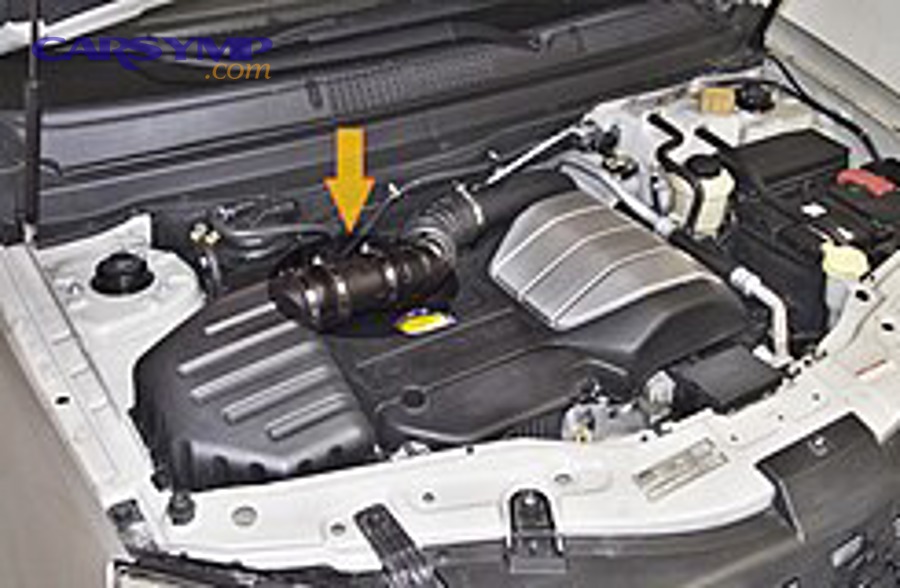
What “lean under load” really means in practical terms
“Lean under load” means the engine is receiving more air than the fuel system can correctly match at the moment you demand torque (climbing, merging, towing, wide throttle), so the commanded or actual air-fuel mixture moves leaner than intended.
In practice, that can look like:
- Boosted engines: commanded enrichment doesn’t happen (or happens too late), so cylinder and exhaust temperatures spike.
- Naturally aspirated engines: fuel trims may look “okay” at idle/cruise, but fuel pressure, injector flow, or MAF load calculation fails at higher airflow.
- Direct injection engines: high-pressure pump limits can show up only at high load, even if low-pressure supply is fine.
The key is that “lean” is not always a steady-state condition. Many cars only go lean in a narrow window: high load + high RPM + hot ambient + long duration.
Why a lean mixture can increase heat stress (and when it doesn’t)
Lean mixtures can behave differently depending on engine design and operating mode. Some engines use “lean burn” strategies at light load for efficiency, but that is not the same as accidentally running lean at high load.
Under heavy load, accidental lean can increase heat stress because:
- Combustion stability changes (misfire tendency, uneven burn), which can increase heat in components.
- Exhaust valve, turbine, and manifold temperatures can climb because the engine is making power with less fuel “buffer” and the exhaust side absorbs more of the energy.
- Knock control may pull timing; retarded timing can push more heat into the exhaust stream rather than turning it into crankshaft work.
When it may not present as overheating:
- Short bursts (a quick merge) might only cause a brief temperature rise you never see on the dash.
- Vehicles with large cooling margins may hide the problem until you add towing, altitude, or long grades.
Quick signs that point to lean-under-load rather than a pure cooling-system fault
These signs are not “proof,” but they strongly suggest you should investigate fueling/air metering:
- Overheats mainly during hard acceleration, towing, or long hills, then stabilizes when you lift.
- Pinging/knock sounds under load (where audible).
- Loss of power or surging when you demand torque.
- Check-engine codes related to lean condition, misfire, or fuel pressure (varies by vehicle).
At the same time, don’t ignore cooling-system possibilities. A marginal radiator, fan control issue, or thermostat problem can mimic the pattern—especially if the car is already near its limit.
What does “lean fuel mixture” mean, and how does it relate to engine load and temperature?
A lean fuel mixture is an air-fuel condition where the engine has too much air (or not enough fuel) relative to the target mixture, and under high engine load it can raise component heat stress by shifting more thermal energy into the exhaust side and cooling demand.
To illustrate the relationship, it helps to separate “air-fuel targets” from “what sensors report” and “what heat paths do.”
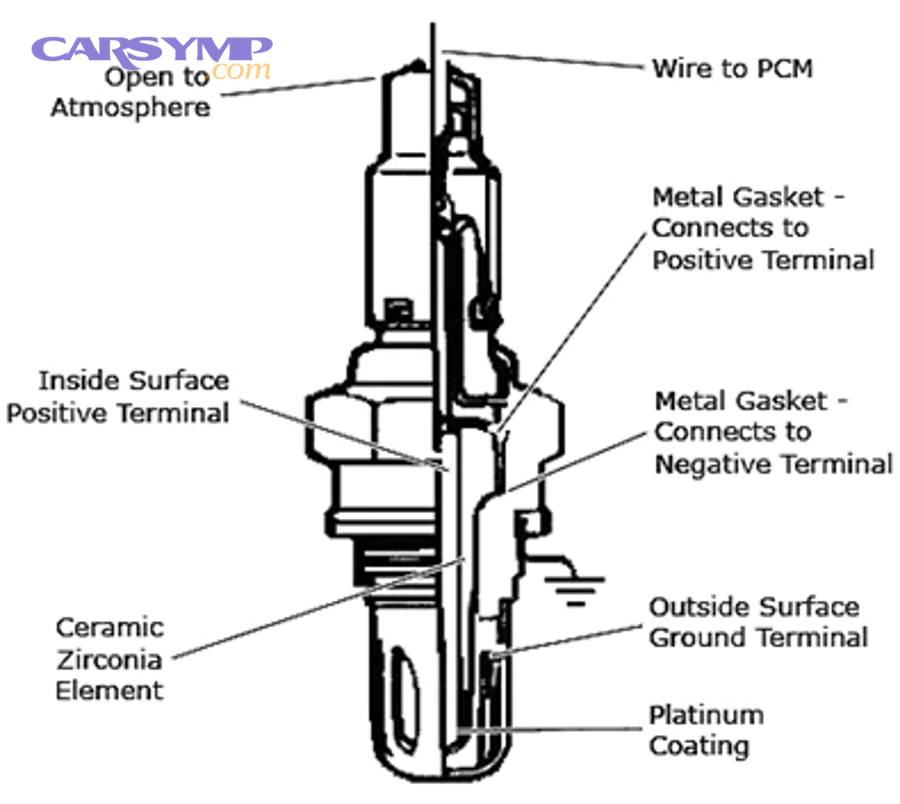
How AFR, lambda, and “fuel trims” connect to load
Most modern cars manage mixture using a combination of:
- Air measurement (MAF or MAP + IAT modeling)
- Fuel delivery (injector pulse width, fuel pressure control)
- Feedback (oxygen sensors, wideband AFR sensors)
- Adaptation (short-term fuel trim STFT, long-term fuel trim LTFT)
At low load, the system typically targets stoichiometric (around lambda 1) for emissions control. Under higher load, many engines command richer mixtures for power and component protection—especially on turbocharged engines.
How this relates to load:
- Load increases airflow → ECU commands more fuel.
- If fuel supply or measurement is wrong, the error grows with airflow.
- That’s why a car can be perfect in city driving but fail on the highway climb.
Combustion temperature vs exhaust gas temperature (EGT): the overheating connection
People often assume “lean = hotter combustion everywhere.” Real engines are more nuanced:
- Peak flame temperature can behave differently across mixtures, but what matters for overheating symptoms is often exhaust-side temperature and total heat rejection.
- Under load, if mixture control or timing is off, the engine can dump more heat into:
- exhaust valves and manifold,
- turbocharger turbine housing (if equipped),
- cylinder head and cooling jackets,
- catalytic converter.
This can push coolant temperature up—especially if the cooling system is already stressed by ambient heat or sustained speed.
Lean vs rich under load: a simple comparison you can use while diagnosing
If you’re trying to decide whether you’re dealing with lean or rich behavior under load, use this quick “directional” comparison:
- Lean under load (common):
- Hesitation/surge when accelerating hard
- Knock tendency
- Higher exhaust heat stress
- May overheat during long pulls
- Rich under load (also possible):
- Strong fuel smell, black smoke (some cases)
- Sooty plugs/exhaust
- Poor fuel economy
- Can overheat catalytic converter, but coolant overheating is less typical unless misfire or restriction is severe
Importantly, “lean” and “rich” can alternate if the engine is oscillating due to sensor errors, misfires, or fuel pressure instability.
Which problems cause a lean mixture under load that can lead to overheating?
There are 4 main types of problems that cause a lean mixture under load that can lead to overheating: unmetered air, incorrect air measurement, insufficient fuel delivery, and feedback/control errors, based on whether the ECU is wrong about airflow, wrong about fueling capacity, or misled by sensors.
Let’s explore each category so you can map symptoms to a real mechanical/electrical cause instead of guessing.
Unmetered air: vacuum leaks, intake leaks, and boost leaks
Unmetered air is air that enters the engine without being correctly accounted for by the ECU’s airflow model.
Common scenarios:
- Vacuum leaks (cracked hoses, intake gasket leaks) often show strongest at idle and light load, but some leaks only open with engine movement or heat.
- Boost leaks (turbo engines) often show at higher load: loose clamps, split couplers, intercooler end tank leaks, diverter valve issues.
How it leads to overheating:
- Under boost/load, the ECU believes it’s delivering enough fuel for a certain airflow, but the actual oxygen reaching cylinders differs from what it expects.
- Misfires or knock control responses can add heat stress.
- Sustained highway climbs can reveal the issue when short trips don’t.
Air measurement errors: MAF/MAP issues and dirty intake path
Air measurement errors create the same effect as a leak: the ECU’s “air number” is wrong.
Examples:
- Dirty or contaminated MAF sensor (oil from aftermarket filters, dust, aging)
- MAP sensor drift or incorrect manifold pressure data (vehicle-specific)
- Intake air temperature sensor errors that skew air density calculations
A key diagnostic clue is when the car “feels” like it is short on fuel only at higher airflow, yet idle seems fine.
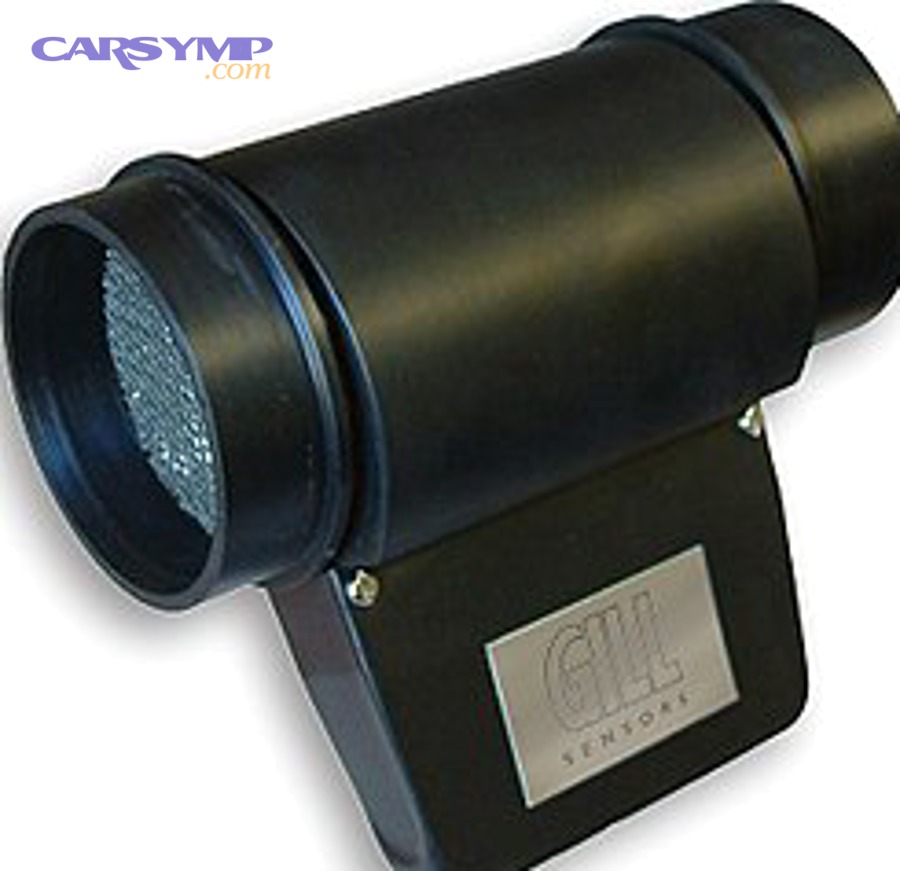
Fuel delivery limits: pump, filter, injectors, and pressure regulation
Fuel delivery limits are one of the most common reasons a car runs lean only under high load.
Causes include:
- Weak in-tank pump (can maintain cruise pressure but not WOT/high demand)
- Restricted fuel filter (if serviceable on your vehicle)
- Failing fuel pressure regulator (or electronic fuel pressure control)
- Clogged or undersized injectors
- Direct injection high-pressure system limits (HPFP and rail pressure control)
This is where the phrase “Low coolant and leaks under load” becomes a diagnostic trap: you may see the engine overheat and assume coolant is the cause, but the real root can be fuel starvation under load—especially if the coolant level looks stable and there’s no obvious external leak.
Sensor feedback/control problems: O2/AFR sensors, exhaust leaks, and ECU strategy
Even when airflow and fuel hardware are fine, feedback problems can push the mixture lean.
Examples:
- Aging oxygen sensors or wideband AFR sensors that respond slowly
- Exhaust leaks upstream of the sensor pulling in outside air and “faking” lean readings
- Software/calibration mismatches (especially after modifications)
- Misfire conditions that confuse feedback and adaptations
In many vehicles, oxygen sensors primarily influence closed-loop operation (light load). Under heavy load, the ECU may rely more on modeled fueling targets, so the “lean under load” failure can be more about fuel supply or air measurement than O2 feedback—though this depends heavily on the platform.
How do you diagnose lean-under-load overheating step by step?
Diagnose lean-under-load overheating with a structured sequence—scan data first, then airflow checks, then fuel pressure/volume verification, then load simulation—because this order prevents you from replacing parts blindly and helps you catch the fault that only appears under stress.
Below is a practical workflow you can follow in your driveway, then confirm with a controlled road test.
What scan-tool data confirms “lean under load” (fuel trims, lambda, knock, ECT)
Start with data because it tells you when the problem occurs.
Look at:
- ECT (engine coolant temp): when does it start rising—immediately under load or after minutes?
- STFT/LTFT: large positive trims at cruise suggest adding fuel to correct lean (closed loop).
- Commanded lambda/AFR vs actual (if you have wideband data): under load, is it reaching the target?
- Knock retard / timing: excessive timing pull under load can correlate with heat stress.
- Misfire counters: even mild misfire under load can add heat and instability.
If trims look normal at idle/cruise but the car overheats on highway pulls, don’t stop there—many “under load” fuel delivery problems won’t show clearly until you log under load.
How to rule out cooling-system limits that mimic fueling problems
Before you commit to a fueling diagnosis, confirm the cooling system isn’t already compromised.
Basic checks:
- Coolant level and proper bleed (air pockets can mimic load-related overheating)
- Radiator cap condition and correct pressure rating
- Thermostat operation (temperature behavior on warm-up and load)
- Fan operation (mainly affects low-speed/idle, but some vehicles use fans at highway temps too)
Also consider Clogged radiator and restricted airflow diagnosis: debris in fins, bent fins, blocked condenser/radiator stack, missing ducting, or undertray issues can reduce heat transfer when the engine is already working hard.
How to test for intake leaks and exhaust leaks under load
Intake and exhaust leaks can be “invisible” until the engine moves or pressure changes.
Practical methods:
- Smoke test intake system (best for vacuum leaks and many boost leaks)
- Inspect couplers and clamps (turbo/intercooler piping) for oil residue trails
- Check PCV hoses and fittings (common hidden leak point)
- Listen for hiss/whistle during boost (where applicable)
- Inspect exhaust manifold/header area for soot marks (upstream of sensor)
Under load, a small leak can become a big error, especially when airflow increases quickly.
Fuel pressure and volume checks: what matters when the engine is pulling hard
Fuel checks must match the failure mode: “fine at idle” does not mean “fine at load.”
Do this:
- Verify static fuel pressure (key-on, engine off) if applicable.
- Verify running pressure at idle and during snap throttle.
- If possible, verify pressure under sustained load (some vehicles allow logging fuel rail pressure via scan tool).
- Consider a fuel volume test (pump can show pressure but still be weak on volume, depending on the system).
Use this mini table as a diagnostic guide (it’s not a spec sheet—always compare to your vehicle’s factory spec):
| What you observe under load | What it often points to | Why it matters for overheating |
|---|---|---|
| Pressure drops as RPM/load rises | Weak pump / restriction | Fuel starvation can increase heat stress and timing pull |
| Pressure stable but AFR/lambda goes lean | Injectors limited / airflow measurement wrong | ECU thinks fuel is delivered, but mixture still leans |
| Rail pressure control erratic (DI engines) | HPFP or control issue | Under high load, DI pressure is critical to fueling |
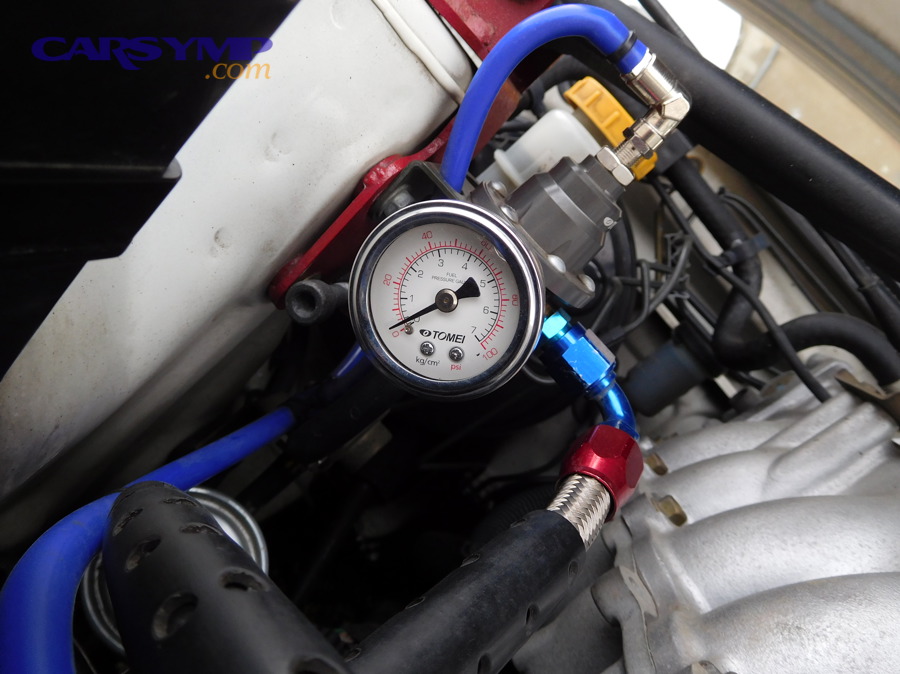
Safe-to-drive decision rules during load-related overheating
Safe-to-drive guidance for highway overheating should be conservative: if coolant temp is climbing above normal and doesn’t stabilize when you reduce load, you should treat it as a stop-and-cool situation, not a “push through it” situation.
More importantly, make the decision based on what the temperature does after you lift:
- If temp drops quickly when you reduce load: you may have a load-sensitive issue (fueling, airflow, or marginal cooling capacity). Still risky—keep speeds low and avoid hills until diagnosed.
- If temp keeps climbing even after you lift: treat it as an active overheating event. Pull over safely, let it cool, and do not keep driving.
- If you see steam, smell coolant, or the gauge spikes: stop as soon as it’s safe.
And if you suspect coolant loss specifically, remember that Low coolant and leaks under load can show up as a temp spike after a long pull; once the system is low, it can overheat rapidly even at light load.
According to a study by the University of Michigan from the Department of Mechanical Engineering, in 2002, researchers demonstrated that an air-fuel estimator using exhaust gas temperature could track measured air-fuel ratio during cold-start tests at 2000 rpm across supplied A/F values of 11, 13, and 16 with negligible error—showing how strongly temperature data can correlate with mixture behavior when sensors are limited.
What fixes reduce overheating risk if the lean condition happens under load?
The best fixes reduce overheating risk by restoring correct air measurement, restoring fuel delivery headroom, and ensuring the cooling system can reject heat under sustained load—because you need the mixture problem solved and enough thermal margin for real-world driving.
Next, apply repairs in the same “most likely + most load-sensitive” order, and verify the result with a repeatable test drive or data log.
Fix the root cause: repair leaks, clean/replace sensors, restore airflow measurement
Start here because a leak or skewed airflow signal can poison every other diagnosis.
Common fixes:
- Repair cracked vacuum lines, intake boots, PCV hoses, manifold gasket leaks.
- Fix boost leaks: couplers, clamps, intercooler end tanks, diverter valves.
- Clean a contaminated MAF with proper MAF cleaner (and stop the contamination source).
- Replace failed MAP/IAT sensors where data is clearly implausible.
After repair, confirm:
- Trims return closer to normal at cruise.
- Under load, the engine reaches commanded enrichment (where applicable).
- The overheating pattern reduces or disappears during the same hill/route.
Restore fuel delivery: pump/filter/regulator/injector solutions
If the engine goes lean because fuel supply can’t keep up, no sensor replacement will fix it.
Targeted solutions:
- Replace a weak in-tank pump (and verify electrical supply/ground—low voltage can mimic a weak pump).
- Replace a restricted filter (if serviceable).
- Diagnose and repair regulator or pressure control issues.
- Service or replace injectors if flow is restricted or uneven.
- For DI systems, address low-pressure supply first, then high-pressure limitations.
Always re-test under the same load conditions that caused the issue.
Address heat rejection: cooling system service that matters specifically under load
Even with mixture corrected, a cooling system with low margin will still run hot on long climbs.
Load-relevant improvements:
- Clean radiator and condenser fins; straighten bent fins carefully.
- Restore missing ducting/air guides; ensure the fan shroud and undertray are intact.
- Replace an aging thermostat if it’s slow or sticking.
- Flush and refill with the correct coolant mix and proper bleeding procedure.
This is where Clogged radiator and restricted airflow diagnosis belongs in your workflow: fix airflow restriction so the system can dump heat at speed.
Verification road test: how to confirm the fix worked
A good verification test is repeatable and controlled:
- Same route (ideally a hill/grade), similar ambient conditions if possible
- Log ECT, intake air temp, trims, commanded/actual lambda (if available), and timing/knock
- Use staged load: light throttle → moderate pull → sustained pull
You want to see:
- Temperature rise that stabilizes within normal range
- No lean deviations under load relative to target
- Reduced timing pull (where it was previously excessive)
If the issue persists after “obvious” fixes, shift from parts to systems: electrical supply (pump voltage), ECU strategy, and platform-specific known failures.
What else is often confused with lean-mixture overheating on the highway?
Lean-mixture overheating on the highway is most often confused with airflow restriction, coolant loss under sustained load, and fan/thermostat issues because all three can show a “fine around town, hot at speed or on hills” pattern—even when the root cause is different.
Besides, knowing the most common look-alikes helps you avoid misdiagnosis and prevents repeated overheating events.
Cooling fans vs ram air confusion: when fans matter and when they don’t
Cooling fans mainly matter at low vehicle speed, idle, and stop-and-go. At highway speed, ram air through the radiator generally dominates.
However, fans can still matter on some vehicles because:
- Fans may assist condenser heat rejection with A/C on.
- Some vehicles command fans at certain temperatures regardless of speed.
- Missing ducting or shrouds can reduce effective ram airflow.
So if you only overheat at speed, don’t assume “fan problem” first—focus on airflow path, radiator condition, and load-induced heat production.
Low coolant and leaks under load: how a small leak becomes a highway overheat
A small leak may not drip much in the driveway, but under load:
- System pressure rises
- Temperatures rise
- Components expand and seals can open
That’s why Low coolant and leaks under load can show up as overheating on highway after 20–40 minutes, then disappear once cooled.
Clues:
- Coolant smell after a hard drive
- Dried coolant residue near hose ends, radiator tanks, water pump weep hole
- Repeated need to top up coolant with no obvious puddle
Clogged radiator and restricted airflow diagnosis: the most overlooked highway-only cause
A radiator can be partially blocked externally (bugs, debris, dirt) or internally (scale/corrosion), and either can reduce heat transfer most noticeably under sustained load.
What to check:
- Shine a light through fins; look for “solid” sections that don’t pass light.
- Check between condenser and radiator for trapped debris.
- Feel for cold spots on the radiator surface after warm-up (carefully)—cold spots can suggest internal flow restriction.
This is one of the most common reasons a vehicle can pass short trips but struggle on long hills.
When “lean under load” is actually timing/knock control or fuel quality
Sometimes the mixture is okay, but heat rises because the engine is fighting knock:
- Low-octane fuel can increase knock tendency under load.
- The ECU pulls timing to protect the engine.
- Retarded timing can increase exhaust heat, stressing cooling.
If the problem improves immediately after switching to correct fuel grade (and data shows heavy timing pull before), you may be dealing with knock margin rather than a pure lean fault—though the two can coexist (lean can worsen knock).