


Transmission overheating happens when your transmission produces more heat than its cooling path can remove, so the fluid thins, friction surfaces slip, and damage accelerates. This article identifies the top causes and contributing factors so car owners can pinpoint what’s driving temperature rise instead of swapping parts blindly.
You’ll also learn how to recognize overheating early, because the first warnings often show up as subtle shift changes, a hot/burnt odor, or a temperature light long before the car becomes undriveable. That symptom awareness matters because transmission heat damage is usually cumulative.
Next, you’ll get prevention guidance that matches real-world driving—towing, hills, city traffic, and hot weather—so you can reduce heat generation and increase heat removal with the right maintenance and upgrades. Introduce a new idea: the fastest way to solve overheating is to treat it like an energy balance problem—find what’s adding heat and what’s failing to shed it.
What does “transmission overheating” mean, and why does it happen?
Transmission overheating is a condition where transmission fluid and internal components exceed their normal thermal operating window because heat generation (friction + hydraulic losses) outpaces heat rejection through the cooler and case.
Next, to begin diagnosing “why,” you need to understand what makes heat inside the transmission and what carries it away.
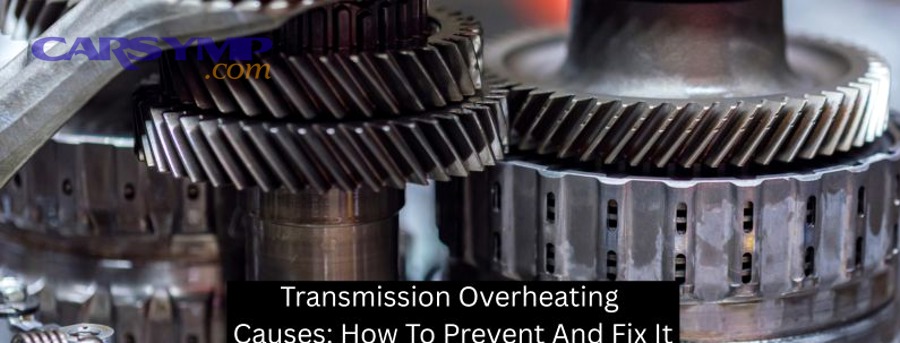
At a practical level, automatic transmissions and many CVTs generate heat from four main processes:
- Hydrodynamic slip (torque converter or fluid coupling behavior): When the turbine doesn’t match pump speed—especially from a stop or under heavy load—energy is converted into heat in the fluid.
- Friction work (clutches, bands, or belt/pulley interfaces in CVTs): Any time friction elements apply, they convert some energy to heat; when they slip, they convert a lot more.
- Hydraulic pumping losses: The transmission pump moves fluid through valves, passages, and the cooler; restrictions and high pressures increase heat.
- External heat soak: Heat from the engine, exhaust, and road conditions transfers into the transmission case and cooler lines, raising baseline temperature.
Overheating isn’t just “a hot reading.” It’s a chain reaction: rising temperature lowers fluid viscosity, lowered viscosity reduces hydraulic control stability, reduced control stability increases clutch slip, and clutch slip adds more heat. That feedback loop is why overheating can go from mild to severe quickly.
What temperature range is “too hot,” and what fails first when temps rise?
“Too hot” is the point where fluid and friction materials begin losing protective margins faster than the cooler can recover them, and the first things to suffer are fluid quality and friction behavior, not usually hard parts.
Then, more specifically, it helps to think in thresholds rather than one magic number because “too hot” depends on transmission design, fluid spec, vehicle load, and cooling capacity.
In many passenger vehicles, steady-state operating temperature often clusters near engine coolant temperature when the cooler is integrated into the radiator heat exchanger. From there:
- Moderately elevated temps increase oxidation rate, making fluid darker and reducing friction modifier stability.
- High temps can cause varnish formation, seal hardening, and inconsistent shift feel.
- Very high temps can rapidly degrade fluid, promote foaming/aeration, and push friction materials toward glazing and slip.
The earliest failures are usually chemical (fluid oxidation, additive depletion) and control-related (shift flare, delayed engagement), followed by mechanical wear if overheating repeats.
According to a study by Michigan Technological University from the Mechanical Engineering-Engineering Mechanics department, in 2016, researchers modeled torque converter heat transfer and temperature behavior using an energy balance approach, reinforcing that converter operating conditions can drive rapid fluid temperature changes under extreme ratios.
Does transmission overheating always mean the transmission is failing?
No—transmission overheating does not always mean the transmission is failing, because it can be caused by temporary high load, insufficient cooling airflow, or degraded fluid, but it becomes a failure risk when it repeats or is paired with slipping and warning symptoms.
However, the key is whether you have a single event with a clear cause (like heavy towing on a hot day) or a pattern (overheats on mild days, overheat light returns, shifting changes).
A useful rule of thumb is to separate overheating into two categories:
- Situational overheating: The vehicle’s duty cycle exceeded its cooling margin (towing, steep grades, stop-and-go heat soak).
- Systemic overheating: A fault prevents normal cooling or increases internal heat (low fluid, clogged cooler, failing fan, slipping clutch pack).
If you correct the situational trigger and the temperature normalizes and stays stable, you may avoid damage. If the temperature spikes frequently, the transmission is telling you something in the heat balance is broken.
According to a study by Michigan Technological University from the Mechanical Engineering-Engineering Mechanics department, in 2016, torque converter operating states were shown to materially affect predicted bulk fluid temperature, supporting why some overheating events are load/condition-driven rather than immediate “hard failure.”
What are the most common causes and contributing factors of transmission overheating?
There are 4 main types of transmission overheating contributors—fluid-related, cooling-related, internal mechanical/friction-related, and driving-condition-related—based on whether they increase heat generation or reduce heat removal.
Next, to better understand which type is most likely in your case, it helps to evaluate them in the same order a technician would: fluid first, cooling second, internal heat sources third, and driving conditions last.
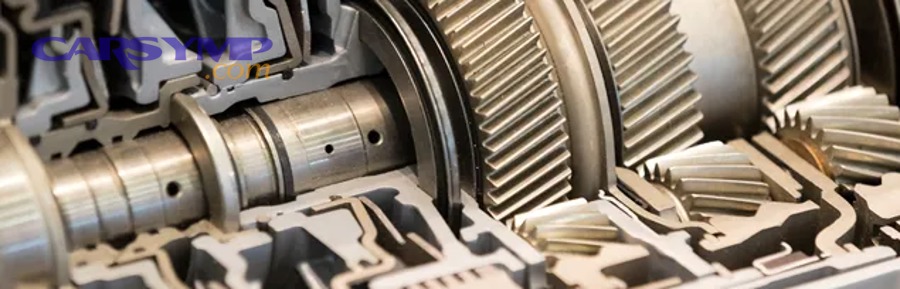
How do transmission fluid problems (low, old, wrong type, leaks) contribute to overheating?
Transmission fluid problems contribute to overheating by reducing hydraulic pressure stability, increasing internal slip, and lowering the fluid’s ability to carry heat to the cooler, especially when fluid level is low or fluid is the wrong specification.
Specifically, the failure mode differs depending on the fluid issue:
1) Low fluid level (most common and most dangerous):
- Low fluid reduces pickup stability; the pump can draw aerated fluid.
- Aeration lowers effective pressure, allowing clutch slip.
- Slip generates heat rapidly, raising temperature even faster.
2) Old or oxidized fluid:
- Oxidation thickens fluid and creates varnish.
- Varnish can affect valve body movement and solenoid response.
- Friction modifiers degrade, changing apply feel and increasing micro-slip.
3) Wrong fluid type (ATF vs CVT fluid vs OEM-specific ATF):
- Wrong viscosity and friction properties can cause excessive slip or harsh apply.
- CVTs are especially sensitive; wrong CVT fluid can overheat belt/pulley interfaces.
4) Leaks and seepage:
- External leaks lower the fluid level over time.
- Cooler line leaks can also reduce cooling effectiveness and introduce air.
This is where the secondary keyword matters naturally: an ATF cooler can’t do its job if there isn’t enough fluid to circulate, or if the fluid is aerated and not transferring heat efficiently.
According to a study by Michigan Technological University from the Mechanical Engineering-Engineering Mechanics department, in 2016, thermal modeling emphasized fluid temperature dependence on operating conditions and heat transfer—conditions that worsen when fluid properties degrade.
How do cooling system and airflow issues cause transmission overheating?
Cooling and airflow issues cause transmission overheating by limiting how much heat the cooler can reject, so fluid temperature keeps climbing even if internal friction isn’t unusually high.
Then, more importantly, many drivers misdiagnose this because the car can overheat only at certain speeds or only when towing, which is where “Cooling fans vs ram air confusion” becomes real.
Here are the most common cooling-related contributors:
- Restricted heat exchanger (radiator tank cooler or external cooler): Debris, bent fins, and corrosion reduce heat transfer. Internal restriction reduces flow, increasing temperature.
- Cooling fan problems (electric fans, fan clutch, shrouds): Fans matter most at low speed and idle. A failing fan can cause overheating in traffic but not at highway speeds.
- “Ram air” misconceptions: At highway speed, airflow should improve cooling—but only if airflow reaches the cooler and can pass through it. Blocked grille openings, stacked coolers (AC condenser, intercooler), and dirty fins can negate ram air benefits.
- Cooler placement and plumbing: If an auxiliary cooler is installed in a poor airflow zone, it may underperform. If a thermostat bypass is stuck, flow may not route correctly.
If you’re chasing overheating on highway, don’t assume fans are the culprit. At higher speed, airflow is usually ample; restriction and heat load become the bigger drivers.
According to a study by Michigan Technological University from the Mechanical Engineering-Engineering Mechanics department, in 2016, convective heat transfer modeling highlighted how heat rejection depends on operating conditions and heat transfer coefficients—exactly what airflow and cooler restriction change.
How do mechanical issues inside the transmission create excess heat?
Mechanical issues create excess heat by causing persistent clutch or belt slip, increasing converter losses, or forcing hydraulic pressure to work harder against restrictions, which turns engine power into heat instead of motion.
Next, to connect this to real symptoms, remember: heat usually rises fast when something is slipping, and it rises steadily when cooling is weak.
Common internal heat generators include:
- Worn clutches or bands: Apply surfaces don’t hold; the transmission slips under load.
- Torque converter problems: Excessive converter slip, lockup clutch shudder, or delayed lockup increases heat generation.
- Valve body/solenoid faults: Poor pressure control can cause partial apply (micro-slip) that makes heat without obvious drama.
- Restricted filter: Starves the pump and reduces pressure stability; can also increase pump work.
- Internal debris: Debris can jam valves and restrict cooler flow after a component begins failing.
A key point: overheating can be the first visible symptom of a mechanical issue. That’s why temperature spikes that happen in normal driving—without towing or extreme heat—deserve serious attention.
According to a study by Michigan Technological University from the Mechanical Engineering-Engineering Mechanics department, in 2016, torque converter thermal behavior under extreme ratios supported the idea that converter loss mechanisms can meaningfully raise fluid temperature during specific operating states.
How do driving habits and conditions contribute to overheating?
Driving habits and conditions contribute to overheating by increasing heat generation (more slip and higher torque demand) faster than the cooling system can remove it, especially during towing, stop-and-go, and steep grades.
Then, to illustrate why “it only happens sometimes,” consider that the same vehicle can run cool at 65 mph on flat ground but overheat climbing a long grade at 55 mph with a trailer.
High-impact conditions include:
- Towing/hauling: Higher torque demand increases converter slip and clutch work.
- Stop-and-go traffic: Poor airflow + frequent launches = heat accumulation.
- Steep climbs and mountain driving: Long periods of high load prevent cool-down.
- Hot ambient temps: Less cooling delta; the cooler rejects less heat.
- Aggressive acceleration: More slip events and more hydraulic pressure work.
- Riding brakes downhill: Adds heat to the underbody and can increase heat soak.
A subtle contributor many people overlook is engine performance affecting load: Lean fuel mixture and engine load overheating can raise combustion temperatures and reduce engine torque efficiency, causing the drivetrain to work harder for the same road load, which can translate into higher converter slip and more heat generation in the transmission—especially if the transmission keeps hunting gears.
According to a study by Michigan Technological University from the Mechanical Engineering-Engineering Mechanics department, in 2016, operating-state-driven thermal predictions reinforced why load and speed ratio changes (common in towing and hills) can rapidly shift fluid temperature.
What symptoms and warning signs suggest the transmission is overheating?
There are 4 main groups of transmission overheating warning signs—dashboard alerts, shift-quality changes, smell/visual clues, and protection behaviors—based on how the vehicle reports abnormal temperature and how heat affects friction control.
Next, let’s explore how to separate “early warnings” from “stop-now” signs so you can act before damage piles up.
The warning signs often appear in a predictable progression:
- Early control symptoms: Slight flare between gears, delayed engagement, or a soft “slide” into gear.
- Obvious drivability symptoms: Noticeable slipping, shudder, harsh shifts, or gear hunting.
- Sensory cues: Hot/burning smell, smoke from underbody if fluid hits exhaust, darker fluid.
- Protection behaviors: Limp mode, reduced power, locked gear, or a transmission temperature warning.
Which symptoms are early warnings vs urgent “stop driving” signs?
Early warnings are mild shift changes and intermittent alerts, while urgent stop-driving signs include persistent slipping, burning smell with smoke, loss of drive, or a temperature warning that returns immediately after cooling because those signs indicate uncontrolled heat generation.
However, the safest decision is based on whether the transmission is still transmitting torque cleanly.
Early warnings (act soon, reduce load):
- Slight delay engaging Drive/Reverse
- Occasional flare on upshift
- Intermittent temperature warning that clears after reducing load
- Mild shudder during lockup that comes and goes
Urgent signs (stop, cool, consider towing):
- Continuous slipping under light throttle
- Burning smell that intensifies
- Visible smoke or fluid dripping
- Loss of drive or neutral-like behavior
- Loud whining that accompanies sudden shift changes
If the transmission is slipping, every second of driving is converting engine power into heat at the clutch surfaces. That’s the fastest path to irreversible damage.
According to a study by Michigan Technological University from the Mechanical Engineering-Engineering Mechanics department, in 2016, heat generation changes under extreme operating ratios support why uncontrolled slip conditions can quickly push fluid temperature higher.
Can overheating mimic other problems (engine overheating, brake smell, power loss)?
Yes—transmission overheating can mimic engine overheating, brake smell, or general power loss because heat affects multiple systems at once, and drivers often sense “hot smell” and “reduced power” without knowing the source.
Meanwhile, you can separate them by tracking when symptoms occur and what the car does during shifts.
Quick distinctions:
- Brake smell vs transmission smell: Brake odor often appears after braking events and is strongest near wheels; transmission odor often follows load events (towing, hill climbs) and may coincide with shift changes.
- Engine overheating vs transmission overheating: Engine temp gauge rises with coolant issues; transmission overheating may happen with normal coolant temp, especially if the cooler is restricted or load is high.
- Power loss causes: Limp mode from transmission heat can feel like engine power loss, but it often comes with locked gear behavior or limited shifting.
If your problem is “overheating on highway,” don’t assume it’s always engine-related. Highway overheating can be transmission-driven when converter slip is high under load, when the cooler is restricted, or when airflow through stacked coolers is compromised.
According to a study by Michigan Technological University from the Mechanical Engineering-Engineering Mechanics department, in 2016, converter heat transfer dependence on operating state supports why high-load highway conditions can trigger heat symptoms even when engine coolant looks normal.
How can car owners diagnose what’s contributing to overheating without guesswork?
You can diagnose what’s contributing to overheating by following a 4-step decision path—verify temperature behavior, check fluid condition/level, evaluate cooling airflow and cooler flow, then connect symptoms to slip or load—so you isolate the dominant heat source instead of chasing random fixes.
Next, to keep this practical, the goal is not perfect certainty at home; the goal is narrowing the cause category enough to choose the right next action.
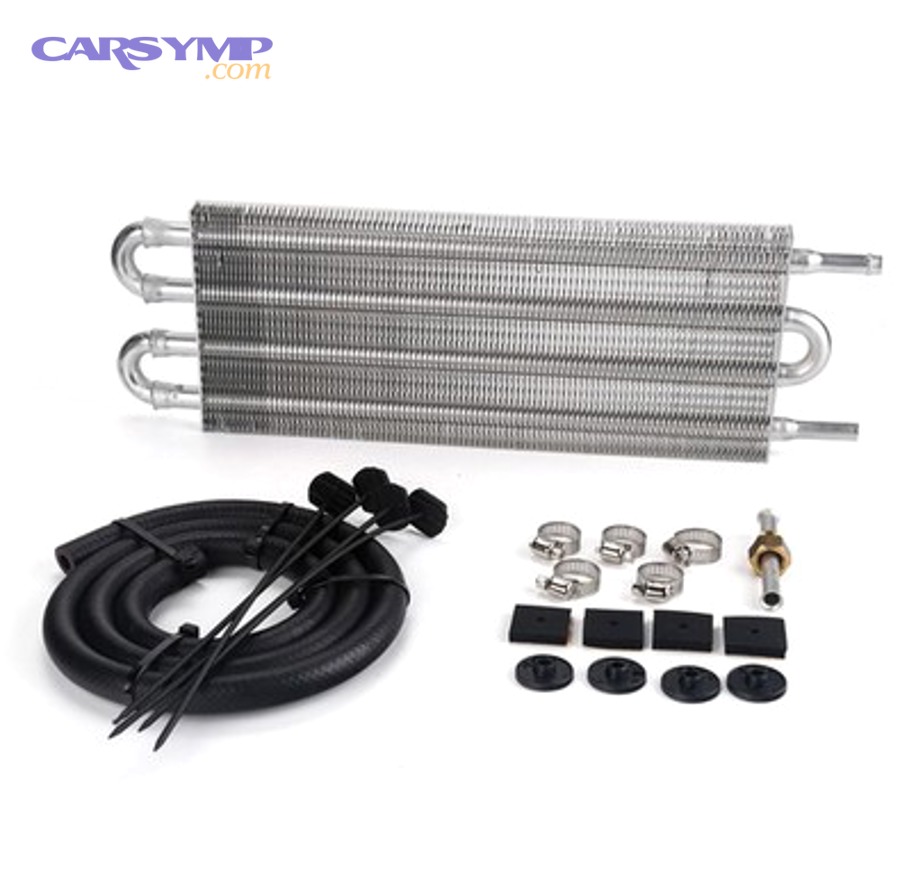
A reliable “diagnose without guesswork” approach uses two lenses:
- Lens A: When does the temperature rise? (idle, city, highway, towing, hills)
- Lens B: What changes at the same time? (shift feel, smell, warning lights, fan operation)
To make this concrete, here is an Overheating at highway speed causes checklist that organizes the most likely contributors by what you can observe:
This table lists common highway overheating contributors and the simplest confirmation clues so you can prioritize checks.
| Highway overheating clue | Most likely contributor | Why it fits | First check |
|---|---|---|---|
| Overheats only when towing or climbing | Excess converter slip / high load | More heat generated than cooler can shed | Reduce load; downshift; monitor temp trend |
| Overheats at steady cruise on mild day | Restricted cooler flow / blocked fins | Cooling capacity reduced even with good airflow | Inspect fins; check cooler line temps |
| Overheats after a recent internal failure | Debris restricting cooler/valves | Restricted flow + control issues raise heat | Professional cooler flow/flush check |
| Overheats in traffic, cools on highway | Fan/shroud issue | Low-speed airflow is weak | Verify fan operation, shroud, airflow path |
| Overheats on highway with engine struggling | Engine load inefficiency | Higher throttle/load raises converter work | Check for lean condition codes/driveability issues |
What quick checks can you do at home (and what should you avoid)?
Yes—you can do quick checks for transmission overheating contributors, but you should avoid guessing with fluids or continuing to drive hot, because wrong fluid or prolonged slip can turn a manageable problem into a rebuild.
Then, specifically, use a “safe checks only” mindset.
Safe quick checks (low risk):
- Look for external leaks (pan gasket, cooler lines, axle seals).
- Smell for burnt odor near the transmission tunnel after a hot event.
- If your vehicle has a dipstick, check fluid level and color per the owner’s manual procedure (hot/cold range, engine running vs off).
- Inspect cooler fins for blockage (bugs, dirt, bent fins).
- Observe fan operation at idle after warm-up (for vehicles with electric fans).
Avoid these risky moves:
- Don’t add random “universal” fluid if you don’t know the spec.
- Don’t overfill “just to be safe” (foaming can worsen heat).
- Don’t keep driving once you have persistent slip or a warning that returns immediately.
A common trap is “Cooling fans vs ram air confusion.” Fans solve low-speed airflow; they don’t fix a restricted cooler core that can’t reject heat even with highway airflow.
According to a study by Michigan Technological University from the Mechanical Engineering-Engineering Mechanics department, in 2016, heat rejection modeling reinforces why airflow and heat transfer conditions—not just component presence—determine temperature outcome.
When do trouble codes and live temperature data change the diagnosis?
Trouble codes and live temperature data change the diagnosis when they reveal whether heat is caused by slip/control problems versus cooling capacity limits, because you can correlate temperature spikes with shift events, converter lockup behavior, and protection modes.
Moreover, even basic scan data can show patterns you can’t feel in the seat.
What to look for:
- Temperature rate of rise: Rapid spikes often point to slip or sudden loss of cooling flow; slow climbs often point to insufficient cooling margin under load.
- Converter lockup behavior: If lockup fails to engage when it should, converter slip remains high and heat rises.
- Slip-related codes: These can indicate friction elements not holding, even before catastrophic symptoms.
- Sensor plausibility: A faulty temperature sensor can trigger warnings, but it usually doesn’t create smell or shift changes—pair data with symptoms.
If your scan shows normal engine coolant temperature but climbing transmission temperature at highway load, you’re likely dealing with cooling margin, converter losses, or airflow/cooler restriction—not “engine overheating” alone.
According to a study by Michigan Technological University from the Mechanical Engineering-Engineering Mechanics department, in 2016, operating condition sensitivity in thermal modeling supports using live data to correlate temperature behavior with converter state.
What should you do immediately if your transmission starts overheating?
There are 4 immediate actions to take when transmission overheating begins—reduce heat generation, increase heat rejection, stop heat accumulation, and prevent restart damage—based on how fast heat can destroy fluid and friction surfaces.
Next, to reconnect this to real driving decisions, the right move is usually about reducing load now and protecting the transmission before the next mile.
Immediate action sequence:
- Back off throttle and reduce load (no hard acceleration).
- Turn off unnecessary loads (AC can increase engine load and underhood heat).
- Downshift if hunting (avoid constant shifting that increases heat).
- Find a safe place to pull over if warning persists.
- Let it idle briefly only if safe and recommended; otherwise shut down and cool.
If you’re towing, reduce speed and consider stopping sooner. A cooler can recover only if the heat source is reduced.
Should you keep driving to “make it home,” or stop and tow?
No—you should not keep driving with active transmission overheating if the warning persists or you feel slipping, because continuing adds heat fast, and the three most common outcomes are rapid fluid breakdown, clutch glazing, and loss of drive.
However, there are rare cases where carefully reducing load and cooling the system restores safe operation—but only if symptoms are mild and do not return.
Stop and tow if you have:
- Persistent slip
- Burning smell that grows stronger
- Warning that returns immediately after backing off
- Limp mode that locks you into a gear
- Smoke or visible leaks
If the warning clears quickly after reducing load and you have no slip, you may drive cautiously to a safe service location, but you should still treat it as a “same-day diagnosis” problem.
According to a study by Michigan Technological University from the Mechanical Engineering-Engineering Mechanics department, in 2016, sensitivity of fluid temperature to operating conditions supports why continuing high-load operation can quickly worsen thermal stress.
How long should you let it cool, and what should you check before restarting?
You should let it cool until the warning clears and the system temperature stabilizes downward, then check for leaks, smell intensity, and shift feel before restarting because restarting into the same heat condition can re-trigger overheating immediately.
Then, to make the cool-down effective, you need to remove the cause of heat, not just wait.
Practical cool-down guidance:
- Pull over safely and wait long enough for underbody heat to drop.
- Look underneath for fresh drips (cooler lines, pan area).
- Note whether the odor fades or stays strong.
- If you restart, do a gentle engagement test: smooth shift into Drive/Reverse without harsh clunk, and no immediate flare.
If the warning returns quickly, you likely have a systemic contributor (low fluid, restriction, slip) and should avoid “trying again” repeatedly.
According to a study by Michigan Technological University from the Mechanical Engineering-Engineering Mechanics department, in 2016, modeled thermal behavior supports why repeated high-load restarts can keep fluid temperatures elevated.
How can you prevent transmission overheating long-term?
You can prevent transmission overheating long-term by combining correct fluid maintenance, verified cooling airflow and cooler flow, and load-aware driving habits, because prevention requires reducing heat generation and improving heat rejection at the same time.
Next, to make prevention realistic, focus on the highest-leverage actions first: fluid integrity, cooling capacity, and driving technique under load.
This is where an ATF cooler becomes a strategic tool rather than a random upgrade. A cooler helps, but only if the rest of the system is healthy and the installation supports airflow and flow routing.
Which maintenance actions reduce overheating risk the most (fluid service vs cooler service)?
Fluid service wins for protecting friction control and preventing slip, while cooler service is best for maintaining heat rejection capacity, and the optimal approach is to do both in sequence when overheating has occurred.
However, the priority depends on your symptoms:
- If you have burnt smell, dark fluid, delayed shifts, fluid condition is likely part of the problem.
- If you have highway overheating on mild days, cooler restriction or airflow is more likely.
High-impact maintenance actions:
- Use the correct OEM-specified fluid (especially for CVTs).
- Replace or service the filter where applicable.
- Inspect and clean cooler fins and ensure airflow path is clear.
- Check cooler lines for kinks and verify proper routing.
When overheating has already happened, many owners ask about flushing. The safer default is often a manufacturer-recommended service method (like drain-and-fill cycles) unless a professional confirms flushing is appropriate for your unit’s condition.
According to a study by Michigan Technological University from the Mechanical Engineering-Engineering Mechanics department, in 2016, operating-condition-driven temperature behavior supports preventing overheating through both fluid integrity and cooling effectiveness.
Do auxiliary transmission coolers help, and when are they necessary?
Yes—auxiliary transmission coolers help reduce transmission overheating, and they are most necessary for towing/hauling, mountain driving, hot climates, and vehicles with marginal factory cooling, because they increase heat rejection capacity and slow temperature rise.
Moreover, they directly address situations where “ram air” is available but the factory cooler surface area isn’t enough for your duty cycle.
When an auxiliary cooler is especially useful:
- Frequent towing near the vehicle’s limits
- Long grades at moderate speed
- Repeated stop-and-go in high ambient temperatures
- Modified vehicles with higher power output or larger tires increasing load
Key installation principles:
- Mount where airflow is strong (in front of radiator/condenser if designed for it).
- Avoid blocking other coolers excessively.
- Ensure line routing is correct and not kinked.
- Consider thermostatic control if overcooling is a concern in cold climates.
According to a study by Michigan Technological University from the Mechanical Engineering-Engineering Mechanics department, in 2016, convective heat transfer modeling supports why increasing cooling surface effectiveness can lower operating temperature under demanding states.
What driving habits measurably reduce heat (towing technique, gear selection, speed)?
Driving habits reduce heat by minimizing converter slip and unnecessary shifting, and the biggest wins come from gear selection under load, speed management on grades, and avoiding throttle surges that trigger downshifts.
Then, to connect this to the most common complaint—overheating on highway—your technique can matter as much as your hardware.
High-leverage habits:
- Downshift proactively on grades to avoid hunting between gears.
- Avoid overdrive under heavy load if it causes repeated lockup/unlock cycles.
- Reduce speed slightly on long climbs; small speed changes can reduce required power significantly.
- Take cool-down breaks when towing in extreme heat.
- Use tow/haul mode if available; it often adjusts lockup and shift scheduling to reduce slip.
Also consider the engine side: Lean fuel mixture and engine load overheating can raise load demand and make the transmission work harder for the same road speed. If you notice transmission heat rising together with engine drivability issues (hesitation, knock, or lean codes), fixing engine fueling can reduce drivetrain stress.
According to a study by Michigan Technological University from the Mechanical Engineering-Engineering Mechanics department, in 2016, the strong relationship between operating state and fluid temperature supports the idea that changing operating state (speed ratio, load, lockup behavior) measurably changes heat outcome.
How do CVT and dual-clutch transmissions differ in overheating causes and prevention?
CVT and dual-clutch transmissions differ because CVTs are more sensitive to fluid specification and belt/pulley thermal limits, while dual-clutch units overheat mainly from clutch heat during low-speed operation, and conventional automatics overheat most from converter and clutch slip under load.
Next, to expand your diagnostic accuracy, you need to treat these as different “heat personalities,” not just different names.
What CVT-specific contributors (wrong CVT fluid, belt/pulley load, software behavior) raise overheating risk?
CVT-specific contributors raise overheating risk by increasing belt/pulley friction heat and reducing fluid’s ability to maintain the correct friction and pressure behavior, especially when the wrong fluid is used.
Specifically, CVTs rely on precise fluid characteristics to prevent belt slip and maintain hydraulic clamping force.
Key CVT heat contributors:
- Wrong CVT fluid or mixed fluids
- High load at low speed (steep hills, heavy cargo)
- Overheating from repeated launches in traffic
- Cooling system marginality (small coolers in some platforms)
Because CVTs can “feel normal” while running hot, temperature monitoring and correct fluid service are critical.
According to a study by Michigan Technological University from the Mechanical Engineering-Engineering Mechanics department, in 2016, thermal modeling reinforced that operating conditions can drive rapid temperature changes—conditions common in CVT high-load states.
What dual-clutch (wet vs dry) overheating triggers should drivers know?
There are 2 main dual-clutch overheating trigger groups—clutch heat from low-speed slip and insufficient cooling/lubrication capacity—based on whether the unit is wet-clutch (fluid-cooled) or dry-clutch (air-cooled).
However, the shared theme is that creeping and repeated low-speed modulation create heat faster than the system can shed it.
Common DCT overheating triggers:
- Stop-and-go traffic with heavy “creep”
- Hill holds without using the brake properly
- Repeated launch events (aggressive starts)
- Poor cooling airflow in hot ambient conditions
Wet-clutch DCTs depend heavily on correct fluid and cooling flow; dry-clutch DCTs can overheat quickly from friction heat with limited cooling capacity.
According to a study by Michigan Technological University from the Mechanical Engineering-Engineering Mechanics department, in 2016, operating state sensitivity supports why low-speed slip states can create rapid thermal rise.
Can overfilling cause overheating via aeration/foaming, and how is that different from low fluid?
Yes—overfilling can cause overheating via aeration/foaming, and it differs from low fluid because both create aeration but for opposite reasons: low fluid pulls air due to pickup exposure, while overfill whips fluid into foam due to rotating assemblies churning the excess volume.
Meanwhile, both pathways reduce effective hydraulic pressure and heat transfer.
What aeration does:
- Lowers pump efficiency
- Causes pressure fluctuation
- Promotes clutch slip and heat
- Reduces heat-carrying capacity to the cooler
This is why “adding more fluid” is not a safe default. Correct level, correct spec, and correct procedure matter more than quantity alone.
According to a study by Michigan Technological University from the Mechanical Engineering-Engineering Mechanics department, in 2016, energy-balance thermal behavior supports how pressure/flow instability can change heat generation and heat rejection outcomes.
What rare edge cases can keep overheating coming back (cooler restriction from debris, heat-soak after shutdown)?
There are 2 rare edge-case drivers that can keep overheating coming back—cooler flow restriction from debris and heat-soak after shutdown—based on whether the system can circulate and reject heat after a damaging event.
More importantly, these are the cases where overheating returns even after “normal” fixes like fresh fluid.
1) Cooler restriction from debris (the secondary damage loop):
- After internal wear or a failure event, debris can lodge in the cooler.
- Restricted cooler flow raises temperature and can re-contaminate a repaired transmission.
- This is why many rebuild protocols require cooler replacement or verified flow cleaning.
2) Heat-soak after shutdown:
- After stopping, airflow drops to zero while underhood and exhaust heat continues to transfer into the transmission.
- Temperature can spike briefly after shutdown, especially in hot climates or after towing.
- The next restart can begin from a hotter baseline, making overheating easier to trigger.
If overheating returns repeatedly despite a good cooler and correct fluid level, these rare contributors are worth discussing with a transmission specialist.
According to a study by Michigan Technological University from the Mechanical Engineering-Engineering Mechanics department, in 2016, transient thermal modeling principles support how temperature can continue changing even when driving stops, consistent with heat-soak behavior.