


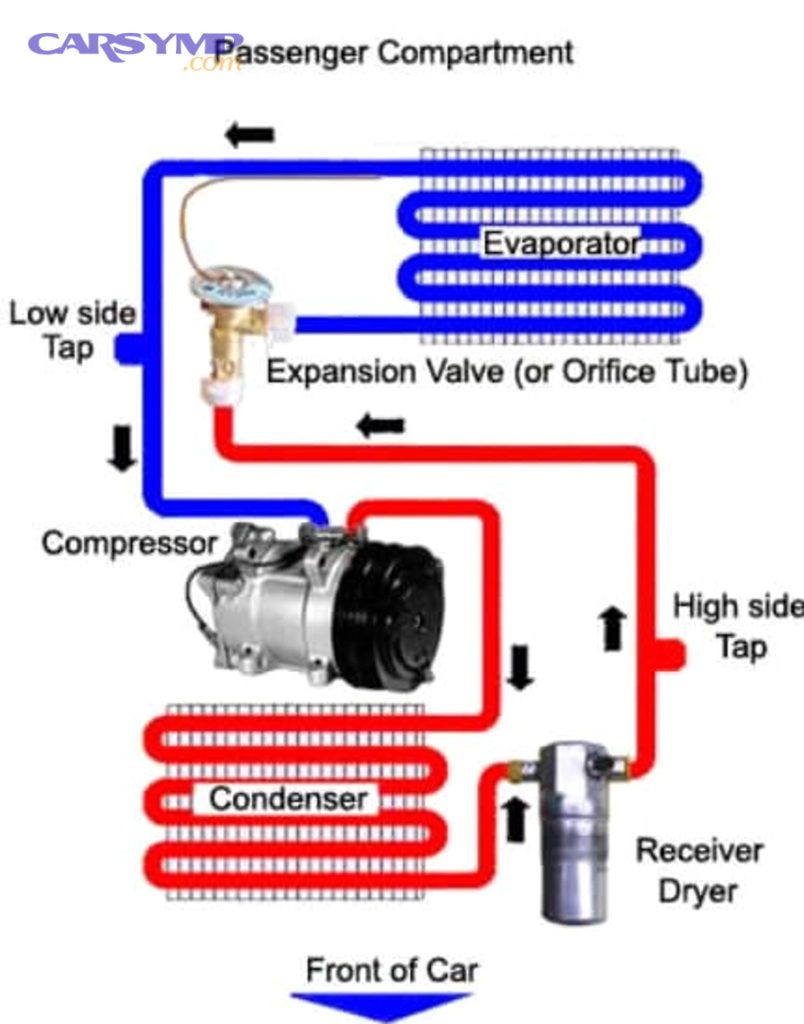
The AC fix cost depends less on “cold air vs no cold air” and more on which component failed, how the leak (or restriction) behaves under pressure, and how much disassembly your vehicle requires.
To avoid overpaying, you need two things: a realistic “by-issue” price map and a quick way to tell whether you’re facing a small service job (like recharge + dye) or a labor-heavy replacement (like an evaporator core).
Besides the part itself, the final number often swings on diagnostics, refrigerant type, and shop labor structure—so the same symptom can produce very different estimates across shops.
Giới thiệu ý mới: Below is a practical breakdown of average costs by issue, what’s included, and how to read an estimate so you can choose the right repair path.
What is the typical AC fix cost by issue, and what “average” should you trust?
The most useful “average” is a range by issue, because A/C repairs cluster into predictable buckets—service, leak repair, component replacement, and airflow/electrical fixes. To begin, use the table below as a starting point, then adjust for your vehicle and refrigerant.
Next, treat any single-number quote as incomplete until you confirm what’s included (diagnosis, evac/recharge, dye, seals, parts quality, and warranty).

This table summarizes common issues and what most drivers actually pay for the full job (parts + labor), not just a single component price.
| Issue (most common) | Typical total cost range | What usually drives the number |
|---|---|---|
| Initial diagnosis / A/C performance test | $80–$200 | Scan + pressure/vent temp test; sometimes waived with repair |
| Evac & recharge (no major leak found) | $150–$400 | Refrigerant type, recovery time, added oil/dye |
| Small leak repair (O-ring, Schrader valve, hose end) | $200–$600 | Leak access + retest + recharge |
| Condenser replacement | $450–$1,200 | Front-end access, debris damage, add drier/receiver when required |
| Compressor replacement | $900–$2,000+ | Compressor type, flushing needs, accessories, labor hours |
| Evaporator core replacement | $1,000–$2,500+ | Dash removal labor, blend-door/case work, recharge |
| Expansion valve / orifice tube | $250–$900 | Location (easy vs buried), contamination, recharge |
| Blower motor / resistor / control module | $200–$700 | Parts access under dash, electrical testing time |
| Cabin air filter service | $30–$120 | Filter type + access; often DIY-friendly |
In other words, “Average AC repair cost by issue” is best read as a menu of ranges tied to root causes—not an industry-wide single price.
Theo nghiên cứu của Society of Automotive Engineers từ HVAC Systems community, vào 06/2021, cabin comfort complaints correlate strongly with airflow restrictions and control faults, meaning many “A/C problems” aren’t refrigerant failures at all.
How much does an AC fix cost for a recharge vs a real leak repair?
A recharge is usually the cheapest path only if the system is sealed; if refrigerant is low because of a leak, you’ll pay again unless the leak is found and fixed. To understand the difference, look at what the shop is selling you: “service” vs “repair.”
Next, match the quote to your symptoms: quick cooling that fades in days points to a leak, while gradual decline over months can be normal seepage—yet still worth testing.
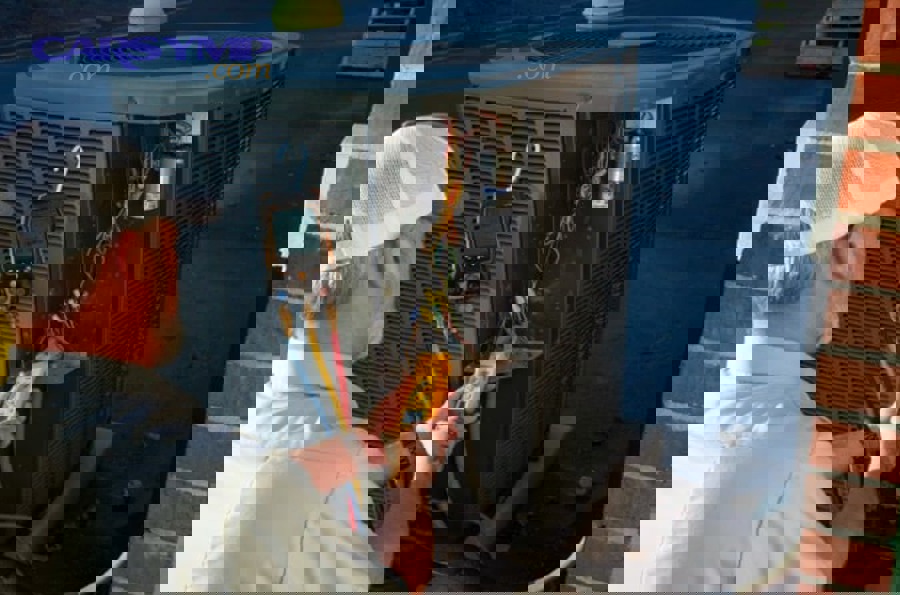
When does a recharge make financial sense?
Yes—an AC fix cost recharge is reasonable when pressures and temperatures suggest the system is simply low and a leak test shows no obvious loss. To begin, ask whether the quote includes recovery/evac, vacuum hold, and correct oil top-up.
Then, request vent temperature and high/low pressure readings on the final invoice so you have a baseline for future troubleshooting.
What “leak repair” items commonly add $200–$600?
There are 3 main leak repair tiers: service-port valve cores, seal/O-ring replacements, and hose/line repairs—each priced by access and retesting. To begin, the shop should confirm the leak location using dye, electronic sniffing, or nitrogen pressure.
After that, a proper repair repeats evac and recharge, which is why “cheap leak fixes” still carry meaningful labor.
What should be included in a leak-related estimate?
A complete leak estimate should include diagnosis, the actual sealing part(s), and the final evac/recharge—otherwise you’re comparing apples to oranges. Next, verify whether the shop uses UV dye (and whether they’ll clean the area so you can visually confirm later).
Theo nghiên cứu của U.S. Environmental Protection Agency từ MVAC guidance, vào 08/2020, proper recovery equipment and leak repair reduce refrigerant emissions, which is why “top-off only” service can be a false economy.
What is the AC fix cost when the compressor is the problem?
Compressor-related repairs are among the most expensive because the compressor is both a major part and a contamination risk when it fails. To begin, expect higher totals when the failure is internal (metal debris) rather than an external clutch or control issue.
Next, separate “compressor not engaging” (which can be electrical) from “compressor mechanically failed” (which often triggers flushing and multiple part replacements).

Compressor not engaging: is it always a compressor replacement?
No—AC fix cost can stay moderate if the root cause is a relay, fuse, pressure switch, clutch coil, or control command. To begin, the shop should prove power/ground at the clutch and confirm pressure sensor inputs before selling a compressor.
Then, if engagement returns but cooling is weak, the issue may be low charge or a stuck metering device instead of a dead compressor.
Full compressor replacement: what pushes the total to $900–$2,000+?
There are 4 big cost multipliers: compressor price, labor time, system cleaning needs, and add-on parts (drier/accumulator, expansion device, seals). Next, if the old compressor grenaded internally, many shops will require a flush and additional parts to protect the warranty.
Inside the estimate, you may see the phrase Labor cost drivers and flat-rate times—that’s where vehicle layout (easy access vs buried) can add hours without changing the part price.
How to sanity-check a compressor quote
A credible quote lists the compressor brand/type, the oil specification, and what is being replaced “while you’re in there.” Next, ask whether the shop is using new vs remanufactured parts and what warranty terms require (many warranties require a new drier/receiver and a documented flush).
For deeper budgeting, look for this comparison line in the body of the estimate: Compressor vs condenser vs evaporator cost comparison—it helps you see whether the shop is recommending the most labor-heavy option without strong proof.
Theo nghiên cứu của AAA from Automotive Repair Network, vào 07/2022, misdiagnosis and incomplete cleaning after compressor failure are leading causes of repeat A/C comebacks within the first year.
What does a condenser replacement usually cost, and when is it actually needed?
Condenser replacement typically lands in the mid range because the part is accessible at the front of the car, but pricing rises when there’s collision damage, seized fasteners, or additional parts required. To begin, confirm whether the condenser is leaking or simply blocked/restricted.
Next, understand that a restricted condenser can mimic “low refrigerant” symptoms and drive up the bill if the shop skips proper pressure/temperature diagnosis.
Signs that justify condenser replacement
There are 3 strong indicators: visible oil staining on the condenser, confirmed leak at the core/tanks, or internal restriction after debris/failed compressor. Next, compare high-side pressures and condenser outlet temperatures—abnormal values support the diagnosis.
Also, if the fins are bent but the unit isn’t leaking, straightening/cleaning may improve performance without full replacement.
What’s commonly bundled with condenser work?
Many vehicles require replacing a receiver-drier/accumulator or desiccant bag when opening the system, which adds parts cost but reduces moisture risk. Next, you’ll usually pay for evac/recharge and new seals whenever lines are disconnected.
Theo nghiên cứu của SAE International từ Mobile A/C technical papers, vào 05/2019, moisture contamination significantly increases acid formation and component wear, which is why drier replacement is common in professional repairs.
Why is evaporator work so expensive, and what is the AC fix cost range?
Evaporator repairs are expensive mainly because the evaporator is often buried behind the dashboard, turning a small part into a large labor job. To begin, expect a high labor share even when the evaporator itself isn’t the priciest component.
Next, confirm the diagnosis carefully because replacing an evaporator for the wrong reason is one of the costliest A/C mistakes.
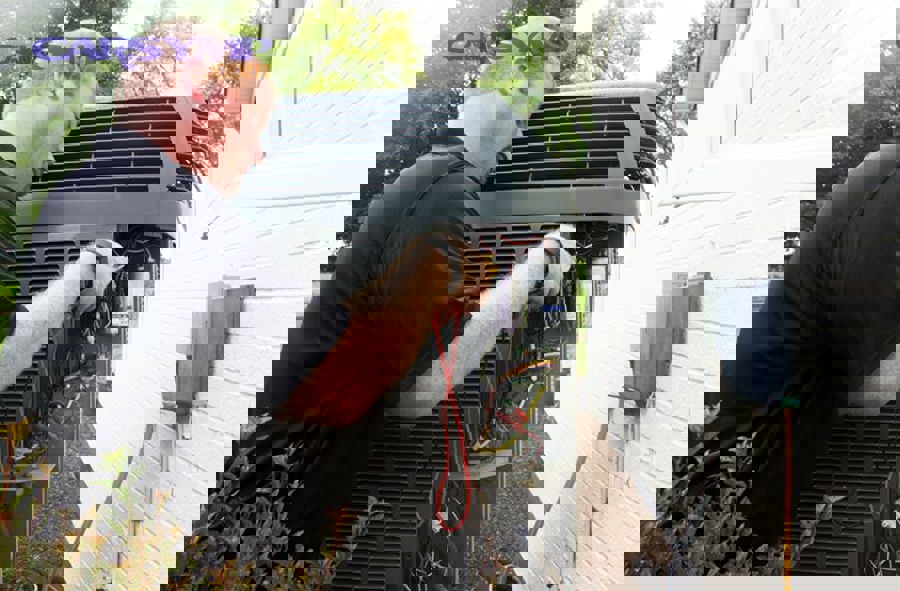
How shops confirm an evaporator leak
Shops usually confirm evaporator leaks via UV dye drainage, electronic sniffing at vents/drain, or pressure decay tests after sealing the system. Next, they should rule out nearby sources (service ports, lines, compressor seal) because those are cheaper fixes.
If the cabin smells sweet/chemical and the system loses charge quickly, evaporator leak becomes more likely—but still needs confirmation.
What else gets touched during an evaporator job?
Because the dash is already apart, many shops will recommend blend-door actuator checks, foam sealing, and sometimes a cabin filter replacement. Next, this is a good moment to address rattles, stuck doors, or weak airflow that would otherwise require another teardown later.
Theo nghiên cứu của University of Michigan Transportation Research Institute từ vehicle serviceability studies, vào 10/2020, interior HVAC component access is a major driver of repair labor variance across vehicle models.
What is the AC fix cost for metering devices like expansion valves or orifice tubes?
Metering device repairs usually cost less than compressor or evaporator jobs, but they can become expensive if the system is contaminated or the device is difficult to access. To begin, understand that these parts control refrigerant flow and can fail “closed” (no cooling) or “open” (poor control/icing).
Next, always connect metering device quotes to measured pressures, superheat behavior, and evidence of debris—not guesswork.
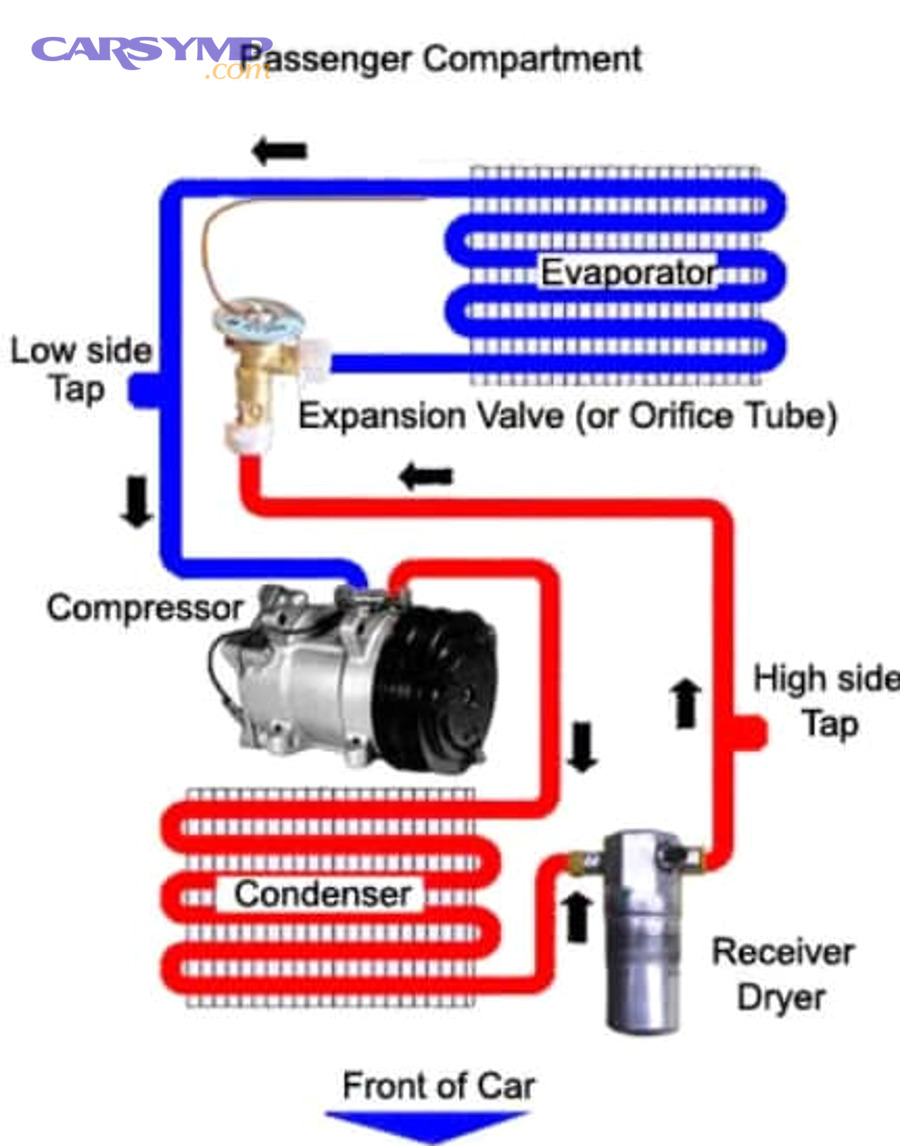
How a stuck expansion valve changes the diagnosis
A stuck valve can create abnormal low-side readings and vent temperature swings that mimic low charge or weak compressor output. Next, the shop should compare temperature drop across the evaporator and inspect for frost patterns to support the call.
In some vehicles, access is easy; in others, it’s buried near the firewall, which changes labor dramatically.
When contamination forces “more than just the valve”
If debris is found, the repair often expands to include flushing lines, replacing the drier/accumulator, and sometimes replacing the condenser (especially with parallel-flow designs). Next, that’s why a small part can turn into a larger invoice when the system is dirty.
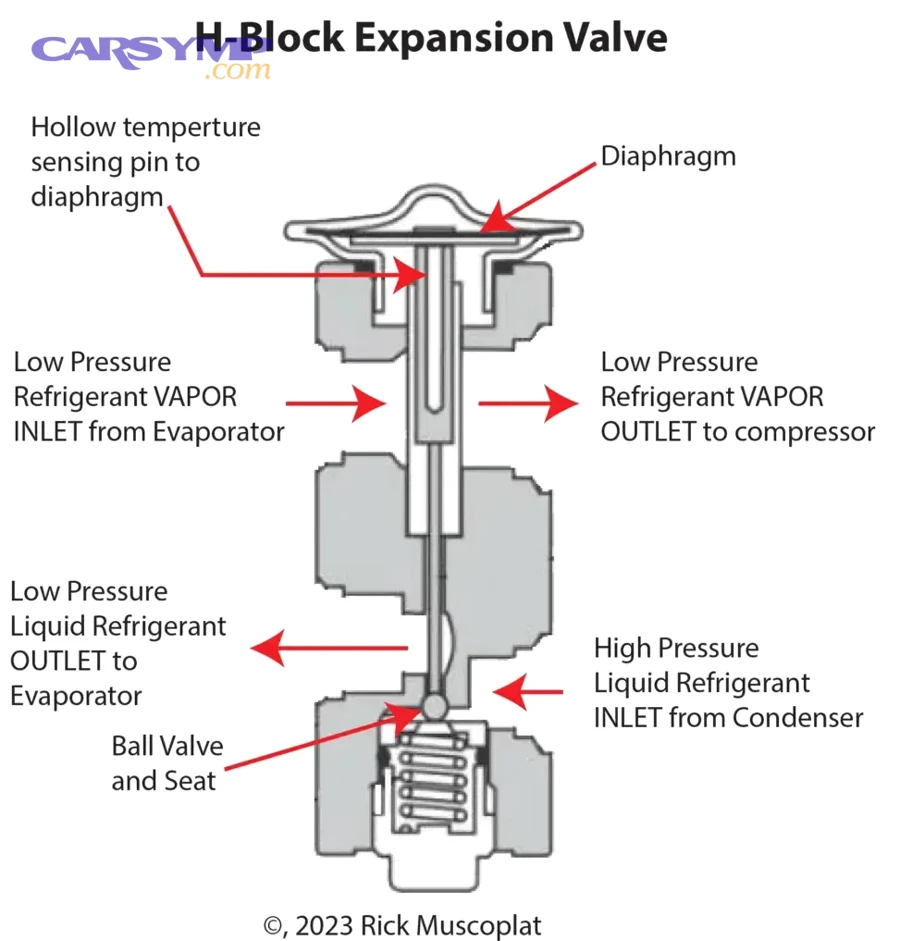
Theo nghiên cứu của SAE International từ refrigeration cycle diagnostics, vào 03/2018, restrictions in the metering device frequently present as “intermittent cooling,” leading to misdiagnosis if technicians don’t log pressures over time.
What is the AC fix cost for airflow and electrical issues that feel like “A/C failure”?
Airflow and electrical fixes can be cheaper than refrigerant repairs, and they often solve “no cold air” complaints when the refrigerant circuit is fine. To begin, separate cold air not produced from cold air not delivered (weak airflow, stuck doors, dead blower).
Next, ask the shop to show you airflow and blend-door function before approving major refrigerant work.
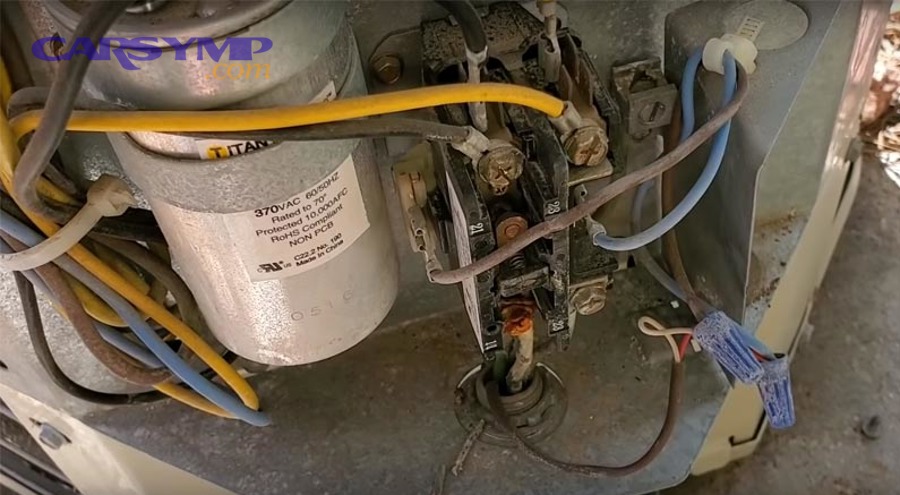
Blower motor, resistor, and control module pricing
There are 3 common electrical airflow repairs: blower motor replacement, resistor/module replacement, and switch/control diagnosis, typically landing in the $200–$700 range. Next, access matters—some are minutes, others require glovebox or dash panel removal.
If the fan works only on high speed, the resistor/module is a prime suspect and usually cheaper than a full blower replacement.
Cabin air filter and blocked airflow: the cheapest “fix”
A clogged cabin filter can reduce airflow, increase noise, and make cooling feel weak even when the A/C is operating correctly. Next, replacing it is often a low-cost step that improves comfort and can reduce strain on the blower system.
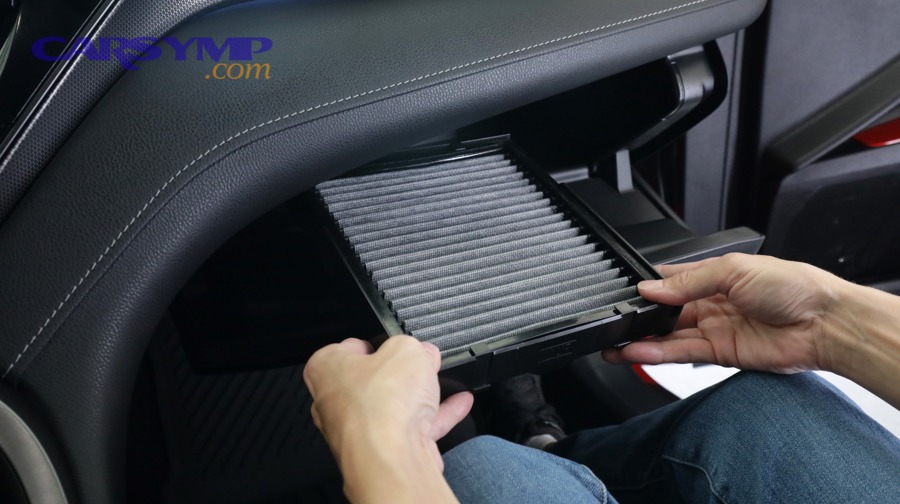
Theo nghiên cứu của Bosch from cabin filtration materials testing, vào 04/2021, particulate loading can significantly restrict HVAC airflow, which many drivers misinterpret as “A/C not cold.”
How do shops build your estimate: diagnostics, refrigerant, labor, parts, and warranty?
A professional estimate is a structured package: diagnosis + repair action + system service + verification. To begin, insist on seeing what’s being charged as separate line items so you can compare quotes fairly and spot hidden “double charges.”
Next, understand that the shop’s time model and your refrigerant type can change your total even when the same part fails.
Diagnostics: what you should get for the fee
Good diagnostics include pressure readings, vent temperature, fan performance checks, and (when needed) dye or nitrogen tests—not just “it’s low.” Next, ask whether the diagnostic fee is credited toward the repair if you approve work.
If the shop can’t tell you what failed and why, the rest of the estimate is built on uncertainty.
Labor: why the same repair varies by hundreds
Labor changes with access, rust, component packaging, and whether the shop must remove the bumper, radiator support, or dashboard. Next, many shops quote by a flat-rate guide rather than stopwatch time, which can produce consistent pricing but big differences across models.
Parts: new vs reman and the warranty fine print
A “cheap” part can become expensive if it fails early and labor isn’t covered, while a higher-grade part can reduce long-term costs. Next, confirm what the warranty covers (parts only vs parts + labor) and what steps are required for validation (flush, drier replacement, documentation).
Theo nghiên cứu của U.S. Department of Energy from vehicle A/C efficiency analysis, vào 09/2020, system performance depends heavily on correct refrigerant charge and oil balance—so reputable shops price in proper service steps, not shortcuts.
How can you lower the AC fix cost without buying the wrong repair?
You can often cut the bill by choosing better diagnostics, targeted repairs, and smart bundling—without skipping critical steps that cause repeat failures. To begin, treat “lowest quote” as risky if it omits leak confirmation, vacuum hold, or verification tests.
Next, apply the tactics below to reduce waste while keeping reliability high.
Ask for proof, not just a guess
A reliable way to reduce AC fix cost is to require the shop to show the leak point, pressure decay result, or control command evidence. Next, if they can’t demonstrate it, you’re paying for a parts lottery.
- Leak proof: UV dye at the exact joint/core, electronic detection at a specific area, or nitrogen decay.
- Electrical proof: power/ground at clutch, sensor values, and scan tool command confirmation.
- Airflow proof: blower speed behavior, cabin filter condition, and blend-door movement.
Bundle “while-you’re-in-there” items strategically
Yes—bundling can lower cost when labor overlap is high (for example, replacing seals/drier during condenser work). Next, avoid bundling unrelated items that don’t share labor, because that’s where upsells hide.
Choose parts quality based on labor intensity
Use a simple rule: the harder it is to access, the more you should prioritize quality and warranty. Next, evaporator and compressor jobs are labor-heavy, so a cheap part there can be the most expensive choice over time.
Theo nghiên cứu của National Institute for Automotive Service Excellence (ASE) training materials, vào 02/2022, repeat A/C repairs are commonly tied to incomplete contamination control and low-quality replacement components.
Contextual Border: what else can change the number beyond the “issue” itself?
Now that you’ve mapped the main repair categories, the next layer is rare-but-important factors—vehicle technology, refrigerant type, and repair strategy decisions—that can swing pricing even when the same component fails.
Supplementary: hidden cost drivers that can make the same issue cheaper or pricier
This section covers less obvious variables that shift cost—especially on newer platforms and certain refrigerants—so you can predict surprises before you approve the work.
Hybrid/EV electric compressors and high-voltage safety
Electric compressors (common on hybrids/EVs) can increase cost because of specialized oil requirements, insulation safety procedures, and parts pricing. Next, confirm the shop is equipped and certified for high-voltage safety before approving the job.
Refrigerant choice: R-134a vs R-1234yf pricing impact
R-1234yf systems often cost more to service because the refrigerant is pricier and equipment standards can be stricter. Next, ask the shop to list the refrigerant type and the exact quantity charged so you can compare quotes on equal terms.
New vs remanufactured parts: savings vs risk tradeoff
Reman parts can lower upfront cost, but reliability depends on brand quality and warranty terms; new parts usually cost more but can reduce comeback risk. Next, align your choice with labor intensity—save on easy parts, invest on buried components.
FAQ (quick answers to common cost questions)
Q: Is “top-off” refrigerant a good cheap fix?
A: Only if there’s no leak; otherwise you’ll likely pay twice and still need diagnosis + repair.
Q: Why do two shops quote different totals for the same repair?
A: Differences usually come from diagnosis depth, refrigerant type, labor model, parts grade, and whether service steps (vacuum hold, verification) are included.
Q: Can a cabin air filter really affect cooling comfort?
A: Yes—reduced airflow makes vents feel warmer even when the evaporator is cold, and it can increase blower strain.
Q: What’s the best way to avoid a repeat A/C repair?
A: Demand proof of root cause, ensure correct evac/recharge procedure, and replace moisture/contamination-related components when required.
Finally, remember this: the lowest price is only a win if the system stays sealed, correctly charged, and verified—because in A/C work, cheap vs expensive is often decided by procedure quality, not just the part you replace.