


If your car’s A/C isn’t cooling, the most expensive “big three” suspects are often the compressor, condenser, and evaporator—and each fails in a different way that changes the final bill. The compressor usually drives the highest total cost when it fails mechanically, the evaporator tends to be labor-heavy because it’s buried in the dash, and the condenser is often the most straightforward to replace but can still add up.
Beyond the part itself, what you’re really paying for is access, contamination risk, and how much of the system must be opened, evacuated, cleaned, and recharged to restore correct pressures and vent temperatures. That’s why two cars with the same symptom (warm air) can produce very different repair invoices.
To make the comparison practical, this guide breaks costs into three layers: parts pricing, labor time, and “required extras” like refrigerant recovery/recharge, oil balance, seals, and system flushing when debris is present. Then you’ll know what a fair quote looks like and when a cheaper option is likely to fail again.
Tiếp theo, we’ll map each component’s job in the system, the failure modes that push costs up, and how to compare estimates line-by-line instead of guessing based on a single number.
Which part usually costs the most overall: compressor, condenser, or evaporator?
Compressor is typically the most expensive overall when it fails hard, evaporator often becomes the priciest in labor-heavy vehicles, and condenser is usually the most affordable of the three—unless the system is contaminated or access is unusually difficult. Tuy nhiên, your exact total depends on labor time, refrigerant type, and whether debris forces extra steps.
Why compressors tend to lead the bill
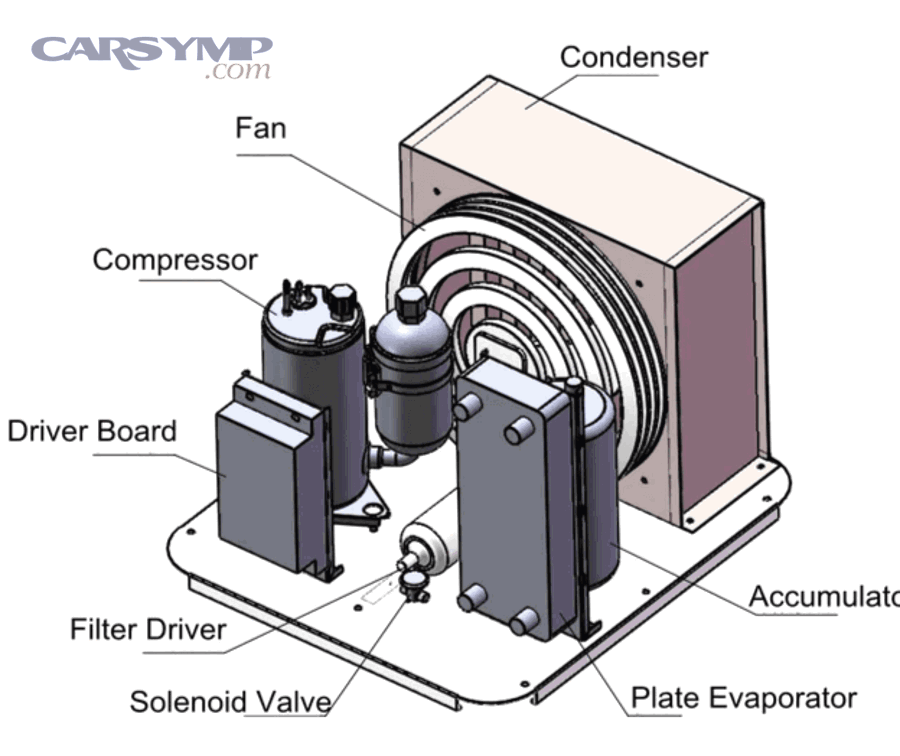
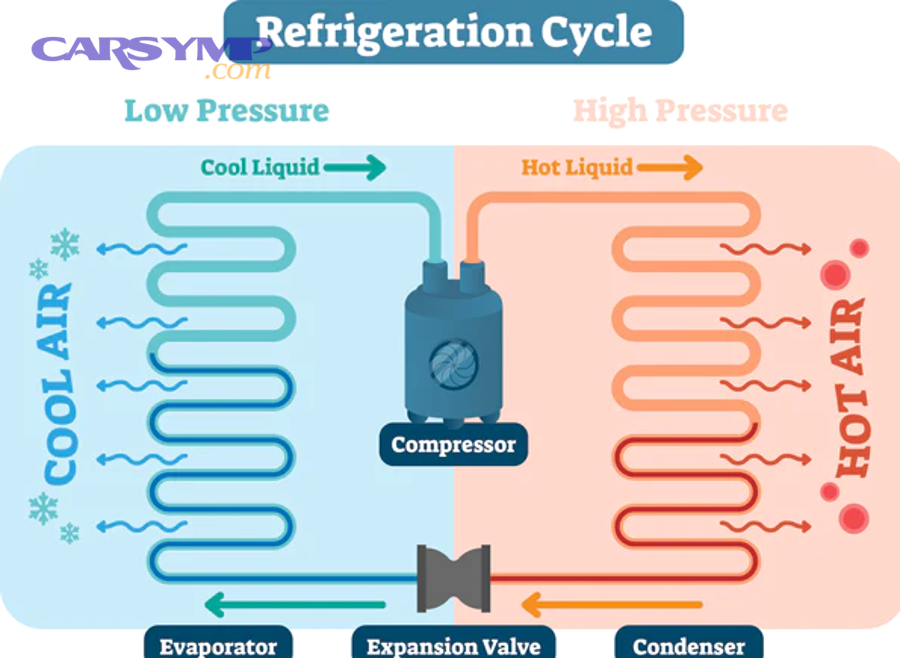
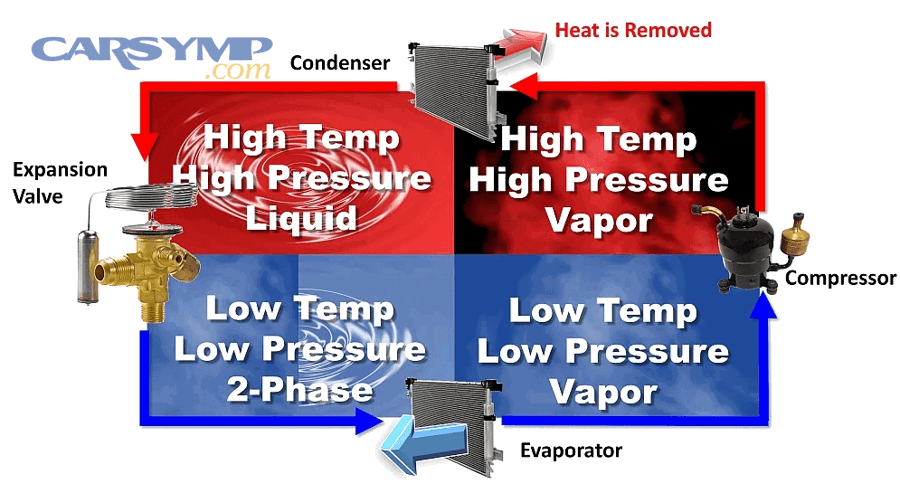
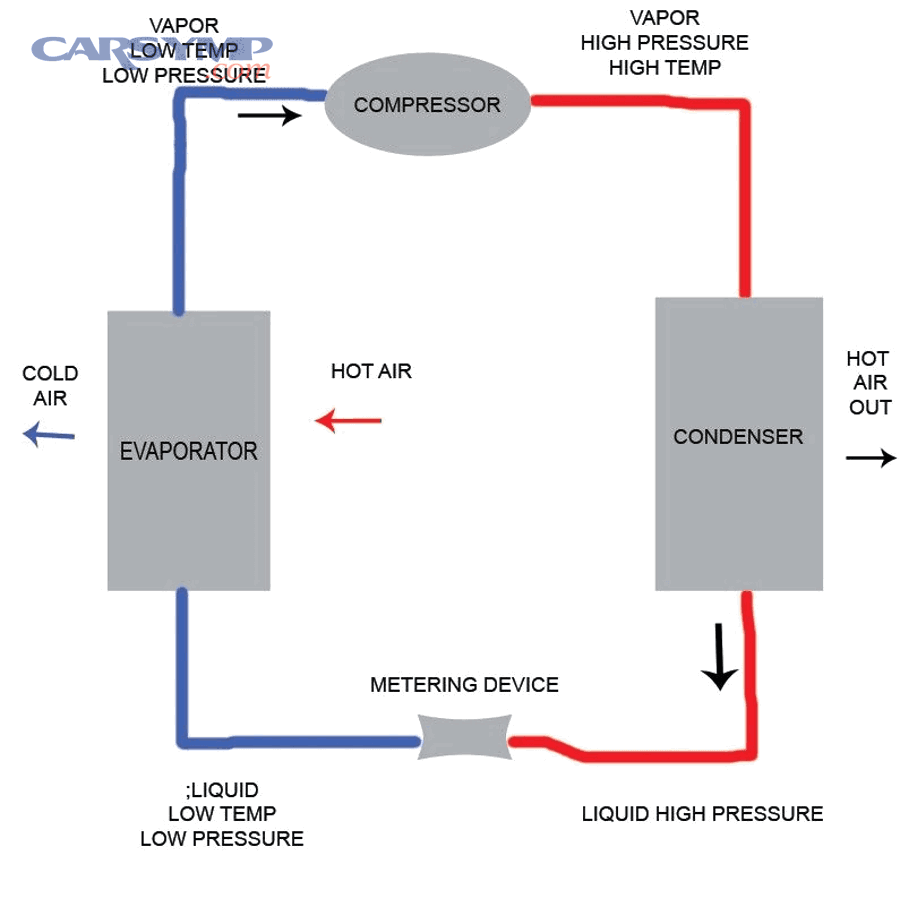
The compressor is the heart of the loop: it pressurizes refrigerant, circulates oil, and creates the pressure differential that makes cooling possible. When it fails, it can do so “cleanly” (clutch/electrical control issues) or “dirty” (internal wear that releases metal). Để hiểu rõ hơn, dirty failures raise costs because shops may recommend a flush, replacement of the receiver-drier/accumulator, and sometimes the expansion valve/orifice tube to protect the new compressor.
Cost drivers that commonly stack on top of the compressor price include: oil balancing, seal kits, a new drier/accumulator, and longer recovery/recharge time. If the compressor seized, belt issues or pulley damage can add more labor. That’s why compressor repairs often produce the biggest range between “best case” and “worst case.”
Why evaporators can quietly become the labor champ
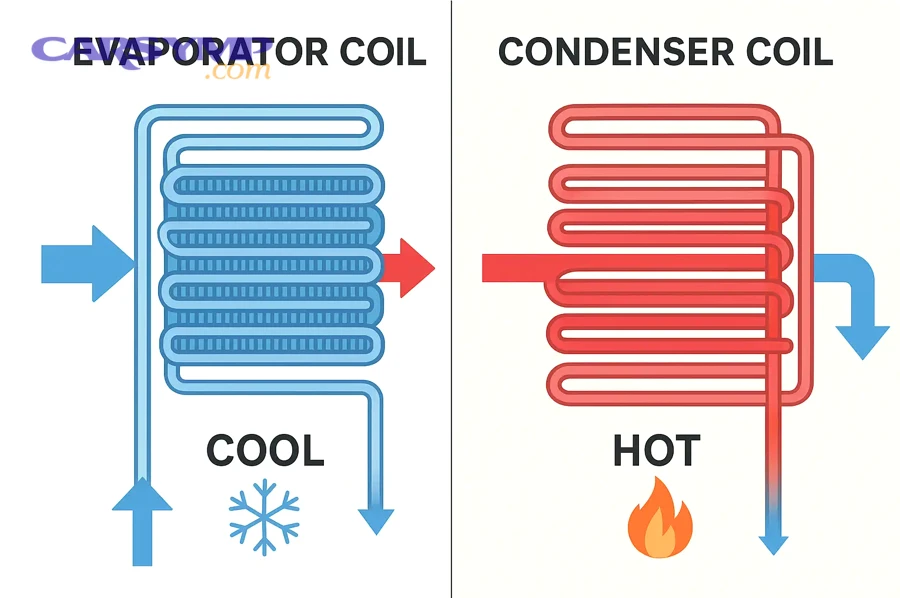
The evaporator core sits inside the HVAC box, usually behind the dashboard. The part itself may be mid-priced, but the labor can be high because access often requires removing major interior trim, the glovebox area, or the entire dash assembly. Trong khi đó, many vehicles also require careful handling of airbags, wiring, and steering column components, which pushes labor hours up.
Evaporator jobs may also include replacing the expansion valve (if located at the firewall) and installing new O-rings. If the evaporator leak allowed moisture into the system, the drier/accumulator may be recommended as well. The result: evaporator quotes can look “surprisingly high” even when the core itself isn’t the costliest part.
Why condensers are often the “simplest” but not always cheap
The condenser is mounted at the front of the vehicle, typically in front of the radiator, so it’s more accessible and labor time is often lower. Ngoài ra, many modern condensers integrate a receiver-drier, which can increase part cost and make replacement more “all-or-nothing.”
Condenser replacement costs rise when: the front bumper must be removed, active grille shutters complicate access, the condenser is damaged by road debris, or the system must be flushed due to compressor failure. So while condensers are commonly cheaper than compressors and evaporators, the “extras” can pull the total closer than drivers expect.
What do you actually pay for beyond the part price?
You pay for access labor, refrigerant recovery and recharge, leak verification, and system protection steps (seals, oil balance, drier/accumulator, and sometimes flushing) that reduce the risk of repeat failure. Cụ thể, two quotes can differ by hundreds because one includes these essentials and the other leaves them out.
Refrigerant service and why it’s rarely “optional”
Any time the system is opened, refrigerant must be recovered (not vented), moisture should be minimized, and the system should be pulled into vacuum before recharging to the specified amount. This is more than “adding a can”—it’s a controlled process to remove air and moisture, which protects cooling performance and component life.
Expect line items for recovery/evacuation/recharge, and sometimes separate charges for refrigerant itself depending on type and quantity. Even if a shop bundles it, it’s still part of the real cost structure—so comparing quotes means confirming whether those steps are included.
Seals, O-rings, and oil balancing
O-rings are small but critical: they seal connections that are disturbed during component replacement. The compressor also depends on correct oil quantity distributed through the system. Để minh họa, installing a compressor without verifying oil balance can shorten its life, especially if other components were replaced or a flush removed residual oil.
Quality parts can include new seals; some do not. If your quote doesn’t mention O-rings or seal kits, it’s worth asking—because reusing old seals is a classic recipe for a comeback leak.
System flushing and contamination control
Flushing isn’t required for every job. It becomes important when a failed compressor sends debris through the lines or when the system shows signs of sludge or metal. Quan trọng hơn, some components (like certain condensers and driers) cannot be effectively flushed and are better replaced.
This is where costs can swing dramatically: “compressor only” vs “compressor plus flush plus drier/accumulator plus expansion device.” Paying more upfront can be cheaper than replacing a second compressor later.
How do labor times compare, and why do they vary so much by vehicle?
Compressor labor is often moderate, condenser labor is commonly low-to-moderate, and evaporator labor is frequently the highest—because it’s buried inside the cabin. Ngược lại, a few models have unusually accessible evaporators or unusually difficult compressors, so vehicle layout matters as much as the part.
Compressor labor: belts, brackets, and underbody access
Compressors can be mounted high in the engine bay or low near the subframe. If it’s low, shops may need to remove splash shields, loosen mounts, or work around exhaust components. Bên cạnh đó, some vehicles require removing the serpentine belt, tensioner access, or additional brackets to reach mounting bolts.
The time increases if the compressor clutch/pulley is integrated and requires special procedures, or if the vehicle has tight packaging around the front of the engine. Even then, compressor jobs are often less labor-intensive than evaporator replacements.
Condenser labor: front-end packaging and modern aero
Older vehicles often allow condenser replacement with minimal disassembly. Modern vehicles can require bumper removal, grille shutter handling, or sensor recalibration depending on the front-end design. Hơn nữa, if the condenser includes an integrated drier, replacement is more involved but can simplify long-term moisture control.
Condenser labor is usually predictable, which is why condenser quotes tend to be more consistent across shops than evaporator quotes.
Evaporator labor: the “dash-out” reality
Evaporator replacement is often a “dash-out” job, meaning the time is dominated by interior disassembly and reassembly. Đặc biệt, careful handling of wiring, ducts, and airbag components adds time and increases the value of choosing a shop experienced with your make/model.
This is also why evaporator leaks are sometimes deferred: drivers tolerate weak cooling until the leak becomes severe. But delaying can increase the chance of moisture intrusion and additional recommended parts.
How do failure modes change the price of each component?
Compressor prices jump when failure is internal and contaminating, condenser costs rise when it’s damaged or integrated with other functions, and evaporator bills spike when a leak requires dash removal and related parts. Tiếp theo, we’ll link common symptoms to the cost scenario they typically trigger.
Compressor failure: electrical vs mechanical vs contamination
Electrical/control issues (clutch not engaging, relay problems, pressure sensor logic) can mimic compressor failure but may be cheaper to fix if diagnosed correctly. Cụ thể hơn, replacing a relay or repairing wiring is not the same as replacing a compressor—yet both can produce “warm air.”
Mechanical wear (noise, seizure, poor compression) often leads to compressor replacement. If the compressor shed metal, the system may need additional parts and cleaning. That’s the scenario where a low quote can be misleading if it doesn’t address contamination risk.
Condenser failure: impact damage and micro-leaks
Condensers live in the line of fire for road debris. Rock strikes can cause leaks that are visible only under dye or electronic detection. Trong khi đó, corrosion at fittings or damaged fins can reduce heat transfer, causing poor cooling even without an obvious leak.
A condenser leak typically requires replacement because repair is rarely durable. Costs rise if the front end must be disassembled heavily or if the system must be flushed due to upstream compressor issues.
Evaporator failure: slow leaks and hidden evidence
Evaporators usually fail by leaking, not by “breaking.” Evidence can be subtle: oily residue at the drain, dye traces in the HVAC box, or a musty smell that persists even after cabin filter replacement. Ngoài ra, because the evaporator is hidden, diagnosis can take longer—raising the chance you’ll see additional inspection steps on the invoice.
The big cost trigger is access. Even a small leak can require major labor, so the failure mode is less about “how bad” and more about “where it is.”
How can you compare quotes fairly without getting tricked by missing line items?
A fair comparison checks the same scope: diagnosis, refrigerant handling, replacement labor, required seals/oil, and protective parts like a drier/accumulator when needed. Để bắt đầu, treat any quote that’s dramatically lower as a signal to verify what was excluded rather than assuming it’s a bargain.
Confirm the diagnostic process and what it includes
Many drivers see a “diagnostic” charge and assume it’s just a quick glance. In reality, good diagnosis follows steps: verifying compressor command, checking pressures, confirming airflow and blend door operation, inspecting condenser fan performance, and searching for leaks with dye or electronic detection when appropriate.
Ask what the diagnostic covers and whether it will be credited toward the repair. This matters because a thorough diagnostic reduces the chance you’ll replace the wrong “big three” part.
Make sure refrigerant service is apples-to-apples
Some quotes include recovery, vacuum, and recharge as a bundle; others list them separately. Tuy nhiên, both should still specify the refrigerant type and whether the charge amount is to factory spec. If the quote is vague (“recharge included”), ask whether it includes pulling vacuum and verifying hold time.
Also verify whether the quote includes refrigerant cost or only the labor to recharge. That single detail can change the out-the-door number significantly.
Ask how the shop is handling leak risk versus “recharge only”
Here’s the uncomfortable truth: if refrigerant was low, it usually left the system through a leak. “Recharge only” can restore cooling temporarily, but it doesn’t prevent loss from continuing. Quan trọng hơn, repeatedly topping off can mask a leak until a major component is damaged by oil starvation or moisture intrusion.
When comparing estimates, ask: is the plan to confirm and fix the leak source, or just add refrigerant? The best value is often the repair that actually stops the leak rather than the one that postpones it.
What are realistic cost ranges and what’s included in a complete repair?
Realistic totals usually follow this pattern: compressor repairs span the widest range, evaporator repairs are consistently labor-heavy, and condensers are often mid-range—unless contamination or front-end packaging adds complexity. Dưới đây, a breakdown table helps you see which line items commonly belong to each job.
This table contains typical cost structure elements for each component so you can spot missing essentials (like seals, drier/accumulator, or proper recovery/recharge) when comparing estimates.
| Component | Typical cost pressure point | Labor tendency | Common “must include” items | Common “sometimes needed” items |
|---|---|---|---|---|
| Compressor | Part price + contamination risk | Moderate (varies by mounting) | Recovery/vacuum/recharge, oil balance, O-rings | Drier/accumulator, expansion device, flush, belt/pulley related work |
| Condenser | Integrated drier + front-end packaging | Low-to-moderate | Recovery/vacuum/recharge, O-rings | Front bumper removal steps, flush if debris present, drier if not integrated |
| Evaporator | Access (dash removal) | High (often dash-out) | Recovery/vacuum/recharge, O-rings, careful reassembly | Expansion valve, drier/accumulator, blower/duct service if contaminated |
What a “complete” compressor job looks like
A complete compressor job typically includes: confirmed diagnosis (not just “warm air”), proper refrigerant recovery, compressor replacement, fresh seals, oil balancing, vacuum and recharge to spec, and a performance verification (vent temperature and pressure behavior). Hơn nữa, if internal failure is suspected, a protective scope often includes replacing the drier/accumulator and expansion device and addressing debris risk.
If your estimate is compressor-only with no mention of contamination protection, ask whether the old compressor failed cleanly or dirty, and what warranty conditions require. Some warranties are strict about replacing supporting parts.
What a “complete” condenser job looks like
A complete condenser job usually includes: leak confirmation, condenser replacement, seals, recovery/vacuum/recharge, and confirmation that fans and airflow are correct so the new condenser can reject heat. Ngoài ra, if the condenser includes an integrated drier, that can be a reliability benefit because moisture control is refreshed automatically with the new unit.
Condenser jobs are also a good time to ensure the front fins aren’t blocked by dirt or bent severely, because heat transfer is essential for cold vent temperatures at idle.
What a “complete” evaporator job looks like
A complete evaporator job includes: leak confirmation (often with dye evidence), recovery of refrigerant, careful dash/HVAC box access, evaporator replacement, seals, vacuum and recharge, and verification of condensate drainage and odor control. Đặc biệt, many vehicles benefit from replacing the expansion valve at the same time because the labor overlap is significant and it protects long-term performance.
The best evaporator repairs also include a post-repair airflow and blend-door function check so you don’t mistake an airflow issue for a refrigerant issue later.
How do you decide between repair strategies when the symptom is “A/C not cold”?
Choose the strategy that matches the confirmed root cause: compressor control issues are often cheaper than compressor replacement, condenser leaks usually require replacement, and evaporator leaks often justify a larger labor budget to fix it once. Sau đây, we’ll connect symptom patterns to the most cost-effective next step.
If the system cools while driving but not at idle
This pattern often points toward airflow and heat rejection issues—like condenser fan performance, blocked condenser fins, or insufficient airflow across the condenser. Tuy nhiên, it can also appear with low refrigerant in some cases. The cost-effective move is confirming fan operation and pressure behavior before replacing a major component.
If a shop immediately recommends a compressor without verifying fan and airflow, ask what evidence supports the compressor conclusion. A good diagnosis should show pressure readings and control commands that justify the part.
If cooling fades quickly after a recharge
When cooling improves after adding refrigerant but fades again, that strongly suggests a leak. Để minh họa, a short-lived improvement often means the leak rate is moderate-to-high, and the best value is locating and fixing the leak source rather than repeating recharges.
If the leak is at the condenser or evaporator, replacement is often the durable solution. If the leak is at a seal or service port, the fix can be comparatively small—another reason diagnosis matters.
If there’s noise, grinding, or burning smell from the A/C system
Noise and burning smell raise the likelihood of compressor mechanical failure or clutch issues. Quan trọng hơn, a mechanically failing compressor can spread debris, so delaying can increase downstream costs. In these cases, a careful inspection and pressure test can prevent a “cheap fix” from becoming an expensive repeat repair.
If metal debris is present, a robust repair scope is often cheaper than gambling on a compressor-only replacement.
Contextual border: when should you stop comparing totals and start comparing risk?
Once you understand which component is likely involved and what a complete scope includes, the decision shifts from “Which total is lowest?” to “Which repair is least likely to fail again?” Tiếp theo, we’ll cover the unique factors that swing prices and reliability—especially refrigerant type, shop type, and parts quality—so you can pick the best long-term value.
Nuances that swing the bill and the outcome most
Prices swing the most because of refrigerant type, shop pricing model, and parts quality—factors that change both the invoice and the probability of a long-lasting repair. Dưới đây are the highest-impact nuances to check before you approve a quote.
How refrigerant type changes the “required extras” and final total
Different refrigerants can carry different material costs and service practices, and some vehicles are more sensitive to charge accuracy. Trong khi đó, the real driver impact is that proper recovery, vacuum, and recharge become even more important when refrigerant cost is higher or the system design is less forgiving. So when comparing quotes, confirm the refrigerant type and whether the shop charges for refrigerant as a separate line item.
If a quote seems unusually low, verify it’s not assuming a minimal recharge amount or skipping vacuum/hold verification—because those shortcuts often become repeat visits.
Dealer vs independent shop: what you’re really paying for
Dealers often have stronger model-specific procedures, factory scan tools, and OEM parts access; independents can deliver excellent value with strong diagnostics and flexible parts options. Tuy nhiên, the best choice depends on complexity: evaporator dash work and modern front-end packaging can justify paying for experience, while straightforward condenser or compressor access can be done well at many reputable independents.
Instead of choosing purely by brand, choose by evidence: ask for the diagnostic findings, pressure readings, leak confirmation method, and what warranty covers (and excludes).
Parts quality and warranty terms that change your real cost
Parts vary widely: OEM, premium aftermarket, remanufactured compressors, and budget units all exist. Quan trọng hơn, warranty conditions may require replacing the drier/accumulator and expansion device on compressor failures—or may deny coverage if contamination is not addressed. That means the “cheapest part” can create the most expensive outcome if it fails early or voids warranty.
When comparing, ask what grade of part is being quoted and whether the warranty covers labor or only the part itself. A part-only warranty can still leave you paying the same labor twice.
How to decide between “leak fix” and “recharge only” without regrets
“Recharge only” can be reasonable as a short diagnostic step in limited cases, but it is not a durable solution if refrigerant loss continues. Ngược lại, fixing the leak source protects the compressor from low oil circulation and protects performance over time. If you’re choosing between options, weigh how quickly cooling degraded and whether leak evidence exists (dye, oily residue, electronic detection).
When the leak is in the evaporator or condenser, replacement is usually the long-term path. When the leak is a seal or service port, repair can be modest—so paying for a correct diagnosis is often the cheapest “repair” you can buy.