


If you’re replacing an engine, a remanufactured (reman) engine is usually the safer, more predictable choice, while a used engine is usually the cheaper, faster option—and the “best” pick depends on your budget, timeline, and how long you plan to keep the car. The key is to compare both options by the same yardsticks: reliability, warranty, total installed cost, and risk of paying labor twice.
Next, you’ll get clear definitions so you’re not comparing apples to oranges—because “remanufactured,” “rebuilt,” and “used” are often mislabeled in listings and invoices, and that confusion can change your expected lifespan and warranty coverage.
Then, you’ll learn how to control risk with a simple pre-purchase checklist: compatibility checks, seller questions, and installation steps that protect both the engine and the warranty, so the replacement doesn’t turn into a repeat repair.
Introduce a new idea: once you can decide confidently, we’ll also cover the hidden factors—core charges, claim-denying warranty clauses, emissions edge cases, and break-in requirements—that can flip your decision even if the headline pros/cons look obvious.
What does “used engine” mean compared to a remanufactured (reman) engine?
A used engine is a previously-run OEM engine sold largely “as-is,” while a remanufactured (reman) engine is an engine rebuilt to a defined standard with machining, measured tolerances, and replaced wear parts to restore like-new function more consistently.
Next, because labels get abused in the market, you need clear definitions before you compare cost or reliability.
What is a used engine, and what “unknowns” come with it?
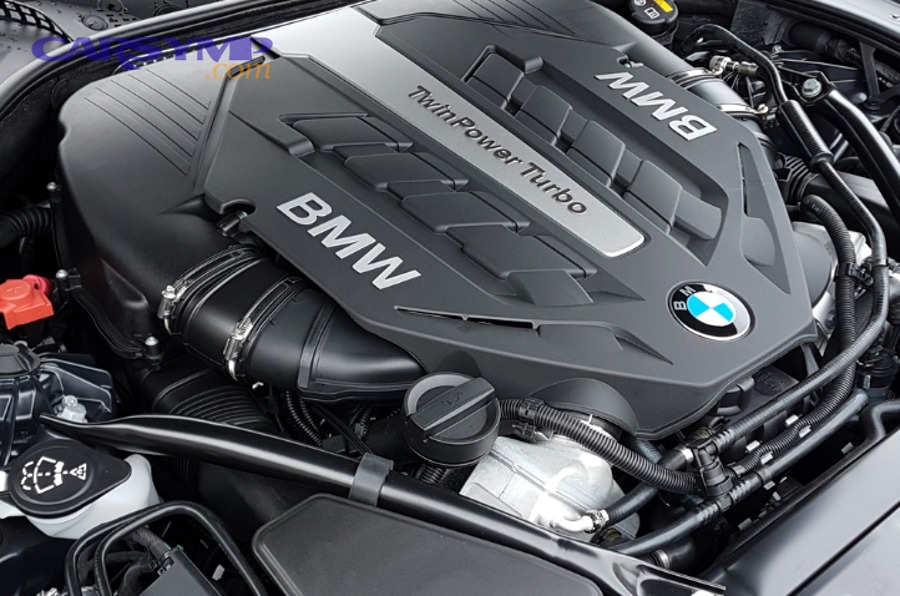
A used engine is a complete engine removed from another vehicle (a donor) and sold with whatever wear, maintenance history, and hidden stress it accumulated during its previous life.
To better understand those unknowns, focus on what you can’t see from the outside: heat events, oil starvation, sludge, and long-term neglect.
Most used engines are described by mileage, but mileage is only a rough proxy for condition. A gently maintained 140k-mile engine can outlive a 70k-mile engine that ran low on oil or overheated once. The real unknowns typically include:
- Overheating history: A single severe overheat can warp heads, compromise head gaskets, and weaken rings and bearings—damage that may not show up until months later.
- Oil maintenance: Long oil intervals can create sludge and stuck rings, which leads to low compression and oil consumption.
- Driving style and load: Towing, hard acceleration, and high RPM operation increase wear on rotating assemblies.
- Storage and handling: A junkyard engine left open can ingest moisture, causing rust on cylinder walls or valve train components.
- Completeness and accessories: Listings may call it a “complete engine,” but alternators, power steering pumps, turbos, injectors, and sensors may be missing or untested.
If your goal is to keep your car a long time, these unknowns matter because the biggest cost risk isn’t the used engine itself—it’s paying labor twice when the replacement fails early.
What is a remanufactured (reman) engine, and what is typically replaced or machined?
A remanufactured (reman) engine is an engine restored through a standardized process—disassembly, cleaning, precision measurement, machining, and replacement of wear components—to meet specified tolerances and performance targets.
Let’s explore why that standardization changes outcomes: a reman engine is built around measurable specifications, not just “it runs.”
While processes vary by rebuilder, a true reman commonly includes:
- Full teardown and cleaning (hot tanking, blasting, or ultrasonic cleaning)
- Inspection and measurement (bores, journals, deck flatness, head flatness)
- Machining operations (boring/honing, decking, line honing, crank polishing/grinding as needed)
- Replacement of wear parts (rings, bearings, seals, gaskets—often timing components depending on package)
- Cylinder head work (valve job, guides/seals, resurfacing)
- Reassembly with torque specs and procedures
- Testing (at minimum leak checks; sometimes compression, oil pressure verification, or dyno testing depending on provider)
This process doesn’t guarantee perfection, but it typically reduces variance—meaning fewer “mystery problems” compared to a random used engine with unknown history.
Is a rebuilt engine the same as a reman engine?
No—a rebuilt engine is a repaired engine rebuilt to a chosen scope, while a reman engine is rebuilt to a defined remanufacturing standard, usually with more consistent measurement, machining, and part replacement.
However, the words get used interchangeably in ads, so you must verify what was actually done.
A rebuild can range from “replace a few gaskets and bearings” to a near-reman-level overhaul with machining and documentation. The practical difference is process control:
- A local rebuild can be excellent if the shop is meticulous and documents measurements.
- A cheap rebuild can be risky if it skips machining, reuses marginal parts, or doesn’t correct the root cause (like oiling issues).
- A reman typically implies a repeatable process, core standards, and a warranty structure—though quality still varies by supplier.
If you’re making a “Rebuild vs replace engine cost comparison,” remember: rebuilding locally can save money in some cases, but replacing with reman can reduce uncertainty and downtime when you need predictable results.
Which is better for engine replacement: used or remanufactured?
A reman engine wins in predictability and warranty, a used engine is best for lowest upfront cost and quick availability, and a local rebuild can be optimal for custom control when you trust the machine shop and want to match your exact application.
Below, we’ll compare the options using the criteria that actually change outcomes: lifespan, warranty, and total installed cost.
Does a reman engine usually last longer than a used engine?
Yes, a reman engine usually lasts longer than a used engine because it resets critical wear components, restores tolerances, and reduces the chance that hidden prior damage will shorten the new service life.
However, longevity still depends on installation quality and supporting systems, so it’s not automatic.
Think of lifespan as remaining useful life. A used engine has a remaining-life “guess,” while a reman aims to restore life closer to a new baseline. In real-world terms:
- A used engine can be a great value if it’s low-mile, well-documented, and passes tests—especially for older cars where the rest of the vehicle may not justify a higher spend.
- A reman engine makes more sense when you want the replacement to be “one and done,” because the core wear items that commonly fail first are refreshed.
Where people get burned is assuming “low miles = safe.” Low miles help, but history matters more than miles when overheating or oil starvation is involved.
Which option has the stronger warranty—and what should you check in the fine print?
Reman engines usually have stronger warranties than used engines because rebuilders can stand behind a standardized process, while used-engine sellers are covering an unknown product with unknown prior use.
More importantly, warranty terms often matter more than warranty length, so you must read the claim rules.
When comparing warranties, check:
- Coverage type: parts-only vs parts + labor allowance
- Who must install it: many warranties require professional installation
- Required replacement items: gaskets, fluids, timing components, thermostat, water pump, oil cooler—some are mandatory
- Proof requirements: receipts, mileage at install, photos, diagnostic results
- Exclusions: overheating, improper maintenance, modifications, and external component failures
If you’re trying to manage engine repair cost, the strongest warranty is the one that actually pays out when something goes wrong—not the one with the biggest number on the brochure.
Which option is cheaper after you include labor, fluids, and “surprise costs”?
A used engine is often cheaper upfront, but a reman engine can be cheaper “all-in” when you factor labor risk, downtime, and the cost of correcting issues that surface after installation.
Specifically, the biggest financial swing is whether you’ll pay for removal and installation more than once.
A realistic total installed cost typically includes:
- Engine price (used or reman)
- Labor (R&R engine, transfer components, programming if needed)
- Fluids, filters, belts, hoses
- “While you’re in there” parts (more below)
- Diagnostic time and post-install tuning/learning procedures
This is where “Common add-ons that increase cost” matter: timing sets, water pumps, motor mounts, spark plugs/coils, injectors, turbo oil lines, PCV systems, radiators, and oil coolers can add hundreds to thousands—yet skipping them can risk the replacement.
According to a study by Massachusetts Institute of Technology from the Environmentally Benign Manufacturing group, in 2010, purchasing a remanufactured gasoline engine instead of a new engine was estimated to lead to about 16% savings (in 2000 dollars) in the economic analysis. (web.mit.edu)
What are the pros and cons of a used engine?
There are 2 main sides to a used engine: lower purchase price and fast availability are the biggest pros, while unknown history and higher failure risk are the biggest cons—especially if you must pay labor twice.
Next, we’ll break those pros and cons into practical buying scenarios so you can decide quickly.
What are the biggest advantages of choosing a used engine?
The biggest advantages of a used engine are lower upfront cost, easier sourcing for older vehicles, and the chance to buy an original OEM unit that matches factory fitment without reman process variation.
More specifically, a used engine can be the smart play when your car’s overall value is limited.
Used engines tend to win when:
- You need the lowest upfront price to keep the vehicle running
- The car is older and you don’t want to “over-invest” in it
- You can find a verified low-mile donor with documentation
- You have a trusted installer who will check compression/leak-down and inspect before install
- The vehicle may not be kept long (short ownership horizon)
In those situations, a used engine can keep you on the road without making your sunk cost exceed the vehicle’s realistic value.
What are the biggest disadvantages of choosing a used engine?
The biggest disadvantages of a used engine are hidden wear and damage, limited warranty support, and a higher chance of post-install issues—meaning higher long-term engine repair cost if the engine needs to be replaced again.
However, you can reduce (not eliminate) the risk with testing and documentation.
Common failure or headache patterns include:
- Low compression or oil consumption that wasn’t obvious when it was sold
- Sensor and harness mismatches between model years and trims
- Sludge or varnish that indicates maintenance neglect
- Cooling-system carryover problems that damage the replacement (overheating repeats)
- Accessory failures after transfer (alternator, A/C compressor, turbo-related issues)
If you’re looking for “Signs engine repair is worth it,” a key sign is whether the rest of the car is solid enough that you’re not likely to face another major repair (transmission, rust, electrical) right after you’ve invested in the engine.
What are the pros and cons of a remanufactured (reman) engine?
There are 2 main sides to a reman engine: higher predictability and stronger warranty are the biggest pros, while higher upfront price and process variability between rebuilders are the biggest cons.
To illustrate that tradeoff clearly, we’ll connect each pro/con to what it means for your daily driving and your budget.
What are the biggest advantages of choosing a reman engine?
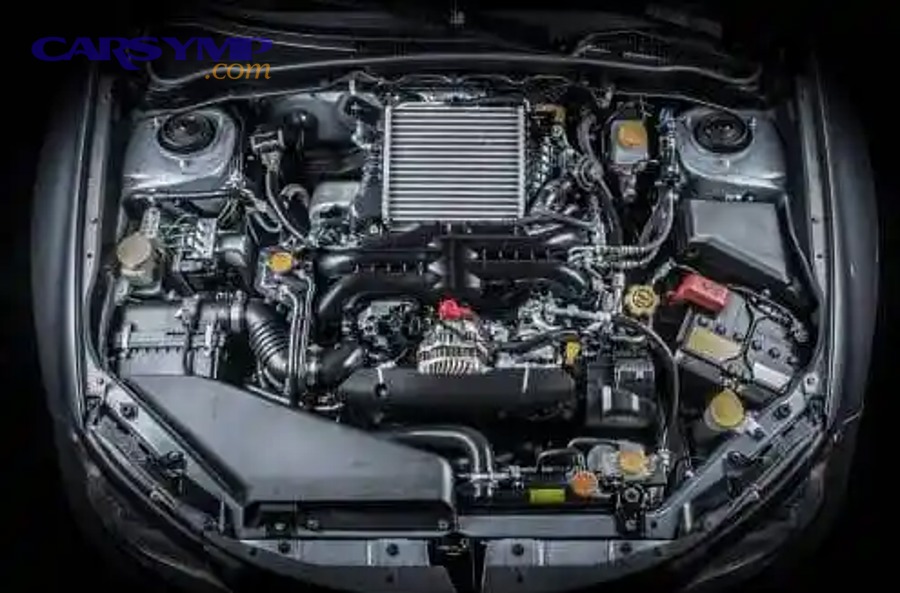
The biggest advantages of a reman engine are restored internal tolerances, refreshed wear components, and a warranty structure that often reflects greater supplier confidence—making it a better fit for long-term ownership.
Moreover, reman engines can reduce downtime by lowering “surprise failure” probability.
In practical terms, a good reman engine can deliver:
- Better baseline consistency (clearances, sealing, oil pressure)
- Improved compression stability (rings, cylinder finish, valve sealing)
- Lower leak risk (new seals and gaskets)
- More predictable break-in (when instructions are followed)
- Documentation and traceability (depending on supplier)
From an ownership perspective, reman is often the “pay more now, worry less later” option—especially for daily drivers where reliability matters.
What are the biggest disadvantages of choosing a reman engine?
The biggest disadvantages of a reman engine are higher purchase cost, possible core charges and return logistics, and quality variation between remanufacturers—meaning you still must pick a reputable supplier and follow install requirements.
On the other hand, the same installation mistakes can ruin a reman just as fast as they can ruin a used engine.
The most common pain points include:
- Core return rules (timelines, acceptable damage, shipping costs)
- Lead time (availability may be limited for some engines)
- Compatibility complexity (long block vs dressed engine differences)
- Break-in requirements that some owners ignore
- Warranty compliance steps (proof of maintenance and related-part replacements)
According to a study by Massachusetts Institute of Technology from the Environmentally Benign Manufacturing group, in 2011, researchers analyzed 25 case studies across eight product categories and showed that energy savings claims for remanufacturing can change substantially when the use phase is included. (news.mit.edu)
Is a used engine “good enough” for your car—or should you pay for reman?
Yes—a used engine can be good enough if your goal is to minimize upfront engine repair cost, your car’s value is limited, and you can verify donor condition; a reman engine is usually worth paying for if you need long-term reliability, stronger warranty protection, and fewer repeat-labor risks.
Below, we’ll match the right choice to your ownership horizon and vehicle condition.
Should you choose a used engine if you plan to sell the car soon?
Yes, you should often choose a used engine if you plan to sell the car soon because it lowers your upfront spend, improves short-term drivability, and can deliver acceptable reliability for a limited ownership window—if you document the swap properly.
However, “soon” still requires quality control, because a failure before sale can erase any savings.
A used engine makes sense in a short-horizon scenario when:
- You can source a verified engine (mileage proof, donor VIN, test results)
- The installer will inspect and test before final install
- You need the car running to sell it ethically and transparently
- You’re not trying to “maximize lifespan,” just restore function
If your aim is resale, documentation matters: receipts, donor details, and post-install checks help prevent buyer disputes and protect your reputation.
Should you choose reman if you need long-term reliability and plan to keep the car?
Yes, you should usually choose a reman engine if you plan to keep the car because it reduces the chance of hidden prior damage, provides a more robust warranty path, and delivers more predictable performance when installed correctly.
More importantly, it lowers the risk of paying for the same labor twice.
This is where “Signs engine repair is worth it” becomes a practical checklist. Engine replacement is often worth it when:
- The chassis is solid (no severe rust or structural issues)
- The transmission is healthy and serviced
- The vehicle has a known maintenance history
- The model is otherwise reliable and fits your needs
- You’re avoiding a new-car payment and plan to keep the vehicle years longer
When those signs line up, reman often produces the best balance of reliability and value.
Is reman worth it for high-mileage vehicles or older models?
Yes, reman can be worth it for some high-mileage or older vehicles, but only when the rest of the car can realistically survive long enough to “earn back” the higher engine price through years of use.
Meanwhile, if the vehicle has multiple looming major repairs, a used engine can be the rational cap on spending.
A simple way to decide is to do a Rebuild vs replace engine cost comparison against the car’s value and your timeline:
- If the car has strong bones and you’ll keep it: reman can make sense.
- If the car is near end-of-life (rust, electrical issues, failing transmission): limit spend—used may be better.
- If you have a trusted machine shop and time: rebuilding your original engine may be a “middle path.”
What should you check before buying a used or reman engine to reduce risk?
There are 3 major ways to reduce risk before you buy: ask the right seller questions, confirm compatibility, and plan an installation that prevents repeat failure, and doing all three can save you thousands in avoidable engine repair cost.
Next, we’ll turn that into a practical checklist you can hand to a shop or use while shopping online.
What questions should you ask the seller or supplier before you buy?
You should ask for condition proof, documentation, and warranty rules because those answers reveal whether the engine is a low-risk purchase or a gamble with expensive labor consequences.
Specifically, your questions should force clarity on history, testing, and claim procedures.
Ask these questions (and request written answers):
- What is the donor VIN and donor vehicle year/trim? (critical for compatibility)
- What is the claimed mileage and how is it verified?
- Was compression or leak-down tested? If yes, request results.
- Was the engine ever overheated or in a flood vehicle?
- What parts are included? (long block only vs accessories, sensors, turbo)
- What is the warranty length and what voids it?
- Does the warranty require professional installation?
- What documentation is required for a claim? (receipts, photos, maintenance proof)
- What is the return policy if the engine is wrong or damaged in shipping?
For reman suppliers, also ask about process standards (machining, measurements) and testing performed before shipment.
What compatibility checks prevent expensive surprises?
Compatibility checks prevent expensive surprises by ensuring the engine matches your vehicle’s configuration—mounting, sensors, emissions equipment, and control systems—so you don’t discover mismatches after the old engine is out.
To begin, treat engine swaps like a systems problem, not a single-part purchase.
Key compatibility checks include:
- Engine code and platform (the same displacement isn’t always the same engine)
- Model year and emissions family (especially around regulation changes)
- Sensor and harness style (connectors, cam/crank sensors, throttle type)
- ECU/immobilizer constraints (some vehicles require pairing or programming)
- Accessory mounting points (A/C, P/S, alternator brackets)
- Transmission interface (bellhousing patterns, flexplate/flywheel compatibility)
A surprising number of “bad engine” stories are actually “wrong engine” stories—so confirming these details early is one of the cheapest forms of insurance.
What installation steps protect your warranty and the engine’s lifespan?
Installation steps protect warranty and lifespan by preventing repeat root-cause failures—overheating, oil contamination, and neglected wear components—that can destroy a replacement engine quickly.
Besides, many warranties require these steps, so skipping them can turn a warranty into a denial.
The most important steps include:
- Fix the root cause first. If the old engine failed from overheating, oil starvation, or a clogged cooler, address those systems before installing anything new.
- Flush and verify the cooling system. Replace thermostat; inspect radiator; confirm fans and water pump function.
- Inspect/replace oil cooler and lines where applicable, because debris can recirculate and wipe bearings.
- Prime the oil system if required, and verify oil pressure on first start.
- Replace critical “while you’re in there” items (Common add-ons that increase cost but prevent failure):
- timing belt/chain components (if accessible)
- water pump (often paired with timing work)
- spark plugs/coils (gas engines)
- belts, hoses, motor mounts
- rear main seal if leakage risk is high and access is easy now
- Document everything. Keep receipts, mileage, and photos—especially if warranty compliance matters.
If you’re planning a full engine repair cost estimate, include these add-ons up front. They may increase the invoice today, but they reduce the chance of paying for another engine swap later.
How do you decide quickly: used vs reman in 5 minutes?
A reman engine is the best choice when you need reliable long-term daily driving, while a used engine is the fastest, cheapest choice when your priority is a low upfront bill and your risk tolerance is higher.
Below is a fast decision method that works because it forces you to rank what you care about most: cost, reliability, and time.
Which option fits best for budget-first car owners?
A used engine fits best for budget-first owners because it minimizes purchase price, often shortens lead time, and can restore drivability without exceeding the car’s value—especially when the rest of the vehicle may not justify reman pricing.
However, budget-first should still include basic safeguards so you don’t turn “cheap” into “expensive.”
Use a used engine when most of these are true:
- You can’t justify a larger spend relative to the vehicle’s value
- You can verify donor details and condition reasonably well
- You can accept some risk of shorter lifespan
- You’re prepared for some troubleshooting after install
- You’re trying to control engine repair cost above all else
A smart budget move is not “spend the least,” but “spend the least without creating a high probability of paying labor twice.”
Which option fits best for reliability-first daily drivers and families?
A reman engine fits best for reliability-first owners because it reduces unknown history risk, generally offers stronger warranty support, and delivers more consistent internal condition—making it the safer bet when breakdowns carry high personal or work consequences.
More importantly, reliability-first owners are typically optimizing for fewer emergencies, not lowest invoice.
Choose reman when most of these are true:
- You depend on the vehicle daily and can’t afford repeated downtime
- You plan to keep the car for years
- You want a warranty that is more likely to stand behind the product
- You want predictable performance and fewer “mystery issues”
- You want a cleaner Rebuild vs replace engine cost comparison where the higher part cost is offset by reduced risk
What “hidden factors” can flip your decision between used and reman engines?
There are 4 hidden factors that often flip the decision: warranty claim traps, core charge logistics, emissions compliance, and break-in requirements, and ignoring any one of them can turn the “right engine” into the wrong purchase.
Next, we’ll cover these micro-details so your decision holds up in the real world, not just on paper.
Which warranty clauses commonly deny claims—and how do you avoid them?
Warranty clauses commonly deny claims when there’s evidence of overheating, improper installation, missing documentation, or skipped related-part replacements, so you avoid denials by treating warranty compliance like part of the installation plan.
Specifically, you should assume the burden of proof is on you.
Common denial triggers include:
- Overheating evidence (burnt oil, warped components, coolant contamination)
- Oil starvation evidence (bearing damage, sludge, wrong viscosity, low oil level)
- No proof of required maintenance (oil change intervals, correct fluids)
- Improper installation (missing torque specs, reused critical fasteners)
- Skipped ancillary part replacement when required (thermostat, water pump, oil cooler, filters)
Avoid denials by keeping a simple “warranty file”:
- install invoice + mileage
- part receipts + fluids
- photos of serial numbers and condition
- diagnostic results if issues appear
How do core charges and core returns work for reman engines?
Core charges and core returns work by refunding part of the purchase price when you return a rebuildable engine core in acceptable condition, because the reman supply chain depends on reclaiming usable castings and components.
However, the rules vary, so you must understand timelines and condition requirements.
Typical core-return details include:
- Core charge amount (can be substantial)
- Return window (often 30–90 days)
- Acceptable core condition (no holes in block, no severe cracking, not disassembled)
- Shipping responsibilities
- Inspection delays (refund timing depends on inspection)
If your old engine failed catastrophically (thrown rod through the block), the core may be rejected—so that “cheap reman price” can become more expensive once the core refund disappears.
Do emissions rules and inspections affect whether used or reman is safer?
Yes, emissions rules can affect which option is safer because some vehicles require exact emissions-family compatibility, correct sensors, and correct calibration readiness, and mismatches can trigger inspection failures or persistent check-engine lights.
Meanwhile, regions with strict inspections make compatibility checks non-negotiable.
This matters most when:
- your model year sits near an emissions standard change
- your engine family has multiple variants (EGR, secondary air, different cats)
- your ECU expects certain sensors or readiness behavior
A reman engine isn’t automatically “more compliant” than used, but reputable reman suppliers may provide better documentation and more consistent hardware configuration—reducing the chance you end up with a mismatched setup.
What break-in steps matter more with reman engines than used engines?
Break-in steps matter more for reman engines because new rings, fresh cylinder finishes, and renewed bearings need controlled early operation to seat correctly and stabilize wear patterns, while used engines have already completed most of that initial wear-in.
In addition, many reman warranties assume you followed break-in guidance.
Common break-in best practices include:
- Use the recommended oil (and avoid extremes unless specified)
- Vary RPM and load early (avoid long constant RPM)
- Avoid full-throttle and high load for the initial break-in period
- Do early oil and filter changes if the rebuilder recommends it
- Monitor temperature and oil pressure closely during early miles
According to a study by Massachusetts Institute of Technology from the Environmentally Benign Manufacturing group, in 2010, the remanufacturing process and lifecycle framing for engines emphasized that outcomes depend on both production impacts and how the engine performs during the use phase. (web.mit.edu)