


If your car’s battery dies again soon after you replace it, the new battery is usually not the root cause—it’s the “environment” it lives in: charging, connections, or something drawing power when the car is off.
Most drivers want two answers: what’s most likely causing it, and what quick checks can separate a simple fix (dirty terminals) from a deeper electrical problem (parasitic draw or charging faults).
You also need to know when the pattern is normal (lots of short trips, winter cold) versus when it’s a red flag (battery dead overnight, repeated jump-starts, warning lights, burning smell).
To begin, the fastest path is to match the failure pattern to the correct system, then confirm it with a few measurements—after that, the repair usually becomes obvious.
Why does a new battery die again so quickly after replacement?
Yes, it can happen—and the most common reasons are a weak charging system, hidden power draw while parked, or high resistance at terminals/grounds that prevents the battery from being properly charged.
Next, treat the problem like a pattern-matching exercise: how fast does it die, and under what conditions?
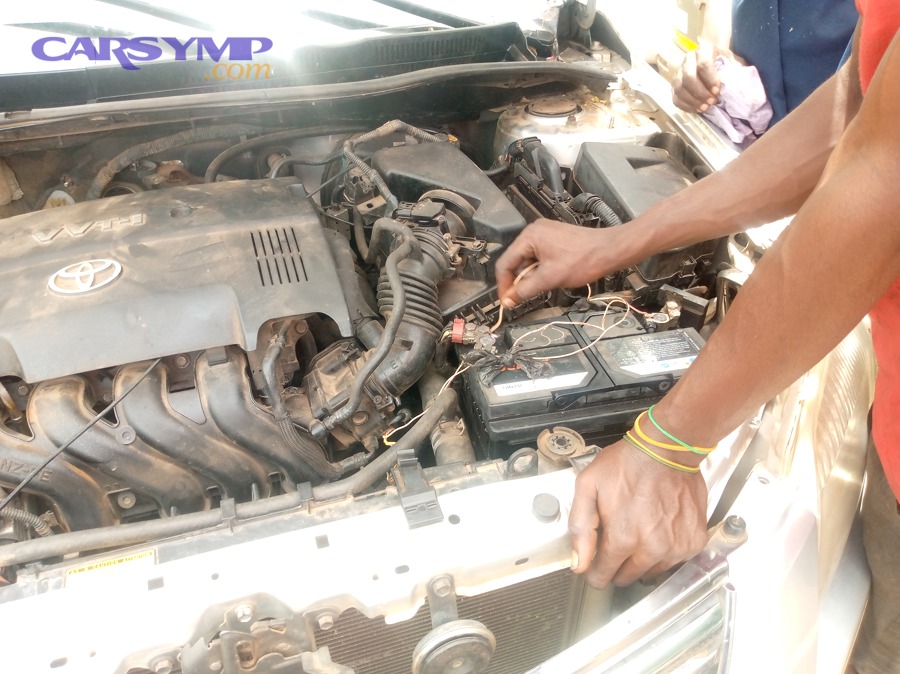
What does the “time-to-dead” pattern usually tell you?
If it dies overnight, suspect an off-key electrical load; if it dies after a few days, suspect marginal draw or a battery that never reaches full charge; if it dies while driving, suspect alternator/charging or a major connection failure.
After that, you can choose the right test: parasitic draw test for overnight deaths, charging voltage/current checks for “won’t stay charged,” and voltage-drop checks for intermittent no-starts.
To make it concrete, many owners describe it as “battery keeps dying” even though the replacement is new; that phrase is a clue that the vehicle’s electrical system is repeatedly pulling the battery below a healthy state of charge.
Which symptoms point to charging vs. draining vs. connection problems?
Charging issues often show dim headlights at idle, battery/charging warning lights, or repeated low-voltage starts after driving; draining issues show dead battery after parking, warm modules, or lights staying on; connection issues show clicking, random resets, or a “starts fine, then suddenly won’t” pattern.
From there, you can stop guessing and start confirming with voltage readings and a quick under-hood inspection.
Many people lump this under generic Car Symptoms, but the fix becomes clear once you link the symptom to the system that can physically cause it.
Quick triage checklist before any tools
Check for obvious lights left on (glovebox, trunk), aftermarket accessories, loose terminals, heavy corrosion, cracked battery case, and a slipping belt; then note whether the battery is actually fully charged before blaming it.
Next, move to measurements—because modern cars can appear “fine” visually while still failing electrically.
- Overnight dead: likely parasitic draw or interior/compartment light issue.
- Dead after short driving: likely undercharging or short-trip recharge deficit.
- Random no-start, resets: likely terminal/ground resistance or poor cable contact.
- Dead while driving: likely alternator/belt/charging control issue.
Is the alternator (and voltage regulator) actually charging the new battery?
Often no—many “new battery” repeats are caused by an alternator that produces weak voltage/current, a regulator that mismanages charging, or a belt/pulley issue that limits alternator output under load.
Next, confirm charging with simple voltage checks at idle and under electrical load.
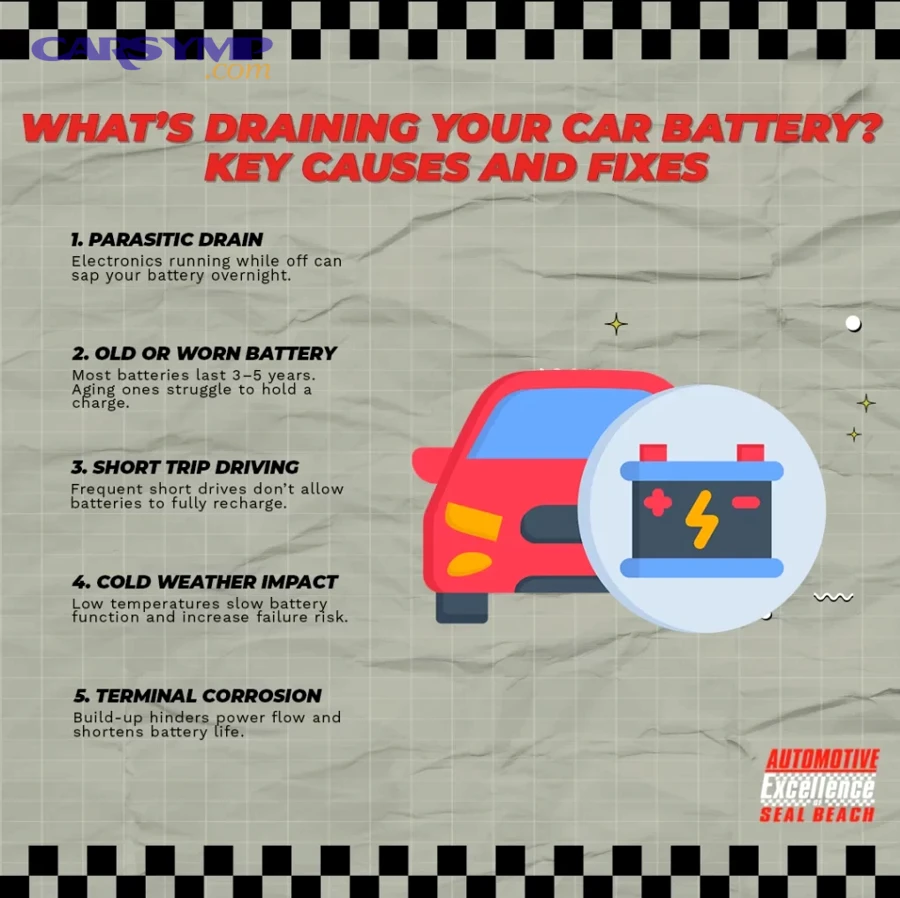
What voltage should you see with the engine running?
Most vehicles should show a stable charging voltage roughly in the mid-13s to mid-14s at the battery with the engine running; consistently low readings suggest undercharging, while unusually high readings suggest overcharging that can damage the battery.
After that, add load: headlights, rear defroster, blower fan—because weak alternators sometimes pass a no-load check but fail under demand.
This is where many DIYers finally separate “feels like a battery issue” from a real charging fault: if voltage doesn’t rise above resting voltage after the engine starts, the alternator isn’t replenishing what starting consumed.
How can belts, pulleys, and heat make charging look intermittent?
A loose or glazed belt can slip more when wet/cold; a failing alternator diode or internal connection can open up when hot; and a worn pulley or tensioner can reduce effective alternator speed at idle.
Next, listen and look: squeal on startup, belt dust, wobble, or a tensioner that doesn’t hold position are practical clues that match the charging symptom.
Table: quick charging-voltage interpretations
This table helps you interpret battery voltage readings so you can decide whether to focus on charging, draining, or connections before replacing more parts.
| Condition | What you measure at the battery | Most likely direction |
|---|---|---|
| Engine OFF (rested) | Healthy resting voltage vs. very low resting voltage | Low = discharged or failing battery; confirm why it discharged |
| Engine ON (idle) | Voltage rises clearly above resting | Charging present; move to draw/connection checks |
| Engine ON + electrical load | Voltage holds steady vs. drops sharply | Sharp drop = alternator capacity/belt/regulator issue |
Could parasitic draw be draining the battery while the car is parked?
Yes—and if the battery goes dead overnight or after a short park, parasitic draw is one of the top causes, especially from stuck lights, aftermarket electronics, or modules that don’t “go to sleep.”
Next, you’ll confirm draw with a measured approach, not guesswork.
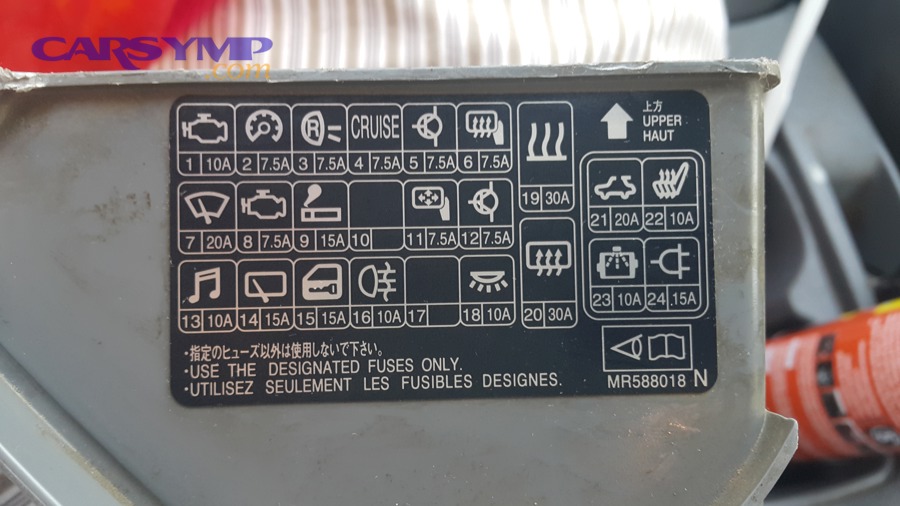
What are common sources of off-key power draw?
Common sources include trunk/glovebox lights staying on, door switches not signaling “closed,” infotainment modules staying awake, aftermarket alarms/dashcams, and relays that stick partially energized.
After that, you isolate the circuit by pulling fuses one at a time or using a clamp meter—whichever is safer and more practical for your setup.
Table: typical draw ranges and what they mean
This table helps you understand whether the electrical load when the car is off is reasonable, borderline, or clearly excessive.
| Measured draw (car off, after sleep) | What it usually means | What to do next |
|---|---|---|
| Low, steady draw | Normal memory/standby load | Look elsewhere (charging/connection) if battery still dies |
| Borderline draw | May drain over days, worse in cold or short-trip driving | Isolate circuit; confirm battery state of charge |
| High draw | Likely drains overnight or within 1–2 days | Pull fuses systematically to find the culprit circuit |
How to avoid false results while testing draw
Modern cars need time to sleep; opening doors, waking modules, or connecting the meter incorrectly can create a “draw” that isn’t the real problem.
Next, keep the car stable: latch the door with a screwdriver (so the car thinks it’s shut), wait for sleep mode, and only then read the current.
When you do it correctly, the method becomes a reliable way to explain mysterious dead batteries that happen even after a replacement.
Can short trips and driving habits prevent the battery from recharging fully?
Yes—short drives can repeatedly take charge out of the battery for starting without giving the alternator enough time to replenish it, especially with accessories running and in cold weather.
Next, compare your typical drive length to what the battery actually needs to recover.
Why “starts cost a lot, short drives pay back little”
Starting draws a large burst of energy; if you then drive only a few minutes with headlights, heater, defroster, and infotainment on, the alternator may only break even—or still fall behind—leaving the battery progressively lower each day.
After that, the battery enters a cycle of partial state-of-charge, which accelerates sulfation and reduces usable capacity over time.
Many owners describe this as Short trip driving and battery charging issues, because the battery seems fine on weekends but struggles during weekday errand-style driving.
How to fix the habit problem without replacing parts
Combine trips, take occasional longer drives, reduce accessory load immediately after starting, and consider a smart charger if the car sits or only does short runs.
Next, if you live in a cold climate or your car sits for days, a periodic maintenance charge can keep the battery healthy and prevent repeated deep discharges.
When a “good alternator” still can’t keep up
Even a functioning alternator may not restore a heavily discharged battery quickly at idle; charging current is limited, and the vehicle may prioritize system voltage stability rather than aggressive recharge.
After that, you’ll want to confirm the battery’s state of charge and consider an external charge to reset the baseline before diagnosing further.
How does cold weather make a new battery seem weak or dead?
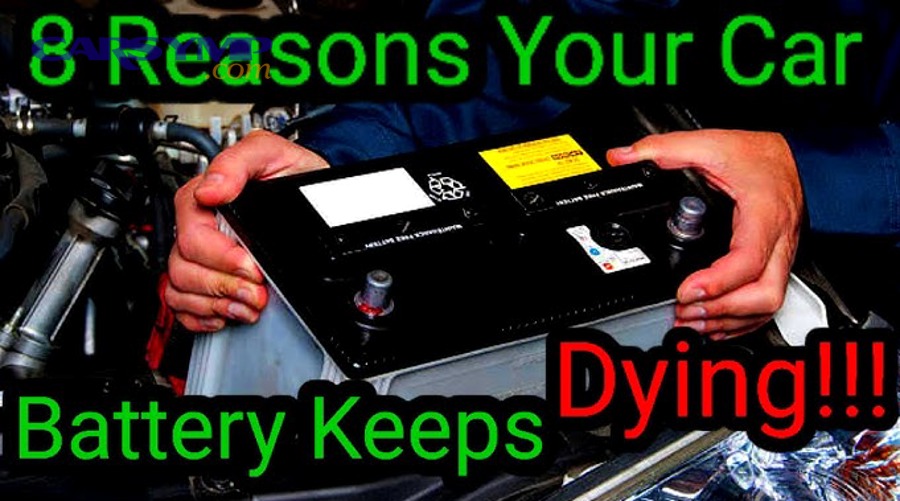
Cold doesn’t “kill” a battery instantly, but it reduces available cranking power while simultaneously increasing engine starting demand, so a marginally charged battery can behave like it failed.
Next, separate cold-related performance loss from real charging or draw problems.
What cold changes electrically and mechanically
Chemical reactions slow in the battery, lowering effective output; oil thickens and increases starter load; heaters, defrosters, and lights raise electrical demand; and short-trip driving becomes even less effective at restoring charge.
After that, you can reduce risk by keeping the battery fully charged and ensuring the charging system is strong under load.
Some people look for Cold weather battery drain explanations, but the most practical takeaway is: cold exposes weak state-of-charge and weak charging faster than mild weather does.
Signs it’s “cold exposure” vs. a real fault
If the car starts reliably after a long drive or after a full external charge, but struggles after sitting cold overnight, it’s often state-of-charge management (habits, draw, or undercharging), not an instant battery defect.
Next, test resting voltage after the car sits overnight and compare it to the voltage after charging; that before/after comparison is more informative than a single reading.
Simple winter strategies that actually work
Keep terminals clean, ensure the battery is the correct size/spec, limit short cold starts without follow-up driving, and use a maintainer if the vehicle sits.
After that, if the problem persists, move to draw and voltage-drop testing—because winter can “mask” the real root cause by making everything feel worse.
Are bad terminals, grounds, or cables causing hidden voltage loss and no-starts?
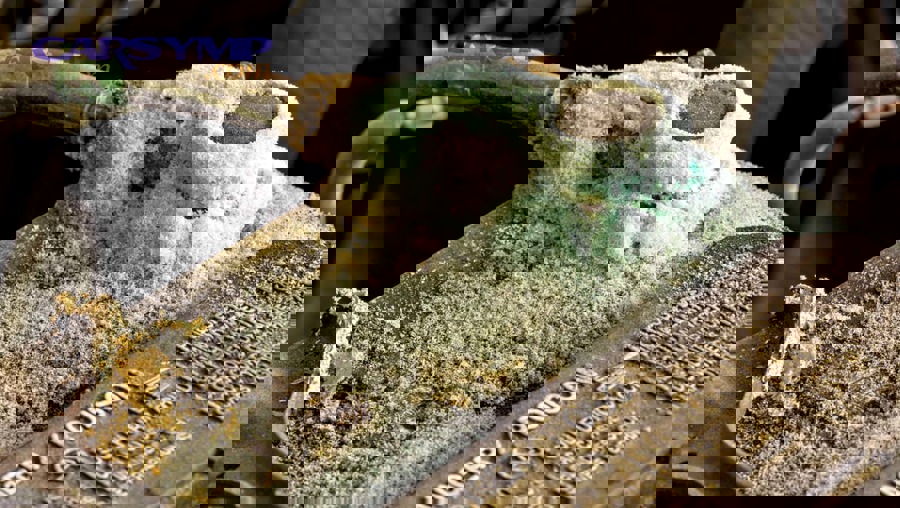
Yes—high resistance at terminals, grounds, or aging cables can block charging into the battery and block power out during starting, making a healthy new battery act dead.
Next, focus on voltage drop under load rather than just “looks clean.”
Why corrosion and looseness are bigger than they look
A thin layer of oxidation can add enough resistance to reduce charging current and cause starter voltage to collapse during cranking; the car may click, reset electronics, or start only when you wiggle the cable.
After that, cleaning and tightening becomes a real repair—not “maintenance theater”—because you’re removing resistance that the electrical system cannot compensate for.
How to check grounds beyond the battery posts
Battery negative connects to the chassis and engine block; if that ground strap is loose, damaged, or corroded, the starter and alternator can’t complete the circuit efficiently.
Next, inspect the ground strap connection points and look for green/white buildup, frayed strands, or heat discoloration.
Voltage-drop thinking in plain English
If the battery measures fine at its posts but the starter sees much less voltage during cranking, the “missing” voltage is being lost across resistance in cables or connections.
After that, a simple voltage-drop test under cranking load can reveal problems that a resting-voltage test will never show.
Could the replacement battery be the wrong type, undercharged, or repeatedly deep-discharged?
Yes—using the wrong battery group size/spec, installing a battery that wasn’t fully charged, or repeatedly draining it low can cause rapid apparent “failure,” even if the battery is new.
Next, verify the basics: spec match, initial charge level, and how often it’s been deeply discharged.
Wrong spec: why CCA, reserve capacity, and type matter
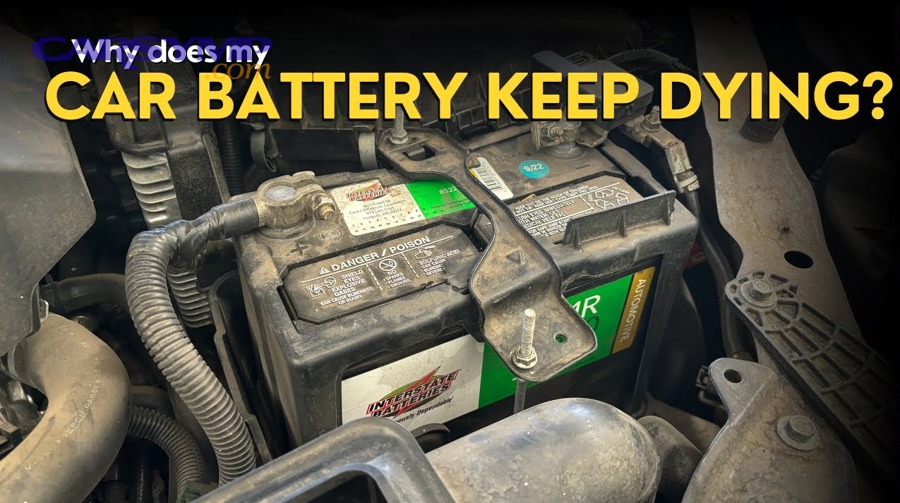
A battery with insufficient cold cranking amps or reserve capacity can struggle in winter or with accessory load; AGM vs. flooded lead-acid mismatches can also cause charging behavior issues depending on vehicle design.
After that, the battery may “work” briefly but deteriorate faster because it’s always operating near its limits.
Undercharged at install: the hidden starting point problem
If the battery sat on a shelf or was not topped off, you may begin with a partial state-of-charge; then short trips and accessory load push it into chronic undercharge, accelerating sulfation.
Next, fully charge the battery with an external charger and then re-evaluate whether the vehicle can maintain it over the next several days.
Deep discharges and repeated jump-starts
Repeatedly draining the battery very low is hard on lead-acid chemistry; each deep discharge increases the chance of permanent capacity loss and makes “new” feel “old” quickly.
After that, solving the cause (draw, undercharge, connection loss) matters more than swapping batteries again.
How can you diagnose the cause at home without replacing parts blindly?
You can diagnose most repeat battery-death cases at home by doing four checks in order: resting voltage, charging voltage under load, parasitic draw after sleep, and voltage drop during cranking.
Next, use a consistent routine so each measurement answers a specific question.
Step 1: Resting voltage check (baseline health and charge level)
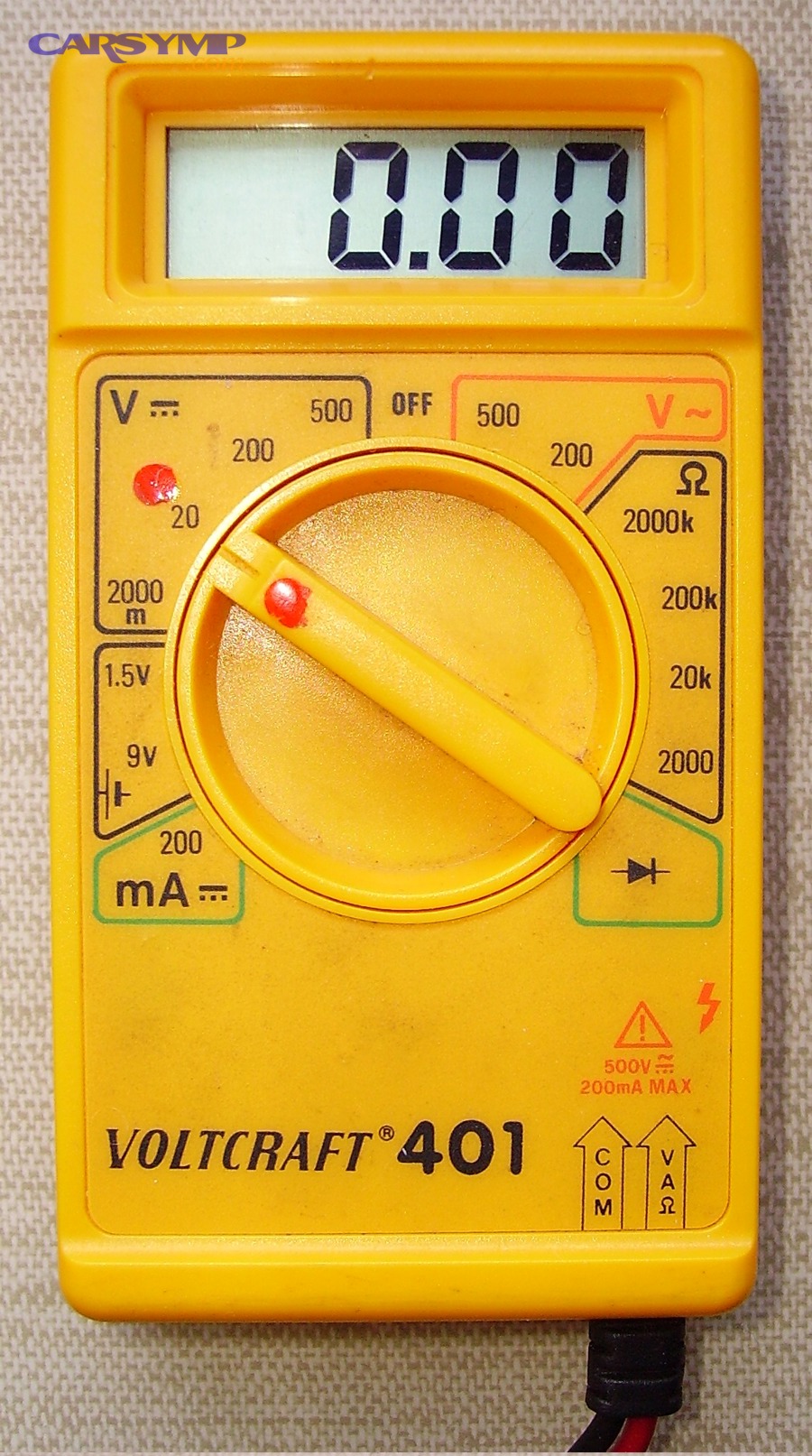
Measure battery voltage after the car sits with everything off; compare it to a reading after a full external charge to see whether the battery holds charge or is being drained while parked.
Next, if the voltage drops significantly overnight without driving, move directly to draw testing instead of blaming the alternator.
Many DIY guides label this as Testing battery and charging system at home, but the key is to treat “resting” as your baseline before you test “running.”
Step 2: Charging voltage check (idle and loaded)
Start the engine and measure at the battery; then turn on major electrical loads and confirm the voltage remains stable rather than collapsing.
After that, if charging is weak, inspect belt/tension and consider alternator/regulator diagnostics before hunting for parasitic draw.
Step 3: Parasitic draw test (only after the vehicle sleeps)
With the car off, allow modules time to sleep, then measure current draw in series (or with a clamp meter); isolate the culprit circuit by pulling fuses one at a time while watching the draw change.
Next, once you find the circuit, trace the devices on it (lights, modules, relays, aftermarket gear) instead of replacing random components.
Step 4: Voltage drop under cranking (find resistance you can’t see)
Measure voltage drop across the positive cable (battery positive to starter feed) and across the ground path (battery negative to engine block) while cranking; excessive drop indicates resistance in cables or connections.
After that, cleaning, tightening, or replacing the affected cable/ground often resolves repeated no-starts that mimic a dying battery.
If your symptoms include slow crank, clicking, random dashboard resets, or repeated dead-after-parking events, these four steps will usually identify the true cause in one afternoon.
Contextual border: Once you’ve confirmed whether the battery is being undercharged, drained while parked, or blocked by resistance, the remaining causes are less common—but still worth knowing if your measurements look “normal” yet the problem continues.
FAQ and less common causes that still make a new battery die
These are the “rare but real” scenarios: they’re less frequent than charging faults or parasitic draw, but they can perfectly imitate a bad battery when you only look at symptoms.
Next, use these questions when your basic tests look acceptable but the failure pattern persists.
Can a bad starter draw too much current and drain the battery fast?
Yes—an aging starter can demand excessive current, turning normal starts into deep mini-discharges and making the battery “act weak” even when it’s charged.
After that, watch for hot-start issues, slow crank when the engine is warm, or unusually heavy dimming during crank—then test starter current draw if available.
Do modern battery sensors and “smart charging” systems complicate diagnosis?
Yes—some vehicles use battery monitoring sensors and adaptive charging that may undercharge if the system has incorrect battery data or needs a reset after replacement.
Next, if your car requires a battery registration/reset procedure, follow the manufacturer’s guidance or use a scan tool to ensure the charging strategy matches the new battery type and capacity.
Can aftermarket accessories cause problems even when “off”?
Yes—alarms, remote starters, dashcams, audio amplifiers, and chargers can draw power continuously or keep modules awake, creating a slow drain that kills the battery over days.
After that, temporarily disconnect aftermarket equipment to see if the failure pattern changes; if it does, you’ve narrowed the culprit dramatically.
Why does everything test “fine” but the battery still ends up dead?
This often happens when the battery never reaches full charge (chronic short-trip use), the car sits long periods, or intermittent faults occur (temperature-related alternator behavior, occasional relay sticking, or a loose connection that shifts with vibration).
Next, keep a simple log of resting voltage each morning for a week; the trend line will reveal whether the battery is being drained while parked or merely not being replenished.