


A coolant flush vs drain-and-fill difference comes down to how completely each service removes old coolant and contaminants: a flush actively pushes fluid through the system to replace more of what’s inside, while a drain-and-fill mainly replaces what drains out by gravity.
Next, the decision usually depends on the car’s maintenance history and what problem you’re trying to solve—routine protection, mixed/incorrect coolant, visible contamination, overheating, or post-repair refilling.
Then, it helps to understand what each service does to your cooling system parts (radiator, hoses, heater core, water pump, thermostat passages) so you can avoid unnecessary risk and pay only for the level of cleaning you actually need.
Introduce a new idea: once you know the “how” and “why” behind each method, choosing the correct service becomes a simple checklist—not a guess.
What is a Coolant Flush?
A coolant flush is a service that replaces old coolant by circulating water/coolant through the cooling system to remove more trapped fluid and suspended contamination than a single drain can remove.
To better understand why a flush is different from a basic drain, it helps to look at what’s inside the system and where old coolant hides.
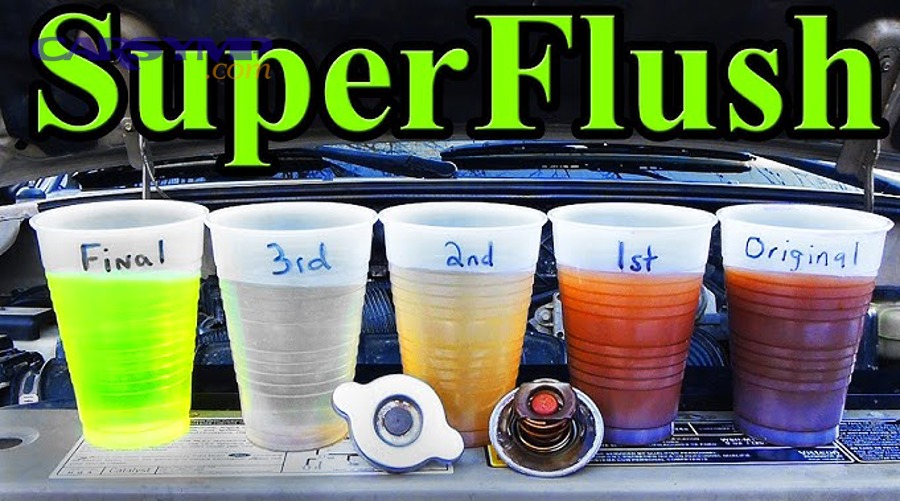
What happens during a coolant flush?
A coolant flush typically follows this sequence: drain some coolant → circulate clean fluid through the system → drain again → refill with the correct coolant mix and bleed air. Specifically, the circulation step is what separates “flush” from “drain-and-fill.”
Key things a proper flush may include:
- Thermostat opening and flow through the radiator + heater core, so the cleaning fluid reaches more internal passages.
- Multiple drain cycles, so what’s loosened actually leaves the system.
- Refill with the correct coolant spec, not just the correct color.
In practice, flushes vary a lot by shop and vehicle design. Some “flushes” are basically repeated drain-and-fills; others use a machine to exchange fluid more continuously. That’s why asking what exactly they do matters more than the label on the invoice.
Does a coolant flush remove all old coolant?
No—a coolant flush rarely removes 100% of old coolant, because some fluid remains in pockets and low-flow areas. However, compared with a single drain, a flush is designed to replace a larger percentage of the system’s total volume and reduce leftover contamination.
More importantly, a flush can reduce the risk of corrosion progression when the old coolant’s protection has dropped. Over time, corrosion inhibitors deplete and protection fades—one reason maintenance schedules exist at all. (agwebv01.ag.utk.edu)
What is a Drain-and-Fill Coolant Service?
A drain-and-fill is a coolant replacement method where you drain what comes out of the radiator (and sometimes a block drain), then refill with the correct coolant mixture—without actively circulating a cleaning solution through the entire system.
Next, the key is recognizing what it’s best at: steady, low-risk maintenance on a system that’s already in decent shape.

What does drain-and-fill actually replace?
Drain-and-fill replaces the portion of coolant that can leave the system by gravity. That often means:
- A good chunk of the radiator’s volume
- Some coolant from hoses
- Less of what’s inside the engine block and heater core (unless the car has accessible drains and you use them)
So the real outcome is partial replacement. That’s not “bad”—it’s just a different tool. For routine protection, many owners use repeated drain-and-fills over time to gradually refresh the system without the extra disturbance of an aggressive flush.
When is drain-and-fill the better option?
Drain-and-fill often wins when:
- The coolant isn’t visibly contaminated (no sludge/oil/rust soup)
- The vehicle has been maintained on schedule
- You’re doing preventive maintenance and want a simpler, lower-cost service
- You’re cautious about dislodging debris in an older system
It’s also a common choice after minor cooling system repairs—especially if you’re already draining coolant to replace a hose, radiator, thermostat, or water pump.
Coolant Flush vs Drain-and-Fill: What’s the Difference in Cleaning Power, Risk, and Cost?
A coolant flush wins in cleaning power, drain-and-fill is best for low-risk routine replacement, and a repeated drain-and-fill approach is often optimal for older systems that need gradual refreshing.
However, “better” depends on what problem you’re solving—so compare them using the same criteria every time.
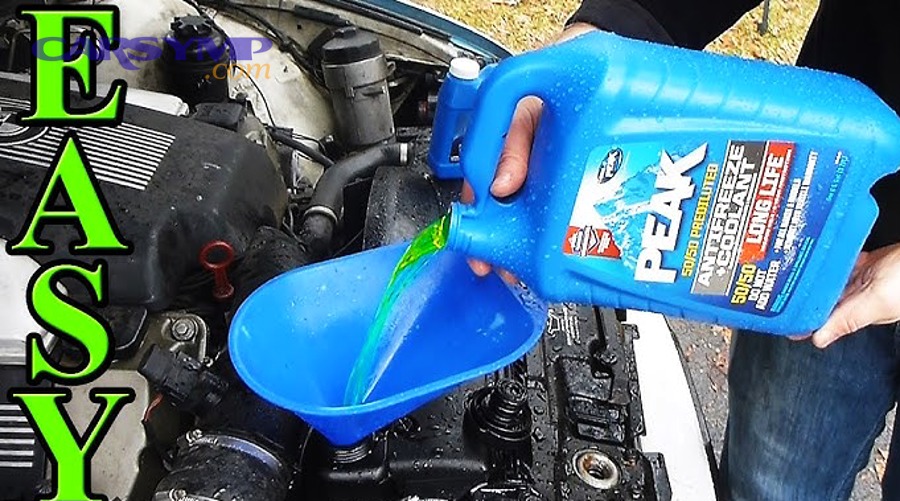
Which one cleans the system more?
A coolant flush generally cleans more because it is designed to:
- Move fluid through more passages
- Loosen and carry out suspended corrosion products
- Reduce leftover old coolant fraction more than a single drain
A drain-and-fill cleans less in one visit, but it can still be effective when:
- You repeat it (e.g., drain/fill, drive a short period, drain/fill again)
- The system started reasonably clean
- Your goal is restoring inhibitor strength, not “washing out” heavy deposits
Which one is riskier for older vehicles?
A flush can be riskier for neglected or very high-mileage systems because:
- Deposits that were “sitting harmlessly” may get disturbed
- Some weak seals or brittle plastic parts may start leaking after service (not because the flush “caused” the weakness, but because it revealed it)
Drain-and-fill is usually lower risk because it’s less intrusive and doesn’t rely on aggressively moving cleaners through every circuit.
A practical compromise for older cars is multiple drain-and-fills spaced out. That raises corrosion protection gradually and reduces the chance of loosening a large amount of debris at once.
Which one costs more—and why?
A flush costs more mainly due to:
- More labor time (multiple cycles, bleeding air, monitoring temperature)
- Additional fluids (distilled water, flush chemical in some cases)
- Sometimes specialized equipment
Drain-and-fill tends to be cheaper because it’s simpler and faster. But cost should never be the only factor—if you have contamination, the “cheap” option can become the expensive option later.
Should You Choose a Coolant Flush or a Drain-and-Fill for Your Car?
Yes—you should choose drain-and-fill for routine maintenance on a healthy system, choose a coolant flush when you need deeper replacement or cleanup, and choose multiple drain-and-fills when you need a safer, gradual refresh on an older or uncertain system.
More importantly, the right answer comes from a short diagnostic checklist, not a sales pitch.
What maintenance history tells you
Maintenance history is the biggest decision driver:
- Known, on-time coolant services → drain-and-fill is often enough
- Unknown history (bought used, no records) → consider a conservative approach: inspect first, then decide
- Overdue by years → avoid “one-size-fits-all” recommendations; condition matters
A useful reality check: some older “green” coolants were commonly treated as shorter-interval fluids, and inhibitor depletion over time is a real mechanism—not a myth. (agwebv01.ag.utk.edu)
What symptoms suggest you need more than a drain
A flush (or at least repeated drain cycles) becomes more appropriate when you see:
- Brown, rusty coolant or heavy sediment
- Evidence of mixed/incorrect coolant (gel-like residue, weird discoloration)
- Overheating concerns tied to flow restriction (after confirming fans, thermostat, and radiator airflow are good)
- Recent major contamination event (oil/coolant mixing requires a more careful plan than either service alone)
If there’s oil contamination, stop treating it as “maintenance” and treat it as a diagnosis + repair problem first. Otherwise, you risk paying for repeated coolant services that don’t fix the real issue.
What coolant type and materials change your decision
Modern systems often use long-life coolant chemistries, and mixing types can create problems. If you suspect wrong coolant or mixed coolant, a deeper service makes more sense—but only if the system is mechanically sound.
Also consider materials: many vehicles have aluminum components that are sensitive to corrosive conditions when protection is depleted. A published corrosion study involving automotive-style ethylene glycol/water environments shows how coolant condition and heat cycling can change corrosivity significantly—thermal shocking increased measured corrosion rate in their test setup. (pdfs.semanticscholar.org)
How Often Should You Replace Engine Coolant?
Most cars need coolant replacement somewhere between 2–5 years (or the manufacturer’s mileage interval), but the correct interval depends on coolant type, driving conditions, and whether the cooling system stays sealed and healthy.

Next, treat the owner’s manual as the primary rule—and use real-world conditions as the modifier.
What the owner’s manual interval really means
The manual interval assumes:
- Correct coolant spec is used
- The system remains sealed (no chronic leaks)
- The engine reaches normal operating temperature regularly
When those assumptions break—like repeated top-offs with plain water, ongoing small leaks, overheating episodes, or wrong coolant—intervals should shorten because the coolant’s chemistry and protection can degrade faster.
A practical approach:
- Follow the OEM interval if history is known and coolant looks clean
- Shorten the interval if the car is exposed to heavy heat load, towing, or frequent short trips with temperature cycling
Can you rely on coolant color or a simple freeze test?
Color alone is not a reliable indicator, and a freeze-point check doesn’t prove corrosion protection is still strong. You can have acceptable freeze protection but depleted inhibitors. (agwebv01.ag.utk.edu)
If you want a more meaningful snapshot, you’re looking for:
- Correct concentration (freeze/boil protection)
- pH and inhibitor condition (via test strips or shop testing)
- Signs of contamination (oil sheen, rust, debris)
How Do You Do a Safe Drain-and-Fill or Coolant Flush?
A safe coolant service follows 5 core steps—cool engine, drain into a sealed container, refill with the correct spec and mixture, bleed air completely, and verify system operation under temperature—so you restore protection without introducing overheating or leaks.
Then, the details that matter most are the ones people skip: bleeding, cap pressure integrity, and thermostat function.
What are the basic steps for a drain-and-fill?
A careful drain-and-fill looks like this:
- Cool the engine completely (hot coolant is dangerous and pressurized)
- Remove the cap slowly (if applicable) to release residual pressure safely
- Drain coolant using the radiator drain or lower hose into a proper container
- Refill with the correct coolant + distilled water mix (unless using pre-mix)
- Run the engine with heat on, monitor temperature, and bleed air
- Recheck the level cold and top off to the correct mark
Common mistakes that cause problems:
- Trapping air pockets (leading to overheating)
- Using tap water repeatedly (minerals can contribute to deposits)
- Using “universal” coolant without confirming compatibility
What’s different when you perform a coolant flush?
A flush adds controlled circulation:
- Drain old coolant
- Fill with distilled water (and sometimes a flush agent if appropriate)
- Run until thermostat opens and heater core flow is active
- Drain and repeat until clear
- Refill with correct coolant, bleed air, verify operation
If you’re flushing because of contamination, consider whether you also need:
- Reservoir removal and cleaning
- Heater core flushing (if restricted)
- Extra drain cycles to reduce leftover water before final fill
Thermostat and radiator cap checks during service
Thermostat and radiator cap checks during service reduce the chance you finish a coolant job only to discover overheating or boil-over right after.
What to check while you’re already there:
- Thermostat behavior: does the engine reach normal temp steadily and then stabilize, or does it spike and drop?
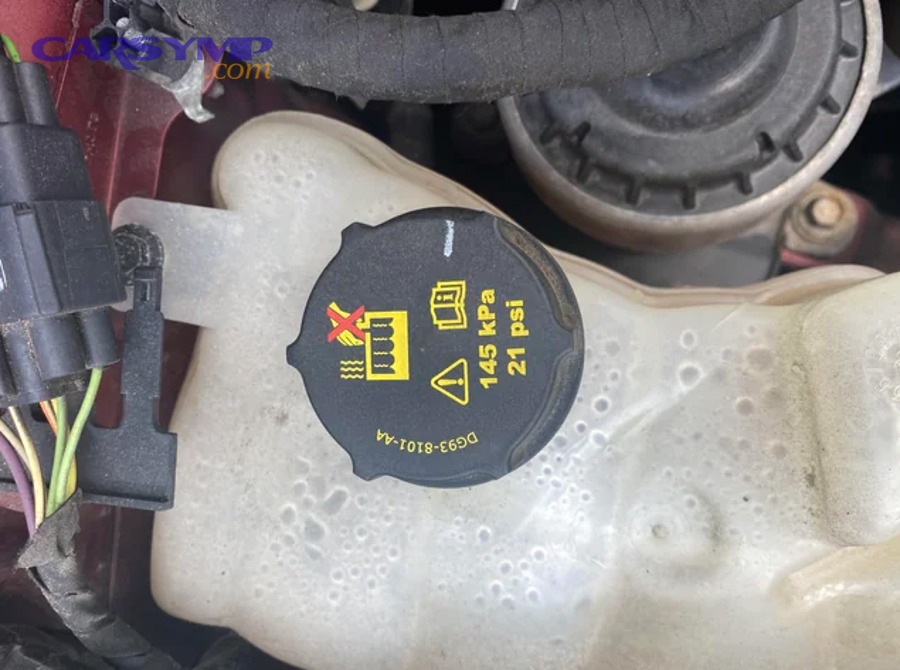
- Radiator cap seal and pressure holding: a weak cap can lower boiling margin and cause overflow/air ingestion
- Hose condition and clamp integrity (especially on older plastic necks)
- Coolant level stability after a full heat cycle and cool-down (air purge confirmation)
If you suspect the cap is weak, replacing it is often cheap insurance—because the cap is part of the pressure control system, not just a lid.
One helpful video walkthrough
How Do You Dispose of Old Coolant Safely and Legally?
Disposal rules for old coolant generally require keeping waste coolant out of drains, storm systems, and the ground, and using approved recycling or hazardous-waste pathways—because used antifreeze can be contaminated and harmful.
In addition, doing it correctly protects people, pets, and waterways—and it keeps you out of trouble.
Disposal rules for old coolant
Used coolant should be treated like a controlled waste stream:
- Capture it in a clean, sealable container
- Do not pour into storm drains, onto soil, or into surface water
- Use an approved recycler, household hazardous waste program, or qualified shop
EPA guidance notes that waste antifreeze may contain heavy metals and should not be dumped or discharged; it emphasizes recycling options and warns against disposal into storm drains or surface waters. (epa.gov)
Can coolant be recycled?
Yes—coolant can be recycled on-site, by mobile services, or off-site through specialized recyclers, typically by removing contaminants and then restoring properties with additives. (epa.gov)
If you’re a DIYer, the simplest approach is usually:
- Store it sealed and labeled
- Bring it to a household hazardous waste facility or a shop that accepts used coolant (availability varies)
Why disposal matters more than people think
Ethylene glycol-based coolant is common and can pose real safety and environmental risks if mishandled. EPA materials highlight why improper dumping is a serious issue and why proper channels exist. (epa.gov)
Evidence: According to a study by Florida International University from the Department of Mechanical and Materials Engineering, in 2019, a water–ethylene glycol coolant environment subjected to thermal shocking increased the measured corrosion rate of aluminum alloy samples from 94 mpy (fresh solution) to 142 mpy (thermal-shocked solution), showing how coolant condition and heat cycling can materially change corrosivity. (pdfs.semanticscholar.org)