


Premature ball joint wear is preventable when you reduce shock loads, keep lubrication clean, and stop small steering-and-suspension issues from cascading into looseness.
Beyond simple “drive carefully,” the real wins come from predictable routines: tire pressure discipline, impact checks after potholes, and periodic inspections that focus on boots, play, and mounting torque.
You’ll also learn how alignment angles, wheel/tire choices, and neglected companion parts (bushings, shocks, tie-rod ends) quietly accelerate ball joint stress—often before you ever hear a clunk.
Giới thiệu ý mới: Below is a practical, driver-first system that turns “wear and tear” into measurable habits you can actually control.
Entities covered: ball joint, control arm, steering knuckle, suspension geometry (toe/camber/caster), grease boot/dust cover, pothole impact loading, corrosion/contamination, inspection tolerances, preventive maintenance cadence.
What actually causes premature ball joint wear in daily driving?
Premature ball joint wear happens when loads exceed the joint’s design envelope and the lubricated surfaces lose protection from contamination, heat, corrosion, or repeated shock impacts.
To connect the dots, think of the ball joint as a sealed bearing that also carries steering and suspension forces—so anything that increases force or reduces sealing shortens its life.
Which forces “eat” a ball joint fastest?
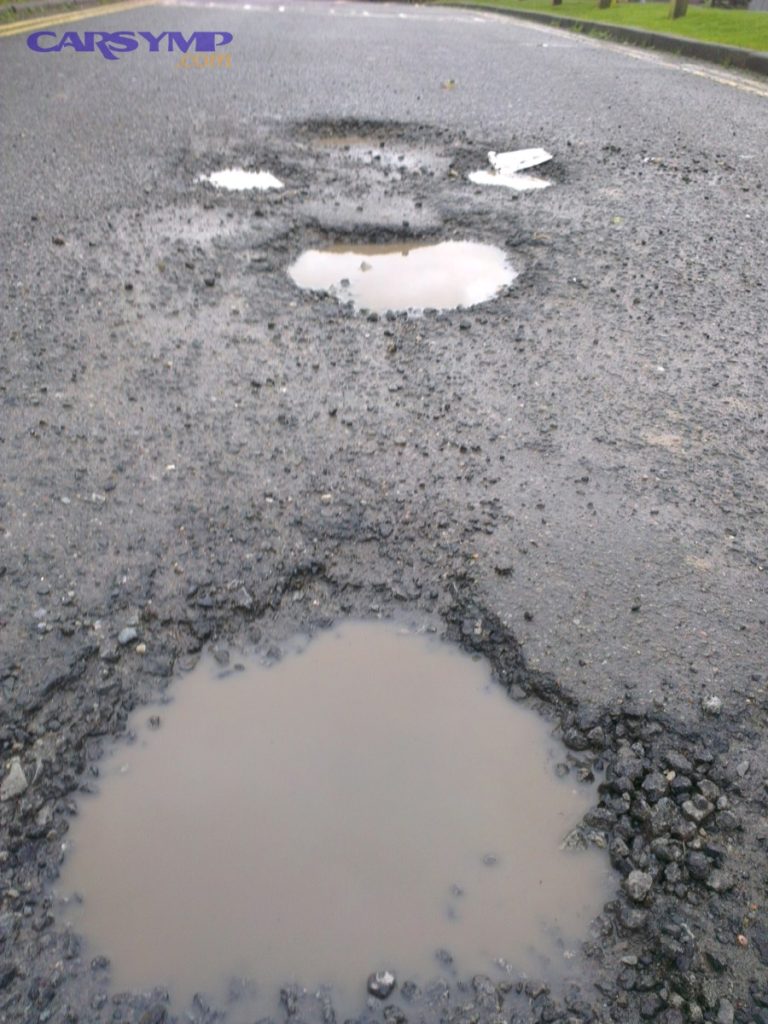
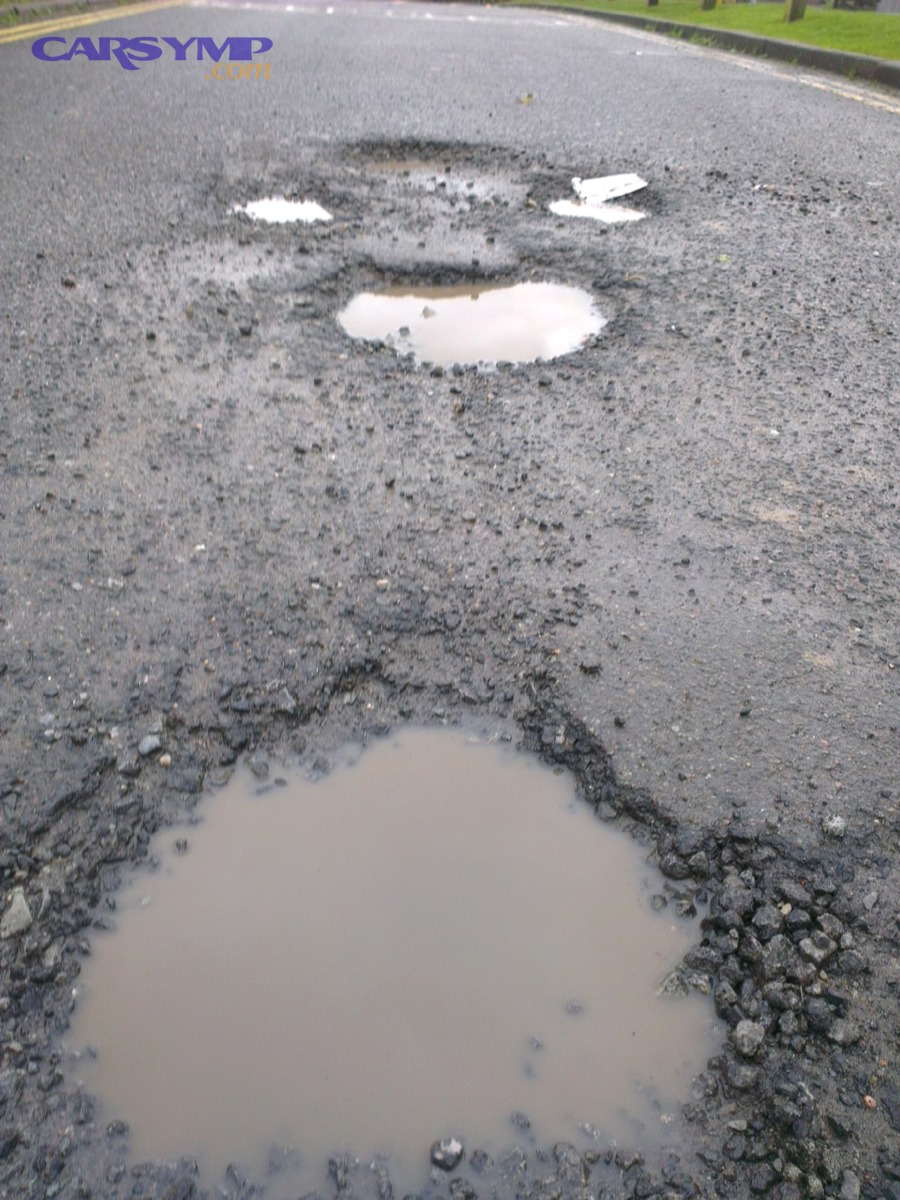
Yes—shock loading is the fastest accelerator because it creates brief, high-magnitude spikes that deform liners, brinell bearing surfaces, and stretch studs more than smooth highway loads ever will.
After that, the next link in the chain is repeated side-loading from poor geometry or worn companion parts, which keeps the ball pin rubbing in the same arc instead of sharing load evenly.
- Impact spikes: potholes, curb taps, speed bumps taken too fast, off-road washboards.
- Constant side-load: toe errors, sagging springs, worn bushings that shift the control arm under braking.
- High vertical load: frequent overloading, towing beyond limits, heavy cargo on soft tires.
How does contamination turn “normal wear” into rapid wear?
Yes—once grit or water gets past a damaged boot, abrasive paste forms inside the joint and the wear rate can jump dramatically, especially if the grease film is displaced.
To carry the idea forward, the smallest boot crack matters because it’s not the hole size—it’s the pumping action: steering and suspension travel can pull in water and dust repeatedly.
Which “quiet” conditions make wear look premature even if mileage is high?
No—mileage alone doesn’t explain “premature” wear; usage intensity and environment often matter more than odometer numbers.
Next, use this mental model: a commuter in smooth climates may go far longer than a low-mileage car that lives on salted roads, gravel, or frequent short trips with standing water.
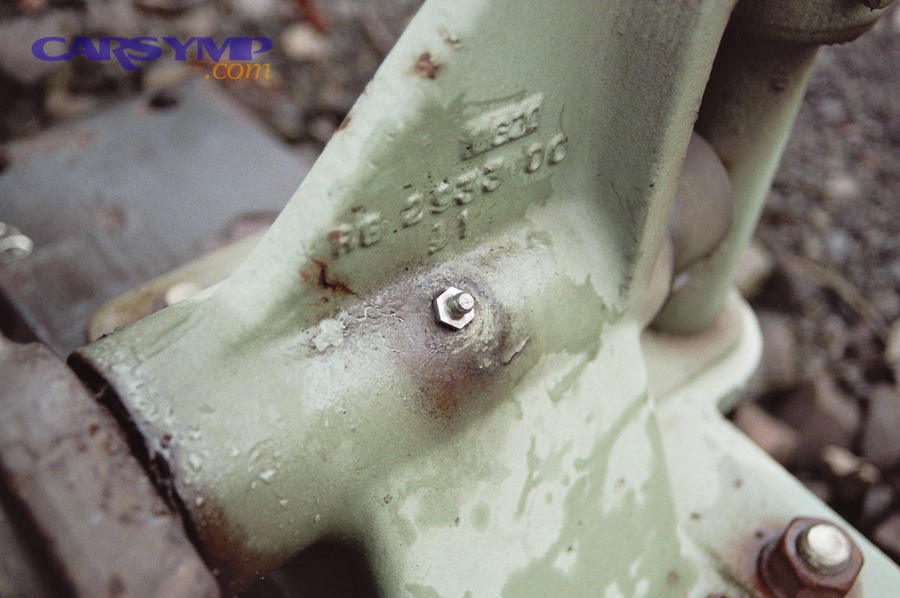
- Road salt and humidity: promotes internal corrosion and boot aging.
- Heat cycling: hardens rubber boots and accelerates grease breakdown.
- Long storage: moisture sits, corrosion starts, boots dry and crack.
Theo nghiên cứu của SAE International từ Technical Paper 2012-01-0973, vào 01/2012, rubber dust covers are used to maintain sufficient lubrication and protect ball joints from contaminants.
How can driving habits reduce ball joint load and shock?
Driving habits prevent premature ball joint wear by lowering peak impacts, smoothing steering inputs, and avoiding repeated suspension “bottoming” that spikes loads into the ball stud and liner.
To make this actionable, treat your suspension like a shock-absorbing system you manage with timing and speed—not something that passively “takes the hit.”
What is the simplest habit that protects ball joints immediately?
Yes—slowing before the bump (not during it) is the simplest habit because braking while the wheel hits a pothole increases forward load transfer and can amplify joint stress.
Then, once you see the pattern, you’ll notice that timing matters more than “being careful” in general.
- Scan ahead: spot potholes early, choose the smoothest line.
- Bleed speed early: brake before the impact zone, release near the bump.
- Roll through: keep steering inputs gentle so the joint isn’t loaded sideways at the moment of impact.
How should you handle curbs, parking blocks, and driveways?
No—hitting a curb “slowly” is not automatically safe; side-loading at an angle can be worse than a straight, mild bump because it twists the joint while it’s compressed.
Next, use angles to your advantage: a straighter approach reduces lateral forces and keeps the ball joint’s motion closer to its intended arc.
- Approach straight: minimize steering angle when climbing or dropping off curbs.
- One wheel at a time: if unavoidable, reduce torsion by avoiding diagonal twists.
- Listen after: any new click/clunk afterward is an inspection trigger, not a “wait and see.”
Do aggressive steering inputs accelerate wear?
Yes—aggressive steering (especially at low speeds) increases frictional torque inside the joint and scrubs the contact surfaces more intensely, which compounds wear when lubrication is compromised.
To extend the chain, the risk is highest when the suspension is loaded (turning while braking or turning with heavy cargo), because contact pressure rises as well.

Which maintenance checks prevent contamination and lubrication loss?
You prevent premature ball joint wear by keeping the boot intact, maintaining the grease film (where applicable), and catching play early before the joint’s surfaces hammer themselves loose.
To move from theory to routine, focus on what actually fails first: the seal and the protective boot.
What should you look for on the boot and seal?
Yes—boot condition is a primary predictor because a torn boot is essentially an open invitation for grit and water to enter and for grease to leave.
Next, do a quick “three-angle” visual check (front, side, behind the wheel) because cracks often hide on the backside.
- Cracks and splits: especially at the folds where the boot flexes.
- Grease sling: fresh grease flung onto the wheel well suggests leakage.
- Wet grit paste: dark, gritty residue around the boot lip suggests contamination.
Theo nghiên cứu của U.S. NHTSA từ hồ sơ thu hồi vào 08/2006, contamination in front lower ball joints was identified as a risk factor when vehicles operate for extended periods under that condition.
Should you grease the joint if it has a fitting?
Yes—if the joint is serviceable, correct greasing helps by refreshing the grease film and purging small contaminants, but over-greasing can rupture boots and create leaks.
Then, to keep the flow practical, follow a “less but regular” approach instead of pumping until the boot balloons.
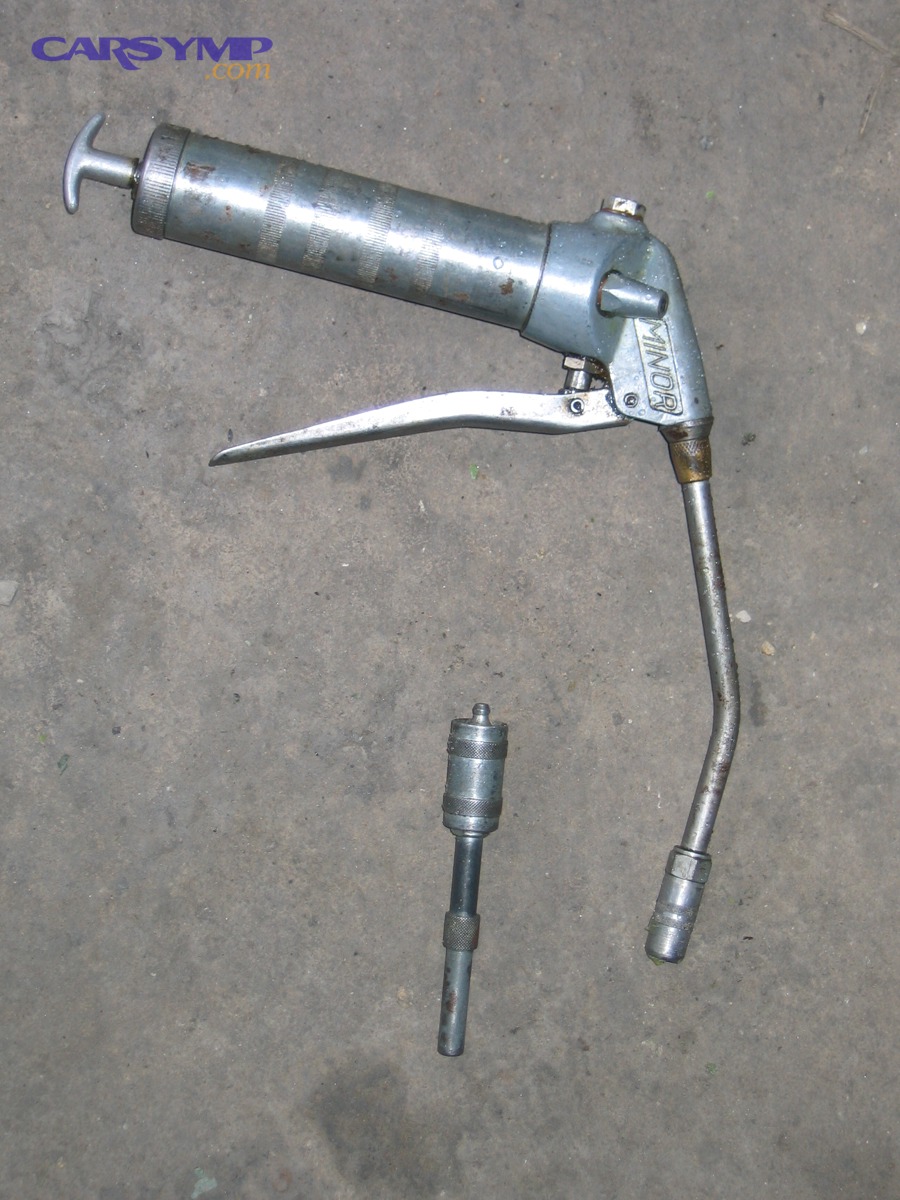
- Clean the fitting: wipe the zerk before attaching the grease gun to avoid injecting grit.
- Pump slowly: add small amounts until you see slight boot movement (not swelling).
- Stop early: if grease pushes past the boot lip, you’ve gone too far.
- Wipe excess: residue attracts grit and can degrade rubber over time.
How often should you inspect for play?
Yes—checking play periodically prevents “run-to-failure” because looseness often grows slowly, and early detection can stop abnormal tire wear and knock-on damage.
Next, be precise: ball joint inspection methods differ by suspension design (loaded vs unloaded), so follow your vehicle’s service procedure rather than a one-size-fits-all shake test.
- Every oil change: quick boot and leak inspection with a light.
- Every 10,000–15,000 miles: a more thorough play check (or sooner if you drive rough roads).
- Immediately after impacts: curb strikes, deep potholes, or off-road trips.
Theo nghiên cứu của Missouri State Highway Patrol từ tài liệu kiểm tra độ rơ khớp cầu (ball joint tolerances) cập nhật trong hệ thống tài liệu huấn luyện, việc đo sai hướng có thể cho kết quả sai; cần dùng quy trình đúng theo loại khớp và tải trọng.
When should you get alignment and tire service to protect ball joints?
Alignment and tire service protect ball joints by reducing continuous side-load, preventing scrub forces, and keeping the suspension operating near its intended geometry instead of fighting itself mile after mile.
To link it clearly, think: poor alignment doesn’t just wear tires—it forces joints to work harder every time the wheel rotates.
What alignment-related situations demand immediate attention?
Yes—certain events justify an immediate alignment check because geometry can shift suddenly, and that shift can multiply side-load on the ball joint without obvious symptoms at first.
Next, use this trigger list to avoid guessing.
- New tires installed: protect your investment and confirm suspension angles aren’t chewing them.
- After a curb or pothole hit: especially if the steering wheel is off-center afterward.
- After replacing suspension parts: including control arms, tie rods, or struts/shocks.
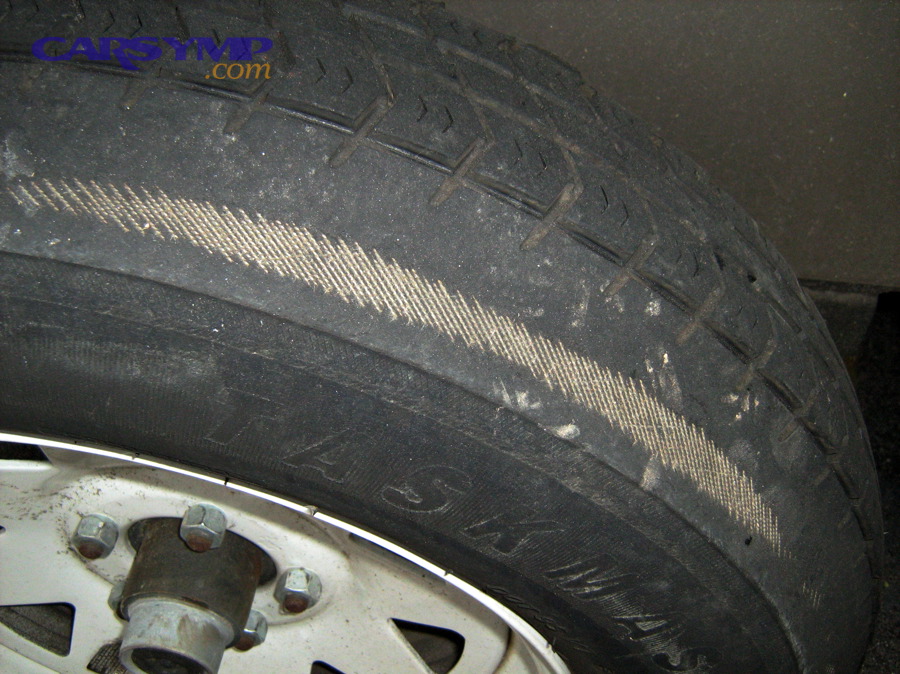
- Uneven tire wear appears: feathering, inner/outer edge wear, or cupping.
Can tire pressure really affect ball joint wear?
Yes—incorrect tire pressure changes how impacts are transmitted: under-inflation increases sidewall flex and heat, while over-inflation reduces cushioning and increases sharp impact transfer into the suspension.
Then, to keep the chain practical, treat tire pressure as “suspension tuning” you can control weekly.
How do wheel and tire choices influence joint stress?
Yes—heavier wheels, aggressive offsets, and low-profile tires can increase unsprung mass and reduce impact compliance, raising forces that the ball joint must absorb.
Next, if you want the look, you must compensate with disciplined driving and more frequent inspections because the mechanical margin is smaller.
- Heavier assemblies: increase inertia and impact energy.
- Offset changes: alter leverage on the joint (moment arm increases).
- Low-profile tires: reduce sidewall cushioning, sharpen impact spikes.
How do you spot early warning signs before wear becomes failure?
You can spot early ball joint wear by catching subtle steering looseness, repeatable noises over bumps, and uneven tire wear patterns before they escalate into instability or separation risk.
To bridge from symptoms to action, treat new sensations as “data,” not as annoyances—because wear feedback is often quiet at first.
Which sounds are most suspicious?
Yes—sharp clunks over small bumps are suspicious because they often indicate clearance has grown inside the joint, letting metal components shift under load.
Next, verify by repeating the same bump at low speed; consistent, directional noise is more diagnostic than random rattles.
- Clunk on compression: when the wheel hits a bump.
- Clunk on rebound: when the suspension unloads after the bump.
- Pop during turning: especially when backing out with steering at full lock.
What steering feel changes should you take seriously?
Yes—wandering, delayed response, or a “floating” front end can signal growing play, and that play can cause constant micro-corrections that accelerate wear across the whole steering chain.
Then, to keep momentum, compare left vs right turns; asymmetry often points to a single joint or side-specific geometry shift.
- Wander at highway speed: frequent corrections needed to stay straight.
- On-center slack: steering wheel moves slightly before the car reacts.
- Pulling: car drifts even on level roads (after ruling out tire pressure).
Is uneven tire wear a useful clue for ball joints?
Yes—uneven wear is a useful clue because looseness and geometry errors change how the tire contacts the road, and that altered contact feeds back into higher suspension loads.
Next, use the tire as your “paper trail”: it records thousands of miles of alignment and movement in its wear pattern.
- Feathering: often linked to toe issues or loose components.
- Inner/outer edge wear: often linked to camber or worn bushings/springs.
- Cupping/scalloping: often linked to weak dampers plus looseness.
What should you do after rough impacts, curb strikes, or off-road trips?
After an impact, you prevent premature ball joint wear by inspecting immediately for boot damage, bent components, and alignment changes, then correcting the root cause before the joint is forced to operate out of spec.
To make this efficient, follow a fast triage sequence rather than waiting for noises to “show up later.”
What is the fastest post-impact triage you can do at home?
Yes—you can do a fast triage at home by checking tire/sidewall, wheel damage, obvious leaks, and boot integrity, then test-driving for steering wheel centering and pulling.
Next, if anything is abnormal, stop and schedule a professional inspection because continuing to drive can turn a small issue into accelerated wear.
- Visual check: look for torn boots, fresh grease, bent links, or shifted hardware.
- Tire/wheel check: inspect sidewalls and rims for bulges or dents.
- Short test drive: confirm straight-line tracking and steering wheel centering.
- Re-check: after the drive, look again for fresh grease or new marks.
When is an alignment check non-negotiable after an impact?
Yes—an alignment check is non-negotiable when you notice pulling, a steering wheel that’s off-center, or sudden uneven tire wear, because those are strong signals that geometry shifted.
Then, the next step is simple: correct alignment early to reduce constant side-load that would otherwise grind away at the joint day after day.
What hidden damage can accelerate wear even if the car “seems fine”?
Yes—hidden damage like a slightly bent control arm, a stressed bushing, or a micro-tear in the boot can accelerate wear because it changes load paths without creating immediate noise.
Next, remember: small geometry errors can be invisible to the eye but obvious on an alignment rack, which is why post-impact checks pay off.
- Boot micro-tears: the #1 “silent” pathway for contamination.
- Bushing distortion: lets the arm shift under braking and turning.
- Wheel bearing stress: adds play that mimics or amplifies joint looseness.
How do you choose parts and installation practices that last longer?
Longer-lasting ball joints come from matching the right design to your driving environment, installing with correct torque and clean mating surfaces, and protecting the boot and stud from damage during assembly.
To tie it together, the best part in the world fails early if it’s installed crooked, torqued wrong, or left with a twisted boot.
What matters more: sealed vs serviceable?
It depends—sealed designs reduce maintenance errors, while serviceable designs can last longer in harsh conditions if greased correctly and regularly.
Next, choose based on reality: if you know you won’t service fittings, a sealed joint may be safer; if you drive dust/gravel, serviceable may be an advantage.
- Choose sealed if: you want “install and forget,” mostly paved roads, low contamination exposure.
- Choose serviceable if: frequent dirt/gravel, heavy use, you can follow a greasing schedule.
What installation mistakes commonly shorten life?
Yes—installation mistakes can shorten life quickly because they damage sealing surfaces or create misalignment that forces abnormal contact inside the joint.
Then, to keep the flow practical, focus on these high-impact details that technicians emphasize.
- Hammering the stud: can damage taper fit or deform the seat.
- Dirty tapers: debris prevents full seating and causes movement under load.
- Incorrect torque: too loose allows fretting; too tight can stress studs and housings.
- Twisted boot: improper positioning tears boots during steering travel.
In any repair discussion that includes ball joint replacement, insist that the tapered mating surfaces are cleaned and that the boot is checked through full steering lock before the vehicle leaves the rack.
Why do companion parts affect ball joint life after installation?
Yes—worn shocks, springs, or bushings can overload a new joint because the suspension no longer controls motion, causing repeated hammering that quickly creates play.
Next, treat repairs as systems: a new joint with a dead damper is like new shoes with a broken ankle brace.
- Weak shocks/struts: allow oscillation and repeated impact on the joint.
- Worn bushings: shift geometry under load, creating constant side-load.
- Loose tie rods: add steering play that amplifies joint movement.
What is a realistic prevention schedule you can follow year-round?
A realistic prevention schedule is a set of small, repeatable checks that keep boots sealed, geometry stable, and impacts controlled—so wear stays slow and predictable instead of sudden and expensive.
To make this easy to maintain, the schedule below is built around triggers you already have: weekly routines, oil changes, tire rotations, and “after impact” events.
This table contains a simple cadence of inspections and actions that reduce shock load, catch boot damage early, and prevent geometry-related side-loading that accelerates wear.
It helps you turn prevention into a checklist instead of relying on memory or waiting for noises.
| When | What to do | Why it helps ball joints |
| Weekly | Check tire pressure; quick look behind wheels for grease sling | Stabilizes impact transfer; catches boot leakage early |
| Every oil change | Inspect boots closely; check for cracks, tears, and grit paste | Boot integrity is the main defense against contamination |
| Every tire rotation | Check tire wear patterns; verify steering wheel is centered | Early geometry clues show up on tires before noises appear |
| After pothole/curb impact | Visual triage + short test drive; schedule alignment if off-center/pull | Prevents constant side-load from shifted geometry |
| Seasonally (salt/wet climates) | Rinse undercarriage; inspect for corrosion and boot aging | Reduces corrosion-driven boot failure and internal rust risk |
For planning repairs, it’s also useful to ask shops about Ball joint replacement labor time up front, because labor estimates vary by press-in design, corrosion level, and whether other parts must be removed to access the joint.
And if you proceed with repairs, don’t skip the conversation about Alignment needed after ball joint replacement; geometry changes and component replacement often require a post-repair alignment to avoid loading the new joint unnecessarily.
Contextual Border: Up to this point, the focus has been driver-controlled habits and routine mechanical checks; next, we expand into environmental and storage factors that quietly change wear rates even with “perfect” driving.
How do climate, road salt, and storage conditions change ball joint life?
Climate and storage affect ball joint wear by aging rubber boots, promoting corrosion, and changing how often moisture and grit reach the joint—so identical cars can wear very differently across regions.
To extend the chain, treat environment as a multiplier: it doesn’t replace driving habits, but it can double the consequences of small boot damage or missed cleaning.
Why is road salt so hard on ball joints?
Yes—salt accelerates corrosion and boot degradation, and corrosion can create rough internal surfaces that increase friction and wear even if the joint remains “tight” at first.
Next, the prevention strategy is straightforward: reduce time-on-salt and wash it off before it dries into crevices.
- Rinse regularly: undercarriage wash in winter/salt seasons.
- Inspect more often: boots and clamps age faster in salty slush.
- Address tears immediately: don’t let saltwater “marinate” inside the boot.
Theo nghiên cứu của U.S. NHTSA trong hồ sơ thu hồi cập nhật 02/2022 về hiện tượng kẹt khớp cầu do ăn mòn bên trong, internal corrosion was identified as a cause of seized ball joints under certain conditions.
Do heat and sun exposure matter if the joint is under the car?
Yes—heat cycling still matters because rubber boots and grease are exposed to engine heat, brake heat, and road heat, which can harden elastomers and thin grease over time.
Next, consider parking patterns: frequent short trips plus heat soak can age components faster than longer steady drives in some climates.
- Heat soak: repeated short trips trap heat near boots and grease.
- Brake heat: front suspension sees more thermal stress near rotors/calipers.
- UV indirectly: UV hits adjacent rubber parts and can raise underbody temperatures.
How does long-term storage affect ball joint wear later?
Yes—long storage can set the stage for future wear by allowing moisture to sit, encouraging corrosion, and drying boots so they crack when flexing resumes.
Then, to keep it practical, a small “wake-up inspection” before regular driving can prevent a surprise failure months later.
- Before driving again: inspect boots, look for cracks and leaks.
- First week back: listen for new noise over bumps and re-check.
- Consider cleaning: remove caked dirt that holds moisture against joints.
Are gravel roads and dust a special case?
Yes—dusty roads are a special case because fine grit can infiltrate through tiny boot damage and acts like abrasive compound inside the joint.
Next, the best defense is faster detection: inspect boots more often and keep the surrounding area clean so damage is easier to spot.
- More frequent boot checks: look for micro-tears and clamp looseness.
- Clean around the boot: makes fresh grease leaks visible.
- Serviceable joints: may benefit from careful purging in dusty environments.
Frequently asked questions
Can you prevent ball joint wear completely?
No—you can’t eliminate wear entirely because ball joints operate under load and movement, but you can slow wear dramatically by managing impacts, keeping seals intact, and maintaining stable geometry.
Is a torn boot an emergency?
Yes—treat a torn boot as urgent because contamination and lubricant loss can accelerate wear quickly, and the cost of replacing a boot early is often far lower than replacing the entire joint later.
Does rotating tires help ball joints?
Yes—indirectly, because rotations reveal uneven wear patterns early; that early feedback helps you fix alignment or looseness before the joint is forced into constant side-load for thousands of miles.
Should you replace both sides at the same time?
It depends—if one joint is worn due to age and mileage, the other side may be close behind; however, if wear is impact-related or localized, inspection should guide the decision rather than assumptions.
What is the safest takeaway for drivers who want maximum lifespan?
Yes—combine three habits: slow before impacts, keep tire pressure correct, and inspect boots regularly; together, these address the biggest wear drivers: shock load, geometry stress, and contamination.