


If your car won’t start after a battery replacement, the fastest fix is to treat it like a connection-and-power-delivery problem first: confirm the new battery can deliver voltage to the starter and main electrical path, not just “has charge.”
Next, use what you hear and see (dash lights, clicks, slow crank, or normal crank) to sort the situation into a few clear buckets, because each bucket points to a different “next best test.”
Finally, remember that modern vehicles can add a twist: battery monitoring sensors, immobilizer logic, and learned idle values may react to a power loss, so “new battery installed” doesn’t always mean “vehicle ready.”
Giới thiệu ý mới: below is a step-by-step path you can follow to go from “nothing happens” to a confident diagnosis without replacing random parts.
What should you check in the first 5 minutes to avoid false diagnoses?
Start with a quick 5-step triage—battery seating, terminal tightness, polarity, visible corrosion, and a simple voltage check—because most post-replacement no-start cases are caused by incomplete power delivery rather than a bad new battery.
To begin, turn everything off, open the hood, and verify the battery is firmly clamped and not sliding in the tray; then confirm both terminals are fully seated and cannot twist by hand, because a clamp that “looks on” can still fail under starter load.
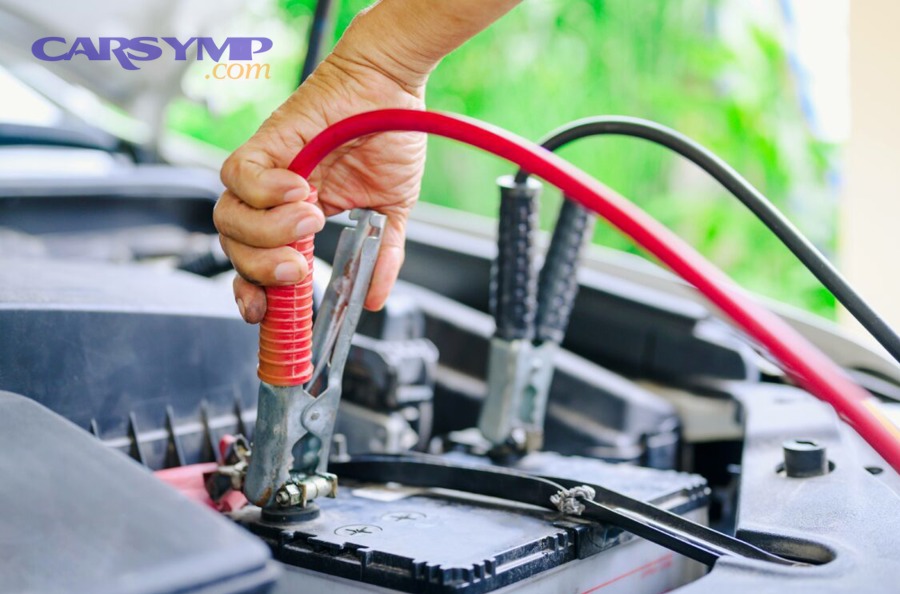
Next, check polarity: the positive cable must be on the + post and the negative on the – post; a reversed connection can blow main fuses or fusible links instantly, leading to “dead car” symptoms even after you correct it.
Then look for corrosion or powdery buildup at the posts/cable ends; even a thin layer can add resistance that prevents cranking.
Finally, use a multimeter for a sanity check: a rested 12V battery typically reads in the mid-12s when healthy, and a running engine should read higher if the alternator is charging.
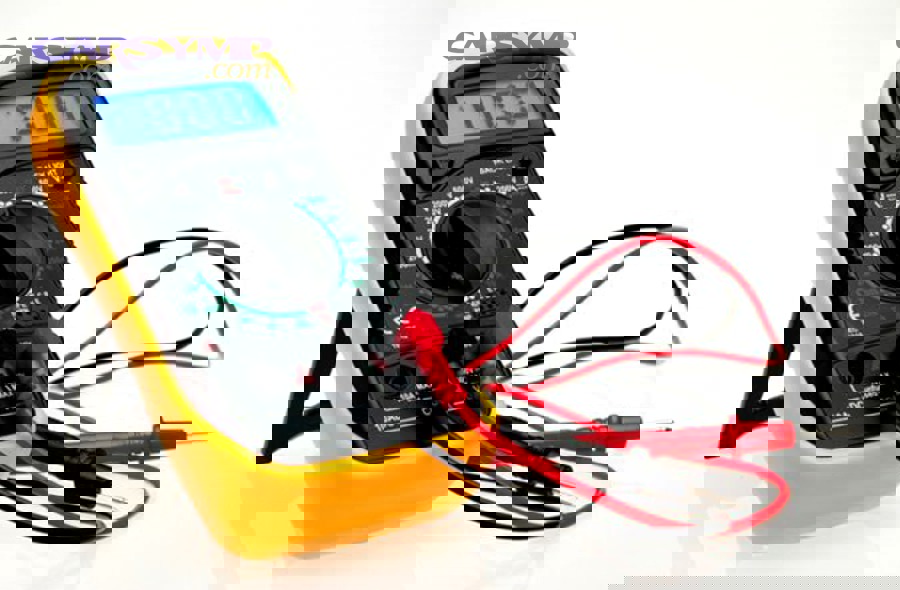
Cụ thể hơn, do not skip the “wiggle test”: try to rotate each terminal by hand. If it moves, treat it as loose even if it was “tightened.” A loose connection can mimic a dead battery, a failing starter, or a bad alternator.
Theo nghiên cứu của AAA Auto Repair từ mảng hướng dẫn bảo dưỡng ắc quy, vào May 2025, tuổi thọ ắc quy ô tô thường nằm trong khoảng 3–5 năm, nên ngay cả “ắc quy mới thay” vẫn cần kiểm tra lắp đặt đúng để loại trừ lỗi thao tác trước khi nghi ngờ hệ thống khác.
Tiếp theo, once you’ve cleared the “easy” failures, use the symptom pattern below to choose the right diagnostic path.
Does the dash light up but the engine won’t crank at all?
Yes, this pattern usually means the battery can power low-load electronics, but the high-load starting circuit is failing due to poor connections, a starter/relay issue, or a safety interlock—so focus on the starter path, not the battery label.
To begin, turn the headlights on and try to crank: if the lights go very dim or flicker hard, suspect a high-resistance connection at the terminals or grounds; if the lights stay bright with no crank, suspect the starter control circuit (relay, neutral safety switch, clutch switch, or immobilizer permission).

Specifically, check the ground path: many “new battery, no crank” cases come from the negative cable not fully seated or a ground strap that’s loose/corroded at the body/engine block. A starter can’t pull hundreds of amps through a weak ground.
To illustrate, if you see battery terminals that look clean but the cable ends are oxidized inside the clamp, remove them and clean both mating surfaces, then retighten.
Theo nghiên cứu của Batteries Plus từ nhóm nội dung “Power”, vào November 2023, ăn mòn ở cực bình và kẹp cực có thể làm gián đoạn tiếp xúc và khiến xe khó/không thể đề nổ, dù bình vẫn còn điện để bật đèn trong cabin.
Quan trọng hơn, if your vehicle has push-button start, confirm the brake pedal switch is working (brake lights come on) and that the key fob is detected; a no-fob or no-brake-signal condition can look like an electrical no-start while the battery is fine.
Do you hear rapid clicking or a single heavy click when you try to start?
There are three common click patterns—rapid clicking, a single click, or a click with dimming lights—and each points to a different constraint: low available current, a control signal without starter rotation, or severe resistance at the connections.
Dưới đây, use the clicking type to pick your next test instead of guessing.

1) Rapid clicking: Most often indicates voltage collapsing under load—either the battery is discharged, the terminals are loose, or corrosion is adding resistance. Recheck terminal tightness and voltage, then try a jump start.
2) Single click (no crank): Often means the starter solenoid is being commanded but the starter motor isn’t turning—possible starter motor failure, seized engine (rare), weak ground, or a poor positive cable connection.
3) Click + lights stay bright: Suggests the start command may not be reaching the solenoid consistently (relay, security, interlock) or the starter has an internal fault that isn’t pulling current.
Theo nghiên cứu của eBay Motors từ bài hướng dẫn vệ sinh/khắc phục ăn mòn và tiếp xúc cực bình, vào November 2023, ăn mòn hoặc tiếp xúc kém có thể làm xe “có điện nhưng không đề,” vì dòng lớn khi khởi động bị nghẽn ở vị trí kẹp cực.
Tiếp theo, if you jump start and it cranks strongly, the starter itself is less likely, and you should look at battery state-of-charge or charging system behavior.
Is the engine cranking slowly, like it’s struggling to turn over?
Slow cranking after a battery replacement is usually caused by high resistance (dirty/loose terminals or weak ground), an undercharged new battery, or a starter drawing excessive current—so you must separate “battery energy” from “connection quality.”
To start, measure battery voltage at rest, then measure again while cranking: a big drop suggests either a weak/discharged battery or excessive resistance/overload; the key is to compare voltage at the battery posts versus voltage at the cable ends if you can safely access them.
For a practical test, place the multimeter probes directly on the battery posts (not the clamps) and crank; then repeat with probes on the clamp metal. If the post reading is okay but the clamp reading collapses, the clamp connection is your problem—clean and retighten.
Also consider that some “new” batteries sit on shelves and can be partially discharged; a battery can be new and low on charge. This is why a quick voltage check is more reliable than guessing.
Theo nghiên cứu của Electronicshub từ nhóm nội dung Automotive, vào January 2025, kiểm tra điện áp ắc quy bằng đồng hồ đo là cách đơn giản để xác nhận tình trạng sạc và đánh giá sơ bộ hệ thống nạp (khi máy nổ điện áp thường cao hơn so với khi tắt máy).
Hơn nữa, if slow crank improves dramatically with a jump, focus on battery charge level and the alternator/charging path after the engine is running.
Does the engine crank normally but still won’t start?
Yes—if it cranks at normal speed, your battery and starter circuit are likely doing their job, and the no-start is usually fuel, spark, air, or security/immobilizer related, so shift from “battery checks” to “engine-run essentials.”
To begin, listen for the fuel pump prime (a brief hum) when you turn the key to ON; if you hear nothing, check fuel pump fuse/relay and confirm you didn’t blow a main fuse during the battery swap.
Next, check the security indicator on the dash: if an immobilizer light is flashing or a “key not recognized” message appears, the engine may crank but fuel injection is disabled. In that case, try a spare key/fob, replace the fob battery, and follow the owner’s manual for any relearn steps.
To illustrate, some vehicles require a short “key on” wait period after a power loss so modules can sync; jumping straight to repeated cranking can make diagnosis noisier without improving your odds.
Theo nghiên cứu của Nationwide (Now from Nationwide) từ nhóm bài viết Vehicle Maintenance, vào June 2022, nếu xe không nổ sau khi câu bình, cần kiểm tra lại điểm kẹp và độ chắc của kẹp vì kẹp hơi lỏng cũng có thể làm thất bại quá trình khởi động.
Tiếp theo, if you have a scan tool, check for stored codes—even a basic reader can reveal crank sensor, immobilizer, or fuel-related clues without taking anything apart.
Could a blown fuse, fusible link, or battery sensor be blocking power after installation?
Yes, especially if the battery was connected in the wrong order, sparked heavily, or was reversed—even briefly—because high-current protection (main fuses/fusible links) can open and make the car appear “dead” or partially powered.
To begin, locate the under-hood fuse/relay box and check the main battery fuse, starter relay, and ignition-related fuses; don’t rely on visual checks alone—use a test light or continuity check when possible.

Also look for an inline fusible link on the positive cable (common on many vehicles). If it’s open, you may get dash lights but no crank, or intermittent power.
Additionally, some vehicles have a battery monitoring sensor on the negative terminal; if it’s damaged, left unplugged, or installed incorrectly, it can cause charging management issues or warning lights, and in rare cases contribute to start/stop or power management oddities.
Theo nghiên cứu của Yuasa Battery từ phần “Technical Support” về thông số ắc quy, vào 2024, sai khác về thông số và lắp đặt có thể dẫn tới hành vi điện bất thường, vì hệ thống điện xe dựa vào đường cấp nguồn và bảo vệ dòng để hoạt động ổn định.
Quan trọng hơn, if you keep blowing the same fuse, stop replacing it repeatedly—there may be a short that needs professional diagnosis.
Is the charging system the real reason the car won’t restart after you replaced the battery?
Yes—if the car starts with a jump or after charging but dies again, the alternator/charging path or a parasitic drain is likely, because the new battery is being depleted rather than failing on day one.
To begin, once the engine is running, check voltage at the battery: it should rise above resting voltage when the alternator is charging. If voltage stays low, suspect alternator output, belt issues, wiring, or a failing voltage regulator.
Next, if charging looks normal but the battery goes dead overnight, suspect parasitic draw: interior lights, aftermarket accessories, a stuck relay, or a module not going to sleep.
To illustrate, a simple overnight test is to fully charge the battery, confirm the terminals are clean/tight, and then measure resting voltage the next morning; a significant drop suggests drain or a battery that can’t hold charge.
Theo nghiên cứu của Electronicshub từ nhóm nội dung Automotive, vào January 2025, các vấn đề như chập điện, ăn mòn, hoặc lỗi hệ thống nạp có thể làm ắc quy suy yếu và gây khó khởi động, nên cần đo kiểm để tách bạch “ắc quy yếu” và “xe không nạp.”
Tiếp theo, if you suspect a draw, consider a proper parasitic draw test with a multimeter in series—done carefully and ideally with guidance for your vehicle to avoid waking modules repeatedly.
Do modern vehicles need a reset, relearn, or battery registration after a power loss?
Sometimes—especially on newer cars with battery management systems—disconnecting power can trigger clock/radio resets, idle relearn needs, window indexing issues, or battery monitoring recalibration, so confirm the car isn’t “locked out” by a system state.
To begin, check for obvious signs: warning messages, flashing security light, windows that won’t auto-up, or a rough idle after it finally starts. These often signal a relearn need rather than a hardware failure.
For many cars, simply driving for a short period allows modules to relearn; for others, the battery management system must be told a new battery is installed (often called “battery registration” or “battery adaptation”) using a scan tool—especially common on some European brands and vehicles with advanced start/stop.
To illustrate, if the alternator seems to undercharge after replacement but no hardware fault is found, incorrect battery adaptation can cause the system to manage charging in a non-ideal way.
Theo nghiên cứu của AAA Auto Repair từ mảng hướng dẫn xử lý sự cố ắc quy, vào May 2025, việc kiểm tra quy trình thao tác và các bước phục hồi sau khi ngắt nguồn giúp giảm nguy cơ chẩn đoán nhầm sang bộ đề hoặc hệ thống nạp.
Hơn nữa, always follow your owner’s manual for any brand-specific reset steps; guessing resets can waste time and mask the real electrical issue.
Which symptom pattern tells you exactly what to do next?
Use a symptom-to-action map—because “won’t start” is not one problem, it’s a family of problems—and mapping saves you from replacing parts based on fear.
This table contains the most common post-replacement no-start symptoms, what they usually mean, and the safest next action to confirm the cause.
| What you observe | Most likely cause | Best next test | What to avoid |
|---|---|---|---|
| No lights, no click | Terminal not seated, main fuse/fusible link open, dead battery | Check clamps/grounds, test voltage at posts, inspect main fuse | Repeatedly reconnecting with sparks |
| Lights on, no crank | Starter relay/interlock/security, bad ground, poor clamp contact | Headlight dim test, check relay/fuses, inspect ground strap | Assuming “starter is dead” first |
| Rapid clicking | Voltage collapse under load (low charge or high resistance) | Clean/tighten terminals, jump start, measure voltage while cranking | Over-cranking for long periods |
| Single click, no crank | Starter solenoid engages but motor doesn’t turn, cable resistance | Voltage drop test at clamps/grounds, inspect cables, consider starter test | Hammering starter without confirming power path |
| Cranks strong, won’t start | Fuel/spark/immobilizer issue, blown ignition/fuel fuse | Check security light, fuel pump prime, scan for codes | Replacing battery again |
| Starts after jump, dies later | Charging system issue or parasitic draw | Check running voltage, inspect alternator/belt, test for drain | Assuming “bad new battery” immediately |
Tóm lại, if you can categorize the symptom correctly, you’ll usually need only one or two tests to find the real cause.
When should you stop DIY and call a professional right away?
Yes, you should stop and call a professional if you smell burning insulation, see melted cable insulation, experience repeated heavy sparking, or suspect a blown main fuse/fusible link—because these signs suggest high-current faults that can escalate quickly.
To begin, prioritize safety: if the battery case is cracked, swollen, or leaking, do not attempt jump starting or repeated reconnections; move away and seek help.
Also call a professional if the car cranks normally but won’t start and you have a flashing security light you cannot clear, because immobilizer issues can require proper scan tools and authorized procedures.
In addition, if you measure low charging voltage with the engine running, and belt/wiring look okay, alternator testing is best done with proper equipment to confirm output under load.
Theo nghiên cứu của Nationwide (Now from Nationwide) từ nhóm Vehicle Maintenance, vào June 2022, nếu câu bình vẫn không hiệu quả sau khi đã kiểm tra điểm kẹp và làm sạch bề mặt tiếp xúc, rất có thể bạn đang đối mặt với vấn đề lớn hơn như hệ thống nạp hoặc ắc quy cũ/già cần chẩn đoán chuyên sâu.
Quan trọng hơn, a good shop can run a proper battery load test, starter current draw test, and charging system test quickly—saving you from swapping expensive parts blindly.
Contextual Border: Up to this point, you’ve focused on getting the car started and identifying the root cause. Next, we’ll expand into prevention—how to avoid a repeat no-start, and how to make smarter battery decisions long-term.
How can you prevent a repeat no-start after you fix the immediate issue?
Preventing a repeat no-start comes down to three habits—install correctly, verify charging/drain behavior, and match battery specs to the vehicle—because most repeats come from the same overlooked constraint showing up again.
How do you match battery specs to your vehicle so starting power is consistent?
Use your owner’s manual (or the under-hood label) to match the correct group size and the required starting performance for your climate; this is where people casually “buy a battery that fits” and end up with weak cold starts.
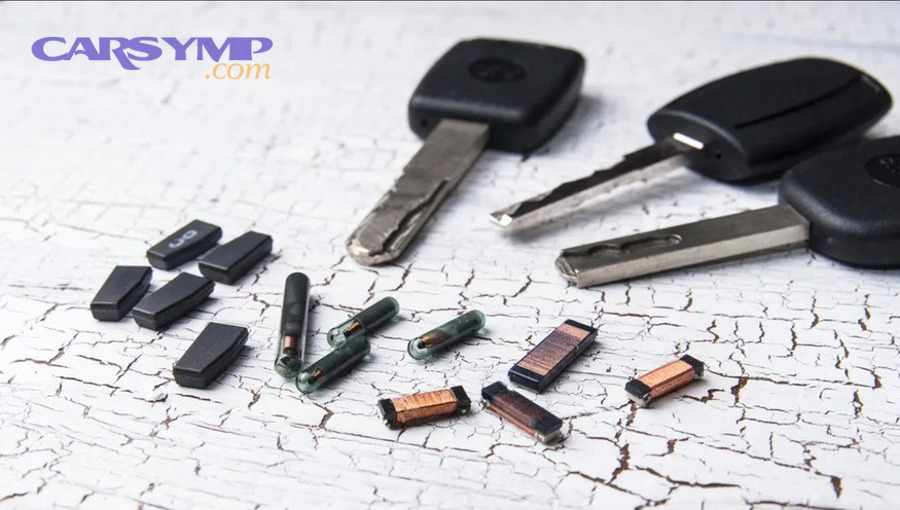
To illustrate, many shoppers overlook that battery cases can share similar dimensions while having different terminal layouts and ratings; mismatch can lead to stretched cables, poor clamp seating, or inadequate starting reserve.
Inside your maintenance notes, write the phrase How to choose correct battery size and CCA as a reminder to verify both the physical fit and the cold-start rating before purchase, but keep the actual selection grounded in OEM specs.
Theo nghiên cứu của Yuasa Battery từ phần “Technical Support”, vào 2024, việc hiểu đúng thông số ắc quy (bao gồm kích thước nhóm và thông số đề máy theo điều kiện thời tiết) giúp giảm rủi ro “đề yếu” và lỗi tương thích sau khi thay.
Tiếp theo, once you choose correctly, protect the connection quality: clean posts, clean clamps, and retighten after a few days if your vehicle’s clamps tend to settle.
How do you decide whether the next replacement should be DIY or shop-installed?
Compare the true cost: tools, time, potential resets, and the risk of a misdiagnosis; sometimes the cheapest path is paying for a proper test, not saving $30 and repeating the job twice.
Use the phrase Battery replacement cost vs DIY cost in your checklist, and add line items like: terminal cleaning kit, memory saver (if needed), disposal fee, and the value of a professional load test.
To illustrate, if your car requires battery registration, the DIY job may still need a scan tool visit—so your “DIY cost” may not stay DIY.
Moreover, if your car repeatedly shows electrical anomalies after a battery swap, a shop that can measure voltage drop and current draw under load will save you from replacing good parts.
How do you build a repeatable replacement routine that avoids mistakes?
Follow a consistent sequence—power down, disconnect negative first, disconnect positive, clean, install, connect positive first, connect negative last, and verify—because a repeatable routine prevents the small errors that create big no-start puzzles.
Write Step-by-step car battery replacement into your personal maintenance note, and include two “verification steps” at the end: (1) terminal twist test, (2) voltage check at rest and during crank.
To illustrate, a “perfect-looking” install can still fail if the clamp bottoms out on the post taper without actually gripping; your twist test catches that instantly.
Additionally, if you must preserve settings, use a memory saver tool correctly—or accept that you’ll need to reinitialize windows and clock afterward.
How do you track warning patterns so you act before you get stranded?
Track early warning signals—slow crank on cold mornings, intermittent clicking, dimming lights at idle, or frequent jump-start needs—because these patterns often appear weeks before a full no-start.
Use the term Car Symptoms as a tagging label in your notes so you can group repeat events (start behavior, lighting behavior, and charging behavior) and decide whether the issue is connection-related, charging-related, or battery-aging-related.
Finally, if you maintain a content hub or personal reference page, you can store your checklist and tests in one place (for example, carsymp.com) so the next troubleshooting session is faster and more consistent.
FAQ
Should I jump-start a car right after installing a new battery?
Usually no—first confirm the terminals are tight and the battery has adequate voltage, because a loose clamp can make jump-starting fail and confuse you into thinking the starter is bad; jump-start only after your connection checks are complete.
Why did my car spark a lot when I reconnected the battery?
A small spark can be normal as modules wake up, but heavy sparking can indicate a significant load or a short; stop, recheck polarity, and inspect for damaged cables or blown main fuses before trying again.
Can a brand-new battery be “bad” out of the box?
It can be undercharged or damaged, but it’s less common than installation or connection issues; verify with a voltage check and, if possible, a load test before blaming the battery itself.
My car starts now, but the battery light is on—what does that mean?
That light often indicates a charging system issue (alternator, wiring, belt, or voltage regulation), so test running voltage and get the charging system checked under load to avoid the next stall/no-start event.
What’s the single most common mistake after a battery replacement?
Terminals that are not fully seated or are barely loose—because they can power the dash but fail under starter load—so always do the twist test and clean mating surfaces.