


Recycling an old car battery properly means treating it as hazardous material, keeping it intact, and handing it to an approved collection point so lead, plastic, and electrolyte can be safely recovered instead of leaking into the environment.
Beyond that core “how-to,” many drivers also want to know where recycling is actually accepted (auto parts stores, repair shops, municipal sites) and what to bring so they don’t get turned away.
A third need is safety: how to store and transport a heavy battery without spills, short circuits, or damage to your trunk, while staying compliant with local rules.
To tie it all together, the guide below moves step-by-step from “why it matters” to “exactly what to do,” then crosses a contextual border into less-common battery types and edge cases—so you can finish the job confidently.
Why is recycling an old car battery non-negotiable for safety and the environment?
Yes—properly recycling an old car battery is non-negotiable because it prevents toxic lead and acid from escaping, reduces landfill hazards, and keeps valuable materials in a controlled loop. To begin, think of the battery as a sealed chemical container, not household trash.
After that, it helps to understand what’s inside. Most automotive starter batteries are lead-acid: they contain lead compounds and sulfuric acid. If the case cracks or tips and leaks, that electrolyte can corrode surfaces and contaminate soil or water, while lead exposure is a serious public health concern.
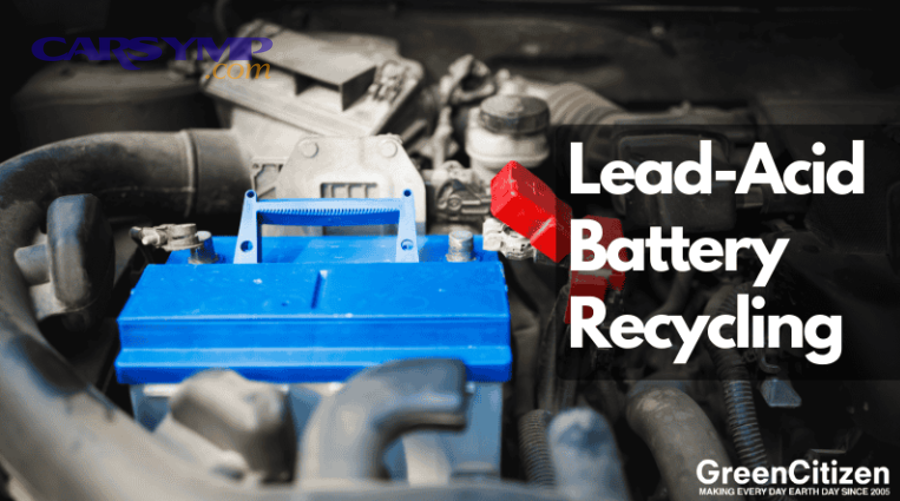
Next, there’s a practical reason: lead-acid batteries are among the most successfully recycled consumer products because the recovered lead and plastic are valuable and routinely used again in manufacturing. Theo nghiên cứu của U.S. Environmental Protection Agency (EPA) từ chương trình Facts and Figures, vào Oct/2025, “the estimated amount of recycled battery lead” in 2018 was about 99 percent.
In other words, when you recycle correctly, you’re not “disposing” so much as returning materials to a regulated supply chain. That leads directly to the next question: what battery type do you actually have, and does it change the recycling path?
What type of “old car battery” do you have, and does the chemistry change the recycling steps?
Most likely you have a lead-acid car battery, and the core recycling steps stay the same: keep it intact, keep it upright, and deliver it to an approved handler. After that, the details change slightly depending on whether it’s flooded, AGM, or another format.
To make the right call fast, identify the label language: terms like “Lead-Acid,” “SLA,” “AGM,” or “Absorbent Glass Mat” point to lead-acid variants; warnings about electrolyte and corrosive liquid reinforce that. Additionally, many batteries are marked “non-spillable” or “sealed,” which affects storage risk but not the need for proper drop-off.
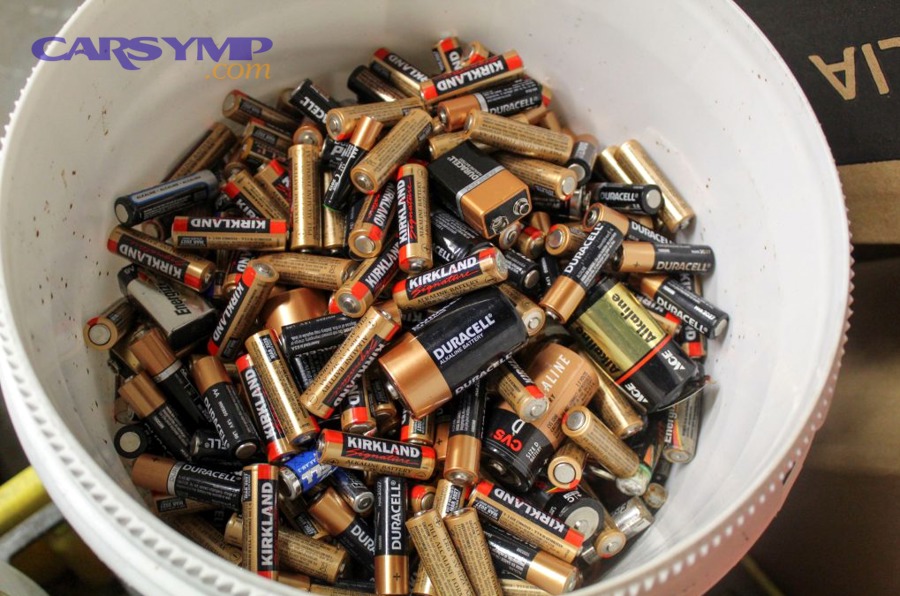
Next, remember this: “lead-acid” is a category, and flooded vs AGM is more like a sub-type (a hyponym relationship) under the same recycling umbrella. What changes is the likelihood of free liquid and how strict a site may be about damaged casings.
Theo nghiên cứu của U.S. Environmental Protection Agency (EPA) từ mục Battery Collection in Action, vào Sep/2025, các pin chì-axit sản xuất tại Mỹ có thể chứa hơn 80% vật liệu tái chế theo một nghiên cứu của Battery Council International năm 2025.
So the chemistry doesn’t change the “must recycle” rule—but it does influence how carefully you should inspect the case and prepare it for transport. That leads naturally into the most action-oriented part: where you can drop it off without hassle.
Where can you recycle an old car battery legally and conveniently near you?
You can recycle an old car battery at auto parts stores, many repair shops, and municipal hazardous-waste programs—places already set up to handle hazardous materials safely. Next, choose the option that matches your time, distance, and whether you also want a core refund.
Start with the most convenient: automotive retailers often accept used batteries and route them into certified recycling channels. Some stores also provide an incentive or credit for bringing the old unit back, which reduces the chance batteries are abandoned or trashed.

Then consider municipal options if you have a damaged or leaking battery (or if a retailer refuses it). Household hazardous waste (HHW) sites are designed for corrosive/poisonous items and can be the safest route when the battery’s condition is questionable.
Theo nghiên cứu của AAA từ bộ phận nội dung Auto, vào Apr/2025, việc xử lý đúng cách thường là mang pin cũ đến trung tâm tái chế được chứng nhận hoặc cơ sở dịch vụ ô tô có nhận tái chế.
Finally, always call ahead if the battery is cracked, bulging, or actively leaking. Some sites require special containment or appointment-based hazardous intake. Now that you know where it can go, the next step is making sure it gets there safely—starting with preparation and storage.
How do you prepare and store a used car battery before drop-off?
The best method is simple: keep the battery upright, keep the terminals protected, and place it in a non-conductive, leak-resistant tray or box until you can drop it off. After that, you’re mainly preventing two risks—acid leaks and short circuits.
First, inspect the case and posts. If there’s wetness, crystalline residue, or a sulfur smell, assume it may be leaking. In that situation, containment matters more than speed: place the battery in a plastic bin or on a thick plastic-lined tray, and avoid metal containers that can react if acid escapes.

Next, secure the terminals so they can’t accidentally contact metal objects. A simple approach is using tape or terminal caps on the posts to reduce short-circuit risk during storage and handling.
Theo nghiên cứu của Environmental 360 Solutions từ Education Centre, vào (không ghi rõ tháng/năm trên trang), khuyến nghị dán băng keo che phần cực dương trên nhiều loại pin để giảm rủi ro chập mạch khi lưu trữ và trước khi mang đi tái chế.
Finally, store it away from sparks, flames, and children/pets, and avoid stacking heavy items on top. Once it’s prepped, you’re ready for the next step: transport—where most accidental spills and trunk damage happen.
How should you transport an old car battery without spills, trunk damage, or short circuits?
Transport it upright in a stable container, prevent it from sliding, and keep the terminals insulated so nothing metallic can bridge them. Next, treat your vehicle like a “transport environment” where bumps and turns can tip or crack a battery.
Begin by using a crate, plastic tote, or the original battery box if you still have it—something that keeps the battery from moving. Place absorbent material beneath (old towel or disposable pads) and wedge the container so it can’t tip in a turn. If you’re using a sedan trunk, keep it far from loose tools or metal objects.

Then focus on terminal protection. A short circuit is rare but serious: it can heat metal quickly and create sparks. Cover the posts with tape or caps, and avoid letting the battery contact other batteries or conductive items.
Theo nghiên cứu của Environmental 360 Solutions từ Education Centre, vào (không ghi rõ tháng/năm trên trang), các cực lộ ra nên được dán băng keo hoặc cho vào túi khi lưu trữ và trước khi mang đi tái chế để giảm rủi ro chập mạch.
Finally, drive smoothly and avoid leaving the battery in a hot vehicle for long periods. And if you’re doing a “change car battery” at home, move directly from removal to secure containment so the old unit doesn’t sit unattended. Now that it’s safely in transit, you may wonder what happens once you hand it over.
What happens at a recycling facility, and what materials are recovered from a car battery?
A certified recycler breaks the battery down under controlled conditions, separates components, neutralizes or processes the electrolyte, and recovers lead and plastic for reuse. After that, the reclaimed materials feed into new products—often including new batteries.
At a high level, the process is a meronymy story: the battery becomes “parts”—lead-bearing grids/paste, plastic casing, and electrolyte—each handled differently. Facilities use specialized equipment and containment to prevent emissions and worker exposure.

Next, understand why correct drop-off matters: regulated facilities can recover value safely, while informal handling can spread contamination. That’s why retailers and certified recyclers exist as the bridge between consumers and industrial recycling.
Theo nghiên cứu của ODYSSEY Battery từ bộ phận thông tin kỹ thuật, vào (không ghi rõ tháng/năm trên trang), quy trình tái chế có thể gồm nghiền/đập, trung hòa axit, và tách polymer vỏ ra khỏi phần chì để thu hồi vật liệu.
In practical terms, your job is to deliver the battery intact to the right place—then the facility does the complex chemistry and separation. That leads into a common driver question: is there money involved when you return a battery?
Are there fees, core charges, or incentives when you return a used car battery?
Yes—often there is a core charge (a refundable deposit) and sometimes an incentive, but it depends on the retailer and local rules. Next, think of it as a system designed to pull old batteries back into recycling instead of into trash streams.
A core charge is typically added when you buy a new battery; you get it back when you return the old one. Some retailers also offer store credit for bringing in a used battery even if you didn’t buy the replacement there, though policies vary by location.
Theo nghiên cứu của AutoZone từ trang hướng dẫn disposal, vào (không ghi rõ tháng/năm trên trang), bạn có thể mang pin cũ đến cửa hàng để được hoàn lại core charge khi mua pin mới, và họ cũng mô tả chương trình nhận pin cũ với gift card tại cửa hàng (tùy điều kiện).
Additionally, some retailers outline specific timing windows or state-based fees. Theo nghiên cứu của O’Reilly Auto Parts từ trang store services, vào Apr/2022, họ mô tả core charge được hoàn khi trả pin cũ trong một khoảng thời gian nhất định và có đề cập phí pin theo quy định tại California.
Finally, keep your receipt if you want the core refund, and bring the battery in a stable container. If you’re working on “Corrosion cleaning and terminal protection,” do that only after the old battery is safely contained—never while the old unit is unsecured in your workspace. Next, let’s prevent the most common errors that cause rejection or risk.
What common mistakes cause leaks, rejected drop-offs, or unsafe recycling outcomes?
The biggest mistakes are throwing the battery in household trash, transporting it loose, and mixing it with metal objects that can short the terminals. Next, avoid “quick fixes” that make the battery harder to handle safely.
First, never place it in curbside recycling or a dumpster. Lead-acid batteries require controlled handling; improper disposal can violate local rules and create real hazards for sanitation workers and facilities.

Second, don’t stack multiple batteries together without insulation between terminals. And don’t wrap the entire battery in tape or cover labels so staff cannot identify chemistry—many sites need the label visible to sort correctly.
Theo nghiên cứu của Environmental 360 Solutions từ Education Centre, vào (không ghi rõ tháng/năm trên trang), họ cảnh báo tránh dán băng keo che nhãn và tránh trộn/ghép các loại hoá học pin khác nhau khi chuẩn bị để tái chế.
Third, don’t attempt to open the battery, drain liquid, or “scrap” it yourself. Besides the chemical risk, you can create spills and fumes and may violate local hazardous waste rules.
Finally, if the old battery came from a modern vehicle with sensitive electronics, handle removal and replacement carefully; after installation, some vehicles may require “Battery registration/coding on modern vehicles” to ensure charging strategy matches the new battery—this is separate from recycling, but it affects what you do after drop-off.
Now that the core process is clear, it helps to consolidate decisions into a quick reference. Below is a practical table that shows where to take the battery and what each option is best for.
This table lists common drop-off destinations and what each one helps you do—so you can choose the safest and fastest path based on battery condition and whether you want a core refund.
| Drop-off option | Best for | What to bring | Call ahead when |
|---|---|---|---|
| Auto parts retailer | Fast drop-off; possible core refund/incentive | Old battery upright in a box/tote; receipt if claiming core | Battery is cracked, swollen, or leaking |
| Repair shop / service center | When they replaced the battery or you want one-stop handling | Old battery; paperwork from service (if any) | After-hours drop-off not allowed |
| Municipal HHW site | Damaged/leaking batteries; strict hazardous intake | Containment bin; proof of residency if required | Appointment, limited hours, or special containment needed |
| Certified recycler / scrap processor | Bulk batteries; commercial handling; regulated recovery | Proper packaging; quantity documentation if required | Transport rules apply for multiple units |
Contextual Border: Up to this point, we’ve focused on the standard “old car battery” most drivers mean—lead-acid starter batteries and their close variants. Next, we widen the micro context to less-common chemistries, edge cases, and decision details that change the safest recycling path.
How do recycling rules differ for AGM, lithium, and EV batteries compared with lead-acid?
Lead-acid recycling is widely standardized, while lithium-based batteries often require stricter short-circuit prevention and specialized programs; EV packs add high-voltage handling and transport constraints. Next, treat the chemistry label as the deciding signal for where to go and how to package.
For AGM (a sealed lead-acid subtype), the drop-off options usually mirror flooded lead-acid because the core materials are still lead and plastic; however, a damaged AGM can still leak or vent, so containment remains important. For small lithium-ion batteries (tools, laptops), many retailers have dedicated bins, and taping terminals is often emphasized to prevent thermal incidents.
For EV and hybrid high-voltage packs, the safest route is dealership or certified high-voltage service/recycling channels, because packs may be classified and transported under additional rules. In synonym terms, “recycling” can look like “return,” “take-back,” or “manufacturer stewardship” depending on the chemistry and size.
Theo nghiên cứu của U.S. Environmental Protection Agency (EPA) từ mục Battery Collection in Action, vào Sep/2025, họ mô tả mô hình thu gom pin chì-axit như một câu chuyện kinh tế tuần hoàn, nơi vật liệu tái chế quay trở lại sản xuất pin mới với tỷ lệ tái chế cao.
So, when in doubt, default to the most conservative approach: do not mix chemistries, protect terminals, and use a program that explicitly accepts that battery type. And if you’re unsure whether your vehicle uses special procedures after replacement, handle that separately from recycling—especially after a change that might involve “Corrosion cleaning and terminal protection” on the new installation points.
FAQ: Recycling old car batteries properly
These quick answers address the most common “last-mile” concerns drivers have right before drop-off. Next, use them as a final check so you don’t waste a trip.
Can I throw a car battery in the trash if it’s “dead” and not leaking?
No—dead does not mean safe; the battery can still contain lead and acid, and damage during handling can release hazardous materials. Next, always use a retailer, repair shop, HHW site, or certified recycler.
What if the battery is leaking or the case is cracked?
Do not take it loose in your trunk; contain it upright in a plastic bin with absorbent material and call the destination first for acceptance instructions. Next, municipal HHW programs are often the safest route for damaged units.
Do I need to tape the terminals on a car battery?
It’s a strong safety practice—especially if the battery will be near tools or metal objects—because it reduces the chance of accidental short-circuit. Next, keep labels visible and avoid wrapping the whole case.
Will I get money back when I return the old battery?
Sometimes—many purchases include a refundable core charge, and some retailers describe additional incentives, but it varies by store and state. Next, keep your receipt and ask about local policy at drop-off.
How do I find a reliable recycling location fast?
Use nearby auto parts retailers or service centers first, then consider HHW or certified recyclers if the battery is damaged or you need regulated hazardous intake. Next, call ahead if you’re unsure about acceptance conditions.
Should I do anything special after I replace the battery?
Recycling ends when the old battery is dropped off, but your vehicle care continues—some modern cars may require post-replacement procedures depending on model. Next, separate “vehicle setup” from “battery disposal” so neither step is skipped.
Total recap: Keep the battery intact, upright, and terminal-protected; choose an approved drop-off; and avoid shortcuts like trash disposal or DIY dismantling. By doing that, you turn a hazardous item into a controlled stream of reusable materials—safe for people, safe for the environment, and aligned with how lead-acid recycling is meant to work.