


A tire mobility kit (inflator + sealant) can temporarily fix a small tread puncture and get you back on the road safely—if you use it correctly, choose the right kind of “flat,” and follow strict speed/distance limits afterward. (newsroom.aaa.com)
Next, you’ll learn what the kit is, what it can and can’t do, and how the sealant actually stops air loss so you don’t accidentally make the problem worse.
Then, you’ll get a step-by-step, safety-first roadside procedure—including where to park, what to inspect, how to hit the correct PSI, and how to recheck pressure after the required drive cycle. (mwg.aaa.com)
Introduce a new idea: the “success” of a sealant repair is mostly determined before you ever plug the kit in, because the type and location of tire damage decides whether the kit helps—or whether you should stop and call for service instead.
What is a tire mobility kit (inflator + sealant), and how does it work?
A tire mobility kit is a temporary flat-tire repair system that combines a 12V air compressor and liquid sealant to seal small tread punctures and reinflate the tire long enough to reach a shop. (mwg.aaa.com)
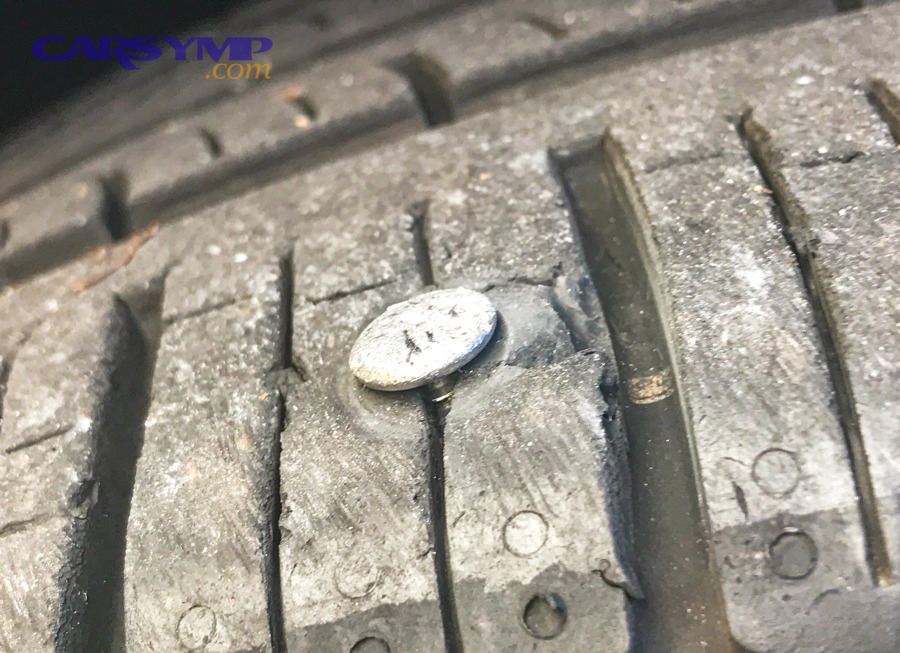
What’s inside a typical tire inflator + sealant kit?
Most kits include the same core parts, even if the packaging differs by automaker:
- 12V compressor (plugs into a power outlet) with an on/off switch
- Pressure gauge (analog or digital) to monitor PSI during inflation
- Sealant canister (latex-based or latex-free depending on brand) that feeds into the tire through the hose
- Hoses and adapters (one to the tire valve, one to the compressor/canister)
- Instruction label (often printed right on the compressor or canister)
- Gloves/wipes (sometimes included) for cleanup
Because the compressor runs hot and the tire may be unstable, the safest mindset is: treat it like a controlled emergency repair, not a normal inflation job.
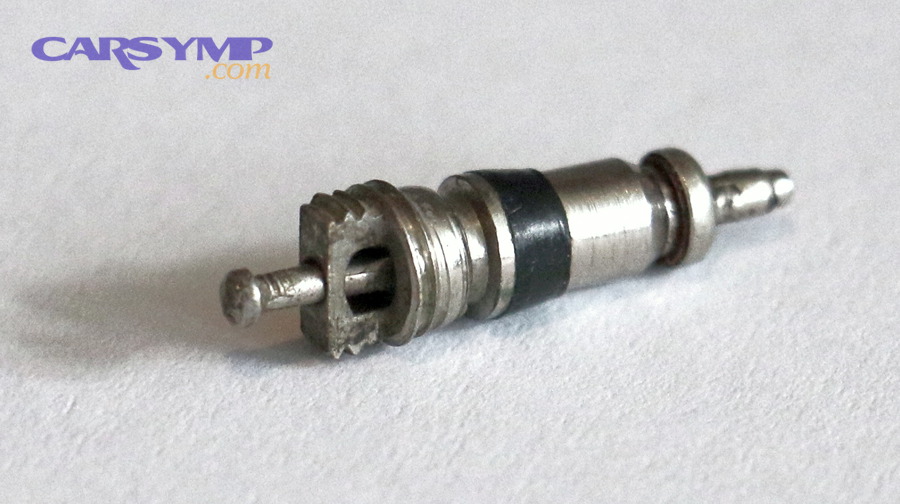
How does the sealant “find” the puncture and stop the leak?
Sealant works because air pressure and rotation do the searching for you:
- When you inject sealant, it spreads along the inside of the tire.
- As the tire rotates, the liquid forms a thin moving layer.
- When air escapes through a puncture, it pushes sealant toward the leak path.
- The sealant accumulates at the hole and forms a plug-like barrier while the compressor restores pressure.
This is why most manufacturers require a short drive after inflation: rotation helps distribute sealant and finish sealing, and the recheck confirms whether the repair is holding. (mwg.aaa.com)
Can you use a tire inflator and sealant safely on any flat tire?
No—using a tire inflator and sealant is not safe for every flat, because it only works reliably on small tread punctures, and it can be dangerous or ineffective on sidewall damage, blowouts, or large holes. (newsroom.aaa.com)
That limitation matters because trying to “force” a repair can lead to rapid air loss, tire overheating, or loss of control once you start driving.
Is it safe for sidewall punctures, large holes, or blowouts?
Sidewall punctures and major damage are where you should draw a hard line:
- Sidewall/shoulder damage: generally not repairable in the same way tread punctures are, and sealant kits are not intended for it. (gov.goodyear.com)
- Large holes / torn rubber / visible cords: sealant can’t bridge missing structure.
- Blowouts: a blowout is structural failure, not a small leak—do not attempt a sealant drive.
A quick roadside rule: if you can see the damage clearly and it looks “bigger than a nail/screw,” treat it as tow/spare territory.
Is it safe on run-flat tires, low-profile tires, or motorcycles?
- Run-flat tires: some vehicles still include kits, but run-flats have specific limits; if the sidewall has been driven on while flat, the tire may be compromised even if you can inflate it. Follow the vehicle manual and get it inspected fast.
- Low-profile tires: they often lose air quickly and show sidewall stress sooner; if the tire was driven very low, be cautious about hidden damage.
- Motorcycles: many car-focused kits aren’t designed for motorcycle handling dynamics, tire construction, or valve access—use a motorcycle-specific solution instead.
If you’re unsure, the safest approach is to inflate only enough to move off the roadway (if possible) and then reassess.
Will sealant damage TPMS sensors or wheel finishes?
It can, depending on the product and the TPMS design:
- Some sealants are marketed as TPMS/sensor-safe, but “safe” still doesn’t mean “no risk,” especially if sealant dries inside the tire or valve area.
- AAA warns that using a tire mobility kit can complicate repairs and increase service cost, partly because cleanup and component checks may be required. (newsroom.aaa.com)
Treat TPMS as a “handle with care” system: even if your kit works, plan for a shop visit and tell them sealant was used.
How do you use a tire mobility kit step-by-step without risking injury or wheel damage?
Using a tire mobility kit safely is a 3-phase process—prep, inflate/seal, and recheck after a short drive—that aims to restore stable pressure while avoiding traffic exposure, overheating the compressor, or driving on an unrepairable tire. (mwg.aaa.com)
To fix flat tire conditions without creating new hazards, you should slow down your decisions and speed up your safety steps.
What should you do before you connect the kit (location, visibility, and tire check)?
Start with safety and damage triage:
- Get fully out of traffic. Pick a flat, stable shoulder/parking lot with space on the passenger side.
- Hazard lights on, parking brake set, wheels straight.
- Check the tire visually. Look for:
- A puncture in the tread (best-case)
- Sidewall cuts/bulges (stop—do not use the kit)
- Shredded tread or torn rubber (stop—tow/spare)
- Confirm the correct target PSI from the vehicle placard, not the tire sidewall max PSI.
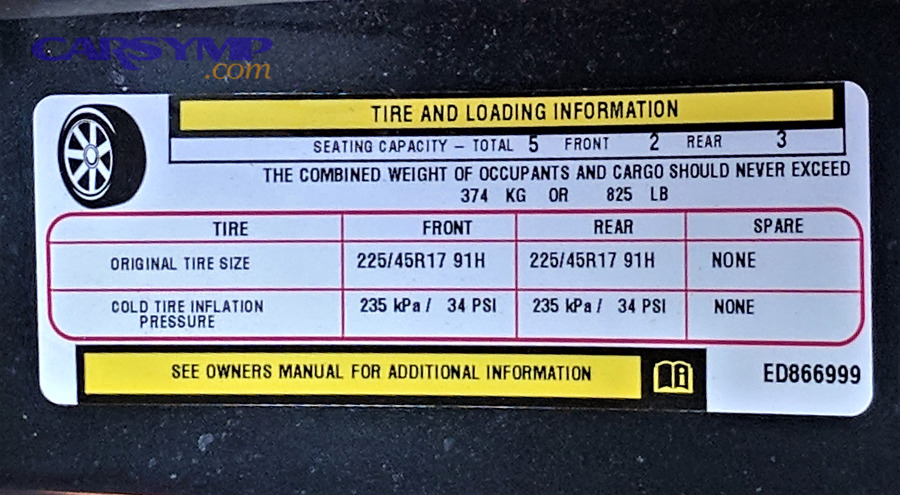
The placard matters because the kit’s gauge only helps if your PSI target is correct.
How do you connect and inflate correctly (PSI targets, hose routing, and time limits)?
Follow a controlled sequence to avoid hose blow-off, valve damage, or compressor overheating:
- Turn the car to accessory power (or READY mode for hybrids/EVs) so the compressor has stable voltage.
- Attach the hose to the valve stem firmly—no cross-threading, no angled stress on the valve.
- Keep the sealant canister upright (if your kit requires it) so the sealant feeds consistently.
- Start the compressor and watch PSI rise.
- Inflate to the placard PSI unless the kit instructions specify an interim value.
- Respect time limits. If the compressor runs a long time and pressure doesn’t rise, stop and troubleshoot—continuous running can overheat the unit and still won’t fix a big leak. (mwg.aaa.com)
A practical checkpoint: if PSI won’t climb meaningfully after a few minutes, the leak is likely too large or the valve connection is compromised.
What should you do immediately after inflation (drive cycle, recheck, and cleanup)?
Most kits require the same post-inflate rhythm:
- Disconnect carefully to avoid bending the valve stem.
- Drive a short distance (often a few miles) at moderate speed so sealant distributes and seals. (newsroom.aaa.com)
- Pull over safely and recheck PSI with the kit gauge.
- If PSI dropped significantly, don’t keep driving—switch to a spare/tow option.
Finally, wipe any visible sealant around the valve area so it doesn’t attract grit or interfere with a cap seal.
What are the most important do’s and don’ts after using tire sealant (speed, distance, and next steps)?
There are 3 critical do-and-don’t groups after using sealant—drive limits, repair timing, and repair method choice—and following them is what prevents a “temporary save” from turning into tire failure later. (newsroom.aaa.com)
Once you’ve got air back in the tire, the correct move is not “resume normal driving,” but “stabilize, verify, and exit the situation.”
How far and how fast can you drive after using sealant?
Most automaker kits set conservative limits, commonly around:
- Speed limit: typically up to ~50 mph (80 km/h)
- Distance limit: often capped (some kits note up to roughly 120 miles / 200 km)
Always follow your kit’s label/manual because limits vary by sealant chemistry and compressor design. (newsroom.aaa.com)
Do:
- Drive smoothly, avoid hard braking and fast corners.
- Recheck pressure again if the drive is longer than a quick hop to a shop.
Don’t:
- Treat it like a highway-ready repair.
- Load the vehicle heavily or tow.
When should you get a permanent repair, and what should you tell the tire shop?
Get professional service as soon as possible—ideally the same day—because sealant is a temporary measure and the puncture still exists.
Tell the shop:
- “I used sealant in the tire mobility kit.”
- Which tire was treated (front left, etc.).
- How far you drove afterward and whether pressure dropped.
That information changes the technician’s prep: they may need to clean the inside of the tire and inspect the valve/TPMS area before performing a permanent repair. (newsroom.aaa.com)
Should you repair, plug, patch, or replace the tire after using sealant?
This is where a Plug kit vs patch vs replace comparison matters, because the “right” choice depends on puncture location, size, and whether the tire was driven low:
- Patch/plug-combination repair (done from inside the tire) is widely recommended within industry repair procedures for qualifying tread punctures, because it seals the injury path and helps restore an airtight liner. (gov.goodyear.com)
- External plug-only repairs are faster but can be less robust long-term, especially if the injury channel isn’t properly sealed from the inside.
- Replace the tire if:
- the puncture is in the shoulder/sidewall,
- the hole is too large,
- the tire was driven significantly underinflated,
- there is internal damage, bulging, or cord exposure.
Sealant doesn’t change these physics—it only buys you time to make the correct permanent decision.
According to a study by Carnegie Mellon University from the Steinbrenner Institute (Carnegie Mellon Today), in 2005, researchers estimated that underinflated tires can waste substantial fuel over a year—supporting why restoring correct pressure quickly (and safely) matters beyond just getting rolling again. (cmu.edu)
Why didn’t the sealant work, and what quick troubleshooting checks can you do on the roadside?
There are 3 main reasons sealant fails—damage is too large/incorrect location, the air path isn’t controlled (valve/connection), or the seal breaks after the drive cycle—and quick checks can tell you which problem you’re dealing with. (newsroom.aaa.com)
Instead of repeatedly running the compressor, diagnose fast so you don’t waste time on a tire that can’t be stabilized.
What quick checks reveal a leak too big for sealant?
Check for “instant-fail” clues:
- Air hissing loudly even before you attach the hose
- Visible sidewall cut, bulge, or tear
- The puncture looks like a gash rather than a round nail/screw hole
- The tire bead appears unseated (gap at rim edge)
If any of these are present, stop trying to fix flat tire conditions with sealant and switch to a spare or tow plan.
What if the compressor runs but pressure won’t rise?
This usually means one of two things: air isn’t getting into the tire, or it’s leaving too quickly.
Do these checks in order:
- Valve connection check: remove and reattach the hose straight and tight.
- Valve stem integrity: look for bending/cracking; don’t torque sideways.
- Power check: make sure the 12V outlet is active (some require ignition on).
- Listen for the leak: if it’s loud and constant, the puncture is likely beyond the kit’s capability.
If pressure remains near-zero after a short attempt, continuing only heats the compressor and delays the safer solution.
What if pressure rises, then drops again after driving?
This pattern often means the sealant never fully stabilized in the injury path, or the damage flexes open under load.
Do this:
- Pull over and recheck PSI immediately.
- If PSI is below a safe threshold or dropping quickly, do not continue at speed.
- Inspect the tread area: if the puncture is near the shoulder or the object fell out leaving a larger opening, sealant may not hold.
- If you can inflate and hold briefly while parked but lose pressure under driving load, assume the tire needs replacement or towing.
AAA also notes that mobility kits can complicate repair outcomes and costs, which is another reason to stop sooner rather than “push it” once pressure becomes unstable. (newsroom.aaa.com)
What extra considerations matter for specific kits and vehicles (TPMS, shelf life, and “sensor-safe” claims)?
There are 4 extra considerations—TPMS behavior, sealant expiration/storage, marketing claims, and vehicle type (EV/hybrid/no spare)—and each one can change what “safe use” looks like after you inject sealant. (newsroom.aaa.com)
Once the immediate emergency is handled, these details protect you from warning lights, repeat flats, and avoidable tire shop surprises.
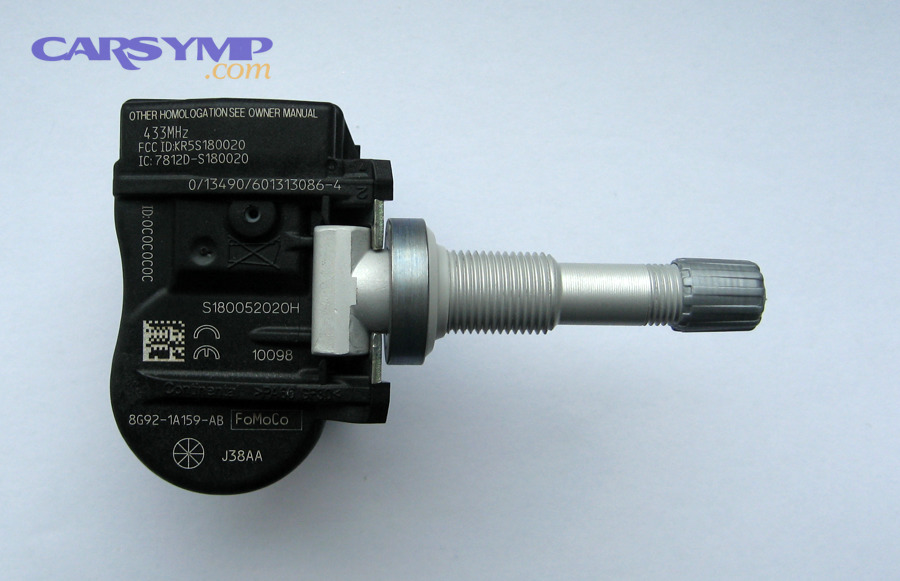
How to handle TPMS reset after fixing a flat with sealant
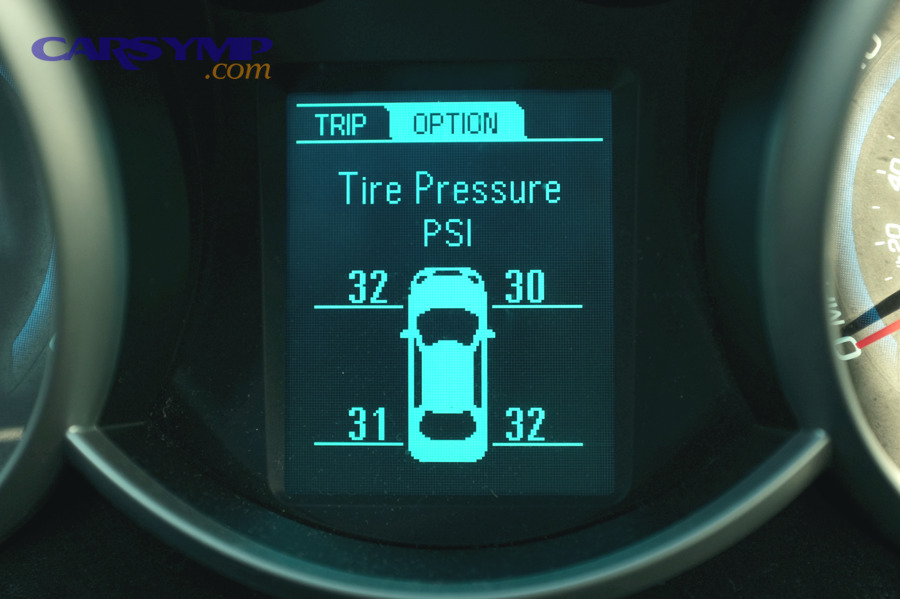
For many vehicles, you don’t “reset” TPMS after correcting pressure—you adjust pressure correctly and then drive so the system updates, while some vehicles require a relearn procedure after tire service.
A practical approach:
- Inflate to the placard PSI.
- Drive normally for a short period so the system can re-read pressures.
- If the light stays on, check the owner’s manual for a relearn/reset sequence.
NHTSA has noted that some vehicles do not require a manual reset after adjusting pressure, while others may have specific procedures depending on system type. (static.nhtsa.gov)
How to check expiration dates and store sealant correctly
Sealant is a chemical product, and it can degrade:
- Check the canister expiration date (usually printed on the bottle or label).
- Store in a moderate temperature range when possible (avoid baking in extreme heat for years).
- Replace the sealant when expired even if the compressor still works, because an expired canister may not flow or seal properly.
If your kit is OEM, order the correct replacement canister for your vehicle’s kit model—mixing canisters can cause fit or flow issues.
What “sensor-safe” and “latex-free” claims really mean
- “Sensor-safe” generally means the formulation is intended to be less harmful to TPMS components, but it doesn’t guarantee zero residue or zero cleanup.
- “Latex-free” can matter for allergies and some cleanup behaviors, but it doesn’t change the fact that sealant is still a temporary measure.
If you used sealant, assume the tire will need internal cleaning/inspection before a permanent patch/plug repair, especially on direct TPMS systems. (newsroom.aaa.com)
What to do if you have an EV, hybrid, or no spare (and the kit is your only option)
If the kit is your primary emergency tool (common on EVs and hybrids), the safest strategy is to plan around its limits:
- Keep sealant in-date and the compressor tested.
- Keep a tire pressure gauge and gloves in the vehicle.
- Know your roadside assistance options in advance.
- After any sealant use, schedule service immediately—don’t treat the kit as a repeatable long-term fix.
If you’re regularly driving remote highways, consider adding a more robust contingency plan (like a compact spare where feasible, or a professional-grade plug/patch approach handled at a shop) rather than relying on sealant alone.
According to a study by SAE International (vehicle engineering research), in 2016, researchers reported development work on integrated inflator sealants focused on maintaining sealing performance across temperature ranges—supporting why kit-specific chemistry and correct usage steps matter for real-world reliability. (sae.org)