


Getting an accurate exhaust leak repair cost estimate starts with one truth: the price depends on where the leak is and how far the damage has spread. A small gasket or clamp fix can be a few hundred dollars, while a manifold or catalytic converter-related job can jump into four figures. (autonationmobileservice.com)
Next, you’ll get the fastest clarity by identifying the leaking exhaust part (manifold, flex pipe, muffler, tailpipe, converter). That “which part?” answer determines labor time, parts pricing, and whether the shop must cut, weld, or replace sections. (autonationmobileservice.com)
Then, you’ll want to understand why two quotes for the same symptom can look wildly different—rust, broken hardware, vehicle packaging, and local labor rates all change the math. (autonationmobileservice.com)
Introduce a new idea: once you know the common price bands and the quote “line items” to expect, you can spot overcharging and avoid the expensive surprises that happen when corrosion or emissions parts get involved.
How much does it cost to repair an exhaust leak (typical estimate range)?
Most exhaust leak repairs land between $200–$850 for common fixes (gaskets, small pipe sections, mufflers), while bigger repairs like manifolds and especially catalytic converters can push the total from ~$1,000 to $4,000+, depending on the vehicle and what’s failed. (autonationmobileservice.com)
To keep that range from feeling abstract, it helps to anchor it to the most common “repair categories,” because shops usually price exhaust leak repair by what they must replace (part) and how hard it is to access (labor).
What are the most common exhaust leak repair price ranges?
The most common quote bands typically look like this (parts + labor):
- Minor leak repairs (pipes/gaskets): $200–$350 (autonationmobileservice.com)
- Tailpipe repairs: $300–$500 (autonationmobileservice.com)
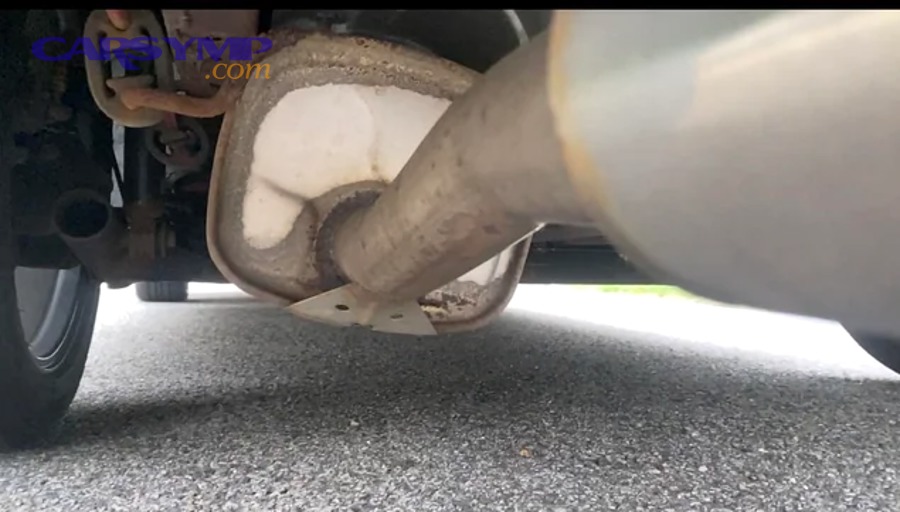
- Muffler repair/replacement: $350–$850 (autonationmobileservice.com)
- Exhaust manifold replacement: ~$990–$1,050 (example range) (autonationmobileservice.com)
- Catalytic converter replacement: $300–$4,000 (autonationmobileservice.com)
Because these are category estimates, your final number will swing based on whether the shop can seal/replace a small section or must replace a larger assembly.
How do labor and parts split the total estimate?
Labor and parts can flip depending on the job:
- Gasket/clamp repairs: parts are cheap; labor and access drive cost.
- Mufflers/tailpipes: parts can be moderate; labor varies with rust/cutting/welding needs.
- Manifolds: parts can be very expensive, and labor increases if studs/bolts snap or access is tight.
For example, RepairPal lists an average exhaust manifold replacement total between $1,430 and $1,639, with a large portion attributed to parts in that estimate. (repairpal.com)
What does a “typical estimate” look like in a quick table?
Here’s a simple way to interpret a quote based on the most common repair targets (this table summarizes typical categories and what usually drives cost):
| Leak location / repair target | Typical range (parts + labor) | What usually drives the price |
|---|---|---|
| Small gasket / minor pipe leak | $200–$350 | Access + labor time |
| Tailpipe section | $300–$500 | Rust + cutting/fitment |
| Muffler | $350–$850 | Part quality + hangers/rust |
| Exhaust manifold | ~$990–$1,050+ (often higher by vehicle) | Tight access + expensive parts |
| Catalytic converter | $300–$4,000 | Part cost + emissions compliance |
According to a study by Virginia Tech Transportation Institute from its transportation safety research programs, in 2025, in-cabin carbon monoxide readings in real-world vehicle operation showed spikes and higher exposures in conditions linked to older vehicles and internal exhaust leaks—supporting why prompt, correct repairs matter beyond noise and performance. (vtechworks.lib.vt.edu)
Which exhaust part is leaking, and how does that change the cost (muffler vs pipe vs manifold)?
The leaking part changes cost because each location requires a different mix of diagnostic time, access labor, and replacement complexity—a muffler or tailpipe section is often straightforward, while a manifold-area leak can require heat-cycled hardware removal and higher-cost parts. (autonationmobileservice.com)
So, before you accept an estimate, you want the shop to name the exact leaking component and show evidence (soot trail, sound probe, smoke test).
Is the leak near the exhaust manifold or manifold gasket?
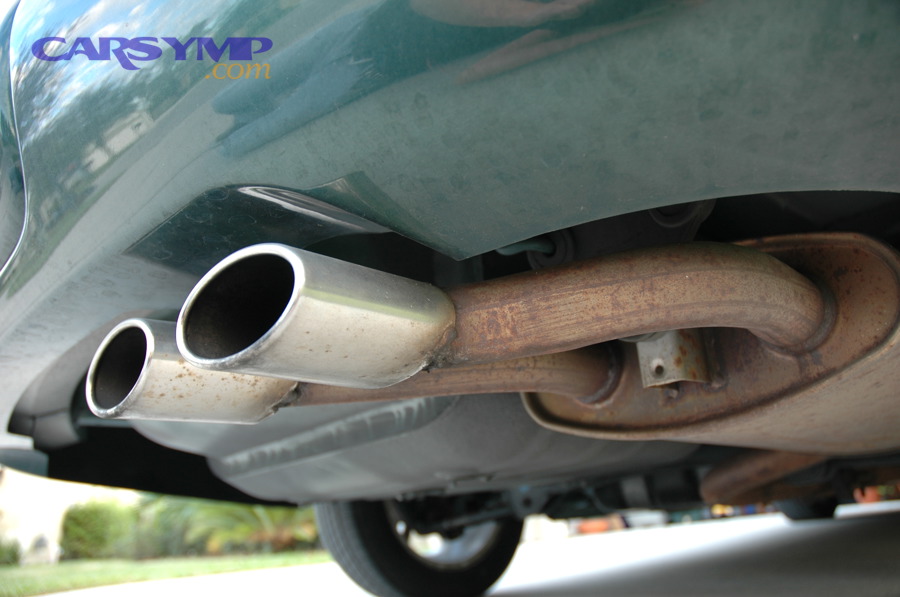
Manifold-area leaks (manifold crack, gasket failure, broken studs) trend expensive because:
- Access is tight (often near heat shields and engine bay constraints).
- Hardware is prone to seizing and snapping after many heat cycles.
- Parts can be costly.
That’s why manifold replacement estimates can sit around $1,430–$1,639 on average in some pricing databases. (repairpal.com)
Practical takeaway: if your quote is “manifold,” expect line items for gaskets, possibly studs/nuts, and meaningful labor time.
Is the leak in the flex pipe or a front pipe/downpipe section?
A flex pipe leak can be deceptively variable:
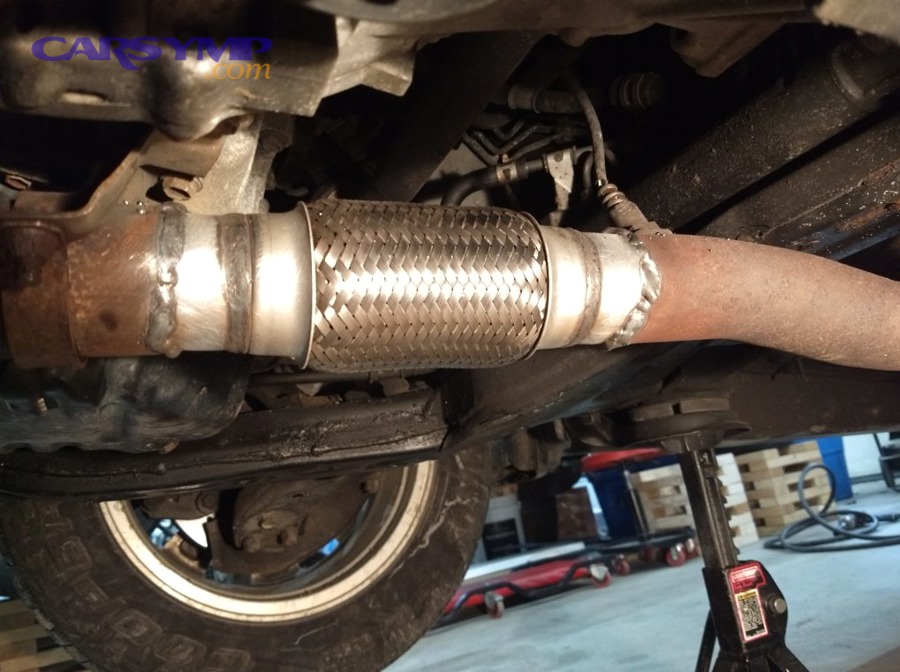
- If it’s a small crack and the rest of the pipe is healthy, the repair might involve a welded-in section.
- If surrounding metal is thin from rust, the shop may need to replace a longer front pipe assembly.
That’s why “Flex pipe leak and replacement options” should be discussed explicitly in your quote: ask whether the shop plans to patch, weld in a flex section, or replace the pipe assembly based on wall thickness and flange condition.
Is the leak at the muffler, resonator, or tailpipe?
Leaks in the rear section can be cheaper unless rust has spread:
- Muffler work is often $350–$850. (autonationmobileservice.com)
- Tailpipe sections commonly $300–$500. (autonationmobileservice.com)
However, if hangers, clamps, and flanges are rusted through, the shop may quote a larger section replacement because the old parts won’t reseal reliably.
Could the leak involve the catalytic converter or its connections?
Converter-related quotes swing the most because the part can be expensive and regulated:
- AutoNation Mobile Service lists catalytic converter replacement anywhere from $300 to $4,000. (autonationmobileservice.com)
If the converter itself is fine but the leak is at a flange/gasket, the repair may be much cheaper—so the estimate should clearly separate “converter replacement” from “converter flange/gasket repair.”
According to a study by Virginia Tech Transportation Institute from its vehicle exposure monitoring research, in 2025, literature summarized in-vehicle carbon monoxide levels ranging up to triple-digit ppm in worst-case scenarios tied to internal exhaust leaks—reinforcing why identifying the exact leak location matters for both cost and health risk. (vtechworks.lib.vt.edu)
What factors make exhaust leak repair quotes go up or down?
Yes—your exhaust leak repair quote can move hundreds (or thousands) of dollars based on at least three predictable factors: (1) labor rate and access time, (2) corrosion/rust severity, and (3) whether emissions parts are involved. (autonationmobileservice.com)
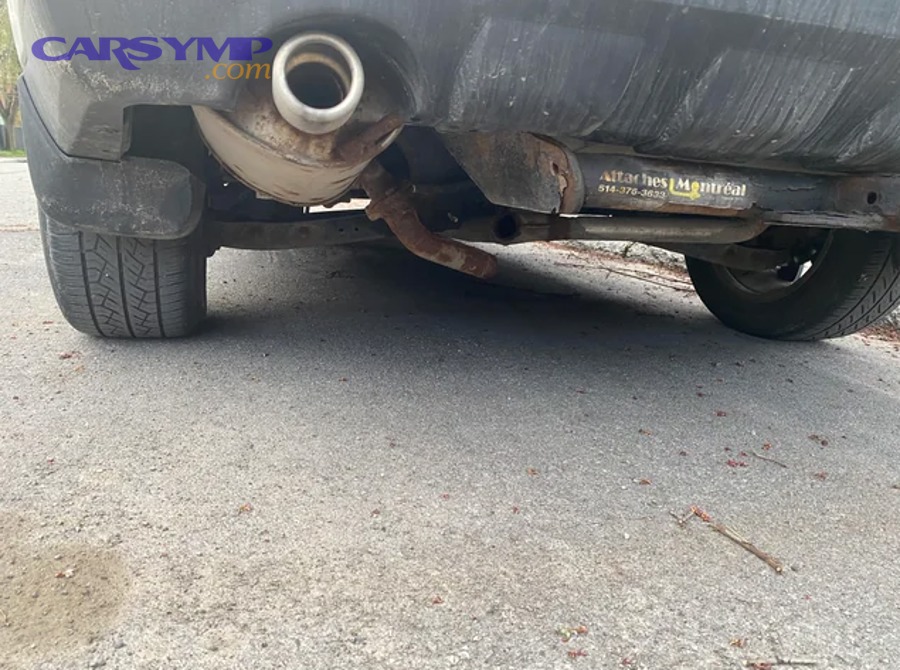
More importantly, these factors compound: rust increases labor, broken studs increase labor, and emissions parts can multiply parts cost.
How do labor rate and location affect the estimate?
Labor is often billed hourly, and published guidance commonly cites ranges like $65–$170 per hour depending on market and provider. (autonationmobileservice.com)
Two implications:
- A “simple” job in a high-labor-rate area can price like a “medium” job elsewhere.
- A shop’s diagnostic approach (quick visual vs smoke test + pinpointing) changes billed time.
How do rust and corrosion change the scope of the repair?
Corrosion is the quote multiplier because it turns “replace X” into “replace X + everything that attaches to X.”
This is where “Preventing exhaust corrosion and leaks” stops being just a maintenance tip and becomes cost control: if the shop sees thin metal, they can’t responsibly weld or clamp to it.
Research on exhaust-system materials and chloride exposure shows why: chloride-rich environments accelerate corrosion behavior and can promote pitting and material degradation in commonly used metals. (researchgate.net)
How does vehicle design and access change labor time?
The same part can be a different job depending on:
- Underbody shielding
- Turbocharged layouts
- Tight engine bay packaging
- AWD/4WD components blocking access
That’s why “muffler replacement” isn’t one universal labor time—it’s a category that varies by platform.
When do emissions rules and sensors raise the total?
Quotes rise when repairs touch:
- Catalytic converters
- O2 sensors near leak points
- Exhaust sections that must maintain OEM-style fitment to avoid check-engine lights or failed inspections
Even if the leak is “just noise,” emissions-related components can force replacement instead of repair in some scenarios.
According to a study by Częstochowa University of Technology from the Faculty of Production Engineering and Materials Technology, in 2024, electrochemical testing in chloride-containing environments highlighted corrosion behaviors relevant to exhaust materials, supporting why road-salt exposure and corrosion progression can shorten service life and increase replacement frequency. (researchgate.net)
Is it cheaper to DIY an exhaust leak repair or pay a shop?
Yes—DIY can be cheaper for a small, accessible leak, but paying a shop is often the better value when (1) the leak is near the manifold or converter, (2) the pipe is heavily rusted, or (3) you need welding/cutting you can’t safely do.
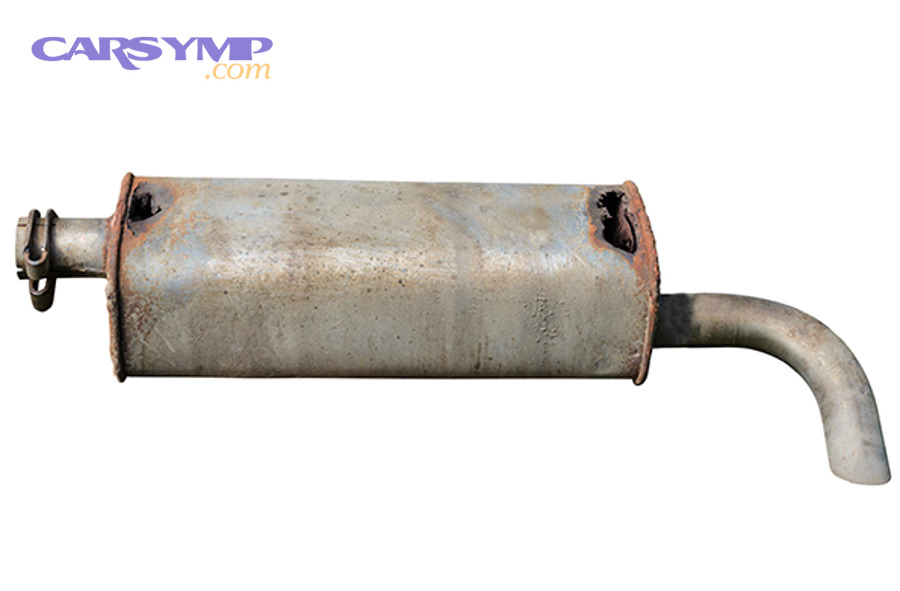
Then, the smartest way to decide is to compare total DIY cost (tools + materials + redo risk) against a shop’s warranty and proper fitment.
When is a DIY seal/patch actually worth it?
DIY makes sense when:
- The leak is small and easy to reach (rear section, simple joint)
- You’re using an appropriate high-temp exhaust sealant/bandage for a temporary fix
- You understand it may not last if rust is advanced
A good DIY decision is about stability: sealing a crumbling pipe often fails quickly, which means paying twice.
When does welding or cutting make DIY a bad idea?
DIY becomes a bad bet when:
- You’d need to cut sections precisely to preserve alignment
- Flanges are warped or corroded
- You can’t safely lift/support the car
- You risk damaging sensors or nearby components
This is where a shop’s equipment and experience matter more than the raw labor cost.
What are the “Flex pipe leak and replacement options” for DIY vs shop?
Flex pipe repairs sit in the gray zone:
- DIY temporary: some try wraps/bandages, but flex sections move and see heat cycles, so temporary fixes often don’t last.
- Shop repair: weld-in flex sections or replace the assembly when surrounding metal is thin.
If your estimate says “flex pipe,” insist the shop explain whether they’re welding in a flex, replacing the front pipe, or replacing multiple sections to ensure a durable seal.
Why the safety angle matters even if you’re cost-focused
DIY (and delaying repair) can expose you to the Safety risks of exhaust leaks, especially if exhaust gases can enter the cabin. If you ever notice headaches, nausea, or a strong exhaust smell inside the car, treat it as urgent and avoid prolonged driving until diagnosed.
Here’s a practical video method that many DIYers use for leak-finding (shop vac + soapy water), which also helps you confirm what you’re paying for:
According to a study by Virginia Tech Transportation Institute from its transportation exposure research, in 2025, higher in-cabin CO levels were associated with older vehicles, ventilation choices, and internal exhaust leaks—supporting the safety-first rule when weighing DIY vs shop repairs. (vtechworks.lib.vt.edu)
How do you check whether your exhaust repair estimate is reasonable?
A reasonable exhaust repair estimate clearly states the leak location, the fix method (seal/weld/replace), the parts list, and the labor time, and it matches typical price bands for that repair category. (autonationmobileservice.com)
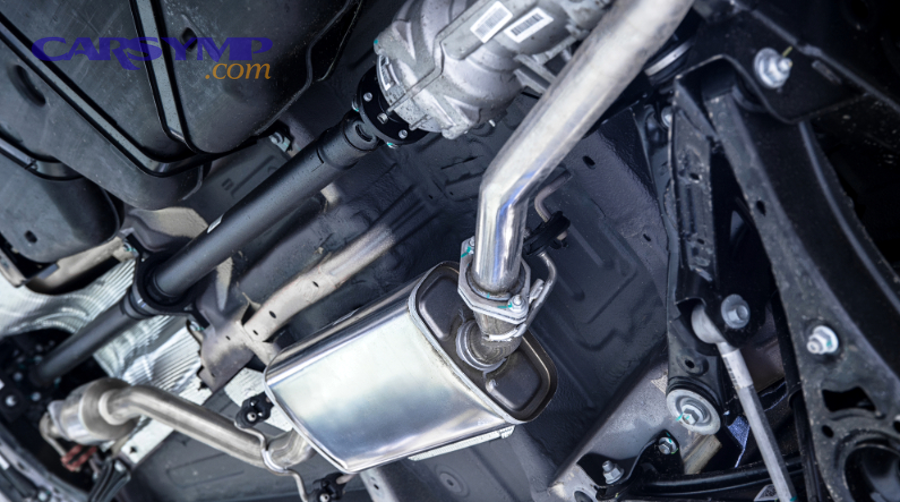
Next, you verify reasonableness by forcing clarity: “Show me the leak” and “Explain why this method is required.”
What should a written quote include for an exhaust leak repair?
A solid estimate usually includes:
- The exact leaking component (e.g., “front pipe before resonator,” not just “exhaust leak”)
- Parts (gaskets, clamps, hangers, pipe section, manifold, converter)
- Labor hours and labor rate
- Any contingencies (e.g., “if studs break, additional labor may apply”)
If those details are missing, you can’t compare quotes fairly.
How do you compare two quotes apples-to-apples?
To compare cleanly:
- Confirm both shops identified the same leak location.
- Confirm both are proposing the same repair method (replace vs weld vs patch).
- Compare parts quality (OEM-style vs economy aftermarket).
- Compare warranty terms.
If Shop A is replacing a whole section because of rust and Shop B is clamping a patch onto thin metal, the cheaper quote may be a short-lived fix.
What are common red flags for overcharging or misdiagnosis?
Watch for:
- “Whole exhaust system replacement” without showing why adjacent sections can’t seal
- Converter replacement without evidence the converter is the leak source
- No breakdown of labor vs parts
- No mention of rust condition in a rust-belt vehicle
A good sanity check is to use an independent checklist resource (some drivers use sites like carsymp.com) to make sure the quote includes the basics: confirmed leak point, repair method, and why alternatives won’t hold.
What questions should you ask the shop before approving the repair?
Ask:
- “Where exactly is the leak, and how did you confirm it?”
- “Are you replacing or repairing—why?”
- “Is rust affecting adjacent sections or flanges?”
- “Will this repair affect emissions components or trigger a check-engine light?”
- “What warranty do you provide?”
According to a study by Virginia Tech Transportation Institute from its vehicle-cabin exposure monitoring research, in 2025, data and literature synthesis emphasized that worn seals and deteriorating exhaust systems increase the chance of in-cabin pollutant intrusion—supporting the idea that “cheap but leaky” repairs are not reasonable long-term. (vtechworks.lib.vt.edu)
What rare situations can make exhaust leak repair unexpectedly expensive ?
Rare but real—exhaust repairs can get unexpectedly expensive when (1) hardware breaks during removal, (2) hidden corrosion forces wider replacement, or (3) emissions components and sensors are damaged or legally constrained, turning a simple leak into a multi-part job. (autonationmobileservice.com)
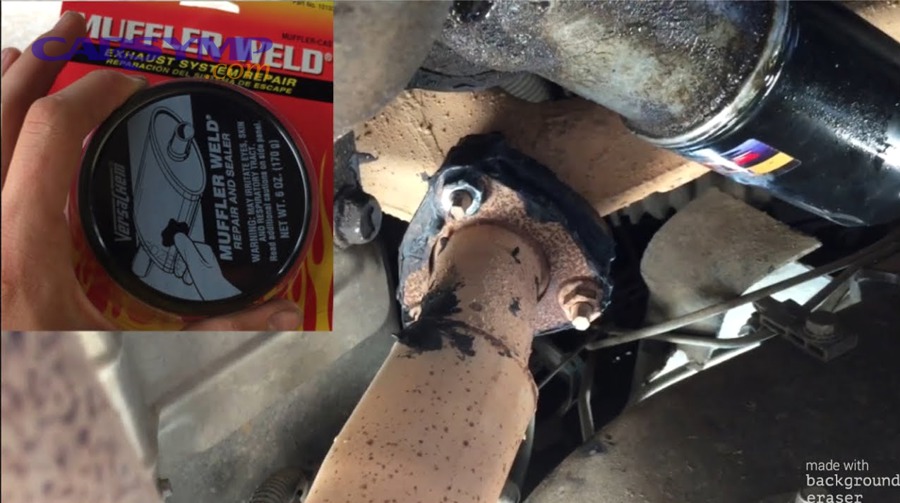
Then, the way you avoid surprise costs is by demanding a “plan A / plan B” estimate: what they’ll do if bolts snap or if they find thin metal beyond the visible leak.
Can broken studs/bolts turn a small leak into a big job?
Yes—especially near the manifold. Exhaust hardware sees extreme heat cycles and corrosion, so bolts can snap during removal. That can add:
- Extraction time
- Replacement hardware
- In worst cases, additional disassembly for access
This is one reason manifold-area quotes often carry higher labor risk than rear-section repairs. (repairpal.com)
Can hidden corrosion force replacement of multiple sections?
Yes. Exhaust rust often spreads from:
- Flanges
- Weld seams
- Hangers and clamp points
Once the shop cleans and touches the pipe, thin metal can crumble, and a “small repair” becomes “replace a longer section so it seals.” That’s why “Preventing exhaust corrosion and leaks” is a legitimate cost strategy: washing undercarriages in salt regions and addressing small leaks early can slow the cascade.
Road salt’s broader corrosion impact is well documented, with government summaries noting large-scale costs tied to salt-driven corrosion damage. (epa.gov)
Can catalytic converters or O2 sensors be part of the surprise?
Yes. Even if the converter isn’t the source, leaks near converter flanges can:
- Damage gaskets and hardware
- Trigger sensor-related issues if exhaust flow changes
- Force replacement if the converter housing is compromised
Given the potential converter cost range ($300–$4,000), you want evidence before approving that line item. (autonationmobileservice.com)
How do you reduce “surprise add-ons” before authorizing work?
Do these three things:
- Ask for photos/video of the leak area and surrounding metal condition.
- Request a written contingency note (what happens if bolts snap or metal is too thin).
- Confirm whether welding is planned and whether adjacent sections are structurally sound.
According to a study by Częstochowa University of Technology from the Faculty of Production Engineering and Materials Technology, in 2024, chloride-ion environments were specifically used to evaluate corrosion susceptibility of exhaust-related materials—supporting why salt-region corrosion can turn “simple leaks” into wider replacements when metal integrity is compromised. (researchgate.net)