


If you’re searching for O2 sensor replacement labor time, the practical answer is that most oxygen sensor replacements fall in a 30–90 minute window, but packaging, corrosion, and which sensor you’re replacing can push the job into the 1–2+ hour range for some vehicles. The fastest jobs are the ones with a clear sensor location and clean threads; the slowest jobs are the ones that involve heat shields, tight access, or a seized sensor.
Next, you’ll get a clear definition of what “labor time” includes so you can compare shop quotes accurately—especially when a quote looks “high” even though the actual wrench time might be short. This matters because labor time can mean billed flat-rate hours, not just minutes spent under the car.
Then, we’ll break down the biggest question hidden inside your keyword: upstream vs downstream. Sensor location changes everything—tools, access direction, and whether you’re fighting heat shields up top or rust under the chassis.
Introduce a new idea: once you can estimate time reliably, you can translate that time into a fair price and decide whether oxygen sensor replacement is a quick DIY job for you—or a job that’s smarter to hand to a shop when corrosion turns minutes into hours.
What is “O2 sensor replacement labor time” (and what does it include)?
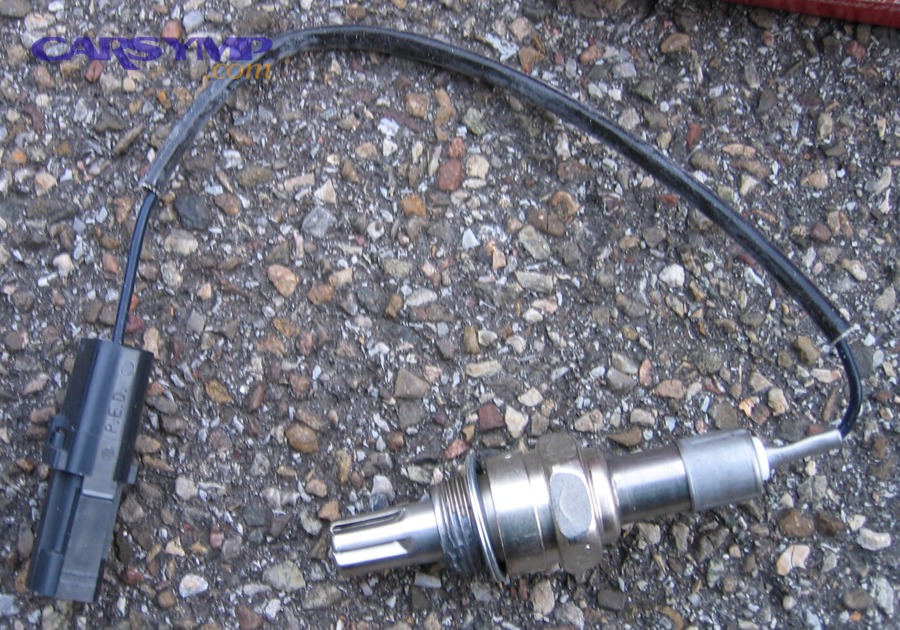
O2 sensor replacement labor time is the billed or estimated amount of work time a mechanic allocates to remove and install an oxygen sensor, including access and reassembly steps that make the sensor reachable. Specifically, labor time covers what must happen before the sensor can even turn—raising the vehicle, removing shields, reaching connectors, and putting everything back.
Next, because people often compare a “minutes” idea to an “hours billed” invoice, it helps to separate what you see (elapsed time) from what a shop bills (flat-rate labor time).
Does labor time mean “hands-on time” or “billed time”?
Yes—labor time usually means billed time, not just hands-on time, for three reasons: flat-rate guides standardize quoting, shops include setup/access, and the same job can vary widely by corrosion and packaging. Specifically, a shop may bill a flat-rate hour even if the sensor spins out quickly, because the estimate has to cover the average scenario—including the ones where access is poor or threads fight back.
To illustrate the difference, think of labor time as a predictive budget:
- Billed (flat-rate) time: A standardized estimate used to quote consistently across customers and locations.
- Elapsed time: The clock time from “car in bay” to “car out of bay,” which can include waiting for the exhaust to cool, interruptions, or diagnostic checks.
- Hands-on time: The minutes actually spent removing shields, unplugging connectors, breaking the sensor loose, and installing the new one.
In practice, “why does it say 1.2 hours when you did it in 40 minutes?” often comes down to how flat-rate labor works—and why shops must quote in a way that remains fair when the next identical vehicle is rusted solid.
What steps are typically included in an O2 sensor labor estimate?
There are 7 main steps typically included in an O2 sensor labor estimate: access setup, sensor identification, connector release, sensor removal, thread prep, sensor installation, and verification. Specifically, each step contributes minutes that add up differently depending on where the sensor sits.
Below, here’s what those steps usually look like in real-world workflow:
- Access setup: lift or jack/stands, wheel chocks, lighting, undertray removal if needed
- Sensor identification: confirm upstream/downstream and bank/sensor number
- Connector release: unclip harness, unlock connector, free routing points
- Sensor removal: penetrating oil, break loose with the correct socket
- Thread prep: clean seat area, protect threads, avoid contamination
- Sensor installation: thread by hand first, tighten to spec (or per service guidance)
- Verification: check for leaks, secure wiring away from heat, clear codes if appropriate, confirm live data
Evidence matters here because “labor time” isn’t just a guess—estimators often combine parts pricing and standardized labor-time data to create quote ranges. RepairPal, for example, states its estimator uses industry-standard parts pricing and labor-time data (combined with a labor rate model) to produce ranges. (repairpal.com)
How long does it usually take to replace an O2 (oxygen) sensor?
There are 3 main time bands for O2 sensor replacement—easy (30–45 minutes), moderate (45–90 minutes), and difficult (90–180+ minutes)—based on access, corrosion, and how much disassembly is required. Specifically, the sensor itself is rarely the long part; access and seizure risk are what stretch the job.
Then, to turn that into a usable estimate, you need a framework that tells you which band your car belongs to—without guessing.
Is O2 sensor replacement typically under 1 hour?
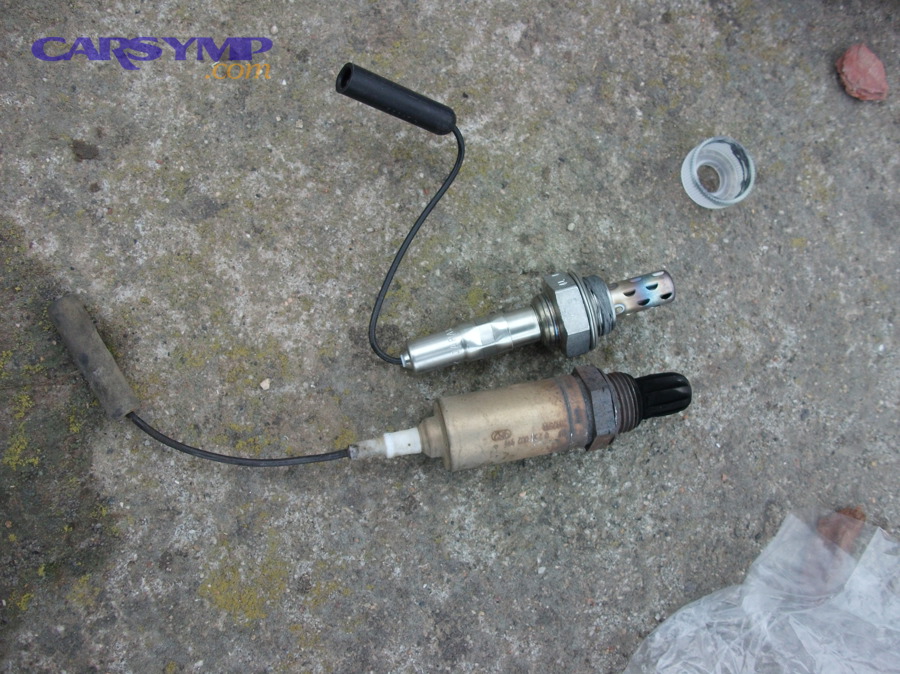
Yes—O2 sensor replacement is typically under 1 hour for three reasons: many sensors are externally mounted, removal is one fast break-loose step when threads are clean, and installation is straightforward with the correct socket and connector access. However, the “typically” disappears when corrosion locks the threads or when heat shields and tight engine-bay packaging force partial disassembly.
More specifically, it’s usually under an hour when:
- The sensor is reachable without removing major shields or braces
- The connector is accessible and not buried behind brackets
- The vehicle isn’t heavily corroded
- You already have the right tool (more on O2 sensor socket tools and tips later)
And it’s usually not under an hour when:
- The sensor is seized and needs repeated soak/heat cycles
- The upstream sensor is firewall-side on a transverse V6
- A turbo/downpipe heat shield blocks access
- You must remove undertrays, skid plates, or cross-braces first
What are typical labor-time ranges for easy, moderate, and difficult access jobs?
There are 3 main ranges for O2 sensor replacement time—easy (0.5–0.75 hr), moderate (0.75–1.5 hr), and difficult (1.5–3.0+ hr)—based on how many access barriers exist between you and the sensor. Specifically, each additional barrier (shield, brace, seized threads) adds predictable minutes.
The table below summarizes typical time expectations so you can align your situation to a realistic band.
| Access level | Typical labor time | What usually makes it fall here |
|---|---|---|
| Easy | 0.5–0.75 hr | Clear access, minimal shielding, clean threads, easy connector |
| Moderate | 0.75–1.5 hr | Some shielding/undertray, awkward angle, connector routing clips |
| Difficult | 1.5–3.0+ hr | Seized sensor, turbo/downpipe shields, tight rear-bank access, thread repair risk |
A practical benchmark you’ll see in consumer-facing repair pages is that many jobs land around an hour, but vary by vehicle and sensor location. YourMechanic’s Q&A example even gives a specific upstream estimate around 1.2 hours for a particular vehicle scenario.
Which factors increase labor time the most?
There are 5 main factors that increase O2 sensor labor time the most: corrosion, heat shielding, sensor location, connector access, and thread condition. Specifically, these factors change whether removal is one smooth break-loose motion—or a multi-step extraction process.
- Corrosion (rust-belt reality)
Rust can fuse dissimilar metals. The sensor threads become the job. You may spend more time on penetrating oil cycles than on the replacement itself. - Heat shields and undertrays
Shields protect components but often block socket angle. Removing them can add 10–30 minutes depending on hardware condition. - Sensor location (engine bay vs underbody)
A sensor on the downpipe under the car might be easy on a lift—but a fight on jack stands. Conversely, an upstream sensor on the manifold can be “right there” or buried near the firewall. - Connector and harness routing
A sensor can be mechanically easy but electrically annoying: locked connectors, brittle clips, and tight routing points add time and frustration. - Thread condition and bung integrity
If threads are damaged or cross-threaded, you may need thread chasing or exhaust-bung repair—turning a swap into a repair.
Evidence about why this matters isn’t only about convenience—it’s emissions control. Malfunctioning emissions control components can contribute disproportionately to real-world emissions; University of Michigan reporting on emissions research has highlighted how a smaller subset of malfunctioning vehicles can account for a large share of measured emissions in on-road analyses. (news.umich.edu)
Is upstream O2 sensor replacement faster than downstream?
Upstream wins in “quick access” on some engines, downstream is best for “lift access” on many chassis, and neither is universally faster because location-driven access is the deciding criterion. Specifically, upstream sensors can be faster when they’re topside and reachable; downstream sensors can be faster when underbody access is wide open and corrosion is low.
Next, to estimate correctly, you have to know what upstream and downstream mean in naming, function, and physical placement.
What’s the difference between upstream (Sensor 1) and downstream (Sensor 2) sensors?
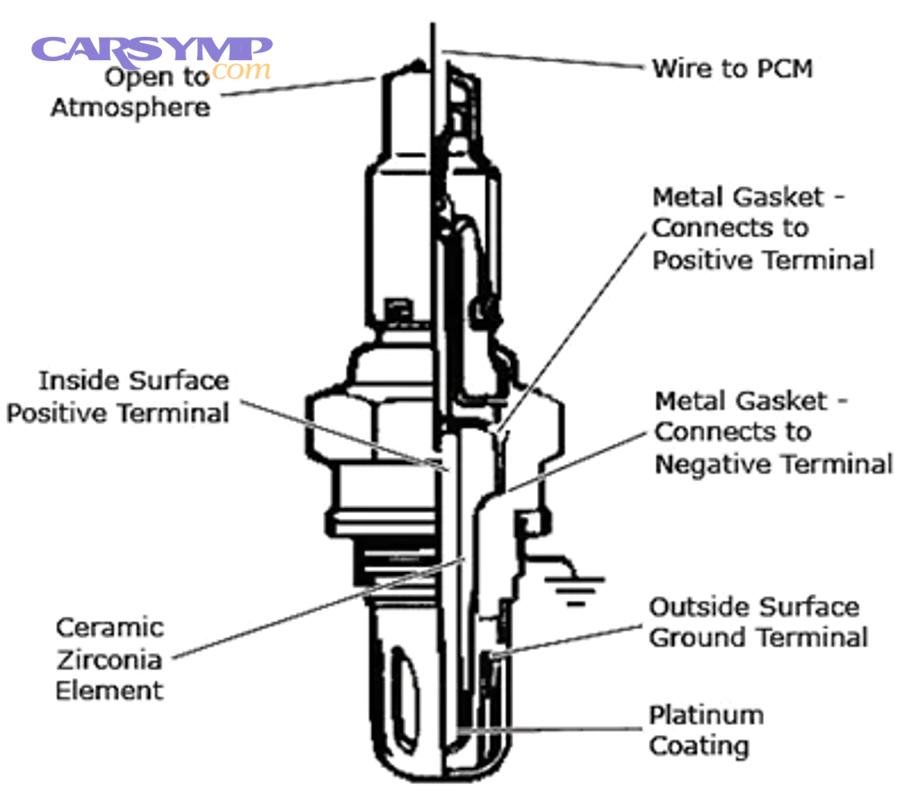
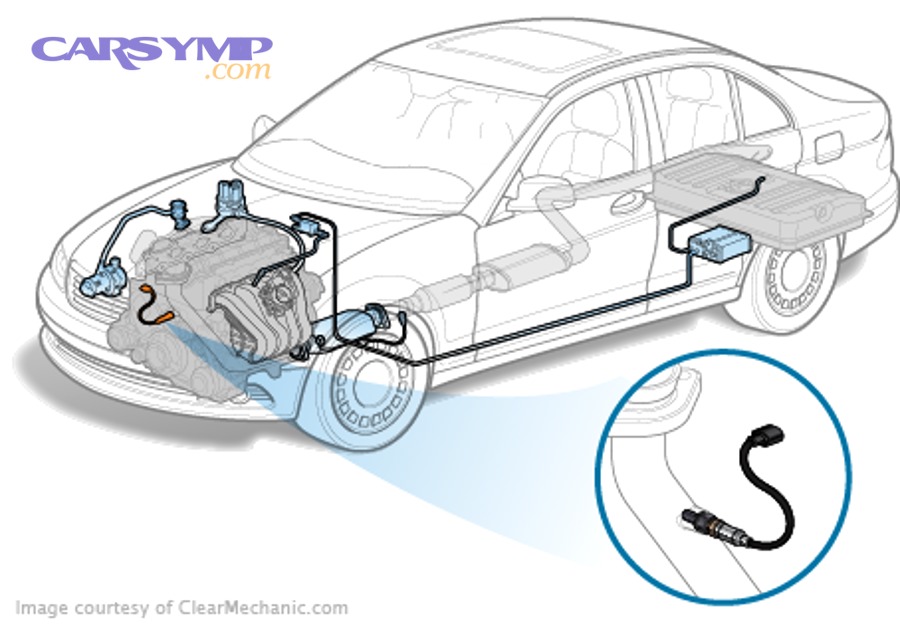
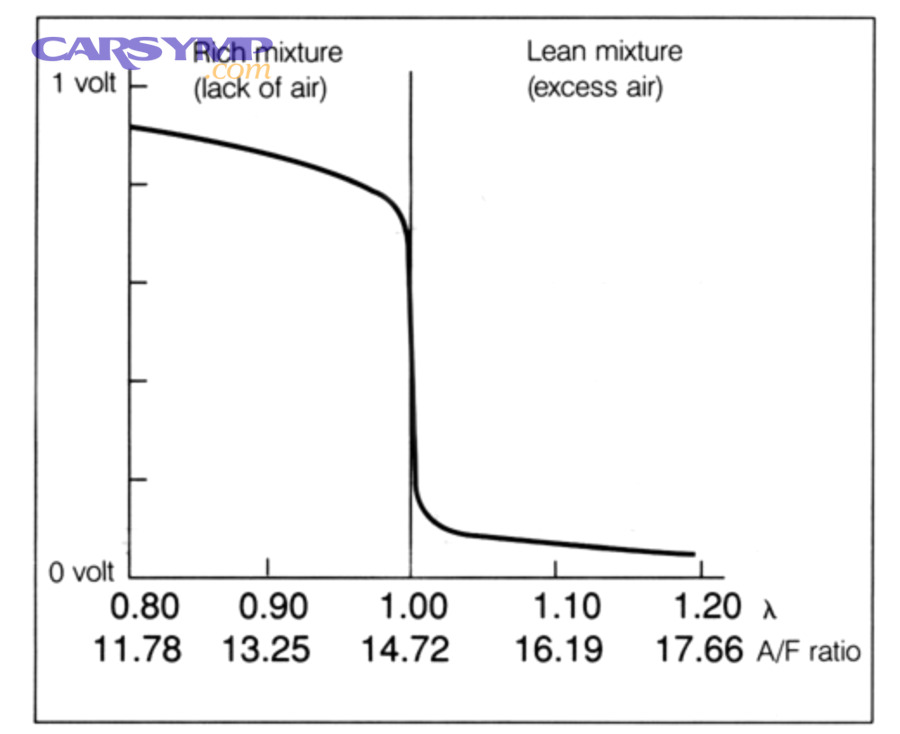
Upstream (Sensor 1) is the oxygen sensor placed before the catalytic converter to inform fuel control, while downstream (Sensor 2) is placed after the catalytic converter to monitor catalyst performance and exhaust oxygen trends. Specifically, upstream is closer to the engine (hotter, often tighter); downstream is farther along the exhaust (often underbody, often rustier).
To better understand naming, most vehicles describe sensors by Bank and Sensor:
- Bank 1: the engine side containing cylinder #1
- Bank 2: the opposite side on V engines
- Sensor 1 (upstream): before the catalytic converter
- Sensor 2 (downstream): after the catalytic converter
This isn’t just semantics—it prevents ordering the wrong part and wasting labor time redoing access steps.
Which usually takes longer—upstream or downstream—and why?
Upstream wins in time when it’s reachable from the top, downstream is faster when a lift gives direct access underneath, and the slowest scenario is whichever one is seized in place by heat-and-rust cycles. Specifically, labor time is less about upstream/downstream labels and more about how many obstacles sit between your tool and the sensor hex.
Here are the most common patterns:
- Upstream takes longer when the sensor sits behind a turbo heat shield, or on the firewall side of a transverse engine where your hands can’t get clean alignment.
- Downstream takes longer when the sensor is under the car in a rusted bung, especially in areas where road salt and moisture live on the exhaust.
- Either can be quick when threads are clean and the sensor is accessible with a proper socket.
If you want a “human benchmark,” a JustAnswer mechanic-style response describes front O2 sensor work often being completed around 30–45 minutes by an experienced mechanic, while DIY might take closer to an hour depending on access and corrosion. (justanswer.com)
How does sensor location change the tool/setup time (topside vs underside access)?
Topside access wins for speed when you can reach the sensor without lifting the vehicle, underside access wins for speed when a lift provides direct alignment, and jack-stand access is usually the slowest because setup and working angles add time. Specifically, many DIY estimates are wrong because they ignore setup time.
- Topside (engine bay): fastest setup, but can be tight, hot, and shielded
- Underside (on a lift): fast removal because you can align the socket straight
- Underside (jack stands): slower due to lifting, safety checks, limited swing room, and visibility
That’s why two people can do “the same” oxygen sensor replacement and report wildly different times.
What is a realistic labor-time estimate by vehicle layout?
There are 3 layout-driven labor-time profiles—simple packaging, tight transverse packaging, and turbo/heat-shield packaging—based on how the drivetrain and exhaust routing constrain access. Specifically, the more compact the layout (or the more heat shielding present), the more time shifts from “turn the sensor” to “make the sensor reachable.”
Next, use the layout your car most resembles to pick the right estimate band before you call a shop or start a DIY job.
Do FWD transverse engines usually take longer than RWD longitudinal engines for upstream sensors?
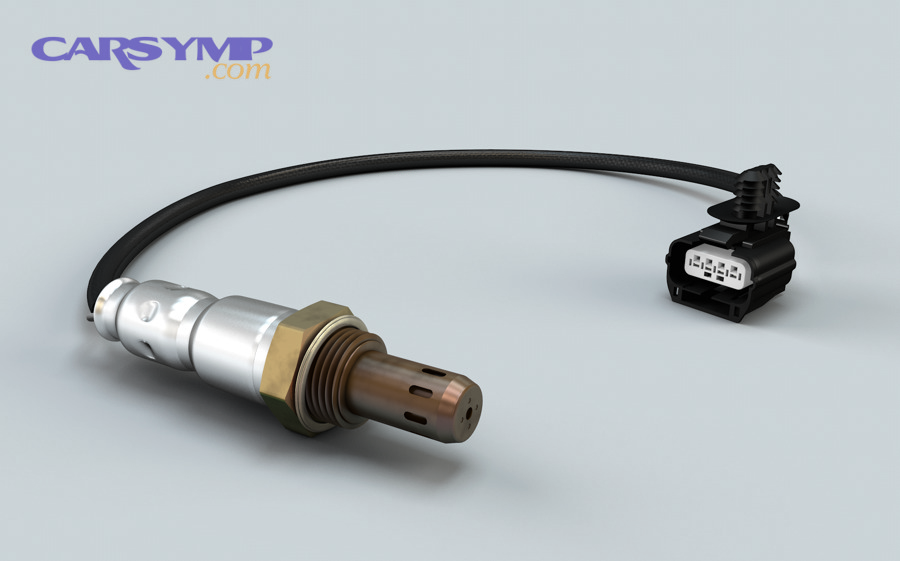
Yes—FWD transverse engines often take longer for upstream sensors for three reasons: the rear bank faces the firewall, tool alignment is restricted, and heat shields and brackets cluster tightly around the exhaust manifold area. Specifically, a “rear-bank upstream” sensor can turn into a feel-by-touch job with limited leverage.
However, not every transverse setup is slow. Four-cylinder transverse engines can be surprisingly accessible, especially when the upstream sensor is at the front of the engine bay. The pattern is strongest on transverse V6 layouts.
Practical estimating tip: if you hear “rear bank” and “upstream” in the same sentence, assume at least moderate time unless you’ve confirmed easy access visually.
How does a turbocharged setup affect labor time?
A turbocharged setup increases labor time because it adds heat shielding, tight downpipe packaging, and higher likelihood of stubborn threads from extreme heat cycles. Specifically, turbo/downpipe areas run hot and often place sensors near shields or brackets that must move first.
Common turbo-specific time adders include:
- Downpipe heat shield removal (rusted fasteners)
- Limited socket angle due to turbine housing proximity
- Harness routing around hot components (must be secured correctly)
- Higher burn risk (forcing cool-down time)
If you’ve ever watched a “stuck O2 sensor” removal video, turbo/downpipe cases are often the reason those videos exist.
When replacing multiple sensors, is the total time simply additive?
No—replacing multiple sensors is not simply additive for three reasons: setup time is shared, access steps overlap, and once tools are in place the second sensor is often faster than the first. Specifically, the first sensor replacement “pays” the cost of lifting, removing shields, and getting visibility; subsequent sensors often benefit from that groundwork.
A realistic way to estimate is:
- First sensor: full access/setup time + removal/install time
- Additional sensors in the same access zone: mostly removal/install time + harness routing checks
This matters when a shop quote lists multiple sensors—ask whether the labor time is discounted due to shared access work.
How can you estimate shop labor charges from O2 sensor labor time?
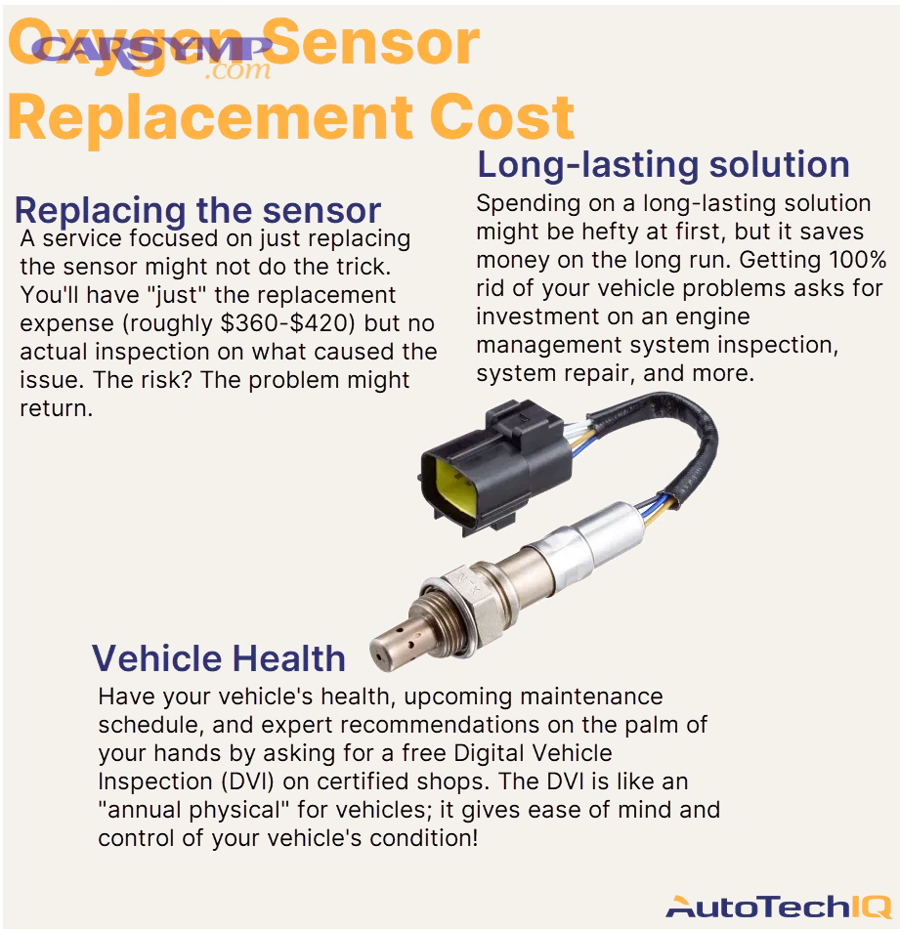
The most reliable method is: labor hours × shop hourly rate + (any diagnosis fee), with 3 checks to protect you—confirm which sensor, confirm whether diagnosis is included, and confirm whether corrosion contingencies exist. Specifically, you want the labor line item to match the actual scope.
Then, once the quote is transparent, you can decide whether the price reflects difficulty—or reflects uncertainty.
Does the quote include diagnosis time or only replacement labor?
No—many quotes do not include diagnosis time unless it’s stated, for three reasons: code retrieval is not the same as diagnosis, shops separate testing from replacing, and multiple faults can trigger the same code. Specifically, a P013x-style code can point to wiring issues, exhaust leaks, or sensor response issues—not only a dead sensor.
What to ask:
- “Is this quote replacement only, or does it include diagnosis?”
- “Are you replacing Bank/Sensor X, or whichever you find first?”
- “Will you test for exhaust leaks or wiring damage before replacement?”
If the quote includes diagnosis, that can explain why labor hours look higher than your “wrench time” expectation.
What is the difference between “book time” and real-world time for O2 sensor replacement?
Book time wins for consistent quoting, real-world time is best for describing what actually happened, and the gap between them grows when corrosion and access complexity increase. Specifically, book time is a standardized labor guide approach; real-world time is the variable outcome.
Here’s how to interpret each:
- Book time: helps shops quote fairly across customers; protects against under-quoting the hard cases
- Real-world time: helps you understand what you’re paying for when the job is easy or difficult
- Best-case outcome: real time < book time (clean threads, easy access)
- Worst-case outcome: real time > book time (seized threads, broken fasteners)
RepairPal’s estimator demonstrates how consumer-facing pricing often separates labor and parts, giving ranges that reflect typical billed labor and typical parts pricing. (repairpal.com)
What questions should you ask to confirm the labor-time line item?
There are 6 questions you should ask to confirm the labor-time line item: which sensor, what labor hours, diagnosis included, parts choice, corrosion policy, and verification steps. Specifically, each question reduces the chance you pay for uncertainty rather than work.
Ask:
- Which sensor exactly? (Bank 1/2, Sensor 1/2; upstream or downstream)
- How many labor hours are you billing?
- Is diagnosis included? If yes, what tests?
- OEM vs aftermarket sensor—does it change labor? (connector routing can)
- What happens if it’s seized? (time cap or approval call)
- Will you clear codes and verify operation afterward?
If a shop can answer these quickly, your quote is usually grounded. If they can’t, the labor time may be padded to cover unknowns.
Can DIYers match shop labor time, and what affects DIY time most?
Yes—DIYers can match shop labor time for three reasons: many sensors are accessible, the procedure is straightforward with the right tools, and preparation (penetrant, correct socket, safe lifting) removes most delays. Specifically, the “DIY penalty” usually comes from setup, tool mismatch, and seized hardware—not from the sensor swap itself.
Next, if you approach the job like a planned procedure instead of an improvisation, your time estimate becomes much more accurate.
Do you need an O2 sensor socket, or can a wrench work?
Yes—you should use an O2 sensor socket in most cases for three reasons: it protects the sensor hex from rounding, it clears the wiring harness, and it allows better alignment and torque control in tight spaces. Specifically, a standard box wrench can work, but it often slips, rounds, or can’t fit cleanly around the harness.
Here are practical O2 sensor socket tools and tips that save the most time:
- Use a slot-style O2 sensor socket that passes over the wire
- Prefer a 6-point contact when possible to reduce rounding risk
- Add a breaker bar for controlled initial force rather than jerky pulls
- Use penetrating oil and give it time to work before you force it
- If space is limited, use a crowfoot-style O2 socket with extensions and a swivel
A wrench is most realistic when the sensor is easy-access and you can get full engagement on the hex without the harness getting in the way.
What are the most common DIY time traps ?
There are 7 common DIY time traps: wrong sensor identification, wrong tool choice, seized threads, connector damage, harness misrouting, over-tightening, and skipping verification. Specifically, most DIY “this took me all day” stories start with one of these traps.
- Ordering the wrong sensor
Avoid by confirming Bank/Sensor naming and comparing connector shape/length before you disassemble. - Starting without penetrant
Avoid by spraying threads early (ideally before you set up tools), then letting it soak. - Trying to remove it hot without a plan
Avoid burns and stripped threads by planning the removal window: warm can loosen, but too hot is unsafe. - Breaking a connector clip
Avoid by using a pick tool gently and releasing locks correctly. Don’t yank the harness. - Misrouting the harness
Avoid by copying factory routing and keeping wires away from the exhaust path and moving parts. - Skipping Anti-seize and torque best practices
Avoid future seizure or thread damage by following sensor manufacturer guidance. Many sensors come with thread coating already—so you should not automatically add more. When anti-seize is appropriate, keep it off the sensor tip and use only a light amount on threads, then tighten to the correct spec rather than “as tight as possible.” - Not verifying after installation
Avoid repeat work by checking live data if you have a scan tool, confirming the connector is locked, and ensuring no exhaust leaks are present.
Evidence on sensor performance helps explain why careful installation matters. According to a study by The Ohio State University from the Department of Mechanical Engineering, in 2006, exhaust-gas composition and operating conditions can materially affect oxygen sensor behavior and response—supporting the need for correct installation and verification rather than assuming replacement alone guarantees correct operation. (etd.ohiolink.edu)
What else should you know before and after replacing an O2 sensor to avoid rework?
There are 4 key rework-prevention areas—correct identification, seized-sensor escalation, post-replacement verification, and thread integrity—because each one can turn a simple oxygen sensor replacement into a repeat repair. Specifically, these are the micro-details that decide whether you finish once or come back under the car a second time.
Next, treat this section as the difference between “I replaced it” and “I replaced it correctly.”
How do you identify the correct sensor (Bank 1/Bank 2, Sensor 1/Sensor 2) before estimating time?
There are 4 practical ways to identify the correct sensor: scan tool labeling, service information diagrams, physical location relative to the catalytic converter, and cylinder #1 bank confirmation. Specifically, you want to avoid the most expensive mistake: doing access work twice because the first sensor you touched wasn’t the one being replaced.
Use this sequence:
- Read the code with freeze-frame (if available) and note whether it references Bank/Sensor.
- Locate the catalytic converter and trace the exhaust path:
- Before the cat = upstream (Sensor 1)
- After the cat = downstream (Sensor 2)
- Confirm Bank 1 by identifying cylinder #1 (service data or engine diagram).
- Visually compare the replacement part to the installed sensor: connector style, harness length, and bung location match.
Time-estimate benefit: once you know the exact sensor, you can predict access direction (top vs bottom) and the likely time band.
What should you do if the sensor is seized (minutes vs hours scenario)?
If the sensor is seized, the best method is a controlled escalation in 4 steps—penetrant soak, correct socket alignment, heat/cool cycles, and last-resort extraction—so you maximize success without damaging threads or the bung. Specifically, the goal is to break the corrosion bond while protecting the exhaust bung.
A safe escalation path:
- Penetrant soak (and patience)
Spray at the threads/bung interface. Let it work. Reapply. Give it time. - Use the right tool with clean alignment
Use a proper O2 sensor socket with a breaker bar. Keep the socket square. - Heat/cool strategy (where safe and appropriate)
Some techs use controlled heat to expand the bung. If you don’t have experience, this is where a shop may be the smarter choice. - Last-resort extraction
If the hex rounds or the sensor snaps, extraction can become a specialized job—sometimes requiring welding a nut or replacing the bung section.
This is where estimates jump from “under an hour” to “half a day.” When a shop asks for approval to continue, it’s usually because they’re crossing from replacement labor into extraction labor.
Do you need to clear codes and complete readiness monitors after replacement?
Yes—you often need to clear codes and confirm readiness for three reasons: the ECU stores fault history, emissions testing can require readiness monitors, and verification prevents misdiagnosis if the root cause was wiring or leaks. Specifically, replacing a sensor doesn’t automatically “erase” the reason the computer complained.
What to do after replacement:
- Clear codes with a scan tool (or allow the vehicle to clear after successful cycles, depending on strategy and local inspection requirements)
- Check live data to confirm sensor activity (especially upstream switching behavior)
- Confirm readiness monitors if emissions inspection is coming soon
This step doesn’t always add much wrench time, but it can add calendar time if you need a drive cycle to complete monitors.
When does thread damage require chasing threads or bung repair—and how does that change labor time?
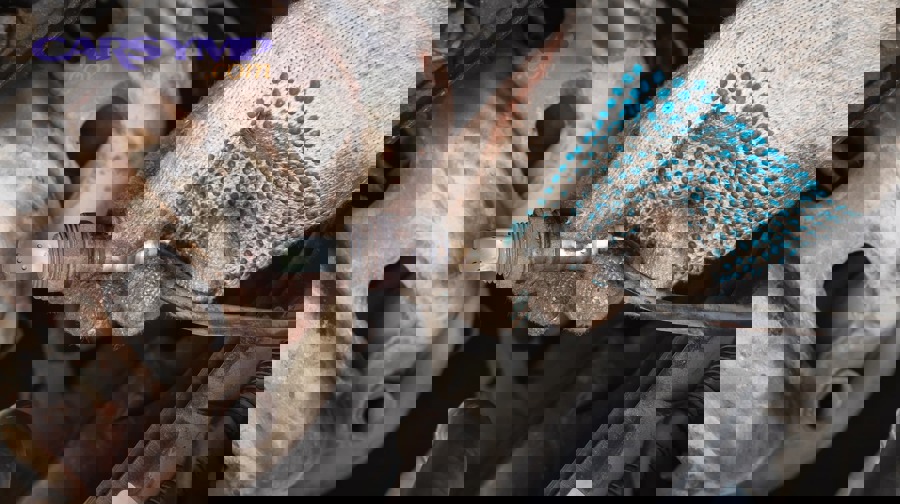
Thread chasing is best when threads are dirty or lightly damaged, bung repair is necessary when threads are stripped or cross-threaded, and labor time increases sharply because the job becomes exhaust repair rather than sensor replacement. Specifically, the moment threads don’t accept hand-starting, you’re no longer in “simple replacement” territory.
Signs you may need thread work:
- Sensor won’t start by hand after careful alignment
- Threads feel gritty or bind immediately
- Sensor seats crooked or won’t tighten properly
- Visible thread damage in the bung
Time impact:
- Thread chase/clean: can add 15–45 minutes depending on access
- Bung repair/replacement: can add hours and may require an exhaust shop
This is also where Anti-seize and torque best practices become crucial: cross-threading or over-tightening is one of the fastest ways to turn a replacement into a repair.
Evidence (if any)
- RepairPal publishes consumer-facing cost ranges and describes its estimator as combining parts pricing and standardized labor-time data with a labor rate model. (repairpal.com)
- A vehicle-specific example from YourMechanic estimates an upstream oxygen sensor replacement labor time around 1.2 hours in a Q&A scenario, illustrating how location changes the labor figure.
- According to a study by The Ohio State University from the Department of Mechanical Engineering, in 2006, oxygen sensor behavior can vary with exhaust conditions—supporting careful installation and post-replacement verification rather than assuming replacement alone guarantees correct operation. (etd.ohiolink.edu)